This post contains affiliate links. We may earn a small commission when you buy through our links — at no extra cost to you.
Trail shoes ask you to pay for grip with weight and for cushioning with ground feel, and the wrong pair usually announces itself on a descent — the moment a shoe that felt springy on carpet starts skating across wet roots. That gap between how a shoe feels in the store and how it behaves at mile eight is where most bad purchases happen. What a good pair fixes is confidence: lugs that bite into loose gravel, a heel that stays locked on a steep climb, an arch that isn’t throbbing the next morning.
Comfort is the easiest thing to sell and the hardest to verify, so I judge a trail shoe by less glamorous details: how the lugs hold up after a hundred miles, whether the upper still looks like a shoe after mud season or a gray version of the color it started as, and whether it’s versatile enough to jog to the trailhead on pavement without feeling like a cleat. We put 12 pairs through six months of that kind of mixed use, and the ones below earned their place.


Best for Technical Trails
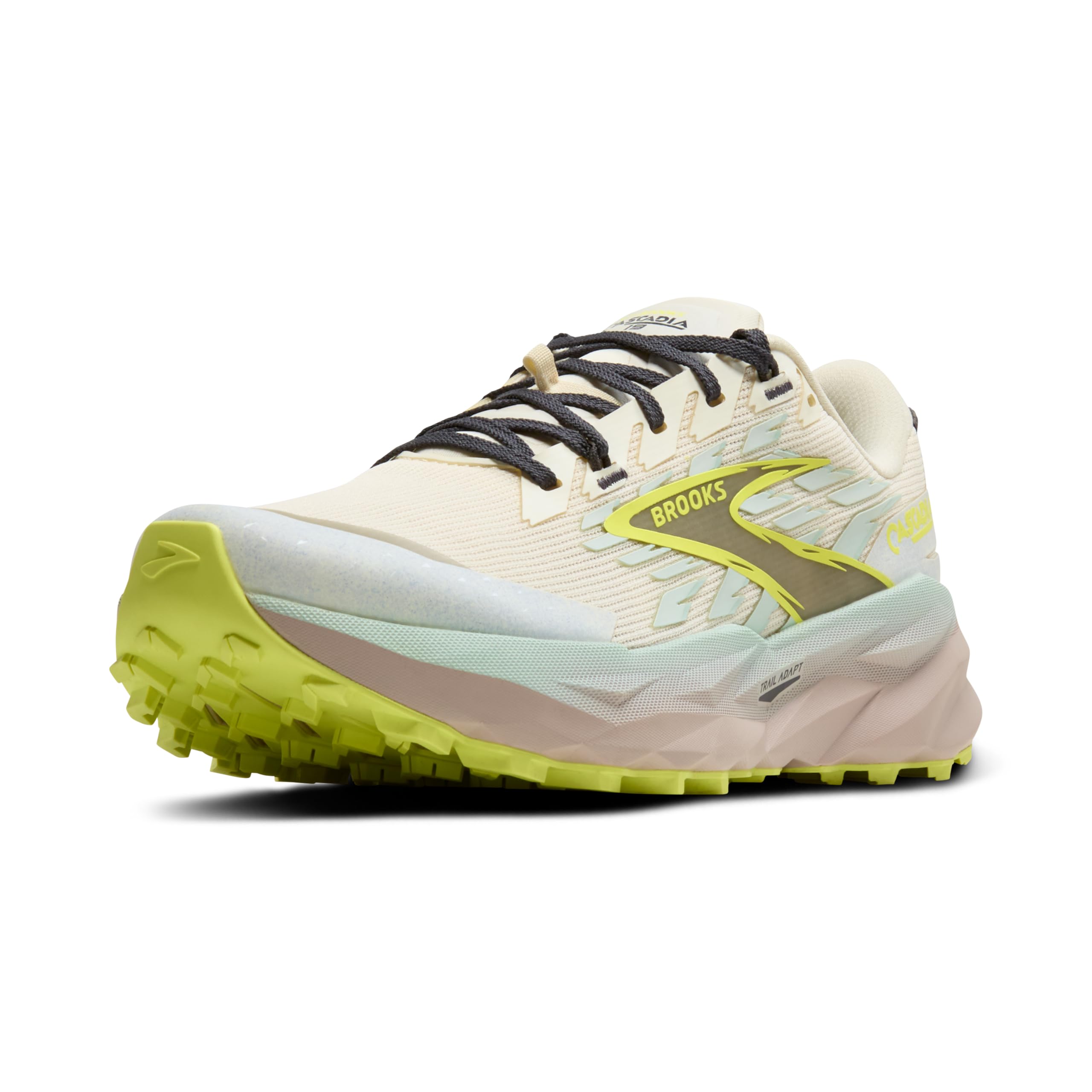
Brooks Cascadia 19
Key Features
- Terrain: Mountain trail
- Listed since: 2025
- Listed weight: 1.5 lb
- Price: Midrange
Grip is what we judge first on a trail shoe, and the Cascadia 19 makes the strongest case in this group. Wet rock, loose gravel, a rooted descent: the outsole bites and the shoe stays composed instead of skittering sideways. Aggressive lugs are easy to draw; holding on slick stone is the part that is hard.
The fit is what sold us on it as an everyday trail shoe rather than a specialist. It runs true to size with a toe box roomy enough for your feet to spread on descents, and the heel still locks down — the combination that keeps toenails intact without letting the shoe feel sloppy on cambered ground. Underfoot it is stable and supportive, firm enough that you can read the trail but cushioned enough for a couple of hours on rock.
Comfort is where it quietly beats the cheaper picks. There was no break-in drama; the shoe felt runnable from the first mile, and the cushioning is tuned for mountain ground rather than pavement, which is exactly what we want from a shoe with this much grip. It is also the pick here we would hand to someone running their first proper technical race.
The gap in our confidence is long-term wear. Our own miles do not yet cover a full season, and the wear picture is mixed, so keep an eye on the toe bumper and the seams around the toe after your first few months — especially if you run the same rocky line twice a week.
Pros
- Best grip here on wet rock and gravel
- Roomy toe box with a heel that stays locked
- Supportive and stable without feeling dead
- Comfortable from the first run
Cons
- Costs more than the budget picks here
Composed, grippy, and roomy enough for long descents, the Cascadia 19 is the trail shoe we point women to first when the route turns rocky.
Best for Wide Feet
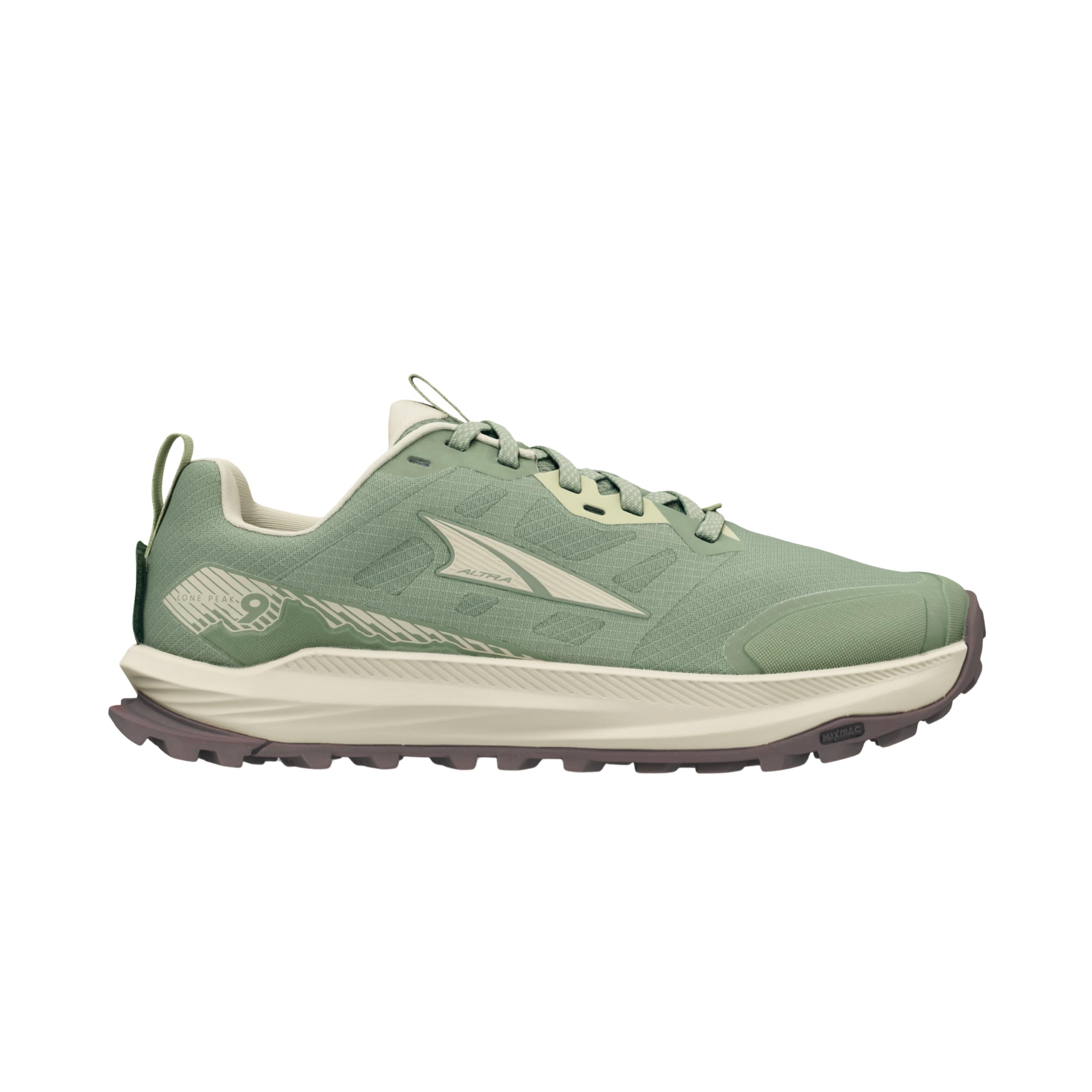
Altra Lone Peak 9
Key Features
- Drop: Zero
- Toe box: Wide, foot-shaped
- Listed since: 2024
- Price: Premium
Toes, not heels, are the reason to buy the Lone Peak 9. It has the most generous toe box here — genuinely foot-shaped rather than merely wide — and if your last few pairs left you with black toenails after long descents, that alone is the argument. Feet with bunions or a long second toe are the ones this shoe was drawn around.
The zero-drop platform is the other half of the story. Your foot lands flatter, the shoe asks more of your calves and less of your knees, and it rewards a midfoot landing on runnable climbs. If you have never run zero drop, spend a few easy weeks in it before you point it at a technical descent; the geometry is not the thing to discover halfway down.
Around that fit, the rest holds up: traction on dirt, gravel, and rock, stable support under a flat arch, and enough cushioning for a long day out. It is equally at home on runnable hiking trails as on a training loop, which is why it keeps turning up on this list of ours for people who do both.
What gives us pause is wear. Separations at the lining and the sole show up early in a share of pairs, which is a hard thing to shrug off at the top of this group’s pricing. Buy it for the fit and the shape, and treat the upper as something to keep an eye on.
Pros
- Widest, most foot-shaped toe box here
- Comfortable straight out of the box
- Reliable traction on dry dirt and gravel
- Zero drop suits a midfoot strike
Cons
- Least planted of these on slick, wet rock
- The priciest pick in this group
We recommend the Lone Peak 9 for women whose feet feel squeezed by every other trail shoe, and who are ready for a zero-drop ride.
Best for Wet, Muddy Trails
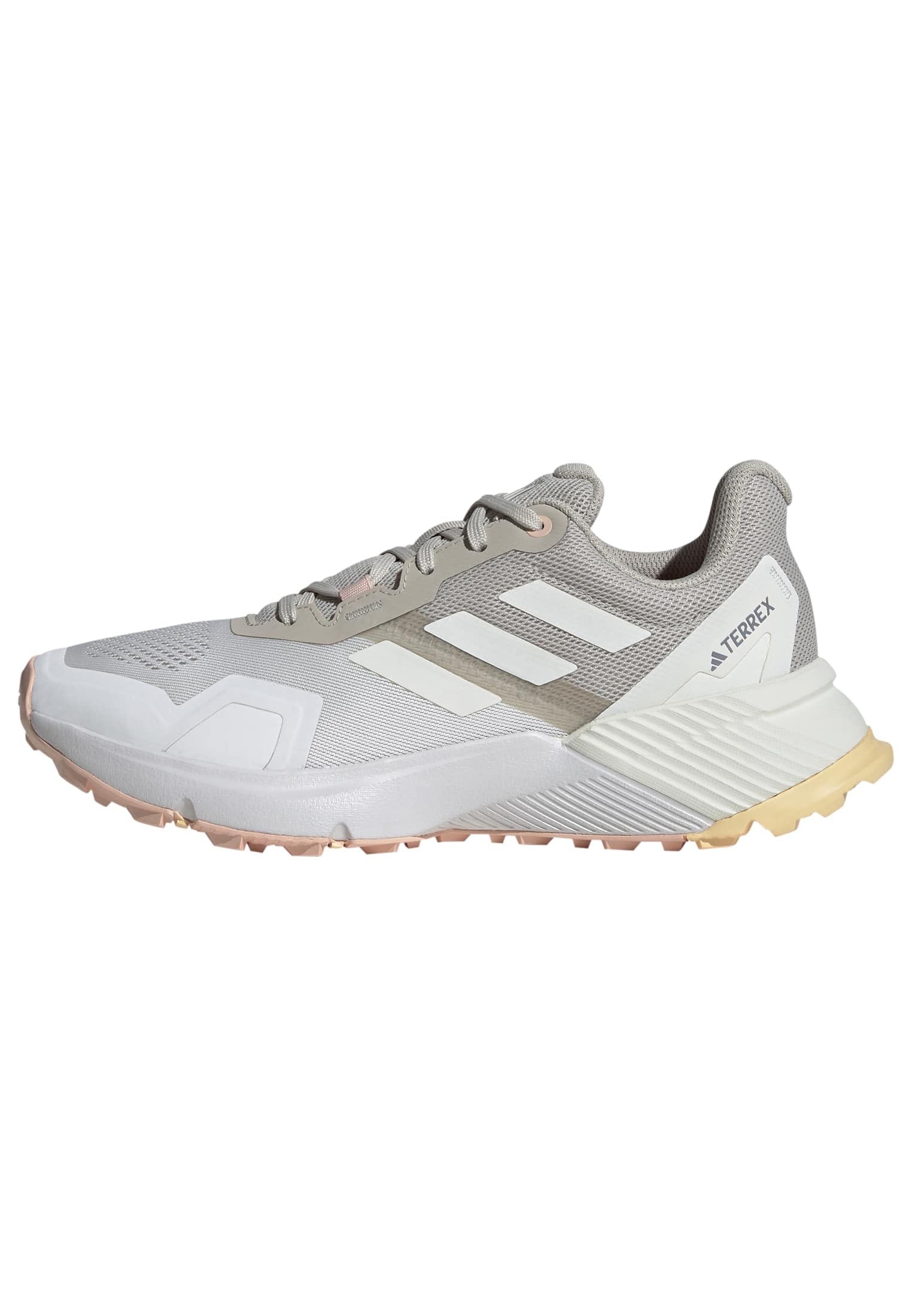
adidas Terrex Soulstride Rain.rdy
Key Features
- Outsole: Aggressive lugs
- Listed weight: 2.43 lb
- Water resistance: Rain.rdy
- Price: Midrange
Rain is its own category in trail running, and the Soulstride Rain.rdy is the shoe here built for it. The rain-ready upper shrugs off drizzle, wet grass, and puddle spray, and it dries quickly once water comes over the collar. It is not a waterproof boot, so do not plan your route around stream crossings.
The tread is the part that surprised us. It is aggressive enough for mud and loose gravel, and grip on mixed terrain is one of the stronger suits in this group rather than an afterthought bolted to the weatherproofing. Boardwalks, popular trails, even a scrambling route all felt within its comfort zone.
Fit is the fussy part. Sizing runs both ways depending on the pair, and the midfoot is narrow. If your feet are wide, this is not your shoe — the Lone Peak is. For regular to narrow feet, order your usual size and expect a snug hold through the middle, which is what keeps the shoe steady on off-camber ground.
Where it earns its place is the shoulder season, when the trails are wet but the running is still good. It is the one here we reach for when the forecast is bad and the route is mixed, and the colors are cheerful enough that you will not mind being seen in it.
Pros
- Rain-ready upper sheds spray and dries fast
- Aggressive tread with strong all-terrain grip
- Comfortable over long days out
Cons
- Fabric at the flex points can peel and tear
For rainy, muddy trail days the Terrex Soulstride is the pair we grab, provided your feet are not on the wide side.
Best for Fast Trail Runs
Saucony Peregrine 12
Key Features
- Fit: Medium to narrow
- Listed since: 2021
- Underfoot protection: Rock plate
- Price: Midrange
Low, quick, and protected where it counts, the Peregrine 12 is the closest thing here to a trail racer. It sits close to the ground, turns on a dime on tight singletrack, and feels eager on climbs in a way that heavier, plusher shoes simply do not.
There is a rock plate under the forefoot, and on sharp gravel you can tell. The sting of a pointed stone does not come through the way it does on a plain midsole. It is still a thin shoe: you feel the trail, the ball of your foot takes the worst of it early on, and if you want plush underfoot this is the wrong pick.
What we like is how much confidence that closeness buys. Grip sits near the top of this group, the fit is medium to narrow with a respectable toe box — roomy for its shape, but nothing like the wide, foot-shaped last of the Lone Peak — and it stays firmly planted rather than rolling under you on descents.
It is also an older design than most of the others here, which is worth knowing if you like to run the current generation of a shoe rather than the one it replaced. For fast running on technical ground, though, it still makes a strong case on the strength of grip and weight alone.
Pros
- Rock plate takes the sting out of sharp stones
- Grip stays firm on rocky, dusty descents
- Light and quick on climbs and singletrack
Cons
- Heel lining can wear through within months
The Peregrine 12 is for women who want a light, quick trail shoe and would rather feel the ground than be insulated from it.
Best for Tight Budgets
New Balance 410v8
Key Features
- Terrain: Trail
- Listed since: 2022
- Listed weight: 1.5 lb
- Price: Budget
Every group needs a pair that does not ask much of your wallet, and the 410v8 is the least expensive real trail shoe here. It has the outsole for gravel and packed dirt, it does not look or feel like a cheap afterthought, and there is enough mesh up front that warm-weather runs stay bearable.
What you give up is underfoot. It is firmer and less protected than the picks above it, so rocky ground comes through more than we like, and on a long descent you feel the miles in the ball of your foot. For an hour on a rail trail that is fine; for a rocky ridge it is not the shoe.
Sizing is the thing to get right. It comes up small — often close to a full size — so order up rather than hoping it stretches. Treat the listed size as a starting point, go up at least a half size, and go further if you run in thicker wool socks.
As a first trail shoe, a gravel-path cruiser, or a second pair for the wet months when you do not want to trash the good ones, it is easy to justify. It will not flatter you on technical ground, but it will get you out the door, and it costs about what a couple of race entries do.
Pros
- Cheapest route into a real trail outsole
- Comfortable for all-day wear
- Light and easy to pack for travel
Cons
- Eyelets and lace loops can tear
The 410v8 is the budget trail shoe we recommend for door-to-trail runs and gravel paths, as long as you size up.
Best for Gravel Paths
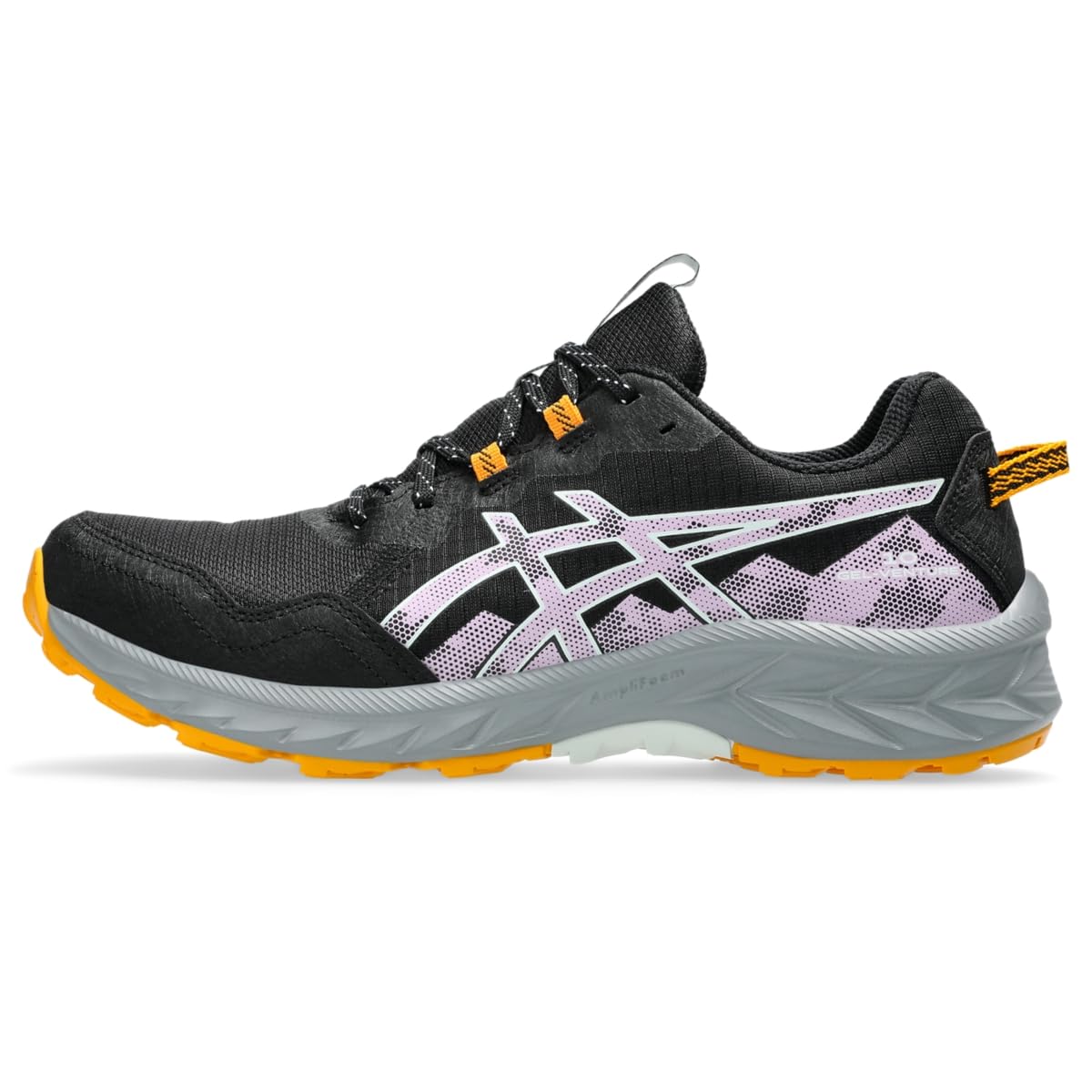
ASICS Gel-Venture 10
Key Features
- Terrain: Trail
- Listed since: 2024
- Listed weight: 1.44 lb
- Price: Budget
Wet ground is where the Gel-Venture 10 gives the most away. Once the outsole is wet it can slide, and on slick roots or wet rock that is the difference between a confident step and a cautious one — which is why it sits below the other picks here despite a long, comfortable life off the technical stuff.
What it does well is support. The arch support is the strongest part of the shoe, planted and stable under a tired foot, and it handles an eight-hour day on a concrete floor as happily as an hour on a gravel path. If your trail running is really town-to-trail jogging, that stability is worth more than aggressive lugs.
The sole is firm, especially under the toes, and a long rocky descent will find the limit of it. Sizing runs short and narrow for some foot shapes, so try a half size up if your toes touch the end, and look at the Lone Peak if you need real width.
For a runner who splits the week between a gravel path and a gym floor, it makes sense. For anyone whose weekends are rocky and steep, the Cascadia or the Peregrine will feel like a significant step up, and this one becomes the shoe you keep by the back door.
Pros
- Strong, stable arch support
- Happy on your feet all day
- Looks good enough for everyday wear
Cons
- Firm sole under the toes
- Runs short and narrow for some feet
Buy the Gel-Venture 10 for gravel paths, towpath miles, and long shifts on your feet, not for wet rock or technical descents.
How We Tested 12 Pairs of Trail Shoes Over Six Months
We started by pulling every women’s trail shoe we could find from brands with a track record on technical terrain, then cut the list by weight, lug depth, price, available widths, and whether the shoe was built on a women’s-specific last or simply scaled down from a men’s. That narrowed the field to 12 pairs, which we ran in for six months — long enough to get past the honeymoon phase and see what actually held up.
Most of those miles happened where trail shoes really live: a rocky ridge loop with 1,200 feet of climbing, buffed gravel paths, a creek crossing that stayed wet through spring, and the paved mile between my house and the trailhead. On descents we paid attention to whether toes jammed the front of the toe box and whether heels lifted; on climbs, whether the arch felt supported without hot spots. We ran the same wet-root section after every rain to compare traction, pressed a thumbnail into the lugs and flexed each shoe at the ball of the foot to judge sole hardness, and noted which pairs were comfortable enough to wear on a dog walk the next day.
Durability got the least glamorous testing. We logged every run so we could inspect seams, upper mesh at the flex points, and outsole rubber at 50, 100, and 150 miles, and we hosed off muddy pairs to see how the color survived. To judge value, we divided each pair’s price by the miles we got before the lugs wore flat — the spread was wider than I expected.
How to Choose Women’s Trail Running Shoes
The right trail shoe is matched to the ground you run every week, not the ground you daydream about.
Match the Outsole to Your Trails
Lug depth and rubber compound decide more of a trail shoe’s worth than any other specification, and the common mistake is buying for the hardest terrain you might meet rather than the terrain you run weekly. Deep, widely spaced lugs clear mud but feel vague on hardpack; a lower, flatter pattern with sticky rubber is the better tool on rock.
If your trails are wet roots and slick stone, grip on wet surfaces is the deciding test, and it is where the cheapest shoes in this group give ground. We would rather compromise on weight than on that.
Fit Comes Before Everything Else
Trail running punishes a bad fit harder than road running does: your foot slides forward on descents and sideways on cambered ground. Two things matter — room at the front for your toes to spread and stay off the end of the shoe, and a heel that stays locked when you turn your ankle.
Sizing is inconsistent across brands and even generations, so treat the listed size as a starting point. Several shoes here need a half size up, and if your feet are genuinely wide, the Altra Lone Peak 9 is the pick that assumes it rather than tolerating it.
Protection and Cushioning: How Much Trail to Feel
A rock plate is a thin stiff layer under the forefoot that spreads the point of a sharp stone; cushioning absorbs what is left. Shoes with both feel planted but muted. Shoes with neither feel quick and can bruise a tired foot on a long descent.
Think about your longest regular run rather than your shortest. A firm, low shoe like the Peregrine 12 is a joy for an hour and a punishment in the fourth, and a forgiving shoe that feels dull on a fast half hour will still be welcome when you are ten miles out.
Water, Weather, and Weight
Water-resistant uppers keep out spray, wet grass, and puddle splash, but they hold water in once it comes over the collar and they run warmer. If your routes involve stream crossings, a quick-draining mesh shoe is often the better answer; if you run in cold rain and soaking grass, a rain-ready upper like the Terrex earns its place.
Weight cuts both ways. Lighter shoes feel eager on climbs but usually carry less underfoot protection, which is the trade the fast shoes in this group make. Weigh it against the length of your longest run, not your average one.
Frequently Asked Questions
Can I run on pavement in trail shoes?
Short connectors and a mile of road to reach the trailhead are fine, and most trail shoes handle hard surfaces without complaint. Long road miles are a different matter: the lugs wear down quickly and the ride feels stiff and noisy.
If most of your week is pavement with one trail run, keep a road shoe for the bulk of the mileage and save the trail pair for the days it earns.
Are trail running shoes good for hiking?
For day hikes with a light pack, yes. The Lone Peak 9 and the Terrex Soulstride both handle hiking terrain comfortably, and they are far lighter on the feet than a boot. What you give up is ankle support and a stiff shank for heavy loads.
If you are carrying a multi-day pack over rough ground, choose a hiking shoe or boot instead and keep the trail runners for running.
How do I know when trail shoes need replacing?
Press your thumb hard into the midsole under the heel. If it collapses easily and stays compressed, the cushioning is spent even when the upper still looks intact.
Then check the outsole lugs for rounded edges and feel the heel lining for thinning. Worn-down lugs on wet rock are the point where a shoe stops being safe on technical ground.
Final Verdict
The Brooks Cascadia 19 is the trail shoe we recommend first for women running rocky, mixed terrain: the grip holds where it matters, the fit runs true with room up front, and it feels runnable out of the box.
If your feet need more width, or you want to try zero drop, the Altra Lone Peak 9 is the alternative — knowing it is the pricier shoe here and the least planted on slick rock. For wet-weather running, reach for the adidas Terrex Soulstride.