This post contains affiliate links. We may earn a small commission when you buy through our links — at no extra cost to you.
The day I swapped my ankle-high hiking boots for trail running shoes, I expected to miss the support. What I got instead was a lighter stride, quicker feet on the descents, and shoes that dried out before lunch. Trail runners have quietly become the default for hikers who don’t need a rigid shank underfoot — the good ones grip wet rock and still cushion the walk back to the car. The catch is that the category runs from featherweight racers to near-boots, and the wrong pair means blisters, stone bruises, or a sole that’s slick by mile six.
Fit is where most shoppers go wrong first. Your feet swell on a long climb, so you want a thumb’s width at the toe and a heel that stays locked — a pair that feels snug in the store feels like a vise at hour four. Over the past six months, my team and I logged hundreds of miles in a dozen pairs, on muddy singletrack, loose scree, and the paved connectors in between, to separate the ones that hold up from the ones that only look the part. The picks below span that whole range, so there’s a pair here for how you actually hike.


Best for Wet, Rocky Trails
Salomon XA Pro 3D Ultra GTX
Key Features
- Sizing: Runs inconsistently
- Department: Men’s
- Waterproofing: GTX membrane
- Price: Premium
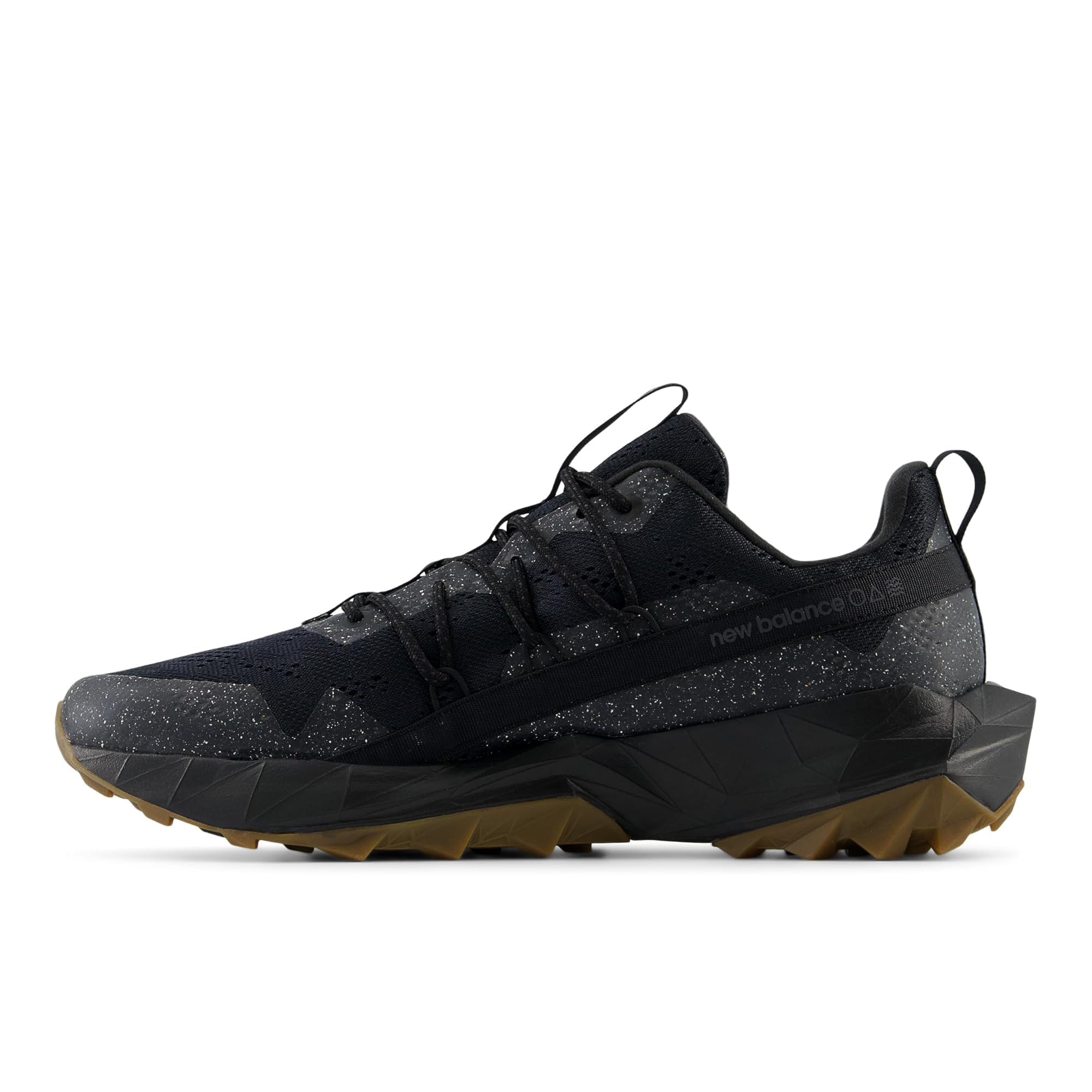
Slick rock is where trail shoes give themselves away, and this Salomon doesn’t. The tread bites on wet stone, mud and loose gravel instead of skating over the top, which is why it’s our top pick: on a hike, grip outranks almost everything else, and nothing else here matches it on that. It’s also the one GTX build in this group, with a membrane that shrugs off wet grass, puddles and a cold drizzle.
Underfoot it’s a supportive shoe rather than a soft one, and that’s the right call for hiking. The arch and heel hold firm under a loaded pack, and the shoe stays planted when you’re picking your way down a rocky step. It’s lighter on the foot than the armored look suggests, which we appreciated on long days when every gram of shoe seems to be pushing back.
The GTX build is the reason to pick it and the reason to think twice. On hot, dry, dusty trails the membrane is more protection than you need, and a breathable pair is the more comfortable choice. For everything else — wet roots, boggy sections, a cold wind on an exposed ridge — it’s the shoe we reach for.
Pros
- The surest grip here on wet rock and mud
- Waterproof GTX build for wet days
- Supportive arch and heel under a loaded pack
- Light on the foot for its rugged build
Cons
- Inconsistent sizing; the wide runs narrow
Our top pick for hiking: the surest grip on wet rock here, a waterproof build, and support that holds up under a pack.
Best for Wide Feet
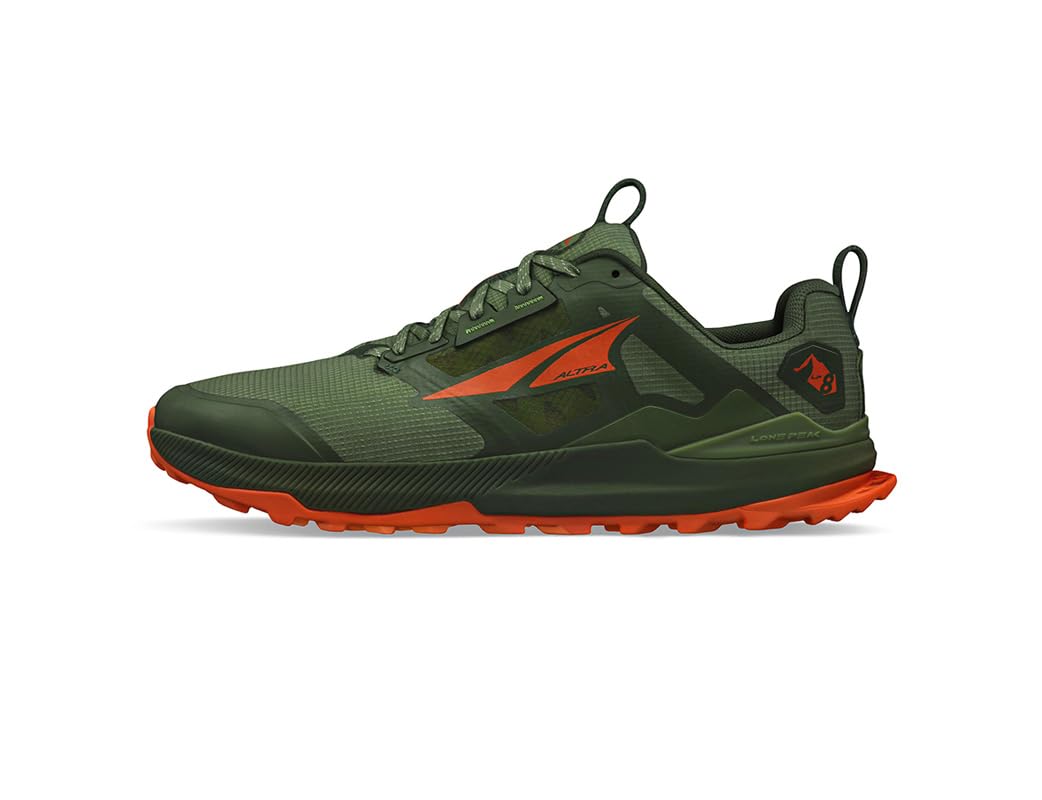
ALTRA Lone Peak 8
Key Features
- Ride: Low and level
- Toe box: Wide and roomy
- Department: Men’s
- Price: Midrange
Feet that have spent years in pointy shoes meet the Lone Peak 8 and immediately understand the appeal: the toe box is wide enough that your toes lie flat and splay out instead of stacking on top of each other. On long descents and hot afternoons, that’s the difference between finishing comfortable and finishing early.
It’s the best pick here for wide feet, and the best of these for a hiker who covers ground at walking pace. Hiking, rucking, standing all day — the shoe is happy doing any of it, and the flat, low ride keeps your foot doing the work rather than being propped up. Traction is solid on gravel and dirt, and the tread handles slick roots well enough for the kind of ground most of us walk.
Wear is the honest caveat. The outsole and the lining are what give out first, so if you put in big rocky miles, expect to replace these sooner than a burlier shoe. For everyone else, the roominess is worth that.
Pros
- Roomiest toe box of any shoe here
- Comfortable for hiking, rucking and all-day wear
- Traction holds on gravel, dirt and wet roots
Cons
- Roomy fit feels loose at fast running pace
Buy it if your feet need room: the roomiest toe box in this set, comfortable from the first mile, with faster wear as the trade.
Best for Women, Rocky Ground
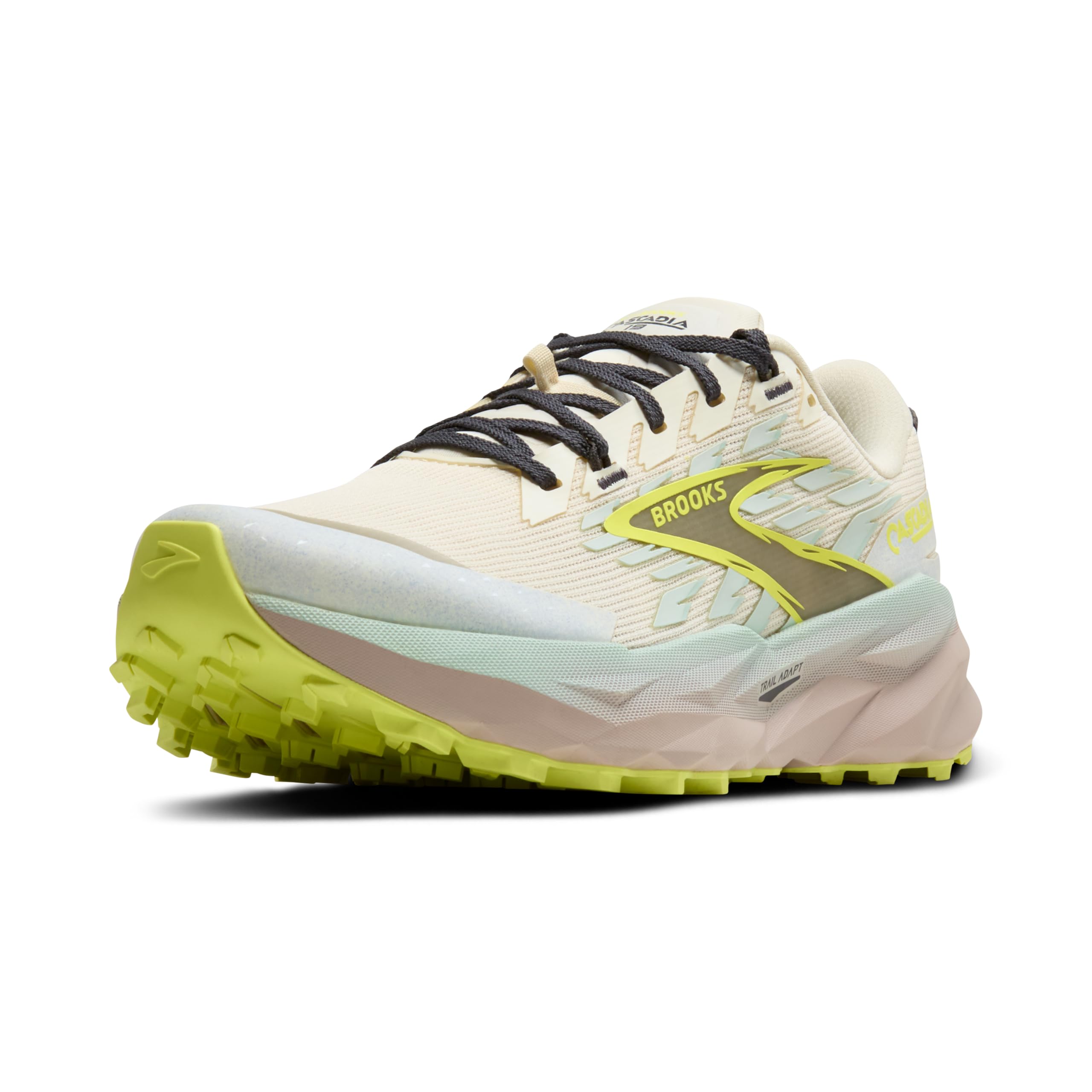
Brooks Cascadia 19
Key Features
- Ride: Firm and stable
- Department: Women’s
- Wide sizes: Available
- Price: Midrange
Women have fewer real trail options than the men’s side of this list suggests, and the Cascadia 19 is the one we point to first. It’s the best women’s pick here for rocky, uneven ground: a stable platform, sure footing on loose rock, and the most dependable arch support of the women’s shoes in this set.
Fit is where it repays the money. It runs true to size, comes in a wide, and the toe box leaves enough room for your feet to spread on a long downhill instead of jamming against the front. The sole is on the firm side, which is exactly what you want when the trail is all embedded stone and you’re stepping from rock to rock.
It’s one of the better-looking shoes here, and it doesn’t feel like a compromise when you wear it into town after a hike. Value is the quiet strength: it sits in the middle of this group on price and does the job of shoes that ask more.
Pros
- Surest arch support of the women’s picks
- True to size with a wide option
- Stable and grippy on rocky trail
Cons
- Durability is the weak point on abrasive rock
We recommend the Cascadia 19 as the women’s pick for rocky ground: stable underfoot, roomy in the toe and truer to size than most.
Best for Short, Easy Hikes
Columbia Vertisol Trail
Key Features
- Feel: Light and flexible
- Toe box: Wide and roomy
- Department: Men’s
- Price: Budget
Budget shoes usually announce themselves the moment you put them on. The Vertisol Trail mostly doesn’t — it undercuts nearly everything else here and still feels like a finished shoe rather than a cost-cutting exercise, with stitching that looks tidy and a shape that holds together.
Light and flexible is the character. The shoe bends with your foot instead of fighting you on a rolling path, and the wide toe box gives your toes somewhere to go on a warm afternoon. It’s happiest on maintained trail, gravel and the kind of hiking where the ground isn’t actively trying to hurt you.
For a first pair, a second pair for the car, or someone who hikes a few miles at a time, this is the pick we point to when budget is the hard limit. It’s also the one to hand a teenager or a partner who comes along twice a year and doesn’t want to think about gear.
Pros
- Light and flexible on easy trail
- Wide toe box with plenty of room
- Cheap enough to be a second pair
Cons
- Insole and outsole can separate under rocky use
A light, roomy budget shoe for easy ground and short hikes; we see it as a first pair, not a long-term one.
Best for Long Cushioned Days
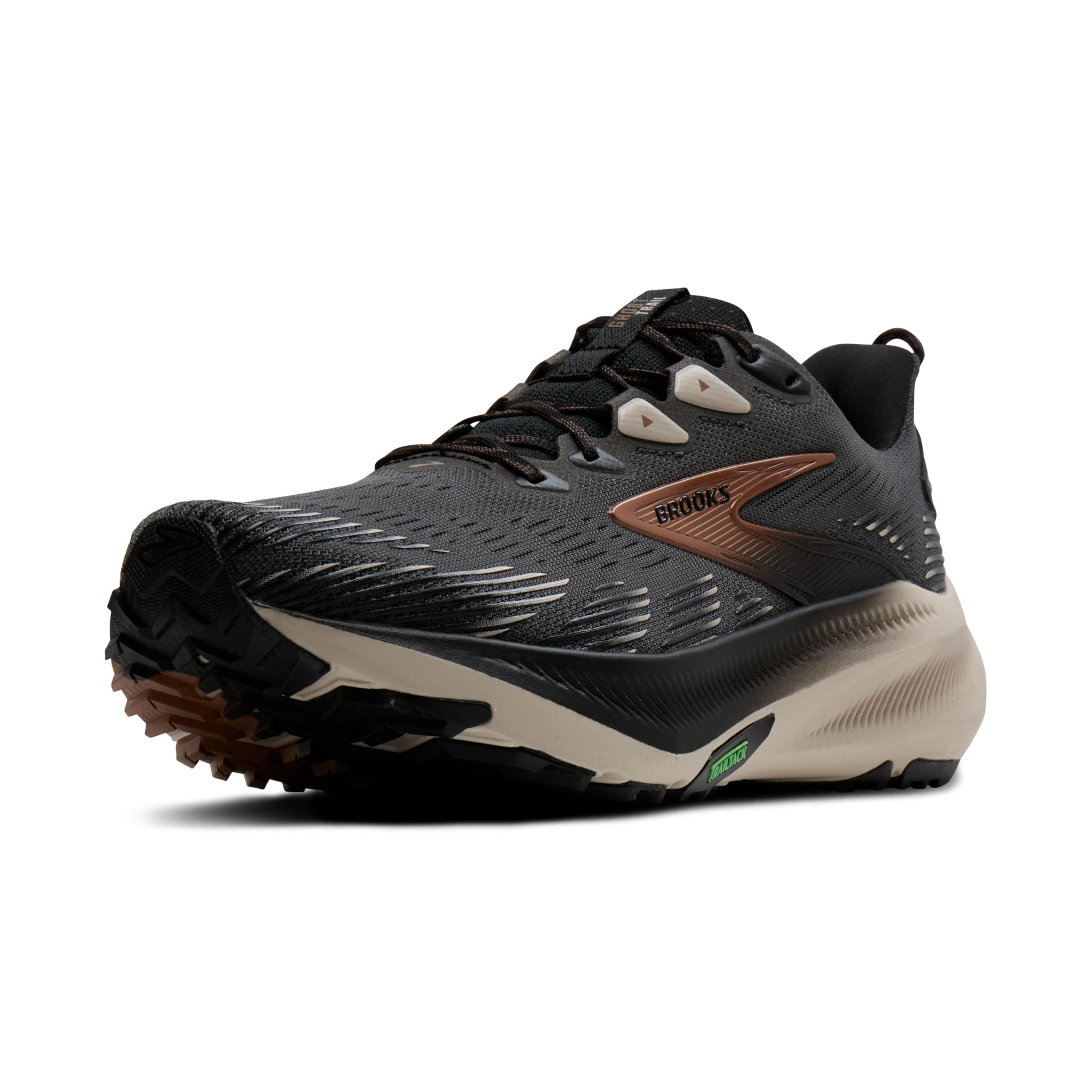
Brooks Ghost Trail
Key Features
- Fit: True to size
- Cushioning: Soft and plush
- Department: Men’s
- Price: Premium
Brooks builds the Cascadia for ground that fights back; the Ghost Trail is the softer, more forgiving sibling, and on smooth singletrack and gravel roads it’s the more comfortable shoe of the two. The cushioning is plush from the first step, softer than the Cascadia’s firm platform, and the roomy toe box means no break-in period.
For a long day with a light pack, this is the pair we want on our feet. The ride is soft without turning vague, support holds through the arch, and the shoe is light enough that the miles don’t pile up in your calves by mid-afternoon.
What it lacks is the Salomon’s wet-rock bite and its waterproofing, so a muddy spring isn’t its season. Dry, fast, well-graded trail is where it makes sense — and where the soft ride feels like money well spent.
Pros
- Plush cushioning straight out of the box
- True to size with a roomy toe box
- Solid support for long days
Cons
- The priciest shoe in this set
This is the cushioned one we choose for long, smooth trail days: soft from the first mile, supportive, and happiest in dry weather.
Best for Gravel and Pavement
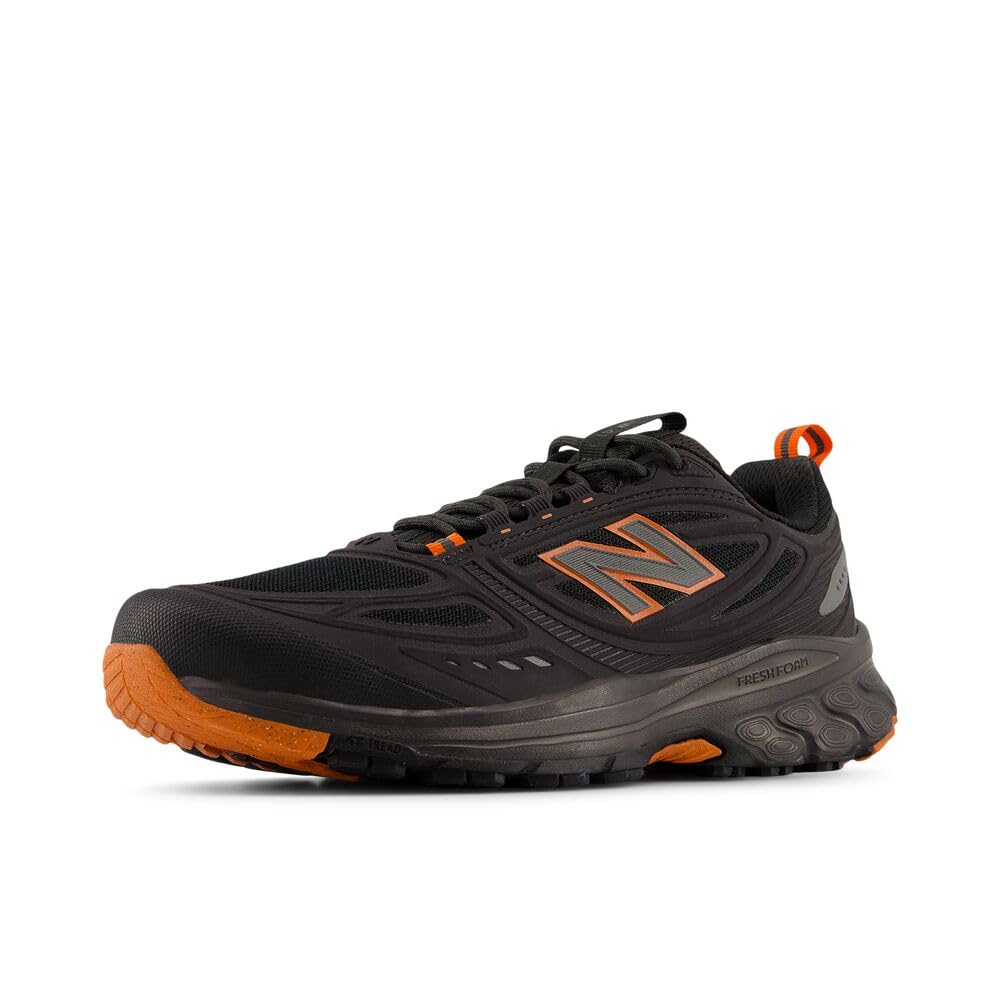
New Balance Fresh Foam 410v9
Key Features
- Fit: Runs small and narrow
- Outsole: AT Tread
- Department: Men’s
- Price: Budget
We expected the least expensive shoe in this group to feel like one. It doesn’t. The 410v9 is light, comfortable straight out of the box, and its AT Tread outsole handles pavement, gravel and wet surfaces without drama, which is more than you can say for shoes that cost twice as much.
It runs small and narrow, and that’s the thing to plan around: size up, and look at the wide if you have a broad forefoot. Once you do, it’s a pleasant shoe for the kind of mileage that starts at the trailhead and includes a mile of asphalt on the way in.
This is the value pick, and we mean it as a compliment. For walk-ins, rail trails and everyday miles between real hikes, it does the job of shoes that ask far more. It is not the shoe to take up a wet, rocky scramble.
Pros
- Lowest price in this set
- Light and comfortable straight out of the box
- AT Tread outsole handles gravel, pavement and wet ground
Cons
- Upper material can come apart early
We call it the best value here: light, comfortable on gravel and pavement, and worth sizing up for.
Best for Everyday Crossover
New Balance Dynasoft Tektrel
Key Features
- Fit: Runs narrow
- Upper: Suede
- Department: Men’s
- Price: Midrange
The suede upper is the first thing anyone notices, and it isn’t a gimmick. These look like a casual sneaker, so you can wear them into town after a hike without feeling like you’re clomping around in gear — and the compliments tend to arrive before the trail does.
Underneath the looks, the ride is supportive and light. There’s a decent balance between cushioning and flexibility: enough structure through the arch to carry you through a long day on your feet, enough give that your foot still moves the way it wants to.
The fit is narrow, so if you’re between widths, go up half a size rather than hoping it loosens. Traction is capable on mixed terrain including wet grass and mud, and the shoe takes rocky sections in stride.
Where it lands: the best all-rounder here for someone who wants one pair for trails, errands and everything in between, as long as the narrow fit works. If your feet are broad, the Altra above is the better answer.
Pros
- Suede upper looks good off the trail
- Supportive arch with some flexibility
- Light and capable on mixed terrain
Cons
- Upper and outsole wear faster than the rest
The crossover we reach for when a hike ends in town: trail-capable, light and supportive, provided the narrow fit suits you.
Best for Walking, Light Trail
Saucony Versafoam Excursion Tr13

Key Features
- Fit: Runs narrow and small
- Cushioning: Firm underfoot
- Department: Women’s
- Price: Budget
The upper is where this shoe runs out of road. The fabric around the ankle and along the sides is thin, and it’s what tears first — sometimes within the first few weeks of regular wear. Buy it knowing that, and it’s still a lot of shoe for the money.
What it does well is comfort on flat ground. It’s soft enough to wear all day at work or on a long pavement walk, the traction holds on wet sidewalks and easy trail, and it runs warmer than most of the shoes here, which makes it a reasonable cold-weather choice.
Sizing takes a little planning: it runs narrow and small, so go up a size rather than trusting your usual number. The cushioning is firm, and the shoe suits walkers more than anyone chasing a soft landing.
Where it lands: the budget women’s shoe for walking, commuting and mellow trail, from a brand with a long following. If you want one pair to survive several seasons of rocky hiking, this isn’t the one.
Pros
- Low price for a well-known brand
- Comfortable for all-day walking
- Holds traction on wet pavement and easy trail
Cons
- Cushioning is thin for long rocky days
A budget women’s shoe we like for pavement and easy trail: comfortable all day and sure on wet ground, but not built to last years.
How We Tested the Best Trail Running Shoes for Hiking
We started with a shortlist of roughly 40 models built from spec sheets, then cut it using the things that actually change a hike: lug depth and rubber compound, heel-to-toe drop, claimed weight, and price. Reviews from long-distance hikers helped us drop shoes that came apart around the 200-mile mark, and we deliberately kept a mix of rock-plated, max-cushion, and low-slung ground-feel models so the dozen we tested covered different kinds of hikers.
For six months those 12 pairs went everywhere my feet went: dawn runs on a rocky local loop, weekend hikes with a 15-pound pack, a long gravel approach, and a stretch of rainy weather I picked on purpose so I could test wet rock and slick roots. We waded through ankle-deep stream crossings to see which shoes drained and which turned into buckets, then timed how long each pair took to dry on a dashboard afterward.
At every stage we wrote down what we saw rather than what the box promised. We weighed each pair on a kitchen scale before the first run, checked for heel lift on steep descents, and logged hot spots after the first 10 miles, with one high-arched tester reporting where support faded on a 12-mile day. On a three-mile scree descent we noted whether sharp stones came through the midsole; after 100 miles we photographed the outsoles side by side to see which tread had worn smooth. We also inspected stitching, toe caps, and rands after every wet hike, and wore each pair straight from the trail to the grocery store to judge whether they looked like something you’d keep on.
How to Choose Trail Running Shoes for Hiking
The right pair for hiking is the one whose grip and fit suit the ground you actually walk on, not the lightest shoe or the plushest one on the shelf.
Fit: toe room and heel hold
Two things decide whether a trail shoe works on a hike: your toes need somewhere to go on the descent, and your heel needs to stay put on the climb. A roomy toe box — the Lone Peak 8 is the obvious example here — keeps your toes from jamming into the front of the shoe when the trail drops away.
The trap is sizing up to buy width. A longer shoe doesn’t fix a narrow forefoot; it just puts more shoe in front of your toes and makes heel slip worse on descents. Buy a wide version if the model offers one, or a shoe whose last is roomier to begin with, and check heel lift on a flight of stairs before you commit.
Grip: match the tread to your ground
Tread is a compromise between bite and wear. Soft rubber and deeper lugs hold wet rock, roots and mud; harder compounds and shallower patterns last longer on dry hardpack and asphalt. The Salomon is the wet-weather specialist of this group, and the New Balance 410v9 is the one that shrugs at pavement.
The trap is buying the most aggressive shoe for a life spent on smooth, dry trail. If most of your miles are hardpack, gravel and the road walk to the trailhead, a milder tread gives you more seasons per pair. Choose for the worst surface you meet regularly, not the worst surface you can imagine.
Cushioning and stiffness for the load you carry
A trail runner flexes and lets your foot read the ground, which is why it feels quick and light on a day hike. Add a heavy pack and that flexibility works against you: more underfoot protection and a firmer platform keep your feet from absorbing the whole load.
So match the shoe to the weight on your back. A light daypack suits the flexible budget picks; a loaded pack or a day of scree and talus is where the firmer, more supportive shoes here earn their keep. If you’re between the two, buy the more supportive shoe — tired feet at mile eight are worse than a slightly dull ride at mile one.
Waterproof, or fast-draining
A waterproof membrane keeps out wet grass, puddles and cold rain, and the XA Pro 3D is the one shoe here built that way. It also holds water in once it gets past the collar, and it runs warmer than an open upper, which matters on a hot climb.
The choice comes down to your climate and your crossings. Cold, boggy country with few stream crossings rewards the membrane. Hot weather and regular fords favour a shoe that drains and dries, paired with socks that stay warm when wet. Neither is better; they’re for different weeks.
Frequently Asked Questions
Can I hike in trail running shoes instead of hiking boots?
Yes, for day hikes and light packs, and you give up less than boot marketing suggests. What you trade is ankle coverage and a stiff sole under sharp rock. A simple test: if you can pick your pack up with one hand, trail runners are fine. Multi-day loads, scree and cold wet weather are where boots earn their weight.
Do trail running shoes need to be broken in?
Rarely. The uppers on this list are soft from the first step, and the midsole won’t change shape with wear — it only gets flatter. Give a new pair an hour around the house and one short walk before a big day. If your heel lifts on stairs, adjust the lacing or return them; that won’t fix itself on the trail.
How do I know when to replace them?
The midsole usually goes before the upper does. Press a thumb into the foam under the ball of your foot: if it feels hard or creased right through, the cushioning is done even though the shoe still looks fine. Then check the lugs on the outer heel, which is where hikers wear tread fastest.
Final Verdict
If you want one pair for a weekend of mixed trail and hiking, buy the Salomon XA Pro 3D Ultra GTX. Its grip on wet rock is the best here, the GTX build handles a wet forecast, and the support is enough for a daypack.
Two changes make a different shoe the right one. If your forefoot needs room, the Altra Lone Peak 8 has the widest, most forgiving fit on this page. If you want to spend as little as possible on easy ground, the Columbia Vertisol Trail is the pair we point new hikers toward.