This post contains affiliate links. We may earn a small commission when you buy through our links — at no extra cost to you.
An ultralight tent is a negotiation between the pack on your back and the weather overhead. Shave too many ounces and you end up with a floor that feels like tissue paper, a fly that mists you awake at 2 a.m., or a setup that demands three hands in a windstorm. I’ve been caught in enough downpours to care less about headline weight than whether the tent keeps my sleeping bag dry and goes up without a fight. Real weight savings shouldn’t turn into a miserable night.
We put seven tents through eight months of weekend trips, including nights when condensation beat the rain. The best saved weight in poles and fabrics without shrinking living space until two adults and their gear were climbing over each other. Setup mattered just as much—a tent that takes more than a few minutes solo is one you’ll dread pitching after a long day. And because ultralight gear is expensive, value comes down to how many seasons it survives, not just the sticker price. The picks below range from solo to roomier two-person shelters.


Best for Solo Ultralight Trips
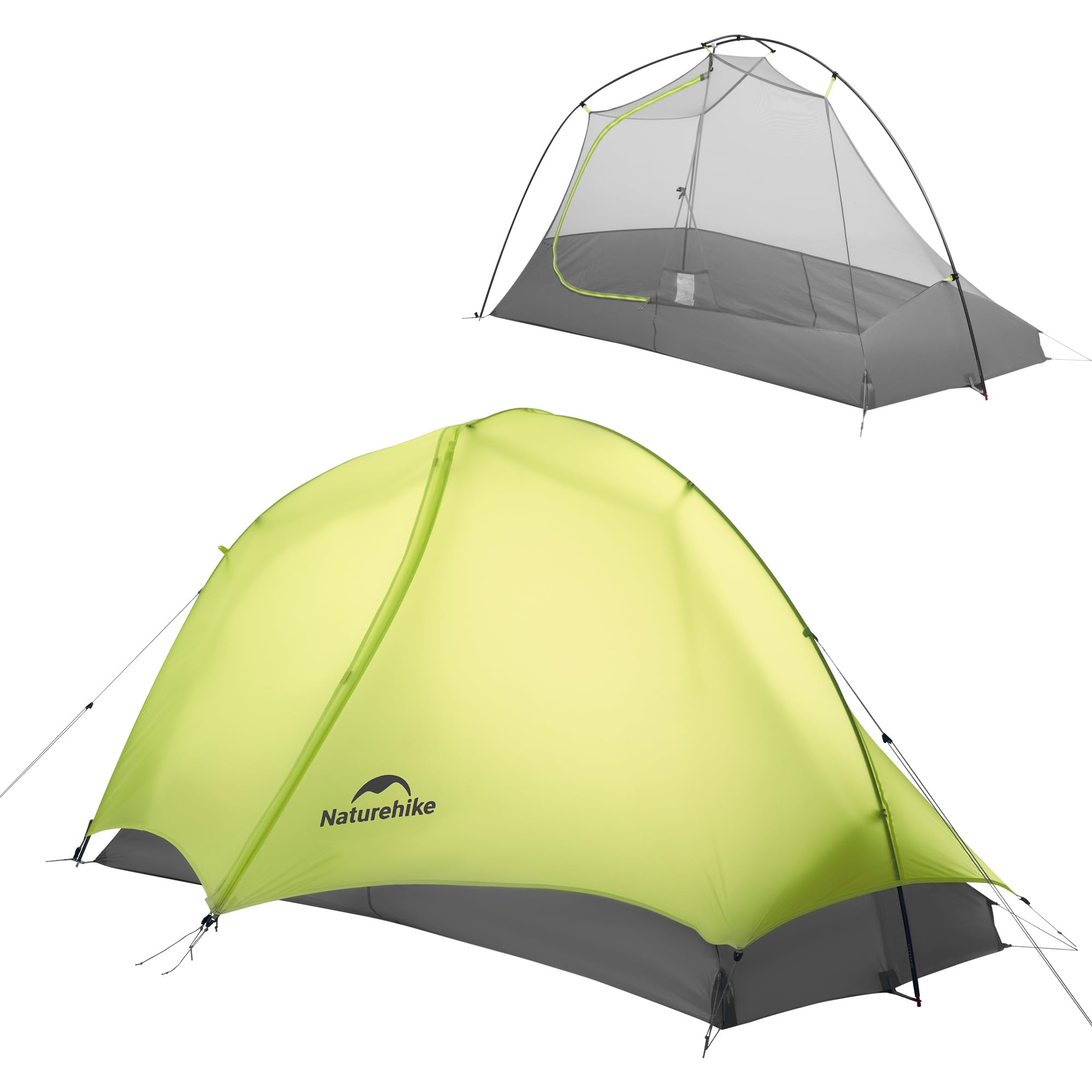
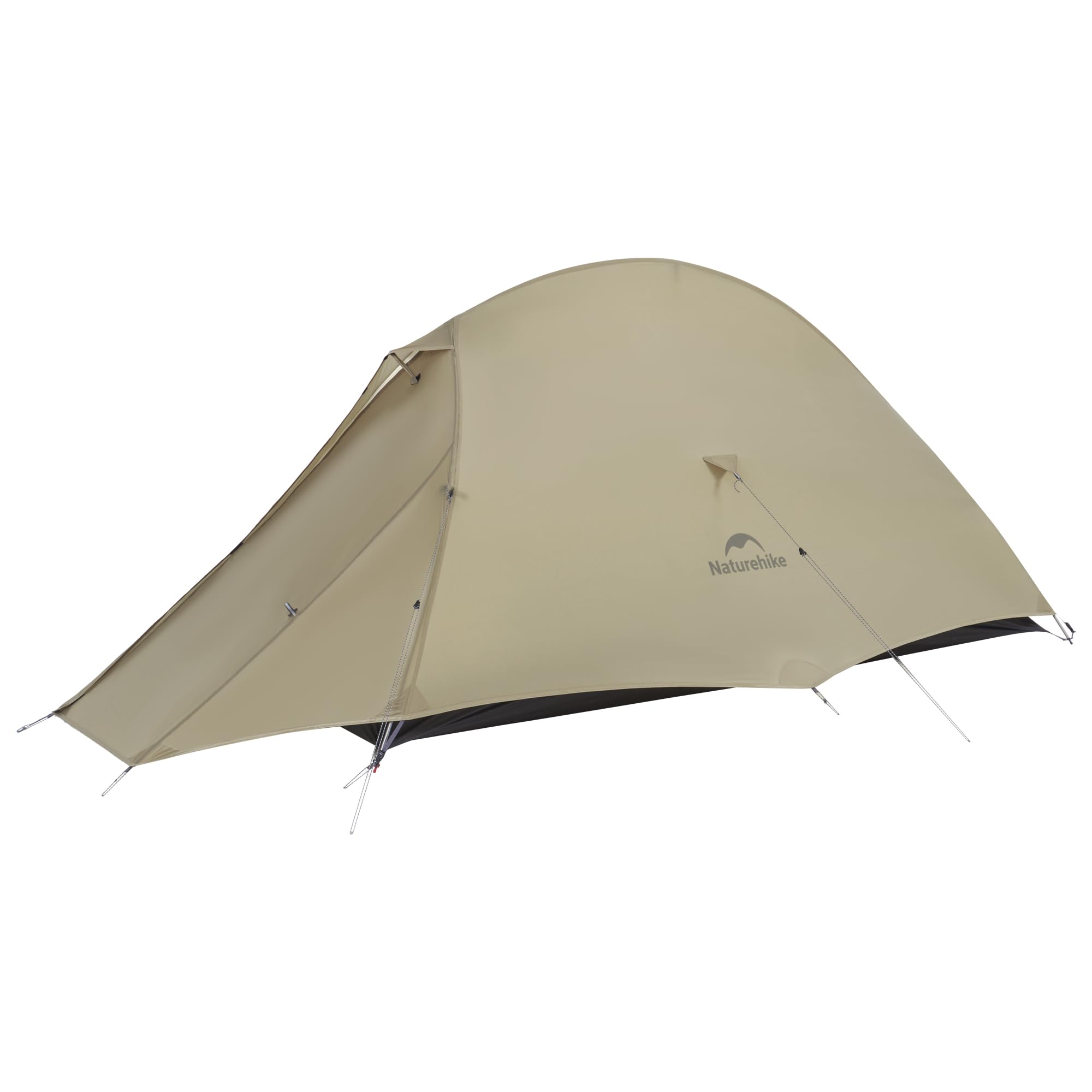
Naturehike Star Trail
Key Features
- Capacity: 1 person
- Footprint: Included
- Trail Weight: 2.3 lb
- Waterproof Rating: 1,500mm fly / 3,000mm floor
- Price: Midrange
The Star Trail’s 2.3-pound trail weight is the first thing that gets your attention, but the footprint included in the bag is what made us keep coming back to it. At this weight, every extra item counts, and not having to buy or pack a separate groundsheet removes a small but real annoyance. That combination is why it is our top pick for solo backpackers who want to move fast without sleeping on bare nylon.
The 10D fly and 20D floor are built around the scale, and the 1,500mm fly and 3,000mm floor ratings are reasonable for three-season rain. The single door and one vestibule keep the weight down, and the 86.6-inch floor gives most solo sleepers room to stretch out. The 45.3-inch peak is fine for sitting up, not for standing.
The two-year warranty covers the manufacturing side, and the freestanding frame makes it easy to reposition before staking out. If you want a tent you can pitch on abrasive ground without thinking twice, the Cloud-Up is the safer call; if you want the lightest complete solo kit here, this is the one we pack.
Pros
- 2.3-pound trail weight with footprint included
- Three-season waterproofing for the weight
- Freestanding two-pole pitch
- 86.6-inch floor fits most solo sleepers
Cons
- Thin 10D fly needs careful handling
We recommend the Star Trail for solo backpackers who want the lightest complete shelter here without giving up a freestanding pitch or an included footprint.
Best for Wet-Weather Solo
Naturehike Cloud-Up 1P
Key Features
- Capacity: 1 person
- Packed Size: 15.3 x 5.1 x 5.1 in
- Trail Weight: 3.6 lb
- Waterproof Rating: 4,000mm
- Price: Midrange
The Cloud-Up is the tent we reach for when the forecast is the deciding factor. It weighs 3.6 pounds. The extra material goes into a 20D nylon fly with a 4,000mm rating, a 20D floor, and a single aluminum pole that pitches quickly. For a solo shelter, the priorities are clear: weather confidence first, weight second.
The 4,000mm fly is why we are comfortable recommending it for wet weather, and the simple dome shape gives one person a useful amount of room. The 82.7-inch floor and 41.3-inch peak are enough for sitting up and changing, though this is still a solo tent, not a two-person squeeze. We also appreciate that the footprint comes in the bag, which is not universal at this weight.
The single door and one vestibule are a fair trade for the weight. Pitch with the door side away from the wind if you can, and keep your pack in the vestibule rather than on the floor. The 20D fabric is sturdier than the Star Trail’s 10D, but it is not a four-season shelter. For the buyer who wants one tent for a long season of mixed weather, this is the safer pick than the top tent.
Pros
- 4,000mm waterproofing for wet trips
- Simple one-pole pitch
- Room for one to sit up and change
- Footprint included
Cons
- Heavier than the lightest solo picks
We recommend the Cloud-Up for solo backpackers who put wet-weather confidence ahead of the absolute lowest weight.
Best for Two-Person Weight
Lanshan 2
Key Features
- Pitch: Trekking pole (not included)
- Capacity: 2 person
- Trail Weight: 2.8 lb
- Waterproof Rating: 5,000mm fly / 6,000mm floor
- Price: Premium
Two people for 2.8 pounds is the promise, and the Lanshan 2 gets closer to it than anything else here, provided you already carry trekking poles. The pitch turns your own poles into the frame, so the tent body packs down to a size that disappears into a two-person pack. That is the trick, and it is a good one.
The 15D nylon fly with a 5,000mm rating and the 20D floor with 6,000mm are serious numbers for a shelter this light, and the double-wall design gives you a mesh inner and a separate fly. The 87-inch length and 43-inch width are sized around two slim pads, and the single vestibule is where the packs go. We like it most for a solo hiker who wants room to spread out, or a pair who pack light and sleep close.
Setup has a learning curve, and the single door means the person on the far side climbs over. Those are the compromises that buy the 2.8-pound trail weight, and for the right pair they are worth it. If you want a freestanding two-person tent and do not use trekking poles, the Kelty Grand Mesa 2 is the easier choice.
Pros
- 2.8-pound trail weight for two
- 5,000mm fly and 6,000mm floor
- Double-wall design with mesh inner
- Packs small for a two-person shelter
Cons
- Trekking poles not included
- Tight for two wide pads
We recommend the Lanshan 2 for backpackers who already carry trekking poles and want the lightest credible two-person shelter here.
Best for Freestanding Two-Person
Kelty Grand Mesa 2
Key Features
- Capacity: 2 person
- Floor Area: 30 sq ft
- Trail Weight: 4 lb
- Waterproof Rating: 3,300mm
- Price: Premium
The Grand Mesa 2 is the tent we hand to backpackers who have never warmed to trekking-pole shelters. It pitches with two aluminum poles and Kelty’s Quick Corners, which hold the pole ends while you clip the body on. That sounds minor until you are pitching alone in wind; the freestanding frame lets you build the tent, pick it up, and move it to a better spot before staking it out.
The 68D polyester fly and floor carry a 3,300mm rating, and the 30-square-foot interior is matched to a simple single-door layout with an EZ-Zip vestibule. What you get for the extra bulk is a level of durability the thin nylon shelters cannot match, plus a freestanding frame that is easy to reposition before you stake it. We like the Quick Corners more than we expected to; they keep the pole ends from popping out while you clip the body on.
For two adults, the Grand Mesa 2 is snug once packs come inside; it is more comfortable for one person plus gear or two smaller sleepers. The single door and small vestibule reinforce that. We still recommend it for backpackers who want a freestanding two-person tent that can handle a rough weekend without babying the fabric. If you are counting ounces, the Lanshan 2 is the better choice; if you want to pitch and move on, the Kelty is the one.
Pros
- Freestanding pitch is easy to reposition
- Tough 68D fabric and 3,300mm coating
- Quick Corners help solo setup
- 30-square-foot interior
Cons
- Four-pound minimum is heavy for ultralight
We recommend the Grand Mesa 2 for backpackers who want a freestanding two-person tent and will accept the extra weight for durability and easy pitching.
Best for Trekking-Pole Solo
Night Cat Ultralight 1P
Key Features
- Doors: 1
- Pitch: Trekking pole (not included)
- Capacity: 1 person
- Trail Weight: 2 lb
- Price: Midrange
Two pounds is the number that makes the Night Cat worth a look, but the tent only gets there because the frame comes from trekking poles you supply. That is the first thing to understand about it: this is a shelter for someone who already hikes with poles and wants to keep the pack light, not a freestanding tent for a casual camper. We think it earns its place as the specialist solo option in this group.
Pitch is quick once you understand the tension, and the hexagonal shape is compact enough to fit in tight campsites. The 106-inch length is generous for one, while the 31.5-inch width is a pad-and-not-much-else measurement. We like it for solo trips where every ounce is counted and the route has reliable staking ground; it is a tent you pitch with attention, not a shelter you leave to settle on its own.
Pros
- 2-pound trail weight
- Compact 106 x 31.5-inch footprint
- Trekking-pole pitch saves weight
- Double-layer inner
Cons
- Pole cradles can slip in gusty wind
- Grommets and joints need care
We recommend the Night Cat 1P for trekking-pole users who want a two-pound solo shelter and will pitch with attention to tension.
Best for Budget Solo
Underwood Aggregator 1P

Key Features
- Pitch: Trekking pole or stick
- Capacity: 1 person
- Trail Weight: 2.5 lb
- Waterproof Rating: 5,000mm
- Price: Budget
The Underwood Aggregator is the budget shelter of this group, and it gets the weight right: 2.5 pounds for a one-person, three-season pyramid that pitches from a trekking pole or a stick longer than 46 inches. The 5,000mm waterproof rating and 21.17-square-foot floor are respectable on paper, and the twin vestibules give you a place for boots and a pack.
In still, humid conditions, condensation can build heavily inside, so pitch with the vestibule open when you can and choose a breezy site. Setup takes practice because the pyramid depends on tension, and the single entry is awkward around the pole. We treat this as a shelter for short trips where its low weight and two vestibules matter more than frills.
For a backpacker on a tight budget who wants a true sub-three-pound tent and will manage the pitch, it is a smart buy. It is a specialist’s budget shelter, not a do-everything tent.
Pros
- 2.5-pound trail weight
- Two vestibules for gear
- Pitches from a trekking pole or stick
- Low-cost entry to ultralight
Cons
- Water resistance can falter in sustained rain
We recommend the Aggregator for budget-minded solo backpackers who want a true sub-three-pound shelter and will manage its condensation and pitch.
How We Tested the Best Ultralight Tents
We started by pulling the tents that show up again and again in thru-hiker forums, gear-shop recommendations, and our own past trips, then filtered by packed weight, floor area, peak height, price, and whether the company publishes real waterproofing ratings. That left seven tents, from solo shelters to two-person models, which we used over eight months.
Each tent was weighed on a kitchen scale with everything required to pitch it—stuff sack, stakes, guylines, and footprint if included—then packed into the same 40-liter pack to see how much room it really ate. We timed first pitches in daylight and again after dark, solo, noting whether the poles snapped together cleanly, whether the fly clipped on without a puzzle, and how much swearing was involved. On weekend trips we paid attention to the small stuff: door placement, vestibule space for a pack and boots, and whether two sleeping pads fit side by side without overlapping.
Water resistance got its own test: we pitched each tent in the yard and ran a hose over the fly and floor for ten minutes, then checked for misting, seam leaks, and water pooling under the floor. We also slept in them through humid nights and cold mornings, watching for condensation that soaked sleeping bags or dripped from the ceiling. Durability showed up over time—zippers that caught, stakes that bent, floor fabric that abraded after being packed and unpacked a few dozen times. And because ultralight tents cost real money, we weighed each one’s construction and weather protection against its price to judge value, not just its ounce count.
How to Choose an Ultralight Backpacking Tent
The first decision is not the tent itself but how you want to carry it: a trekking-pole shelter saves weight but asks more of your pitch, while a freestanding tent is simpler and heavier.
Start with the complete carried weight
Trail weight and packed weight are not the same number. Trail weight usually means the tent body, fly, and poles; packed weight can add stakes, guylines, the stuff sack, and a footprint. The Star Trail is a good example of why the distinction matters: its 2.3-pound figure is impressive, and the included footprint means you are not adding a separate groundsheet to the kit. A trekking-pole tent may look lighter still until you remember the poles are already on your back.
Before you compare tents, put your current shelter on a scale with everything you carry for it. That number is the one that affects your shoulders, not the figure on the product page. If you only hike a mile or two to a campsite, the difference between a two-pound and a four-pound shelter matters less than interior comfort.
Freestanding or trekking-pole pitch
A freestanding tent like the Kelty Grand Mesa 2 goes up with its own aluminum poles, and you can pick it up and move it after the body is assembled. That is a real advantage on a windy evening or a crowded site. A trekking-pole shelter such as the Lanshan 2 or the Night Cat 1P saves the weight of tent poles, but its stability depends on tension, stake placement, and the poles you supply.
The trap is assuming the poles come with the tent. They do not on the Lanshan, the Night Cat, or the Underwood. If you do not already hike with trekking poles, add their weight and cost to the shelter before you decide. If you do, a trekking-pole tent can be the lightest way to get a double-wall shelter.
Space: one person plus gear, or two people
Ultralight two-person tents are measured generously. The Lanshan 2 lists a 43-inch floor width; two 25-inch sleeping pads add up to 50 inches, so they will overlap or push against the walls. Treat that tent as a roomy solo shelter or a tight pair of small sleepers. The Kelty Grand Mesa 2 gives you 30 square feet, which is more usable for two adults but still snug once packs come inside.
Look at length and peak height as well as floor area. The Star Trail’s 86.6-inch floor gives a solo sleeper room to stretch, while its single door and vestibule keep the weight down. If you sleep with a partner, decide whether you want two doors or one; a second door adds weight but saves the nighttime climb-over.
Weather protection and condensation
Waterproof ratings are a starting point, not a guarantee. A 3,000mm fly is reasonable for three-season rain; the Cloud-Up’s 4,000mm coating and the Lanshan’s 5,000mm fly are more confidence-inspiring for wet trips. Seam taping, a bathtub floor, and a fly that reaches low to the ground matter as much as the headline number.
Condensation is the other half of weather protection. A double-wall design with a mesh inner and a separate fly gives moisture somewhere to go; a simple pyramid like the Underwood relies on airflow and careful pitching. In still, humid conditions, leave a vent or door open when you can, and choose a breezy campsite over a sheltered pocket. If you expect steady rain and little wind, pay for the double-wall shelter.
Fabric durability and long-term care
Thin fabric is how ultralight tents save weight, and it changes how you treat them. The Star Trail uses a 10D fly and a 20D floor; the Kelty uses 68D polyester. The lighter fabric packs smaller and feels almost insubstantial in the hand, but it is more vulnerable to abrasion from granite, roots, and grit. A footprint is not a luxury on those tents; it is cheap insurance.
Pitch on clean ground, clear sharp objects, and avoid dragging a loaded pack across the floor. Check pole joints and grommets before a trip, especially on trekking-pole shelters where the pole tips and cradles take the load. A lighter tent can last for seasons, but it rewards the camper who slows down at setup and takedown.
Frequently Asked Questions
Why buy an ultralight tent instead of using a heavier one I already own?
If you hike a few miles to a campsite, the answer is often that you should not. The case for an ultralight shelter grows with distance, elevation, and the number of nights. Weigh your current tent with its stakes, footprint, and stuff sack, then compare that number with the 2- to 4-pound shelters here. On a multi-day trip, a two-pound saving is noticeable; on a short overnight, interior comfort and durability may matter more.
Can I use a three-season ultralight tent in winter?
For cold, dry nights with no snow load, a three-season tent can work if you pitch it out of the wind and manage condensation. It is not a four-season shelter: it is not built for heavy snow accumulation, and the mesh and thin fabrics lose heat fast. Check the forecast before you go, and choose a lower, sheltered pitch rather than an exposed ridge.
Can I pitch a trekking-pole tent without trekking poles?
Some can. The Underwood Aggregator lists a stick longer than 46 inches as an alternative, while the Lanshan 2 and Night Cat 1P are designed around trekking poles. A found branch can work in an emergency, but it needs to be straight, strong, and secure at the tip; a slipping pole can collapse the shelter in wind. Practice the pitch before you rely on it.
Final Verdict
The Naturehike Star Trail is the ultralight tent we recommend first. It carries like a two-pound shelter, includes the footprint, and pitches freestanding, so it suits solo backpackers who want the lightest complete kit without learning a trekking-pole system. Its thin fabric is the price of that weight.
If your trips are wet and exposed, the Cloud-Up is the more reassuring solo choice. If two people share the load, the Lanshan 2 is the lightest credible two-person shelter here, provided you already carry trekking poles and accept a tight two-person fit.