This post contains affiliate links. We may earn a small commission when you buy through our links — at no extra cost to you.
A one-person tent is a negotiation between three things you can’t have all at once: light, roomy, and tough. Shed weight and you usually give up interior space or storm-worthy poles; buy for bombproof weather and you’re the one hauling it up the hill. I’ve spent enough nights curled around a pack that wouldn’t fit beside me to know which compromises are worth it and which ones ruin a trip. What a good solo tent actually fixes is simple: you stop dreading camp, and setup stops being a chore at the end of a long, stupid day.
Over the past ten months, my team and I have slept in 12 one-person tents, on ridgelines, in the backyard, and in a couple of storms that had no business being called a forecast. The ones that stuck with me weren’t the lightest or the most expensive. They went up without cursing, kept the inside dry through a wet night, and packed small enough to leave room in the bag for actual food. The picks below are the ones I’d carry again.


Best for Best Overall
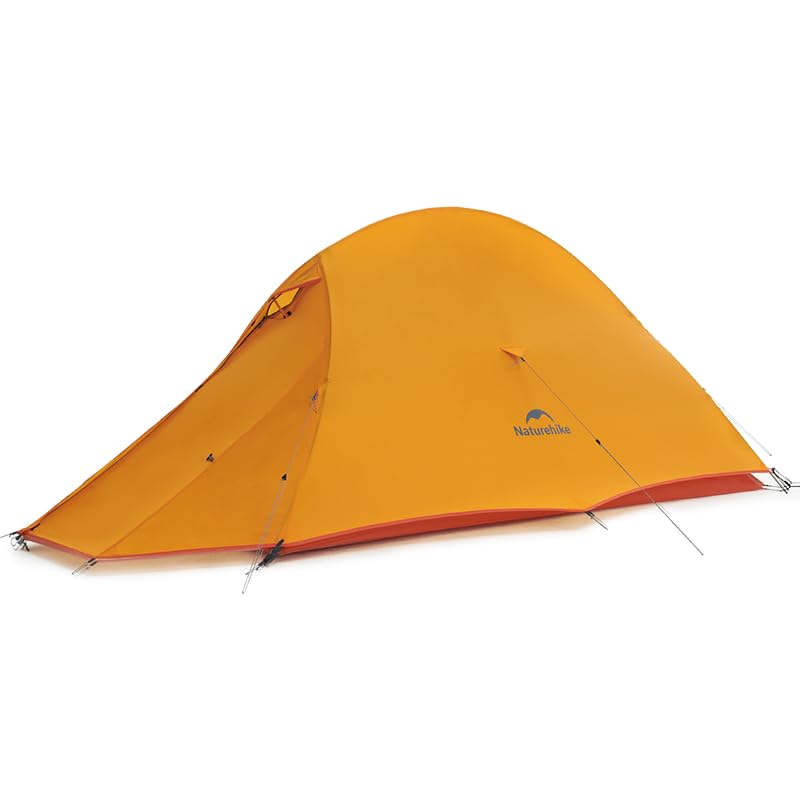
Naturehike Cloud-Up 1
Key Features
- Floor: 82.7 x 35.4 in
- Waterproof: 3000mm+
- Peak height: 43.3 in
- Packed weight: 3.7 lb
- Price: Midrange
The Cloud-Up 1 is the solo tent we reach for when we want a freestanding pitch, a little living space, and a weight that disappears on the uphill. At 3.7 pounds packed, it is not the lightest shelter here, but it is the easiest all-around compromise for three-season backpacking.
The 82.7-inch floor and 43.3-inch peak give you enough room to sit up and sort gear, and the 35.4-inch width takes a regular sleeping pad with a little spare. We especially like the vent window above the door: condensation is the quiet enemy of a solo tent, and that extra airflow matters more than a bigger vestibule on a damp morning.
The 3000mm polyester fly and aluminum poles are reassuring in steady rain, and the clip-on pitch goes up fast. Durability is the caveat: the ultralight hardware rewards careful handling, so we pitch it taut and avoid wrestling the zippers. The vent window above the door is the detail we keep coming back to.
Pros
- Balanced 3.7-pound packed weight
- Roomy 82.7 x 35.4-inch floor
- 3000mm fly and full-coverage rainfly
- Fast clip-and-pole pitch
Cons
- Ultralight hardware rewards careful handling
For most solo backpackers, the Cloud-Up 1 is our best all-around pick: light enough to carry, roomy enough to live in, and reassuring in wet weather.
Best for Ultralight Solo Trips
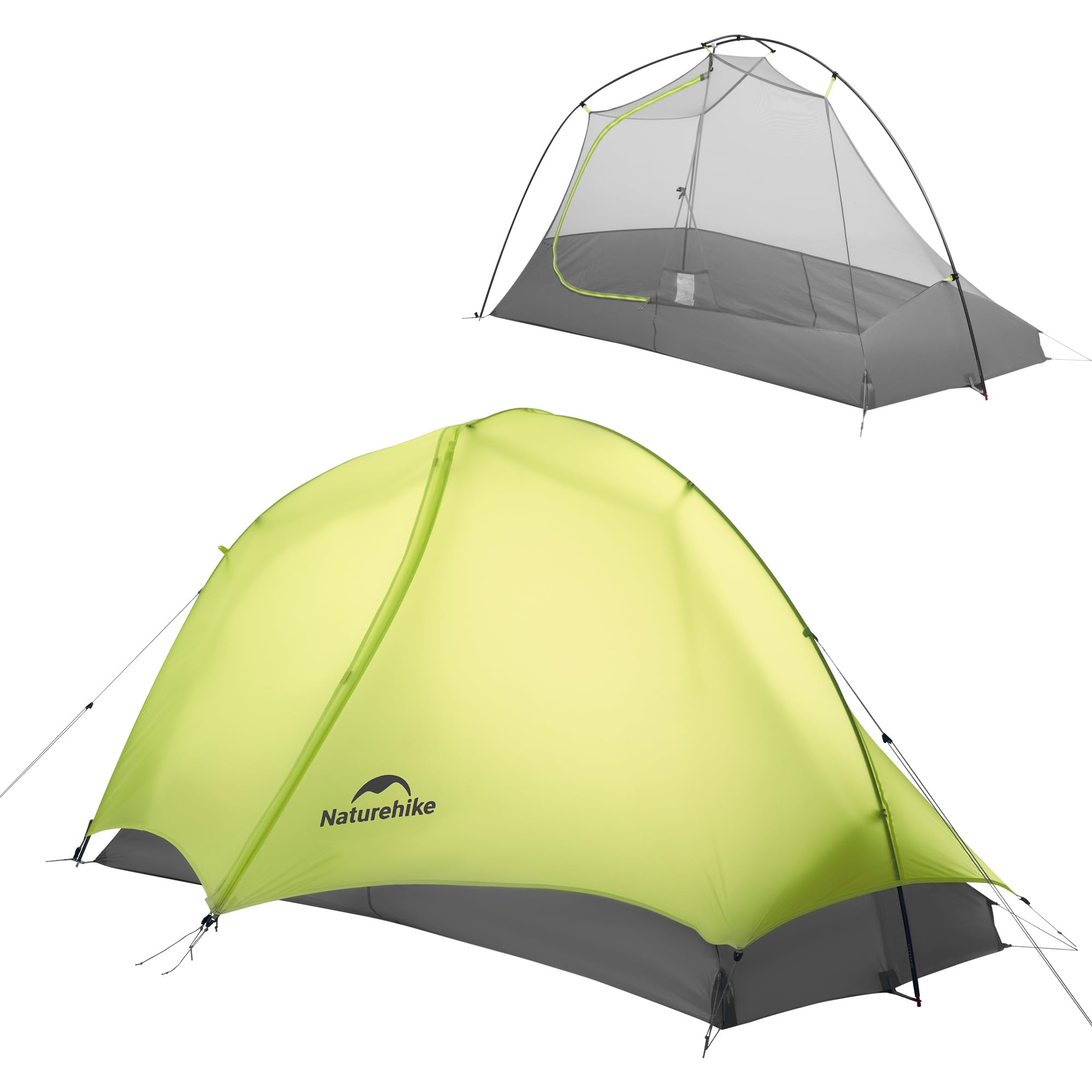
Naturehike Star Trail
Key Features
- Included: Footprint and 9 stakes
- Fly fabric: 10D nylon
- Floor fabric: 20D nylon
- Packed weight: 2.3 lb
- Price: Premium
At 2.3 pounds, the Star Trail is the shelter we pick when every ounce is part of the plan. The solo version is listed at that weight with the footprint and nine stakes included, but Naturehike sells this line in more than one size, so confirm you are buying the 2.3-pound solo before checkout.
The trade-off is fabric. The fly is 10D nylon and the floor is 20D, which is wonderfully light but wants a clean, cleared pitch and a footprint. We like that the footprint comes in the box; it spares you a separate purchase and protects the thin floor.
Inside, the full mesh inner and elevated clearance help airflow, though the low weight means you should not expect the room of a freestanding dome. The upside is a shelter that disappears on the trail and pitches quickly once you learn the sequence. The 10D fly is the price of the weight; the included footprint is how we live with it.
Pros
- 2.3-pound packed weight
- Includes footprint and nine stakes
- Full mesh inner for ventilation
Cons
- 10D fly needs careful pitching on rough ground
The Star Trail earns our ultralight recommendation for soloists who will treat a 10D fly with care and want the lightest credible shelter in this group.
Best for First-Time Backpackers
ALPS Lynx 1
Key Features
- Floor: 90 x 32 in
- Waterproof: 1500mm fly
- Peak height: 36 in
- Trail weight: 3.3 lb
- Price: Midrange
A limited lifetime warranty and a two-pole freestanding dome make the Lynx 1 the tent we hand to someone who wants to start backpacking without babysitting a fragile shelter. It is a low-drama first solo tent.
The 90-inch floor is longer than many solo tents here, but it is only 32 inches wide, so a wide pad will just fit and a bigger sleeper may feel the taper. We appreciate the 36-inch peak and the full-coverage rainfly; the 1500mm fly and 2000mm floor are not the highest waterproof numbers in this group, so seam care and a good pitch matter.
Setup is the real selling point: clip the poles, stake the corners, and the tent stands without fuss. The 3.3-pound minimum trail weight is competitive, though the packed weight is closer to 4.1 pounds once stakes and guylines are in the bag. That is a fair trade for a tent that feels sturdier than its ultralight rivals.
Pros
- Limited lifetime warranty
- Simple freestanding two-pole pitch
- Long 90-inch floor
Cons
- Narrow 32-inch floor limits wide pads
- 1500mm fly is modest for heavy rain
We point first-time solo backpackers to the Lynx 1 when a simple freestanding pitch and a lifetime warranty matter more than the lowest possible weight.
Best for Cold-Weather Camping
Underwood 4-Season 1P
Key Features
- Floor: 86.6 x 31.8 in
- Waterproof: PU5000mm
- Peak height: 35.8 in
- Trail weight: 4.4 lb
- Price: Budget
The Underwood 4-Season is not the tent we grab for a mild August weekend; it is the one we choose when the forecast has teeth. The PU5000mm fly, 4.4-pound trail weight, and sealed inner make it a cold-weather shelter first and a backpacking tent second.
The 86.6 x 31.8-inch floor is long enough for a tall sleeper but narrow, and the 35.8-inch peak is low for sitting up. We like the warmth that a small, sealed tent provides on frosty nights, and the two-way zipper and light hook are small conveniences that make a winter pitch easier.
In rain and snow, the high waterproof rating and full fly are the reasons to pay the weight penalty. The trade-off is ventilation: a sealed winter tent can collect condensation, so we open the vents and pitch it with airflow in mind. The vents are the first thing we open in the morning, and the warmth is what we remember at night.
Pros
- PU5000mm fly for wet weather
- Warm for cold nights
- Long 86.6-inch floor
Cons
- Heavy 4.4-pound trail weight
- Low 35.8-inch peak
We keep the Underwood 4-Season for cold, wet, or snowy trips, where its warmth and PU5000mm fly justify the heavier, lower build.
Best for Tall Sleepers
camppal 1P Mountain Tent
Key Features
- Floor: 8.2 x 2.95 ft
- Waterproof: 3500–4000mm
- Peak height: 2.95 ft
- Trail weight: 3.8 lb
- Price: Budget
The camppal’s 8.2-foot floor is the detail that makes it worth a look for tall backpackers. Most solo tents stop around seven feet; this one gives you room to stretch out, and the A-frame ridge pole keeps the pitch simple.
That length comes with a narrow 2.95-foot width, so you get stretch, not sprawl. We like the 3500–4000mm waterproof rating and the aluminum pole for wet weather, and the single vestibule is enough for boots and a pack. The 3.8-pound trail weight is reasonable for a four-season tent, though it is not a featherweight.
Inside, the low peak and tapered walls are the compromise: you can sleep comfortably, but sitting up and changing clothes takes planning. Stake it out fully in exposed wind; the A-frame needs tension before it feels solid.
Pros
- Long 8.2-foot floor
- 3500–4000mm waterproof rating
- Aluminum pole and simple A-frame
Cons
- Narrow 2.95-foot width
- Low peak limits sitting up
Tall solo campers should put the camppal on their shortlist: we like its 8.2-foot floor for stretching out, as long as they can live with a narrow, low interior.
Best for Windy Exposed Pitches
GEERTOP Solo Bivy
Key Features
- Floor: 84 x 39 in
- Waterproof: PU2500mm
- Peak height: 36 in
- Packed weight: 3.7 lb
- Price: Midrange
The GEERTOP looks like a bivy and lives like a small tent. Its 84 x 39-inch floor and 36-inch peak give you more room than a mummy sack, while the low profile cuts wind and fits into tight pitches where a dome struggles.
We like the two doors and two vestibules; on a solo shelter they make a real difference for stashing a pack and getting in without dragging mud across your sleeping bag. The PU2500mm fly and aluminum poles are solid for three-season use, and the double-layer design helps with condensation.
The compromise is interior height and a shape that feels more cocoon than cabin. If you want to sit up and organize for an hour, a dome is more pleasant; if you want a shelter that disappears behind a rock and shrugs off wind, the bivy shape is the point. We also like that it pitches with two poles and no tools, which makes it easy to move camp.
Pros
- Two doors and two vestibules
- Low-profile bivy shape
- Double-layer design with PU2500mm fly
Cons
- Limited sit-up height
Our pick for windy, exposed pitches is the GEERTOP: a low-profile bivy that gives solo backpackers two doors, two vestibules, and more room than a traditional bivy sack.
Best for Budget Gear Room
Bessport 1P Backpacking Tent
Key Features
- Floor: 87.8 x 33.5 in
- Peak height: 43.3 in
- Packed weight: 4.4 lb
- Vestibule area: 10.5 sq ft
- Price: Budget
Two doors and two vestibules on a one-person tent sound like overkill until you have to store a wet pack and still get out for a middle-of-the-night trip. The Bessport gives you that room, plus a 43.3-inch peak that makes changing clothes feel less like a contortion act.
We like the 10.5 square feet of vestibule space and the seam-taped floor, which is a practical combination for wet weekends. The two-pole clip setup is quick, and the mesh walls vent well in warm weather.
The 4.4-pound packed weight is the trade-off: this is a tent for shorter carries, canoe trips, or campers who value elbow room over the last pound. It is not the shelter we take on a fast ultralight traverse.
In wind, the tall boxy shape needs a full stake-out to stay quiet, and the included stakes are worth replacing if you camp above tree line. The two doors also mean two zippers to keep clean, so a little care at the trailhead pays off.
We think the room is the reason to choose it, and the weight is the reason to leave it behind on long carries. That is a clear trade, not a hidden compromise.
Pros
- Two doors and two vestibules
- 10.5 sq ft vestibule area
- Quick two-pole setup
Cons
- 4.4-pound packed weight
- Tall shape needs full stake-out in wind
We recommend the Bessport to budget-minded solo campers who want two doors, two vestibules, and room for gear on shorter backpacking trips.
Best for Easy Beginner Setup
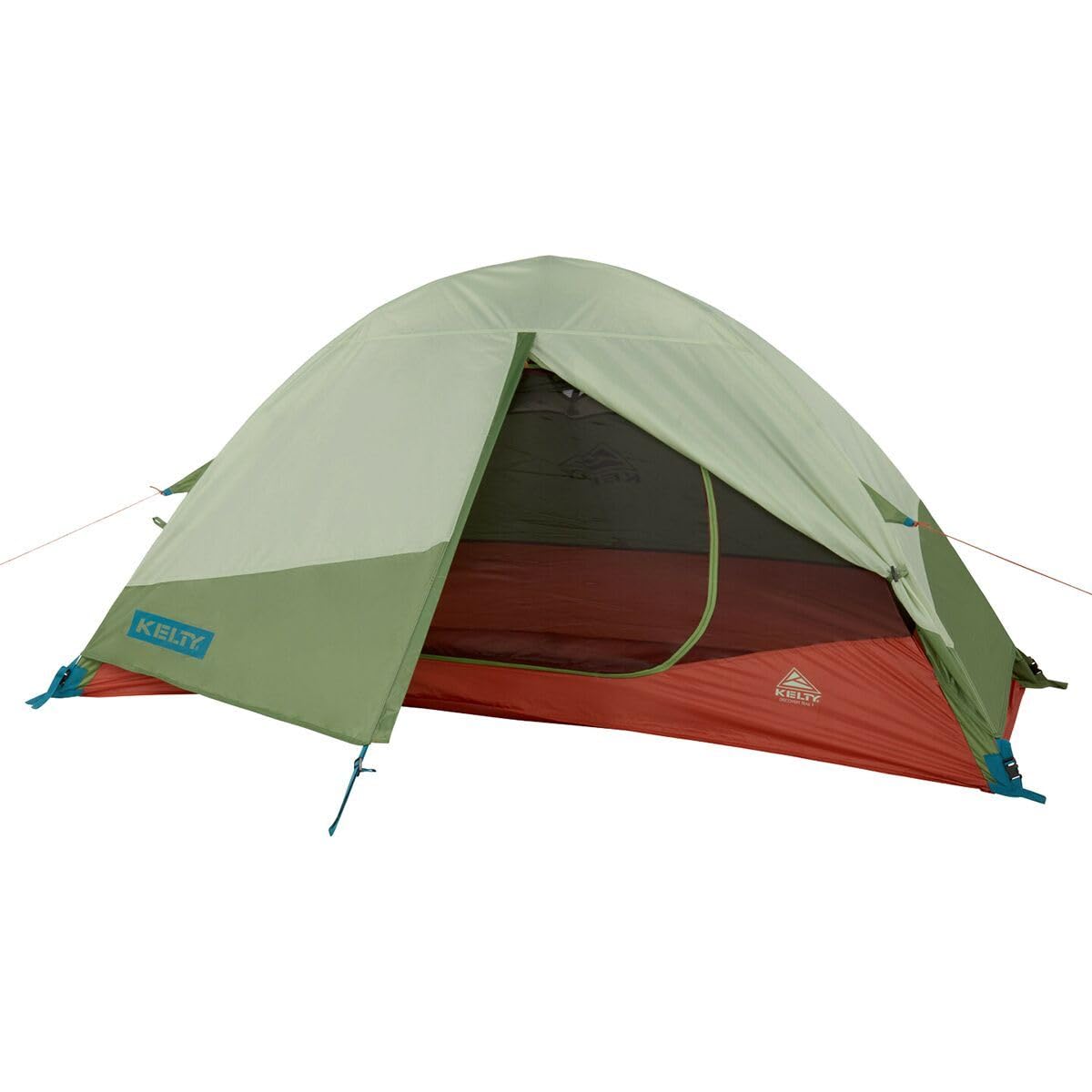
Kelty Discovery Trail 1P
Key Features
- Floor area: 19 sq ft
- Waterproof: 1200mm
- Peak height: 40 in
- Trail weight: 3 lb
- Price: Premium
The Discovery Trail is the tent we suggest when someone wants the simplest possible first pitch. Kelty’s Quick Corners, pre-attached guylines, and two aluminum poles take most of the guesswork out of setting up in the dark or the rain.
We appreciate the shark-mouth stuff sack, which makes repacking less of a wrestling match, and the 40-inch peak gives you enough room to sit up. The 19-square-foot floor is on the small side, so check the footprint against your sleeping pad before you commit.
The 1200mm fly is the lightest waterproofing here, so this is a dry-weather or sheltered-pitch tent rather than a monsoon shelter. The 3-pound minimum trail weight is competitive, and the lifetime warranty adds confidence.
We like the friendly pitch and the lifetime warranty, but the 1200mm fly is the one that limits where we take it. That is an easy trade for a tent this simple to pitch.
Pros
- Quick Corners and pre-attached guylines
- Shark-mouth stuff sack
- Lifetime warranty
Cons
- 1200mm fly is modest for wet weather
- Small 19-square-foot floor
The Kelty Discovery Trail is our easy-pitch pick for new backpackers, provided most of their camping happens in moderate weather rather than exposed rain.
Best for Trekking-Pole Users
Underwood Trekking Pole Tent

Key Features
- Floor: 86.6 x 33.5 in
- Peak height: 37.4 in
- Trail weight: 2.5 lb
- Vestibule area: 8.46 sq ft
- Price: Budget
The Underwood trekking-pole tent makes sense only if you already carry poles. There are no tent poles in the bag; you pitch it with trekking poles or sticks longer than 46 inches, which saves weight but adds a dependency.
At 2.5 pounds, it is one of the lightest shelters here, and the 21.17-square-foot floor plus 8.46 square feet of vestibule space is generous for the weight. We like the two vestibules for gear and the pyramid shape for shedding wind.
The trade-off is condensation: a taut, low-volume pitch can leave the inside damp, so stake the ends out tight and leave a vent open. Setup is simple once you have the pole length right, but it is not freestanding; on a wooden platform or rocky ground you need anchors or a different shelter.
The pole dependency is real: if you forget them, you are looking for a stick. We like the weight saving enough to plan around it, but it is a shelter with a precondition.
Pros
- 2.5-pound trail weight
- Large 8.46 sq ft vestibule
- Simple pyramid pitch
Cons
- Requires trekking poles over 46 inches
- Condensation can build in the low-volume pitch
Hikers who already carry trekking poles get a light, roomy shelter from the Underwood; we just wish it did not depend on them.
How We Tested the Best One-Person Backpacking Tents
We started with a list of nearly 40 solo tents from established backpacking brands and cut it down by specification first: packed weight, floor dimensions, whether a full-coverage rainfly came standard, and price. From that group we bought 12 tents at retail and spent ten months with them.
Every tent got weighed on a kitchen scale with its stakes and stuff sack, then stuffed into a 40-liter pack alongside a sleeping bag and three days of food to see how much room it actually left. We timed the first pitch solo in daylight, then struck it and pitched again with a headlamp on, noting whether the pole ends found their grommets by feel and whether the fly went on right the first time.
Weather did most of the judging. We ran each tent under a hose for ten minutes and left several out through overnight storms, then checked seams, floor corners, and the tops of the walls for wicking. In the morning we wiped the interior walls with a paper towel to see how much condensation had collected. We also guyed them out on an exposed ridge to watch how much the poles flexed, dragged the floors over gravel, and packed a few away wet to see what that did to them. Inside, we laid out a full-length pad plus a pack and boots and asked whether we could sit up to change. Value came last: we set each price against its weighed packed weight and what shipped in the box.
How to Choose a One-Person Backpacking Tent
The right solo tent is a series of trade-offs you can live with, not the lightest shelter on the page.
Start with the weight you actually carry
Packed weight includes the tent, poles, stakes, guylines, and stuff sack; minimum trail weight strips some of that out. We treat the packed weight as the number that decides whether a tent comes on a long trip, then check the floor and peak height to see what the weight buys.
A 2.3-pound shelter is a different tool from a 4.4-pound one: the first rewards fast, fair-weather trips, the second gives you more fabric and room for the same carry. Weigh your full shelter kit, not just the tent body.
Freestanding or trekking-pole?
Freestanding tents like the Cloud-Up 1 and Lynx 1 stand on their own poles and are easier to move after pitching. Trekking-pole shelters, like the Underwood, save the pole weight but require poles or sticks longer than 46 inches and a surface you can stake.
The trap is the word poleless: it means no poles are included, not that the tent stands without them. If you already hike with poles, a trekking-pole shelter is a smart weight save; if not, the poles you must buy erase the advantage.
Room is more than floor area
Length, width, peak height, and vestibule space do different jobs. A long floor helps tall sleepers, but a narrow 32-inch width leaves little room beside a wide pad. A high peak makes changing clothes easier; a vestibule keeps a wet pack out of the sleeping area.
We look for a floor that fits the pad with a few inches to spare, then decide whether a second door or a larger vestibule is worth the weight.
Weather protection and condensation
Hydrostatic-head numbers tell you about fabric resistance, not the whole shelter. Seam taping, a full-coverage fly, and a pitch that keeps fabric taut matter as much. In a solo tent, condensation is the more common wetness problem: a vent window, mesh inner, or double-layer design helps, but you still need airflow.
For wet climates, we prioritize a full fly and a tent that can be pitched taut; for dry, breezy trips, a lighter fabric is easier to justify.
Durability and setup
Ultralight fabrics trade abrasion resistance for weight. A 10D fly needs a clean pitch and a footprint; a 75D polyester floor is more forgiving. Poles and zippers are the other wear points, so check the pole material and warranty.
Setup is a skill, but a simple two-pole dome is easier to pitch alone in wind than a shelter with many guylines. We prefer a tent that goes up the same way every time.
Frequently Asked Questions
Do I need a footprint under a one-person backpacking tent?
Not always, but thin floors benefit. The Star Trail’s 20D floor is the kind of surface that appreciates the included footprint, while the Lynx 1’s 75D polyester floor is more tolerant of a swept campsite. If you camp on abrasive rock or grit, add a footprint or a light groundsheet; if you mostly pitch on duff or grass, inspect the floor and decide.
Is a bivy tent too cramped for a solo backpacking trip?
A true bivy sack is, but the GEERTOP is closer to a small tent: 84 inches long, 39 inches wide, and 36 inches high. That is enough to lie down and sit up carefully. If you want to change clothes or wait out a storm inside, a dome like the Cloud-Up 1 is more comfortable; if you want wind protection in a tight pitch, the bivy shape earns its limits.
Can I use a one-person backpacking tent for two people?
Only for a very small adult and child, and not comfortably. A solo tent is sized for one sleeper plus gear; two pads will overlap, and the vestibule is not a second bedroom. If two people share a shelter, choose a two-person tent. If you want extra room for a pack and a dog, a wide one-person model like the Bessport is the better solo compromise.
How do I stop a solo tent from smelling musty between trips?
Dry it completely before storage. Pitch it in the sun or a breezy spot, wipe the floor with a damp cloth and mild soap, and let both the fly and inner dry separately. Store it loose in a cotton sack or pillowcase rather than compressed in the stuff sack, and avoid sealing it away damp. A musty smell means moisture is still trapped in the fabric.
Final Verdict
The Naturehike Cloud-Up 1 is our default solo backpacking tent because it gets the balance right: a freestanding pitch, useful headroom and floor space, and a 3000mm fly for wet weather, all at a packed weight that is easy to carry. It is not the lightest or the most bombproof tent here, but it is the one we recommend to most solo backpackers.
If you count grams, the Naturehike Star Trail is the ultralight alternative; if you want a simple first tent with a lifetime warranty, the ALPS Lynx 1 is the easier call; and if you camp in snow, the Underwood 4-Season justifies its extra weight. The right choice changes with the weather you expect, not with the spec sheet alone.