This post contains affiliate links. We may earn a small commission when you buy through our links — at no extra cost to you.
A backpacking pack can carry everything you need and still ruin the trip if the weight lands wrong. The first time I hauled a bear can and a wet tent up a switchbacked trail, I learned that a women’s-specific fit isn’t a marketing footnote—it’s the difference between steady hips and sore shoulders by mile four. The right pack fixes that: it puts the load on your hipbones, keeps snacks and layers within reach, and holds up to branches, rock slabs, and being dropped at camp.
To find out which ones deliver, my team and I took 11 women’s backpacking packs on eight months of overnight and weekend trips. We loaded each with the same overnight kit, adjusted the torso and hipbelt for different testers, and noted what you feel only after a few miles: whether hipbelt pockets swallow a phone, whether the lid pocket is reachable with the pack on, and whether stitching and fabric still look solid after a weekend of brush and granite. The picks below made the miles easier, not just the gear-room shortlist.
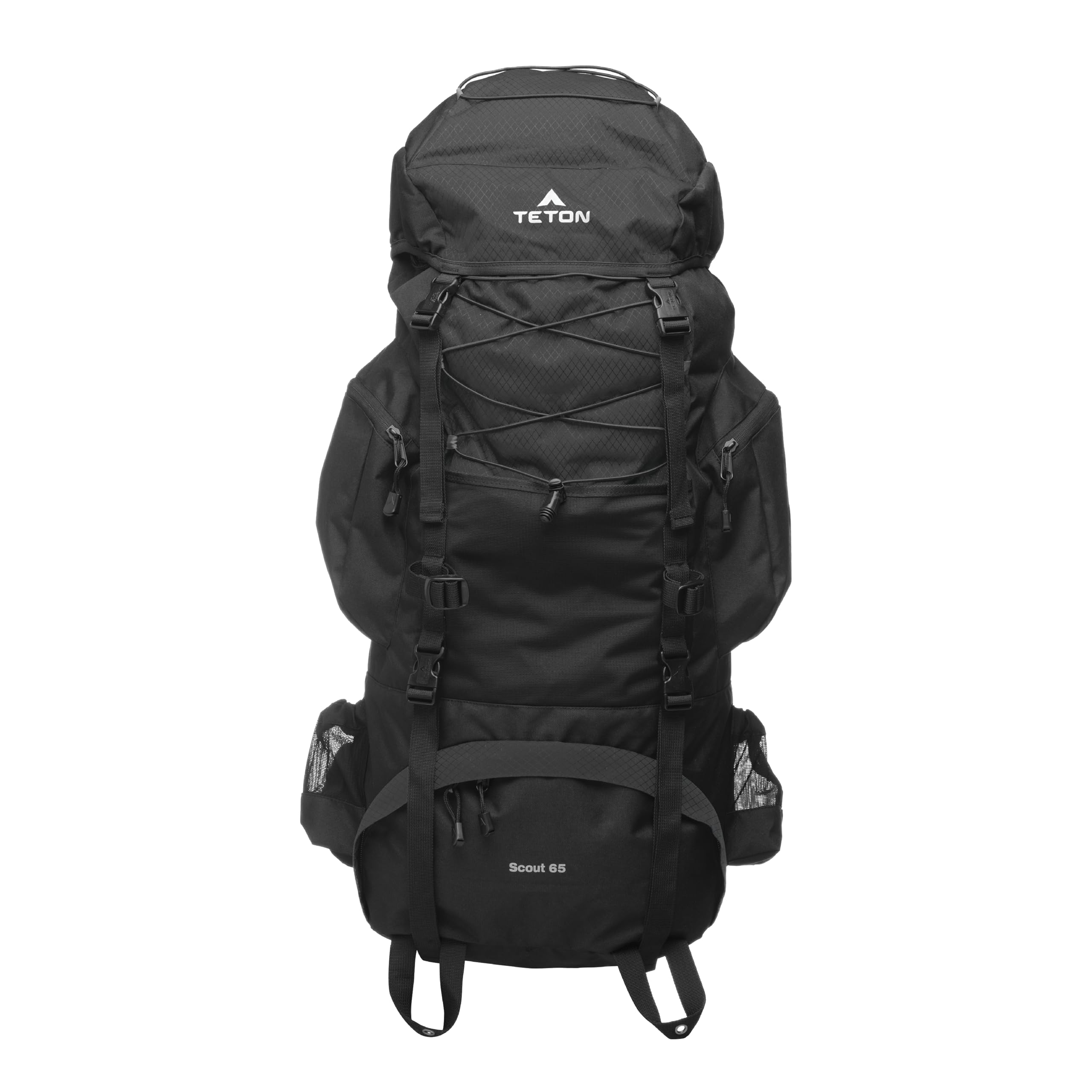

Best for Multi-Day Trips
Teton Scout 65L
Key Features
- Frame: Internal frame
- Capacity: 65 liters
- Torso fit: Small/smaller torso
- Pack weight: 4.5 lb
- Price: Midrange
The first thing we noticed about the Scout is how much torso adjustment it gives a smaller frame. The panel moves through a useful range, and the hip belt settles onto the hip bones instead of riding at the waist. With an overnight load, the weight sat where it should and the shoulder straps stayed in contact without pinching. That is not a small thing when most packs in this size range assume a longer back.
We think this is the pack most women should start with. The 65-liter body has room for a tent, sleeping bag, pad, cook kit, and layers, and the separate sleeping-bag compartment keeps the damp bag away from clothes. The lid and side pockets make the small stuff easy to find, and the included rain cover is one less thing to buy.
At 4.5 pounds, the Scout is not the lightest pack here, but the frame and padding are what make a full load feel controlled. If you count every ounce, the Loowoko is the lighter alternative; if you want one pack to carry a multi-day load without a fuss, the Scout’s extra structure earns its weight. Set the torso panel first, then tighten the hip belt before the shoulder straps, and the pack settles into place.
Pros
- Adjustable torso fits shorter frames
- 65L capacity with sleeping-bag compartment
- Included rain cover and useful pockets
Cons
- Sleeping-bag compartment can be tight for bulky bags
We recommend the Teton Scout 65L for women with shorter torsos who want a full-capacity overnight pack, because its adjustable harness puts the load on the hips and the 65-liter body has room for multi-day gear.
Best for Short Overnights
Loowoko 50L
Key Features
- Frame: Internal frame
- Capacity: 50 liters
- Rain cover: Included
- Dimensions and weight: 7.9 x 11.8 x 23.6 inches; 2.8 pounds
- Price: Budget
The first time we lifted the Loowoko, we checked the label because 2.8 pounds feels light for a 50-liter pack. That lightness is the point: it is easy to swing onto your back, easy to carry through a train station, and best suited to a short overnight rather than a heavy expedition. For a smaller hiker, the low weight also makes the pack feel less intimidating when it is fully loaded.
The main compartment has enough room for a compact tent, sleeping bag, pad, and stove, and the side and outer pockets keep smaller items from disappearing. The included rain cover is a genuine convenience at this end of the market, and the pack compresses down when it is not full. We found the 50-liter size easier to live with for a weekend than a larger pack that invites you to overpack.
The 50-liter body is not the pack for a bulky multi-day kit or a lot of water weight. Keep the load moderate and treat it as a light-trip pack; if you need one pack for heavier trips, the Teton Scout is the more reassuring choice. That trade is easy to accept when the alternative is spending more on a pack you only use twice a year.
Pros
- Light 2.8-pound carry
- 50L capacity with rain cover
- Good for smaller hikers and short trips
Cons
- Shoulder straps can tear under heavy loads
We recommend the Loowoko 50L for smaller hikers who want a light, low-cost pack for short overnight trips, where easy carry matters more than a premium suspension.
How We Tested Women’s Backpacking Packs
We started by narrowing a long list of women’s backpacking packs to 11 based on specs, torso-size options, volume, pocket layout, and price. I looked for adjustable or women’s-specific harnesses, hipbelts that could actually carry weight, and construction that seemed appropriate for rocky, rooty trails rather than manicured paths.
Each pack went on overnight and weekend trips, plus a few gear-heavy day hikes. We packed the same two-night kit—tent, sleeping bag, pad, stove, food, layers, and water—and noted whether it fit without overstuffing, whether the lid closed cleanly, and whether compression straps kept the load from swaying. With the pack on, we reached for a map in the lid, snacks in the hipbelt pockets, and a water bottle in the side pockets to see what was actually usable on the move. We also counted and loaded every pocket, because a pack can have plenty of storage that is awkward to access.
Fit and durability got the most miles. Testers adjusted torso length and hipbelt fit, then carried 25 to 30 pounds up climbs and down descents, watching for hipbone pressure, shoulder gaps, and side-to-side sway. After each trip, we inspected high-wear spots—bottom fabric, stitching, buckles, zippers, and strap anchors—for abrasion, pulled threads, or bent hardware. The packs that rose to the top were the ones that stayed comfortable when loaded, kept the essentials reachable, and still looked sound after being set down on granite and shoved through brush.
How to Choose a Women’s Backpacking Pack
Start with the torso and hip belt, not the liter count: a pack that puts the load on your hips will feel better than a larger one that hangs from your shoulders.
Fit the torso before the liters
Torso length is the measurement that decides whether a pack can carry weight properly. A women’s-specific or smaller-torso design shortens the range and shapes the hip belt and shoulder straps around a narrower frame; the Teton Scout’s smaller-torso fit is why it leads this guide. But adjustability can do the same job on a unisex pack. Load the pack before you commit: the hip belt should sit on your hip bones, the shoulder straps should wrap your back, and the load lifters should angle forward rather than pulling the pack into your neck.
Match capacity to nights and bulk
Capacity is a starting point, not a guarantee. A 50-liter pack can cover a short overnight if your sleep system packs small; 65 liters gives more slack for a bulky synthetic bag, a bear can, or cold-weather layers. The Scout’s 65 liters is the more forgiving choice for multi-day trips, while the Loowoko’s 50 liters rewards a compact kit. Pack your actual gear before deciding, and check whether the sleeping-bag compartment swallows your bag or fights it.
Weigh suspension against pack weight
A lighter pack is easier to lift, but the scale does not tell you how it carries. The Loowoko’s 2.8 pounds suits short trips and moderate loads; the Scout’s 4.5 pounds buys a sturdier frame and more padding for a multi-day load. For a first backpacking pack, we put a load-bearing hip belt and a frame that transfers weight ahead of saving a pound. If you routinely carry more than a weekend kit, the extra structure is worth it.
Check the parts that take the strain
Shoulder-strap stitching, hip-belt webbing, and buckles take the stress when a pack is full. On a budget pack, inspect those seams before you load it, and keep the load within what the harness can comfortably transfer. A lid that opens wide and side pockets that hold a bottle are conveniences; a strap that tears at the seam is a trip-ender. We inspect the shoulder-strap stitching on any pack before a trip, and we treat a budget pack as a short-trip tool rather than a heavy-load hauler.
Frequently Asked Questions
Do these packs come with rain covers?
Both the Teton Scout 65L and the Loowoko 50L include a rain cover. Use it to shed rain, but do not treat the pack as submersible: line your sleeping bag and spare layers in a dry bag or pack liner, and shake out the cover before stowing it.
Can I take a backpacking pack as a carry-on?
Sometimes. A 50-liter pack is the easier candidate if you compress it and stay within your airline’s size and weight limits; a loaded 65-liter pack is more likely to need checking. Measure the packed pack, not the empty one, and check the carrier’s limit before you fly.
How should I clean and store a backpacking pack?
Empty every pocket, remove the rain cover, and hand wash the pack with mild soap and water; do not machine wash or tumble dry a framed pack. Rinse well, air-dry it out of direct sun, and store it loosely rather than crushed in a bin so the frame and padding keep their shape.
Final Verdict
Most women planning a two- or three-night trip should start with the Teton Scout 65L. It solves the fit problem first, then gives you the capacity and load-bearing structure to carry a full pack without fighting it.
The Loowoko 50L is the better choice for a short overnight or a smaller hiker who wants to travel light. Its lower weight and lower cost are real advantages, but keep the load modest and treat it as a light-trip pack rather than a heavy-load hauler.