This post contains affiliate links. We may earn a small commission when you buy through our links — at no extra cost to you.
Trail running shoes force a choice: aggressive lugs for muddy climbs or a balanced outsole for everyday trails. That decision often means sacrificing either longevity or immediate grip. This guide highlights the key differences so you can match the shoe to your typical terrain.
Most runners discover after a season that their shoes either wore out too fast or lacked the bite they needed. The right pick comes down to understanding how tread patterns and cushioning affect your experience on loose soil versus hard-packed paths.
Whether you are a weekend trail runner or logging daily miles, the recommendations here focus on the real-world performance that matters for your specific running style.


Best for Tech Trails & Hikes
Brooks Cascadia 17
Key Features
- Traction: Reliable on loose trails
- Fit: Narrow, size up
- Cushioning: Balanced cushion
- Durability: Durable upper, moderate outsole
- Price: Premium
Stable support and reliable traction define the Cascadia 17, with Gore-Tex waterproofing that keeps feet dry in wet conditions. The outsole grips loose gravel and rocky climbs effectively, while the midsole delivers consistent arch support for uneven ground. Comfort from first wear reduces the risk of blisters during long runs.
This shoe targets trail runners and hikers who want a do-it-all shoe for technical terrain but don’t need extreme mud traction. The fit runs narrow – some users may need to size up half a step for a comfortable toe box. For those with wider feet, the Cascadia 17 works best when ordered larger.
Pros
- Comfort from first wear with no blister issues
- Strong arch support and stability for uneven trails
- Effective Gore-Tex waterproofing in wet conditions
Cons
- Fit can be narrow for some foot shapes – sizing up half a size may help
The Cascadia 17 is a capable trail companion for mixed terrain and wet weather, provided you address the narrow fit by ordering a half size up.
Best for Budget Trail Runners
Saucony Excursion TR15
Key Features
- Traction: Solid on woodland
- Fit: Roomy toe box
- Cushioning: Plush comfort
- Durability: Low, upper tears
- Price: Budget
The Excursion TR15 delivers immediate comfort with no break-in period and consistent traction on dirt and loose surfaces, with a toe box that accommodates wider feet. This makes it a strong entry point for new trail runners or those seeking an affordable shoe for occasional off-road runs. Durability is where the cost savings show — the upper and outsole can wear faster than pricier alternatives, particularly on abrasive terrain.
Pros
- Immediate comfort with zero break-in
- Roomier toe box suits wider feet
- Solid grip on loose and woodland trails
Cons
- Upper fabric may show visible wear at seams within a few months
For runners who prioritize immediate comfort and value over long-term mileage, this is a smart starting shoe.
Best for Technical Terrain
Salomon Speedcross
Key Features
- Traction: Aggressive mud lugs
- Fit: Narrow, snug
- Cushioning: Firm, responsive
- Durability: Outsole wears fast
- Price: Premium
The Salomon Speedcross delivers exceptional grip on loose, muddy, and technical terrain thanks to its deep, widely spaced lugs—a design that excels where traction matters most. This aggressive tread comes with clear tradeoffs: the fit is narrow, particularly in the toe box, and the outsole compound wears noticeably faster on pavement or hard-packed trails. Runners who stick to soft, steep, or wet surfaces will find the grip confidence-building; those mixing in gravel roads or occasional road sections should expect reduced outsole life. The shoe’s snug hold and trail feedback suit experienced trail runners who value precision over plushness.
Pros
- Confident grip on soft, muddy, and loose terrain where other shoes slip.
- High-quality construction with a secure, supportive fit for most foot shapes.
- Streamlined, low-profile look that appeals beyond the trail.
Cons
- Toe box may feel too snug for runners with wider feet.
- Outsole lugs can wear quickly when used on pavement or hard-packed trails.
Choose the Speedcross if your runs are on soft, technical terrain where grip is non-negotiable; for mixed-surface use, a more balanced trail shoe will serve better.
Best for Mixed Trail Runs
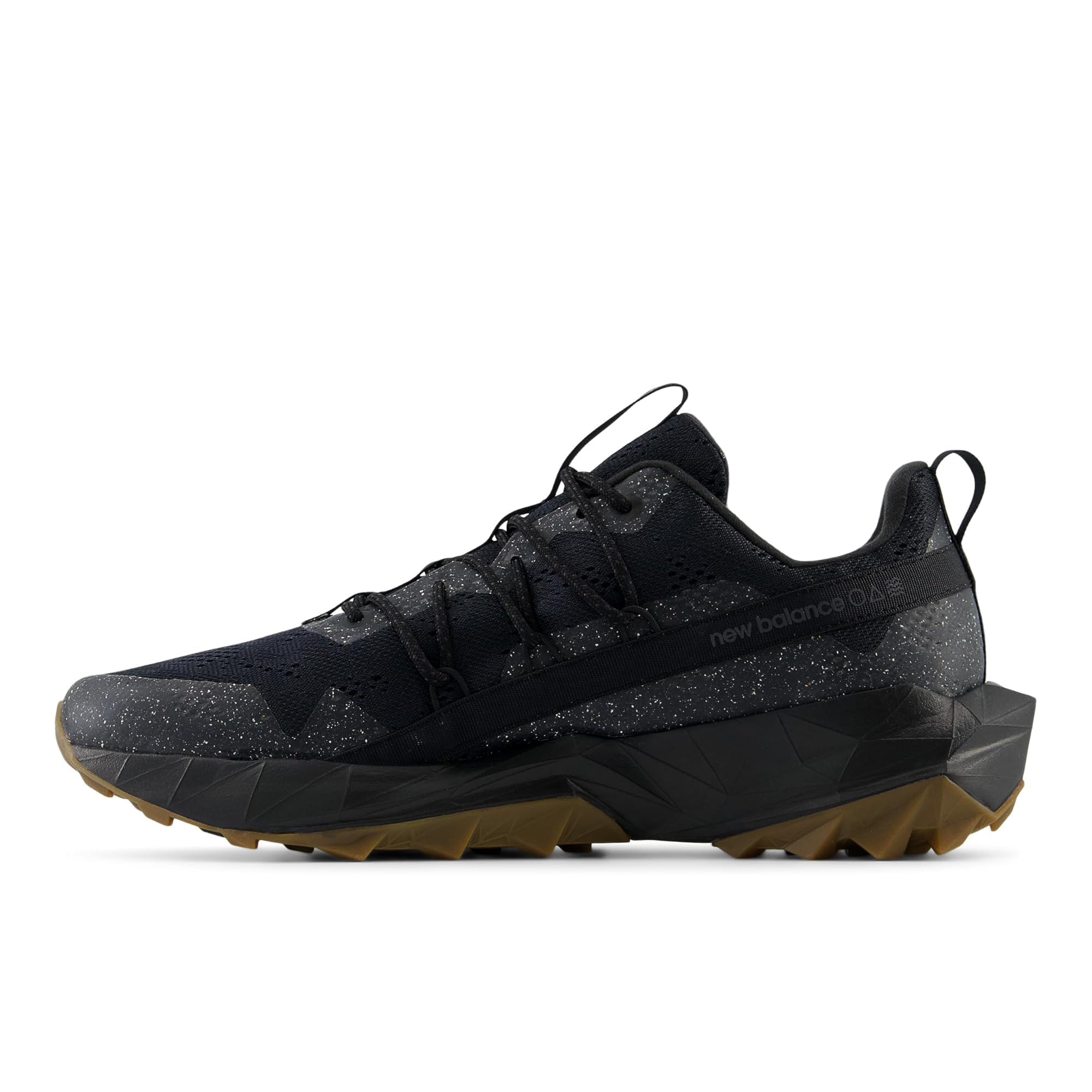
NB Dynasoft Tektrel V1
Key Features
- Traction: Versatile tread
- Fit: Narrow, size up
- Cushioning: Dynasoft cushion
- Durability: Wears quickly
- Price: Budget
The New Balance Dynasoft Tektrel V1 delivers lightweight cushioning and a stylish look that feels more like a casual sneaker — a rare combination at this price. It handles light trails, gravel, and pavement, making it a solid mixed-use option. However, the narrow fit may require sizing up, and the outsole wears faster on abrasive terrain, typical trade-offs at this budget level. This shoe suits runners who prioritize immediate comfort and style over long-term durability or technical trail performance.
Pros
- Very comfortable for walking and running right out of the box.
- Attractive design that works well for casual wear as well as trails.
- Great value for the price given the features and build.
Cons
- Narrow fit may require sizing up for wider feet.
- Outsole tread can show wear on rocky terrain; upper material may tear under heavier use.
Best for New Balance fans who want a lightweight, stylish trail shoe for mixed use — not for technical trails or high mileage.
Best for Wide Feet
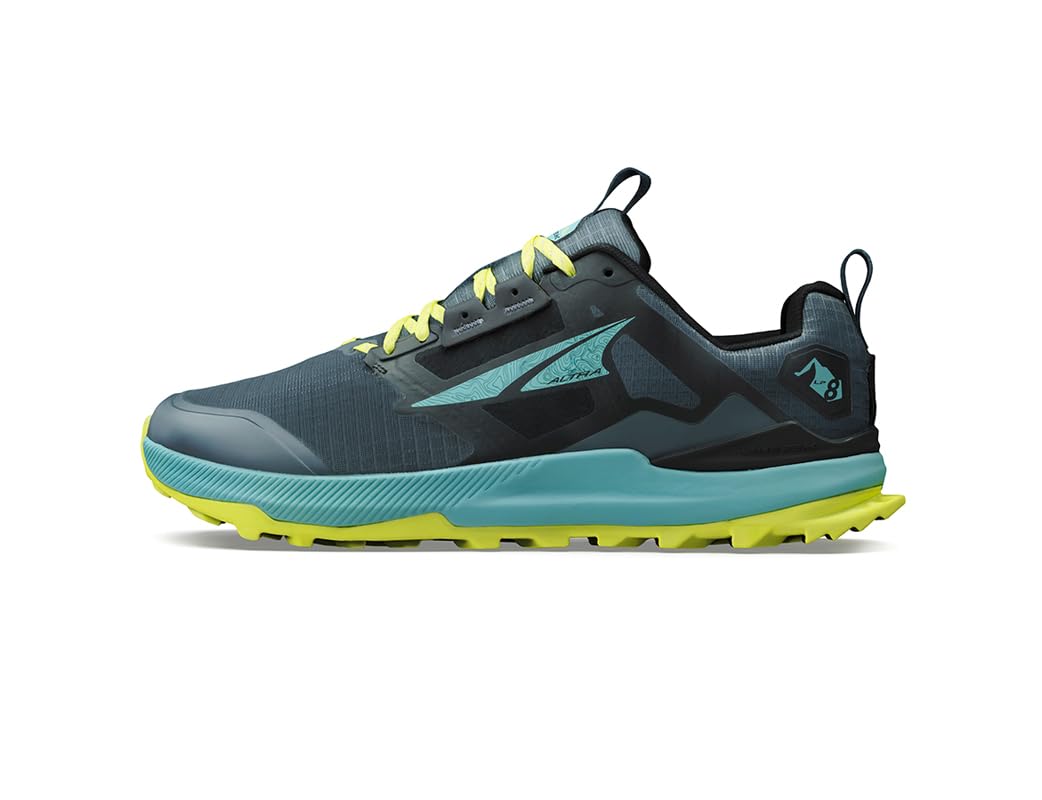
ALTRA Lone Peak 8
Key Features
- Traction: Excellent grip
- Fit: Wide toe box
- Cushioning: Zero-drop, firm
- Durability: Falls apart
- Price: Mid-Range
The ALTRA Lone Peak 8 stands apart with a spacious forefoot that allows toes to spread naturally, paired with a zero-drop platform that encourages a midfoot strike. It offers solid build quality and immediate comfort out of the box, with aggressive traction that grips well on wet and loose terrain. However, the tradeoff is durability — some users find the shoe shows wear within months of regular trail use, making it a better fit for moderate-mileage runners who prioritize foot health over long-term longevity. It suits those with wide feet, Morton’s neuroma, or anyone who wants a hiking-to-running hybrid without that pinched-toe feel.
Pros
- Wide toe box allows natural toe splay for better balance and comfort.
- Aggressive tread provides solid grip on wet rock and loose dirt.
- Comfortable straight from the box with supportive cushioning.
Cons
- Durability can be limited — some pairs show premature wear after a few months of regular trail running.
A great choice if you need maximum toe room and a zero-drop feel for trail running or hiking, as long as you aren’t expecting it to endure heavy weekly mileage.
Best for All-Day Comfort
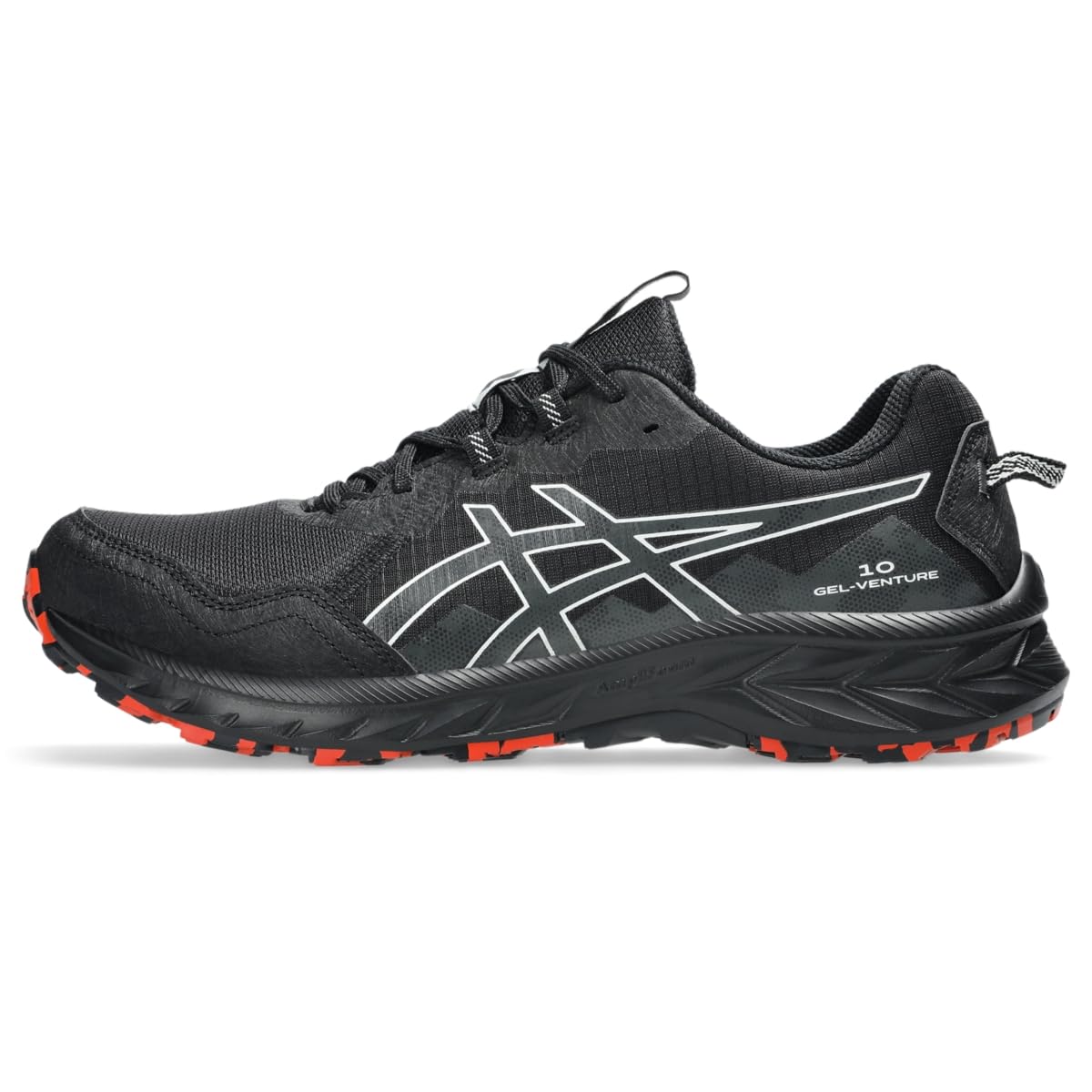
ASICS Gel-Venture 10
Key Features
- Traction: Moderate trail
- Fit: Narrow
- Cushioning: Gel, stiff
- Durability: Sole separation
- Price: Mid-Range
The ASICS Gel-Venture 10 stands out for its excellent arch support and reliable comfort, making it a good match for moderate trail runs and everyday use. Unlike the max-cushion ultra trail shoes, this model focuses on stability through the heel and midfoot. However, the fit runs narrow — some may need to size up — and the cushioning feels firmer than the Gel name suggests, so it’s less suitable for technical terrain or those seeking a soft ride.
Pros
- Strong arch support stabilizes the heel and midfoot.
- Comfortable fit relieves foot pain, including plantar fasciitis and back pain.
- Good build quality at a mid-range price.
Cons
- Narrow fit may require sizing up for some.
- Cushioning feels stiffer than expected for a gel shoe.
Ideal for runners who need reliable arch support on moderate trails and want a familiar ASICS fit, but not for those requiring a wide toe box or plush cushioning.
Best for Ultra Distances
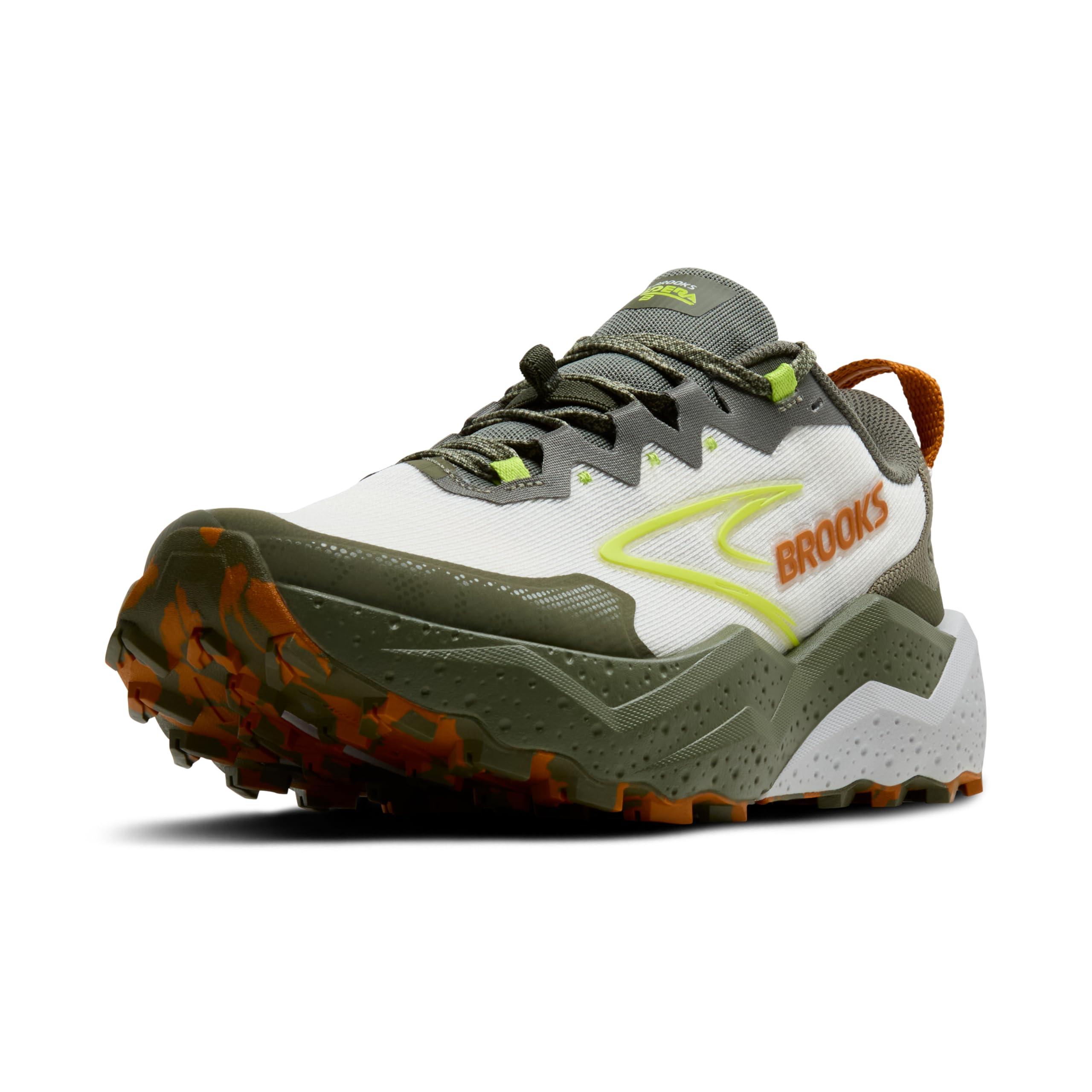
Brooks Caldera 8
Key Features
- Traction: Smooth trail
- Fit: Narrow
- Cushioning: Plush max cushion
- Durability: Average
- Price: Mid-Range
The Caldera 8 delivers a plush ride that softens rocky terrain over long distances. Its thick cushioning absorbs impact and keeps legs fresh on all-day runs, making it a comfortable choice for ultramarathons and extended hikes.
This shoe suits runners who want maximum cushioning for long, rocky trails and don’t mind a softer feel underfoot. The fit runs narrow, so those with wider feet may need to size up. If you prefer a firm, responsive ride, this plush profile will feel too mushy.
Pros
- Very comfortable for long runs and hiking out of the box
- Plush cushioning that smooths rough trail surfaces
Cons
- Narrow fit may require sizing up for wider feet
This is the trail shoe for runners who want a forgiving, cushioned ride over long miles on rocky terrain, provided the narrow fit works for them.
Best for Barefoot Budget
WHITIN Minimalist Trail

Key Features
- Traction: Good for moderate
- Fit: Narrow, size up
- Cushioning: Minimal, barefoot
- Durability: Low, seams fail
- Price: Budget
Delivers good comfort and a barefoot feel on moderate trails at a budget price. The zero-drop design lacks arch support and aggressive tread for technical terrain. Fit can be tight for some, and sole wear or upper separation may occur within months of use.
Pros
- Comfortable barefoot feel with zero-drop platform
- Strong value for the price
Cons
- Sole wear and upper separation can occur within months of regular trail use
Ideal for runners wanting to try minimalist trail running on moderate, non-technical trails without a big investment.
Best for Light Trail
UA Charged Bandit 3

Key Features
- Traction: Light trail
- Fit: Tight on top
- Cushioning: Charged cushion
- Durability: Premature wear
- Price: Mid-Range
The Under Armour Charged Bandit Trail 3 delivers immediate comfort and solid build quality right out of the box, making it a pleasant option for casual trail runs or light off-road use. However, the fit can be tight across the top of the foot, and durability is less proven over the long haul compared to higher-volume competitors, so it suits runners who prioritize initial feel over maximum longevity.
Pros
- Comfortable from the first wear with quality materials
- Good fit for many runners who don’t need a wide toe box
Cons
- Fit can be tight on top of the foot; the tongue may bunch for some
Best for runners who want a comfortable, well-made shoe for light trail use and don’t mind a snug fit.
Best for Casual Walks
adidas Terrex Tracefinder

Key Features
- Traction: Decent grip
- Fit: Narrow
- Cushioning: Moderate
- Durability: Squeaks, laces fail
- Price: Budget
The adidas Terrex Tracefinder offers a comfortable fit and solid construction at a budget price, making it a reasonable choice for casual walkers or light trail use. However, some units produce a loud squeaking noise during movement, and the fit runs narrow, so sizing up may be necessary. This shoe works best for cost-conscious buyers who prioritize price over quiet operation and can accommodate a snug fit.
Pros
- Comfortable fit suitable for most foot shapes
- Well-constructed at a budget price
Cons
- Loud squeaking noise can be distracting on trails
Suits budget-conscious walkers who can tolerate noise and narrow fit, but not for quiet trail runs.
Best for Wide Feet Budget
ALTRA Wild 2
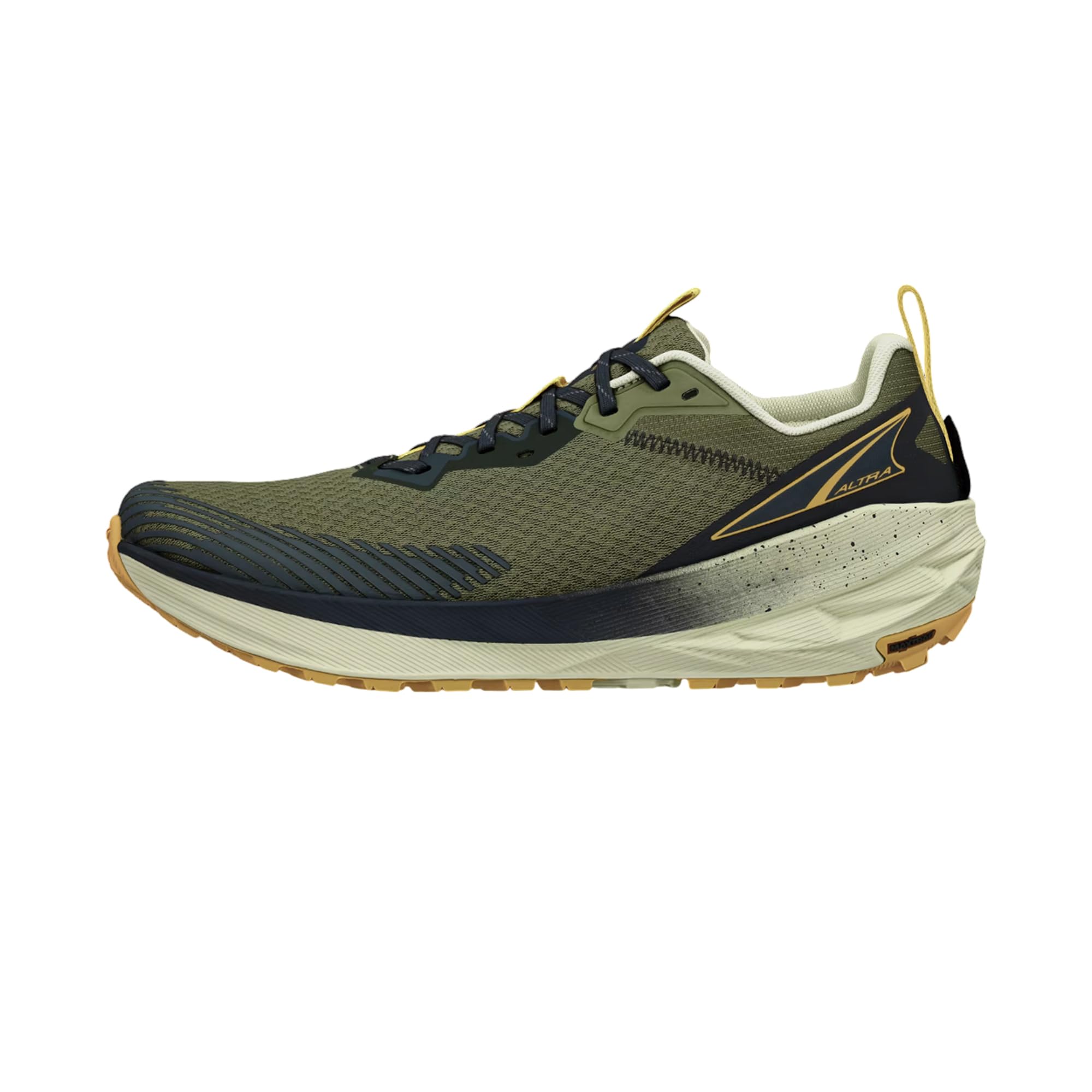
Key Features
- Traction: Moderate
- Fit: Wide toe box
- Cushioning: Zero-drop
- Durability: Uncertain
- Price: Budget
The Experience Wild 2 gives budget-conscious runners a comfortable entry into ALTRA’s natural foot positioning at a low cost. The wide toe box and zero-drop platform provide toe relief, making it a good fit for beginners or those with foot pain. However, the limited number of customer reviews and reports of early wear mean it carries more risk than the more established Lone Peak for runners who need lasting durability.
Pros
- Comfortable toe box relieves pressure on big toes for runners with metatarsalgia.
- Solid construction for a budget trail shoe.
Cons
- For runners tackling rocky or frequent trails weekly, the outsole and upper may show wear sooner than expected.
Best for beginners or occasional trail runners on a budget. High-mileage runners should stick with the Lone Peak.
How to Choose
Trail running shoes force a trade-off between immediate comfort and long-term durability, so matching the shoe to your typical terrain and mileage is key.
Traction and Lug Pattern
Aggressive lugs with deep channels excel on loose dirt, mud, and wet rock but wear quickly on hard-packed trails or pavement. A shallow, multi-directional tread offers more versatility for mixed surfaces but may slip on steep, greasy slopes.
If your runs are mostly on groomed forest paths, moderate traction will save outsole life. For technical alpine terrain, deep lugs are a safety advantage worth the faster wear.
Fit and Toe Box Width
A narrow fit provides lockdown for fast cornering on singletrack, but it can cause hot spots and blisters on longer runs. Wide toe boxes allow natural splay, reducing pressure on the metatarsals and improving balance on uneven ground.
Many brands run narrow; ordering a half size up or choosing a wide version is common. Test with the socks you will run in to avoid buying too tight.
Cushioning Level
Plush cushioning absorbs shock on rocky trails and reduces fatigue over ultra distances, but it reduces ground feel and can make the shoe feel unstable on technical terrain. Firm, responsive cushioning offers better energy return and proprioception for faster, more technical runs.
Choose plush if you prioritize comfort and joint protection, especially for long days. Choose responsive if you want agility and feedback for shorter, more intense efforts.
Durability of Upper and Outsole
Lightweight mesh uppers dry quickly and breathe well but tear easily against rocks and roots. Heavier synthetic overlays and rubber toe caps add protection but increase weight. Outsoles with dense rubber compounds last longer on abrasive surfaces, while softer compounds grip better but wear faster.
Budget shoes often cut corners in upper construction, leading to seam separation within a few months. If you log high mileage, investing in a shoe with reinforced uppers and a proven outsole compound pays off in the long run.
Waterproofing
Waterproof membranes like Gore-Tex keep feet dry in wet grass and puddles but trap heat and moisture, reducing breathability. On hot days or in humid climates, non-waterproof shoes drain and dry faster, preventing blisters.
Waterproofing is only beneficial if you regularly run through wet terrain. For dry conditions or warm weather, a mesh upper is more comfortable and dries quicker.
FAQ
Why do trail running shoes wear out so fast?
Most trail shoes use soft rubber compounds for grip, which wear down quickly on hard pack and asphalt. Uppers are often lightweight mesh that tears against rocks. To extend life, rotate pairs and reserve trail shoes for dirt and gravel, not pavement walking.
How can I stop my trail shoes from squeaking?
Squeaking often comes from air trapped between the midsole and outsole, especially in shoes with soft cushioning. Try applying baby powder to the insole or under the footbed, or add a thin moisture-wicking layer. If the noise persists after a few runs, it is a design issue and may not be fixable.
Should I size up for Salomon trail running shoes?
Yes, many Salomon models run narrow and short. Reviewers consistently recommend ordering a half to a full size up, especially for the Speedcross and XA PRO series. If you have wide feet, consider a different brand or look for wide-size options.
Are minimal trail shoes like WHITIN durable enough for everyday trail running?
Minimal shoes typically lack the robust upper and outsole construction needed for daily trail use. They are best for occasional runs on smooth, soft trails. For regular training on rocky or rooty terrain, a more durable shoe will last significantly longer.