This post contains affiliate links. We may earn a small commission when you buy through our links — at no extra cost to you.
Choosing the right trail running shoe often means navigating a split between minimalist, barefoot-style designs and heavily cushioned, supportive models. Many runners end up with blisters, foot pain, or a shoe that doesn’t match the terrain they actually run on.
Sizing inconsistencies are common across brands, and a shoe that works on dry, hard-packed trails can feel unstable on loose, muddy ground. Knowing which specs matter for your foot shape and typical trail conditions saves both money and discomfort.
This guide focuses on the key specifications that determine real-world performance: toe box width, tread pattern, cushioning level, waterproofing, and heel-to-toe drop. You’ll learn how to prioritize these features based on your running style and the trails you frequent.



Best for Natural Toe Splay
ALTRA Lone Peak 7
Key Features
- Toe Box Width: Wide, foot-shaped
- Tread Pattern: Moderate lug
- Cushioning: Moderate
- Price: $$
The Lone Peak 7’s foot-shaped toe box creates a natural splay that reduces blister risk and improves stability on uneven trails. Combined with a zero-drop platform, it encourages a more efficient stride for technical terrain without sacrificing grip on rocks and dirt.
This shoe suits runners with wide forefeet who prioritize toe room and blister prevention over plush cushioning. The fit can run half a size large, so trying them on is worthwhile. Those who prefer a snug heel lock or maximum padding will find better options elsewhere.
Pros
- Wide toe box prevents toe pinching and reduces blister risk
- Traction holds well on dry, rocky, and technical terrain
- Arch support contributes to steady footing on uneven trails
Cons
- Outsole wear may show sooner on abrasive surfaces
- Fit may run half a size large, requiring a try-on before buying
A strong match for trail runners who value natural toe splay and stable handling over maximum cushioning.
Best for Cushioned Trail Runs
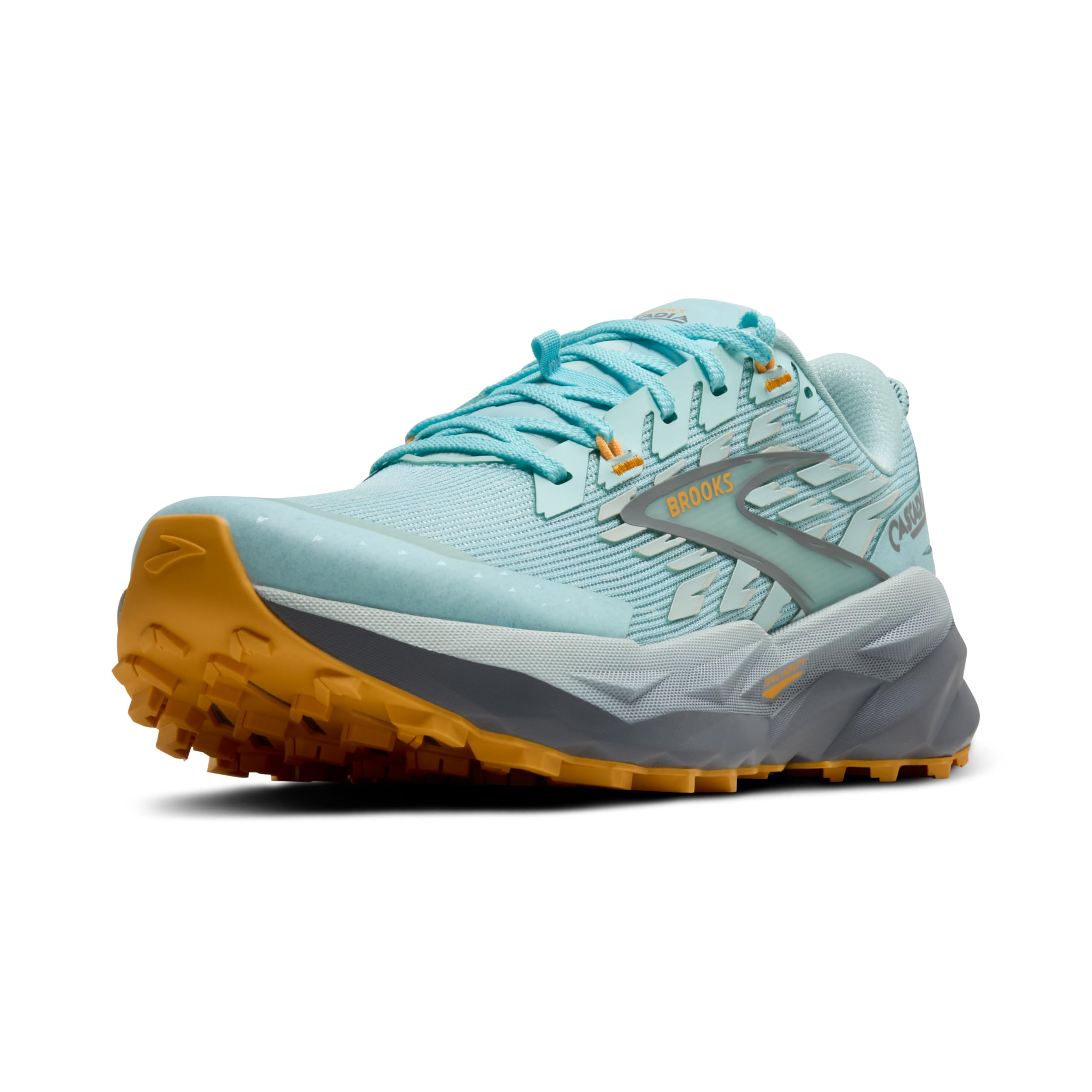
Brooks Cascadia 19
Key Features
- Toe Box Width: Roomy
- Tread Pattern: Standard lug
- Cushioning: Plush
- Price: $$$
The Cascadia 19 delivers cushioning and traction that feel right from the first run. Unlike the foot-shaped frontier of the Lone Peak 7, Brooks focuses on a supportive platform that works well for those with plantar fasciitis or sensitive feet. This shoe suits runners who want a reliable, cushioned ride for technical terrain and all-day hikes, but its premium price and plush feel won’t appeal to budget-minded or minimalist runners.
Pros
- Exceptional comfort with no blisters and ample toe room
- Dependable traction on rocky and mixed trails
- Supportive arch and stable platform for hiking and running
Cons
- Fit may not suit all foot shapes equally
If you value immediate comfort and arch support over a natural toe splay, the Cascadia 19 is a strong choice on technical terrain.
Best for Aggressive Mud Grip
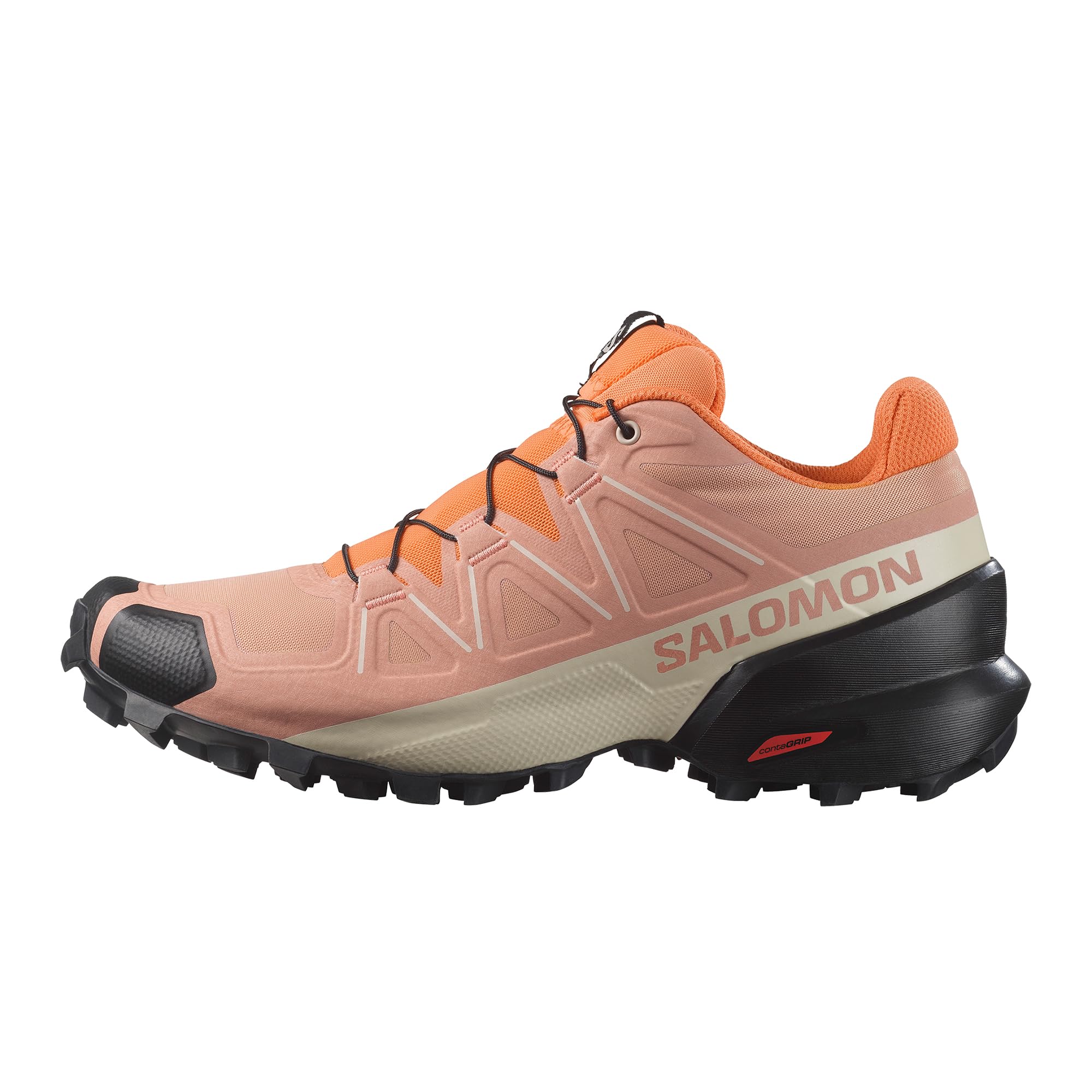
Salomon Speedcross
Key Features
- Toe Box Width: Narrow
- Tread Pattern: Deep chevron
- Cushioning: Minimal
- Price: $$$
The aggressive chevron lugs dig into mud and loose soil with a tenacity that few trail shoes match. The fit is snug and precise, ideal for narrow to medium feet, but runners with wider feet will find it too constricting. On hard-packed trails or pavement, the firm midsole lacks cushioning, making this a shoe for technical off-road use only.
Pros
- Exceptional grip on mud, loose soil, and slick rocks.
- Snug, secure fit for narrow to medium feet provides stability on uneven ground.
- Durable upper and outsole hold up through rocky, abrasive conditions.
Cons
- Less comfortable on hard-packed trails or pavement due to firm midsole and aggressive lugs.
- Narrow cut may be too tight for wider feet; sizing up helps only partially.
This is a specialist shoe for runners who face deep mud and loose terrain regularly and can work with a narrow, performance-oriented fit.
Best for Versatile Trail Runs
Salomon XA PRO 3D
Key Features
- Toe Box Width: Narrow
- Tread Pattern: Standard lug
- Cushioning: Moderate
- Price: $$$
The Salomon XA PRO 3D delivers generous arch support and a protective build that holds up over hundreds of trail miles. While the top pick favors a foot-shaped toe box and zero-drop platform, this model prioritizes stability and underfoot structure. Its outsole grips reliably on loose gravel and packed dirt, making it a capable all-rounder for mixed trail activities. It suits runners who need arch support and don’t mind a slightly heavier, roomier fit — expect to size down from your usual running shoe size.
Pros
- Well-cushioned arch support for all-day comfort on trails.
- Durable construction that withstands hundreds of miles of trail use.
Cons
- Heavier build may feel sluggish for fast-paced runs or racing.
For trail runners who prize arch support and longevity over lightweight speed, the XA PRO 3D is a capable workhorse that holds up mile after mile.
Best for Budget Trail Comfort
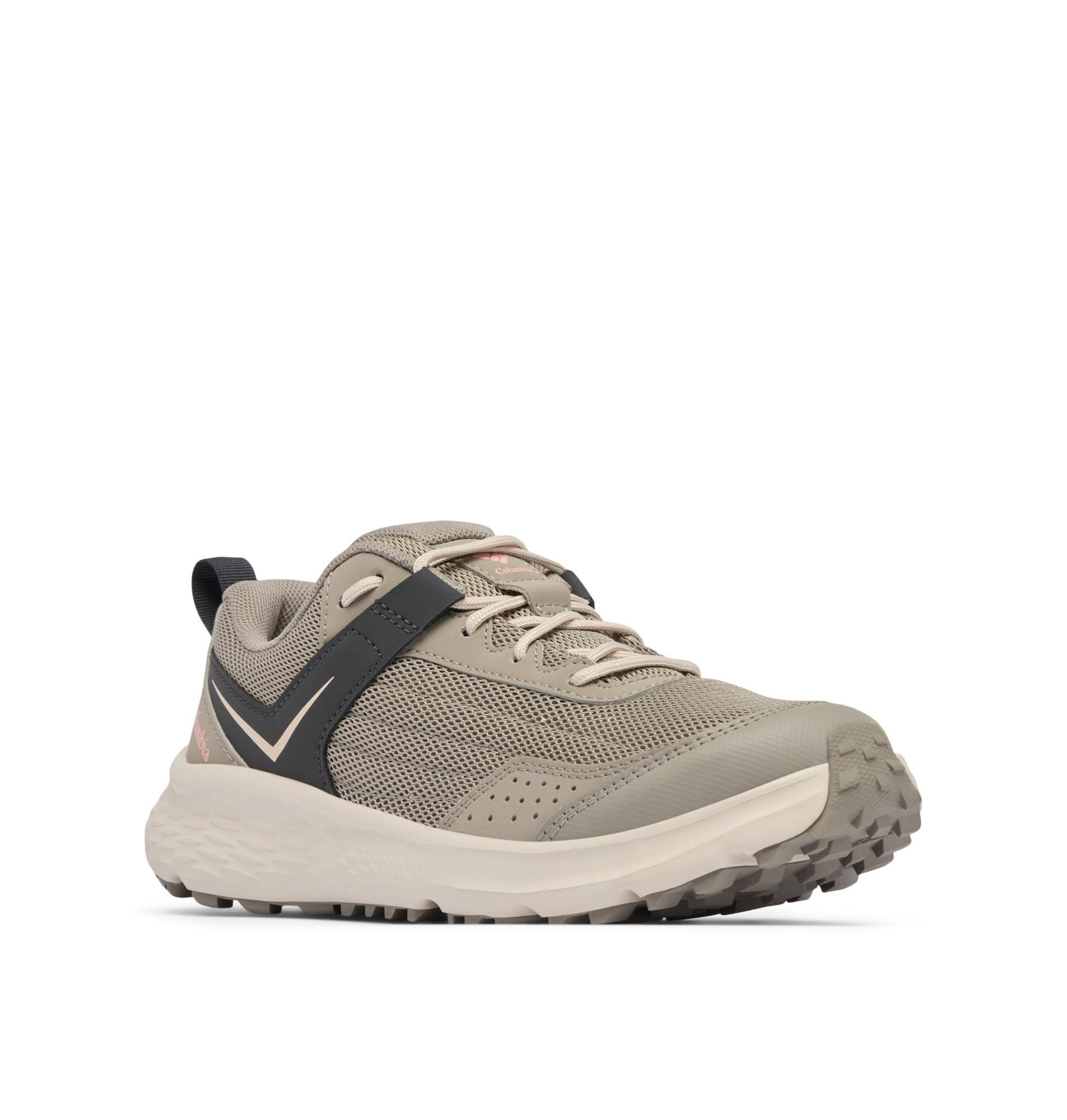
Columbia Vertisol
Key Features
- Toe Box Width: Wide
- Tread Pattern: Medium lug
- Cushioning: Moderate
- Price: $
The Columbia Vertisol Trail delivers exceptional blister-free comfort and grip at a price that undercuts most competitors. Its OMNI-MAX foam keeps feet fresh on all-day hikes, and the roomy toe box accommodates wider feet without extra cost. The outsole grips wet rocks and varied surfaces securely, but the cushioning and tread are best suited to non-technical trails and day hikes, not rocky or high-mileage routes. This makes it a strong fit for budget-conscious runners who value comfort over rugged durability.
Pros
- Exceptionally comfortable with OMNI-MAX foam — no blister issues even after long hours
- Traction on wet rocks and varied surfaces feels secure
- Roomy toe box accommodates wide feet without extra cost
Cons
- Not built for extremely technical, rocky trails or high-mileage training
A budget-friendly shoe that delivers premium-level comfort and traction for moderate trail use — a smart pick if you prioritize fit and grip over technical protection.
Best for Wet Trail Protection
NB Hierro V7 GTX
Key Features
- Toe Box Width: Narrow
- Tread Pattern: Standard lug
- Cushioning: Plush
- Price: $$
The Fresh Foam X Hierro V7 GTX keeps feet dry in wet conditions thanks to its Gore-Tex membrane, while the thick midsole delivers a soft, airy feel underfoot. This combination makes it a solid option for runners who frequently encounter rain, puddles, or muddy trails and want cushioning that reduces impact on sensitive joints.
This shoe suits runners with narrow to medium feet who prioritize waterproofing and plush comfort over a roomy toe box or maximum airflow. The toe area may feel snug for those with wider feet, and some units have shown early wear around the upper — something to keep in mind if you log high mileage regularly.
Pros
- Gore-Tex construction keeps feet dry in rain and puddles.
- Plush Fresh Foam cushioning absorbs shock for sensitive feet.
- Arch support helps reduce fatigue on longer runs.
Cons
- Toe box can feel tight for wider feet, especially on longer runs.
- Upper durability may vary; some owners note tearing after modest use.
A capable wet-weather companion for narrow-to-medium feet that values cushioning and dryness over durability certainty.
Best for Wide Forefeet Budget
Saucony Excursion Tr13

Key Features
- Toe Box Width: Roomy
- Tread Pattern: Standard lug
- Cushioning: Minimal
- Price: $$
A roomy toe box that requires no break-in makes this a good fit for wide forefeet at a mid-range price. Durability issues (sole separation) and weak arch support are known limitations; aftermarket insoles help. Best suited for budget-conscious trail walkers who prioritize toe room over longevity.
Pros
- Roomy toe box accommodates wider feet comfortably with no break-in needed.
Cons
- Sole separation and tearing can occur with regular use.
Best for trail walkers with wide feet on a budget who can accept durability tradeoffs or plan to add insoles.
Best for Plantar Fasciitis Relief
ASICS Gel-Excite Tr2

Key Features
- Toe Box Width: Narrow
- Tread Pattern: Standard lug
- Cushioning: Moderate
- Price: $$
Provides effective foot pain relief with good cushioning and arch support, suitable for road-to-trail transitions and all-day walking. The narrow fit may not suit wider feet — sizing up can help. It is less versatile than the premium cushioned alternative, making it a focused pick for those with specific foot pain needs.
Pros
- Helps alleviate foot pain from plantar fasciitis
- Good arch support and cushioning for all-day comfort
Cons
- Narrow fit may pinch those with wider feet; sizing up can improve comfort but the toe box remains snug.
Best for trail runners needing arch support, as long as wide feet aren’t a concern.
Best for Narrow Foot Technical
La Sportiva Bushido II

Key Features
- Toe Box Width: Narrow
- Tread Pattern: Aggressive for rock
- Cushioning: Minimal
- Price: $$$$
The Bushido II delivers tenacious traction on wet rock and a build that holds up through years of trail use. That precision fit — snug through the heel and midfoot — works well only if your foot is narrow. The price is premium, and sizing up half to a full size is typically needed. For those with wider feet or a preference for plush cushioning, this shoe will feel restrictive and firm.
Pros
- Grips slick rock surfaces with confidence
- Durable build that can last 4-5 years of regular hiking
Cons
- Narrow fit may cause discomfort for wider feet even after sizing up
Best for runners with narrow feet who value grip and durability over cushioning — size up half to full size.
Best for Zero Drop Barefoot
Joomra Women’s Barefoot

Key Features
- Toe Box Width: Wide
- Tread Pattern: Standard lug
- Cushioning: Minimal
- Price: $
This barefoot shoe delivers a wide toe box and zero-drop platform at a budget-friendly price, making it appealing for casual trail walking or hiking. The soft, slipper-like feel and solid traction on varied surfaces are well received. However, sizing can run small, and long-term durability may not hold up to regular trail running — better suited for occasional use or experienced barefoot enthusiasts who accept these limits.
Pros
- Soft, slipper-like comfort with a natural barefoot feel.
- Good traction on trails and mixed surfaces.
Cons
- Sizing can run small, requiring a size up for a comfortable fit.
Best suited for occasional trail walking or barefoot enthusiasts who prioritize ground feel over durability and consistent sizing.
How to Choose
The most important decision when buying trail running shoes is matching the shoe’s design to your foot anatomy and the specific terrain you’ll run on, not just picking the most popular model.
Toe Box Width and Fit
A wider toe box allows your toes to splay naturally, which improves balance and reduces blister risk on uneven terrain. However, a shoe that is too wide can cause heel slip if the midfoot and heel are not snugly secured.
Narrow toe boxes, common in Salomon and La Sportiva, provide a precise, locked-in feel but can lead to pinching and black toenails on longer descents. Try on shoes with the socks you plan to wear, and leave a thumb’s width of space between your longest toe and the front of the shoe.
Tread Pattern and Grip
Aggressive, widely spaced lugs (like those on the Salomon Speedcross) excel in mud and loose soil, but they can feel unstable on hard-packed trails or pavement. The lugs act like individual claws that need soft ground to bite into.
For mixed terrain, a moderate, multi-directional tread pattern offers better versatility. Smooth treads with shallow lugs are only suitable for well-groomed trails and can be dangerous on wet rocks or steep slopes.
Cushioning and Support Level
Plush cushioning absorbs shock and reduces fatigue on long runs, but it also lifts your foot higher off the ground, reducing proprioception and stability on technical terrain. This can increase ankle roll risk on uneven surfaces.
Minimal cushioning provides better ground feel and agility, ideal for technical trails and runners who want to ‘feel’ the terrain. The trade-off is less protection from sharp rocks and more impact stress on joints over ultra distances.
Waterproofing
Gore-Tex or similar membranes keep water out but also trap heat and moisture inside, making your feet sweat in warm conditions. They also add weight and stiffness to the upper.
Choose waterproof shoes only if you regularly run in wet, muddy conditions or cross streams. For dry climates or well-drained trails, non-waterproof shoes breathe better and dry faster if they get wet.
Heel-to-Toe Drop
Zero-drop or low-drop shoes (0-4mm) encourage a midfoot or forefoot strike, which can reduce knee strain but puts more load on the calves and Achilles. Transitioning from high-drop shoes requires a gradual adaptation period to avoid injury.
Higher drops (8-12mm) are more forgiving for heel strikers and provide a familiar feel to road shoes. They offer better calf protection on steep climbs but may reduce natural stride efficiency on flat sections.
FAQ
Do I need a wide toe box for trail running, or is just a roomy fit enough?
A wide toe box allows your toes to splay naturally, which improves balance and reduces black toenails on steep descents. A roomy but not foot-shaped toe box may still feel cramped if your forefoot is wide. If you’ve ever lost a toenail after a long run, consider a true wide toe box like the ALTRA Lone Peak.
Why do some trail running shoes wear out at the heel after only a few months?
Heel wear is often caused by a poor fit that allows the foot to slide forward, rubbing the heel counter against the Achilles. It can also result from running on abrasive surfaces like gravel or asphalt. Shoes with reinforced heel cups and a snug heel lock lacing pattern last longer.
Can I use a road running shoe for light trails, or do I need specific tread?
Road shoes lack the aggressive tread needed to grip loose dirt, mud, or wet rocks. On dry, packed dirt paths, a road shoe can work for short distances, but on any incline or damp surface, you risk slipping. A dedicated trail shoe with lugs at least 4mm deep provides safe traction.
Is the Salomon Speedcross too aggressive for everyday hiking and walking?
Yes, its deep chevron lugs can feel unstable on hardpack trails and pavement, and they wear down quickly on these surfaces. The Speedcross is best reserved for muddy, loose, or soft terrain. For hiking on mixed surfaces, a shoe with moderate lugs like the Salomon XA PRO 3D is more versatile.