This post contains affiliate links. We may earn a small commission when you buy through our links — at no extra cost to you.
Foam rollers come in two disappointing extremes: the plush one that feels like a couch cushion and does almost nothing, and the rock-hard one that leaves you wincing on the floor. The right roller sits in between — firm enough to reach a tight quad or a cranky IT band, soft enough that you’ll actually keep using it. What you’re buying is a few minutes of daily relief from soreness that builds up from running, lifting, or a long stretch at a desk.
I’ve owned rollers that slid across the hardwood and ones too short to lie across my back, so when my team and I spent six months with 15 rollers, we knew what to look for. A tip for first-time buyers: density matters more than length. A long roller is handy for your back, but if it’s too soft your body sinks in and the muscle never gets the pressure it needs. The picks below run from gentle recovery tools to the ones that make you breathe through your teeth.



Best for All-Round Recovery
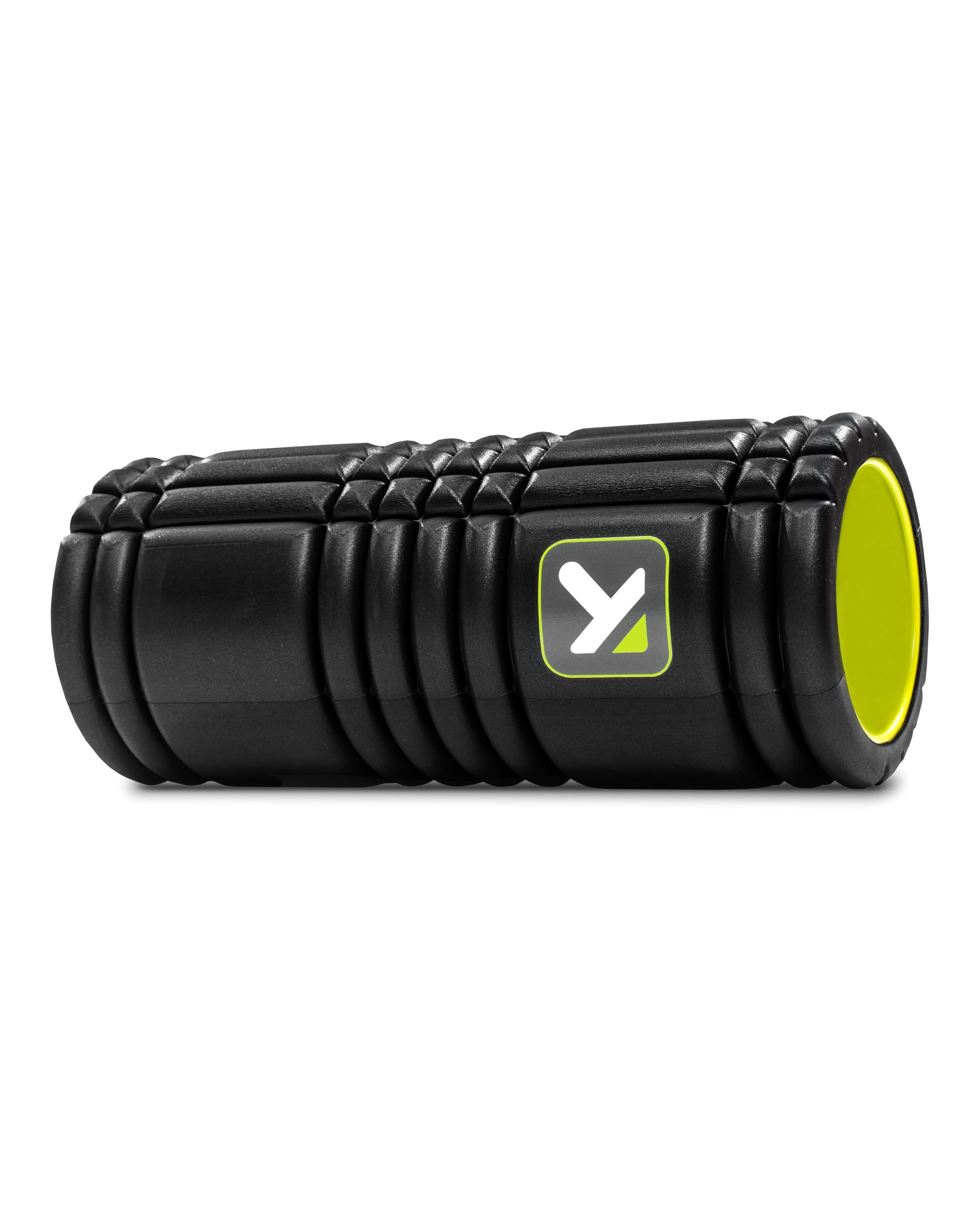
TriggerPoint GRID 1.0
Key Features
- Length: 13 inches
- Weight: 1.1 lb
- Surface: Multi-density GRID zones
- Price: Midrange
Three foams run the length of the GRID: a wide, flat band that spreads pressure like a palm, a tubular band that digs in like fingers, and a firmer band that works like a thumb. Rotating the roller changes which one you get. That single design choice is why it is our top pick for most people: one 13-inch roller that handles a broad sweep across a quad and a pinpoint spot beside the shoulder blade without changing tools.
At 13 inches it goes into a duffel or straps to a daypack without a second thought, and the hard inner core carries your weight so the foam only has to be a surface. We used it on calves after long descents and on the outside of the knee, where a smooth roller slides right past the spot that needs work and the ridges grip and stay put. The three bands also make it forgiving in a way a single-density textured roller is not: when the ridges are too much, you roll onto the flat band and keep going.
The intensity is the trade-off, and it is real. These ridges are not a gentle introduction. Over a bruised quad or a tight IT band they are a lot, and a first session can be genuinely unpleasant. Two long molded seams run down the sides, and through thin shorts they can pinch, which thicker leggings solve. If you have never rolled before, start on the flat band and work up.
Against the 26-inch GRID 2.0, this one gives up full-spine coverage and costs far less; against the smooth three-foot rollers here it is more precise and much easier to live with in a small apartment. Buy the 13-inch first. If back work becomes the main event, add length later.
Pros
- Three density zones in one roller
- Hard core holds pressure without collapsing
- 13 inches and just over a pound, so it travels
- Ridges reach spots a smooth roller misses
Cons
- Ridges are intense on a first roll
- Molded seams can pinch through thin shorts
The one we point most people to: three foam densities that let you dial pressure, a core that will not collapse, and a 13-inch body that fits in a gym bag.
Best for Full-Back Home Use
Amazon Basics 36-Inch Roller
Key Features
- Length: 36 inches
- Diameter: 6 inches
- Firmness: Firm
- Material: High-density polypropylene foam
- Price: Budget
Three feet of smooth, high-density foam, and the budget end of the full-length rollers here. That is the whole pitch, and it is a fair one: this is the roller you buy when you want to lie down with your whole spine supported and you do not want to think about zones, ridges, or technique.
We think it is the right first roller for a lot of people, precisely because there is nothing to figure out. It is firm, noticeably firmer than the word exercise on the box prepares you for, and how you get on with that firmness is the honest story of this product. If you carry tension across your upper back, the firmness is the point: you lie back, let your weight do the work, and the foam does not sink away from you. If you are new to rolling or currently sore, it will be too much at first.
Two practical notes. Three feet of foam does not go in a pack, so this is a leave-it-in-the-living-room roller, and the 12-inch picks here are the ones that travel. And because it is solid foam with no rigid core, the middle is what takes the compression over time rather than a plastic tube. That is the trade for the price, and it is why the cored rollers here hold their shape longer. Ours lives against the wall behind the sofa, which is exactly where a roller this length belongs.
Pros
- Three feet of foam for full-back rolling
- Value pick among full-length rollers
- Holds up over months of use
Cons
- Too firm for a first roller
- Three feet does not pack for travel
For a first full-length roller at home, this is the value pick: firm, dead simple, and long enough to lie on, as long as you roll at home rather than on the trail.
Best for Sore, Sensitive Backs
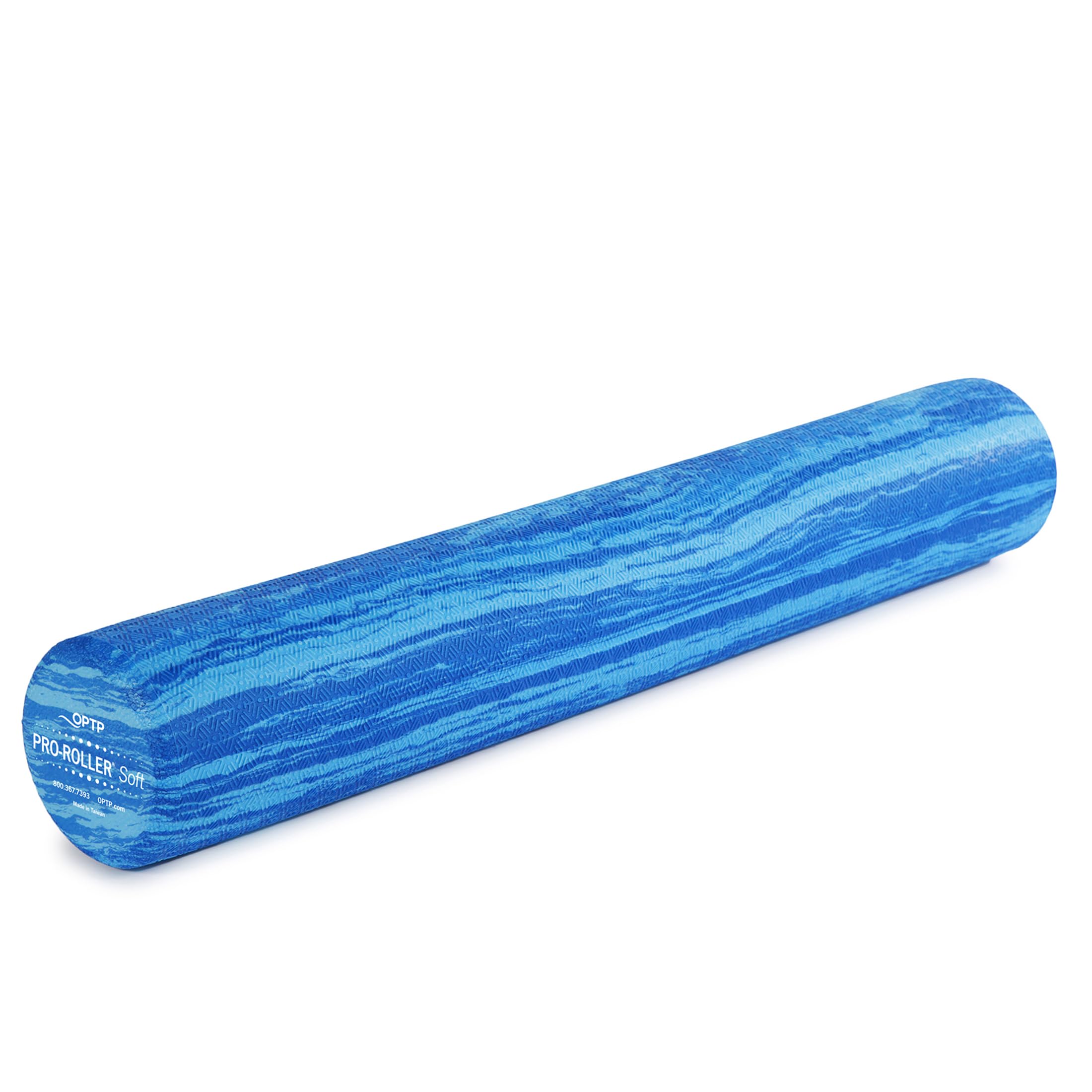
OPTP PRO-Roller Soft
Key Features
- Length: 36 inches
- Density: Soft
- Diameter: 6 inches
- Material: Closed-cell EVA foam
- Price: Premium
Plenty of people buy a firm, textured roller, use it twice, and put it in a closet because it hurt. The OPTP PRO-Roller Soft is built for exactly that person: the same 36-by-6-inch footprint as a standard roller, but in a soft-density EVA foam that gives under a sore back instead of fighting it.
It is closed-cell foam, so it wipes clean rather than soaking up sweat and grit, which is worth something if it lives on a gym floor or in a tent vestibule. The give is real: you can press a thumb into it, and lying back on it does not produce the wince a hard roller does. It is still a roller, not a pillow. There is enough resistance to work through a tight thoracic spine and to hold a Pilates or balance position without squashing flat.
This is the one we hand to anyone whose back is genuinely angry, and to anyone who has already bounced off a harder roller. The cost is that it gives too much for deep work on quads, glutes, and IT bands; where the GRID’s ridges dig in, this one mostly spreads the pressure around. So it is a complement rather than a substitute. If you want one roller for everything, buy the textured one. If you want to be able to lie down and keep breathing, the premium is worth paying.
Pros
- Soft enough to lie on with a sore back
- Closed-cell foam wipes clean
- Holds its shape through frequent use
Cons
- Gives too much for deep quad and glute work
- Premium tier for a plain foam log
The roller we reach for when a hard one is too much: soft-density foam you can lie on with a sore back, though it will not dig into a tight quad.
Best for Full-Spine Back Work
TriggerPoint GRID 2.0
Key Features
- Core: Rigid hollow core
- Length: 26 inches
- Surface: Three-zone multi-density
- Load capacity: 500 lb
- Price: Premium
Take the 13-inch GRID, double its length, and wrap the foam around a rigid hollow core: that is the 2.0. At 26 inches it spans from the tailbone to the shoulders, which changes what the roller is for. This is a back roller first and a limb roller second.
The core is the part that matters over years. A hollow plastic tube holds the roller’s shape, so the foam outside is a surface rather than a structure, and the whole thing is rated to 500 pounds. Two people can share it. So can a heavy athlete leaning full weight on one hip. The three-zone surface is the same palm, finger, and thumb pattern as our top pick, so the pressure control carries over intact.
We used it mostly on the thoracic spine and lats, where the length means both sides of the back get rolled in one pass instead of repositioning every few inches. On calves and feet it is overkill. You are swinging a two-foot cylinder around to work a spot the size of your palm.
It sits at the premium end of this group, and for a home setup where back work is the main event we think it earns that. Worth knowing: on this roller the foam surface is what compresses over time, not the core. If you mostly roll after hikes and want something in your bag, the 13-inch version is the better buy.
Pros
- Covers the entire spine in one pass
- Rigid hollow core rated to 500 pounds
- Same three-zone surface as our top pick
Cons
- Premium tier against every other pick
- Foam surface can compress before the core
If back work is why you are buying a roller, this is the one: full-spine coverage, a 500-pound core, and the same three-zone surface we like on the 13-inch GRID.
Best for Packing and Travel
ProsourceFit 12-Inch Roller
Key Features
- Length: 12 inches
- Diameter: 6 inches
- Material: High-density EPP foam
- Load capacity: 300 lb
- Price: Budget
Twelve inches of high-density EPP foam is what earned this one a permanent spot in our packs. It barely adds weight, disappears into a side pocket, and is rated to 300 pounds, so it is not a toy. You can put real weight through it on a calf or a glute without it folding.
What it cannot do is your back. Twelve inches means working in sections, and lying down to roll both sides of the spine in one pass needs one of the 36-inch rollers. It also feels harder than its size suggests; the density is the same family as the big Amazon Basics log, and it will surprise you the first time. For feet, calves, IT bands, and forearms it is ideal, and the budget price makes a second one for the office easy to justify. Think of it as the roller that goes with you, not the only roller you own.
Pros
- Fits in a daypack or a gym bag
- Firm high-density foam at a budget tier
- Rated to 300 pounds
Cons
- Too short to roll a whole back
- Harder than expected for a small roller
The packable one: a firm 12-inch roller rated to 300 pounds that lives in your bag and handles calves and feet, provided something longer waits at home.
Best for Pinpoint Calf Work
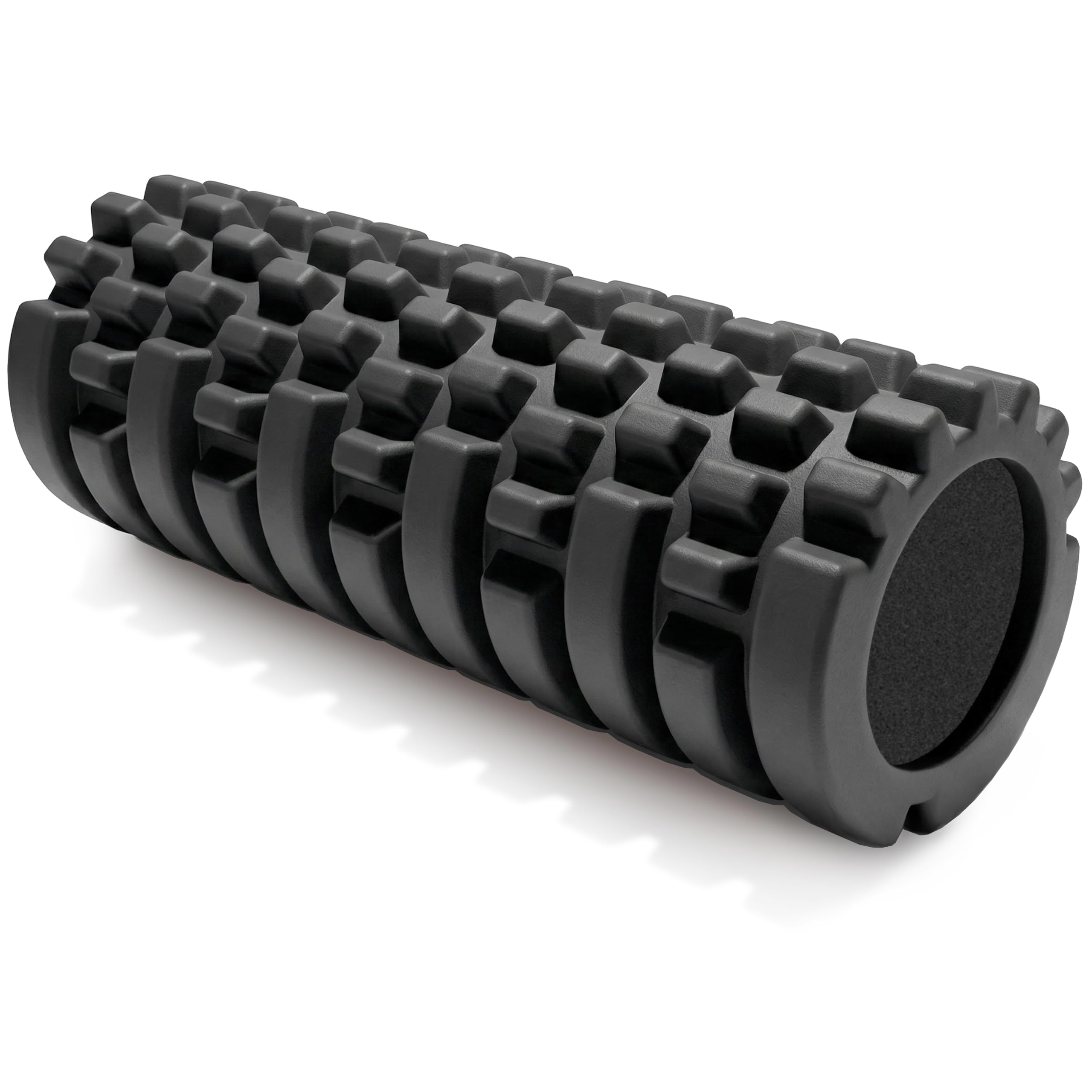
321 STRONG 3-Zone Roller
Key Features
- Length: 12.5 inches
- Surface: Three massage zones
- Diameter: 4.75 inches
- Firmness: Medium density
- Price: Midrange
The first thing you notice is the diameter: 4.75 inches, about an inch narrower than most of the rollers here. That is not a spec-sheet quirk. A narrower roller sits deeper into a calf or the arch of a foot without the other leg getting in the way, and it is easier to steer when you are working a small area.
The three zones are the real feature, though: a palm-like flat band, finger-like tubes, and thumb-like points, laid out so you can rotate the roller to change intensity. We found that genuinely useful on shoulders and the outside of the hip, where the flat band warms an area up and the points finish it. What we could not get past is the feel. The medium-density label sets an expectation the foam does not meet, and of the textured rollers here this is the one where comfort is the biggest gamble.
At 12.5 inches it travels, and it is small enough for a desk drawer or a gym bag. The trouble is the money: it costs about the same as our top pick, and for that the GRID’s surface is better judged, because the zones are arranged so a comfortable one is always available and the foam does not feel like a downgrade. Buy this one if the narrower diameter is the point. Otherwise the small extra spend on the GRID goes somewhere.
Pros
- Narrow 4.75-inch diameter reaches calves and feet
- Three distinct zones for pinpoint pressure
- Small enough to travel with
Cons
- Harder than medium density suggests
- Short, so back work happens in pieces
A narrow, three-zone roller for calves, feet, and pinpoint work; worth it if the smaller diameter suits you, though the foam feels harder than medium.
Best for Heavier Lifters
Gimme 10 Massage Roller

Key Features
- Length: 12.5 inches
- Diameter: 5.25 inches
- Firmness: Medium density
- Load capacity: 485 lb
- Price: Midrange
The number that stands out is 485 pounds, the load rating on a roller that weighs about a pound and, at 12.5 inches, looks like a travel accessory. That rating is the reason to consider it. If you are a heavy lifter, or you simply do not trust thin foam under your full weight, this one is built to take it.
The construction is a hollow core with a three-zone foam shell, and the zones do what they promise: broad on the palm side, sharper on the finger ridges, sharpest on the thumb points. On the outer thigh or between the shoulder blades, rotating the roller visibly changes the pressure without any fiddling.
Where it falls down for us is comfort. The foam reads as hard, and on the lower back and any bony spot it is unforgiving, the kind of pressure that makes you hold your breath instead of relax into it. If you like a firm, slightly brutal roll, that is a feature. If you are coming to rolling after an injury or a long day on the trail with a stiff back, it is the wrong first roller, and the softer OPTP or the flat band of the GRID will get far more use from you.
Pros
- 485-pound rating suits heavy, strong users
- Three zones for targeted pressure
- Light hollow core at about a pound
Cons
- Harsh on bony spots and the lower back
- Shorter than expected for back work
A high-capacity three-zone roller for heavier lifters who want deep pressure; the 485-pound rating is real, and so is the hardness on a sore back.
Best for Kit for Hikers
BORNEW Foam Roller Set

Key Features
- Material: Solid high-density foam
- Load capacity: 300 lb
- Roller length: 12 inches
- Price: Midrange
Open the bag and there is a 12-inch foam roller, a 15-inch massage stick, a peanut ball, a foot ball, and a mesh carry bag to put them all back into. It is the only kit here, and that is the reason to look at it: four ways at a knot instead of one.
The balls are the underrated part. A foot ball after a long day in boots does something a roller cannot, and the peanut shape straddles the spine so you can work the muscles either side without pressing on bone. The stick is the one for a multi-day trip when even 12 inches of foam feels like a luxury. It is light, and it reaches calves and quads while you are standing.
The roller is the weakest piece. Twelve inches is short for back work, and the solid high-density foam, rated to 300 pounds, feels like hard plastic under a thumb rather than foam with any give. If you are over 200 pounds and plan to put your whole weight through it, think about one of the cored rollers instead; the core is what keeps the shape, and this one does not have one.
As a first recovery kit for a hiker who wants options in one bag, we like it, and the balls and stick genuinely do work the roller cannot. As your only roller, no. Buy a 36-inch for the floor and let this one live in the pack.
Pros
- Ball and stick cover feet, calves, and hips
- Everything travels in one mesh bag
- 300-pound rated roller included
Cons
- The 12-inch roller is small for back work
- Foam and balls feel like hard plastic
A recovery kit that earns a place in a hiking bag: the ball and stick do what a roller cannot, though the 12-inch roller itself is the weakest piece.
How We Tested the Best Foam Rollers
We started with a few dozen rollers sold at major retailers and narrowed the field to 15 by comparing density ratings, dimensions, core construction, surface texture, and price, then reading through customer reviews for the complaints that repeat — rollers that went soft within weeks, rollers that shot out from under people mid-stretch. Anything with a hollow core that reviewers described as creaky got cut, and so did anything priced like a piece of medical equipment.
For six months, each roller lived in our homes rather than on a lab bench. We used them after runs and gym sessions, on tight calves before work, on upper backs after long days at a desk, and on quads and IT bands at night in front of the TV. Every session we logged where the pressure landed: whether we could put full body weight on a roller without flinching, whether the surface dug into a knot or spread the pressure out, and whether we got up feeling looser or bruised. A few felt great for the first minute and then turned unbearable once we reached a sore spot; others worked so gently that nothing changed at all.
We measured each roller’s length and diameter, then checked whether it fit in a gym bag, whether a long one actually spanned our shoulder blades, and whether a short one let us pin down a single spot on a calf. Surface mattered more than we expected — smooth rollers glided, grid and trigger-point patterns dug deeper, and a couple were too slippery on hardwood to stay put. After six months of near-daily use, we checked which rollers still held their shape, which had flattened or shed flecks of foam, and whether the price felt fair for what we got.
How to Choose a Foam Roller
The decision that matters most is how hard the roller is, and the words medium density on a listing tell you almost nothing about that.
Firmness Comes Before Features
The foam’s density decides whether you will use the roller or resent it. Too soft and the pressure spreads across everything and reaches nothing; too hard and you tense up, which defeats the point. The trap is the label. Medium density has no agreed meaning, and a textured roller concentrates force through its ridges, so a medium grid roller can feel far harder than a medium smooth one.
If you are new to rolling or currently sore, start soft, the way the OPTP PRO-Roller Soft sits at the gentle end of this group, and add a firm roller later once you know how much pressure you actually want. Regular rollers who want trigger-point work should go the other way and buy texture plus density.
Smooth, Grid, or Multi-Zone
A smooth roller lets you slide along a quad or a lat and cover a lot of ground, which makes it the better tool for warming up and for anyone who finds texture overwhelming. A grid or three-zone surface grips instead of sliding, and the raised bands let you put pressure exactly where you want it. That is better for one stubborn spot and less pleasant everywhere else.
One trap worth naming: ridges and the spine do not mix. Rolling straight up the lower back is uncomfortable and does little. Work either side of the spine, or use a peanut-shaped ball that straddles it.
Length Decides Where It Lives
Twelve and 13 inches is a limb roller: calves, quads, IT bands, feet, and it fits in a daypack. Twenty-six to 36 inches is a back roller: lie on it and it supports the whole spine and both legs at once. The trap is buying length for travel or shortness for the floor.
If you can only own one and your back is the reason you are here, buy length and leave it at home. If you want something in your pack after a hike, buy short and accept that back work happens in sections.
Cores, Load Ratings, and Foam That Lasts
A rigid hollow core does two jobs: it holds the roller’s shape when you put your weight on one hip, and it gives the listed load rating meaning, which is why you will see 300, 485 and 500 pounds across this group. Solid foam with no core is cheaper, fine for occasional use, and compresses faster in the middle.
Foam type matters for upkeep. Closed-cell EVA wipes clean and resists flaking, which is worth paying for if the roller lives in a gym bag or a tent. If you are heavy or roll daily, buy the core.
Frequently Asked Questions
Is a foam roller worth it if I already stretch?
They do different jobs. Stretching lengthens a muscle; rolling puts sustained pressure on one spot, which reaches places a stretch cannot, like the outside of the hip, the arch of the foot, and the muscle beside the shoulder blade.
Test the habit cheaply: a 12-inch roller covers calves and feet and tells you within a week whether you will keep it up. If you do, buy length and a firmer surface later.
How often should you foam roll?
After activity, while the muscles are warm, is the easiest habit to keep: 30 to 60 seconds on each area, slow passes rather than fast scrubbing. Daily use is fine for most people, and a roller is a reasonable thing to reach for on a rest day.
If an area is still sore the next day, you pressed too hard or stayed too long. Ease off rather than pushing through it.
Can you fly with a foam roller?
Size is the only real obstacle. A 12- or 13-inch roller fits in a carry-on without drama; a 36-inch one does not and has to be checked.
If you travel with hand luggage only, buy short, like the ProsourceFit 12-inch or the 13-inch GRID, and keep something longer at home for back work.
Final Verdict
For most people the TriggerPoint GRID 1.0 is the roller to buy: three densities in one 13-inch body, a core that will not collapse, and a size that goes in a bag. It is the one we reach for first for everything from a tight calf to a knotted shoulder.
If your back is the problem and hard rollers make you flinch, the OPTP PRO-Roller Soft is the one that gets used instead of abandoned. And if back work is the main event at home, the 26-inch GRID 2.0 earns its premium.