This post contains affiliate links. We may earn a small commission when you buy through our links — at no extra cost to you.
The best moment of any backpacking day is dropping your pack, getting your boots off, and lighting the stove. The worst is discovering the dinner you carried for eight miles rehydrates into a salty paste you have to choke down in the dark. Backpacking food has to be light enough to earn its place, dense enough to replace what a 12-mile day burned, and good enough that you finish the bag instead of tossing half of it.
I’ve eaten plenty of sad camp dinners. Over the past five months, my team and I worked through 18 different meals — freeze-dried pouches, dehydrated skillets, and just-add-water bowls — on weekend overnights and one longer summer trip. The winners weren’t just the tastiest: they kept real crunch after rehydration, came in portions that actually filled me up, and carried enough protein that I didn’t wake up hungry. I read ingredient lists the way other people read trail maps, and here’s what earned the weight.



Best for All-Day Fuel
CLIF BAR Protein Bars
Key Features
- Prep: Ready to eat
- Count: 15 bars
- Protein: 11 g per bar
- Price: Midrange
The test that matters most for trail food is whether it can replace a meal without a stove, and this is the one item in the guide that clears it. Dense, chewy, wrapped small enough for a hip-belt pocket, with 11 grams of protein — on a long climb that beats anything you have to stop and mix.
What settles it for us is the balance: carbohydrate for the climb, fat and protein to keep you full past the summit. A 15-bar box covers most of a week’s lunches, and this is what we reach for when the stove stays in the pack.
Crunchy is doing some marketing work in the name. These eat soft and a little sticky, closer to a dense granola bar than a candy bar, and the peanut butter flavor is sweet without tipping into dessert. Nothing about it demands water, which is the whole point on a dry stretch.
If you count every ounce on a fast-and-light trip, a bag of nuts or a pack of edamame gives you more per gram. If you want lunch to feel like lunch when the day runs long, this is where we start — and because it comes as bars in a box, there’s nothing to repack.
Pros
- 11 g protein with zero preparation
- Carbs, fat, and protein for sustained effort
- Soft enough to eat cold and dry
- A 15-bar box covers days of lunches
Cons
- Chewy and sticky, not crunchy
- Sweet profile can wear thin over a long trip
Start here: 11 grams of protein, no water or stove required, and enough substance to stand in for lunch on a long day.
Best for No-Cook Lunches
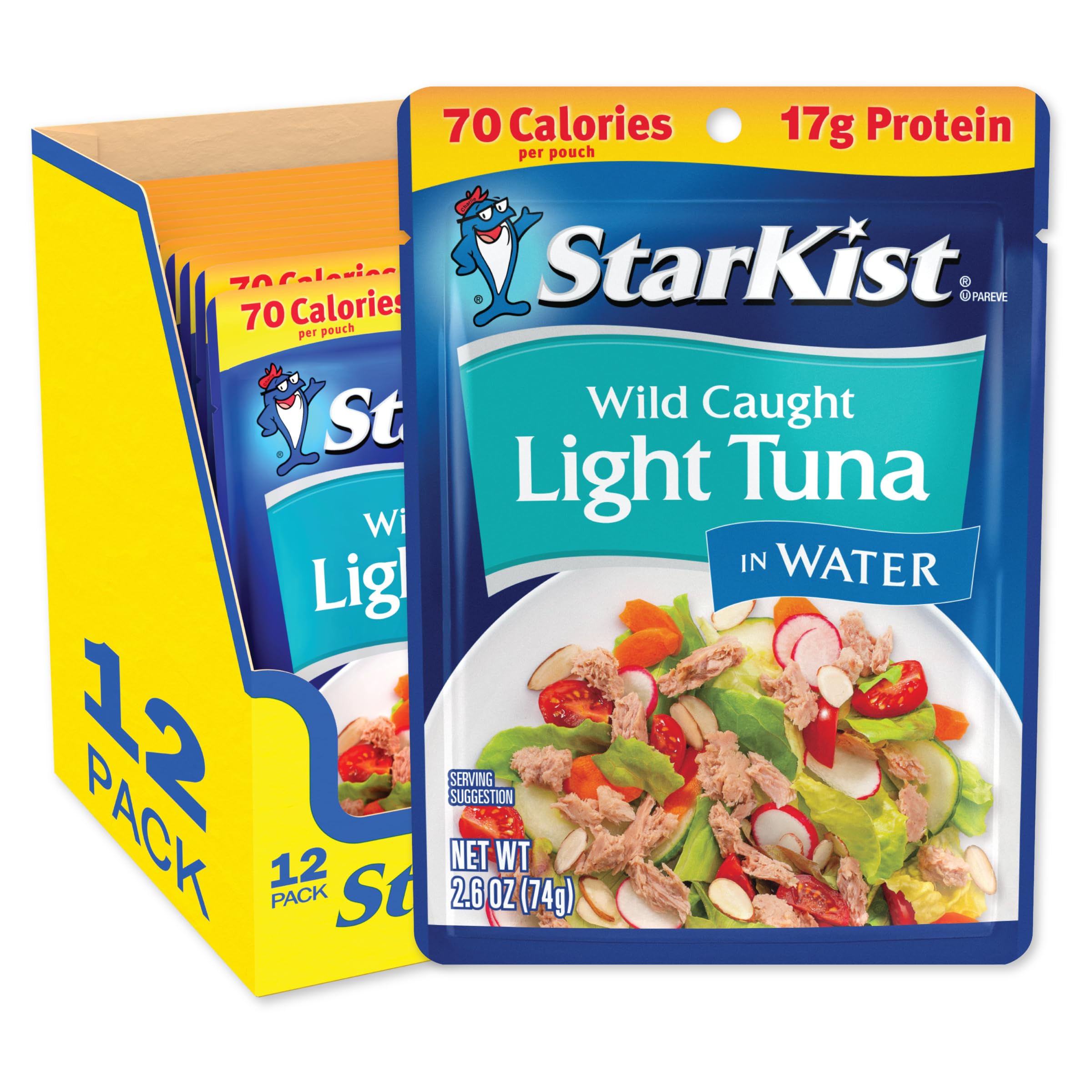
StarKist Tuna Pouches
Key Features
- Prep: Ready to eat, no can opener
- Count: 12 pouches
- Protein: 17 g per pouch
- Pouch size: 2.6 oz
- Price: Budget
Seventeen grams of protein for 70 calories is a strange bargain, and it’s the reason a tuna pouch earns its place in a pack. You’re not carrying it for fuel. You’re carrying it because a tortilla, a pouch of tuna, and a squeeze of hot sauce is the only trail lunch that tastes like real food on day three.
The pouch format is the quiet win. It lies flat against the back of the pack, there’s no can opener involved and nothing to drain, and you tear the top and eat. The 2.6-ounce portion is right for one person, so nothing goes to waste at a cold lunch stop.
Water-packed tuna is mild on its own, so plan on something to lift it: olive oil, mustard, hot sauce, or a sleeve of crackers. The 12-pack covers a long trip or a couple of short ones, and the pouches hold for a long time in a cool food bag. It isn’t a meal by itself — it’s the protein that makes the rest of the meal worth eating.
Pros
- 17 g protein in a 2.6 oz pouch
- No can opener, no draining, no can to pack out
- Packs flat and light in a food bag
- Long shelf life for a resupply
Cons
- Bland straight from the pouch
- Only 70 calories — protein, not fuel
Protein is the hard part of trail food, and these pouches solve it — 17 grams, tear-open, and nothing to carry out.
Best for Quick Energy
Honey Stinger Mini Waffles
Key Features
- Prep: Ready to eat
- Carbs: 18 g per serving
- Bag size: 5.3 oz
- Certification: USDA Organic
- Price: Premium
Eating while climbing is awkward, and mini waffles are built for it: two bites each, soft enough to chew as you walk, small enough to come out of a hip-belt pouch without a stop.
A serving carries 18 grams of total carbohydrates, which is the point — this is fuel for the next hour, not a meal. They’re USDA Organic with no artificial sweeteners or colors, and there’s sodium in the formula aimed at replacing what you sweat out. When appetite goes flat partway up a climb, a couple of these go down more easily than a dense bar.
The bag is the weak spot. At 5.3 ounces it’s a snack rather than a resupply, and the minis crumble — expect broken pieces at the bottom and keep the bag near the top of the pack. Buy several for a week, and treat the honey center as the thing that justifies the space.
Pros
- 18 g carbs per serving for quick energy
- Soft and chewy, easy to eat while moving
- USDA Organic with no artificial sweeteners
Cons
- Minis crumble; expect broken pieces
- A small bag, not a resupply
For the hour before a climb, nothing here is easier to eat on the move: 18 grams of carbs in a soft, two-bite waffle.
Best for Hot Breakfast
Quaker Instant Oatmeal
Key Features
- Prep: Hot water or microwave
- Flavor: Maple & brown sugar
- Packets: 48
- Packet size: 1.51 oz
- Price: Budget
Forty-eight packets is a lot of mornings, and that’s much of the appeal: this is the cheapest breakfast in this guide, and a hot bowl at camp beats a cold bar when there’s frost on the tent.
Maple and brown sugar is the right flavor for a trip — sweet enough to feel like a treat after a cold night, not so sweet that you dread it by day five. It’s made with whole grains and is a good source of fiber, which is more than most camp breakfasts can claim, and the method is foolproof: boiling water, stir, wait two minutes.
Two practical notes. One packet is thin on its own for a big day, so plan on two, and repack the packets into a zip bag because the box is bulky in a food bag. It also needs hot water, which means fuel — on a stoveless trip, this is the pick that stays home.
Pros
- Cheapest breakfast in this guide
- Hot and filling from boiling water alone
- 48 packets cover weeks of mornings
Cons
- Requires boiling water and stove fuel
This is the hot breakfast we plan a cold morning around: 48 packets, two minutes with boiling water, and a flavor that holds up on day five.
Best for Crunchy Protein
The Only Bean Edamame
Key Features
- Prep: Ready to eat
- Count: 10 packs
- Protein: 12 g per pack
- Calories: 110 per pack
- Price: Premium
By day three most trail food is sweet, and what you actually want is something salty and loud. Dry-roasted edamame delivers: a real crunch, a hit of sea salt, and 12 grams of plant protein in a 0.9-ounce pack.
The numbers are what got our attention — 110 calories, 12 grams of protein, 2 grams of net carbs, and no cooking at all. For a vegan eater, a keto eater, or anyone tired of chewing another fruit-and-nut bar, that’s an unusual combination, and because the beans are dry roasted rather than fried, the crunch is crisp instead of oily.
Two things to know. They’re salty — welcome when you’ve been sweating, less welcome if you’re rationing water on a dry stretch — and they’re the priciest protein per ounce in this guide. The 10-pack goes fast if you like them, so we treat a pack as a summit reward rather than a daily ration.
Pros
- 12 g plant protein per 0.9 oz pack
- Crunchy and salty with no preparation
- Vegan, gluten free, and keto friendly
Cons
- Salty enough to matter when water is short
- Priciest protein per ounce here
Our answer to sweet fatigue: 12 grams of plant protein and a genuine crunch in a pack small enough to forget.
Best for Savory Protein
Jack Link’s Jerky Variety Pack
Key Features
- Count: 9 bags
- Flavors: Original and teriyaki
- Protein: 13 g per serving
- Bag size: 1.25 oz
- Price: Premium
Jerky is the food that fixes a bad day: salty, savory, and after four days of bars and dried fruit it tastes like a steak dinner. Nine 1.25-ounce bags spread across a trip without committing you to one big bag that goes stale once it’s opened.
Each serving carries 13 grams of protein at 94 percent fat free, a good return for something that needs no water and no stove. We carried a couple of bags a day and found they work best paced through an afternoon rather than saved for a meal.
Texture is where this one wobbles. Some bags are tender and pull apart; others chew harder, and a few pieces come out soft in a way that reads as past their best. It isn’t a reason to skip the pack, but if you’re particular about chew, start with one bag before committing to a box.
What earns it a place is portioning and flavor together: individually wrapped bags keep the rest fresh, the teriyaki isn’t candy-sweet, and the salt level is right for a hot afternoon. Count on two bags to make a proper lunch stop — this is a snack that can be promoted, not a dinner.
Pros
- 13 g protein per 1.25 oz bag
- Individually wrapped bags stay fresh
- Two flavors break up the routine
Cons
- Texture varies between tender and soft
- Costly per ounce next to nuts or trail mix
The savory reset we want in a food bag: 13 grams of protein per bag, two flavors, and no cooking at all.
Best for Bulk Resupply
Power Up Trail Mix

Key Features
- Diet: Vegan, gluten free, non-GMO
- Prep: Ready to eat
- Bag size: 14 oz
- Price: Budget
A 14-ounce bag is not a trail portion, it’s a resupply. Decant it into two or three zip bags at home and it becomes the cheapest bulk option in this guide, which is why it stays in the rotation for longer trips and group gear.
The mix is whole nuts, dried fruit, and seeds with no sulfites or preservatives, and it’s vegan, gluten free, and non-GMO. Variety is the strongest thing about it: every handful is different, and the dried banana and the cashews are the pieces we dig for.
Where it loses ground is the ratio. It runs sweet — heavy on dried fruit and coconut, lighter on nuts than we want when the bag is meant to be fuel. If you’re watching sugar, buy a plain nut mix and add your own dried fruit instead.
Even so, a big bag that survives a week in a pack, tastes good straight from the bag, and gives a group something to pass around at a break is worth carrying. Repack it before you leave and don’t count on it for the savory half of your food bag.
Pros
- Good value for a bulk bag
- Varied mix of whole nuts, fruit, and seeds
- Vegan, gluten free, no preservatives
Cons
- Sweet ratio, heavy on fruit and coconut
- Bulk bag needs repacking into portions
We buy it for value and variety — a big bag of nuts and fruit that repacks into days of trail snacks.
Best for Cheap Snacks
Slim Jim Snack Sticks

Key Features
- Prep: Ready to eat
- Count: 46 sticks
- Protein: 6 g per serving
- Stick size: 0.28 oz
- Price: Midrange
Forty-six sticks sounds generous until you see one: at 0.28 ounces, each is a bite or two, and a decent share of what you’re carrying is wrapper.
What they are is a cheap, shelf-stable hit of salt and smoke that lives in a pocket, a lid, or the top of a pack. Six grams of protein per serving is modest, so treat these as flavor and morale rather than fuel. The original flavor has a little heat and isn’t overly salty, which is more than you can say for most gas-station meat snacks.
We keep a handful in the hip-belt pocket for the last mile and hand them out at the summit, and for that job they’re the easiest thing here. Freshness is the thing to watch: sticks that have sat too long turn stiff and waxy, so buy a box you’ll finish in a season rather than one to stockpile.
Pros
- Cheap, shelf-stable, individually wrapped
- Salty and savory against sweet fatigue
- Small enough for a pocket or hip belt
Cons
- Tiny sticks, lots of wrappers per calorie
- Some sticks arrive stiff and stale
Cheap, salty morale for a hip-belt pocket, and the easiest snack here to hand around at a summit — just don’t count on 46 small sticks to feed a trip.
How We Tested 18 Backpacking Meals on Real Trips
We started with the meals hikers actually resupply with — the pouches in outdoor stores and the ones you order by the box — then filtered by calories per ounce, protein per serving, whether a meal rehydrates in its own bag or needs a pot, packed size, and cost per serving. Anything at the top of the price range had to justify itself on calories and protein, and we dropped meals that were routinely out of stock. That left 18.
Each one got cooked the way it would be on trail: boiling water on a canister stove, eaten straight from the bag with a long spoon, usually after a 10- or 12-mile day. A few were cold-soaked when we were low on fuel, which is a fair test of whether a meal turns gluey without heat. We weighed every pouch before and after repacking it into a zip-top bag to see how much of the original was air, timed the rehydration instead of trusting the instructions, and read the ingredient lists for sodium, added sugar, and how much of the meal was actual food.
Texture is where the field split. We noted whether rice and noodles held their shape or collapsed into porridge, whether nuts and crispy bits were still crunchy after 12 minutes, and how much chewing the dried meats demanded. Portions got judged honestly — one bag after a long day, or two? — and we tracked protein and total calories by whether anyone woke up hungry at 2 a.m. By the fourth day of a trip, flavor fatigue sets in, so we re-tasted the early favorites. Cost per 500 calories settled the value question, and we checked that each meal could be reordered without a scavenger hunt.
How to Choose Backpacking Food
The best backpacking food is not the tastiest thing on the shelf — it’s what delivers the most usable calories and protein for its weight without asking for a stove, water, or a good mood.
Read calories per ounce, not calories per serving
The number that decides what goes in your pack is energy density: how many calories a food gives you per ounce carried. A dry bar, a handful of nuts, and a pouch of tuna all read like a snack on the label, but the tuna is mostly water — 70 calories in 2.6 ounces — so it buys you protein, not fuel.
Sort your food into two piles: fuel such as nuts, trail mix, bars, and granola, and protein supplements such as tuna, jerky, and edamame. Pack roughly twice as much of the first pile as the second, and the bag gets lighter without anyone going hungry.
Decide how you’ll cook before you shop
Your stove decision changes the shopping list more than any other choice. A stoveless trip means bars, waffles, jerky, nuts, and pouches — nothing that needs boiling and no fuel weight. One small pot opens up oatmeal, couscous, and hot drinks, which matter more on a cold morning than most people expect on the drive out.
Count the meals you’ll genuinely boil rather than the ones you imagine, and carry fuel for those. On our shoulder-season trips the hot breakfast earns the stove; on a fast summer weekend it’s a luxury we leave in the car.
Weigh wrappers against bulk bags
Single-serve packaging is convenient, and it is weight you carry twice: once full, once as trash. Nine jerky bags and 46 meat sticks keep portions honest and food fresh, but they add up in a food bag, and every wrapper comes home with you.
A bulk bag of trail mix is cheaper per ounce and easier to divide, as long as you repack it into measured zip bags before you leave rather than discovering a spill at camp. Our rule: individual wrappers for protein and messy items, bulk for snacks you’ll share.
Plan a day, then rotate flavors
Sweet fatigue is real and it arrives around day three. Build each day as a breakfast, a lunch protein, a dinner, and three or four snacks, then check that at least one item is savory. Variety does more for morale than any single product on this page.
A waffle, a bag of jerky, and a pouch of edamame in the same day feel like three different meals; four sweet bars feel like one long punishment. Pack one thing you’ll crave on a bad day — it’s worth the few ounces.
Frequently Asked Questions
How much does a day of backpacking food weigh?
There’s no universal number, because it depends on the trip and on you. The reliable method is to weigh a full day’s food on a kitchen scale at home and write the number on the bag. After one trip you’ll know whether you finished it or carried it home, and that tells you which way to adjust.
Pack your days evenly and add one spare meal rather than extra of everything — the classic mistake is too much on day one and too little on the last.
Will bars, jerky, and trail mix survive heat?
Everything here is shelf-stable unopened, and heat mostly changes texture rather than safety: bars go soft and sticky, jerky dries further, and honey-centered waffles slump. Keep food in the middle of the pack, away from the sun-facing side, and eat an opened pouch at the meal you open it.
If you’re crossing serious heat, lean savory — jerky, nuts, and edamame hold their character better than anything sweet.
Do these foods need a bear canister?
In many backcountry areas, yes — and the rules usually cover anything with a smell, jerky and tuna included, not just sweets. Check the rules for the specific area before you leave, carry an approved canister where one is required, and keep the day’s snacks in a sealed bag rather than loose in an outer pocket.
Can you eat instant oatmeal cold?
Yes. Put a packet in a jar or zip bag with cold water an hour before you want it and it softens into something closer to overnight oats than hot cereal. Use a little less water than the packet calls for and add nuts or dried fruit for texture.
It’s a genuine stoveless breakfast, though on a frosty morning you’ll miss the warmth more than the flavor.
Final Verdict
Buy the CLIF BAR Protein first. It’s the item that does the most work for the weight you carry: 11 grams of protein, no water, no stove, and enough substance to count as a meal when the day runs long. Build the rest of the bag around a hot breakfast, one real lunch, and something salty for the afternoon.
If you’re packing for a group or a long resupply rather than a solo haul, the Power Up trail mix is the better buy — cheaper by the ounce and easy to divide into day bags before you leave.