This post contains affiliate links. We may earn a small commission when you buy through our links — at no extra cost to you.
A backpacking lunch has to do more than fill a hole. It needs to survive being crammed into a pack, taste good when you’re tired and hungry, and deliver enough calories for the next climb—without weighing you down or taking forever to prepare. I’ve had my share of sad, squashed sandwiches and chalky bars that made me dread lunchtime on the trail. That’s why our team spent the last six months testing 14 backpacking lunch options, from dehydrated meals to energy bars and wraps, on day hikes, overnight trips, and weekend treks.
The best ones nailed the balance: real flavor (not just salt and spice), a portion that actually satisfies after a morning of hiking, enough quantity to get you to dinner, and packaging that holds up in a bear canister. We also paid attention to the little things—whether a meal turned gluey or oily, if a bar’s texture went chalky, whether the crust on a wrap survived, and if included snacks were worth the space. Value matters, too: a lunch that costs a premium but leaves you hungry is no bargain. Below are the ones we’d happily carry again.



Best for Stoveless Full Meals
Greenbelly Backpacking Meals
Key Features
- Diet: Gluten-free, mostly vegan
- Preparation: Ready to eat, no water
- Pouch contents: 2 meal bars
- Calories per pouch: 650
- Price: Premium
Six hundred and fifty calories in two dense bars, with no stove, no water, and nothing to wash afterward. That single combination is why this pouch sits at the top of our list. On a trip where every ounce has to justify itself, it’s a full lunch that costs you nothing but the weight of the food.
What we didn’t expect was how much these eat like actual food rather than a bar. Oats, nuts, and seeds give them a texture closer to a dense flapjack than to the compacted protein bricks that take ten minutes to chew, and the flavor is sweet without tipping into candy. They’re filling in a way a standard bar isn’t — one pouch held us from a late-morning stop all the way to camp, with no afternoon raid on the snack bag.
This is a specialist’s lunch, not a universal one. If you’re already carrying a stove and stopping long enough to boil water, a hot pouch from Mountain House or Peak Refuel gives you a savory sit-down meal and a bit of comfort on a cold day. Greenbelly wins when the point of the trip is to keep moving, which on most of our trips it is.
Two bars per pouch also solve a problem nobody talks about: portioning. Eat one at a break and save the second for the top of the climb, which is much harder to do with a freeze-dried pouch once the water is in. The pouch is flat enough to slide down the back panel of a pack, and the bars hold their shape rather than turning to goo in a warm bag.
Pros
- 650 calories in one ready-to-eat pouch
- No stove, water, or cleanup required
- Filling enough to replace a cooked lunch
- Gluten-free with whole-food ingredients
Cons
- Highest cost per lunch in this roundup
For a lunch you can eat while walking and still get 650 calories, this is the one we recommend: no stove, no water, no dishes, and worth the premium on stoveless trips.
Best for Cheap Trail Lunches
Bumble Bee Snack on the Run Tuna Kit
Key Features
- Pack size: 12 kits
- Kit contents: Tuna salad, 6 crackers, spoon
- Refrigeration: Not required
- Protein per kit: 0.28 oz
- Price: Budget
A box of this kit gets you a small can of premixed tuna salad, six crackers, and a spoon. Multiply by twelve and you have a shelf-stable lunch supply for a season of day hikes, which is exactly how we’ve used them: a few in the food bag, a few in the glovebox, one in a hip pocket.
Where it earns its place is flavor and fuss. The salad is a straightforward mayo-and-celery mix with a mild relish tang — nothing sharp, nothing that needs doctoring on a rock. On a hot, sticky day, when the idea of another sweet oat bar is unbearable, a wet, savory lunch earns its weight, and this is one of the lightest ways here to carry one.
The honest limit is size. Eight grams of protein and one small can of salad make this a light lunch rather than a refuel, so on a long day we pack two boxes or add a bar and a handful of nuts. Two boxes still come in as one of the least expensive lunches in this roundup. And it’s the lunch most likely to actually get eaten.
Pros
- Least expensive lunch in this roundup
- Shelf-stable, with the spoon in the box
- Mild, familiar tuna salad flavor
Cons
- Six crackers run out before the salad
The cheapest way to put a savory, protein lunch in a pack, and the one we hand to anyone packing a first overnight.
Best for One-Can Real Meal
Wild Planet Tuna & Red Bean Bowl
Key Features
- Can size: 5.6 oz
- Preparation: Open, stir, eat
- Fiber per can: 0.18 oz
- Protein per can: 0.63 oz
- Price: Midrange
Eighteen grams of protein, five grams of fiber, and a pull ring instead of a can opener. This is a more complete lunch than most of the kits on this list, and it comes in one 5.6-ounce can. Open it, stir it, eat it — no mayo packet to fish out, no crackers to keep track of, no spoon to remember.
The flavor is where it divides people, and we land on the happy side of that split. Skipjack tuna, red beans, corn, red pepper, and olive oil make a savory mix with some genuine heat from the peppers, and it tastes like something a person made rather than something reconstituted. After three days of bars, that matters more than any specification on this page.
Two things to know before you buy it. One can is a light-to-medium lunch rather than a big-day refuel, so on a long climb we pair it with a tortilla or a handful of nuts. And it costs more than a supermarket tin, which is the price of the beans, the oil, and the pull ring. Both are fair objections on a trip where ounces and dollars are being counted.
The quiet advantage is trash. One can, one lid, one napkin — everything packs out in a single bag, which is more than you can say for a kit with four wrappers and a plastic spoon. On a trip where every scrap of garbage comes home with you, that adds up.
Pros
- 18 g protein and 5 g fiber per can
- Pull ring, no can opener or spoon
- Savory tuna, bean, and corn mix
Cons
- Dressed heavily in olive oil, so it’s messy
A pull-tab can with 18 grams of protein and real beans, and the single-can lunch we reach for first.
Best for Hot Gluten-Free Lunch
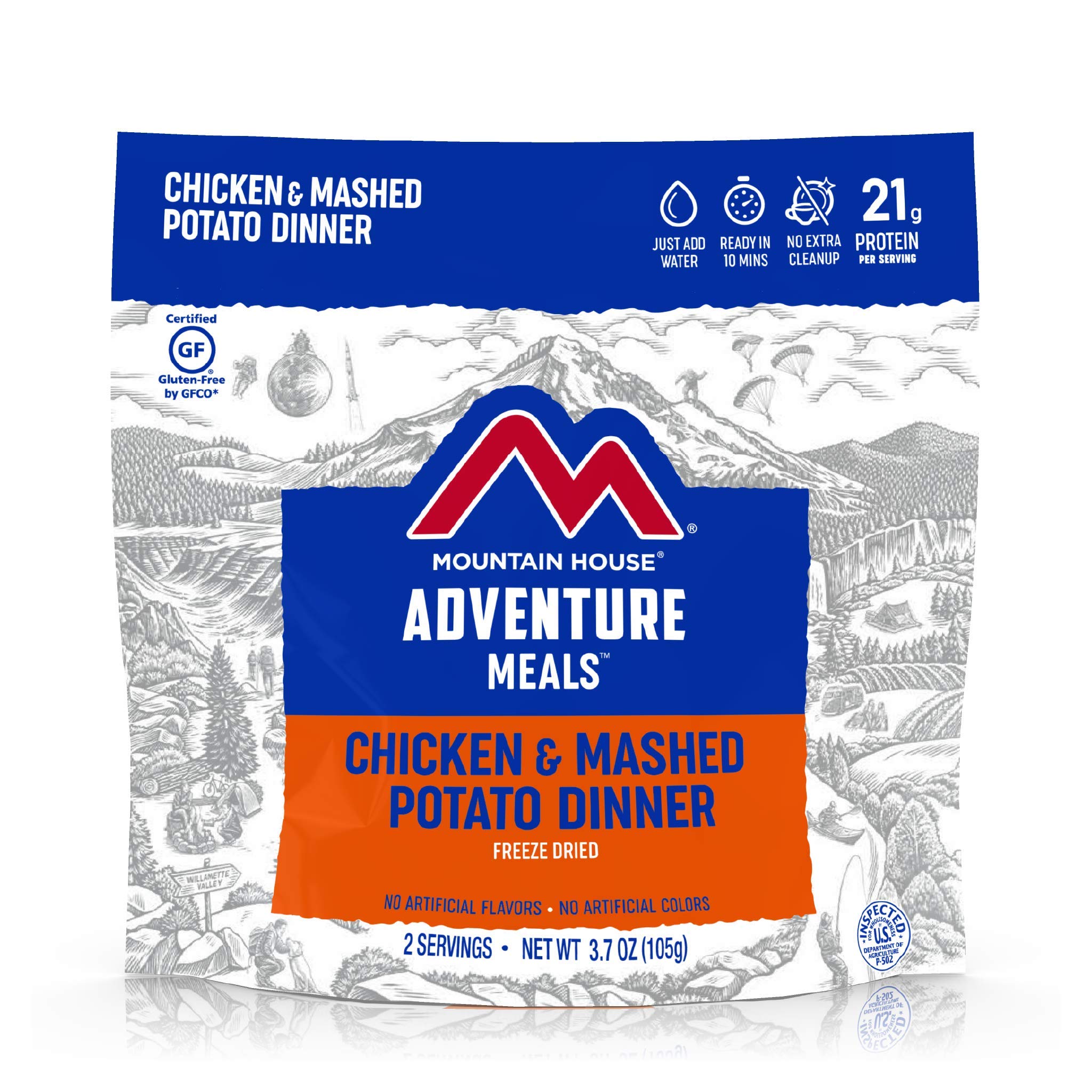
Mountain House Chicken & Mashed Potato
Key Features
- Diet: Certified gluten-free
- Shelf life: 30 years
- Preparation: Add hot water
- Servings per pouch: 2
- Price: Premium
Chicken and creamy mashed potatoes with herbs and chives, certified gluten-free, in a pouch that will outlive most of your gear. This is the most dinner-like lunch in the roundup, and it’s the one that makes everyone else at the break a little jealous.
Ten minutes after the hot water goes in, you get soft potato, shredded chicken, and a hit of chive — comfort food rather than a fuel delivery system. There are no artificial flavors or colors, the ingredient list is short enough to actually read, and for anyone avoiding gluten the certification is the reason to pick this over the other pouches here.
The pouch is listed as two servings, and that reads right to us: one hungry hiker will finish it, and two people sharing it need something alongside. We like it best as a full lunch for one person on a cold day, eaten slowly with a hot drink at the end of a long morning.
It earns its keep on the day the weather turns, when a hot lunch resets the mood of a whole group. On a warm trip, a can of tuna and ten extra minutes of walking beat it.
Pros
- Certified gluten-free chicken and mashed potatoes
- Hot, savory meal with no cleanup
- Two servings in a single pouch
Cons
- Requires a stove and hot water
- Bulky in a pack next to a bar
Certified gluten-free chicken and mashed potatoes that eat like real cooking, and the reason we keep a stove in the pack.
Best for Mix-Your-Own Kit
StarKist Lunch-To-Go Tuna Salad
Key Features
- Kit weight: 4.5 oz
- Kit contents: Tuna pouch, mayo, relish, crackers, spoon
- Refrigeration: Not required
- Protein per kit: 0.67 oz
- Price: Budget
The mayonnaise and relish come in their own packets here, and that’s the whole argument. A premixed tuna salad gets wetter with every hour in a pack; this one you stir together in the kit’s own tray thirty seconds before you eat it, and it tastes like something you made that morning.
Nineteen grams of protein in a 4.5-ounce kit is a strong ratio, and it’s the reason this one goes in a jacket pocket rather than the bottom of the pack. The tuna is a plain chunk-light pouch, the relish gives it a lift, and the reduced-calorie mayo keeps it from turning into a mayonnaise sandwich.
It ships as a single kit rather than a case, which makes it the easiest of these to try before committing to a twelve-pack and the sensible buy for a short trip where you want exactly one tuna lunch. Add a piece of fruit and a bar and you have a full midday meal that weighs almost nothing.
We also appreciated the small things — a napkin, a spoon, and a tray that doubles as a mixing bowl — because the alternative is digging through a pack for a utensil with tuna hands.
Pros
- 19 g of protein in a 4.5-ounce kit
- Mayo and relish stay separate until lunch
- Spoon, napkin, and crackers included
Cons
- Assembly takes two hands and a flat spot
The mayo stays separate until you’re ready, which is why this is the tuna kit we pack when lunch needs to taste fresh.
Best for Plant-Based Fuel
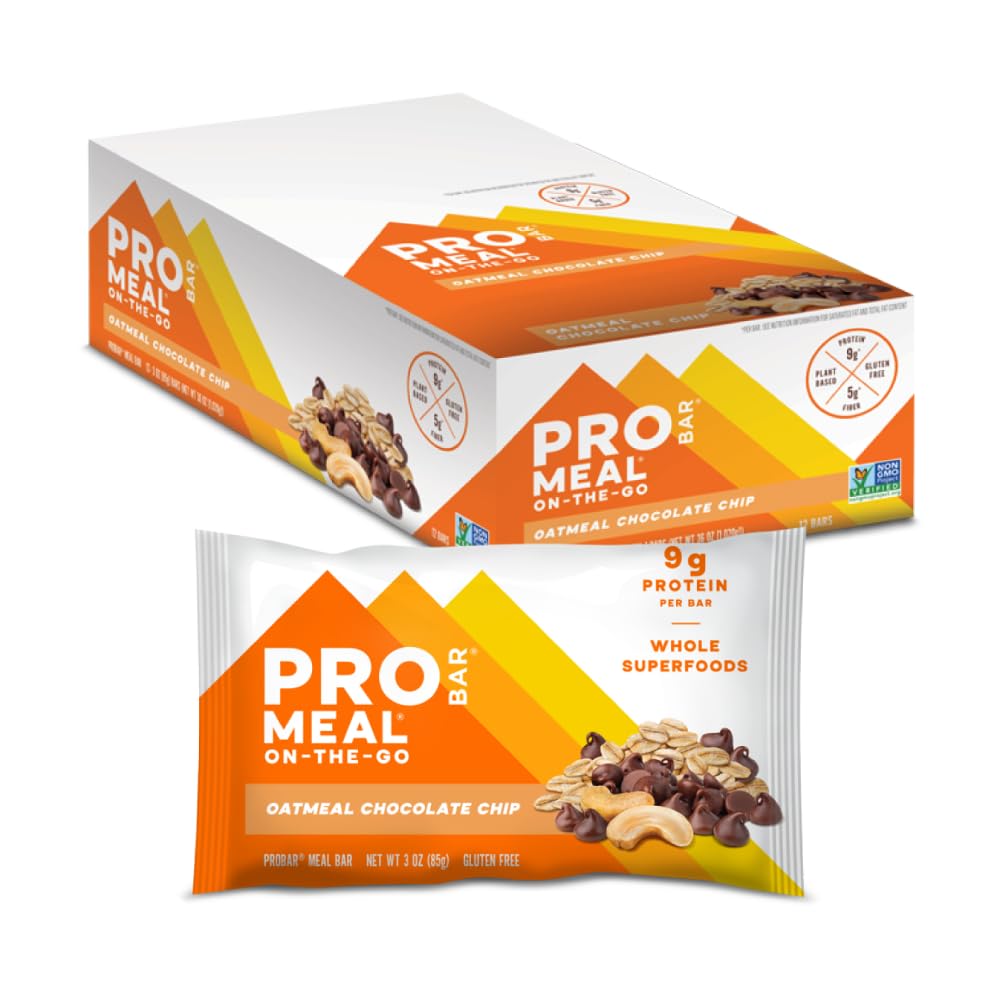
PROBAR MEAL Bar
Key Features
- Diet: Vegan, gluten-free, non-GMO
- Flavor: Oatmeal chocolate chip
- Pack size: 12 bars
- Main ingredients: Oats, nuts, seeds
- Price: Midrange
If you don’t eat meat or fish, most of this list is closed to you, and that’s where PROBAR comes in. Oats, nuts, and seeds pressed into a dense bar that’s vegan, gluten-free, and Non-GMO Project Verified — no water, no stove, no bowl.
It eats like a soft, oaty granola bar rather than a chalky protein brick, and the oatmeal chocolate chip version is sweet without being cloying. The ingredient list reads like the bulk aisle rather than a chemistry set. On a wet, cold day these disappeared faster than the chocolate-covered bars in the same bag, which tells you most of what you need to know.
It’s a bar, though, and a bar is a lunch substitute rather than a lunch. It’s satisfying for an hour or two and easy to eat one-handed while climbing, but on a big mile day it wants company: a handful of nuts, a piece of fruit, or half a tuna kit alongside it.
One warning from our own food bag: these are good enough that the non-vegans in the group will eat them too, so pack more than you planned to.
Pros
- Vegan, gluten-free, and Non-GMO verified
- Whole-food oats, nuts, and seeds
- No water, spoon, or cleanup
Cons
- Twelve bars of one flavor per box
For plant-based eaters, this is the pick: a vegan, gluten-free whole-food bar that stands in for lunch with no water or stove.
Best for High-Protein Hot Meals
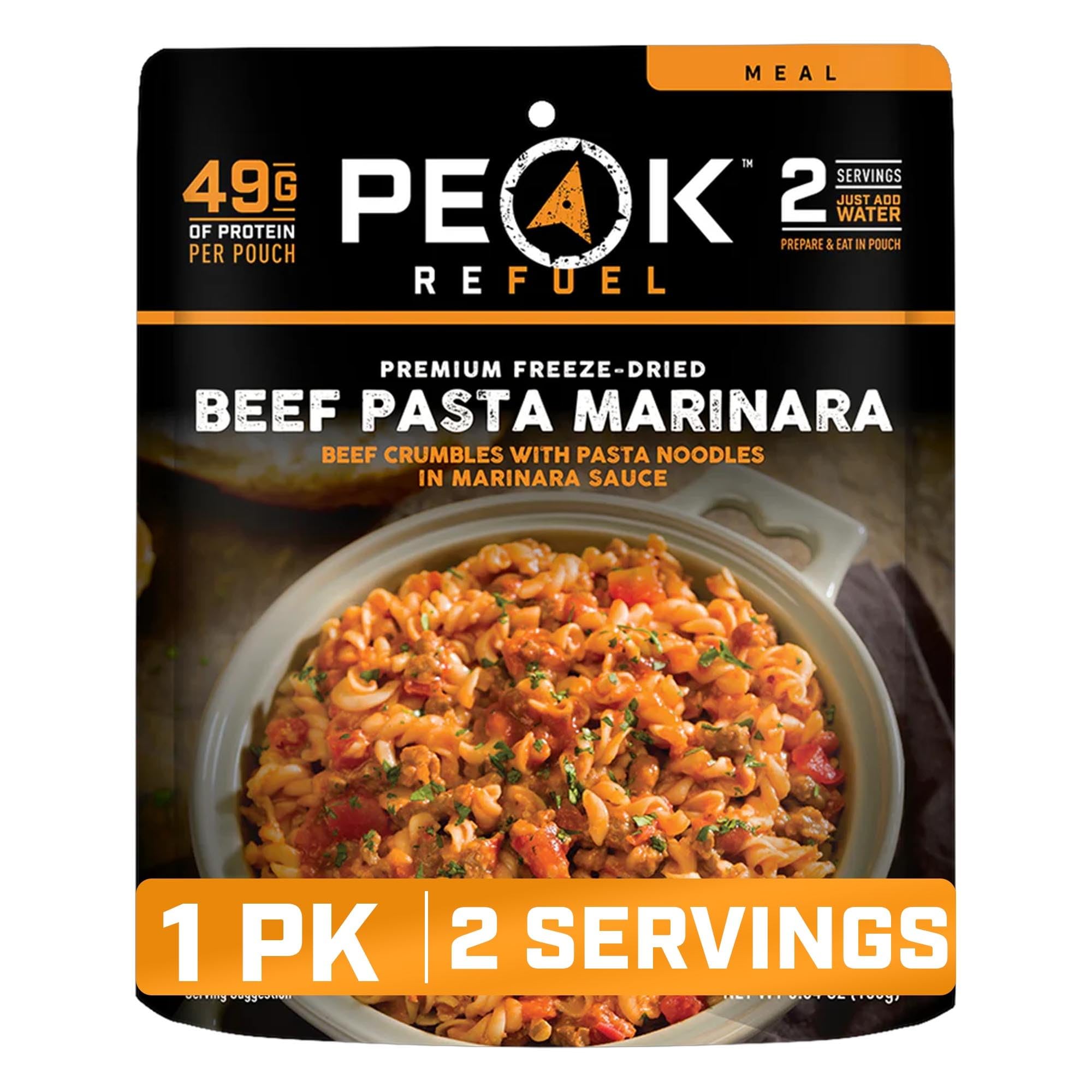
Peak Refuel Beef Pasta Marinara
Key Features
- Meat: 100% real beef, no TVP
- Preparation: Add hot water
- Protein per pouch: 1.73 oz
- Servings per pouch: 2
- Price: Midrange
Forty-nine grams of protein in a single pouch is not a typo, and it’s the reason this one made the list. Peak Refuel uses USDA-inspected beef rather than textured vegetable protein, so the meat in the marinara is meat, and the portion of it is generous rather than a scattering of crumbs.
The noodles and sauce hold up better than most camp pasta. The marinara tastes of tomato and herbs rather than salt, and the whole thing comes out rich and a little creamy. It’s filling in the way a freeze-dried meal rarely is, which is exactly what you want at hour six of a hard day.
It’s a two-serving pouch, so it’s a big lunch for one person or a shared meal for two, and it wants a stove and hot water like every other freeze-dried meal here. Nothing about it is subtle. This is fuel that happens to taste good.
We reach for this one when protein is what the trip is short on: long days, cold weather, a big climb the next morning. Give the beef the full soaking time, even a little longer than the packet suggests at altitude, and it repays you with the most satisfying hot lunch here.
Pros
- 49 g of protein from real beef
- No TVP or filler in the meat
- Generous two-serving pouch
Cons
- Heavier and bulkier than a bar or kit
Forty-nine grams of protein from real beef, in a pouch that feeds one hungry hiker — our choice for the hardest days.
Best for Fuller Lunch Kit
Bumble Bee Lunch on the Run Chicken Kit

Key Features
- Pack size: 4 kits
- Kit contents: Chicken salad, crackers, peaches, cookie, spoon
- Refrigeration: Not required
- Price: Midrange
A can of chicken salad, six crackers, a cup of diced peaches, a cookie, and a spoon. Five components, one box, and a dessert nobody expects to find in a backpacking lunch.
The chicken salad is mild and herby rather than sharp, with actual pieces of celery in it, and the peaches are the part that turned out to matter most — something sweet and wet after a morning of dry snacks. It’s a bigger, more varied lunch than the tuna kit from the same brand, and the cookie is genuine morale at hour six.
Two practical notes. The fruit cup is the weak link in a pack: crushed the wrong way it can weep syrup over everything around it, so bag it on its own. And the crackers are the fragile part of the kit, so pack the box near the top and check the cup before it goes in.
It suits a trip where lunch is the meal you look forward to rather than a refuel you skip, and it’s the box to hand someone who doesn’t do fish. With a bottle of water it’s a real sit-down lunch, and it’s the one that gets traded for on a long trip.
Pros
- Fruit cup and cookie make a fuller lunch
- Mild, herby chicken salad with celery
- Shelf-stable, with a spoon included
Cons
- Bulkier in the pack than a tuna kit
The only lunch here with dessert built in: a mild chicken salad kit we like for long, gray days.
How We Tested Backpacking Lunches
We started by researching the backpacking lunches that experienced hikers actually recommend, then narrowed the list by weight, calories per ounce, preparation method, and price. We ended up with 14 options—dehydrated meals, ready-to-eat wraps, and energy bars—and tested them over six months, from spring day hikes to fall overnight trips.
Each lunch went on at least three outings: a local day hike, an overnight trip, and a longer weekend trek. We packed them in bear canisters and at the bottom of packs to see how they held up to being squashed. At lunchtime, we timed how long each took to prepare—some rehydrated in five minutes, others needed a 20-minute soak—and noted whether the texture turned gluey, the flavor was balanced or just salty, and if spiciness or oiliness overwhelmed the meal. For bars and wraps, we checked whether the crust stayed intact or got soggy, and whether the texture became chalky or stale.
Portion size was a big one: we noted whether a lunch actually filled us up after a morning of hiking, and whether the calorie count matched the price. We also looked at value for money—cost per calorie, quantity of food, and whether any included snacks were worth their weight. A quick lunch is great, but not if it leaves you hungry an hour later.
How to Choose a Backpacking Lunch
The best trail lunch is the one you actually eat at a windy pass, so decide how much stopping you’re willing to do before you start comparing calories.
Decide how much stopping you’re willing to do
Every lunch here sits somewhere between eating while walking and sitting down with a stove. A hot pouch is the most satisfying thing in your pack on a cold, wet day, but it costs fuel, water, and ten or fifteen minutes with the pack off, and the water is weight you carried in. If your group already stops for twenty minutes, a freeze-dried meal is the best comfort per ounce in the bag. If lunch is a handful of food at a viewpoint, go stoveless: the Greenbelly bars and the tuna kits ask nothing of you at all.
Read calories and protein before you read pack weight
A lunch that weighs almost nothing and delivers almost nothing is a snack with extra steps. Look at what each option actually gives you: a kit with eight grams of protein is a light lunch that needs a second item, while a pouch at 650 calories or a can with 18 grams of protein is closer to a full meal. Then weigh it. Calories per ounce is the number that decides whether a luxury lunch earns its place on the climb.
Premixed or mix-it-yourself
Ready-mixed tuna and chicken salads are the fastest thing in a pack, and they get softer and wetter with every hour they sit. A kit that keeps the mayonnaise and relish separate until you eat it gives you better texture at noon in exchange for two hands and a flat spot to stir. We take the mix-your-own version when lunch is a proper stop, and the premixed box on days when speed matters more than texture. Neither is wrong; they just suit different afternoons.
Pack it so it survives the day
Crackers crush, cups leak, and a punctured pouch coats everything in your food bag. Put the soft, crushable items at the top of the pack, bag any fruit cup separately, and keep wet kits upright rather than jammed under a sleeping pad. A small rigid container for crackers is worth the few ounces on a multi-day trip, and it doubles as a bowl when you want to mix a salad without wearing it.
Taste is a fuel decision
You will not eat what you don’t like, and a lunch you skip on day two is dead weight for the rest of the trip. Sweet fatigue is real: after two days of bars and cookies, a savory can of tuna or a hot pouch of chicken and potatoes is worth its extra ounces. Pack one thing you know you like and one thing you’re curious about, and keep a spare bar in a hip pocket for the hour when the day turns.
Frequently Asked Questions
Can’t I just pack a sandwich?
Bread crushes and deli meat needs to stay cold, so a sandwich is a day-one lunch at best and a food-safety gamble by day two. A shelf-stable kit or a meal bar survives a hot pack for a whole trip and weighs about the same. Save the sandwich for the drive to the trailhead.
How many lunches should I pack for a three-day trip?
One lunch per trail day plus one spare meal: three lunches and a spare for three days. The spare covers a delayed exit, a cold snap, or a day when the terrain eats your schedule. Count it as food rather than luxury, and bag it separately so you don’t graze it on day one.
Can you eat a freeze-dried meal without hot water?
Yes, but slowly. Cold water rehydrates the same food at a fraction of the speed, and dense pieces like beef and pasta need far longer than noodles. Add water at your first break, stir, and let it sit until the next one. If you plan to eat this way often, pick meals with small pieces and plenty of sauce.
Do I need a bear canister for lunch food?
Where a canister is required, it covers everything that smells: lunch kits, bars, wrappers, and the empty pouch at the bottom of your food bag. Check the rules for the specific area you’re entering, then keep the whole lot sealed and stored the way the land manager requires, trash included.
Final Verdict
Greenbelly’s pouches are the lunch we reach for first, because 650 calories that need no stove, no water, and no washing up is worth the premium when the point of the trip is walking rather than boiling. If cost decides it, the Bumble Bee tuna kits do a similar job for far less and travel just as well. Carry a stove and Mountain House’s gluten-free chicken and potatoes is the hot lunch that earns the fuel.
Try one of each on a short trip. By day three, you’ll know which one you want a box of.