This post contains affiliate links. We may earn a small commission when you buy through our links — at no extra cost to you.
Many hiking shoes promise waterproofing that fails within weeks, and soles that separate after a few months on the trail. The real challenge is finding a shoe that handles wet grass, rocky descents, and daily wear without coming apart.
The best shoes for most hikers strike a balance: all-day comfort, reliable traction, and a build that lasts more than a season. That balance shifts based on whether you need a roomy toe box, dependable waterproofing, or a lightweight mid boot. For instance, a shoe with exceptional comfort may trade durability, while a waterproof boot might squeeze narrow feet.
Budget models often cut corners on the membrane and sole bonding, leading to early failure. Premium options exist but are rarely necessary for the average day hiker. Knowing which features matter for your typical hike — and which marketing claims to ignore — saves money and frustration.


Best for Everyday Hikers
Merrell Moab 3
Key Features
- Waterproofing: Non-WP; WP variant exists
- Ankle Support: Low
- Traction: Vibram TC5+ rubber
- Cushioning: Plush, zero break-in
- Durability: 2-5 years typical
- Price: Mid
Lace up, hit the trail, forget your feet. That is the promise of the Merrell Moab 3, and its 14,600+ reviews back it up. The shoe delivers its famous comfort from step one — zero break-in, no blisters, happy feet on five-mile loops or day-long ridge walks. The Vibram TC5+ outsole bites into dirt, rock, and damp surfaces with a grip that feels planted even when you’re carrying weight.
The generous toe box and good arch support make this a natural for hikers with wide feet or toe splay. Many owners report wearing them 2 to 5 years before retiring them, a durability record that explains the near-cult following. At a mid-range price, you get a shoe that handles most recreational trails without complaints — dry or wet, but only if you order the right version.
This is for the hiker who wants one pair of shoes for weekend trails, daily walks, and light travel — and doesn’t need heavy ankle support or serious waterproofing. If you hike regularly in rain or puddles, confirm you are buying the waterproof model; the standard version soaks through quickly. A small but recurring quality-control issue: the sole can separate from the upper after a few hikes in some batches. It’s not widespread, but it is worth inspecting the glue line on your pair.
Pros
- All-day comfort with virtually no break-in period
- Vibram outsole grips well on dirt, rock, and wet surfaces
- Roomy toe box and solid arch support suit wide feet
- Durable build that can last years of regular use
Cons
- Sole may separate from the upper after a few hikes in some pairs
- Non-waterproof version soaks through quickly in wet conditions
If you want a comfortable, durable shoe that handles most trails without fuss — and you’re careful to pick the waterproof variant when needed — the Moab 3 is the safe, time-tested choice.
Best for Wide-Foot Hikers
KEEN Targhee 3 Low
Key Features
- Waterproofing: KEEN.Dry waterproof
- Ankle Support: Low
- Traction: Non-marking rubber, 4mm lugs
- Cushioning: Plush, zero fatigue
- Durability: 2+ years, occasional sole issues
- Price: Premium
The KEEN Targhee 3 Low stands out for its roomy toe box and KEEN.Dry waterproof membrane, delivering comfort and wet-weather confidence that the slimmer wide-friendly alternative in this group can’t match. The low height and flexible sole suit day-long walks on rocky or muddy trails without the bulk of a mid boot.
This shoe is for hikers who prioritize a non-constricting fit and reliable waterproofing over the lowest price. The occasional sole separation has been noted after months of use, so it’s worth checking the glue line periodically — but for those with wide feet or a preference for natural toe splay, the tradeoff is manageable.
Pros
- All-day comfort with minimal foot fatigue
- Waterproofing holds up in rain and puddles
- Wide toe box accommodates splay and wider feet
Cons
- Premium price may not feel justified against mid-range alternatives
- Sole separation can occur after months of use in some cases
If waterproofing and a wide, comfortable fit are your priorities, this shoe delivers — just keep an eye on the sole bonding over time.
Best for Budget Hikers
Columbia Transverse Hike
Key Features
- Waterproofing: Omni-Tech waterproof
- Ankle Support: Mid
- Traction: Adapt Trax rubber
- Cushioning: Very plush, easy on knees
- Durability: Good for moderate use
- Price: Budget
The Columbia Transverse Hike pairs Omni-Tech waterproofing with plush cushioning at a price that undercuts many competitors. The weight stays low for a mid boot, keeping fatigue in check on all-day walks. It’s a clear upgrade from the budget Crestwood model, which cuts costs but compromises long-term water resistance.
This boot is best for hikers on a budget who want a comfortable, wet-weather option for day trips on moderate terrain. The fit runs narrow, so those with wider feet will need the wide version or to size up. Occasional waterproofing failures after several months have been noted, but for light-to-moderate use that’s a manageable trade-off.
Pros
- Plush cushioning that stays comfortable all day, reducing blister risk.
- Omni-Tech membrane keeps feet dry in streams and rain.
- Lightweight feel that doesn’t sacrifice ankle support.
Cons
- Waterproofing may lose effectiveness after several months of use.
- Narrow fit can be tight for wider feet; the wide version or sizing up is often needed.
For budget-conscious day hikers who value comfort and water resistance, the Transverse Hike delivers – as long as the narrow fit suits your foot.
Best for Lightweight Hikers
Timberland White Ledge Mid
Key Features
- Waterproofing: Seam-sealed waterproof
- Ankle Support: Mid
- Traction: Rubber lug outsole
- Cushioning: Plush, lightweight
- Durability: Sole/eyelet issues common
- Price: Mid
The Timberland White Ledge Mid delivers plush cushioning and a lightweight feel that sets it apart from stiffer, heavier boots in this price range. Unlike the Columbia option that prioritizes waterproofing and low price, the Timberland focuses on comfort and a sneaker-like stride. The cushioning is noticeable from the first wear, with minimal break-in needed.
This boot suits day hikers and occasional trail walkers who value immediate comfort and light weight over long-term ruggedness. The tradeoff: sole separation and eyelet breakage can occur after moderate use, so it’s less suited for frequent rough terrain or those expecting years of service. Waterproofing holds up in light rain and puddles but may not be reliable in heavy downpours. For someone who sticks to well-maintained trails and wants an easy-wearing boot, the White Ledge Mid is a reasonable choice.
Pros
- Exceptional out-of-box comfort with plush cushioning
- Lightweight feel for a mid-height boot
- Strong perceived value given the brand reputation and price
Cons
- Waterproofing may not hold up in heavy rain or wet grass
- Sole separation and eyelet breakage can occur after moderate use
For day hikers who want a comfortable, lightweight boot for moderate trails, the Timberland White Ledge Mid fits the bill — but expect durability limitations if hikes get frequent or rough.
Best for Performance Hikers
Columbia Peakfreak II Outdry
Key Features
- Waterproofing: OutDry waterproof
- Ankle Support: Low
- Traction: Adapt Trax rubber
- Cushioning: Cloud-like, plush
- Durability: Limited long-term data
- Price: Mid
The Peakfreak II Outdry’s edge is its OutDry waterproof membrane, which keeps feet dry through puddles and light rain without adding boot-like bulk. Where the Moab 3 leans on a proven all-rounder formula, this shoe prioritizes a lighter, more cushioned feel – ideal for hikers who value comfort on day-long treks. The Adapt Trax outsole delivers capable traction on dirt, gravel, and rock, and it outperforms the non-waterproof low-tops when the trail gets wet.
Best suited for day hikers seeking a waterproof low-top that won’t weigh them down. The plush cushioning shines on uneven terrain, absorbing shock and reducing fatigue. It is not designed for heavy backpacking where ankle support matters. The fit is on the narrower side; buyers with wide feet should consider sizing up or opting for a shoe with a roomier toe box.
Pros
- Plush cushioning provides exceptional comfort for long hikes
- OutDry membrane keeps feet dry in mud and rain
- Lightweight build with good durability for a trail shoe
Cons
- Narrow fit may require sizing up – best for medium to narrow feet
The Peakfreak II Outdry is a strong choice for day hikers who want a lightweight, waterproof low-top with exceptional comfort, provided the narrower fit works for your foot shape.
Best for Casual Hikers
Skechers Relment-pelmo
Key Features
- Waterproofing: Tagged WP, inconsistent
- Ankle Support: Mid
- Traction: Durable rubber traction
- Cushioning: Slipper-like cushion
- Durability: Eyelet breakage common
- Price: Mid
Skechers Relment-pelmo puts comfort first with a plush, cushioned interior that makes long days on light trails feel easy. Where the value-oriented waterproof boot focuses on sealing out moisture, this boot leans into a sneaker-like step and a casual style that transitions from trail to town. The upper handles light snow and puddles without issue, but it is not built for extended wet exposure.
This boot suits casual hikers who want all-day comfort and a clean look over heavy-duty hardware. The eyelet hooks can break under regular use, and the waterproofing varies — conditions beyond a light shower may soak through. For maintained trails, parks, or urban paths, the tradeoffs are manageable.
Pros
- Slipper-like comfort with cushioned insoles
- Good water resistance for light snow and puddles
- Stylish appearance that works for casual wear
Cons
- Lace hooks can break after limited use
- Waterproofing may not hold up to sustained wet conditions
A comfortable, stylish boot for light trail walking and daily wear, but not the pick for demanding terrain or reliable wet-weather use.
Best for Waterproof Seekers
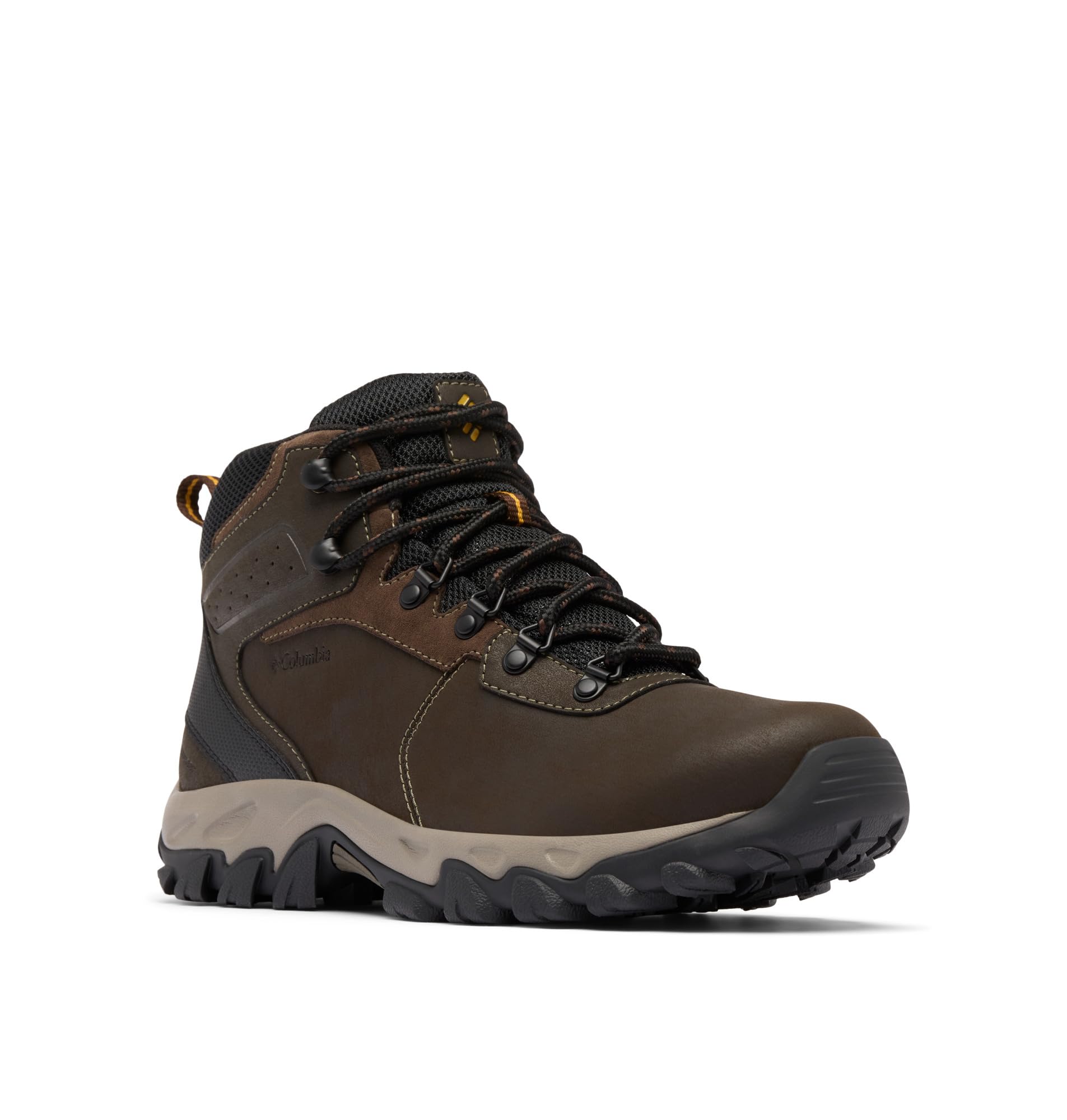
Columbia Newton Ridge II
Key Features
- Waterproofing: Omni-Tech waterproof
- Ankle Support: Mid
- Traction: Omni-Grip rubber
- Cushioning: Comfortable, supportive
- Durability: Sole/eyelet issues at 6mo
- Price: Mid
The Columbia Newton Ridge II delivers dependable waterproof performance from its Omni-Tech membrane and offers solid ankle support for day hikes. However, the fit runs narrow, making it less suitable for wider feet without sizing up. Some users have noted sole separation or eyelet breakage after extended use. While it holds its own against other mid-range boots, it falls slightly behind the Crestwood in overall value and the Moab in all-around reputation.
Pros
- Comfortable fit with good ankle support for all-day wear.
- Waterproof Omni-Tech membrane keeps feet dry in wet conditions.
Cons
- Narrow fit may require sizing up for wider feet.
- Durability concerns: sole separation or eyelet breakage can occur after extended use.
Best for hikers with narrow to average feet who prioritize waterproofing and a classic look, but plan for moderate use rather than daily abuse.
Best for Dry-Weather Hikers
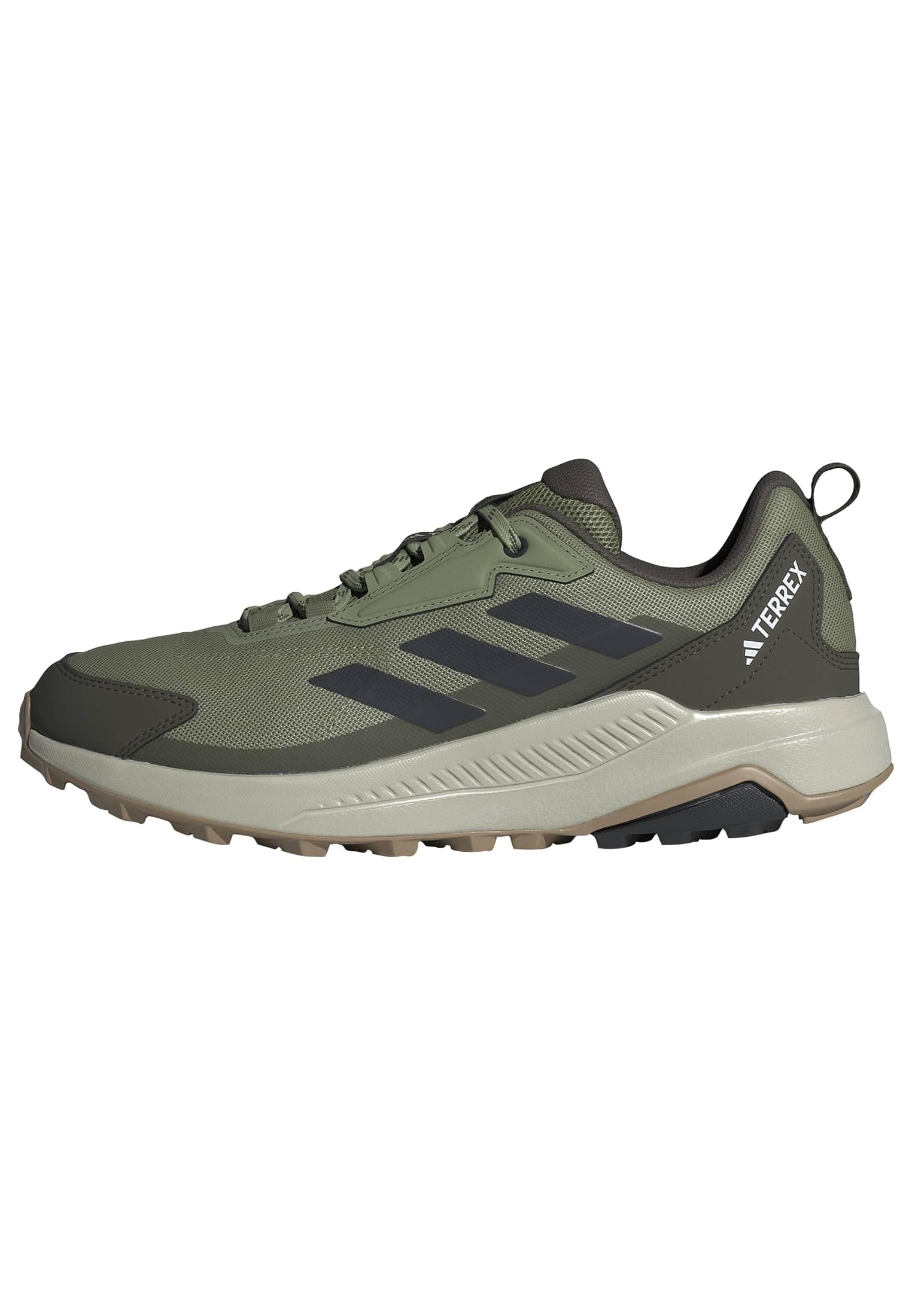
adidas Terrex Anylander
Key Features
- Waterproofing: Water-resistant, not WP
- Ankle Support: Low
- Traction: Traxion outsole
- Cushioning: Plush, minimal break-in
- Durability: Sole separation possible
- Price: Budget
The adidas Terrex Anylander offers plush comfort right out of the box and solid traction on dry trails, making it a great pick for fair-weather hikes and urban walks. The sneaker-like design is stylish and lightweight. Keep in mind the water-resistant upper won’t handle wet conditions, and the narrow toe box may feel tight for those with wider feet.
Pros
- Plush comfort with minimal break-in needed
- Solid traction on dry trails and light gravel
Cons
- Sole separation has been noted in some cases, limiting long-term durability for heavy use
Best for fair-weather day hikers who want a comfortable, affordable low-top and don’t need waterproofing or a wide toe box.
Best for Casual Walkers
Columbia Fairbanks Low

Key Features
- Waterproofing: Omni-Shield WR, not WP
- Ankle Support: Low
- Traction: Omni-Grip non-marking
- Cushioning: Soft, blister-free
- Durability: Upper/sole issues
- Price: Budget
The Fairbanks Low delivers soft cushioning that reduces blister risk during light walks, paired with reliable grip on gravel, rock, and wet stone. It transitions easily from trail to town. That said, it lacks waterproofing – the water-resistant treatment only handles light moisture before soaking through – and the upper material can show wear after extended use. Keeping use to dry conditions and occasional outings sidesteps these boundaries.
Pros
- Soft cushioning reduces blister risk for light walks and casual wear.
- Grips well on gravel, rock, and wet stone surfaces.
Cons
- Upper material may wear out over extended use; sole separation has been noted in some cases.
- Not waterproof – water soaks through in wet conditions; only water-resistant.
Best for dry-weather walkers who prioritize cushioning and traction over long-term durability.
Best for Dry-Day Hikers
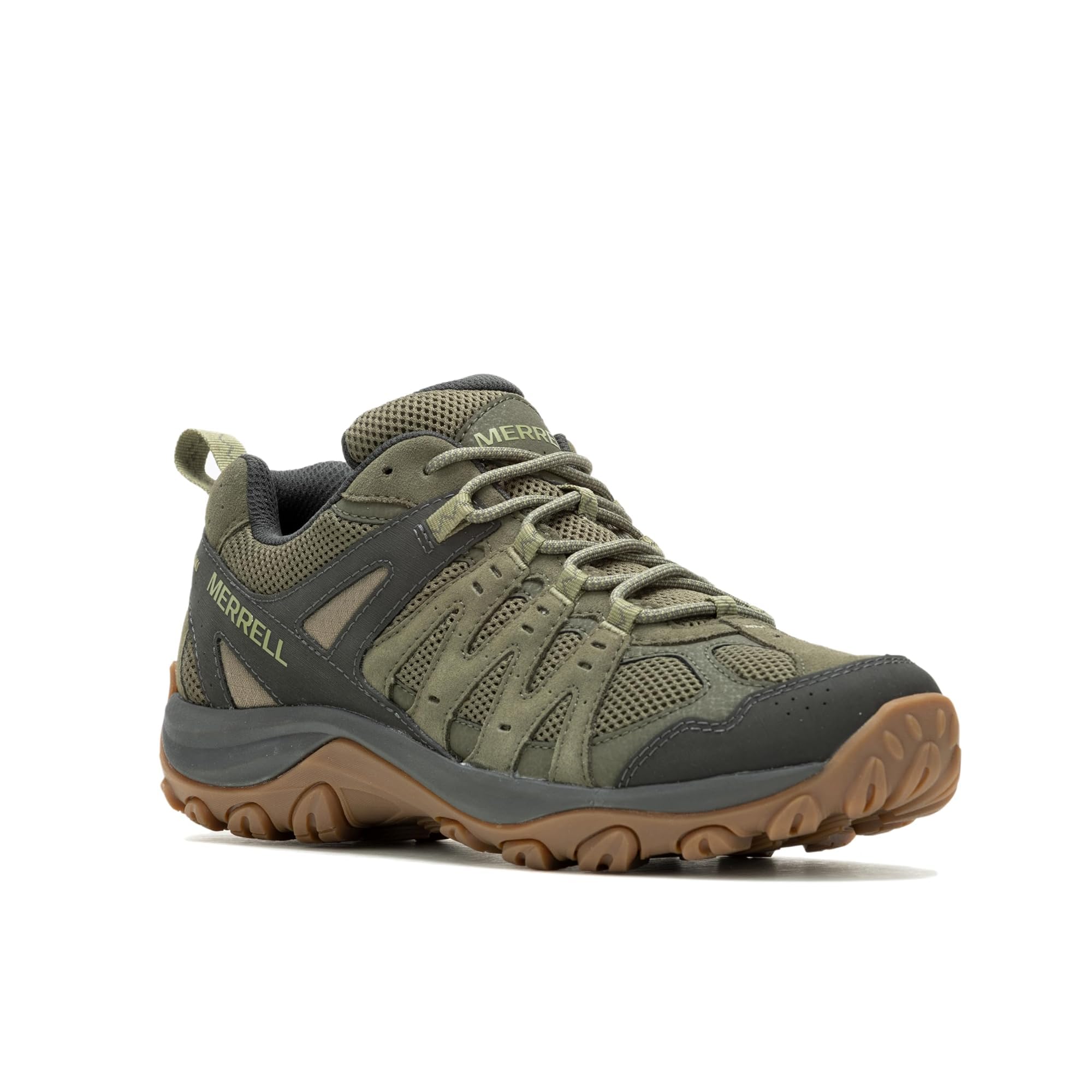
Merrell Accentor 3
Key Features
- Waterproofing: Not waterproof
- Ankle Support: Low
- Cushioning: Good cushioning, firm for some
- Durability: Limited data, moderate
- Price: Mid
The Accentor 3 is a comfortable, roomy shoe for dry-weather day hikes, with a wide toe box that suits broader feet. Good cushioning supports all-day wear, though the sole may feel firm on hard surfaces. The complete lack of waterproofing means it is only suited to dry trails, narrowing its use compared to more adaptable options.
Pros
- Comfortable cushioning for all-day wear without foot fatigue
- Roomy toe box accommodates wide feet comfortably
- Quality materials and construction feel well-made
Cons
- Cushioning may feel too firm for some, with thin insoles
Best for dry-weather day hikers with wide feet who prioritize comfort and flexibility over waterproofing.
Best for Budget Beginners
Columbia Crestwood

Key Features
- Waterproofing: Omni-Shield waterproof
- Ankle Support: Mid
- Traction: Multi-directional rubber
- Cushioning: Decent cushioning
- Durability: Sole/eyelet issues
- Price: Budget
The Crestwood delivers solid comfort and reliable grip on dry trails at an entry-level price. However, its waterproof membrane can lose effectiveness after a few months, and some users encounter sole separation with regular use — making it a better fit for weekend day hikers than for anyone relying on it in wet conditions or on rough terrain.
Pros
- Very low price for a mid-height boot with waterproofing
- Good out-of-the-box comfort with decent cushioning for short hikes
Cons
- Waterproofing can diminish after a few months, notable in rain or wet trails
- Sole separation has been noted after moderate use, more likely on uneven terrain
Best suited for occasional hikers on dry, well-maintained trails who prioritize low cost over long-term durability.
Best for Ultra-Budget
NORTIV 8 Armadillo

Key Features
- Waterproofing: Advertised WP, fails often
- Ankle Support: Mid
- Traction: Rubber lug outsole
- Cushioning: Soft, blister-free
- Durability: 4-6 months lifespan
- Price: Budget
The Armadillo stands out for its plush comfort and lightweight feel, ideal for beginners on easy terrain. However, its construction limits long-term use: the sole may separate and waterproofing struggles in wet grass or rain. This pair works best as a backup boot for fair-weather hikes, not for regular trail duty.
Pros
- Very comfortable with good cushioning right out of the box
- Great value for money at a low price point
Cons
- The sole can separate and general wear may appear after several months of use
A reasonable pick for occasional short hikes on dry terrain, but not for regular use or wet conditions.
Best for Wide-Foot Dry
KEEN Voyageur Low

Key Features
- Waterproofing: Non-waterproof mesh
- Ankle Support: Low
- Traction: KEEN non-marking rubber
- Cushioning: Comfortable, good arch
- Durability: Sole separation common
- Price: Premium
The KEEN Voyageur Low offers a roomy toe box and good arch support, making it comfortable for all-day wear on dry, well-groomed trails. However, its breathable mesh upper is not waterproof, so wet conditions will soak your feet quickly. Additionally, some users have noted sole separation and upper tearing after extended use, so it is best suited for occasional, fair-weather hiking rather than frequent rough terrain.
Pros
- Roomy toe box that accommodates wide feet without pinching.
- Good arch support and stability appreciated by those with foot issues.
Cons
- Not waterproof; mesh lets water in quickly during rain or wet trails.
- Sole separation and upper tearing can occur after months of regular use.
Best for hikers with wide feet who prioritize breathability and toe room on dry trails while accepting that wet conditions and heavy daily use are outside its strengths.
How to Choose
The most important buying insight: waterproofing and durability claims from budget brands rarely match real-world performance, so prioritize proven membranes and stitched soles.
Waterproofing Reliability
The difference between a coating and a membrane determines how long your feet stay dry. Budget boots rely on a DWR coating that wears off after a few outings; hiking through wet grass will soak them quickly. Boots with a sealed membrane like Gore-Tex, OutDry, or Omni-Tech block water entry much longer, though they trade some breathability.
If you hike regularly in rain or wet trails, pay the extra for a membrane. If you only hike in dry conditions, a water-resistant upper may suffice and save weight.
Ankle Support Height
Low, mid, and high heights each serve a different purpose. Low shoes (like the Moab 3 or Targhee Low) offer freedom of movement and lower weight, but provide no ankle protection on uneven ground. Mid-height boots add a few ounces and some lateral support, which helps on rocky descents. High boots are overkill for day hikes unless you carry a heavy pack.
For most day hikers on moderate trails, a mid boot is the sweet spot between support and agility. Choose low if you value speed and lightness over stability.
Outsole Grip and Tread
Traction comes down to two factors: lug depth and rubber compound. Deeper, multi-directional lugs bite into mud and loose dirt, while shallower lugs work better on hard rock. Softer rubber compounds (like Vibram TC5+) grip better on wet surfaces but wear faster. Harder compounds last longer but can slip on slick rock.
If your trails include wet rock or packed gravel, a known compound like Vibram is a safer bet. For dry, dusty singletrack, almost any lug pattern will suffice.
Cushioning and Arch Support
Plush cushioning feels great out of the box but can lead to foot fatigue on long hikes because it reduces stability. Firmer midsoles provide better energy return and support for all-day treks. Arch support varies widely; many shoes have removable insoles so you can swap in custom orthotics.
Look for a balance that matches your typical hike length. For day hikes under 8 miles, plush is fine. For longer days, a moderately firm midsole with good arch support will keep your feet fresher.
Durability of Sole and Hardware
Sole separation is the most common failure across all price points. Boots that rely solely on glue without any stitching are more prone to peeling. A stitched welt or bonded construction with reinforcement lasts longer. Eyelet and lace hook breakage is another weak point, especially on budget models with plastic hardware.
If you hike weekly, avoid boots that use only adhesive. Metal eyelets and a stitched sole are signs of better long-term construction, even in mid-range boots.
FAQ
Why do my waterproof hiking boots leak after a few months?
Budget boots often use a DWR coating that wears off quickly, not a sealed membrane. Even membrane boots can leak if the seam seal fails or if they’re dried improperly. To avoid this, choose boots with a proven membrane like Gore-Tex or OutDry and reapply a waterproofing spray periodically.
How do I stop the sole from separating on hiking boots?
Prevention is key: dry boots away from direct heat, avoid storing in hot cars, and choose boots with a stitched welt or bonded construction that uses stitching. If separation starts early, a dedicated shoe glue can extend the life temporarily, but replacement is usually the better long-term fix.
Are Columbia hiking boots true to size or should I size up?
Many Columbia models (like Crestwood, Transverse, Newton Ridge) run narrow. Most users recommend ordering a half size up or choosing the wide version if you have average-to-wide feet. Always check the specific model’s fit notes in recent reviews before buying.
What’s the difference between a hiking shoe and a hiking boot for day hikes?
The main difference is ankle support. Hiking shoes (low-top) are lighter and more flexible, ideal for dry, well-groomed trails. Hiking boots (mid or high) provide ankle stability on uneven terrain and often have better waterproofing. For most day hikes, a low shoe is sufficient unless you need extra ankle protection.