This post contains affiliate links. We may earn a small commission when you buy through our links — at no extra cost to you.
Lightweight trail runners promise speed on the path but often wear out after a few rocky miles. The problem is trade-off: manufacturers cut weight by using thinner outsoles and lighter mesh uppers that tear under hiking loads.
This guide focuses on shoes that balance trail-running agility with the durability and traction you need for day hikes. We look at fit, cushioning, and waterproofing to match your specific terrain and foot shape.




Best for All-Day Hiking
Columbia Konos TRS
Key Features
- Traction/Tread: Omni-Grip rubber
- Cushion/Drop: Techlite+ cushion
- Waterproofing: Water-resistant
- Toe Box Width: Standard
- Durability: Mesh/synthetic upper
- Price: Mid-Range
The Konos TRS gets you on the trail without a break-in period. The Techlite+ midsole provides supportive cushioning from the first step, and the Omni-Grip outsole holds well on gravel, dirt, and rock. The mesh-and-synthetic upper breathes well, though it’s water-resistant rather than fully waterproof—fine for light rain but not for creek crossings or downpours.
This shoe suits day hikers who value comfort and traction over total waterproofing. The fit is true to size and feels secure without pinching. A small number of owners have noted sole separation after heavy use, so periodic checks are wise for long-term durability. For someone wanting a do-it-all hiking shoe that doesn’t require a second mortgage, this hits the mark.
Pros
- Immediate comfort with supportive cushioning that feels broken-in from day one
- Traction holds on varied surfaces from loose gravel to packed dirt
- Adaptable for hiking, walking, and everyday wear
Cons
- Sole separation possible after prolonged use in some cases
For day hikers who want a comfortable, capable shoe without the premium price of full waterproofing, the Konos TRS is a standout option.
Best for Wide Feet Hiker
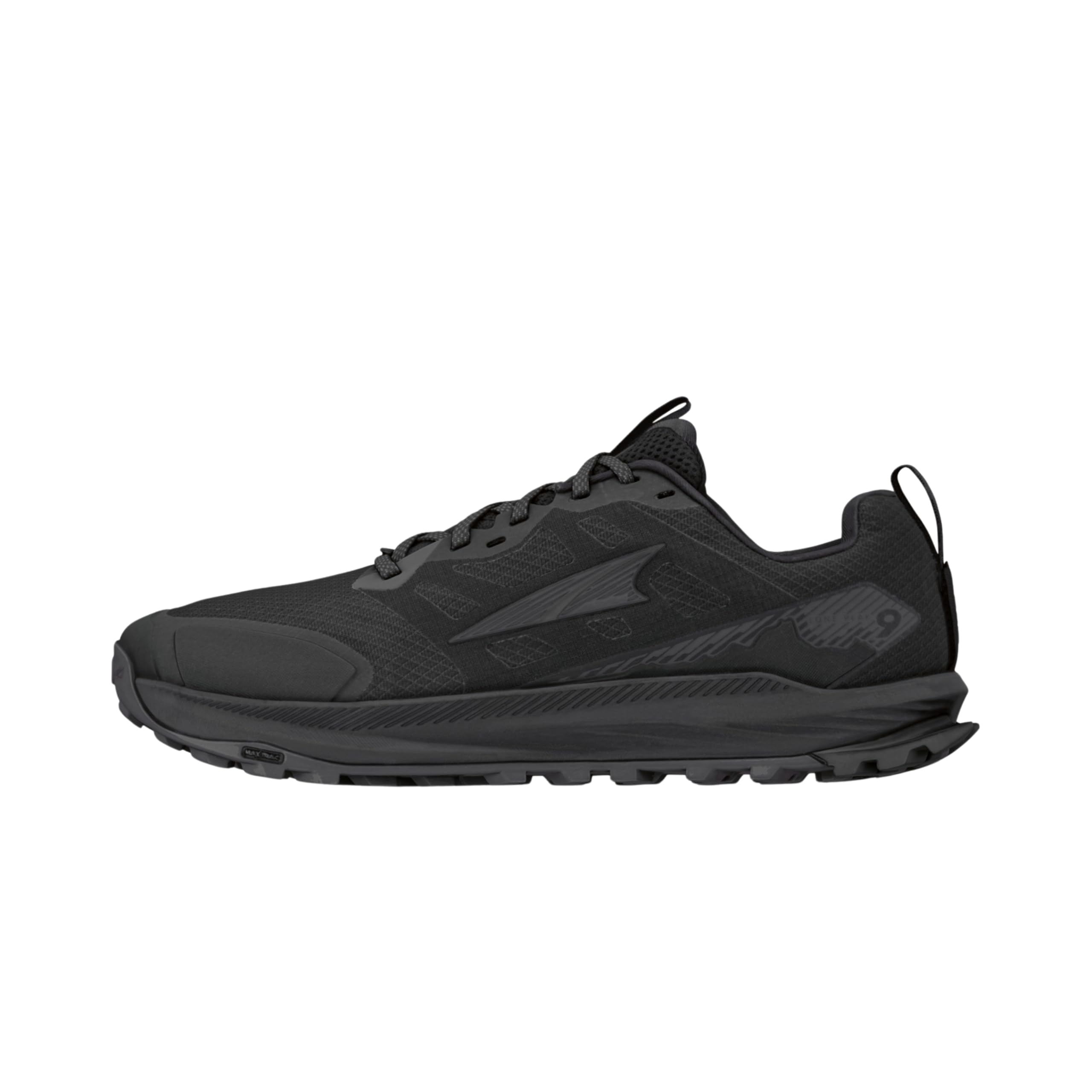
ALTRA Lone Peak 9
Key Features
- Traction/Tread: Multi-direction lugs
- Cushion/Drop: Zero drop, EGO
- Toe Box Width: Wide FootShape
- Price: Premium
The FootShape toe box allows toes to spread naturally, cutting down on hot spots over long trail miles. This zero-drop platform suits hikers and runners who want a low-to-ground feel and ample forefoot room. Best for dry-trail enthusiasts who value natural foot position over maximum cushioning or outsole longevity.
Pros
- Roomy forefoot lets toes splay naturally for blister-free hiking.
- Grippy outsole handles rocks, dirt, and wet moss with confidence.
- All-day comfort on mixed trails suits both running and hiking.
Cons
- Sole may show noticeable wear after several months of heavy use on rocky trails.
- Less cushioning than plush competitors — feels firm for long paved approaches.
Ideal for hikers who prioritize toe splay and zero-drop feel, and accept a firmer ride with potential outsole wear on sharp terrain.
Best for Budget Wide Feet
Saucony Excursion TR14
Key Features
- Traction/Tread: Aggressive tread
- Cushion/Drop: Standard cushion
- Toe Box Width: Wide option
- Price: Mid-Range
The Saucony Excursion TR14 delivers a rare combination: aggressive tread and solid durability at a price that undercuts many competitors. Out-of-box comfort stands out, especially for hikers with wider feet. It handles moderate trails well, with good traction on loose surfaces. This shoe suits budget-conscious day hikers who need a wide-friendly option and don’t require waterproofing.
Pros
- Comfortable and supportive for wide feet
- Durable build for the price – holds up over months of use
Cons
A smart pick for day hikers on a budget who need wide sizes and reliable traction.
Best for Wet Weather Hike
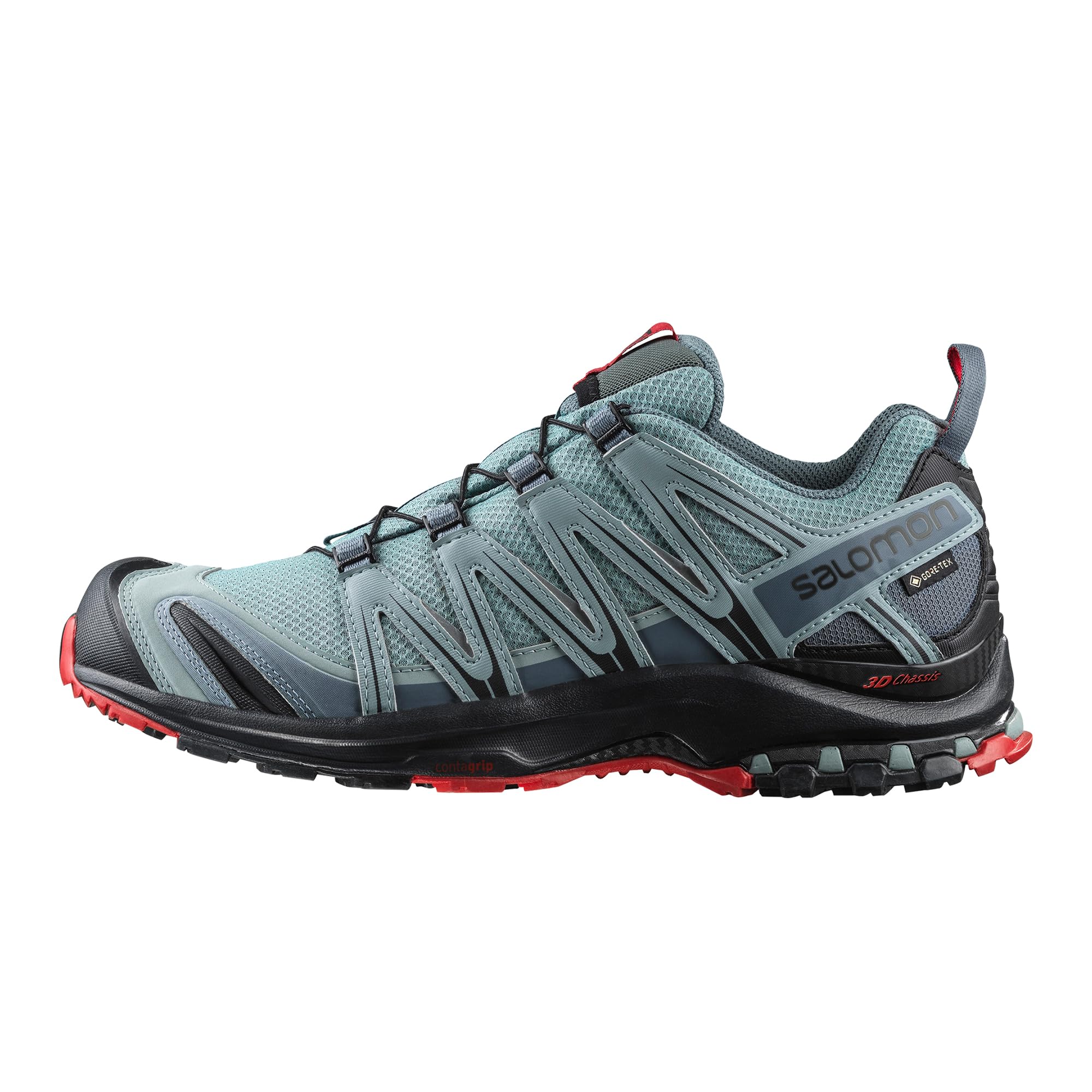
Salomon XA PRO 3D GTX
Key Features
- Traction/Tread: Contagrip rubber
- Cushion/Drop: 3D chassis, std
- Waterproofing: Gore-Tex
- Toe Box Width: Narrow
- Price: Luxury
Gore-Tex membrane and 3D chassis deliver waterproof protection and stability on wet, rocky trails. The narrow toe box limits fit to those with slim feet. Best for day hikers and trail runners needing consistent wet-weather performance who don’t require extra forefoot room.
Pros
- Keeps feet dry in rain and puddles
- Comfortable and supportive for all-day hiking
- Sturdy build with quality materials
Cons
- Soles may wear faster on abrasive terrain
- Forefoot width is tight, not for wide feet
For narrow-footed hikers who prioritize waterproofing, this shoe handles wet trails without compromise.
Best for Women Wide Feet
ALTRA Lone Peak 9 W
Key Features
- Traction/Tread: Multi-direction lugs
- Cushion/Drop: Zero drop, EGO
- Toe Box Width: Wide FootShape
- Price: Premium
The Lone Peak 9 is built with a women-specific last that pairs a wide forefoot with a secure heel, giving bunions and splay-friendly toes room to move while maintaining a locked-in feel. Unlike the men’s version, the heel is contoured for female anatomy, reducing slip on descents. Traction handles wet rock and packed dirt without grabbing — stable underfoot for day-long walks.
This shoe suits day hikers with wide feet or bunions who prioritize comfort out of the box and prefer a zero-drop platform. The generous toebox eliminates toe pinch on downhills. However, sole durability can be inconsistent — some owners see tread wear after several months of regular use. If you need a shoe for rugged, daily hiking over years, the longevity may not match the premium cost.
Pros
- Wide toebox virtually eliminates blisters and toe irritation on hikes.
- Traction stays reliable on both wet and dry trail surfaces.
- Stable and supportive feel under pack weight for day hikes.
Cons
- Premium price tag may feel steep given the potential for sole wear over time.
- Sole durability can vary; some owners experience separation or tread loss after months of use.
Best for women who need a wide, zero-drop shoe for day hikes and are comfortable with the possibility of shortened sole life — not a heavy-duty investment for technical backpacking.
Best for Wide Feet Value
Saucony Excursion TR15
Key Features
- Traction/Tread: Aggressive lugs
- Cushion/Drop: Standard cushion
- Toe Box Width: Wide option
- Price: Mid-Range
Available in wide sizes with immediate out-of-box comfort, the Excursion TR15 is a mid-range trail runner that fits hikers with wider feet who value a glove-like feel from step one. The upper material, however, can separate from the sole within weeks for some users — a tradeoff worth noting for those tackling brushy or rocky terrain.
Pros
- Very comfortable for wide feet with no break-in period
- Reliable traction on woodland trails and loose soil
Cons
- Upper material can tear at heel or toe on abrasive surfaces
For hikers with wide feet on moderate trails who value immediate comfort and a fair price, the Excursion TR15 works — just be mindful of the upper’s longevity on abrasive surfaces.
Best for Budget Barefoot Hike
WHITIN Minimalist Trail

WHITIN delivers a soft, natural barefoot feel that suits light trails and everyday walks at a cost-effective price. Traction works on dry ground. Build quality can vary – some units show premature sole wear or seam separation. Sizing may run small for some, so trying on or sizing up is wise. This shoe fits occasional use rather than regular hiking on rugged terrain.
Pros
- Soft, natural barefoot feel keeps feet comfortable on long walks and light trails.
- Cost-effective price for a comfortable minimalist shoe.
Cons
- Seams may separate and soles can wear faster than expected.
Best for budget-conscious day hikers on dry, easy trails who prioritize barefoot comfort and low cost.
Best for Light Trail Gym
UA Charged Bandit 3

Key Features
- Traction/Tread: Rubber outsole
- Cushion/Drop: Charged Cushioning
- Toe Box Width: Standard
- Durability: Breathable mesh
- Price: Mid-Range
With a 4.6 rating and Charged cushioning, the Under Armour Charged Bandit Trail 3 fits true to size and works well for light trails and gym. It is not meant for technical rocky hiking, and some develop holes after a few months.
Pros
- Comfortable Charged cushioning and true-to-size fit out of the box
- Versatile for light trails, walking, and gym use
Cons
- Upper durability can be a concern; some develop holes after a few months of use
Best suited for casual hikers and gym-goers who prioritize comfort over rugged durability. Avoid for rocky terrain.
Best for Women Arch Support
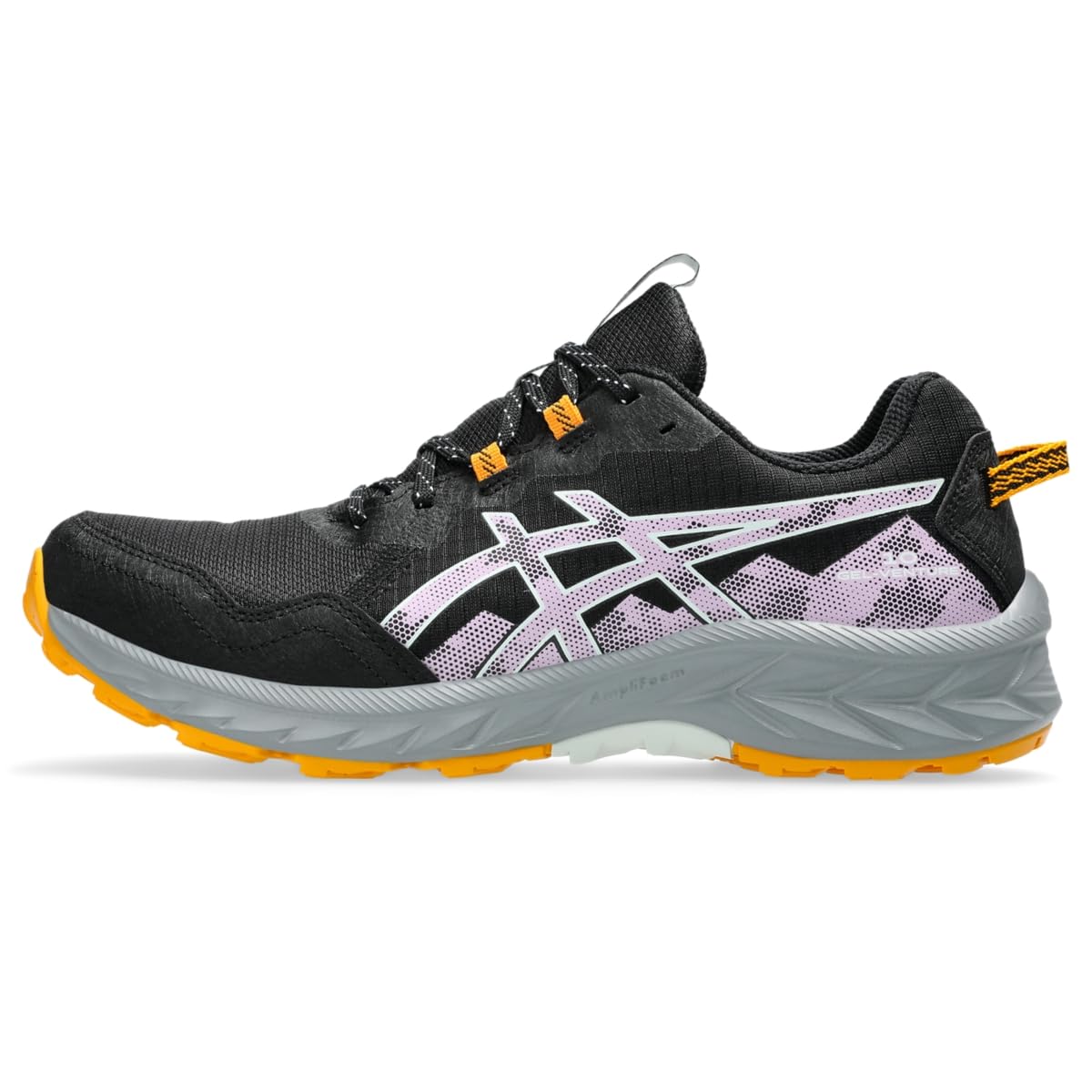
ASICS Gel-Venture 10
Key Features
- Cushion/Drop: GEL cushion
- Toe Box Width: Narrow
- Price: Mid-Range
The Gel-Venture 10’s arch support and GEL cushioning ease foot discomfort on walks and light trails. The fit runs narrow and small – ordering a half size up is advisable. Traction suits packed dirt paths but lacks the bite for rocky or steep terrain.
Pros
- Good arch support and stability bring relief for foot discomfort on walks.
- Solid construction holds up for light running and walking.
Cons
- Runs narrow and small – ordering a half size up is recommended.
A fit for women with narrow to normal feet who need arch support on light trails and walks, but not for rugged hikes or wide toe boxes.
Best for Barefoot Budget
UBFEN Barefoot

Key Features
- Traction/Tread: Non-slip sole
- Cushion/Drop: Zero drop
- Toe Box Width: Wide
- Price: Budget
The UBFEN Barefoot delivers wide toe room and a flat sole for a natural feel at an entry-level price. It works fine for short, dry hikes and daily walking without blisters. But the lack of arch support and occasional durability hiccups make it unsuitable for heavy backpacking or technical terrain. Stick to easy, unloaded outings where you don’t need underfoot protection or long-term abuse.
Pros
- Comfortable for long walks without blistering thanks to a wide toe box and zero-drop sole.
- Cost-effective entry point into barefoot footwear for casual use.
Cons
- Insufficient arch support for those who need structure; flat sole may cause discomfort over rocky ground.
Pick this only if you’re a budget-conscious minimalist who sticks to paved paths or smooth, dry trails without a pack.
Best for Barefoot Trail New
WHITIN Barefoot Trail

Key Features
- Traction/Tread: Rubber traction
- Cushion/Drop: Zero drop
- Toe Box Width: Wide
- Price: Budget
The WHITIN delivers genuine barefoot comfort with a spacious toe box that allows toes to splay naturally, making it a cost-effective entry into zero-drop footwear. The tradeoff comes on wet or rugged terrain where the tread can feel slippery, and the materials may show wear sooner than traditional hiking shoes. This makes it a good match for casual walking on dry trails, gym sessions, or barefoot shoe newcomers who accept a limited lifespan.
Pros
- Comfortable wide toe box for natural foot movement
- Good value for a barefoot shoe
Cons
- Traction can be slippery on wet surfaces, and durability may show wear quickly
Best suited for dry-trail walking and barefoot beginners who prioritize natural feel over longevity and wet-weather grip.
Best for Narrow Feet Light
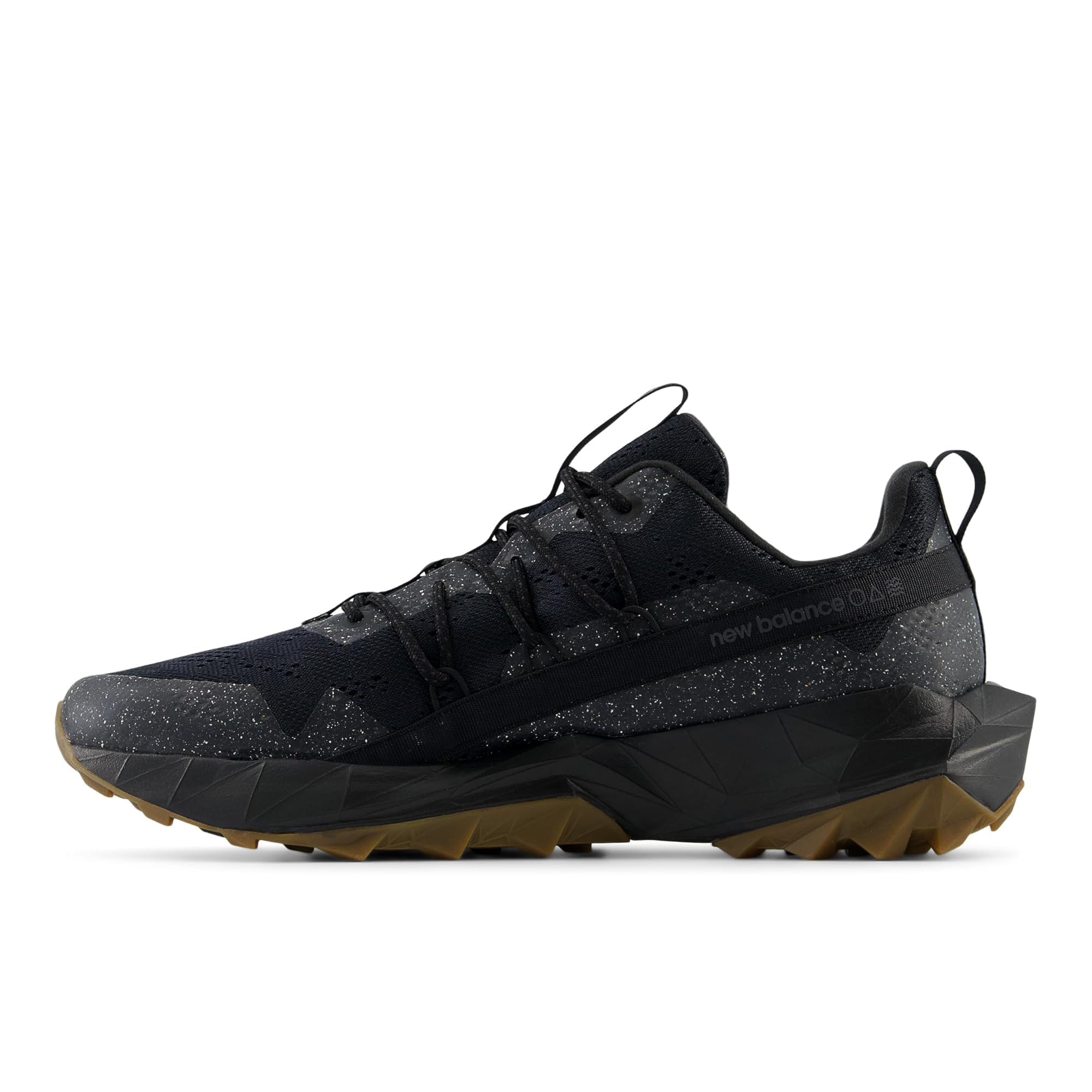
New Balance Tektrel V1
Key Features
- Cushion/Drop: Dynasoft, 8mm
- Toe Box Width: Narrow
- Price: Mid-Range
This shoe delivers good comfort and a lightweight feel for casual trail walks and light runs, but the narrow toe box and occasional upper wear reports mean it’s best suited for narrow-footed users on groomed paths rather than rocky terrain.
Pros
- Comfortable and lightweight for walking and running on trails or pavement.
- Offers good value for its price point among trail shoes.
Cons
- Narrow toe box may feel restrictive for anyone with wider feet.
A decent pick for narrow-footed runners on gentle trails who prioritize weight and price, but not for wider feet or rocky terrain.
How to Choose
Trail running shoes for hiking require a balance of weight and durability that most ultralight runners don’t provide on rocky terrain.
Traction and Tread Pattern
Lug depth and rubber compound determine grip on loose soil, wet rock, and muddy slopes. Deeper lugs (5-6mm) bite into soft ground but can feel unstable on hard-packed trails. Shorter, multi-directional lugs work better on mixed terrain.
If you hike mostly on dry, rocky trails, a Contagrip or Omni-Grip rubber outsole offers reliable traction without the wear of aggressive mud tires. Choose aggressive lugs only if you regularly tackle steep, muddy descents.
Cushioning and Drop
Heel-to-toe drop affects your stride and calf strain. Zero-drop shoes encourage a midfoot strike and a more natural gait but require time to adapt. Higher drops (8-10mm) reduce Achilles strain for heel-strikers.
Cushioning thickness matters for hiking loads: too soft and you lose ground feel; too firm and impact travels up your legs. A mid-range stack (20-25mm) with EVA or polyurethane foam offers the best compromise for all-day comfort on uneven trails.
Waterproofing
Gore-Tex liners keep feet dry in rain and stream crossings but trap heat and moisture, increasing sweat and blister risk on warm days. For dry climates or well-drained trails, a breathable mesh shoe dries faster and reduces overheating.
Consider how often you hike in wet conditions. If you cross water regularly, a waterproof membrane is worth the trade-off. If you mostly hike in dry weather, skip it and save weight and cost.
Toe Box Width and Fit
A roomy toe box prevents blisters and toe-jamming on descents by allowing natural foot expansion. Brands like ALTRA and WHITIN prioritize width, while Salomon and New Balance tend toward narrow fits.
If you have wide feet or bunions, look for models explicitly offering wide sizes or a FootShape toe box. For narrow feet, a snugger heel lock from brands like Salomon can prevent heel slip on technical terrain.
Durability of Sole and Upper
Hiking miles accelerate wear: thin outsoles (common on budget trail runners) can go smooth in under 100 miles. Look for rubber compounds with a higher durometer rating and thicker lugs for longer sole life.
Upper durability depends on material: mesh is breathable but tears on sharp rocks; synthetic overlays add protection but can add weight. A reinforced toe cap and heel counter extend the shoe’s lifespan on rocky trails.
FAQ
Are trail running shoes good for day hikes, or should I wear hiking boots?
Trail running shoes are excellent for day hikes on moderate terrain. They are lighter, more flexible, and breathe better than boots. However, they offer less ankle support and wear out faster on rocky trails. For a light pack and well-graded trail, trail runners are the better choice.
Why do my trail running shoes wear out so quickly on rocky trails?
Trail runners use thinner outsoles and lighter mesh uppers to save weight. On sharp rock, these materials abrade faster. If you hike on rocky terrain, look for shoes with a thicker outsole rubber (e.g., Vibram or Contagrip) and reinforced toe and heel areas.
Can I use minimalist barefoot shoes for hiking?
Barefoot shoes work for short, easy trails if you are already accustomed to zero-drop and thin soles. They lack cushioning and protection for rocky terrain, and the thin outsole wears quickly. For serious hiking, choose a shoe with at least moderate cushioning and a durable outsole.
How waterproof should hiking trail runners be for wet weather?
For frequent rain or stream crossings, a Gore-Tex membrane keeps feet dry. For occasional puddles, a water-resistant treatment works fine. Remember that waterproof shoes are less breathable and can cause sweaty feet. Choose based on your typical trail conditions.