This post contains affiliate links. We may earn a small commission when you buy through our links — at no extra cost to you.
Most women’s trail runners trade long-term durability for a light, cushioned ride. That trade-off makes sense if you log high mileage, but it also means outsoles wear faster and uppers can tear sooner than expected. The key is matching the shoe’s strengths to your typical terrain and frequency of use.
Fit is the other big variable. Sizing varies wildly between brands, and even within the same line, a ‘medium’ width can feel narrow or roomy depending on the last. Knowing your foot width and arch height is essential to avoid blisters or lost energy on the trail.
The choice between a wide toe box that lets toes spread naturally and a snug, locked-in fit is real. Neither is better for everyone. This guide helps you decide based on your foot shape and the technical demands of your favorite routes.




Best for All-Around Trail
Saucony Excursion TR14
Key Features
- Cushioning: Good cushioning
- Traction: Excellent on dirt/rock
- Toe Box Width: Roomy
- Arch Support: Effective
- Durability: Inconsistent toe
- Price: $$
The Saucony Excursion TR14 earns its top spot by nailing the essentials: cushioned comfort that prevents foot pain on rocky sections, a roomy forefoot that accommodates most foot shapes, and aggressive traction that holds on dirt and gravel. Over a large sample of buyers, these attributes stand out — the shoe feels supportive right out of the box for both running and hiking on unpaved trails.
This shoe fits best for women who want a single pair for moderate trail mileage and light hiking. The tradeoff is durability: some owners have noted toe separation after several months of use, so heavy mileage on sharp terrain may shorten its lifespan. For weekend warriors and budget-conscious runners who rotate shoes, the Excursion TR14 offers a reliable companion at a mid-range price.
Pros
- Plush cushioning that keeps feet fresh on long, rocky trails
- Roomy toe box that suits most foot shapes without rubbing
- Solid grip on loose dirt and packed gravel for confident footing
Cons
- In some cases the upper separates from the sole at the toe after months of regular use
- Not the best match for runners who need a very wide toe box or zero-drop platform
If you want a capable, well-cushioned trail shoe for moderate off-road runs and hikes without overspending, the Excursion TR14 is a safe bet — just keep an eye on the toe area if you log high mileage.
Best for Wide Feet/natural Splay
ALTRA Lone Peak 7
Key Features
- Cushioning: Good cushioning
- Traction: Excellent technical
- Toe Box Width: Very wide
- Arch Support: Good
- Durability: Sole wears fast
- Price: $$
Designed with a wide toe box and zero-drop platform, the Lone Peak 7 lets toes splay naturally and reduces blister risk, a clear advantage for runners with wider feet. Traction on dry and technical trails is solid, and arch support adds stability for all-day wear. The trade-off is outsole longevity: the tread can wear faster than other trail runners, so this shoe suits moderate weekly mileage rather than high-volume training.
Pros
- Roomy toe box reduces blisters and allows natural splay
- Solid traction on dry and technical terrain
- Good arch support adds stability
Cons
- Outsole tread can wear faster than other trail runners
Best for moderate-mileage trail runners who prioritize toe space and zero-drop over outsole longevity.
Best for Snug Fit/arch Support
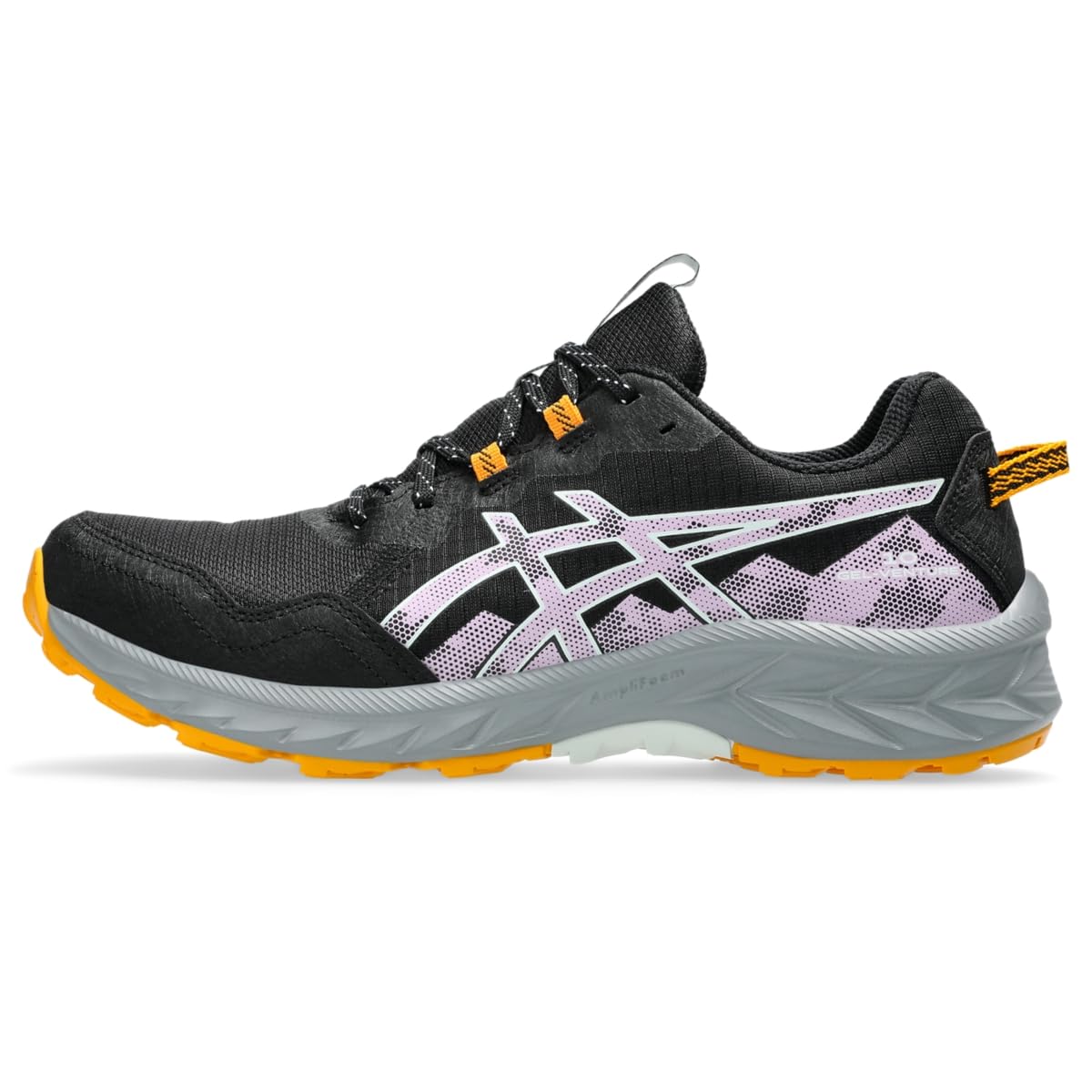
ASICS Gel-Venture 10
Key Features
- Cushioning: Moderate cushioning
- Traction: Good on trails
- Toe Box Width: Narrow
- Arch Support: Strong
- Durability: Some sole issues
- Price: $$
The ASICS Gel-Venture 10 delivers reliable arch support and cushioning that absorbs impact on rocky trails, making it a suitable choice for runners who prioritize stability over soft landings. The mid-range price from a known brand adds confidence for those not ready to invest in premium models.
This shoe works best for women with narrow to average feet who need extra support underfoot. The fit runs small and narrow, so ordering up or choosing a wide variant is recommended. Some buyers have noted sole or upper separation after months of use, which is worth factoring into a purchase decision if you plan on heavy weekly mileage.
Pros
- Arch support reduces foot fatigue on uneven terrain
- Cushioning provides comfort on dirt and gravel paths
- Mid-range pricing from a reliable athletic brand
Cons
- Narrow fit may require sizing up or a wide width for some runners
- Long-term durability can vary, with occasional reports of sole or upper separation
If arch support is your top priority and you don’t have wide feet, the Gel-Venture 10 offers solid value. For those wanting a more spacious fit or longer lasting build, consider the top pick instead.
Best for Soft Cushioning Lovers
NB Fresh Foam Hierro V7
Key Features
- Cushioning: Plush Fresh Foam X
- Traction: Decent on trails
- Toe Box Width: Narrow
- Arch Support: Good
- Durability: Premature wear reports
- Price: $$$
The New Balance Hierro V7 delivers plush, impact-absorbing cushioning ideal for long miles on soft trails. However, the fit runs narrow and small, often requiring a half-size up. Some units have shown premature wear after extended use, a trade-off at this premium price. This shoe best suits runners with narrow to medium feet who value cushioning and style over record longevity.
Pros
- Fresh Foam X cushioning absorbs impact for a plush, airy feel on long runs
- Attractive design with multiple color options works for trails and casual wear
- Good support and stability for maintaining form on longer distances
Cons
- Narrow fit can require sizing up, especially for runners with wider feet
- Some units may show premature wear after several months of trail use
A cushioned, stylish trail runner for narrow-footed runners who prioritize comfort over durability — the more balanced Saucony TR14 is worth considering if longevity matters.
Best for Technical Terrain
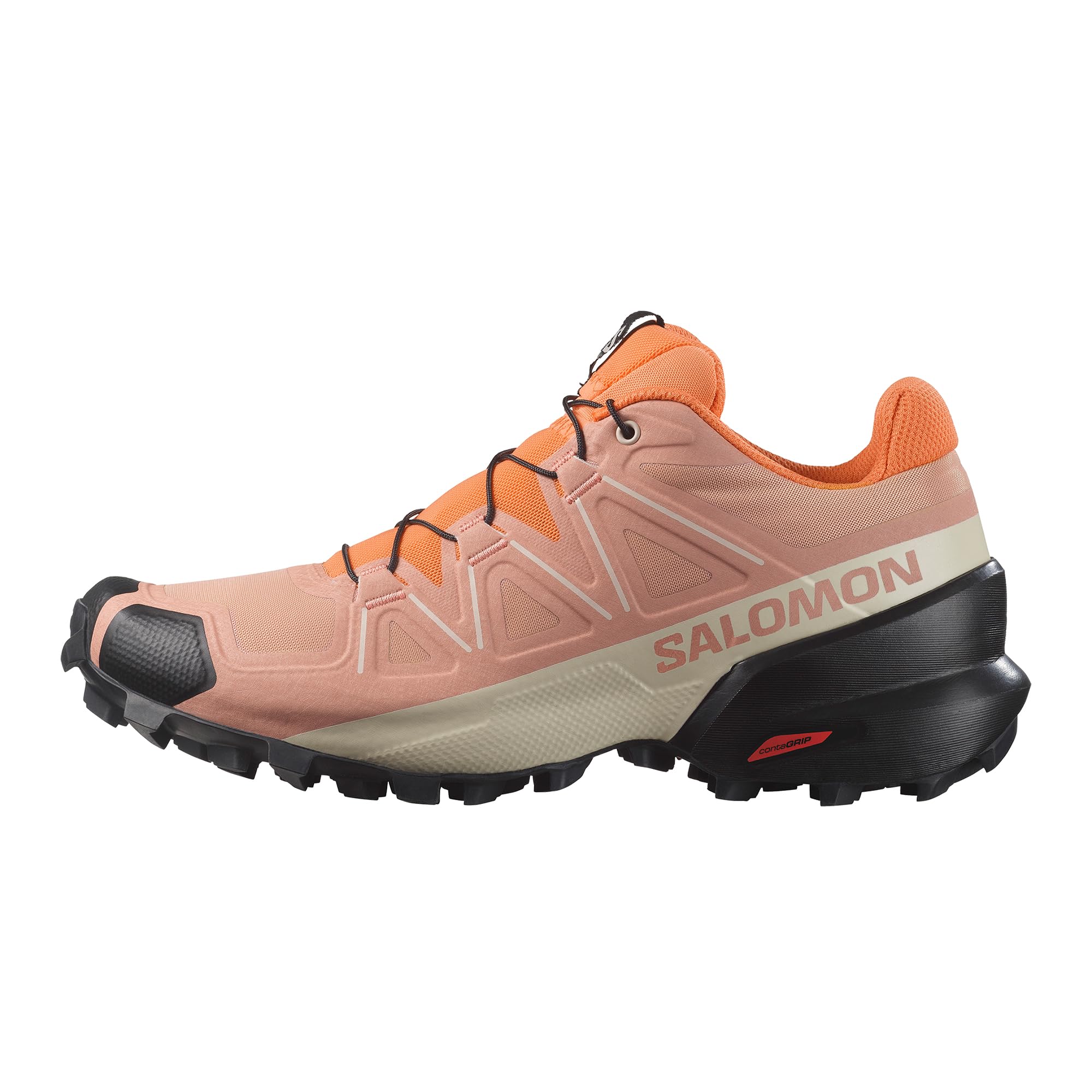
Salomon Speedcross
Key Features
- Cushioning: Firm cushioning
- Traction: Unbeatable mud/rock
- Toe Box Width: Very narrow
- Arch Support: Good
- Durability: Premium build
- Price: $$$
The Salomon Speedcross stands out for its aggressive lug pattern that bites into mud and loose rock with exceptional grip. Premium materials and a precise, glove-like fit create a locked-in feel, though that fit runs very narrow. This shoe suits women with slim feet who tackle technical, slippery terrain and are willing to pay a premium for specialized performance. Runners needing a roomy toe box or a versatile daily trainer will find the top pick more accommodating.
Pros
- Aggressive deep lugs provide exceptional grip on mud and wet rock.
- Sock-like fit wraps the foot securely without pressure points.
- High-quality build and materials hold up to technical terrain abuse.
Cons
- Narrow fit may cause discomfort for runners with wider feet or high-volume insteps.
Best for women who need maximum traction on technical trails and have narrow feet — not a daily trainer for the casual runner.
Best for Narrow Feet/performance
La Sportiva Bushido II
Key Features
- Cushioning: Responsive cushioning
- Traction: Superior slick rock
- Toe Box Width: Very narrow
- Arch Support: Good
- Durability: Excellent longevity
- Price: $$$$
Precision fit and aggressive traction make the Bushido II a focused tool for technical trails. Cushioning is supportive over long miles, and the outsole grips slick rock with confidence. However, the fit runs narrow and small, requiring most buyers to size up one to two sizes — this shoe is not suitable for wide feet or those who prefer a roomy toe box.
Pros
- Supportive cushioning that holds up on long runs
- Durable construction that lasts years of regular use
- Strong grip on wet rock and uneven surfaces
Cons
- Fit runs narrow and sizing varies, often needing to go up 1-2 sizes
For runners with narrow feet who need reliable traction and durability on demanding trails, the Bushido II delivers — provided you plan on ordering a larger size.
Best for Budget-Conscious Trail
New Balance 410v8

Key Features
- Cushioning: Good cushioning
- Traction: Adequate trails
- Toe Box Width: Narrow
- Arch Support: Good
- Durability: Fabric tearing
- Price: $
The New Balance 410v8 delivers comfortable cushioning at a low price point, making it a sensible choice for casual trail walks and light hikes. The fit runs small and narrow, and some users note fabric tearing after modest use — this shoe works best for occasional outings rather than regular runs.
Pros
- Supportive cushioning for all-day comfort
- Affordable price with solid performance
Cons
- Runs small and narrow, requiring a size up or wide width for a comfortable fit
Best for light hiking and walking on a tight budget, as long as you confirm the fit first.
Best for Occasional Trail Use
Saucony TR13

Key Features
- Cushioning: Good cushioning
- Traction: Good trails
- Toe Box Width: Roomy
- Arch Support: Lacking
- Durability: Poor longevity
- Price: $$
This shoe delivers immediate comfort with a soft, cushioned ride and a toe box that lets toes spread naturally — a solid fit for short, low-intensity trail runs or casual hiking. The trade-off is in construction quality: the upper can tear or separate within months of use, and the arch support may feel shallow for some runners, often requiring aftermarket insoles. It’s a reasonable pick for occasional outings at a low entry price, but not one for frequent trail mileage.
Pros
- Plush cushioning keeps feet comfortable on short runs
- Roomy toe box allows natural toe splay
Cons
- Upper may tear or separate within months of regular trail use — best for occasional runs
A low-cost entry point for light trail use, but not built for regular runners or those wanting long-term value.
Best for Stability on Trails
Salomon XA PRO 3D

Key Features
- Cushioning: Comfortable all-day
- Traction: Good technical
- Toe Box Width: Medium
- Arch Support: Excellent
- Durability: Excellent build
The Salomon XA PRO 3D delivers excellent arch support and durable construction for all-day wear on demanding trails. Its stability suits medium to narrow feet that need precise control on rocky, uneven ground. However, fit can be inconsistent — some may find it narrow, others wide — and the lack of a listed price makes value judgment difficult. This shoe works well for runners who prioritize support over a guaranteed fit and are comfortable buying without a clear price tag.
Pros
- Solid arch support and stability for technical trails
- Durable build that holds up over long days
Cons
- Fit can vary between narrow and wide depending on the unit
A premium choice for runners who need stability and don’t mind rolling the dice on fit — best reserved for those able to try on in person or order with a flexible return policy.
Best for Water-Resistant Use
Salomon Alphacross 5

Key Features
- Cushioning: Comfortable
- Traction: Good
- Toe Box Width: Medium
- Durability: Good materials
- Price: $$
The Salomon Alphacross 5 delivers water-resistant protection and solid comfort for long hikes and trail runs on damp terrain, with a well-constructed sole that holds up on rocky paths. However, the fit runs large and long, so sizing down is often necessary, and durability feedback is mixed, making it best suited for moderate use rather than heavy training.
Pros
- Water-resistant performance keeps feet dry in wet conditions.
- Comfortable for long walks and hikes with quality materials and a strong sole.
Cons
- Runs large and long — plan to size down for a secure fit.
A sensible pick for off-road runners who prioritize water resistance and comfort over aggressive traction, provided you can dial in the right size.
Best for Budget Hikers
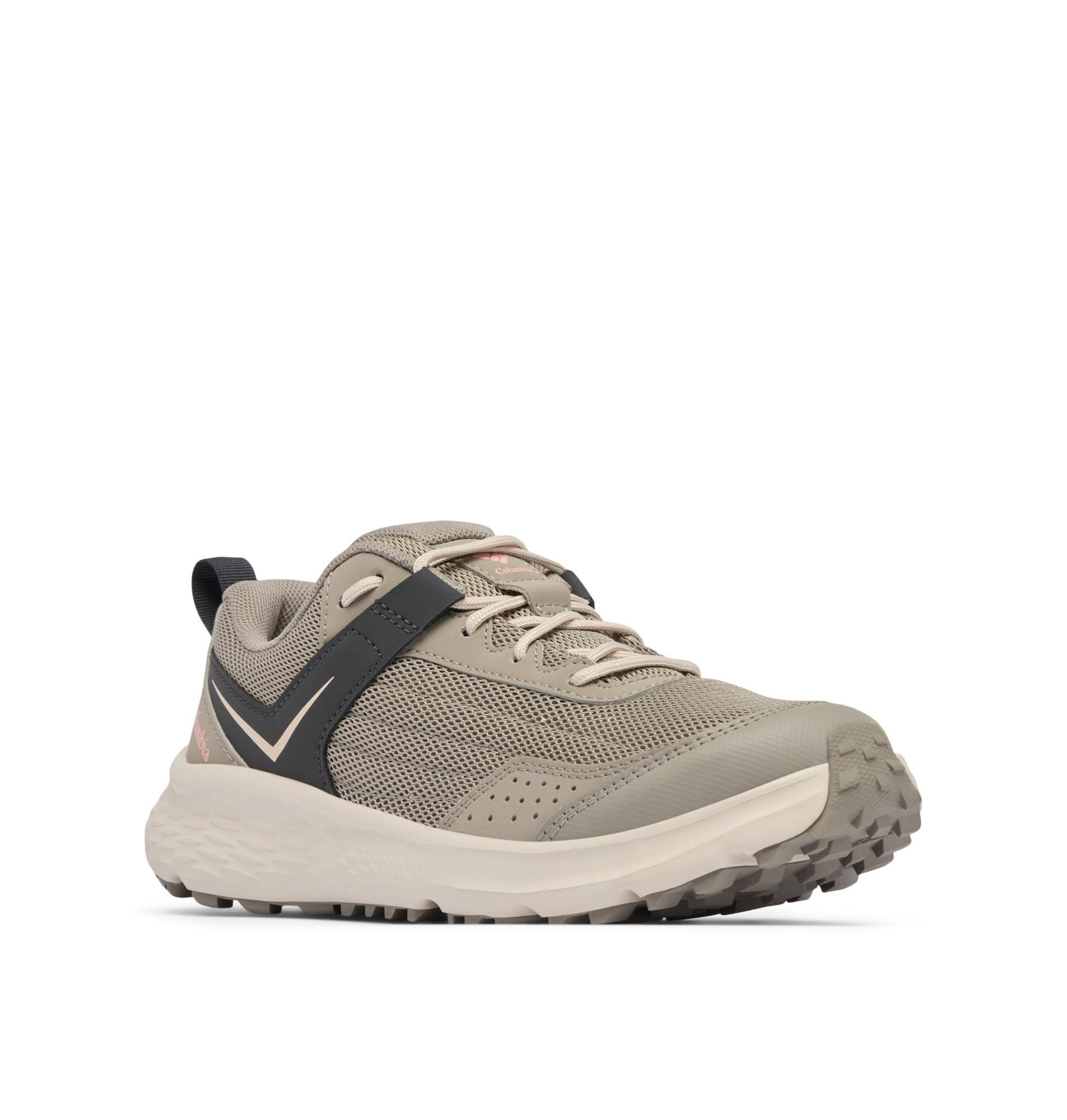
Columbia Vertisol
Key Features
- Cushioning: Excellent cushioning
- Traction: Good on wet rocks
- Toe Box Width: Roomy
- Durability: Lightweight build
- Price: $
The Columbia Vertisol Trail delivers serious comfort and cushioning for casual walks and light hikes, with a roomy toe box and lightweight build that feel great out of the box. But it’s a hiking shoe, not a trail runner — the outsole and midsole lack the stability and aggressive traction needed for running on unpaved, rocky, or technical terrain. Best reserved for those who prioritize walking comfort over running performance.
Pros
- Well-cushioned and comfortable for all-day wear with no break-in period.
- Lightweight construction with a roomy toe box that accommodates wider feet.
Cons
- For trail running, the outsole lacks the grip and support to handle uneven, technical terrain.
A great value for budget-conscious hikers who stick to easy trails, but not a shoe for trail running.
Best for Stylish Hiking
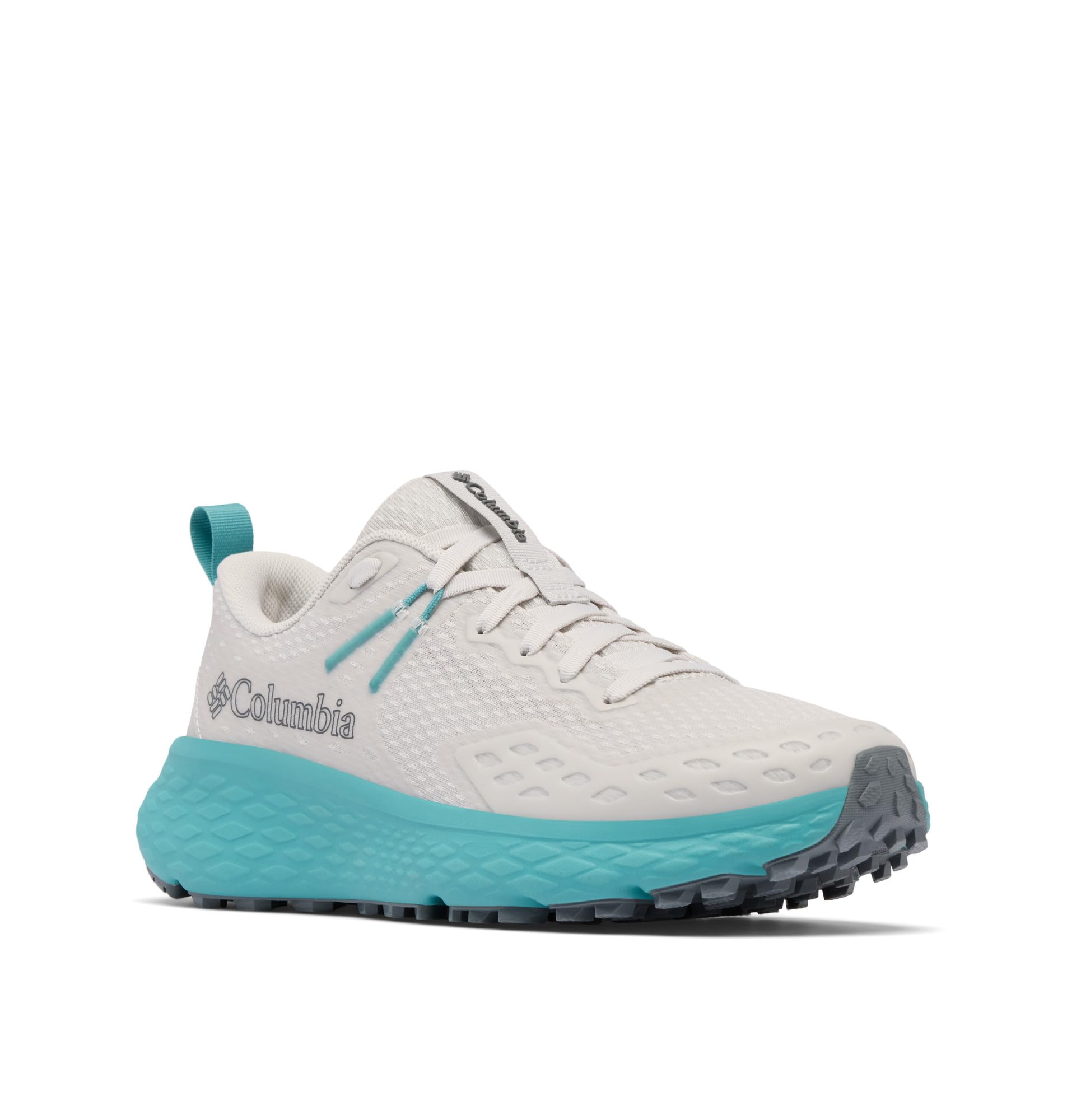
Columbia Konos TRS
Key Features
- Cushioning: Good cushioning
- Toe Box Width: Medium
- Durability: Well-made
- Price: $$
The Columbia Konos TRS delivers reliable cushioning and a stylish appearance that works well for casual outdoor walks and light hikes. However, its design lacks the traction and support needed for running on unpaved trails, and fit can vary between sizes.
Pros
- Cushioned comfort suitable for all-day wear, including for plantar fasciitis
- Sporty, modern look that transitions from trail to everyday use
Cons
- Fit can be inconsistent — some find the sizing too large, others too snug
Best for hikers who want a comfortable, stylish shoe for casual terrain and do not need running-specific features.
How to Choose
A shoe that feels great in the store can disappoint after a few trail miles if its cushioning, traction, or fit don’t match the surfaces and duration you actually run on.
Cushioning and Comfort
More foam usually means softer landings, but also less ground feel and stability on uneven trails. Plush midsoles (like Fresh Foam X or Gel) absorb shock well on long, smooth stretches, but they can feel unstable on technical singletrack where you need to feel the terrain.
Firmer shoes with lower stack heights offer better feedback and control on rocky trails, but they transfer more impact to your legs over distance. Match your cushioning to your typical run length: plush for 10+ miles on buffed trails, firm for shorter, more technical excursions.
Traction and Grip
Lug depth and pattern determine how a shoe handles loose dirt, wet rock, or mud. Deep, widely spaced chevron lugs (like the Salomon Speedcross) shed mud and bite into soft ground, but they can feel clunky on dry pavement. Shallow, multi-directional lugs are more versatile for mixed terrain but sacrifice grip in deep muck.
The rubber compound matters too. Sticky rubber formulations (e.g., Vibram Megagrip) provide superior adhesion on slick rock, but they soften faster on abrasive surfaces. A harder rubber lasts longer on gravel but slides more on wet slabs.
Toe Box Width and Fit
A wide toe box lets toes splay naturally during push-off, reducing black toenails and blister risk on long descents. But a roomy forefoot can allow the foot to slide inside the shoe on steep sidehills if the midfoot wrap is loose. Brands like Altra use a zero-drop platform that encourages low-heel running, which some runners find uncomfortable for heel-striking.
Narrow toe boxes lock the foot in place for better precision and faster cornering, but they commonly cause pinching and numbness for runners with wider feet. If your feet swell on long runs, err on the roomier side and use a lacing lock to secure the heel.
Arch Support and Stability
Arch support in trail runners ranges from neutral (no specific contour) to structured medial posts. A neutral platform lets your foot work naturally, which is fine for high arches or neutral gaits, but flat-footed runners often need added support to avoid knee and plantar pain.
Stability features like a wider heel base or a firmer midsole on the inside edge help control overpronation. However, these same elements reduce flexibility and can cause discomfort for runners who land midfoot or have rigid arches. Custom orthotics can fix support gaps without forcing a one-piece stability shoe.
Durability
Lightweight uppers (mesh, knit) breathe well and pack small, but they tear easily against rocks and roots. Rubber toe caps and reinforced overlays add ounces but significantly extend the life of the shoe. Outsole rubber thickness varies; thinner layers shave weight but wear through faster, especially if you run on abrasive gravel.
Many budget shoes cut corners on outsole rubber durability and upper stitching. Paying more often gets you denser rubber and double-stitched seams, but not always. Read reviews for specific failure points – a shoe that fails at the toe bumper or lace eyelet is a design flaw, not just a materials compromise.
FAQ
Why do trail running shoes wear out so quickly on the soles?
Most trail runners use soft rubber compounds for grip on wet rock. Soft rubber wears faster on abrasive surfaces like gravel and asphalt. If you run a mix of pavement and trail, consider a shoe with a harder outsole or a dedicated trail tread that minimizes asphalt miles. Rotating two pairs can also extend life.
How much toe room should I look for in a trail runner?
About a thumb’s width from your longest toe to the front of the shoe is standard for road shoes, but trail runners need slightly more room because feet swell on long runs and slide forward on descents. Look for at least half an inch of space. Shoes labeled ‘wide’ often give that extra room without making the heel loose.
Can I use hiking shoes for trail running?
Hiking shoes are built for walking stability and ankle support, not running. They are heavier, stiffer, and lack the flexibility and cushioning needed for impact absorption at a running pace. For trails you mostly hike, they work fine. For running, stick with dedicated trail runners.
Are zero-drop trail runners better for your feet?
Zero-drop (heel and toe at same height) encourages a midfoot strike and can strengthen calves and Achilles over time. But if you’re used to a 8-12mm drop, switching abruptly risks calf strain and plantar fasciitis. Transition gradually over several weeks, and reserve zero-drop for shorter runs until your body adapts.