This post contains affiliate links. We may earn a small commission when you buy through our links — at no extra cost to you.
Finding camping gear that actually delivers on its promises can be frustrating. Many cheap options look great online but fail after a few trips. This guide cuts through the noise, focusing on the essentials that have proven themselves through thousands of real-world uses.
Whether you’re a solo backpacker or a family car camper, the right gear makes the difference between a great trip and a miserable one. We prioritize products that balance cost, weight, and durability.
The challenge is choosing between a lightweight safety essential and a spacious shelter. Each serves a different purpose, and the best pick depends on how you camp.


Best for Backpackers and Hikers
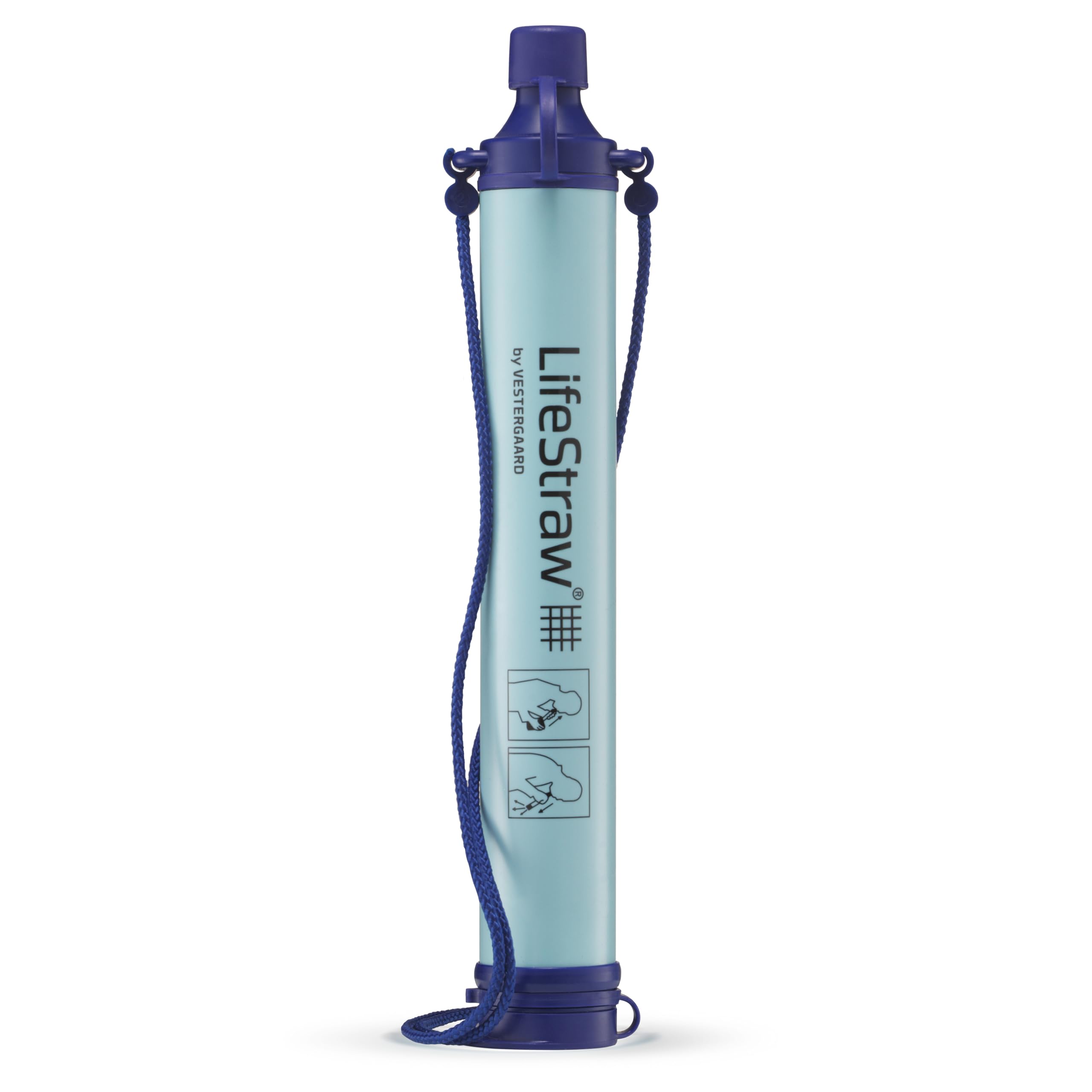
LifeStraw Personal Water Filter
Key Features
- Ease of Setup: No setup needed
- Durability: Filters 4000L
- Price: Budget
The LifeStraw removes bacteria, parasites, and microplastics from untreated water without pumps, batteries, or chemicals. Weighing only 0.06 kg and filtering 1,000 gallons, it is lightweight enough to clip to a pack strap and long-lasting enough to skip disposable bottles – a practical addition to any hiking or emergency kit.
Solo backpackers and ultralight campers who prioritize weight over convenience will find this filter ideal. The suction effort is workable for short drinks but becomes noticeable as the filter accumulates sediment – a tradeoff that matters during long hydration breaks or when sharing. Group campers or those needing high flow should consider a gravity system instead. It does not remove viruses, so use it in backcountry streams and lakes where bacterial and parasitic risks are the main concern.
Its 1,000-gallon lifespan reduces replacement costs and plastic waste. To maintain flow, blow back through the mouthpiece occasionally – a small habit that extends usable life.
Pros
- Removes bacteria, parasites, and microplastics from untreated water – no batteries or chemicals required.
- Ultra-light and compact – fits in a pocket or emergency kit.
- Filters up to 1,000 gallons, reducing plastic waste and replacement costs.
Cons
- Sucking effort increases as the filter clogs – less convenient for long hydration sessions or group use.
- Does not remove viruses – designed for bacterial and parasitic risks only.
The LifeStraw delivers essential water safety for solo adventurers at a low cost. Pack it for any backcountry trip where weight matters.
Best for Family Car Campers
Coleman Sundome 4-Person Tent
Key Features
- Ease of Setup: Sets up in 10 min
- Durability: Pole/zipper issues reported
- Water Resistance: Rainfly, wind-resistant
- Price: Budget
Sets up in about 10 minutes with one person, and the 9×7 foot floor fits a queen air mattress – exactly what budget-conscious families need for park weekends. Where the top pick in this guide focuses on water safety for backpackers, the Sundome targets car campers who want a hassle-free shelter.
Best for families and first-time campers planning car camping trips at established sites with moderate weather. The rainfly handles light to moderate rain, but extended downpours or high winds are outside its sweet spot. Pole and zipper durability can vary between units, so a quick assembly check before a trip is wise.
Pros
- Sets up in under 10 minutes with one person
- Spacious interior with enough headroom to stand and move around
- Rainfly offers decent protection in moderate rain for the price
Cons
- Pole and zipper components may show wear sooner than expected – worth inspecting before a long trip
For weekend car campers who value a quick setup and a spacious interior, the Sundome delivers strong value – just give it a once-over before you leave home.
Best for Car Campers Families
Etekcity LED Camping Lantern 2-Pack
Key Features
- Ease of Setup: Collapsible, pull-up design
- Durability: Water resistant build
- Water Resistance: Water resistant
- Price: Budget
The Etekcity lantern delivers 154 lumens of 360-degree light from a collapsible body that stores flat. Each lantern runs 50 hours on three AA batteries (included), making it ready for car camping or emergency kits without extra purchases.
This two-pack suits car campers and families who need straightforward area lighting. Brightness is adjusted by pulling the lantern body upward, which works but lacks the precision of a dedicated dimmer – a tradeoff that matters little when you want simple on/off in a tent or during a power outage.
Pros
- Very bright with wide 360-degree coverage – lights up a tent or room.
- Compact collapsible design stores flat when not in use.
- Excellent value for a two-pack that comes with batteries.
Cons
- Brightness adjustment via pulling the lantern can be imprecise – no separate dimmer control.
A cost-effective lighting solution for campers who prioritize brightness and simplicity over fine-tuned brightness control.
Best for Backpackers, Travelers
Rainleaf Microfiber Camping Towel
Key Features
- Ease of Setup: Unfold and use
- Durability: Absorbs 5x weight
- Price: Budget
The Rainleaf Microfiber Towel is a compact, quick-drying alternative to heavy cotton towels. Its 85% polyester/15% polyamide microfiber fabric absorbs several times its weight and dries rapidly, avoiding the mildew smell common with damp towels. This makes it ideal for backpackers, travelers, and gym-goers who need to pack light and stay fresh. The tradeoff: the fabric is not plush — expect to pat dry rather than rub, similar to chamois material.
Pros
- Dries fast enough to pack without mildew odor
- Lightweight and folds small for backpacking or travel
- Works as a towel, blanket, or yoga mat for multi-use
Cons
- Not as plush as cotton towels — requires patting rather than rubbing to dry
If you prioritize packability and quick drying over plushness, this towel is a smart buy for camping or gym bags.
Best for Families with Kids
MalloMe Smores Sticks 5-Pack
Key Features
- Ease of Setup: Telescoping, extend
- Durability: Stainless steel, wobbly extended
- Price: Budget
Color-coded handles prevent mix-ups among kids, and the telescoping design stores compactly — ideal for family camping trips. The stainless steel forks roast marshmallows and hot dogs with ease, though the extended length introduces some wobble. Best suited for s’mores nights and lighter campfire cooking, not heavy grilling.
Pros
- Color-coded handles prevent mix-ups among kids
- Telescoping design makes storage and carrying easy
- Works well for roasting marshmallows and hot dogs
Cons
- Fully extended forks can feel wobbly — best for marshmallows, not heavy sausages or rough handling
For families who prioritize easy storage and kid-friendly design, these sticks are a cost-effective choice for campfire fun.
Best for Day Hikers, Campers
OFF! Clean Feel Picaridin Spray
Key Features
- Ease of Setup: Spray on
- Durability: 8-hour protection
- Price: Budget
With 20% Picaridin and a non-greasy, fragrance-free formula, this aerosol keeps mosquitoes away for up to 8 hours without the tacky feel or harsh smell of DEET-based repellents. It dries quickly on skin and clothes, making it a comfortable choice for day hikes and moderate mosquito areas.
This spray suits day hikers and campers with sensitive skin who prioritize a clean feel over maximum protection in heavy bug zones. A small number of cans may drip instead of mist, so it’s worth testing the nozzle before heading into the backcountry.
Pros
- No sticky or oily residue on skin or clothes after application.
- Odor-free formula avoids the strong chemical smell of many repellents.
Cons
- In some cases the aerosol nozzle drips rather than mists, which can be messy during application.
For hikers and campers who dislike sticky sprays and don’t need DEET-level protection in heavy mosquito areas, this is a comfortable, effective alternative.
Best for Home Emergency Kits
Lichamp LED Lantern 4-Pack

Key Features
- Ease of Setup: Collapsible, simple
- Durability: Military-grade plastic
- Water Resistance: Water resistant
- Price: Budget
Each lantern pushes 350 lumens of soft, 360-degree light from a compact body that folds flat for storage. The set is cost-effective for lighting several tent rooms or a multi-room outage setup. Trade-off: these run on AA batteries (not included) and aren’t rechargeable, and an occasional unit can arrive with a tight battery cap or a non-functioning switch — worth testing before a trip.
Pros
- Bright, even 360-degree light from a collapsible body that stores flat.
- Cost-effective 4-pack for outfitting multiple spaces at once.
Cons
- Some units can arrive with a tight battery cap or power-on issue.
Best for car campers or households that want multiple light sources on a budget and don’t mind feeding them AA batteries.
Best for Tent Campers
FLY2SKY LED Tent Lamp 4-Pack

Key Features
- Ease of Setup: Clip onto tent
- Durability: Some defects reported
- Water Resistance: IPX8
- Price: Budget
The FLY2SKY LED Tent Lamp packs 150 lumens and a carabiner clip into a tiny water-resistant shell – ideal for clipping inside a kid’s tent or as a backup light. It offers three lighting modes for added flexibility. Batteries are not included, and some units may arrive non-functional; the 4-pack helps offset that risk.
Pros
- Bright enough for a small tent, clips securely to loops or branches.
- High, low, and strobe modes give useful light options.
Cons
- Batteries not included; some units may not power on out of the box.
Best for car campers or emergency kits where a spare light is handy, and the 4-pack means you’ll likely have at least three working units.
Best for Eco Campers
XTAUTO Rechargeable Lantern 4-Pack

Key Features
- Ease of Setup: Solar/USB charging
- Durability: Inconsistent QC
- Water Resistance: Waterproof
- Price: Mid-Range
This 4-pack delivers bright lantern and flashlight modes with solar and USB charging, making it convenient for car campers who want renewable power. However, some units may have charging issues, so it’s better suited for casual use rather than trips where consistent performance is critical.
Pros
- Dual modes provide bright 360-degree lantern or focused flashlight.
- Solar and USB charging eliminates need for disposable batteries.
Cons
- Charging consistency can vary between units, making this a backup rather than primary light source.
A practical option for car campers who want solar charging and are okay with occasional charging inconsistencies.
Best for Emergency Kits
QIO CHUANG Emergency Blanket 4-Pack

Key Features
- Ease of Setup: Unfold
- Durability: Tears easily
- Water Resistance: Waterproof
- Price: Budget
These blankets are a staple for emergency kits: they pack down small, reflect body heat effectively, and four cost less than a fast-food meal. However, the mylar film punctures easily if handled without care, so treat them as single-use items for bug-out bags or car kits rather than reusable ground sheets.
Pros
- Lightweight and compact for emergency and survival kits.
- Reflects up to 90% body heat to retain warmth in cold conditions.
Cons
- Mylar material tears if handled carelessly – best reserved for single-use emergencies.
Stash this four-pack in your vehicle emergency kit or backpack for peace of mind, but don’t expect it to survive a full camping trip.
Best for Emergency Kits
Mart Cobra Emergency Blanket 4-Pack

Key Features
- Ease of Setup: Unfold
- Water Resistance: Waterproof
- Price: Budget
This budget 4-pack of mylar blankets offers the lowest cost per blanket and comes individually wrapped for convenience. Performance claims (90% heat reflection, waterproof) are unverified in the field, so this set is best for stocking emergency kits where cost takes priority over guaranteed reliability.
Pros
- Reflects up to 90% body heat to reduce hypothermia risk.
- Individually wrapped for easy distribution and storage in first-aid kits.
Cons
- Thin mylar material can tear if handled roughly during deployment.
Best for budget emergency kits where cost is the driving factor and verified durability is not essential.
Best for Organizers
JHX Travel Laundry Bags 2-Pack

Key Features
- Ease of Setup: Pack items
- Durability: Handles may fail
- Price: Budget
This two-pack of nylon laundry bags folds into its own pocket, making it easy to stash in a car camping kit. The 22-pound capacity is adequate for separating dirty clothes, but the handles and zippers can give way if packed too full.
Pros
- Folds into its own pocket for compact storage
- Good size for separating dirty clothes during trips
Cons
- Handles and zippers may give way when the bag is overstuffed
Best for car campers who need a lightweight dirty-clothes separator and won’t overstuff it.
Best for New Campers
YIDERBO 275-Piece First Aid Kit

Key Features
- Ease of Setup: Open bag
- Water Resistance: Water resistant bag
- Price: Budget
This kit packs 275 pieces including bandages, gauze, scissors, and an emergency blanket into a water-resistant EVA case small enough for a car or backpack. The low price makes it appealing for new campers assembling their first emergency kit. However, without user reviews to confirm the quality of each item, experienced campers may want to supplement with known-brand components or inspect everything before relying on it.
Pros
- Broad selection of bandages, gauze, and emergency blanket in one compact case.
- Water-resistant EVA case protects and organizes contents.
Cons
- Real-world usefulness is unverified; some items may not match expected quality.
Best for new campers on a budget who are willing to verify each item’s quality before use.
Best for Ambiance
Coleman Citronella Candle

Key Features
- Ease of Setup: Light wick
- Durability: 4-6 hour burn
- Price: Budget
The wooden crackle wick creates a pleasant campfire sound, and the pine scent is a welcome addition to any campsite. However, the small 6 oz tin burns for only 4-6 hours, and the citronella provides weak mosquito deterrence in still air only. This is an ambiance piece, not a practical bug repellent for high-bug areas.
Pros
- Pleasant pine scent masks bug spray odors
- Good value as a campfire accessory
Cons
- Burn time of 4-6 hours may be too short for a full evening at the campsite
Best for car campers who want a crackling ambiance for a couple of hours at the picnic table — not as a primary bug repellent.
How to Choose
The most important thing to know is that no piece of camping gear does everything well — trade-offs between weight, durability, and cost are inevitable, so prioritize what matters most for your trip type.
Weight and Packability
Camping gear weight directly affects how far and how comfortably you can hike. A 0.1 kg difference adds up fast over a 10-mile trail. For backpackers, every gram matters; for car campers, weight is largely irrelevant. The trade-off is that lighter materials often sacrifice durability or price. A 60g towel dries fast but won’t feel plush. A heavy tent may last years but stays in the trunk.
Ease of Setup or Use
Simple setup saves time and reduces frustration, especially after a long hike or in bad weather. A free-standing tent that pitches in 10 minutes is far easier than a tarp-and-pole system that requires knots. But simplicity often means fewer features: a collapsible lantern with a single brightness setting is easy to use but lacks adjustability. Think about how much fiddling you’re willing to do at the end of a day.
For items like water filters, the mechanism matters. A straw filter requires sucking effort, which can be tiring for group hydration. A gravity filter is slower but requires no effort. Choose based on your hydration habits.
Durability and Build Quality
Durability is where the cheap-vs-expensive gap shows most. A tent with plastic poles and thin zippers may fail after a few weekends, while one with aluminum poles and YKK zippers lasts years. The same applies to lanterns: military-grade plastic survives drops, while cheaper plastics crack. However, rugged builds add weight and cost. For occasional car camping, budget options often last long enough. For frequent backcountry use, invest in robust materials.
Battery Life or Fuel Efficiency
Battery life determines how long your lights and gadgets work without recharging. Devices with standard AA batteries are easy to replace anywhere, but generate waste. Rechargeable units reduce waste but require a power source (solar, USB) and may fail over time. LED lanterns claim 30-50 hours on low, but real-world runtime depends on battery quality. For multi-day trips without power, prioritize devices with long runtime and simple battery changes.
Water Resistance and Weather Protection
Water resistance is critical for tents, tarps, and electronics. A tent’s rainfly must be seam-taped and properly pitched to keep water out. IPX ratings (e.g., IPX4 vs IPX8) indicate splash vs submersion protection. For cameras or phones, a dry bag is safer than relying on a built-in seal. Remember that water resistance degrades over time: zippers wear, coatings flake. Test gear in light rain before trusting it in a storm.
FAQ
How do I stop my tent from leaking in heavy rain even with the rainfly?
Most leaks happen because the rainfly isn’t adequately tensioned or the tent isn’t on high ground. Make sure the rainfly extends past the tent floor and is staked tight. Seam-seal the rainfly and tent floor before your first trip. If water still pools, apply a silicone-based waterproofing spray annually.
Will a LifeStraw filter out viruses or just bacteria?
The LifeStraw removes bacteria (99.999999%) and parasites (99.999%), but not viruses. For virus protection, you need a filter with a smaller pore size or chemical treatment like chlorine dioxide. In most backcountry water sources in North America, bacteria and parasites are the primary concerns, so the LifeStraw is sufficient for typical use.
Why do my solar camping lanterns stop charging after a few months?
Many budget solar lanterns use low-quality lithium-ion cells that degrade quickly, especially if stored fully drained or in extreme temperatures. Solar panels need direct sunlight for hours to fully charge; cloudy days or partial shade won’t cut it. To extend lifespan, store the lanterns at 50% charge and avoid leaving them in a hot car.
Are citronella candles actually effective against mosquitoes, or just for ambiance?
Citronella candles provide a weak, localized repellent effect in still air, but their real value is the warm crackling campsite ambiance. In any breeze or high mosquito activity, they are virtually useless. For actual protection, use a DEET or Picaridin spray on skin and clothing, and treat the area with a perimeter repellent.