This post contains affiliate links. We may earn a small commission when you buy through our links — at no extra cost to you.
Most budget trail running shoes force a choice between traction and durability. The outsole wears down fast or the upper tears after a few rocky runs. But spending $60 doesn’t have to mean giving up reliable grip or a comfortable ride.
The trick is understanding where cost savings show up — thinner rubber, lighter mesh, simpler cushioning — and matching the shoe to how you actually run. This guide cuts through the trade-offs to highlight models that deliver solid performance for the price.
Whether you’re a weekend warrior on packed dirt or a daily commuter on gravel paths, the right pair exists under $80. The real decision comes down to fit and how many miles you expect before replacement.



Best for Budget Trail Runner
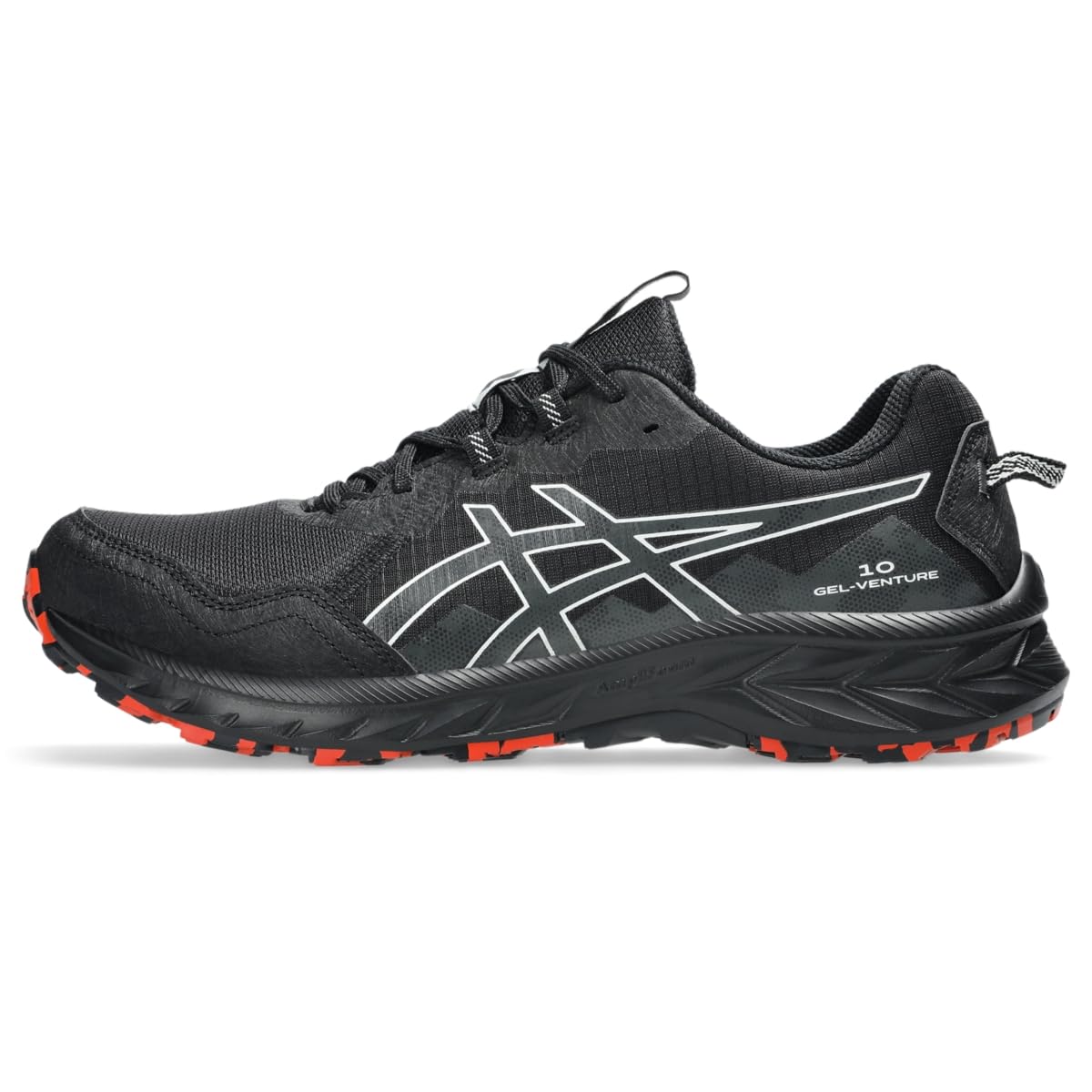
ASICS Gel-Venture 10
Key Features
- Tread Pattern: Reversed lugs, rubber
- Cushioning: Gel in heel and forefoot
- Drop: 8mm
- Weight: 1.44 lbs (pair)
- Price: $
The ASICS Gel-Venture 10 delivers consistent cushioning and traction for trail running at a price well below most competitors. Its Gel inserts in heel and forefoot absorb impact on rocky paths, while the reverse-lug outsole grips reliably on dry trails and holds reasonably well on damp surfaces. The high-abrasion rubber outsole adds durability against sharp rocks. For budget-conscious runners, this is a practical choice that doesn’t force major compromises on the trail.
The midsole rides on the firmer side — not as plush as road shoes, but that stiffness translates to better stability on uneven ground. Runners with normal to low arches will appreciate the arch support built into the footbed. The 8mm drop suits a natural stride, and the weight (1.44 lbs per pair) feels manageable for daily miles.
This shoe fits best for runners who want a no-frills trail shoe for regular training and light hiking, and who don’t need an especially wide toe box — the fit is standard width. Quality control can vary: sole separation after moderate use has been noted in some units, so it’s worth inspecting the glue bond early on. For the price, the tradeoff is acceptable for most budget-focused buyers, though those planning to run over 500 miles or who prioritize long-term durability may want to look at more robust options. On technical terrain with loose rocks, the traction is sufficient but not exceptional; it’s best suited for maintained trails and fire roads.
Pros
- Cushioning and arch support that reduce fatigue on long runs.
- Budget-friendly price without sacrificing essential trail features.
- Grip that holds on dirt, gravel, and damp surfaces.
Cons
- Sole separation may develop after moderate use in certain pairs.
- The midsole can feel stiff for runners accustomed to plush road shoes.
A cost-effective trail shoe that delivers consistent traction and support for daily training and light hiking, with durability that’s acceptable for the price.
Best for Responsive Trail Runner
UA Charged Bandit 3
Key Features
- Tread Pattern: Trail tread rubber
- Cushioning: Charged Cushioning foam
- Drop: 8mm
- Weight: 10.5 oz
- Price: $$
The Under Armour Charged Bandit Trail 3 uses Charged Cushioning foam to deliver a responsive, lively ride that rivals shoes priced $30 higher. The outsole provides solid grip on dirt and gravel, making it a strong option for mixed-surface training. Unlike the ASICS Gel-Venture 10, which prioritizes a stable cushioned feel, this shoe leans toward a more energetic stride.
This shoe suits runners who want a bit more pop in their stride without stepping up to premium prices. The fit can be snug on the instep, and some pairs have developed holes in the upper after a few months — a quality variance worth checking during the return window. Those with very wide feet or a preference for a roomy toe box should consider other options.
Pros
- Comfortable, responsive cushioning that makes daily training on mixed surfaces enjoyable.
- Traction that holds well on dirt, gravel, and light trail sections.
- Competitive price for the level of performance — feels like a more expensive shoe.
Cons
- Fit can be tight on the instep, potentially causing discomfort for those with higher arches.
- Some pairs have developed holes in the upper after a few months, indicating possible quality control variance.
For runners seeking a responsive trail shoe under $90 that feels more expensive than it is, the Charged Bandit 3 delivers — provided you are comfortable with its fit and willing to monitor the upper for durability.
Best for Wide Feet Runner
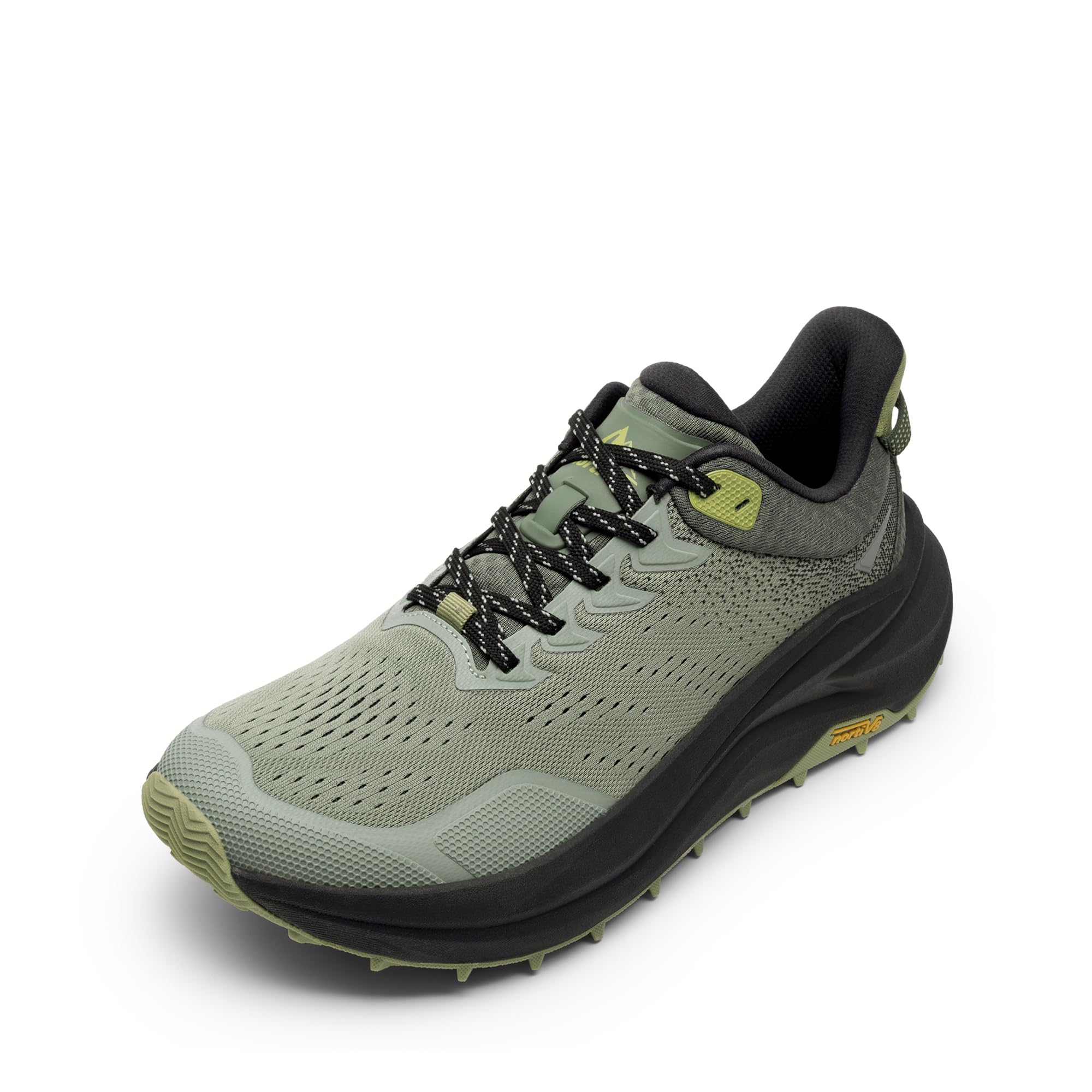
NORTIV 8 Whitney
The NORTIV 8 Whitney stands out for its generous toe box and supportive foam midsole, offering a comfortable fit for runners with wide feet or bunions who want a semi-minimalist feel. Arch support is notably good for a budget shoe, with praise for stability during walking and light gym use. That said, this is not a shoe for technical trail running — the outsole lacks aggressive lugs, and grip suffers on wet or polished surfaces.
This shoe suits budget shoppers primarily using it for walking, casual wear, or non-technical trails where dry dirt or grass is the surface. If your runs involve wet rocks, loose gravel, or any hard smooth floor, the traction will feel insecure. It also works well for those with bunions or wide feet who struggle to find comfortable budget options, though the toe box may feel low in height for some — less a width issue than a volume one.
Pros
- Wide, square toe box relieves pressure on bunions and allows natural toe splay.
- Cushioning foam and insole provide good shock absorption for walking and gym sessions.
- Arch support is well-regarded, offering stability that many budget shoes lack.
Cons
- On wet tile, wood, or polished concrete, the outsole can feel slippery due to minimal tread.
- The toe box may feel cramped in vertical space for those with tall toes or high-volume feet.
A solid choice for wide-footed walkers and light trail users on dry ground, but steer clear if you need reliable grip on wet or hard surfaces.
Best for Women Budget Trail
Saucony Excursion TR14
Key Features
- Tread Pattern: XT-600 multi-directional
- Cushioning: VERSAFOAM
- Drop: 8mm
- Weight: 1.79 lbs (pair)
- Price: $
The Excursion TR14 stands out among budget trail runners with its generous toe box, offering room for natural toe splay that many competitors lack. VERSAFOAM cushioning softens impacts on moderate trails, and the XT-600 outsole provides steady grip on dirt, gravel, and rock surfaces.
This shoe is best suited for women who want a comfortable, supportive trail runner for day hikes and running on non-technical terrain — without spending much. The wide width works for most, but very broad feet may still feel tight. Durability can be inconsistent; some pairs develop toe separation or fraying after months, so it’s better for moderate use than high-mileage training.
Pros
- Spacious toe box allows toes to spread naturally, reducing pressure on longer runs.
- XT-600 outsole with multi-directional lugs provides grip on rocky and uneven trails.
- Arch support comfortable for both walking and trail running.
Cons
- Wide width may still be too narrow for runners with very broad feet.
For budget-conscious women trail runners who value toe room and cushioning, the Excursion TR14 is a capable choice — just plan for moderate use rather than heavy mileage.
Best for Lightweight Mixed Terrain
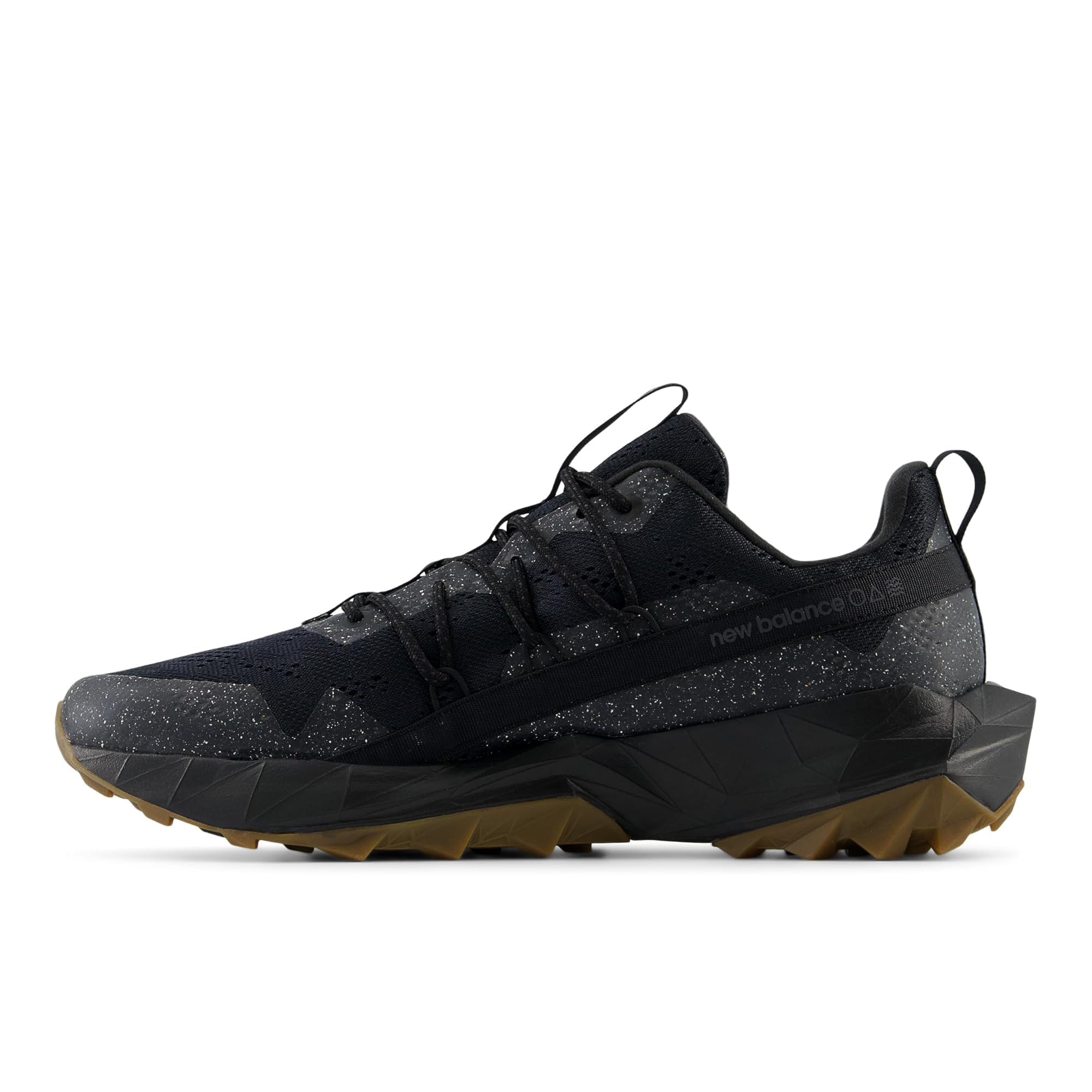
NB Dynasoft Tektrel V1
Key Features
- Tread Pattern: AT Tread all-terrain
- Cushioning: Dynasoft EVA blend
- Drop: 8mm
- Weight: 10 oz per shoe
- Price: $
The New Balance Dynasoft Tektrel V1 keeps weight low with its Dynasoft midsole and AT Tread outsole, providing responsive cushioning and dependable grip on dirt and gravel paths. While the top pick offers a more accommodating fit for wider feet, this New Balance prioritizes speed and agility for narrow to medium-width runners.
This shoe is best for runners who favor a lightweight, responsive ride on mixed terrain including trails and roads. However, the narrow fit and tight toe box may be constricting for those with wider feet, and the upper mesh can show signs of wear with frequent use on rocky surfaces.
Pros
- Lightweight and responsive for maintaining speed on trails.
- AT Tread outsole provides solid grip on dirt and gravel.
- Good value for the performance level at a budget price point.
Cons
- Upper mesh may tear and outsole tread can wear faster with heavy trail use.
- Narrow fit and tight toe box may not accommodate wider feet.
For runners with narrow to medium feet seeking a lightweight, responsive trail shoe at a fair price, this New Balance model delivers agility and decent traction on mixed terrain.
Best for Minimalist Budget
Joomra Women’s Barefoot
Key Features
- Cushioning: Minimal
- Drop: Zero drop
- Weight: 10.58 oz per shoe
- Price: $
The Joomra Women’s Barefoot shoes offer a wide toe box and zero-drop platform at a price far below most minimalist competitors. They provide surprising traction on dry trails and slickrock, making them a capable choice for light off-road use, hiking, and gym sessions.
This shoe is best suited for budget-minded runners exploring barefoot running who need ample toe splay. The lack of cushioning means it is not for long distances or those seeking impact protection. Durability can vary between pairs; some may see the upper or sole separate within weeks. A gradual adaptation period is necessary to avoid calf and Achilles strain, and sizing can run small — ordering half a size up is recommended.
Pros
- Wide toe box allows natural toe splay for stability and comfort.
- Traction holds well on dry trails, slickrock, and everyday surfaces.
- Budget-friendly price makes it an accessible entry into minimalist running.
Cons
- Sizing can run small; some may need to order half a size up for a comfortable fit.
- Durability is inconsistent; some pairs may experience upper or sole separation within weeks of use.
For its price, the Joomra offers an accessible path to zero-drop running if you are willing to accept the possibility of shorter lifespan and the need to adjust your stride gradually.
Best for Latest Model Seeker
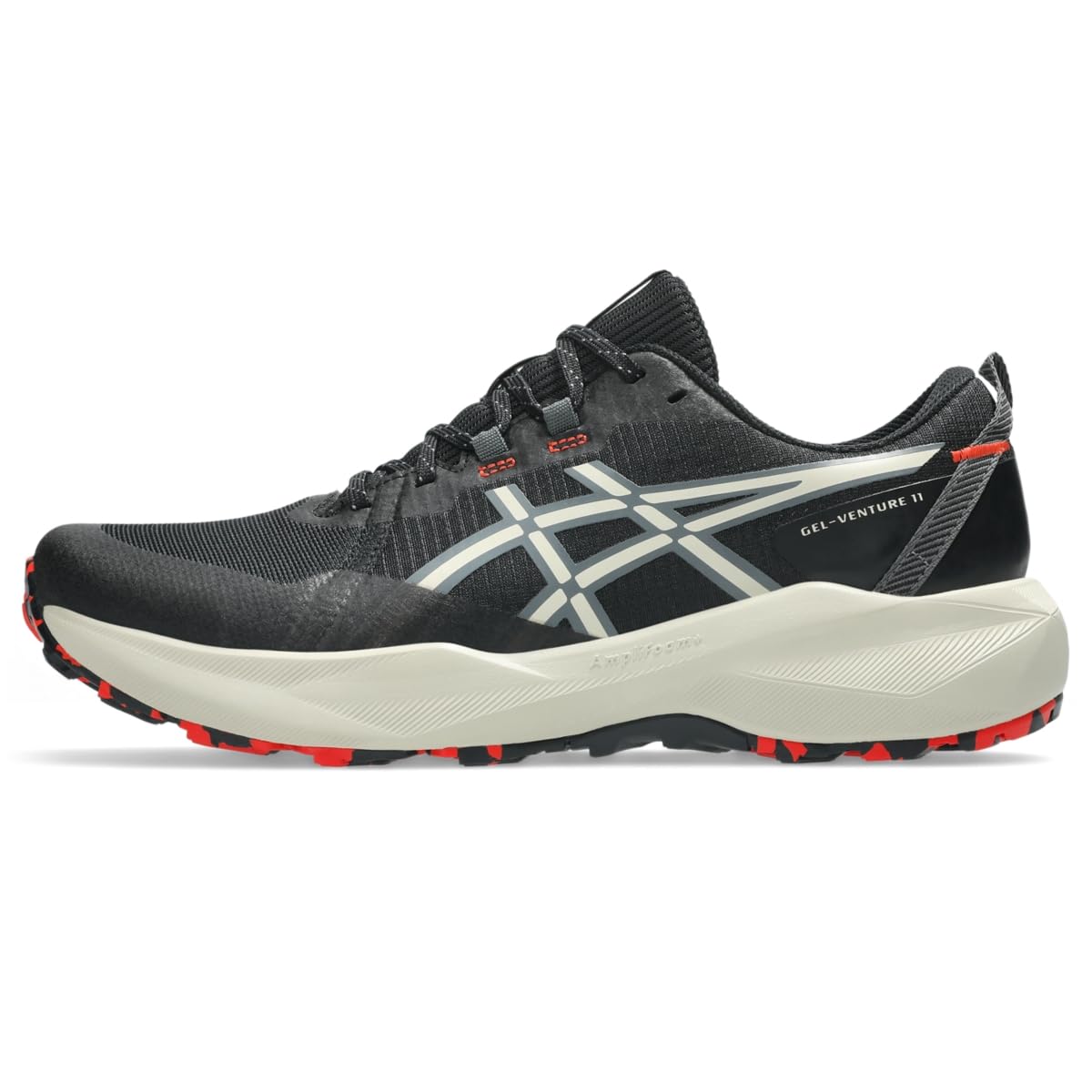
ASICS Gel-Venture 11
Key Features
- Tread Pattern: High-abrasion rubber
- Cushioning: Amplifoam + gel
- Drop: 8mm
- Weight: 1.44 lbs (pair)
- Price: $
The Gel-Venture 11 gains a slightly plusher ride through its Amplifoam midsole and rearfoot Gel cushioning. It remains comfortable for moderate trail use, with good arch support and a roomy fit that accommodates wide feet. However, it costs more than the previous Venture model while offering only minor upgrades, and sizing consistency can vary — some may need to drop half a size.
Pros
- Comfortable with good arch support
- Roomy fit for wide feet
Cons
- Priced higher than the previous model with only incremental improvements
- Sizing consistency can vary; some may need to go half a size down
Suitable for those who want the latest model and a slightly softer feel, provided they check their size and are comfortable with the price premium.
Best for Light Hiker Trail
Columbia Vertisol Trail
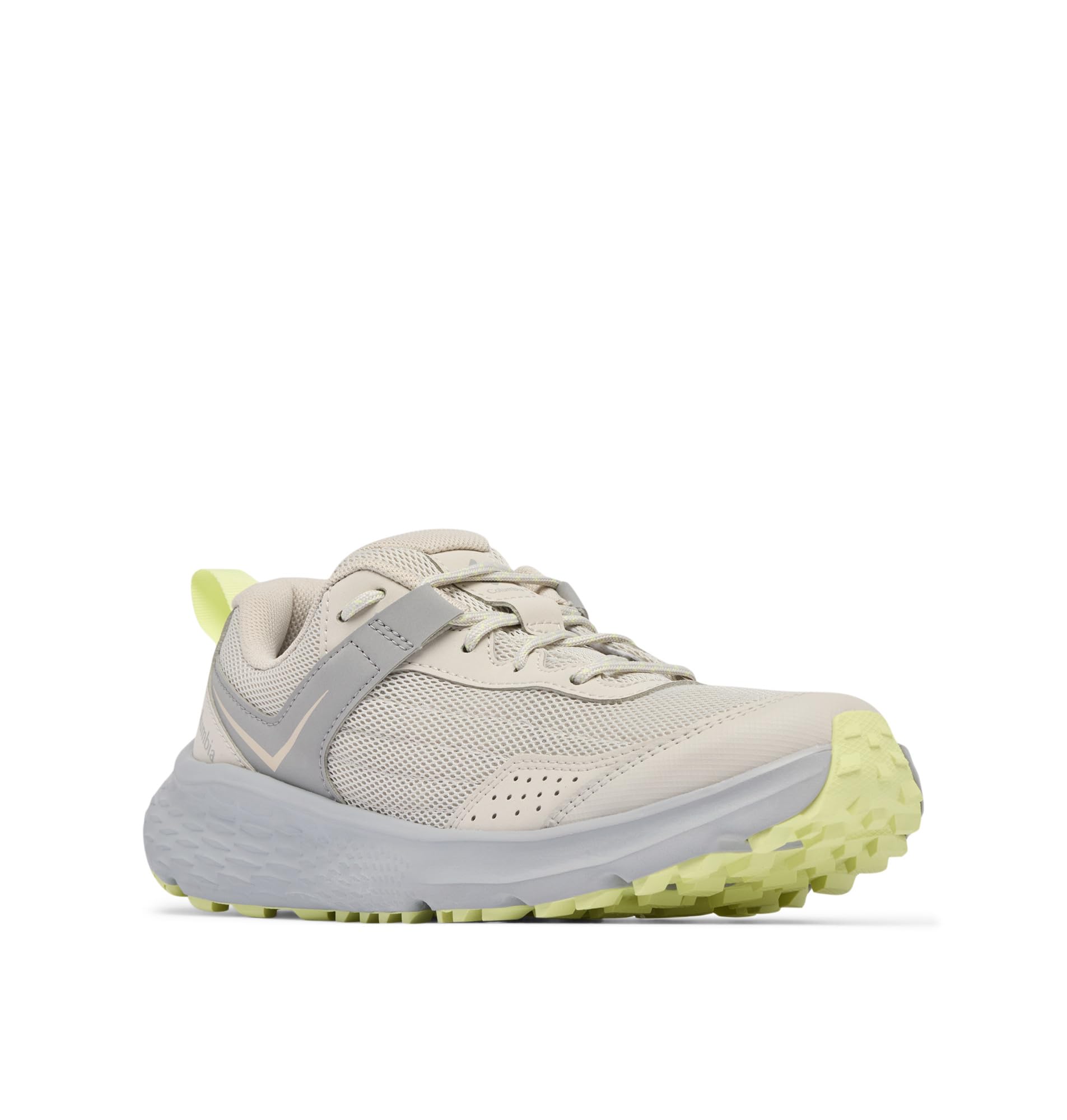
The Columbia Vertisol Trail delivers reliable grip on wet and dry surfaces along with comfortable cushioning for day hikes and casual wear. However, it is built more like a walking shoe than a trail runner — the mesh upper offers minimal protection on rocky terrain, and the outsole lacks the aggressive tread needed for technical off-road running. For light trail use or everyday sneaker duty, it works well enough.
Pros
- Very comfortable and true to size
- Good traction on wet and dry surfaces (Omni-Grip)
Cons
- Not designed for serious trail running; more of a hiking shoe
- Mesh upper thin; less protective for rocky terrain
This shoe fits best for budget-conscious hikers seeking a comfortable and grippy shoe for well-maintained trails, not for runners needing technical performance.
Best for Zero-Drop Fan
ALTRA Lone Peak 8

Key Features
- Tread Pattern: MaxTrac TrailClaw
- Cushioning: Altra EGO
- Drop: 0mm
- Price: $$
The ALTRA Lone Peak 8 delivers the brand’s signature FootShape toe box and zero-drop platform with a MaxTrac outsole that handles wet rocks and loose dirt. At a discounted price for the previous generation, it appeals to Altra loyalists who prioritize natural foot positioning. However, build consistency varies — some pairs may separate at the upper within a few months of regular trail use. The design also divides opinion, so those sensitive to shoe appearance may want to see them in person.
Pros
- Wide toe box accommodates natural toe splay for comfort on long runs.
- MaxTrac outsole provides grip on wet and uneven terrain.
Cons
- Some units may experience upper or sole separation within months of use.
- Polarizing appearance may not suit all tastes.
Best for zero-drop fans who find a deal on this generation and accept that durability may fall short of typical trail shoes.
Best for Ultra-Budget Hybrid
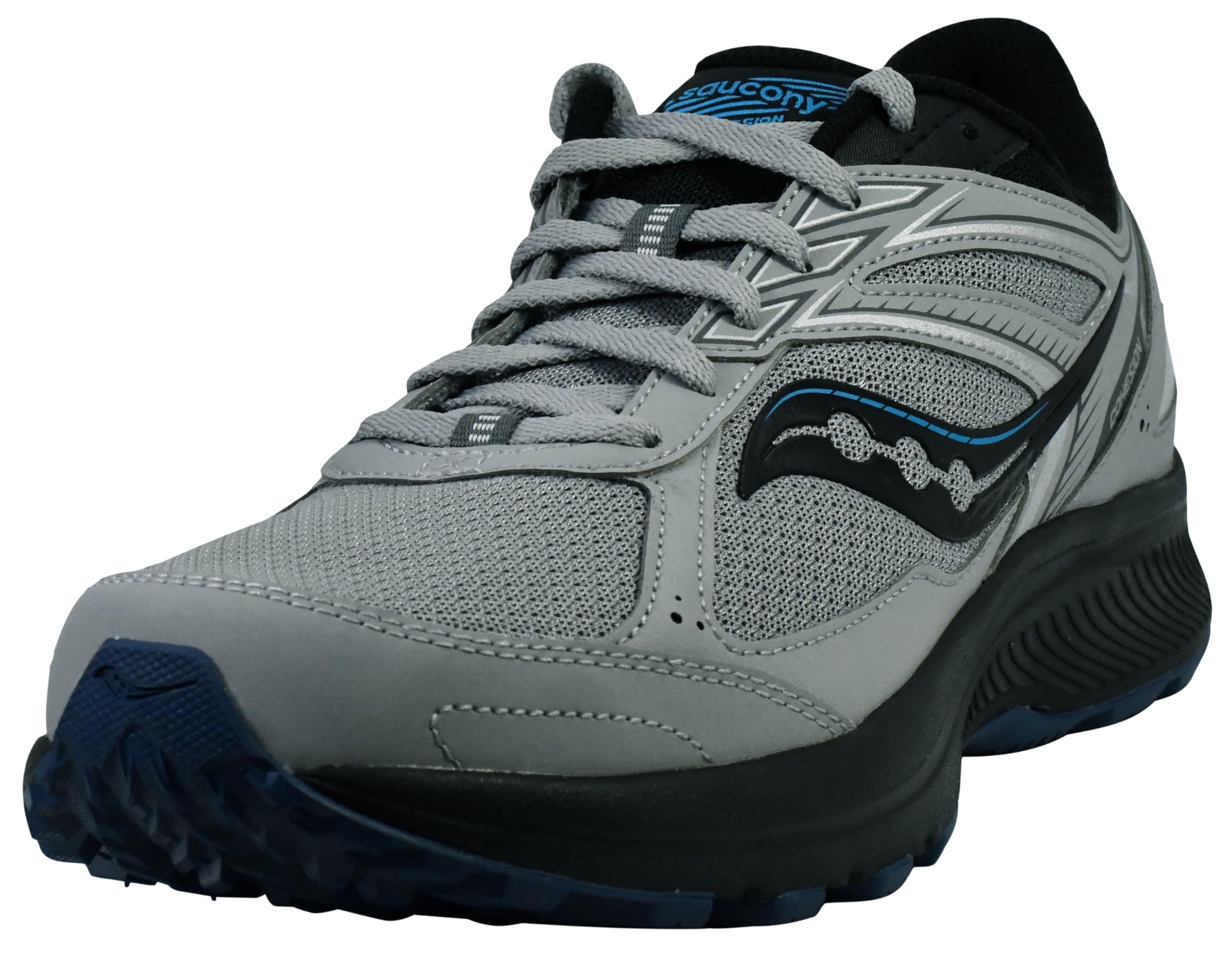
Saucony Cohesion 14
Key Features
- Tread Pattern: XT-600 carbon rubber
- Cushioning: VERSAFOAM
- Drop: 8mm
- Price: $
The Saucony Cohesion 14 delivers comfortable VERSAFOAM cushioning and XT-600 outsole grip at an entry-level price. However, the shoe is categorized as a road running model, so its tread lacks bite for technical trails. Durability can be a concern: some units may experience sole separation or upper failure within months. This makes it suitable only for light, occasional trail walks or as a low-cost backup, not regular off-road running.
Pros
- Very comfortable for walking and light trail running
- Budget-friendly price makes it easy to replace
Cons
- Fit runs small; sizing up is necessary for most foot shapes
- Shoe durability can be short; sole separation or upper failure may occur within months of use
For casual walkers or occasional light trail use who prioritize low initial cost over longevity, this shoe works as a disposable option.
Best for Occasional Walk Use
Saucony Excursion TR13

Key Features
- Tread Pattern: XT-600 carbon rubber
- Cushioning: Versafoam
- Drop: 8mm
- Price: $
The Saucony Excursion TR13 delivers comfortable VERSAFOAM cushioning and a spacious toe box at a price that undercuts most trail shoes. The upper can tear with regular trail use, and arch support is minimal for those who need structure. This shoe suits those who prioritize upfront cost over durability and primarily walk on easy terrain. For the same budget, the top pick offers better build quality and support for more demanding runs.
Pros
- Comfortable fit with a roomy toe box
- Good value and quality for the price
Cons
- Arch support may be insufficient for runners with high arches
- Upper tearing can occur with regular use
Best suited for light, occasional walks on maintained trails where budget is the top priority and longevity is not expected.
Best for Style-Conscious Walker
Saucony Excursion TR15

Key Features
- Tread Pattern: XT-600 rubber
- Cushioning: VERSAFOAM
- Drop: 8mm
- Price: $$
The Saucony Excursion TR15 brings a fresh look and plush VERSAFOAM cushioning that makes it a comfortable option for casual walks and light trail use. Where it falls short of the top pick is in construction and grip: upper tearing and heel separation can occur under regular off-road use, and the outsole loses bite on wet surfaces. Those with high arches may find the support insufficient without an insole swap. The price sits higher than the previous TR14 without delivering clear performance gains, so this shoe is best seen as a style-forward choice for undemanding terrain.
Pros
- VERSAFOAM cushioning reduces foot discomfort during walks and light trail runs.
- Color options allow personal style without sacrificing function.
Cons
- Outsole grip on wet surfaces may be inconsistent, requiring caution on slick trails.
- Upper tearing and heel separation can occur with regular trail use.
This shoe fits best for casual walkers and occasional trail users who prioritize style and initial comfort over long-term durability or all-weather traction.
Best for Premium Women Trail
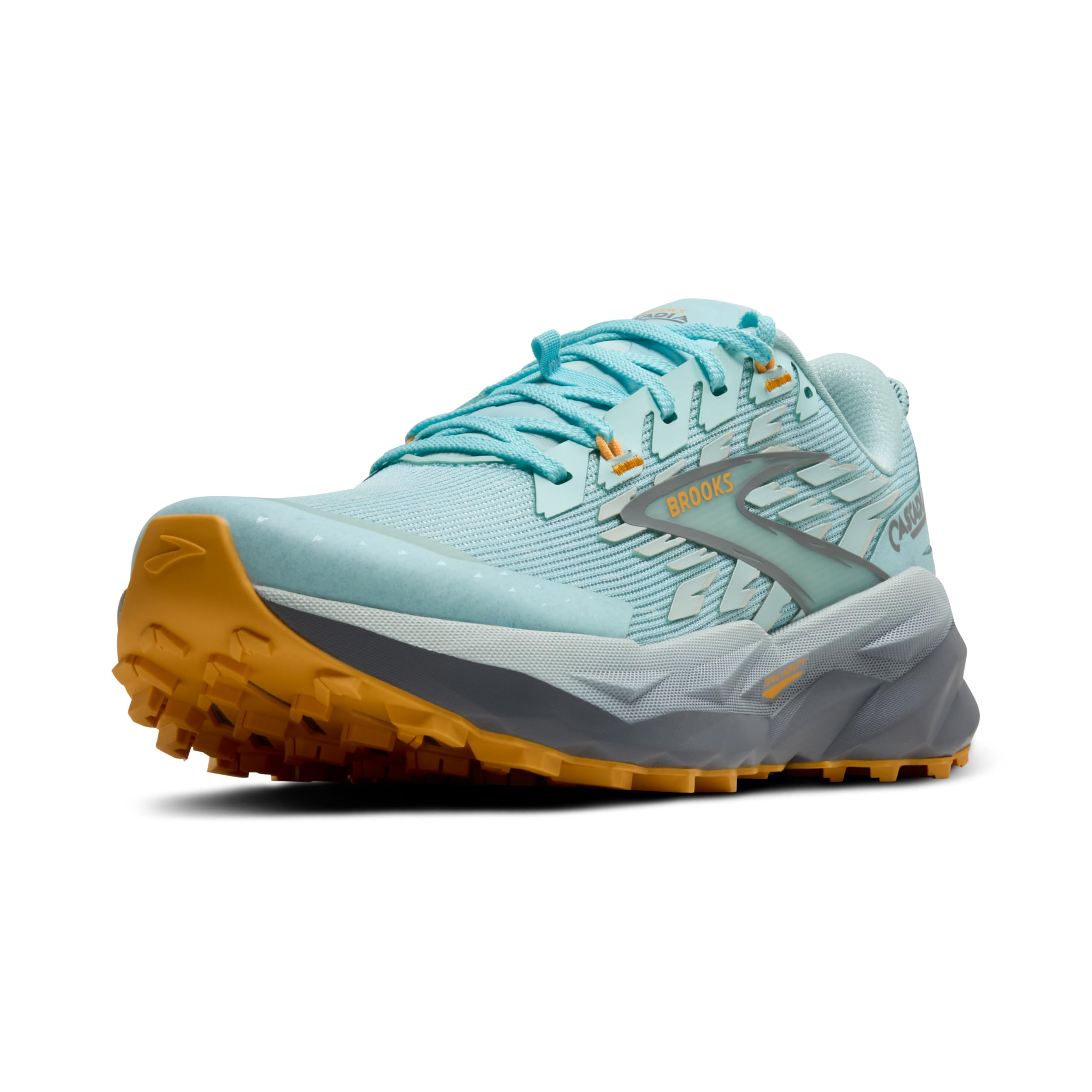
Brooks Cascadia 19
Key Features
- Tread Pattern: TrailTack multi-directional
- Cushioning: DNA LOFT v2
- Drop: 8mm
- Weight: 1.5 lbs (pair)
- Price: $$$
The Cascadia 19 delivers plush DNA LOFT v2 cushioning and confident TrailTack grip on technical trails. Its roomy toe box and supportive build suit women with wider feet who prioritize comfort. However, at this premium price point, it far exceeds the typical budget for off-road running shoes. Long-term durability data is still limited, making this a worthwhile pick only for buyers who can stretch their budget and value Brooks’ comfort-focused design.
Pros
- Comfortable with strong support and traction on technical trails
- Roomy toe box and quality build for wide feet
Cons
- Price is above typical budget range for off-road trail shoes
Only consider the Cascadia 19 if your budget allows for a premium investment and you prioritize comfort, support, and traction over cost.
How to Choose
The biggest insight in budget trail shoes: outsole rubber and upper mesh wear out faster than expensive models, so focus on tread depth and cushioning type that match your terrain.
Tread Pattern and Lug Depth
Shallow, widely spaced lugs work well on packed dirt but slip on loose gravel or wet roots. Deeper, multi-directional lugs bite into soft surfaces but can feel unstable on rock slabs. Budget shoes often use a single rubber compound that hardens quickly, reducing grip after a few hundred miles.
If your local trails are mostly hard-packed or smooth, a less aggressive tread saves weight and wear. For loose, technical terrain, look for XT-600 or MaxTrac outsoles that maintain grip longer.
Cushioning Type and Stack Height
Midsole materials dictate how the shoe absorbs impact and how long the cushioning lasts. Basic EVA foam compresses faster than gel or nitrogen-infused foams, leading to a flat feeling after 200-300 miles. Heel-to-toe gel inserts or compression-molded foam (like Charged Cushioning) retain resilience longer in budget price brackets.
A higher stack (over 25mm) offers more protection from rocks but reduces ground feel and stability. Lower stack shoes (under 20mm) are more responsive but transmit more trail feedback. Choose based on whether you prioritize comfort or trail awareness.
Toe Box Width and Shape
A narrow toe box can cause blisters and toe-stubbing on descents, especially with thicker socks. Wide-footed runners benefit from square or anatomical toe boxes (NORTIV 8, ALTRA) that let toes splay naturally. Budget models often taper the toe to save material, creating a squeeze.
If you have bunions or wide forefeet, prioritize a shoe labeled ‘wide’ or with a foot-shaped last. For narrow to medium feet, a standard fit is fine and often reduces heel slippage.
Drop (Heel-Toe Offset)
Drop changes how your body absorbs impact. Higher drops (8mm-12mm) shift the force to your knees and quads, which feels natural for heel-strikers. Zero-drop options (Altra, Joomra) encourage midfoot landings but demand stronger calves and Achilles. A 4-6mm drop is a middle ground that most runners adapt to quickly.
Transitioning from a high-drop shoe to zero drop too fast can cause calf strains. If you’re budget-conscious but curious, try a lower drop on short runs first.
Weight
Every ounce per shoe adds up over a 10-mile run. Lightweight models (under 10 oz) feel faster but often use thinner uppers and less outsole rubber, reducing durability. Heavier shoes (over 12 oz) offer more protection and longer tread life but can fatigue your legs on long runs.
For occasional trail use, a few extra ounces are fine. If you run multiple times a week, prioritize weight savings without sacrificing outsole coverage.
FAQ
Can I use budget trail running shoes for hiking and everyday walking?
Yes, most budget trail runners work well for day hikes and daily walks because they offer good traction and cushioning. Just be aware that the upper mesh is thinner than dedicated hiking boots, so sharp rocks can puncture it. Stick to well-maintained trails and expect a shorter lifespan if you use them mostly on pavement.
Why do my budget trail runners feel slippery on wet rocks?
Budget outsoles often use a harder rubber compound that sacrifices wet grip for longevity. Look for shoes with XT-600, Omni-Grip, or MaxTrac outsoles, which include softer rubber in critical contact areas. If you frequently cross streams or wet slabs, consider a shoe with multi-directional lugs and a softer durometer outsole.
Are zero-drop barefoot shoes actually good for trail running on a budget?
They can be excellent if you already run with a midfoot strike and want to strengthen your feet. The Joomra and NORTIV 8 offer zero-drop at under $65, but the lack of cushioning means rough terrain will be felt. Start with short, smooth trail runs and allow your calves and Achilles to adapt over several weeks.
How long should a $60 trail running shoe last before the soles wear out?
Expect 300-500 miles from a $60 shoe, depending on terrain and weight. The outsole rubber on budget models wears down faster on abrasive surfaces like sandstone or gravel. Check the tread monthly; once it smooths out, grip drops sharply. Many users replace these shoes every 4-6 months of regular use.