This post contains affiliate links. We may earn a small commission when you buy through our links — at no extra cost to you.
Choosing a bike helmet often comes down to balancing safety features against cost. Many budget options skimp on rotational protection like MIPS, while premium models can cost five times as much without drastically better baseline safety.
The real challenge is finding a helmet that fits well, stays comfortable on long rides, and won’t fall apart after a season. This guide cuts through the marketing to highlight helmets that deliver on their promises.
Whether you’re a weekend cruiser or a daily commuter, the right helmet balances protection, ventilation, and durability at a price that makes sense.



Best for Budget Recreational Riders
Schwinn Thrasher Adult
Key Features
- Safety Certifications: CPSC
- Fit Adjustability: Dial adjust, 58-62 cm
- Ventilation: 20 vents
- Additional Features: Removable visor
- Price: Budget
The Schwinn Thrasher combines a microshell with EPS foam, 20 air vents, and a removable visor in a package that prioritizes everyday comfort. The one-hand dial adjustment lets you fine-tune the fit without removing the helmet, and the interior padding adds a plush feel. At 29.99 dollars, it delivers CPSC-certified protection that fits head sizes 58-62 cm.
This helmet is best suited for recreational cyclists on a tight budget, families buying multiple helmets, or first-time buyers who need a basic CPSC lid. It lacks MIPS rotational protection, so riders logging serious road or mountain miles should look elsewhere. The outer shell can separate from the foam after a couple years of use — a durability tradeoff that won’t faze casual riders who replace helmets every few seasons anyway.
Pros
- Affordable price with dial-fit comfort and light weight
- Lightweight build with plush interior padding
- Tool-free dial adjustment operates with one hand
Cons
- No MIPS rotational impact protection
- Outer shell may separate from foam liner after years of use
For casual riders who prioritize comfort and price over advanced safety tech, the Thrasher is a smart, well-supported choice.
Best for Budget Mountain Bikers
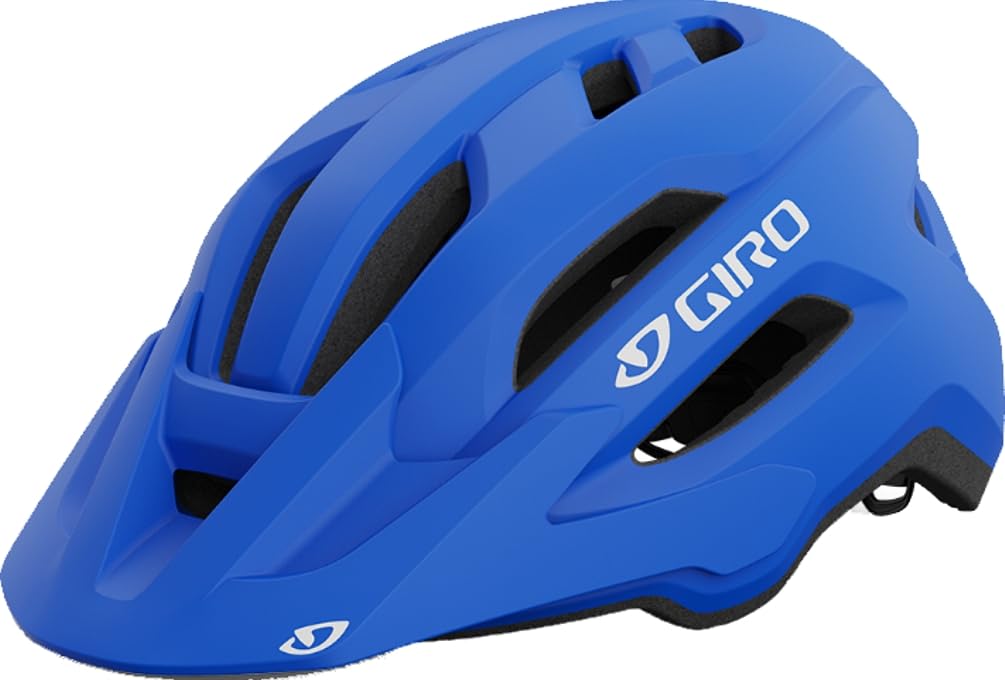
Giro Fixture II MIPS
Key Features
- Safety Certifications: CPSC, MIPS
- Fit Adjustability: Universal dial, 54-61 cm
- Ventilation: 18 Wind Tunnel vents
- Price: Mid-Range
The Giro Fixture II MIPS delivers rotational impact protection at a budget-friendly price, standing out from non-MIPS helmets in the same bracket. Its 18 Wind Tunnel vents provide solid airflow, and the dial fit system spans 54 to 61 cm for a wide range of head sizes. However, the side straps are non-adjustable — only the chin strap allows fine-tuning. This makes the fit less forgiving for riders with specific ear positioning needs. Best for mountain bikers, road cyclists, or families who want MIPS without overspending, but not for those who need extensive strap adjustability or prefer a rounded skate-style helmet shape.
Pros
- MIPS rotational protection at a price below most MIPS helmets.
- Lightweight build with 18 vents for comfortable airflow on long rides.
- Dial fit system accommodates head sizes 54 to 61 cm for shared use.
Cons
- Side straps are fixed — only the chin strap can be adjusted for tension.
For riders who value MIPS above adjustable side straps, the Fixture II offers the best safety-to-price ratio in its class.
Best for Road Safety Commuters
Smith Signal MIPS
Key Features
- Safety Certifications: CPSC, MIPS, Koroyd
- Fit Adjustability: VaporFit dial, 270°
- Ventilation: 21 fixed vents
- Price: Premium
The Smith Signal MIPS combines Koroyd and MIPS safety layers with 21 fixed vents for strong airflow — a focused road helmet for riders in hot climates. Best for road cyclists and commuters who want premium protection and maximum ventilation. It is not designed for mountain biking due to limited rear coverage. The straps may feel large for some users, causing minor irritation — a tradeoff for the secure fit.
Pros
- Koroyd and MIPS provide advanced impact protection without excessive weight.
- 21 fixed vents keep the head cool during long rides in warm weather.
- Lightweight construction makes it comfortable for all-day use.
Cons
- Straps may rub or feel large on some head shapes, causing minor irritation.
A premium road helmet with strong safety credentials and cooling, suited to riders who prioritize protection and ventilation over cost.
Best for Urban Commuters Night
ILM LED Helmet
Key Features
- Safety Certifications: CPSC, CE, EN1078
- Fit Adjustability: Adjustable, Large-XL
- Ventilation: 10 vents
- Additional Features: USB lights, visor
- Price: Mid-Range
The ILM helmet pairs built-in USB rechargeable lights with a dial-fit system that comfortably accommodates larger head shapes. Safety certifications (CPSC, CE, EN1078) add peace of mind for commuter use. However, the light assembly can stop working if exposed to moisture, making this a better fit for dry-weather riders or those who can store it under cover. The padding is less cushioned than premium options, but the overall fit remains secure.
Pros
- Integrated front and rear USB rechargeable lights improve visibility in low-light conditions
- Dial-fit system comfortably accommodates larger head sizes
- Meets CPSC, CE, and EN1078 safety standards at a mid-range price
Cons
- Padding is less plush than premium models, which may be noticeable on longer rides
- Lights can stop working if the helmet gets wet, limiting use in rainy conditions
A practical choice for dry-weather commuters who want built-in lighting and a large fit, as long as rain isn’t part of the daily route.
Best for Multi-Sport Athletes
Triple Eight Sweatsaver
Key Features
- Safety Certifications: CPSC, ASTM F1447, F1492
- Fit Adjustability: Dial adjust, multiple pads
- Additional Features: Sweatsaver fabric
- Price: Mid-Range
This helmet carries CPSC, ASTM F1447, and ASTM F1492 certifications – covering bike, skate, and roller sports. The Sweatsaver fabric and dial adjust keep it comfortable during high-intensity activity. However, it is built for multi-sport impact protection, not aerodynamic road riding. Sizing runs small – most riders will need to go up a size – and the outer shell shows scuffs from normal use.
Pros
- Triple-certified safety across skateboarding, BMX, roller derby, and cycling
- Comfortable Sweatsaver fabric and plush padding for active use
- Customizable fit via dial adjustment and multiple pad sets
Cons
- Sizing runs small – most riders should order one size up
- Outer shell may develop visible scuffs from normal use
For skateboarders and BMX riders needing a multi-sport certified helmet with sweat-wicking comfort, this is a strong option – but road cyclists should look elsewhere.
Best for Budget Families Youth
80Six Multi-Sport
Key Features
- Safety Certifications: CPSC, ASTM F1447, F1492
- Fit Adjustability: Chin strap, 3 youth sizes
- Additional Features: Triple certified
- Price: Budget
The 80Six Multisport Helmet offers triple safety certifications at a price that undercuts most single-cert helmets. The ABS shell and EPS foam construction hold up well for recreational use across cycling, skating, and scootering.
This helmet suits budget-conscious families with kids or youth transitioning to adult sizes. The sizing runs small — measure head circumference to avoid a poor fit.
Pros
- Triple safety certifications at a budget price
- Sturdy ABS shell and EPS foam construction for the cost
Cons
- In a helmet that needs a snug fit, sizing inconsistencies mean some buyers may need to size up — measure before ordering
For families on a budget who need a multi-sport helmet for smaller heads, the 80Six delivers safety certifications without the cost — but verify sizing before ordering.
Best for Kids Teens Budget
Schwinn Intercept

Key Features
- Safety Certifications: CPSC
- Fit Adjustability: Dial adjust, 58-62 cm
- Ventilation: 10 vents
- Additional Features: Removable visor
- Price: Budget
The Schwinn Intercept delivers a dial-fit CPSC helmet at a low price, making it an easy pick for growing riders who will outgrow it quickly. However, glue failure and delamination have been noted after some use, so it suits short-term use or as a spare helmet rather than a long-term investment.
Pros
- Affordable CPSC-certified helmet with convenient dial fit
- Comfortable padding and easy strap adjustment
Cons
- Glue failure and delamination can occur over time
Best for parents who need an inexpensive helmet for a child who will outgrow it quickly, or as a budget spare for occasional use.
Best for Casual Budget Skaters
Retrospec Dakota

Key Features
- Fit Adjustability: 3 sizes (S/M/L), adj.
- Ventilation: 10 vents
- Additional Features: Removable padding
- Price: Budget
The Retrospec Dakota offers a solid ABS/foam build and comfortable padding at a low price, making it a good option for riders with larger head shapes. However, the outer shell scuffs with normal use, and the sizing tends to run large — those between sizes may need to size down for a proper fit.
Pros
- Solid construction with ABS shell and EPS foam for impact protection.
- Removable, washable padding improves comfort and hygiene.
Cons
- Sizing runs large — may need to order a size down for a secure fit.
A suitable budget pick for larger-headed riders who don’t mind cosmetic scuffs and can adjust sizing carefully.
Best for Budget Mips Commuters
OutdoorMaster Gem MIPS

Key Features
- Safety Certifications: MIPS
- Fit Adjustability: Dial adjust, two liners
- Ventilation: 25 vents
- Additional Features: Removable visor, bug net
- Price: Mid-Range
OutdoorMaster Gem delivers MIPS and excellent airflow for commutes and recreational rides. Two liners and dial adjust create a custom fit; bug net keeps debris out. The MIPS layer can feel slightly loose on some heads — a tradeoff for the weight savings. Suits everyday cycling over aggressive trail use where a burlier shell is preferred.
Pros
- MIPS at a budget-friendly price
- Very comfortable and lightweight with great ventilation
Cons
- MIPS implementation may feel slightly loose to some heads
Best for budget-conscious commuters who want MIPS without paying a premium, and are willing to accept a slightly looser fit from the rotational system.
Best for Serious Road Racers
Giro Agilis MIPS

Key Features
- Safety Certifications: CPSC, MIPS
- Fit Adjustability: Roc Loc 5, 54-61 cm
- Ventilation: Wind Tunnel
- Price: Premium
The Giro Agilis MIPS combines Roc Loc 5’s micro-adjustable tilt and tension with 25 wind-tunnel vents, keeping serious road cyclists cool on long climbs. The chin strap may feel tight when fully cinched — a non-issue for those who prefer a snug fit. Its premium pricing puts it beyond the Smith Signal, making it a niche choice for riders who prioritize fit precision and ventilation over cost.
Pros
- Strong ventilation keeps you cool on hot rides.
- Roc Loc 5 offers precise tilt and tension adjustment.
Cons
- Chin strap can feel restrictive when fully tightened.
Best for serious road cyclists who demand precise fit and cooling, and are willing to pay a premium for it.
Best for Max Protection Trail
Smith Engage MIPS

Key Features
- Safety Certifications: CPSC, MIPS, Koroyd
- Fit Adjustability: Adjustable, large 61cm+
- Ventilation: 20 fixed vents
- Additional Features: Adjustable visor
- Price: Luxury
This helmet pairs Koroyd and MIPS for high-impact safety while keeping weight low and airflow high through 20 vents. It’s a premium choice for serious mountain bikers who value that extra protection over cost. The chin strap design can annoy some riders during longer sessions, and rare outer-layer separation has been noted, but these tradeoffs matter little for aggressive trail use.
Pros
- Koroyd and MIPS combine for advanced impact protection
- Lightweight with generous ventilation for hot-weather rides
Cons
- Chin strap design may irritate some riders on long rides
Best for mountain bikers who prioritize safety over price and can work around a slightly finicky chin strap.
Best for Ultra-Budget Occasional
Retrospec Silas LED

Key Features
- Fit Adjustability: Dial adjust, 54-61 cm
- Ventilation: 24 vents
- Additional Features: Built-in LED light
- Price: Budget
The Retrospec Silas is the most affordable helmet with a built-in LED light, and its lightweight design with 24 vents keeps riders cool. However, the LED light may stop working after some use, and the plastic shell feels less substantial than more robust options. This makes it best for occasional, fair-weather riders on a tight budget who don’t rely on the light daily.
Pros
- Budget-friendly price includes a built-in LED light for added visibility.
- Lightweight with 24 vents and padded interior keeps head cool on warm rides.
Cons
- Built-in LED light may stop working after some use — not ideal for those who rely on it for daily visibility.
A good fit for occasional riders on a tight budget who want an integrated light and don’t depend on it for daily commuting.
How to Choose
The single most important factor in a bike helmet is a secure, comfortable fit — without it, even the most advanced safety features won’t protect you.
Safety Certifications
A CPSC certification is the legal minimum for cycling in the US. It ensures the helmet can absorb a single impact from a fall. MIPS adds a low-friction layer that reduces rotational forces during angled impacts, which is common in real-world crashes.
For multi-sport helmets, ASTM certifications cover skateboarding and roller sports. Stick to CPSC for dedicated cycling. If you ride trails or in traffic, MIPS is a worthwhile upgrade. For casual paved riding, CPSC alone is sufficient.
Fit Adjustability
A dial retention system allows micro-adjustments on the go, wrapping the helmet snugly around your head. Removable padding lets you fine-tune depth and width, crucial for oval vs. round head shapes.
Without a dial, you rely on static strap tension and fixed foam, which can loosen over time. A good fit means the helmet stays in place when you shake your head and sits level about two finger-widths above your eyebrows.
Ventilation
More vents improve airflow but can reduce structural coverage. A helmet with 20 vents moves enough air for hot summer rides, while 10 vents are better for cooler weather or slower speeds.
Vent placement matters too: front-facing inlets and rear exhaust channels create a pressure differential that pulls hot air out. For mountain bikers, deep internal channels also help wick sweat away.
Weight
Helmets under 300 grams feel noticeably lighter on long climbs and all-day rides. Heavier models (350g+) can cause neck fatigue on multi-hour outings. Weight reduction often comes from thinner shells and fewer foam densities.
The trade-off is durability: ultralight helmets may dent or crack easier from minor drops. For commuters or casual riders, a slightly heavier, more durable helmet is a better long-term investment.
Additional Features
Built-in LED lights are convenient but often lack waterproofing; separate bike lights are more reliable in rain. Visors block sun and mud but can catch wind at high speeds on road helmets.
Multi-sport compatibility (e.g., CPSC + ASTM) lets you use one helmet for cycling, skating, and scootering. Check that the chin strap and shape suit your primary activity — a round skate-style helmet may not fit a road cycling posture.
FAQ
Why do some bike helmet lights stop working after a few weeks?
Many integrated LED lights are not waterproof and suffer from moisture damage from rain or sweat. If you ride in wet conditions or store your helmet in a humid place, consider a separate, weatherproof bike light for reliability.
Can I use a skateboard helmet for road cycling?
Skateboard helmets are often dual-certified for impact but may lack CPSC certification for cycling. Look for a CPSC sticker inside; if present, it’s legal. If not, it’s not approved for cycling on public roads and won’t meet legal requirements.
What is MIPS and is it worth paying extra for a bike helmet?
MIPS is a slip-plane layer that reduces rotational forces on the brain during angled impacts. For casual riding on paved surfaces, a basic CPSC helmet is adequate. For mountain biking or commuting in traffic, MIPS adds meaningful additional protection.
How do I know if my bike helmet fits correctly?
The helmet should sit level on your head, about two finger-widths above your eyebrows. The chin strap should be snug, forming a V shape under your ears. Shake your head vigorously; if the helmet moves, adjust the dial or straps until it stays put.