This post contains affiliate links. We may earn a small commission when you buy through our links — at no extra cost to you.
Ski helmets have become surprisingly affordable, but finding one that actually fits your head shape — and stays comfortable all day — can still feel like a gamble. Many budget options skimp on adjustability or use flimsy ear pads, leading to discomfort and poor goggle integration.
This guide cuts through the noise by focusing on what matters: safety certification, fit consistency, and the features that actually improve your day on the mountain. Whether you prioritize MIPS protection, lightweight design, or a helmet that doubles for biking, we’ve identified the options that deliver real value without hidden compromises.
The best helmet for you is the one that fits comfortably snug and meets your specific use case — not the one with the most marketing.


Best for Budget & Beginners
OutdoorMaster Kelvin
Rating: 4.6 ★ | Price: $ | Safety Certification: ASTM F2040 | MIPS: No | Ventilation: 14 vents | Fit Adjustment: Dial fit
The OutdoorMaster Kelvin uses a rear dial to fine-tune fit on the fly, paired with plush ear covers and 14 vents that balance warmth with breathability. Its ABS shell and EPS core meet ASTM F2040 safety standards, delivering certified protection at a budget price.
This helmet is a strong fit for skiers and snowboarders who want a comfortable, warm, and adjustable helmet without paying for premium features like MIPS. Sizing can vary between units, so careful measurement is essential — if you fall between sizes, order up. The outer shell may show cosmetic scratches from normal use, but that doesn’t affect protection.
Pros
- Dial-fit adjustment lets you fine-tune the fit for a secure feel on the hill.
- Plush ear covers and 14 vents keep you warm without overheating during active runs.
- Certified safety at a budget-friendly price, making it easy to outfit the whole family.
Cons
- Outer shell can show cosmetic scratches from normal use — purely aesthetic.
- Sizing can vary between units; measure ahead and consider ordering up if between sizes.
For skiers who measure carefully, this helmet delivers strong value with dial-fit comfort and warmth at a price that undercuts most alternatives.
Best for Value & Warm Skiers
VANRORA Stomper
Rating: 4.8 ★ | Price: $ | Safety Certification: ASTM F2040 | MIPS: No | Ventilation: Adjustable top vents | Fit Adjustment: Dial fit
The VANRORA Stomper skips the massive review history of the top pick but matches its feature set with adjustable top vents, a dial-fit system, and a fully removable fleece liner that is machine-washable. For skiers who need temperature regulation or want easy gear maintenance, these are real advantages. The ear pads fit snugly and may require a short break-in period; this helmet suits those who prioritize feature innovation over a proven track record.
Pros
- Adjustable top vents allow fine-tuning of airflow to prevent overheating.
- Dial-fit system provides a secure, customized fit without awkward pressure points.
- Removable fleece liner and ear pads can be machine washed, keeping the helmet fresh easily.
Cons
A strong alternative for skiers who want modern comfort features at a budget price — just allow time for the ear pads to adapt.
Best for Budget Mips Seekers
OutdoorMaster ELK MIPS
Rating: 4.6 ★ | Price: $ | Safety Certification: ASTM F2040 | MIPS: Yes | Ventilation: 8 vents | Fit Adjustment: Dial fit
MIPS protection typically adds cost, but the OutdoorMaster ELK brings it to an entry-level price point with lightweight in-mold construction. This makes it a smart pick for budget-conscious skiers who want impact rotation safeguards for light to moderate use. However, the trade-off for that price is durability – some units have shown chin strap detachment or shell cracking after a few outings, so this helmet suits occasional use rather than multiple seasons of hard riding.
Pros
- MIPS protection at a budget-friendly price point
- Comfortable plush ear flaps and soft chin strap
Cons
- Chin strap may detach or shell may crack on impact in some cases
If you want MIPS on a tight budget for occasional skiing, this helmet delivers – just keep a flexible return window in mind.
Best for All-Season, Larger Heads
Smith Holt
Rating: 4.6 ★ | Price: $$ | Safety Certification: ASTM F2040, CPSC | MIPS: No | Ventilation: 14 fixed vents | Fit Adjustment: Self-adjusting elastic
The Smith Holt stands out with dual ASTM F2040 and CPSC certifications, making it a single-helmet solution for skiing and biking. Removable ear pads provide warmth on the mountain and breathability for summer rides. The self-adjusting fit runs roomy — a benefit for larger heads but creates a bulbous silhouette that may not suit those wanting a sleek look. Goggle placement on the brim can cause pressure, so testing with your goggles is wise. This helmet fits skiers who prioritize all-season use over a low-profile appearance.
Pros
- Dual certified for snow and bike — one helmet covers both activities.
- Removable ear pads offer warmth in winter and breathability in warmer conditions.
Cons
- The fit runs large — may look bulbous on smaller heads and feel loose.
- Goggle brim interaction may cause pressure on the forehead depending on goggle model.
A practical all-season pick for those who value dual certification and have larger head sizes — the tradeoff is a roomy, less streamlined fit.
Best for Weight-Sensitive Skiers
InnerKing Lightweight
Rating: 4.7 ★ | Price: $ | Safety Certification: ASTM F2040 | MIPS: No | Ventilation: 10 vents | Fit Adjustment: Dial fit
Weighing just 0.9 lbs with ASTM and CE certification, this helmet takes the strain off your neck during full days on the mountain. The dial-fit system and soft lining make extended wear comfortable, though the goggle retention clip may not hold straps as securely as some riders would like. Best suited for skiers and snowboarders who prioritize weight savings and a trim profile over a rock-solid goggle clip – and who are comfortable with a minor adjustment or alternative clip if needed.
Pros
- Extremely lightweight design reduces neck fatigue all day
- Comfortable dial fit with soft lining at a budget-friendly price
Cons
- Earmuff removal process may be fiddly for those wanting to swap pads
If the lightest possible headwear at a low cost matters more than a bombproof goggle clip, this helmet delivers comfort and certification without the premium price.
Best for Kids, Budget Shoppers
GROTTICO Kids/Youth
Rating: 4.7 ★ | Price: $ | Safety Certification: ASTM F2040 | MIPS: No | Ventilation: 13 vents | Fit Adjustment: Dial fit
GROTTICO’s helmet meets ASTM F2040 safety standards at a price that undercuts nearly every other certified model, and the rear dial-fit system lets parents tighten the helmet as a child’s head grows. The adult large size maxes out at 61cm, so this is really a youth/kids helmet—ideal for school ski trips or first-time skiers. The plush padding and 13 vents provide warmth and breathability without adding bulk. There’s no MIPS or audio compatibility, but for the price, the basics are handled well.
Pros
- ASTM certification at the lowest price with a dial-fit system for growing heads.
- Warm padding and 13 vents keep kids comfortable on cold slopes.
Cons
- No MIPS or audio pockets—those wanting modern features should look elsewhere.
For parents on a strict budget equipping young children, this is the most affordable way to get a certified helmet with a fit that adjusts as they grow.
Best for Serious Skiers
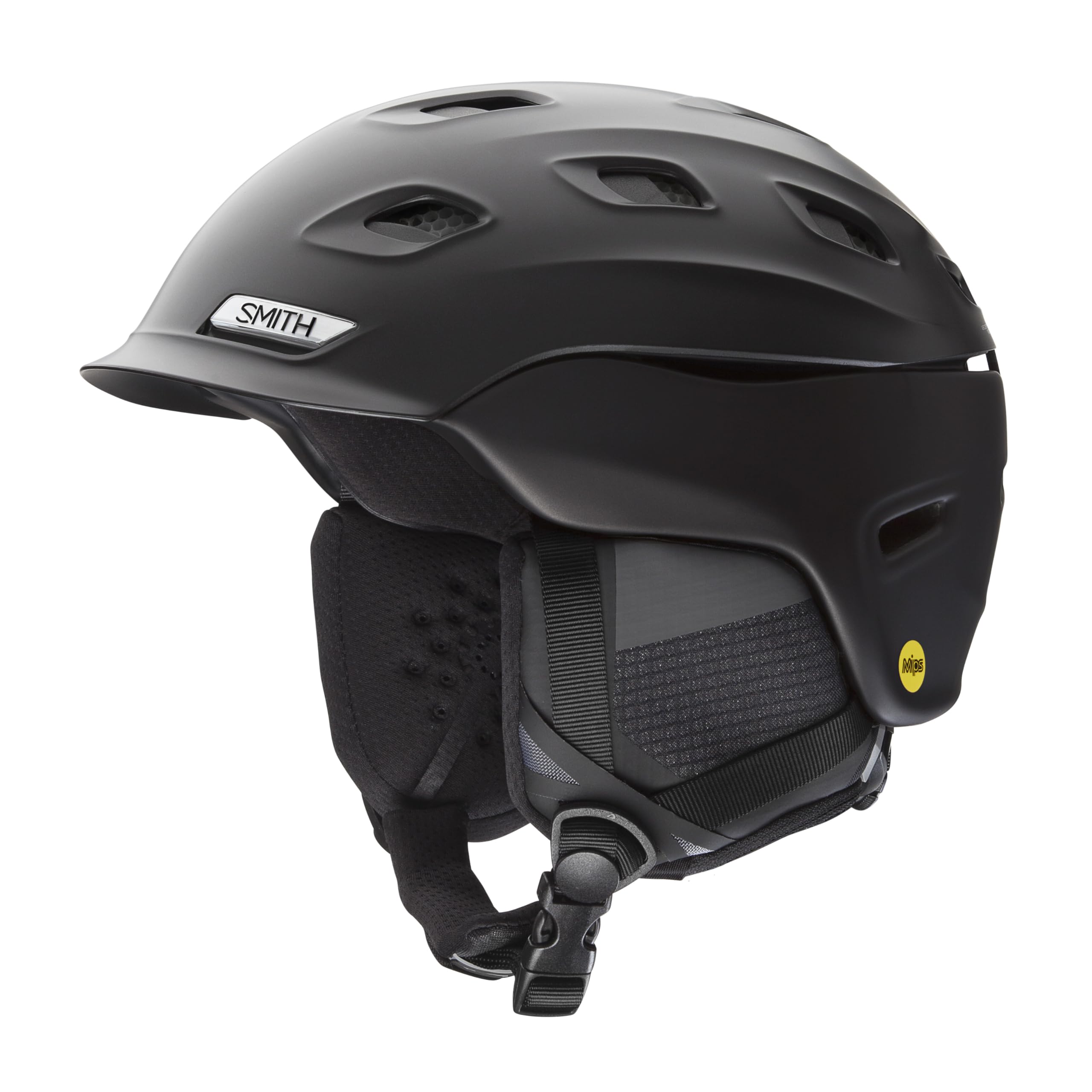
Smith Vantage MIPS
Rating: 4.6 ★ | Price: $$$ | MIPS: Yes | Ventilation: Adjustable vents | Fit Adjustment: Self-adjusting lifestyle fit
The Smith Vantage MIPS pairs Koroyd honeycomb construction with MIPS to absorb rotational impacts, making it a step up from the top pick’s basic ASTM certification. Adjustable vents and a lightweight feel (~530g) add to the appeal for long days on the mountain. This helmet is best for serious skiers who prioritize protection and can verify fit in person—sizing runs small, so trying on or ordering two sizes up is essential. Riders with larger heads or those buying without a test fit should look elsewhere.
Pros
- Koroyd honeycomb core with MIPS system for advanced impact protection beyond standard certification.
- Adjustable vents and lightweight design (530g) reduce fatigue during long runs.
Cons
- The rear goggle strap elastic clip may loosen or break after extended use.
A premium option for skiers who fit the sizing and want the highest level of head protection available in a helmet.
Best for Smaller Heads
Giro Ledge MIPS
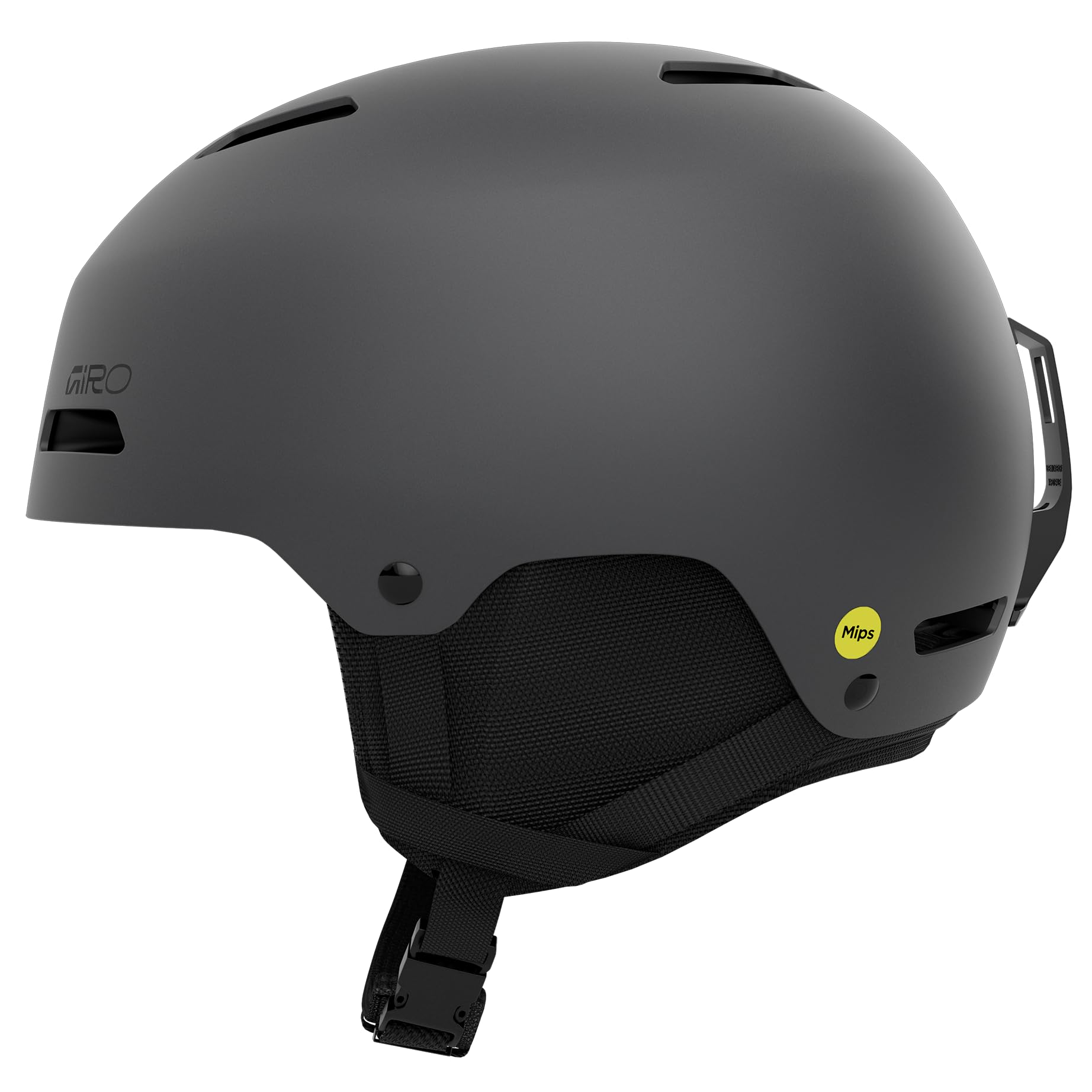
Rating: 4.7 ★ | Price: $$ | MIPS: Yes | Ventilation: Stack vents | Fit Adjustment: Self-adjusting snap
The Giro Ledge MIPS delivers MIPS impact protection and effective ventilation at a mid-range price. Its snap fit system runs small and lacks fine adjustment, suiting smaller heads but not larger ones. Try it on before buying.
Pros
- MIPS impact protection included without the premium price
- Well-ventilated design reduces fogging and feels comfortable for most
Cons
- Fit runs small and the snap system lacks fine adjustment, so it may not suit average or larger head shapes
Best for skiers with smaller heads who prioritize MIPS and can verify fit in person.
Best for Audio Enthusiasts
TurboSke Lightweight

Rating: 4.7 ★ | Price: $ | Safety Certification: ASTM F2040 | MIPS: No
Weighs just over 15 ounces, reducing neck fatigue, and the speaker pockets integrate easily with wireless earbuds. The ear pad attachment can come loose during use, so checking fit before each ride is advisable.
Pros
- Very lightweight reduces neck strain.
- Audio-compatible speaker pockets for music or calls.
Cons
- Sizing runs small; order a size up to ensure a proper fit.
Best for skiers prioritizing lightweight and audio features.
Best for Beginners, Occasional
Odoland Helmet+Goggles

Rating: 4.6 ★ | Price: $ | MIPS: No | Ventilation: 14 vents | Fit Adjustment: Adjustable band
The Odoland set pairs a basic helmet with goggles at a budget-friendly price, making it an easy grab for a first-time skier. However, durability under impact is inconsistent — structural cracking after falls has been noted in some units, and strap reliability varies. For anyone planning to ski regularly, investing in separate higher-quality items is a better long-term choice.
Pros
- All-in-one helmet and goggle kit at a budget price — no need to buy separately.
- Good basic comfort and warmth for occasional use.
Cons
- Goggle integration can cause goggles to slide down, needing readjustment during runs.
This set fits the bill for a first-time skier or someone who hits the slopes once or twice a season — but not for frequent use.
Best for Kids, Budget
Retrospec Comstock Kids

Rating: 4.7 ★ | Price: $ | MIPS: No | Ventilation: 10 vents | Fit Adjustment: Chin strap only
Retrospec Comstock offers solid protection and warmth at a budget price, with a sturdy ABS shell and EPS core. It suits a child’s first season or occasional use well.
Pros
- Good protection and warmth for young riders
- Solid build quality with sturdy feel
Cons
- No rear fit adjustment – only chin strap can be adjusted, limiting how long the helmet fits as the child grows
This helmet works best for a child’s first season or occasional use where growth is less of a concern.
Best for Average Heads
Retrospec Zephyr

Rating: 4.5 ★ | Price: $ | MIPS: No | Ventilation: 9 vents, BreezeBar | Fit Adjustment: ErgoKnob dial
The Retrospec Zephyr brings adjustable BreezeBar ventilation and a range of colors at a low price. However, the helmet’s shape may not suit all head profiles—it can push goggles downward and cause ear pressure—and the goggle retention clips may not hold up over time. These tradeoffs make it a better fit for very occasional use after trying on, rather than a daily driver.
Pros
- Adjustable BreezeBar vents allow fine climate control on the mountain.
- Available in multiple colors at a price that’s hard to beat.
Cons
- Helmet shape may push goggles down and cause ear pressure; goggle clips can loosen over time.
Best for occasional skiers who can try it on first and don’t rely heavily on goggle integration.
Best for Smaller Heads
Giro Ledge (no MIPS)
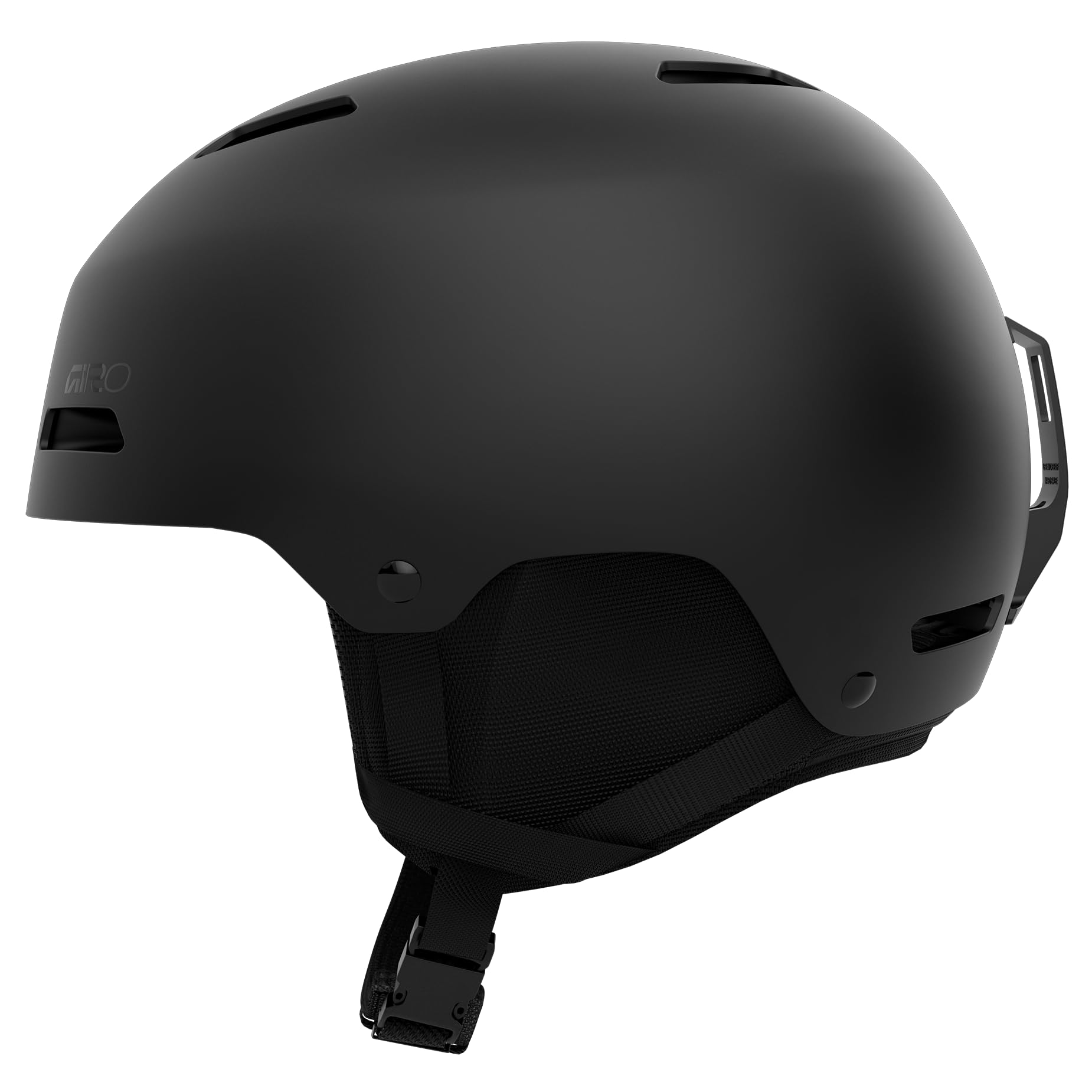
Rating: 4.6 ★ | Price: $$ | MIPS: No | Ventilation: Stack vents | Fit Adjustment: Self-adjusting snap
Giro delivers its established brand quality and effective ventilation in a non-MIPS helmet at a fair price. The fit runs small and the snap system lacks fine adjustment, making it essential to try on in person. This suits skiers with smaller heads who already know Giro’s shape works for them.
Pros
- Brand quality and ventilation keep goggles fog-free on the slopes.
- Warmth and goggle integration work well for reliable day-to-day use.
Cons
- The lack of a dial adjustment and small fit make it critical to try on before buying.
Best for smaller-headed skiers loyal to Giro who can verify fit in person before purchasing.
How to Choose
The right ski helmet isn’t the most expensive one — it’s the one that fits your head shape, use case, and budget while meeting ASTM safety standards.
Safety Certification
Every ski helmet sold in the US should meet ASTM F2040 or CE EN1077 standards. These certifications ensure the helmet can withstand a certain impact force and retain its integrity. Without certification, there’s no guarantee the helmet will protect you in a crash.
The catch: certification alone doesn’t account for rotational impacts. That’s where MIPS comes in. A certified helmet without MIPS still protects against linear impacts, but rotational forces — common in oblique falls — are better managed by MIPS. If you ski aggressively or in variable terrain, the extra $20–30 for MIPS is a worthwhile upgrade.
MIPS Technology
MIPS (Multi-directional Impact Protection System) adds a low-friction layer that allows the helmet to slide slightly on impact, redirecting rotational forces away from the brain. It’s not a replacement for a certified helmet, but a supplement.
The trade-off: MIPS helmets tend to feel slightly snugger because of the extra liner. They also cost more. For casual skiers who stick to groomed runs and take few falls, a non-MIPS helmet is perfectly safe. But if you spend time in the park, glades, or off-piste, MIPS provides meaningful extra protection.
Ventilation System
Fixed vents let in a constant stream of air, which is fine for moderate conditions but can leave you cold on windy days or fogging your goggles on warmer ones. Adjustable vents let you regulate airflow — close them on cold chairlifts, open them on sunny spring runs.
The hidden issue is that vent placement matters more than count. Vents that sit directly behind the goggle frame help prevent fogging. Helmets with too few vents or poorly placed ones can trap heat and moisture, forcing you to lift your goggles to clear them.
Fit Adjustment
Dial-fit systems (like OutdoorMaster’s or VANRORA’s) allow micro-adjustments on the fly, making it easy to dial in a snug fit without removing gloves. Snap-fit systems (like Giro’s Auto Loc) are self-adjusting but harder to fine-tune — once set, they either fit or they don’t.
The key is that a helmet must sit level on your head and not shift when you shake it. If it rocks front-to-back or side-to-side, it’s too loose. If it leaves a red mark after five minutes, it’s too tight. Dial systems give you more margin for error.
Weight
A lighter helmet reduces neck fatigue over a full day of skiing, especially if you’re doing multiple runs or hiking. Most budget helmets weigh around 1.2–1.5 lbs, while premium in-mold designs can drop below 1 lb.
The trade-off: lighter often means less durable. In-mold helmets bond the shell directly to the EPS foam, making them lighter but more prone to cosmetic damage from drops. Hard-shell ABS helmets are heavier but can take more abuse. Choose based on how much you value weight vs. longevity.
FAQ
Why does my ski helmet push my goggles down onto my nose?
This usually means the helmet brim sits too far forward or the goggle frame is too thick for the helmet’s contour. To fix it, look for a helmet with a goggle integration feature (most modern designs have a channel or clip that aligns the goggles). If the helmet already has a clip, ensure the goggle strap sits under the clip, not over it. Alternatively, try goggles with a lower-profile frame.
Can I wash the removable liner and ear pads of my ski helmet?
Yes, but only if the manufacturer states they are machine-washable. The VANRORA Stomper, OutdoorMaster Kelvin II, and InnerKing all have removable liners that can be hand-washed with mild detergent and air-dried. Avoid machine washing non-removable liners — the foam can degrade. Always remove the liner completely and let it dry thoroughly before reinserting to prevent mildew.
How do I know if my ski helmet is too small or too large?
A properly fitting helmet should sit level on your head — not tilted back or forward — and the front edge should be about two finger-widths above your eyebrows. When you shake your head, the helmet should not move more than half an inch. If you feel constant pressure points after 10 minutes, it’s too small. If you can slide more than one finger between the helmet and your forehead, it’s too large. Measure your head circumference and compare to the size chart, but also consider trying it on with your goggles.
Is MIPS technology really necessary for casual skiing?
Not necessary, but beneficial. For casual skiers on groomed slopes who rarely fall, a non-MIPS certified helmet provides adequate protection against straight-line impacts. However, rotational forces occur in any fall where the head hits the snow at an angle — which is common even in slow-speed tumbles. If your budget allows the extra $20–30, MIPS adds a layer of protection with no downside. If not, a well-fitted certified helmet is still safe.