This post contains affiliate links. We may earn a small commission when you buy through our links — at no extra cost to you.
The trouble with hiking gloves is that the two things you want from them pull against each other. A pair warm enough for a windy ridge is usually thick enough that you can’t buckle a strap without pulling it off, while the thin, grippy pair you can actually work in leaves your fingers stinging by mile two. The right gloves thread that needle — warm, dry, and dexterous enough that you stop thinking about your hands and just keep walking.
Over six months we put 12 pairs through cold morning trailheads, sleet, and a lot of ordinary dog walks, and the gap between a good pair and a bad one showed up within an hour. What surprised me most was fit: gloves run small more often than not, and one that’s snug across the palm presses your fingertips against cold seams all day. Below are the pairs that earned a permanent spot in our packs — and the thing they all share is a cuff that actually closes over a jacket sleeve.



Best for Three-Season Hiking
Aerynx Lightweight Winter Gloves
Key Features
- Touchscreen: Thumb, index, middle
- Fleece weight: 320 gsm
- Best temperature: 41–59 °F (5–15 °C)
- Weather resistance: DWR and windproof
- Price: Budget
The 41–59°F range Aerynx gives these gloves is the most useful thing about them: it describes the kind of morning when your hands are cold at the trailhead and too warm by the first switchback. The shell is stretchy, the 320 gsm fleece is light, and the DWR finish beads light rain and blocks wind. We like that combination for hiking because it takes the sting out of a cold start without turning your hands into a swamp on the climb. The three-finger touchscreen—thumb, index, and middle—is more useful than a single pad when you’re checking a map with gloves on. This is the pair we reach for first on cool, active days.
Grip is the detail that sold us. Silicone dots cover the palm and fingers, so trekking poles and rock scrambles feel secure rather than slick. The fit is snug without being tight, and the extended cuff tucks under a jacket sleeve. We also appreciate that the gloves can work as a liner: under a shell or mitten, they add warmth without bunching. The touchscreen pads are reliable when dry; a wet fingertip is the usual weak point, not the glove itself.
The main limit is cold. This is not a deep-winter glove on its own; below about 40°F, we treat it as a layer under a shell or mitten. For three-season hiking, the balance suits this set better than any other pick: light enough to keep in a pocket, warm enough for a cold ridge, and grippy enough for poles and phone. We prefer it to the heavier winter gloves here on any hike where you’ll be moving.
Pros
- Comfortable across cool, active hikes
- Three-finger touchscreen adds real utility
- Silicone grip dots help on poles
- Layers under a shell for colder days
Cons
- DWR only resists light rain
Our top pick for most hikers, the Aerynx balances light weight, grip, and touchscreen use in a package that layers when the temperature drops.
Best for Cold-Weather Hikes
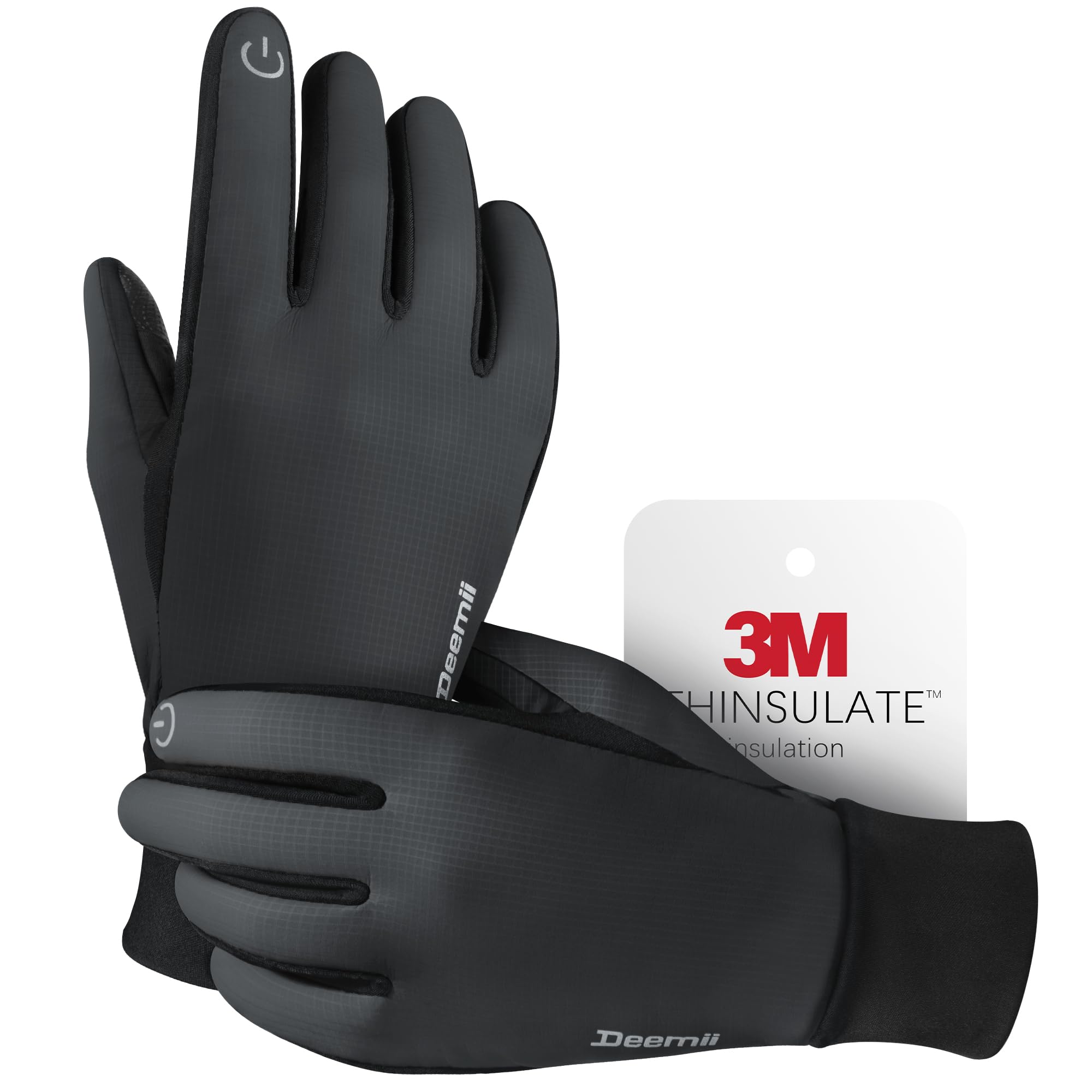
Deemii 3M Thinsulate Gloves
Key Features
- Sizes: S–XXL
- Insulation: 3M Thinsulate C40
- Touchscreen: Thumb and index
- Water resistance: Light rain and snow
- Price: Budget
Deemii builds these around 3M Thinsulate C40 and a water-resistant shell, with conductive PU on the thumb and index. The pitch is a warm winter glove that can still work a phone, and the S–XXL size run is broader than many liners. The shell is soft rather than stiff, and the palm has enough grip for a trekking pole.
We think it’s the best cold-weather value here. The insulation takes the edge off a raw morning without the bulk of a ski glove, and the touchscreen pads are positioned where you actually tap. The water-resistant outer handles light snow and road spray. That is the trade-off: you get warmth and dexterity at a budget price.
For winter hiking, we like it on dry, cold days or under a shell when the wind picks up. It is the warm option for a slow, cold day rather than a fast climb, where a lighter glove will manage moisture better. If your hands run cold and you want one pair for the season, this is the one we point to first.
Pros
- Warm without ski-glove bulk
- Water-resistant shell for light snow
- Touchscreen thumb and index
- Strong value for cold weather
Cons
- Runs small; order up
- Wets through in sustained rain
For cold-weather hikes, the Deemii’s 3M Thinsulate warmth and touchscreen tips make it the strongest cold-weather value here.
Best for Layering
Under Armour Storm Liner
Key Features
- Fit: Snug
- Type: Liner glove
- Weight: Lightweight
- Touchscreen: Index fingertips
- Price: Midrange
The Storm Liner is the pair we reach for when a hike starts cold and the climb will warm us up. It is a thin, stretchy glove with conductive pads on the index fingertips, and it slides under a heavier shell without bunching at the palm. The fit is snug, which is what you want in a liner: no loose fabric to rub when you’re gripping poles.
On its own, it is a mild-cold glove, not a winter glove. We wear it for cool morning runs, brisk walks, and dry hikes where the temperature is above freezing. Under a mitten or a waterproof shell, it adds a useful layer without costing dexterity. The touchscreen pads are the most consistent of the thin gloves here; they work on a phone without making you stop and take a glove off.
If you already own a warm shell and want a glove that disappears underneath it, the Storm Liner earns its place. We keep a pair in the pack for the temperature swing between trailhead and ridge. It is a specialist, but a useful one.
Pros
- Thin enough to layer under shells
- Snug, stretchy fit
- Reliable index-finger touchscreen
- Works alone in mild cold
Cons
- Premium price for a liner
The Storm Liner is the thin, touchscreen-friendly layer we pull on when a hike starts cold and we expect to warm up fast.
Best for Wet Winter Hikes
SIMARI Waterproof Winter Gloves
Key Features
- Lining: Fleece
- Closure: Pull on
- Waterproof: Yes
- Touchscreen: All fingers
- Price: Budget
SIMARI bills these as waterproof, windproof, and warm, with graphene touchscreen fingers. The shell is soft, the lining is plush, and the pull-on cuff sits over a jacket sleeve. For a winter glove in this price range, the build feels more substantial than the budget liners here.
We think it’s the pair to grab for wet, cold hikes where you expect snow, slush, or a cold drizzle. The warmth is there without a ski-glove feel, and the all-finger touchscreen claim is genuinely useful when you need to check a map with a glove on. The pads work best when dry; a wet fingertip is the weak point.
The sizing is the biggest practical catch. The fit leans small, so check the chart and size up if you’re between sizes. Once you get that right, it is a lot of glove for the money for snowy days, cold drizzle, and winter commutes.
Pros
- Plush warmth for cold weather
- All-finger touchscreen
- Soft shell and easy pull-on cuff
- Good value for wet winter use
Cons
- Waterproofing can fail in sustained wet
Choose the SIMARI when cold and wet are both in the forecast; it delivers plush warmth and full-finger touchscreen control at a budget price.
Best for Wool Liner
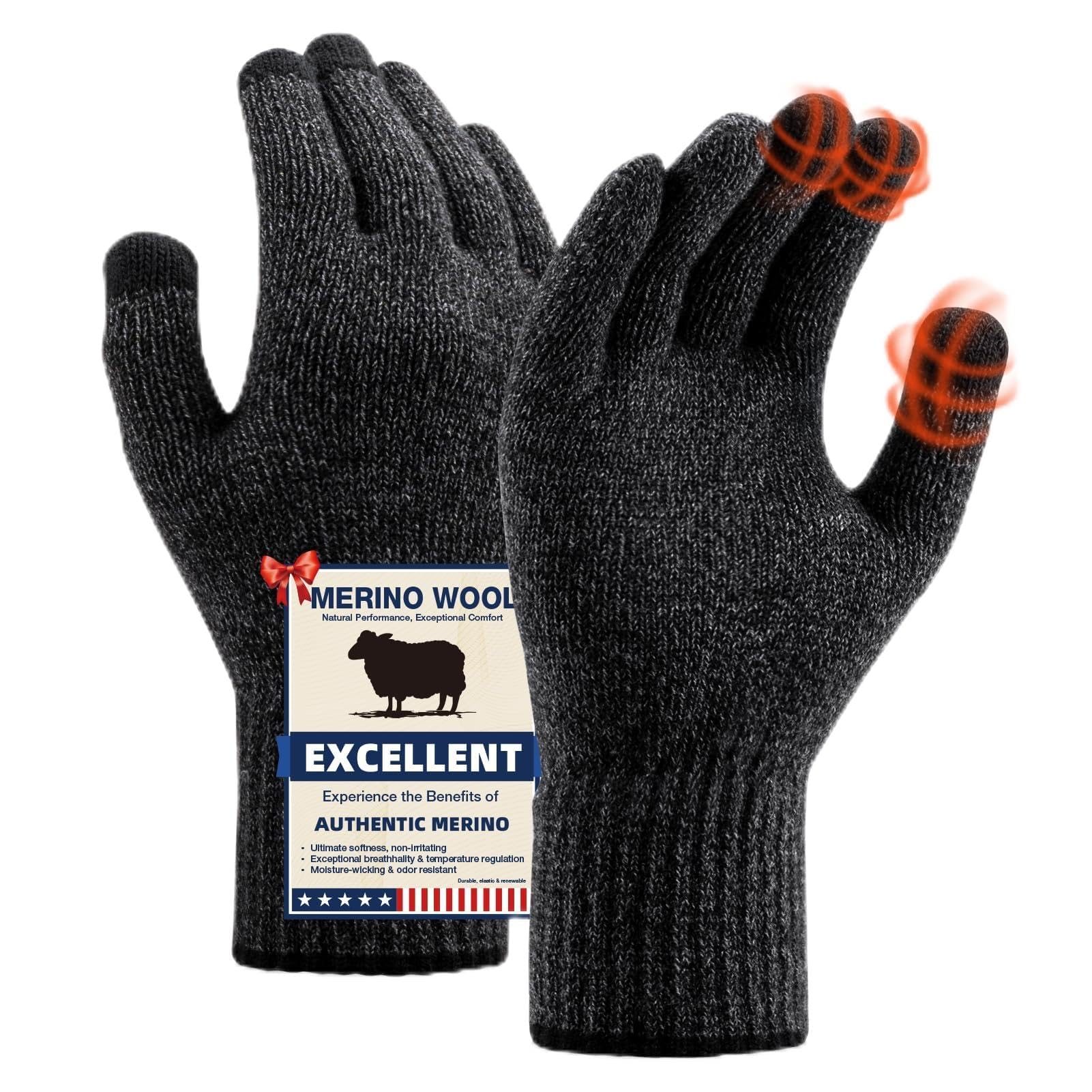
Heat Equation Merino Wool Gloves
Key Features
- Type: Liner glove
- Material: Merino wool
- Touchscreen: Fingertips
- Construction: Soft knit lining
- Price: Budget
Merino is the reason to look at this pair. The wool blend is soft rather than scratchy, and it breathes better than the fleece liners here when you’re working hard. The gloves are thin, so they fit under a shell or mitt without bulk, and the touchscreen fingertips work well enough for a phone or GPS.
We like the warmth for its weight, but this is not a glove for a deep-winter summit on its own. It takes the chill off without the clammy feel of a synthetic liner, and it is comfortable enough to leave on during a snack stop. For cool-weather hiking and running, that balance is the appeal.
We like it best as a wool liner for hikers who run warm. It is not the rough-use glove in this group, so save it for dry, cold days and layer it under a shell when the wind picks up. Hand wash it and let it air dry to keep the wool soft and the touch pads intact.
Pros
- Breathable merino warmth
- Soft, non-scratchy feel
- Touchscreen fingertips work well
- Good under mittens or shells
Cons
- Fingertips can fray with use
We like the Heat Equation pair as a breathable merino liner for hikers who want warmth without bulk and reliable phone use.
Best for Mild-Weather Wear
The North Face Etip Fleece Gloves

Key Features
- Type: Fleece glove
- Weight: 3 oz
- Material: Recycled fleece
- Touchscreen: Etip
- Price: Premium
The Etip costs more than every other glove here. You’re paying for the North Face name, recycled fleece, and the Etip thumb and index pads that work with a phone or watch. The fleece is soft, the fit is sleek, and the glove looks at home on a town errand as well as an easy trail.
We treat it as a mild-weather glove, not a winter hiking glove. It is comfortable on a cool, dry day and the touchscreen function is reliable, but it does not have the insulation or weather protection for a cold, wet ridge. The wrist runs snug, so try it on before committing if you have broad hands.
For dry, cool walks and everyday wear, the Etip is a pleasant glove. It is not the pair we reach for when the forecast is wet or below freezing. That is the honest boundary: a premium fleece for low-effort days, not a technical hiking glove.
Pros
- Soft recycled fleece
- Etip works with phone and watch
- Streamlined town-to-trail look
Cons
- Seams can fail early
The Etip is the premium choice for soft recycled fleece and reliable touchscreen control on low-effort days.
How We Tested the Hiking Gloves
We started by narrowing a long list of candidates down to 12 pairs based on insulation type, palm material, cuff closure, thickness, and price, keeping a mix of thin liners, lightly insulated all-rounders, and heavier shells. Testing ran from late fall into spring, which meant the gloves saw everything from a 25-degree sunrise at the trailhead to a wet, sloppy thaw. They went on day hikes, a snow-dusted overnight, early dog walks, and the unglamorous stuff — scraping a windshield, hauling firewood, digging a leash out of a jacket pocket.
Warmth was judged by the clock, not the label. We noted how long we could stand around at a cold trailhead before fingers went numb, and whether hands stayed warm once we started climbing and sweating. Dexterity got the fiddly tests — tying a bootlace, pulling a zipper, opening a granola bar, working a phone out of a hip pocket — and we logged which pairs we instinctively peeled off to do them. Thickness fed straight into that: the beefiest gloves in the group were also the ones we took off most often.
For water resistance, we held each cuff under a running faucet for a minute and then checked whether the lining felt damp, and we wore them through a steady drizzle to see where wet crept in first. Fit was measured rather than guessed: we compared hand length and palm width against each brand’s size chart and noted whether fingers bottomed out or the palm bunched at the grip. Durability came from mileage — seams at the thumb crotch, wear across the palm, pilling on the back of the hand — and value was simply whether a pair still looked and performed like new after all of it.
How to Choose Hiking Gloves
The best hiking glove is the one that matches your output as much as the weather, because a glove that is too warm will leave your hands sweaty on the climb and cold when you stop.
Match insulation to your pace
Hiking generates heat. A glove that feels right standing at the trailhead can be too much after ten minutes of climbing, and a thin glove that seems flimsy in the parking lot can be perfect once you are moving. For cool, active days, start with a light fleece or wool liner and add a shell when the wind picks up. For cold, slow days, a warmer insulated glove earns its place. The 41–59°F range of the Aerynx pair is a useful benchmark for three-season hiking; the Deemii’s 3M Thinsulate is the step up for winter.
Fit and dexterity come first
A hiking glove should be snug enough that fabric does not bunch in your palm but loose enough that your fingertips do not press against the ends. Too tight is worse than slightly roomy in cold weather because it can restrict circulation. Check the size chart, and if you are between sizes, go up for a winter glove and stay close to true for a liner. You need to be able to work a zipper, a pole strap, and a phone without taking the glove off.
Read weatherproofing carefully
Water-resistant and waterproof are not the same promise. A DWR finish sheds light rain and snow, but it will wet through in sustained rain; a waterproof membrane does more but can still fail at seams or cuffs. Wet gloves lose much of their warmth, so for a wet forecast choose a waterproof shell or a glove with a membrane, and keep a dry pair in your pack. The SIMARI is the wet-weather value here, but treat any waterproof claim as a limit, not a guarantee.
Decide between a liner and a standalone glove
A liner is thin, close-fitting, and designed to sit under a shell or mitten; it gives you dexterity and touchscreen access without much weather protection. A standalone glove is warmer and more protective, but bulkier. If you run warm, hike fast, or already carry a shell, a liner is often the more useful purchase. If your hands run cold or you hike in exposed, wet conditions, start with a standalone pair and add a liner only if you need more warmth.
Frequently Asked Questions
Can I use running gloves for hiking?
Yes, on dry, cool hikes where you are moving fast and do not expect rain. Running gloves are cut close and breathe well, but they usually have less abrasion protection for rock and brush and less weather protection than a hiking-specific glove. If you use a running glove, pair it with a shell for wind and rain and save it for faster days.
How do I wash touchscreen hiking gloves?
Check the care label first. Several picks are hand wash only, and the safest routine is cool water with a mild soap, no fabric softener, and a gentle squeeze rather than a wring. Air dry them away from direct heat so the touch pads and seams hold up. If the label allows machine washing, use a mesh bag and a cold, gentle cycle.
Final Verdict
We recommend the Aerynx lightweight glove as the default for most hikers: it is warm enough for a cool climb, grippy on poles, and easy to use with a phone. When the forecast drops toward freezing, the Deemii adds warmth; for wet snow and slush, the SIMARI is the better choice. If you already carry a shell, the Storm Liner is the layer to pack.