This post contains affiliate links. We may earn a small commission when you buy through our links — at no extra cost to you.
Cold-weather base layers have one job: keep you warm without turning a good jacket into a sauna. The wrong one runs a size off, scratches at the collar, or squeezes your shoulders so much that reaching for a seatbelt feels like a resistance workout. I have worn everything from bargain two-packs to merino splurges, and the difference usually comes down to fit, fabric behavior, and whether the thing still feels good after a wash.
We spent six months wearing 12 base layers through commutes, weekend hikes, drafty apartment mornings, and early dog walks. Some stayed soft and warm; others shrank, pilled, or lost their shape by the third wash. What I care about most now is not thickness for its own sake but whether a layer traps heat without bulk, moves with you, and earns its price. The right pick should feel like a second skin, not a test of endurance.


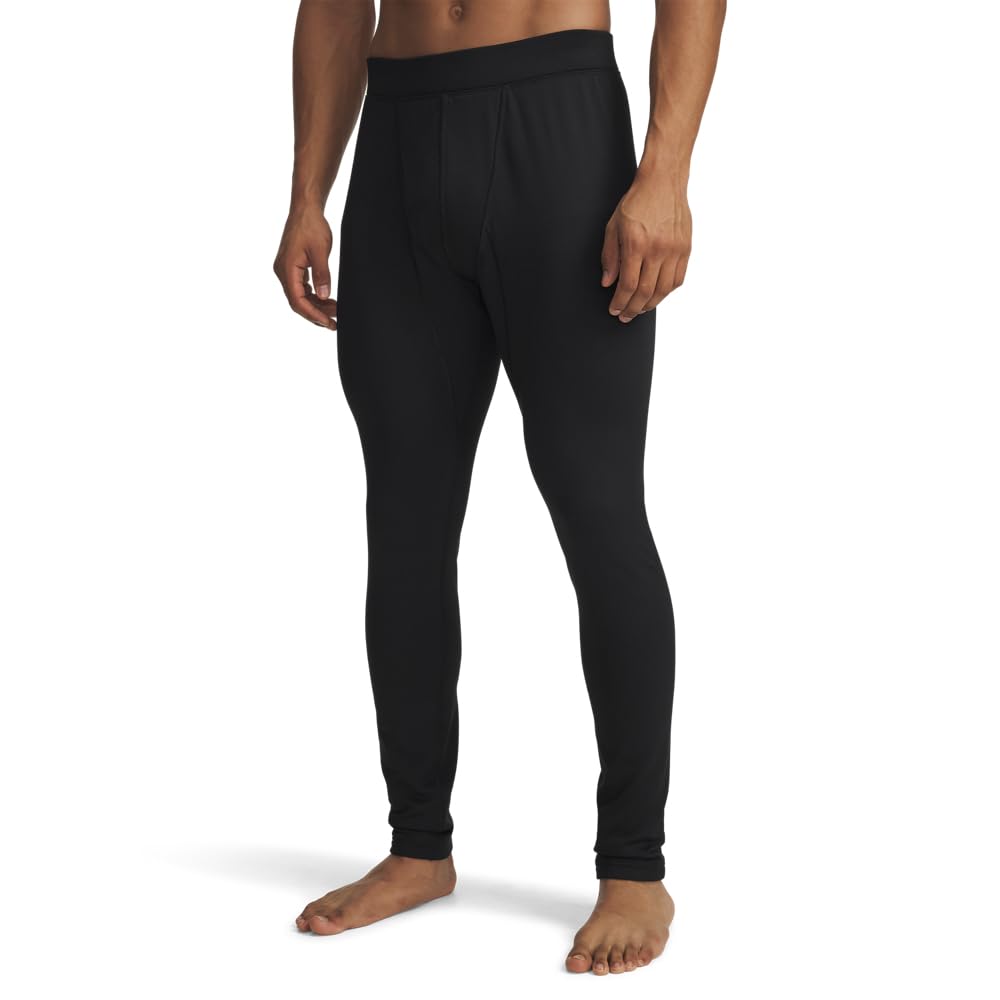


Best for First Base Layer
HEROBIKER Thermal Set
Key Features
- Fit: Snug, not skin-tight
- Lining: Fleece
- Sizing: Men’s; runs small
- Pieces included: Top and bottoms
- Price: Budget
What you get for the money is the argument: a top and a pair of bottoms, fleece-lined, for less than several of the single tops in this guide. If you are buying your first cold-weather base layer, or you want a spare set that lives in the cabin bag, that combination is the easiest yes on the page.
The warmth is the part that holds up. It is a midweight fleece-backed knit that traps heat against the skin without turning you into a sausage under jeans, and the fit sits close without being skin-tight, which is exactly what you want from something that has to disappear under other clothes. The top stays put at the waist, and the fabric has enough stretch to move with you when you are loading the car or hauling firewood.
Where it differs from a technical hiking layer is breathability. This is a warm-first set for standing around in the cold, commuting and low-output days outdoors. On a hard climb where you are sweating under a pack, a thinner, faster-moving layer does the job better, and that is when the romision set earns its place instead.
Pros
- Top and bottoms in a single purchase
- Warm midweight fleece lining
- Snug enough to layer under jeans
- Undercuts single tops on price
Cons
- Runs small; order up a size
We point most people here: one purchase covers top and bottoms, the fleece-backed knit is genuinely warm, and it costs less than most single tops in this guide.
Best for under Shells
Under Armour ColdGear Mock
Key Features
- Fit: Fitted, long torso
- Style: Long-sleeve mock neck
- Pieces included: Top only
- Price: Midrange
A long torso sounds like a spec-sheet detail until you have spent a morning with a cold strip at the small of your back. The ColdGear mock is cut long enough to stay tucked through a day of reaching, bending and shouldering a pack, and that is the detail that earns it a place here.
Under Armour calls it fitted, and that is about right: it hugs without the squeeze of a true compression top, and the mock neck closes the gap a crew neck leaves open at the collar. We found the fabric warm for its weight, with a shirt and a hoodie over it on a cold night, and under a shell it does its job and then gets out of the way.
Two things to know before you order. It is a fitted top rather than a compression garment, so if you want the squeeze of a compression layer this is not it. And the body runs small enough that the size chart deserves a second look, particularly if you are broad through the shoulders.
Pros
- Long torso stays tucked all day
- Mock neck seals the collar gap
- Warm without feeling heavy
Cons
- Seams fray at shoulders and cuffs
- Most expensive top in this group
We put this at the top of the technical tops: the long cut stays tucked, the mock neck seals the gap, and the fit moves with you rather than fighting back.
Best for Cold Winter Days
Cuddl Duds Heavyweight Set
Key Features
- Lining: Brushed fleece
- Sizing: Women’s
- Weight: Heavyweight
- Pieces included: Top and bottoms
- Price: Midrange
The inside of this set is brushed fleece and the outside is a smooth, silky jersey, which sounds like a small thing and turns out to be the reason it works. The smooth face slides under jeans and work trousers instead of grabbing at them, so you can layer it under anything without a wrestling match.
Warmth is where it separates from everything else here for women. It is a heavyweight set built for genuinely cold days, the January commute, a cold-weather trip, hours on a sideline, and it holds that warmth without the bulk you would expect from the weight. We also liked that the sleeves and legs run long, which is rare on a women’s set and means no cold gap at the wrist.
It is more layer than you need for active wear. Under a shell on a climb this one runs hot fast, and the fleece holds moisture once you are working hard, which is where the lightweight PISIQI set becomes the better pick. For standing about in real cold, it is the warmest thing in this group.
Pros
- Smooth face slides under trousers
- Warmest women’s set in this group
- Soft brushed fleece next to skin
- Long sleeves and legs
Cons
- Runs large on some builds
For women who feel the cold, this is the set we point to: brushed fleece inside, a smooth outside that slides under clothing, and the most consistent warmth here.
Best for Deep Cold
Under Armour Base 4.0 Leggings
Key Features
- Fit: Compression, snug waist
- Sizing: Men’s; runs small
- Weight: Heavyweight (Base 4.0)
- Pieces included: Bottoms only
- Price: Premium
Single digits, wind and a lot of standing still: that is the brief these leggings are built for, and it is a different job from anything else on this list. This is the heaviest weight here and it behaves like it, with dense fabric, a snug fit, and heat that stays with you when you are not making much of your own.
We were surprised by how much difference the weight makes at the bottom half. Cold comes up off ice and snow, and a midweight legging under waders or bibs does not cut it the way this does. It is snug through the thigh and calf without fighting your stride, and it stays put when you are layered up and cannot adjust anything.
It is a specialist purchase, though. If your winters are more slush than deep freeze, a midweight pair does the same job and leaves money for a top, and there is no top in this box: you are buying the bottom half only.
Pros
- Built for single-digit days
- Dense knit holds heat when static
- Stays in place under bibs and waders
Cons
- Most expensive item in this group
- Firm waistband on long sitting days
If your winter means single digits and long hours standing still, these are the bottoms to buy: dense, warm and built for weather that empties the trail.
Best for Everyday Tops
DEVOPS Thermal Shirts (2-Pack)
Key Features
- Style: Long-sleeve compression
- Lining: Fleece
- Sizing: Men’s; runs small
- Pack size: Two tops
- Price: Budget
Two tops, not one, is the reason these are on the list. Base layers get worn, washed and worn again all winter, and a second one in the drawer means you are never choosing between doing laundry and being cold.
The fleece lining is the part we liked most. It is soft against skin in a way most synthetic layers are not, and it turns a thin compression knit into something that holds warmth under a shirt without a visible bulge. They stretch easily over the shoulders, so pulling a sweater on top does not turn into a fight, and they have come through repeated washing without pilling or going baggy.
The fit is a genuine compression cut, snug through the chest and arms, which is what you want under a midlayer and less pleasant if you were hoping for something loose to wear on the sofa. As an everyday layer under a shirt that snugness is the point: nothing shifts, nothing bunches, and the neckline stays hidden.
Pros
- Two tops in one purchase
- Soft fleece lining against skin
- Warm under a shirt without bulk
- Stretchy enough to layer easily
Cons
- Runs small; size up
- Sleeves short on long arms
Two warm, soft tops for about the price of one elsewhere in this guide, and the pair we recommend for the gym bag, the car and the walk to work.
Best for Active Cold Days
romision Thermal Set
Key Features
- Fit: Athletic, snug
- Collar: Tall collar
- Sizing: Men’s; runs small
- Pieces included: Top and bottoms
- Price: Budget
Hunting, snowboarding, a day of hauling gear in the cold: this is the set that behaves like gear rather than underwear. The tall collar seals your neck without a gaiter, the cut is athletic through the shoulders, and the fabric has the smooth, slightly slick hand of something built to move sweat away from you.
It is a different job from the warm-first sets here. Where the HEROBIKER traps heat and expects you to stand still, this one keeps you dry while you are working, and a full day of ski biking in it finishes dry, which is the entire point of a base layer on a moving day.
The fleece is thinner than the heavyweight options, and that is deliberate. It is comfortable on the move and a poor choice for standing still in single digits, so if your winter is a tree stand and no walking, one of the warmer sets here serves you better.
What we appreciate most is that it does not look like thermal underwear. The athletic cut and the collar make it presentable on its own when you stop for lunch, and it layers under bibs without a wrinkle. For cold-weather work where you are moving and stopping all day, that combination is hard to beat in this group.
Pros
- Wicks and dries while you move
- Tall collar seals the neck
- Athletic cut stays under bibs
- Good value for a full set
Cons
- Size chart runs small
The set for sweaty cold-weather work: it wicks, it breathes, and it keeps its shape through a day of moving, hunting, skiing or hauling gear.
Best for Everyday Wear
PISIQI Women’s Thermal Set

Key Features
- Lining: Fleece
- Sizing: Women’s
- Weight: Lightweight
- Pieces included: Top and bottoms
- Price: Budget
Set this against the Cuddl Duds and the difference is weight. This is a thin, lightweight fleece-lined set that slides under leggings and skinny jeans without a bulge, and it manages warmth by trapping a thin layer of air rather than by piling on thickness.
That thinness is the point for everyday wear. It goes under normal clothes without changing how they fit, the waistband does not roll, and the knit is soft enough against skin to wear from morning to evening without noticing it. The top is cut close but not tight, which is why it works under a sweater and under a coat without a readjustment.
What we have come to think of it as is the everyday women’s set: the one for the commute, the school run, the cold office and the winter walk, where the Cuddl Duds is the one for a genuinely cold day out. If you want one women’s set for ordinary winter life, this is the one we point to, and it is the least expensive of the women’s options here.
Pros
- Thin enough to disappear under leggings
- Warm for its weight
- Soft, non-itchy knit
- Least expensive women’s set here
Cons
- Sizing varies between sets
Our everyday women’s pick: thin, soft and warm enough for ordinary winter days, and it disappears under leggings without changing how they fit.
Best for Around Town
Amazon Essentials Waffle Long Johns

Key Features
- Fit: Slim
- Knit: Waffle
- Sizing: Men’s; runs small
- Pieces included: Top and bottoms
- Price: Budget
Waffle knit is the odd construction here. Instead of a bonded fleece lining, the texture itself traps warm air in a grid of raised squares, which is why it feels warmer than its weight suggests and why it stays comfortable when you go from a cold street into a warm room.
The fit is slim through the body and the fabric is soft rather than scratchy, so they wear like long johns and not like athletic gear: no shine, no compression squeeze, nothing that shows under jeans. The waffle structure also means they do not cling the way a smooth synthetic does, which makes them easy to get on and off.
Where this one falls short is on the move. Waffle knits are usually a cotton blend, and cotton holds moisture, so a sweaty climb leaves you damp in a way a synthetic layer would not. These are layers for town, the cabin and the commute.
We like them best for the unglamorous stuff, and at the bottom of the price range here that is a fair trade. Buy them if you want an inexpensive, soft set to wear under jeans on ordinary cold days, and look elsewhere for anything that involves working up a sweat.
Pros
- Waffle knit traps warmth without bulk
- Soft rather than scratchy on skin
- Slim cut disappears under jeans
Cons
- Shrinks for some in the wash
- Short in the leg for taller wearers
The pair to buy for ordinary winter days under jeans: inexpensive, soft and slim enough to vanish, as long as you are not planning to sweat in them.
How We Tested the Best Cold-Weather Base Layers
I started by pulling every cold-weather base layer our team could get in sizes XS through XXL, comparing fabric blends, claimed warmth, care labels, and return policies. I narrowed that pile to 12 pieces that represented the range shoppers actually face: thin silk-blend crews, midweight merino, synthetic grid fleece, and a couple of budget two-packs. Then we wore them for six months, not in a lab, but on commutes, weekend hikes, drafty apartment mornings, and after-work dog walks.
Every layer got the same rotation: a full day against bare skin under a sweater or jacket, a colder morning outdoors, and at least three washes according to the label. I checked softness at the collar and cuffs, whether the fabric felt itchy or clammy after moving, and how much bulk it added under a slim sleeve. For fit, I tried each in my usual size first, then noted whether shoulders, waist, and cuffs felt snug or restrictive, whether the compression relaxed by evening, and where a size chart sent me wrong.
After each wash, I measured sleeve and body length against my starting numbers to catch shrinkage, and inspected underarm seams, hems, and backpack rub points for pilling or stretching. I also packed each one into a weekend bag to see how much space it ate, and compared how they held up against their price. The keepers were the ones that stayed soft, kept their shape, and felt warm without making me overheat indoors.
How to Choose a Cold-Weather Base Layer
A base layer only works if it is touching skin and matched to how much heat you will make, and everything else is detail.
Match the weight to what you are doing, not to the thermometer
A heavyweight fleece-lined set is the right answer for a cold commute, a sideline, a stand or a slow day on the ice. It is the wrong answer for a climb, where you will be damp inside it twenty minutes in. Thinner fleece sets and midweight compression pieces handle moving days far better.
If you do both, buy the midweight first, because it covers more of the winter, and add a heavy set later if you spend real hours standing still in the cold.
Fit is the whole mechanism
Next to skin means next to skin. A base layer with air space at the waist or a gap at the collar is not insulating the part of you that gets coldest, which is why a long body and a high neck matter more than an extra millimeter of fabric.
Look for a top that stays tucked when you reach overhead, a mock neck or tall collar if you will be out in wind, and bottoms that sit still at the ankle instead of riding up inside a shell. On the sets here, the tops that stay put are the ones cut long.
Order from the size chart, not your jeans size
Most of the sets and tops here run small or grade inconsistently, and the same set can feel snug across the chest while the bottoms sit loose. That is the single most common way people end up disappointed with a base layer that is otherwise fine.
Measure your chest and waist, compare against the chart, and when you are between sizes go up. A base layer that is slightly relaxed still insulates; one that is tight at the shoulder or the waist is the reason people stop wearing them. Compression-cut tops are meant to be snug, fleece-lined sets usually are not.
Sweat is what makes you cold
Wicking matters more than thickness once you are moving. A fleece-lined knit traps warmth beautifully while you are still and holds onto moisture when you sweat, which is why the warmest set is not automatically the best one for a climb.
Waffle knits and cotton blends are comfortable for town and cabin wear but dry slowly. Match the fabric to your output, and carry a spare midlayer rather than a heavier base.
Sets, tops and bottoms: buy what you will wear out
A set is the sensible starting point because you get both halves in one purchase and usually pay less per piece, which is exactly why our top pick is a set. If you already own bottoms, a single technical top with a good collar and a long body covers most days.
Buy the piece you will wear hardest first. For most people that is the top, since it is the one that shows at the neck and the one that gets washed most often.
Frequently Asked Questions
What is the difference between a base layer and thermal underwear?
Mostly marketing. The same garment gets sold under both names, and the practical difference is the cut and the knit rather than the label. Thermal underwear is usually a looser fleece-lined set for under jeans; base layer usually means something stretchier and closer for active use.
Check the fiber and the cut instead. A set sold as thermal underwear with a compression fit does the same job as anything labelled a base layer.
How many base layers do I need for a winter?
Two sets is the practical answer for most people: one on, one in the wash. They are worn against skin and washed after nearly every use, so a single set means laundry every night, and that is exactly when people stop bothering.
If you only buy one, make it a midweight set you can wear both while moving and while standing about. Add a heavyweight set only if you spend real hours outdoors in deep cold.
Can I wear a base layer on its own, without anything over it?
Yes, provided the outer face is smooth and the fit is relaxed enough. Several sets here read as ordinary long-sleeve shirts rather than underwear.
Check two things before you commit: whether the fabric goes sheer when it stretches across your shoulders, and whether the collar is a mock neck, which reads as a turtleneck rather than a tee. Compression cuts look like gym wear, not casual wear.
Final Verdict
Buy the HEROBIKER set first. It is the only pick here that hands you a warm top and bottoms in one go for less than several of the single tops, and that is the decision most people are actually making when they search for a cold-weather base layer.
If you already own bottoms, the Under Armour ColdGear mock is the better top: long-bodied, sealed at the neck and worth the premium. Women who feel the cold should start with the Cuddl Duds set, and anyone heading out in single digits should add the Base 4.0 leggings underneath.