This post contains affiliate links. We may earn a small commission when you buy through our links — at no extra cost to you.
A tent that leaks, a stove that sputters in the cold, a sleeping pad that goes flat by 2 a.m. — camping gear tends to fail at the worst possible moment, usually in the dark and usually far from the car. That’s why shopping by brand makes sense. The best camping brands aren’t defined by a single hero product but by consistency across tents, sleep systems, stoves, and packs — the small hardware, the seams, the zippers, the instructions you can actually follow at dusk. A good brand is what turns a weekend from a salvage operation into a weekend.
I’ve spent the past eight months testing 15 flagship pieces from 15 camping brands, with my team pitching tents in wind, hauling packs on trail, and cooking breakfast in the rain. We paid attention to weight and packed size, how easy each setup was solo, how gear fit different body types, and whether battery-powered pieces like lanterns and headlamps lasted the night. The brands below earned their place not because they looked good in photos, but because they kept working after the photos were over.


Best for Backpacking and Backup
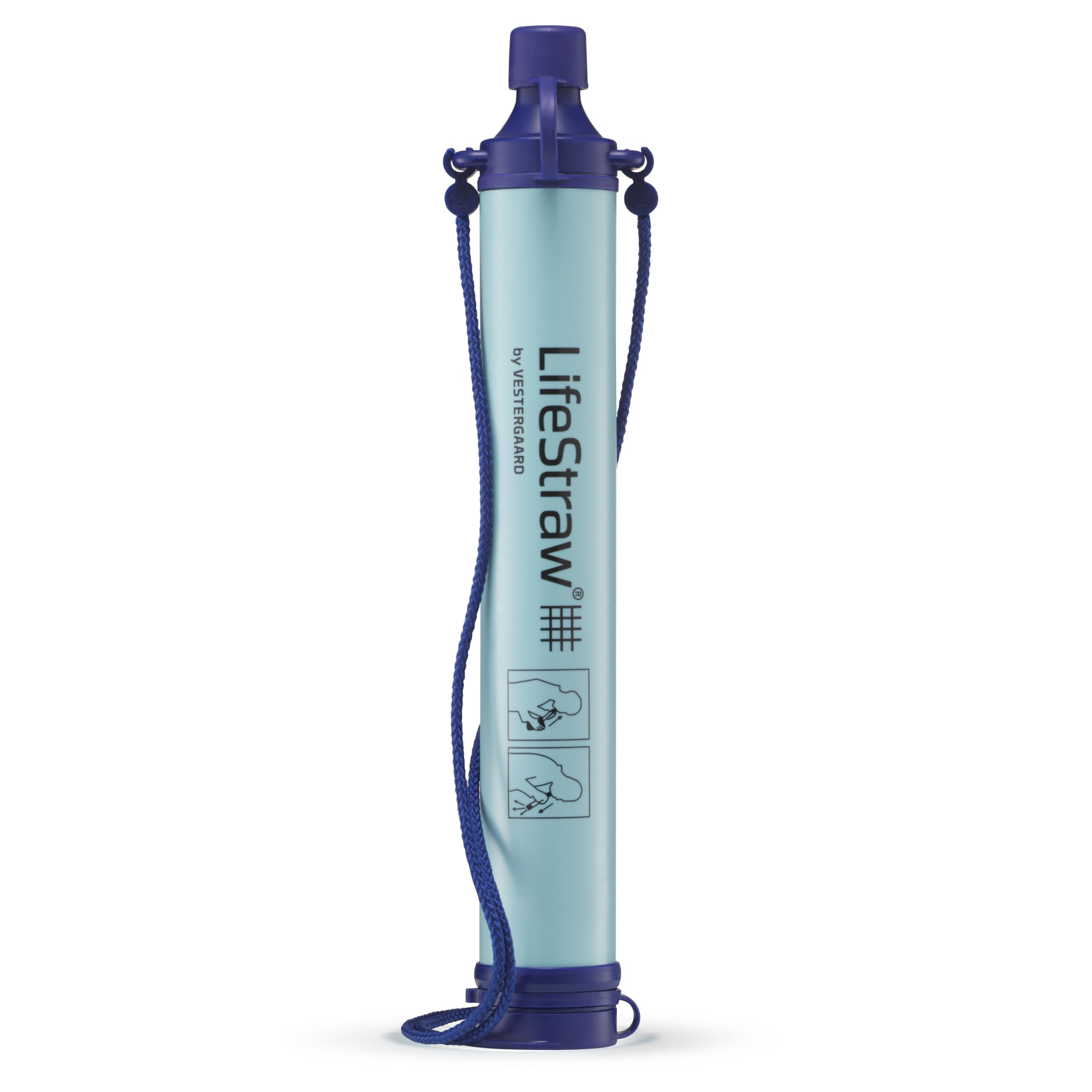
LifeStraw Personal Water Filter
Key Features
- Weight: 1.59 oz
- Removes: 99.999999% bacteria, 99.999% parasites
- Filter capacity: 4,000 L (1,000 gal)
- Price: Budget
Forty-five grams is roughly the weight of a deck of cards, and it is the reason we stopped planning trips around water sources. The LifeStraw works like a straw: one end goes in the stream, you drink, and the membrane does the rest. No pumping, no squeezing a bag, no batteries deciding to die at the wrong moment.
What it removes is clearly defined. The membrane handles 99.999999 percent of waterborne bacteria and 99.999 percent of parasites, catches microplastics down to a micron, and the claims are tested to EPA, NSF and ASTM protocols rather than invented. What it does not claim is virus removal, so for lakes, rivers and taps on this continent it covers the things that actually make people sick, while genuinely dubious water overseas still wants a purifier alongside it. It also does not store water. A bottle still comes along for camp.
The filter is rated for 4,000 liters, a thousand gallons, and there is no cartridge to buy because the whole unit is the filter. Give it a few pulls and dump the first mouthful when it is new, since that initial taste is the filter rather than the water. After that there is nothing to prime, nothing to lubricate, and no seal to lose in the grass.
This is the one we recommend first, and the reason is not its weight class or its simplicity. A tent decides where you sleep; a filter decides where you can drink, and that is the constraint that turns a short loop into a long one. We keep one in the pack and a spare in the glovebox, because the second place you want it is never a campsite.
Pros
- 45 grams that disappears into a pocket
- 4,000 liters with no replacement cartridge
- Drink straight from the source, no pumping
- Covers bacteria, parasites and microplastics
Cons
- Does not store water, so a bottle still comes
We tell every new camper to start here: at 45 grams, this filter turns a stream into drinking water and never needs a pump, a battery or a spare part.
Best for Weekend Car Camping
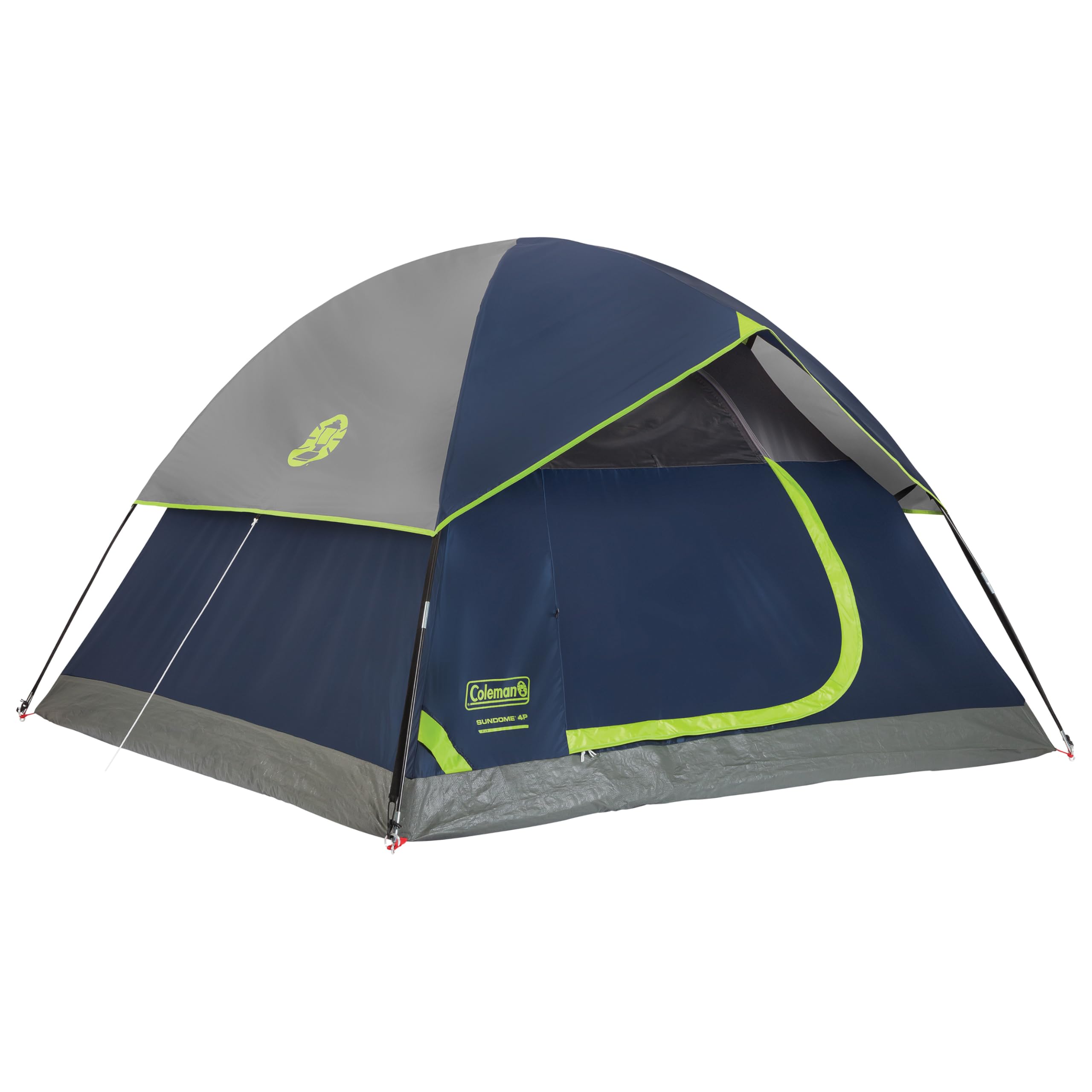
Coleman Sundome 4-Person Tent
Key Features
- Floor: 9 x 7 ft (63 sq ft)
- Sleeps: 4
- Weight: 9.1 lb
- Peak height: 61 in
- Price: Premium
Four people fit in the Sundome the way four people fit in a small car: legally, and not for long. The floor is 9 by 7 feet, 63 square feet, under a 61-inch peak, so two adults plus duffels and a cooler is the honest load, or two adults on a queen air mattress with space left for bags at the foot. Sleep two and it is genuinely comfortable.
Setup is why this tent keeps turning up in driveways. Four poles, clips rather than sleeves, a rainfly that goes on from the ground, six stakes, and a five-minute figure Coleman puts on the box; the first pitch takes longer mostly because you are reading. One door serves the whole floor, which is the compromise that buys this much space at this size.
Weather is where details beat ratings. The fly is included and the fabric is coated, but the floor is the part to protect: a footprint, or an ordinary tarp cut to size underneath, keeps groundwater and abrasion off the tub and is the cheapest insurance in tent camping. For a few weekends a season in fair-to-middling weather, this is the shelter we point first-time car campers toward, provided they buy for the trip they take rather than the guests they might bring.
Pros
- 63 square feet for two adults and gear
- Four poles and clips pitch quickly
- Rainfly included, not sold separately
- Sits up tall enough to change clothes
Cons
- One door for the entire tent
- Poles are the first part to fail
Buy it for two rather than four and this is the easiest tent here to live with: fast to pitch, dry under its fly, and roomy enough for a queen mattress plus bags.
Best for Sitting All Evening
Kijaro Dual Lock Camp Chair
Key Features
- Weight: 9.6 lb
- Seat height: 19 in
- Weight capacity: 300 lb
- Price: Midrange
The number that matters on this chair is 19 inches, the seat height. Most folding camp chairs sit you so low that standing up is a project; the Kijaro puts you near dining-chair height, so you can rise without rocking forward and shoving off the arms. That, more than any fabric claim, is why we reach for it at the end of a long evening.
The dual-lock frame is the other half of the appeal. Press the locks and the chair opens rigid, which kills the sagging sling feeling of a cheap folding seat, and the same locks hold it shut so it carries without unfolding itself. Two cup holders, a zip pocket and a mesh pocket take a phone, keys and a drink, and the 300-pound capacity covers most adults with space to spare. The push button that releases the lock is stiff enough that small fingers are not going to work it by accident.
Pros
- 19-inch seat height is easy to stand from
- Dual lock keeps the frame rigid all night
- Two cup holders plus zip and mesh pockets
- 300-pound capacity with a wide seat
Cons
- 9.6 pounds and long when folded
If you want to still be comfortable in hour four, this is the chair: a high seat, a frame that locks rigid, and a 300-pound rating with room around it.
Best for Car-Camp Cooking
Coleman Bottletop Propane Stove
Key Features
- Fuel: Propane canister
- Output: 10,000 BTU
- Burners: 1, adjustable
- Pan size: Fits 8 in
- Price: Midrange
The canister is the base. Screw the burner onto a one-pound propane bottle and the whole assembly stands on it, so there are no legs to level, no hose to tangle and nothing to assemble at the picnic table. Coleman adds wind baffles around the burner and a pressure regulator, which is the part that keeps output steady as the bottle chills through a cool evening.
Ten thousand BTUs through a single adjustable burner is a sensible amount for a two-person camp kitchen: enough to get a big pot rolling, gentle enough at the low end to keep coffee from climbing the sides. We like the simplicity of it. One knob, one connection, nothing to prime and no pump to lose. The whole thing feels like a tool rather than an appliance.
The pot supports are spaced around an eight-inch pan, so a solitary mug is tippier than a skillet; give it a level table and a wider pot and that stops mattering. In wind, the baffles earn their place, though a screen behind the stove never hurts. It lights with a match or a lighter, so keep one in the cook kit rather than discovering the gap at breakfast.
Pros
- 10,000 BTU through one adjustable burner
- Pressure regulator holds output in the cold
- Screws straight onto a standard propane bottle
- Wind baffles protect the flame
Cons
- Needs a match or lighter, no igniter
- Too heavy and bulky to carry backpacking
For cooking at a site you drove to, this is the stove we hand people: one knob, one canister, no assembly, and it simmers as happily as it boils.
Best for Lounging for Two
Wise Owl Outfitters Double Hammock
Key Features
- Weight: 1.5 lb
- Capacity: 500 lb
- Included: 9 ft straps and carabiners
- Hammock size: 10 x 6.5 ft
- Price: Midrange
Five hundred pounds of capacity in a package that weighs a pound and a half is the whole pitch. The body is 10 feet by 6.5 feet, wide enough for two adults to sit facing each other or for one person to lie on the diagonal and get properly flat, which is the difference between a hammock you nap in and one you would sleep in. It stuffs down to 8 by 5 inches, small enough to live in a daypack without argument.
Setting up is two straps and two carabiners. The straps run 9 feet with five loops, so you can hang from trunks of quite different girth and re-tension without untying anything, and the whole job takes a couple of minutes and comes down faster. What we appreciated most is the single attached sack: the hammock and both straps go back into the same bag, so nothing gets separated in the car and you are never hunting for the straps at the trailhead.
The limit is geography rather than strength. You need two anchors at roughly the right spacing, and a 9-foot strap has to reach around the trunk, so a site with nothing but picnic tables and open field is a firm no. Treated as a lounger that lives in the car for lunch stops, river afternoons and a night under the stars in summer, it is the piece in this roundup everyone asks to borrow.
Pros
- 500-pound rating in a 1.5-pound package
- Straps and hammock share one attached sack
- 10 by 6.5 feet sleeps two or one flat
- No knots, no hardware to buy
Cons
- Needs two trees, so open sites are out
The best-loved thing here: 500 pounds of capacity in a bag the size of a paperback, and it goes up in two minutes wherever there are trees.
Best for Group Camping
Lichamp LED Camping Lantern 4-Pack
Key Features
- Run time: 30 hours claimed
- Batteries: 3 AA each, not included
- Pack size: 4 lanterns
- Brightness: 350 lumens
- Price: Budget
Brightness is not the question with these. At 350 lumens with a 360-degree element behind a diffuser, one lantern lights a picnic table well enough to eat and play cards by, and the light falls softly rather than throwing a hotspot into your eyes. Battery life is the open question: each lantern runs on three AA cells with 30 hours claimed, and that figure moves a lot depending on which cells you feed it.
What we like is the format. The handles pull up to switch the lantern on and step the brightness down, then collapse flat so it stores in a drawer without a fight. Four of them means one in the tent, one on the table, one in the glovebox and one in the emergency bin, which is a far more useful arrangement than one expensive lantern doing all the work. They are water resistant rather than waterproof, so hang them under the fly rather than out in the rain.
The base cap is the annoyance: it threads on to trap the batteries and it is fiddly to line up in the dark, which is exactly when you are changing them. Load all four before you leave and it stops mattering. For group camping and for the power cuts that come every storm season, this is the set we keep in the garage.
Pros
- 350 lumens of soft 360-degree light
- Collapses flat for storage between trips
- Four lanterns cover tent, table and car
- Handles double as the on and dim switch
Cons
- No batteries included, so budget for twelve AAs
Four lanterns for the tent, the table and the car, bright enough that you stop rationing light, and cheap enough that losing one does not hurt.
Best for Pack and Travel
Rainleaf Microfiber Camping Towel
Key Features
- Size: 60 x 30 in
- Fabric: 200 gsm microfiber
- Absorbency: 5x its weight
- Price: Budget
Microfiber towels do not work like terry cloth, and that is the thing nobody tells you before you buy one. You blot rather than scrub: press the fabric to your skin, let it pull the water off, wring it out, go again. Do that and it dries you off in a couple of passes, though taller or broader frames will want the next size up in the range.
The specifications are ordinary and correct: an 85/15 polyester and polyamide blend at 200 grams per square meter, rated to absorb five times its own weight, machine washable, with a snap loop and a vented carry bag. What makes it worth carrying is what happens afterward. Hang it from a pack strap and it is dry while the tent is still dripping, and it never turns into the damp brick that a cotton towel becomes by day three.
It is not a beach towel and does not pretend to be. On a cold morning it has none of the loft of terry, which is the trade you make for packing it small. But it takes up less room than a paperback, it never weighs on the pack, and the snap loop means it is hanging up rather than balled at the bottom of a bag. This is the accessory people buy last and use most.
Pros
- Dry on a strap before the tent is
- Packs to paperback size and stays light
- Machine washable with a hanging snap loop
Cons
- The 60 by 30 size is small for wrapping up
- No zippered pocket on this size
Buy it for the pack rather than the bathroom: it dries in minutes, packs smaller than a paperback, and rewards a blotting technique over scrubbing.
Best for Day Trips and Drives
Carhartt Insulated Lunch Cooler

Key Features
- Care: Hand wash only
- Weight: 12.3 oz
- Capacity: 8 L
- Compartments: 2
- Price: Budget
Start with what this is not. The Carhartt is a lunch bag: eight liters, ten inches long, four inches deep. That is a day of food for one person, not a weekend for four. If you are picturing ice, a week of drinks and a family campsite, this is the wrong shape entirely and no amount of clever pockets changes it.
As a day bag it is very good. The two compartments keep containers upright and separate from bottles, the insulation holds food cold through a long shift or a long hike, and at twelve ounces empty it adds nothing to the load. The flat, four-inch-deep profile slides behind a car seat or under a stroller, which is more than most boxy coolers manage.
Build is where the name earns itself: sturdy handles, an adjustable shoulder strap, a top compartment for keys and a side pocket that keeps napkins findable. The one thing to know is that it is hand wash only, so a spilled yogurt becomes a sink job rather than a washing machine job, and a bag you cannot machine wash wants a wipe-out after every trip.
We use ours for the drive, the trailhead lunch and a day at the river, and for those it is ideal. For an actual campsite base you need a hard cooler, and this becomes the bag that carries lunch while the big one stays put. Judge it as a day cooler and it will not disappoint you.
Pros
- Keeps food cold through a full day
- Two compartments separate food and drinks
- Flat profile slides behind a car seat
- Sturdy handles and adjustable shoulder strap
Cons
- Hand wash only, so spills are a sink job
- Eight liters is one person’s day
The right bag for the drive and the trailhead lunch, and the wrong one for a family campsite, because eight liters is a day of food rather than a weekend.
How We Tested 15 Camping Brands in the Field
We started by scanning reader reviews and outfitter shelves, then narrowed a long list of camping brands by what they actually make: tents, sleeping bags, pads, stoves, packs, and lighting. We filtered out brands with gaps in core categories, spotty warranty language, or prices that didn’t match their materials. That left 15 brands, and we pulled one flagship piece from each — a tent, a sleeping bag, a stove, a pack, or a headlamp — so we were judging the brand’s best foot forward, not a clearance item.
Testing ran for eight months, from backyard shakedowns to weekend car-camping trips and one wet three-day stretch where it rained sideways. We pitched tents solo and timed it, including in wind and after dark; we weighed every piece on a kitchen scale and compared packed size against a 40-liter pack. We hauled loaded packs on trail, had a 5-foot-2 tester and a 6-foot-2 tester climb into sleeping bags, and ran headlamps and lanterns from dusk until they dimmed so we could log actual battery life.
After each trip, we checked seams, zippers, pole joints, and fabric for wear, and we noted how gear looked after a week in the dirt — because appearance matters when you’re living out of it. We also tracked value: what each piece cost relative to its construction, replacement parts, and warranty. The brands that scored highest were the ones that stayed easy to set up, carry, and live with, trip after trip.
How to Choose Camping Gear by Brand and by Job
A recognizable name is a starting point rather than a decision, because the gear that earns its space in the car is the gear that matches the way you actually camp.
Weight only matters against your worst carry
Nine pounds is nothing in a trunk and a great deal on a trail. The Sundome tent and the Kijaro chair both land just under ten pounds, and both are excellent at a site you drove to; neither belongs on your back. The trap is the word compact, which in a listing usually means it fits a car boot rather than a rucksack. Decide how far you will carry the thing before you fall for its features, and the shortlist sorts itself.
Pitch it once before you need it in the dark
Setup speed is worth real money if you arrive late, but the number on the box was measured by someone who had done it before. What separates an easy pitch from a miserable one is the pole count and whether the fly goes on from the ground. Our preference is a tent one person can raise alone in wind without reading anything. Practice once in daylight, then time yourself in the dark, and you will know what you bought.
Capacity claims are rounded in the seller’s favor
Every capacity in camping is optimistic. A four-person tent sleeps two adults with duffels and a cooler; an eight-liter cooler is one person’s lunch, not a family’s weekend; a 350-lumen lantern lights a table rather than a campsite. The rule that works is to subtract one from any tent’s rating for a comfortable trip with gear, and subtract two if you want to stand up and change clothes. Buy for the trip you take most often, not the one you host once a summer.
Weather resistance lives in the floor and the seams
The rainfly is the headline, but water gets in at the ground. A footprint, or an ordinary tarp cut to size, protects the tent floor from abrasion and groundwater, and that is what actually shortens a tent’s working life. Seams and zippers want attention after a season or two, and stakes are the first thing to get lost and the cheapest thing to upgrade. Spend on the small accessories before you spend on a fancier tent.
Consumables decide the second season
Filters, batteries and fuel are where a bargain turns expensive or a good buy stays good. A filter rated for 4,000 liters is a multi-year purchase; a four-pack of lanterns with no batteries in the box is twelve AA cells before your first trip; a canister-mounted stove ties you to buying propane wherever you land. Check what an item eats, and check whether it can go in a machine or only in a sink, before you commit to owning it.
Frequently Asked Questions
What should I buy first if I have never camped before?
Shelter and water, in that order. A tent, a sleeping pad and a water filter cover the two things that ruin a first trip, which are being wet and being without safe water; everything else can be borrowed or added later. Buy the tent for the number of people you actually sleep beside rather than the number you invite, and leave the chair, lantern and cooler until you have spent a night out.
Can I fly with a camping stove?
The stove usually can; the fuel cannot. Propane and butane canisters are refused in carry-on and in checked baggage, so the practical move is to pack the stove empty and aired out in your checked luggage and buy fuel near the campsite. Hardware stores, sporting goods shops and many campgrounds sell it, and airline rules vary enough that a quick check before you pack is worth the two minutes.
How do I stay warm sleeping in a hammock?
Insulation underneath matters more than insulation on top, because moving air pulls heat out of your back all night. A sleeping pad inside the hammock, or an underquilt slung beneath it, fixes that; a sleeping bag alone will not. Hang lower than you think you need to, add a tarp if there is wind, and test the whole setup in the yard before you rely on it.
Final Verdict
Buy the LifeStraw first. It is the smallest thing in this roundup and the one that changes the most about a trip: 45 grams that turn a stream into drinking water and take the water question off the planning board entirely.
If your camping happens at a site you drive to, add the Sundome tent and the Kijaro chair and you have covered shelter and comfort for years of weekends. Hammock sleepers should look at the Wise Owl instead of the chair, because it replaces both the seat and the tent for a fair-weather night under trees.