This post contains affiliate links. We may earn a small commission when you buy through our links — at no extra cost to you.
Every brand claims their hiking boot is waterproof. But after a few wet trails, you’ll notice some keep water out and others don’t. The difference often comes down to membrane quality and construction, not just marketing claims.
The real challenge is finding a boot that also fits well and supports your feet for all-day hikes. Many budget boots skimp on both waterproofing and sizing consistency. Our picks focus on the models that reliably balance these traits so you can hike wet or dry without second-guessing your gear.


Best for Day Hikers
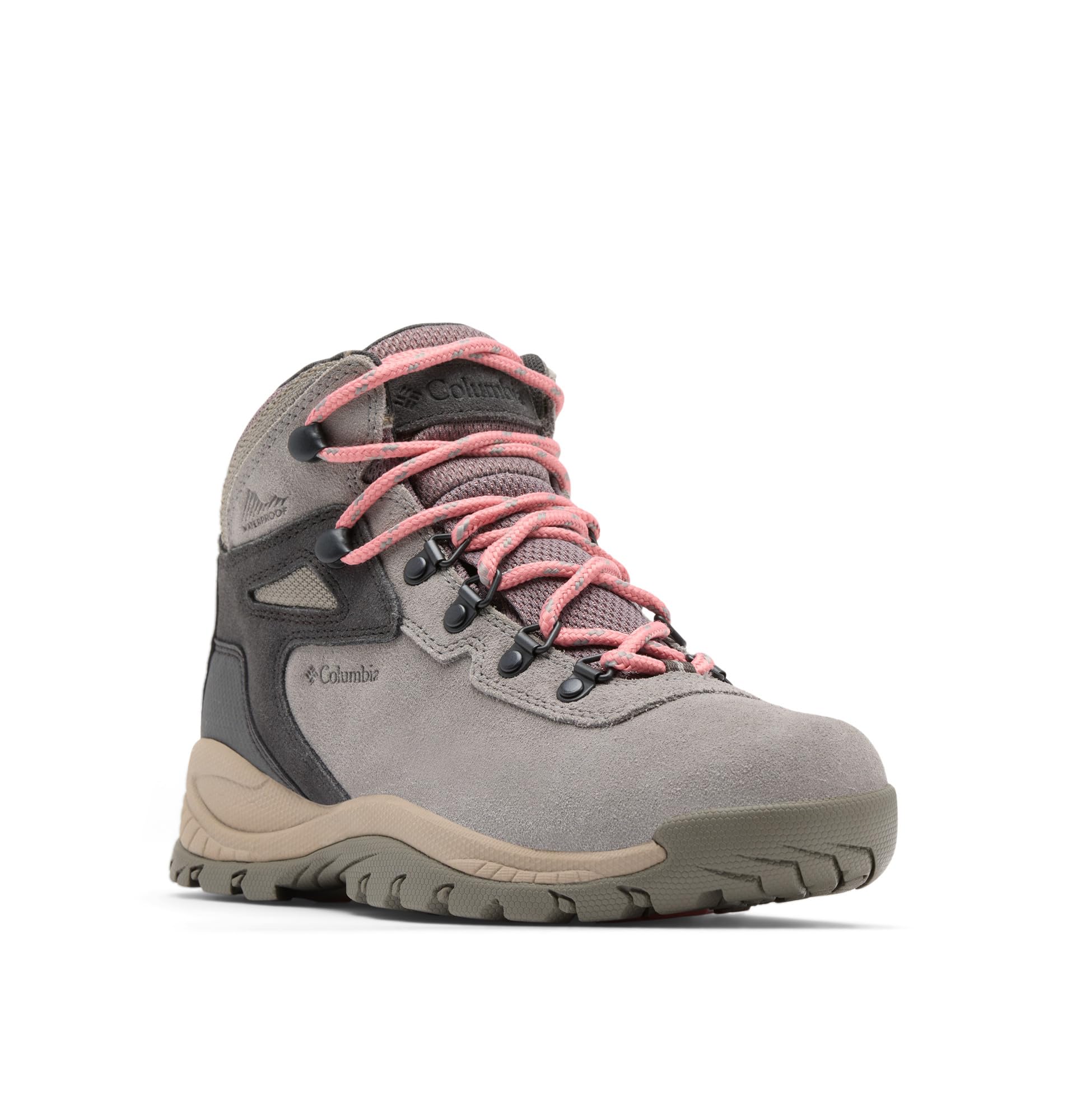
Columbia Newton Ridge Boot
Key Features
- Waterproof Membrane: Omni-Tech
- Ankle Support: Mid
- Fit: Slightly narrow toe
- Price: $$
The Newton Ridge delivers waterproofing that holds up through rain and puddles, backed by a mid-cut design that keeps ankles secure on uneven ground. The Omni-Tech membrane does its job without making the boot feel stiff, and most hikers find the cushioning comfortable straight out of the box — no blister-inducing break-in period.
This boot suits women with normal to narrow feet who want a dependable option for day hikes and weekend trips. If your feet run wide, the toe box may feel snug — order a wide width or size up. It’s not meant for ultra-light packing or minimalist hiking; the build prioritizes support over weight savings.
Pros
- Comfortable for all-day hikes with minimal break-in required
- Strong ankle support adds stability on uneven terrain
- Waterproofing keeps feet dry in wet conditions
Cons
- Toe box can feel narrow for wide-footed hikers
For anyone looking for a no-surprises waterproof mid boot that handles real trails without a fuss, this is the one to beat in its price range.
Best for Wide Feet Comfort
Merrell Moab 3 Mid Boot
Key Features
- Waterproof Membrane: M Select Dry
- Ankle Support: Mid
- Fit: Roomy toe box
- Price: $$
The Moab 3 Mid requires no break-in, with plush cushioning and a toe box that easily accommodates wide feet and orthotics. Ankle and arch support hold up well on uneven trails, offering stability for day hikes. However, the M Select Dry membrane may let moisture through in deeper puddles — treat this boot as water-resistant for light rain and shallow crossings rather than guaranteed waterproof. This boot suits day hikers who prioritize immediate comfort and roomy fit over absolute waterproof performance, especially those with wide feet or needing orthotic space.
Pros
- No break-in period: wear them straight out of the box.
- Wide toe box fits orthotics and wide feet comfortably.
- Ankle and arch support provide stability on uneven terrain.
Cons
- Waterproofing may not hold up in deeper puddles; treat as water-resistant for light rain.
A strong mid boot for comfort-first day hikers who don’t need waterproof assurance beyond light rain.
Best for Wide Feet Support
KEEN Targhee 3 Low
Key Features
- Waterproof Membrane: KEEN.DRY
- Ankle Support: Low
- Fit: Wide toe box
- Price: $$
Wide feet and bunions get immediate relief from the generously roomy toe box, and the arch support offers structure without stiffness. This focus on comfort sets the Targhee 3 Low apart from the top pick’s narrower fit, making it a natural choice for hikers with foot conditions like plantar fasciitis.
The durability tradeoff is significant: sole separation or toe damage can occur within months of regular trail use. Fit also varies, with some finding the shoe runs large and others narrow. The KEEN.DRY membrane handles light rain reasonably well, but the primary appeal remains the fit and support. This shoe suits those who prioritize out-of-box comfort over long-term wear and accept that it may not endure a full season of heavy hiking.
Pros
- Roomy toe box accommodates wide feet and bunions without pinching.
- Arch support provides structure without stiffness.
- Comfortable for long walks, feeling like slippers.
Cons
- Fit varies between sizes, requiring trial to find the right size.
- Sole separation or toe damage may occur within months of use.
A focused solution for wide feet and arch support needs, but not for those expecting a long-lasting hiking shoe.
Best for Budget Day Hikers
NORTIV 8 Seeker Boot
Key Features
- Waterproof Membrane: Membrane (generic)
- Ankle Support: Mid
- Fit: Inconsistent sizing
- Price: $
These boots deliver strong comfort and a modern look at a price that’s hard to beat for casual hikes. However, sizing varies – some need to size up, others down – so ordering from a flexible return policy helps. Waterproofing handles dew and short grass but can let moisture through in deeper puddles. Best suited for budget-conscious hikers on dry, well-groomed trails who prioritize immediate comfort and appearance over guaranteed wet-weather performance.
Pros
- Comfortable cushioning and no-blister break-in for day hikes
- Attractive design with multiple color options
- Strong value – performance comparable to pricier boots
Cons
- Sizing runs inconsistently between sizes; trying on or easy returns recommended
- Waterproofing may let through moisture in deeper puddles or streams
For light dry-trail use on a tight budget, the NORTIV 8 Seeker is a smart comfortable choice – just plan for potential return and treat the waterproofing as splash-resistant.
Best for Narrow Feet Day
Columbia Crestwood Shoe
Key Features
- Waterproof Membrane: Omni-Shield
- Ankle Support: Low
- Fit: Narrow fit
- Price: $$
Columbia’s Crestwood delivers consistent waterproofing at a price that undercuts many low shoes. Unlike the Newton Ridge mid boot, this low shoe offers no ankle support and a narrower fit. It suits day hikers with narrow feet who want a lightweight, low-cost option for light trails. Hikers with wider feet should expect a tight fit; sizing up may help.
Pros
- Comfortable and lightweight for day hikes with no break-in needed
- Good water resistance for the price
- Affordable price from an established brand
Cons
- For hikers with wider feet, the narrow fit can be restrictive
A solid choice for narrow-footed day hikers who want waterproofing on a budget, but wider feet should look elsewhere.
Best for Plantar Fasciitis Relief
Dansko Paisley Sneaker
Key Features
- Waterproof Membrane: Waterproof (generic)
- Ankle Support: Low
- Fit: Narrow fit
- Price: $$$
The Dansko Paisley delivers orthopedic-level arch support that relieves pressure for women with plantar fasciitis or flat feet — a rare find in a sneaker-style shoe. But this is a shoe for flat terrain and light trails, not rugged hiking: the outsole lacks grip on wet surfaces and sole separation has been noted within months of regular use. Best for women who need all-day arch support on pavement or maintained paths, and who prioritize immediate comfort over long-term durability.
Pros
- Outstanding arch support praised by plantar fasciitis sufferers
- Very comfortable for all-day standing or walking
- Stylish and versatile for casual wear
Cons
- Grip on wet surfaces is limited, not suitable for slippery trails
- Sole separation or heel wear may occur within months of regular use
If your walks stay on flat, dry pavement and you need arch support that rivals custom orthotics, the Paisley delivers — just don’t expect it to hold up on muddy trails or last years.
Best for Low Arch Support
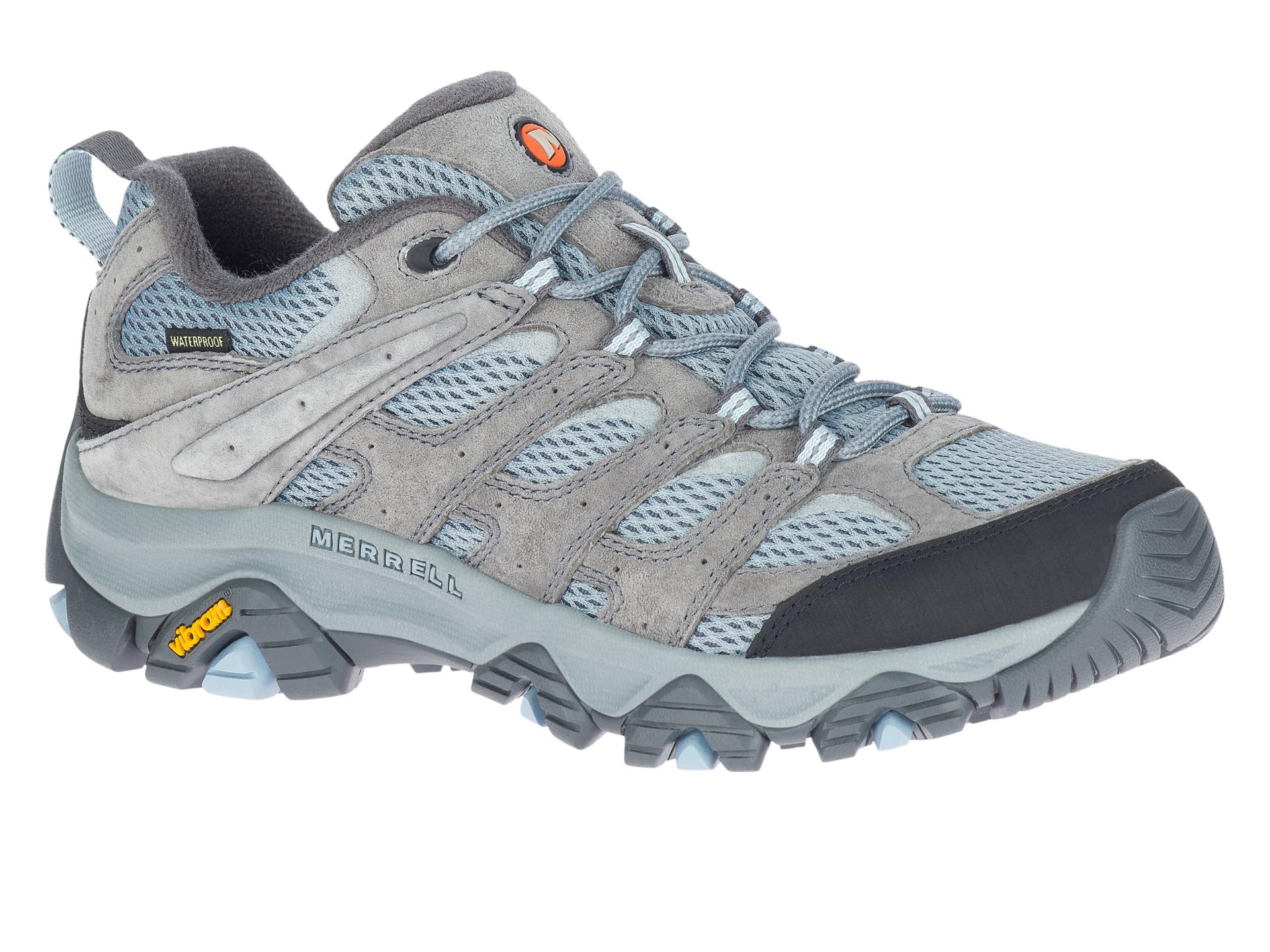
Merrell Moab 3 Shoe
Key Features
- Waterproof Membrane: M Select Dry
- Ankle Support: Low
- Fit: Runs narrow
- Price: $$$
This low-top Moab 3 delivers the same premium arch support and build quality as its mid counterpart, making it a strong choice for warm-weather hikes when ankle support isn’t critical. However, it runs narrow and small – many need to size up or order wide. At a premium price, it’s a niche pick for those who prioritize support over cost and don’t mind the fit adjustments.
Pros
- Superior comfort for a low hiking shoe – feet feel great after long days.
- Excellent arch support helps with plantar fasciitis and flat feet.
Cons
- Runs narrow and small; ordering a half size up or wide width is often necessary.
Best for hikers with narrow feet who want arch support and don’t need ankle coverage, and are willing to pay extra for Merrell’s build quality.
Best for Winter Walks Budget
ANJOUFEMME Winter Boot

Key Features
- Waterproof Membrane: Unspecified membrane
- Ankle Support: Mid
- Fit: True to size
- Price: $
The ANJOUFEMME Winter Boot delivers cozy warmth and a cute look for cold-weather strolls. Its waterproofing handles light snow well. Sole separation and material wear can appear after limited use, making this best for casual winter wear rather than frequent hiking.
Pros
- Keeps feet warm in cold weather.
- Stylish design that looks good with winter outfits.
Cons
- Sole separation and material wear can occur within months of use.
An affordable option for winter walks and casual wear if you are not expecting long-term durability.
Best for Lightweight Day Hikers
CC-Los Lightweight Shoe

Key Features
- Waterproof Membrane: Unspecified membrane
- Ankle Support: Low
- Fit: Sizing varies
- Price: $
The CC-Los shoe delivers surprising traction and a lightweight feel for its price, making it a solid match for day hikes. However, sizing varies between pairs, so ordering from a retailer with easy returns is wise. For frequent or serious trail use, the fit gamble may be too risky.
Pros
- Very lightweight and comfortable
- Surprisingly good traction
Cons
- Sizing can be off
A fine choice for day hikers who prioritize lightweight feel and traction, but only if you’re prepared to handle sizing inconsistencies.
How to Choose
The key to a lasting waterproof hiking shoe is not just the membrane, but how well it fits and how you maintain it.
Waterproof Membrane Reliability
Most waterproof membranes (Gore-Tex, Omni-Tech, M Select Dry) rely on a thin film that can degrade over time or under pressure. A boot that keeps water out in light rain may leak after months of heavy use or when stepping in deeper puddles.
Look for boots with a well-regarded membrane and plan to apply a DWR spray every season. Budget boots often use generic membranes that perform inconsistently from the start.
Ankle Support Height
Mid-cut boots offer more ankle stability for uneven terrain and heavier packs, while low shoes provide freedom of movement and lighter weight. The trade-off: mids can feel restrictive on long flat walks, and lows offer no sprain protection on rocky ground.
Choose a mid if you carry more than 15 pounds or have a history of ankle injuries. For day hikes on groomed trails, a low shoe is often enough.
Traction on Wet Surfaces
Sole rubber compound and lug pattern determine grip on slick rocks and mud. Vibram soles are a trusted standard, but many budget boots use hard rubber that slides on wet surfaces.
Check user feedback for traction in wet conditions. A boot with shallow or widely spaced lugs will perform poorly on muddy descents, regardless of waterproof claims.
Fit Consistency for Wide Feet
A roomy toe box is critical to prevent blisters on long hikes, especially as feet swell. Brands like KEEN and Merrell (in wide widths) are known for accommodating wider feet, while many Columbia and Dansko models run narrow.
If you have wide feet or use orthotics, prioritize fit over waterproofing. A boot that pinches will be uncomfortable even if it stays dry.
Weight and Breathability
Heavier boots provide more support but fatigue your legs faster on long hikes. Lightweight shoes are easier to move in but may lack cushioning and durability.
Breathability is often sacrificed for waterproofing. If you hike in warm weather, look for boots with mesh panels or a breathable membrane like Gore-Tex to avoid sweaty feet.
FAQ
Why does my new waterproof hiking boot leak after a few months?
Waterproof membranes degrade from friction, dirt, and repeated moisture. Once the outer fabric’s DWR coating wears off, the membrane can get waterlogged. Clean boots regularly and reapply a DWR spray every season to restore water beading.
Should I buy hiking boots a half size bigger for thick socks?
Yes, if you plan to wear thick wool socks, order a half size up. Your toes need a thumb’s width of space to avoid blisters. Also consider that feet swell on long hikes. If the boot is snug with thin socks, sizing up is wise.
Are NORTIV 8 hiking boots actually waterproof?
They are water-resistant for light rain and wet grass, but not reliable for puddles or stream crossings. Many users report wet socks after deeper water. Treat them as a budget option for dry conditions, not as a true waterproof boot.
What is the best women’s hiking boot for wide feet?
The KEEN Targhee 3 Low and Merrell Moab 3 Mid (in wide width) are top choices. Both have roomy toe boxes that accommodate orthotics and prevent pinching. Avoid narrow-fitting models like Columbia Crestwood unless you have slim feet.