This post contains affiliate links. We may earn a small commission when you buy through our links — at no extra cost to you.
Trail shoes often look great in the box but turn into a blister factory after a few miles. The real challenge isn’t just grip – it’s how the shoe conforms to your foot shape on descents and across wet rocks.
Waterproof membranes keep rain out but can turn feet into saunas in dry weather. A wide toe box prevents toe bang but may leave narrow-footed hikers feeling loose. The right pick balances these trade-offs for your specific terrain.
This guide focuses on three critical factors: fit consistency that holds up mile after mile, traction that actually bites on loose surfaces, and construction that lasts beyond a single season – not just the marketing claims.


Best for Wet Trails
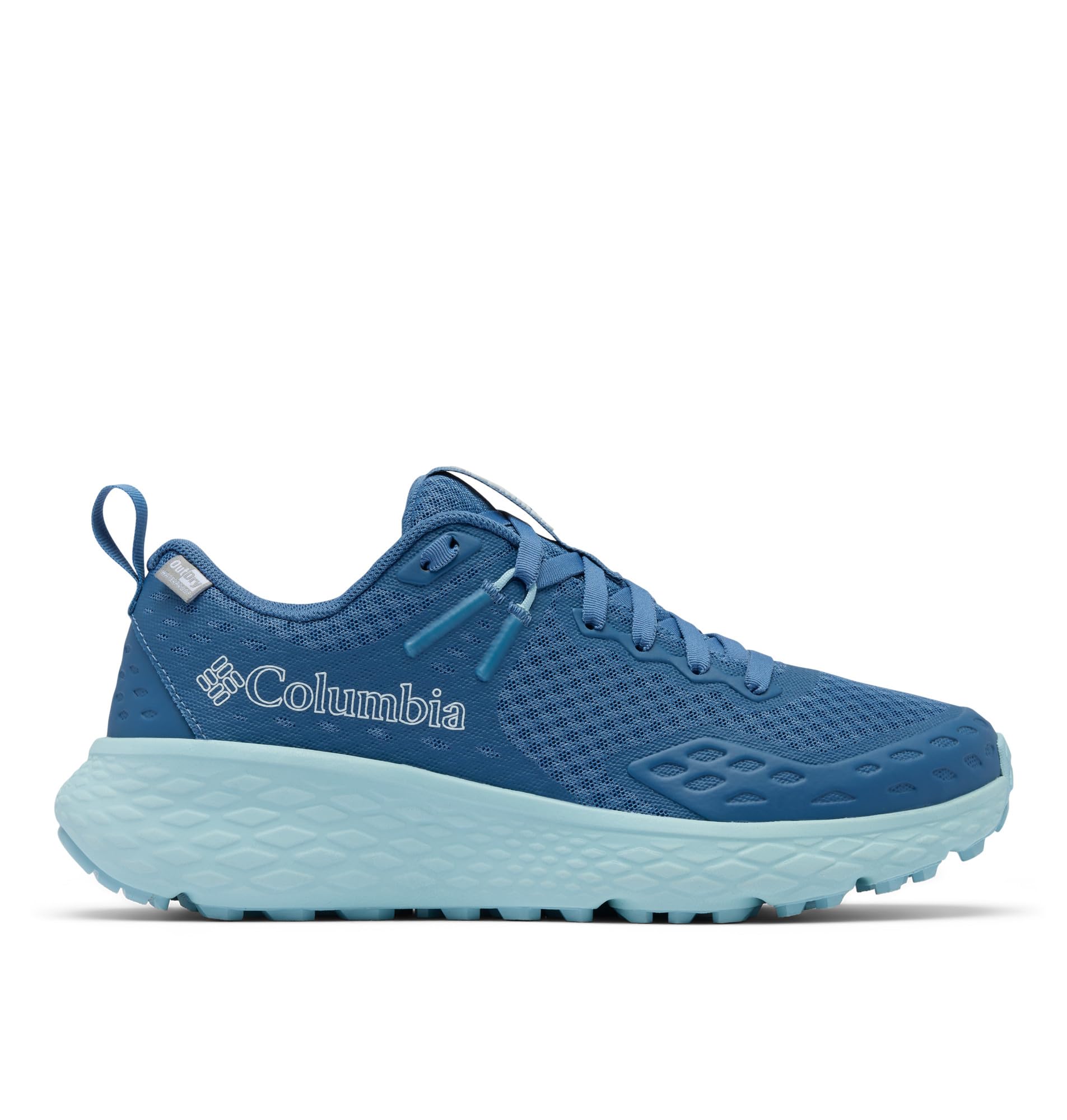
Columbia Konos TRS Outdry
Key Features
- Waterproofing Type: Outdry membrane
- Traction Pattern: Omni-Grip
- Cushioning & Support: Techlite, good arch
- Weight Class: Lightweight
- Toe Box Width: Roomy
- Price: $$$
The Outdry membrane seals out water while letting moisture escape, so feet stay dry on wet trails without the clammy feeling of less breathable waterproof liners. The midsole cushioning absorbs shock across rocky sections, and testers consistently note zero soreness after full-day hikes. The outsole provides dependable grip on mud and loose dirt, though it’s not intended for technical scrambling.
This shoe is built for day hikers who regularly encounter rain or stream crossings and want a lightweight alternative to bulky boots. The roomy fit suits those who prefer extra toe space or plan to wear thicker socks; if you have narrow feet or need a locked-in heel, ordering a half size down fixes that. It’s not suitable for trail running — the sole lacks the snap for faster paces — and the waterproof membrane adds warmth, making it better for cooler weather. Build quality is solid, with materials holding up to regular use on mixed terrain.
Pros
- Extremely comfortable with no soreness after long days
- Truly waterproof – keeps feet dry in rain and streams
- Lightweight and great for long walks and daily use
Cons
- On hard dry surfaces, the sole can produce a squeak that some find distracting
For hikers who regularly face wet trails and want a comfortable, lightweight waterproof shoe, the Konos TRS Outdry delivers on its promise with minimal tradeoffs.
Best for Budget Day Hikes
Merrell Moab 3
Key Features
- Waterproofing Type: None (vented)
- Traction Pattern: Vibram TC5+
- Cushioning & Support: Firm, high arch
- Weight Class: Moderate
- Toe Box Width: Roomy
- Price: $
The Merrell Moab 3 delivers exceptional comfort and arch support right out of the box, making it a top value for day hikers. Unlike premium waterproof models, this vented version keeps feet cool on dry trails but lets water and debris through — a deliberate tradeoff for breathability. Best suited for budget-minded hikers tackling well-maintained paths who don’t need wet-weather protection. Those who need waterproofing should consider the Moab 3 Waterproof instead.
Pros
- Comfortable straight from the box with no break-in period.
- Strong arch support for stable footing on rocky terrain.
- Great value for the price, delivering solid all-around performance.
Cons
- Fit may run small; consider ordering a half size up if you’re between sizes.
A no-nonsense choice for day hikers who want comfort and support at a budget-friendly price, provided wet conditions aren’t on the agenda.
Best for Trail Running
Altra Lone Peak 7
Key Features
- Waterproofing Type: None (mesh)
- Traction Pattern: MaxTrac
- Cushioning & Support: Minimal, low arch
- Weight Class: Lightweight
- Toe Box Width: Very wide
- Price: $$
The Lone Peak 7’s wide toe box and zero-drop platform create a roomy, flexible ride that lets feet splay naturally on descents. This design suits runners with wide feet or bunions who want a minimalist feel, but the minimal arch support means it’s not for those needing significant support. The shoe tends to run large, so sizing down half a size often improves fit.
Pros
- Wide toe box reduces blister risk on long runs
- Traction grips well on dry rock and dirt
- Build quality holds up to regular trail use
Cons
- Zero-drop design offers minimal arch support — not for flat feet or plantar fasciitis
- Sizing can be generous; some may need to go down half a size
A strong choice for trail runners who value toe freedom and ground feel over arch support.
Best for Wet Technical Trails
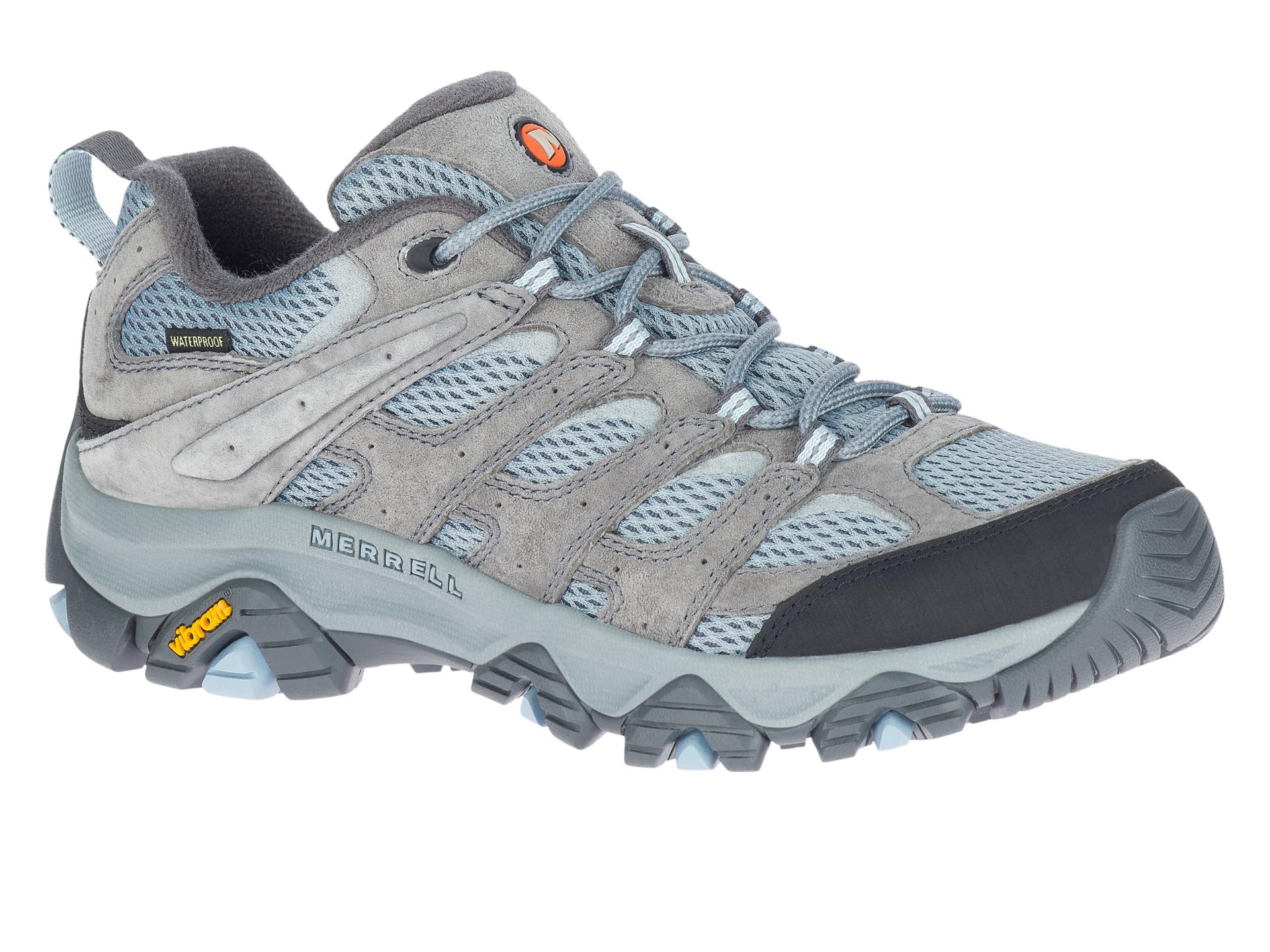
Merrell Moab 3 Waterproof
Key Features
- Waterproofing Type: M Select DRY
- Traction Pattern: Vibram TC5+
- Cushioning & Support: Firm, high arch
- Weight Class: Moderate
- Toe Box Width: Medium
- Price: $$$
The Moab 3 Waterproof delivers high arch support and durable construction that hold up on wet, technical backcountry. Its Vibram soles provide consistent traction on slippery rock and loose terrain, and out-of-box comfort means no break-in period. Compared to lighter trail runners, this shoe offers a bulkier, more protective platform suited to serious hiking. It fits medium-to-wide feet best, but sizing inconsistency means trying before buying is worth the extra step.
Pros
- Comfort out of the box with no break-in needed.
- Strong arch support appreciated by those with flat feet or plantar fasciitis.
- Vibram soles grip well on wet rock and varied terrain.
Cons
- Fit can be inconsistent; the toe box may feel snug for some foot shapes.
A premium waterproof hiker with high arch support and durable build — best for hikers who prioritize comfort and protection over packability. Fit variability makes trial sizing advisable.
Best for Day Hikes
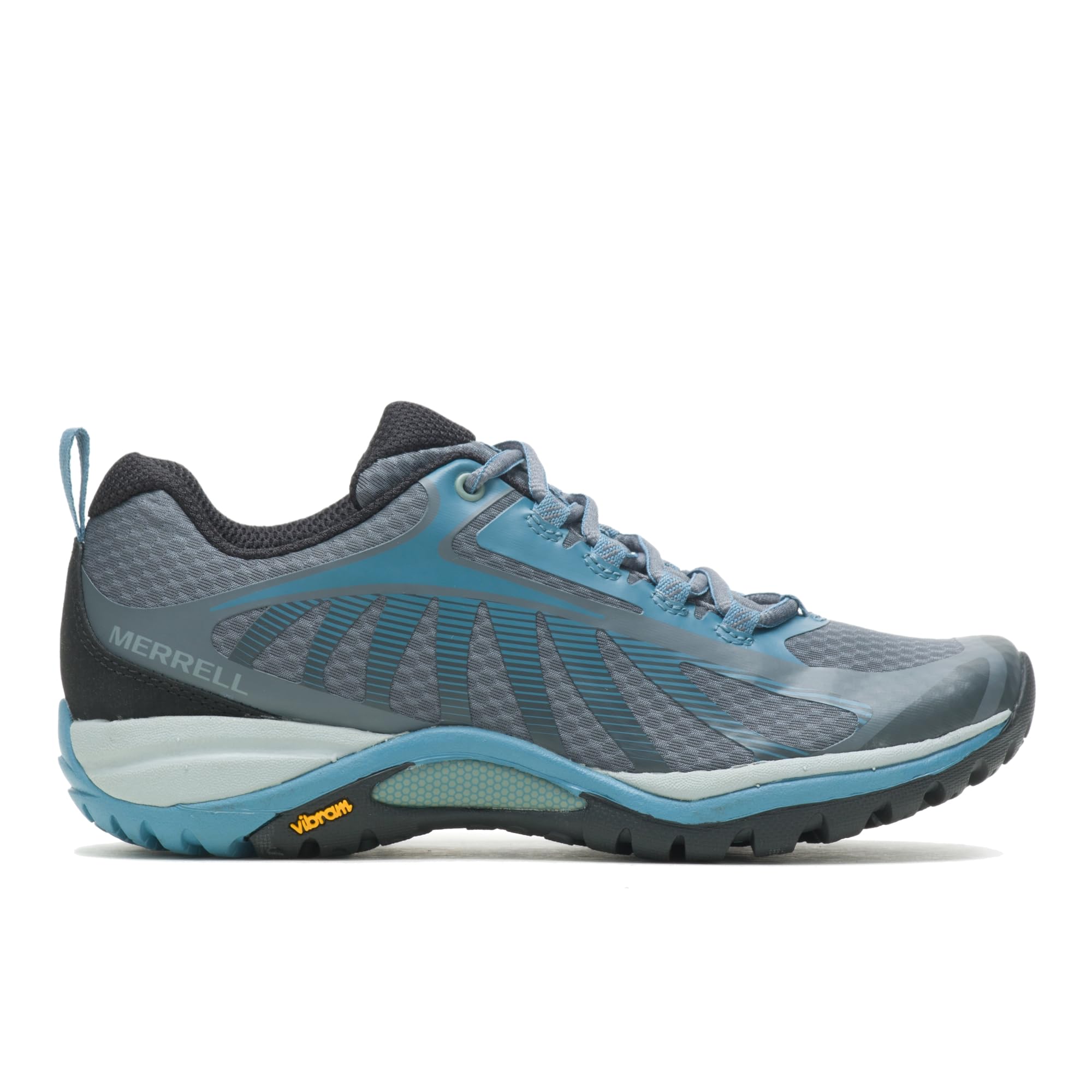
Merrell Siren Edge 3
Key Features
- Traction Pattern: Vibram EcoStep
- Cushioning & Support: Soft, good arch
- Weight Class: Lightweight
- Toe Box Width: Wide
- Price: $$
Very lightweight construction and modern design make this a strong pick for day hikes and casual wear. The soft upper and wide toe box reduce blister risk, and the Vibram sole provides reliable traction on packed dirt and easy trails. However, the materials prioritize weight savings over longevity — some users note upper tearing or premature wear after moderate use. This suits day hikers and women with wide feet or toe sensitivity who want a comfortable shoe that also looks good off the trail.
Pros
- Extremely comfortable with no blister period — strong arch support for plantar fasciitis.
- Wide toe box accommodates foot swelling and sensitive toes.
- Lightweight design with modern style transitions easily to casual wear.
Cons
- Upper fabric may show wear or tearing sooner than heavier hiking shoes.
A lightweight, comfortable day-hiker with strong arch support — ideal for casual trails and all-day wear, but less suited for rugged, long-term use.
Best for Technical Trails
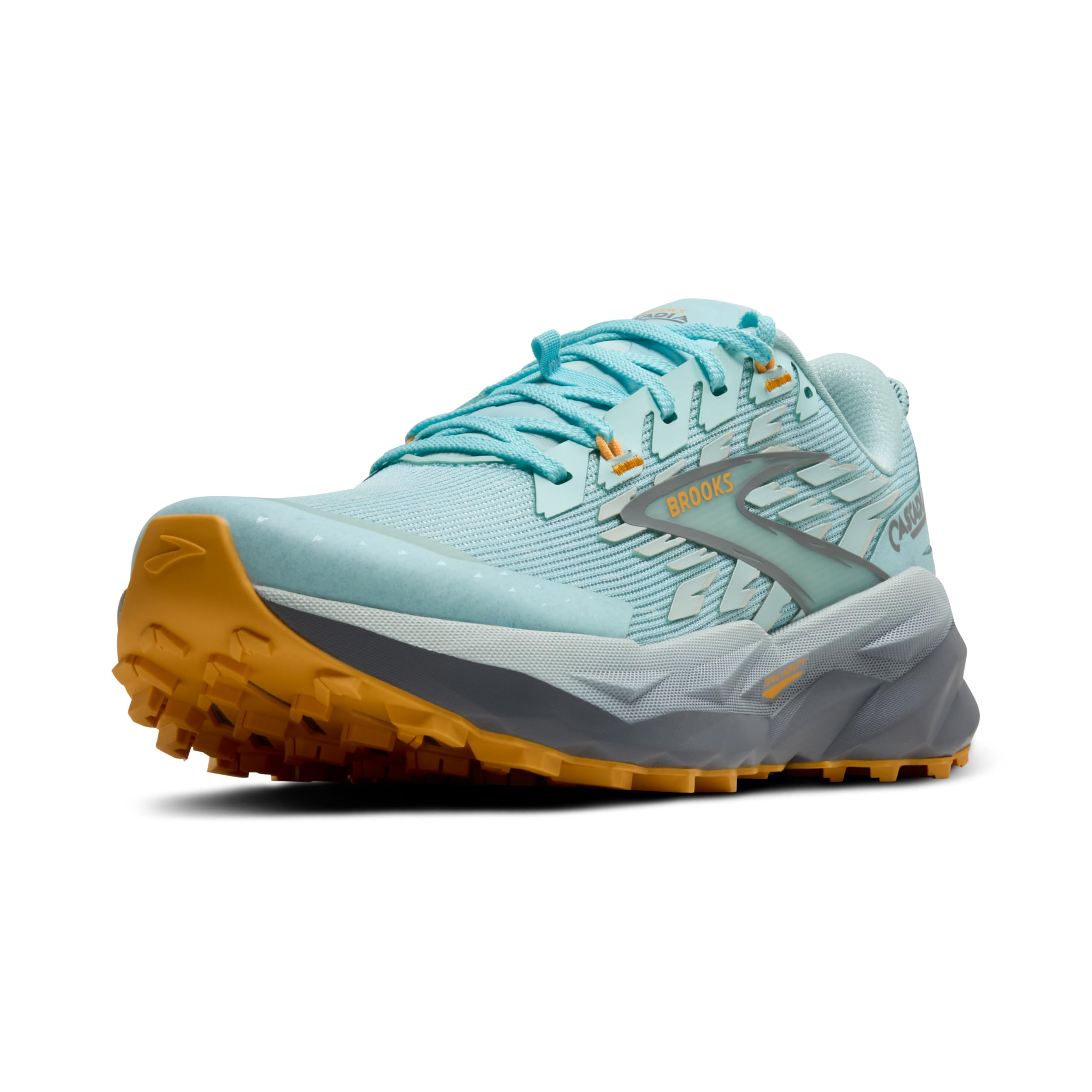
Brooks Cascadia 19
Key Features
- Waterproofing Type: None (quick-dry)
- Traction Pattern: TrailTack
- Cushioning & Support: DNA Loft, high arch
- Weight Class: Moderate
- Toe Box Width: Medium
- Price: $$
The Cascadia 19 delivers consistent traction on rocky and varied terrain with generous cushioning for long runs and fast hikes. Breathable mesh upper suits dry conditions, while the roomy toe box accommodates foot swelling on descents — though some may need to size up for length. This shoe fits trail runners who want a padded, supportive ride without the bulk of a hiker, and who don’t need waterproofing.
Pros
- Generous toe box and cushioning for comfort on long runs and hikes.
- Good traction on rocky and uneven terrain.
Cons
- Length may be short for some foot shapes — try a half-size up.
For dry-trail runners who prioritize traction and cushioning, the Cascadia 19 delivers — just verify sizing before committing.
Best for Proven Classic
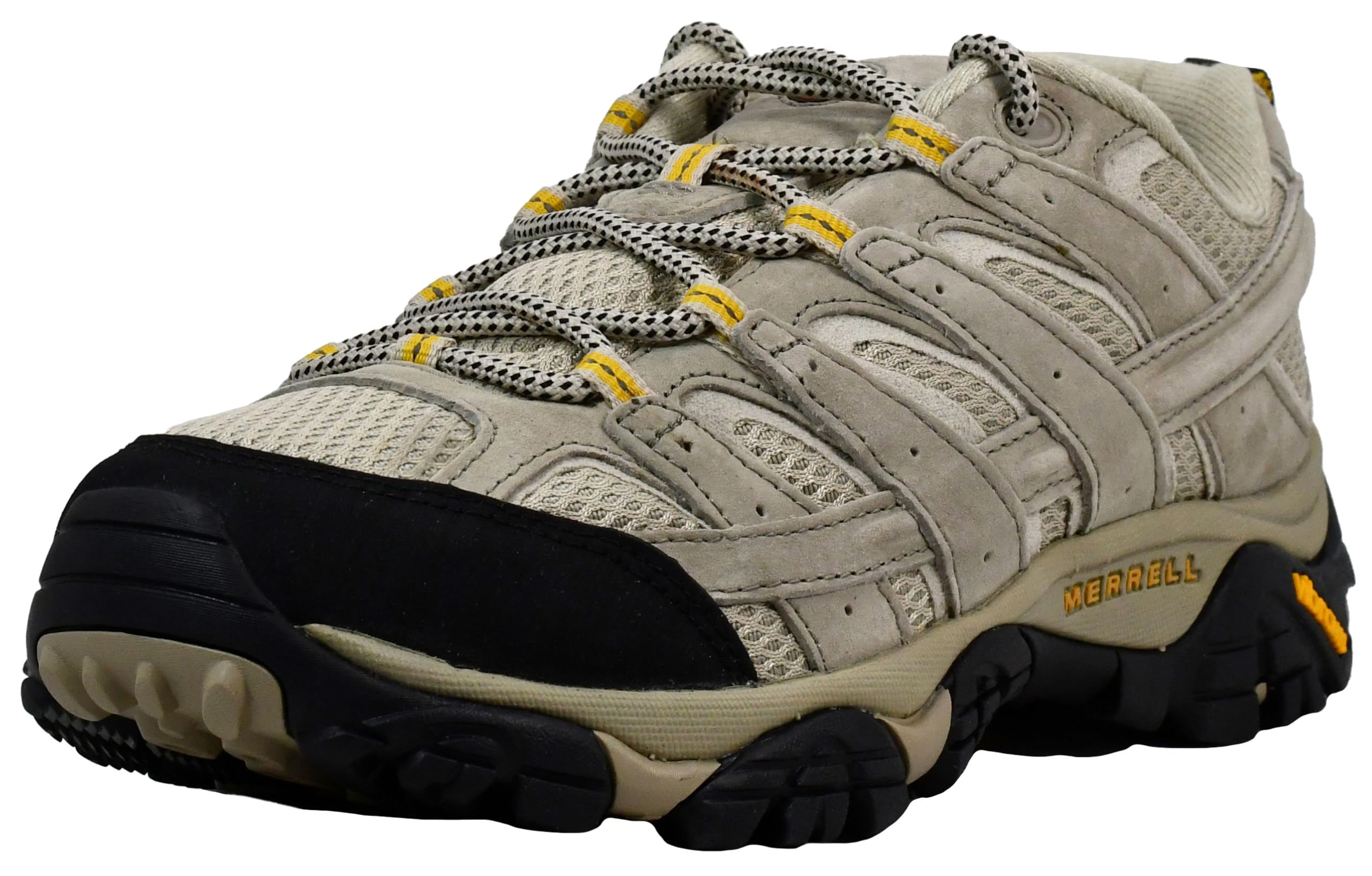
Merrell Moab 2 Vent
Key Features
- Waterproofing Type: None (mesh)
- Traction Pattern: Vibram TC5+
- Cushioning & Support: Firm, high arch
- Weight Class: Moderate
- Toe Box Width: Wide
- Price: $$
Backed by a massive user community, the Merrell Moab 2 Vent delivers consistent comfort and durability for day hikers who prioritize fit over weight. Its roomy toe box and solid arch support handle varied terrain without blisters. However, the newer Moab 3 offers a lower price and comparable feel, making this model redundant for fresh buyers. The heavier build also feels clunky for runners or weight-conscious hikers.
Pros
- Extremely comfortable with no break-in period, wide toe box prevents blisters.
- Durable construction outlasts many competitors, sustaining its shape over long use.
Cons
- The shoe’s weight can feel noticeable on fast-paced hikes or runs, better suited for steady day hiking.
Best considered if found at a discount; otherwise the Moab 3 offers better value for the same experience.
Best for Budget Trail Runs
ASICS Gel-Venture 10

Key Features
- Waterproofing Type: None (mesh)
- Traction Pattern: Trail-specific lugs
- Cushioning & Support: GEL, medium arch
- Weight Class: Lightweight
- Toe Box Width: Narrow
- Price: $$
The Gel-Venture 10 delivers comfortable cushioning and arch support for narrow-footed runners on groomed trails at a budget-friendly price. Its snug fit provides good stability for light jogging. However, the sizing runs small and narrow, and durability can vary with regular trail use, so it falls short of more consistent options like the Altra Lone Peak 7.
Pros
- Comfortable cushioning reduces foot pain on easy trails.
- Good arch support and ankle stability for moderate terrain.
Cons
- Fit runs small and narrow; ordering a half to full size larger is worth considering.
For narrow-footed women who prioritize comfort on well-maintained trails and don’t mind sizing up, this is a reasonable budget option.
Best for Narrow Feet
Columbia Crestwood WP

Key Features
- Waterproofing Type: Omni-Tech
- Traction Pattern: Omni-Grip
- Cushioning & Support: Techlite, medium arch
- Weight Class: Moderate
- Toe Box Width: Narrow
- Price: $$
The Crestwood locks out rain and creek splashes effectively, with a snug fit that suits narrow feet from the first wear. Its comfort and traction on moderate terrain make it a practical choice for price-conscious day hikers. However, the narrow toe box limits appeal to those with wider feet or bunions, and the Konos TRS offers a more comfortable overall experience for a higher price.
Pros
- Ready-to-wear comfort with no break-in period needed.
- Keeps feet dry through rain and shallow creek crossings.
Cons
- Narrow fit can be tight for wider feet or bunions.
Best for narrow-footed hikers who need reliable waterproofing at a budget-friendly price and can accept limited breathability in hot conditions.
Best for Long Wet Hikes
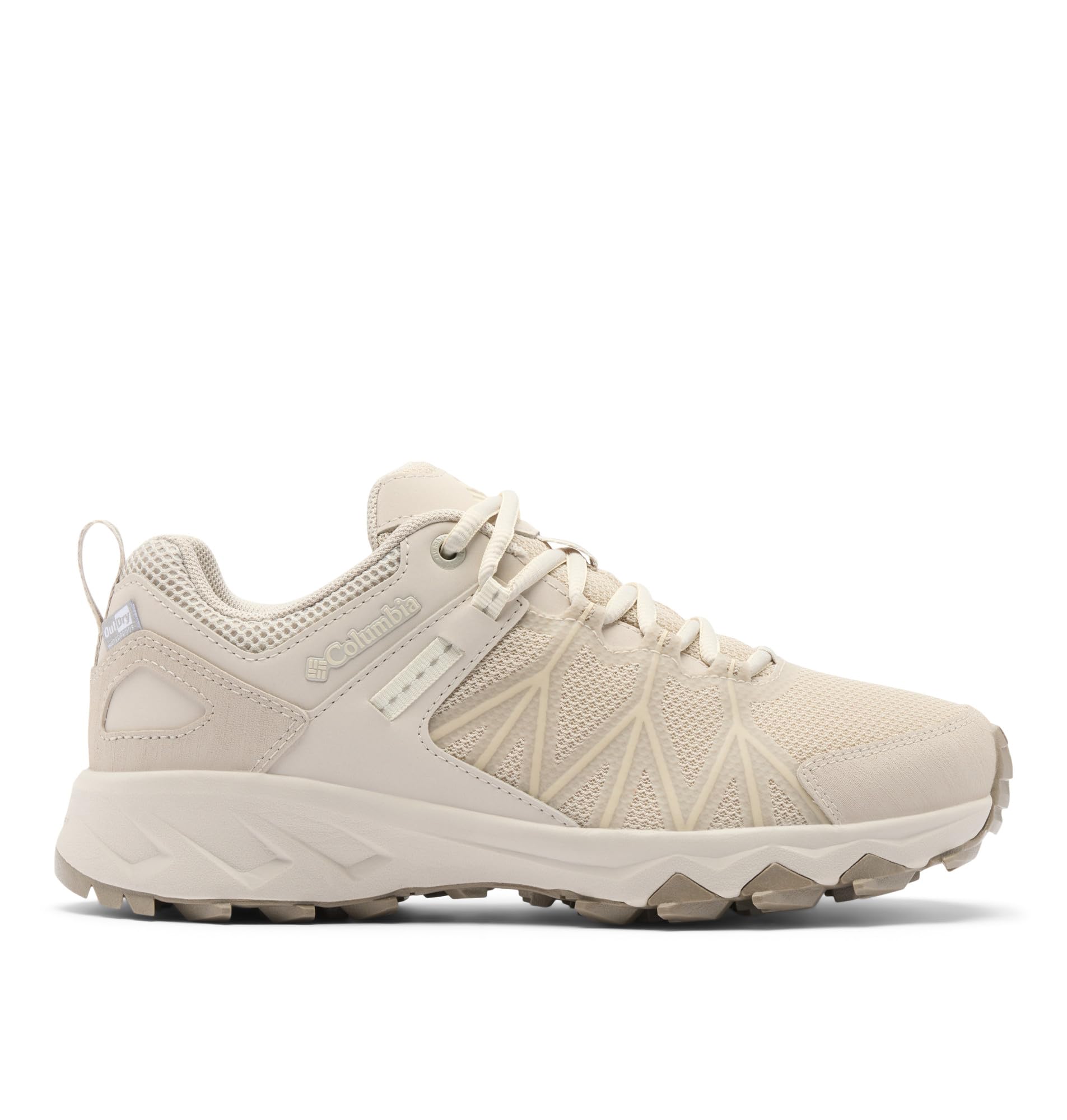
Columbia Peakfreak II
Key Features
- Waterproofing Type: Outdry
- Traction Pattern: Omni-Grip
- Cushioning & Support: Techlite+, good arch
- Weight Class: Lightweight
- Toe Box Width: Medium
- Price: $$$
Columbia’s Peakfreak II pairs Outdry waterproofing with a lightweight build that keeps feet comfortable on long day hikes. The fit may run snug for some, so consider the wide version if available. It lacks the traction feedback of the Konos TRS, making it better suited to well-groomed trails than technical, wet rock.
Pros
- Extremely comfortable out of the box with no break-in period.
- Dependable Outdry membrane keeps feet dry in rain and stream crossings.
Cons
- Fit may be snug for some – consider wide width if available.
A good pick for day hikers who prioritize lightweight waterproofing over maximum traction and can accommodate a narrower fit.
Best for Technical Runners
Salomon XA PRO 3D

Key Features
- Waterproofing Type: None (mesh)
- Traction Pattern: Contagrip
- Cushioning & Support: Dual-density, high arch
- Weight Class: Sturdy
- Toe Box Width: Narrow
- Price: $$$
The XA PRO 3D delivers durable support and traction for rocky trails, with a stiff build that holds up over hundreds of miles. The fit runs narrow and can vary in length, making it a gamble for those with wider feet. At a premium price, it competes with more affordable options like the Cascadia 19 for comparable performance, so this shoe suits runners who prioritize stability over cost and can test sizes in store.
Pros
- Very comfortable and supportive for all-day wear.
- Excellent arch support and stability on technical terrain.
Cons
- Fit can run narrow or large, making sizing a gamble.
Best for technical trail runners who need stability and are willing to sort out sizing.
Best for Casual Style
NORTIV 8 Gladiator

Key Features
- Waterproofing Type: None (claimed water-resistant)
- Traction Pattern: Rubber lugs
- Cushioning & Support: EVA, low arch
- Weight Class: Lightweight
- Toe Box Width: Wide
- Price: $
The NORTIV 8 Gladiator is a comfortable, stylish shoe that fits well for light trail walks and casual outings. Its durability and water resistance fall short for regular hiking or wet conditions. This shoe suits occasional use on dry paths where looks and price matter more than long-term reliability.
Pros
- Comfortable straight out of the box for long walks with no break-in needed.
- Attractive design that works on and off the trail.
Cons
- Sole separation can occur in some pairs, limiting this shoe to occasional, easy trails.
Best for budget shoppers who want a stylish, comfortable shoe for short, dry walks — not for frequent hiking or wet terrain.
Best for Light Trails
New Balance 410v8

Key Features
- Waterproofing Type: None (mesh)
- Traction Pattern: AT Tread
- Cushioning & Support: AT Cushion, medium arch
- Weight Class: Lightweight
- Toe Box Width: Narrow
- Price: $$
The New Balance 410v8 delivers plush cushioning and a classic look that suits easy trail walks and everyday wear. However, the narrow fit may require sizing up, and the upper is prone to tearing under heavier trail use. These tradeoffs make it better suited for gentle paths rather than rugged terrain.
Pros
- Comfortable cushioning for all-day wear on packed dirt paths
- Classic New Balance styling with attractive color options
Cons
- Narrow fit may require sizing up for toe room
Best for budget-conscious walkers who stick to packed dirt and accept the need to size up and a shorter lifespan.
How to Choose
The most overlooked factor in trail shoe performance is how the toe box interacts with downhill foot movement – a shoe that fits at the store can jam toes after a few miles of descent.
Waterproofing Type
Waterproof membranes (like Outdry or Gore-Tex) block water but trap sweat, raising foot temperature by several degrees on warm days. Breathable mesh shoes dry faster but let puddles in. Choose waterproof if you regularly cross streams or hike in rain; choose vented for dry climates or fast packing.
A common hidden trade-off: waterproof shoes often use thicker liners that reduce internal volume, making the same size feel snugger. If you have wide feet, you may need to size up half a step in waterproof models.
Traction Pattern
Lug depth and spacing determine grip on loose surfaces. Deep, widely spaced lugs (4-5 mm) shed mud better and bite into soft dirt, but they can feel unstable on slick rock. Shorter, densely packed lugs (2-3 mm) perform better on wet rock and packed trails but clog quickly in mud.
For mixed terrain, look for chevron-shaped lugs that channel debris away. A continuous central ridge improves braking on descents but reduces lateral grip on side-hills.
Cushioning & Support
Cushioning is a spectrum: soft foam absorbs shock but lacks stability under heavy loads; firm foam offers better support for backpacking but transmits more impact. Arch support ranges from flat (zero-drop, low arch) to pronounced (high arch).
The trade-off: high arch support can cause pain for flat-footed hikers who need a flatter platform, while minimal support aggravates plantar fasciitis. Insole replacement is a common fix, but some shoes have non-removable footbeds.
Weight Class
Weight directly affects fatigue over long miles – a 2-ounce difference per shoe adds up to several pounds lifted per mile. Lightweight shoes (under 10 oz) favor speed and agility but offer less protection and durability. Sturdy shoes (over 12 oz) provide more underfoot protection and sidewall support.
Day hikers often benefit from lightweight models, while backpackers or technical runners should lean toward sturdier builds that resist rock punctures and lateral stress.
Toe Box Width
A roomy toe box allows toes to splay naturally on descents, reducing jamming and black toenails. But too much width can cause heel slippage if the shoe doesn’t lock the foot down. Narrow toe boxes improve heel hold but risk blisters on long downhills.
The hidden mechanism: foot swelling over hours of hiking – a half-size up or a wide width can prevent the toe-box squeeze that only appears after mile five. Try shoes with the socks you’ll actually hike in and walk on a slanted surface to test toe clearance.
FAQ
Why do my new trail shoes feel tight after a few miles?
Your feet naturally swell up to half a size during exercise due to increased blood flow and gravity. Shoes that fit comfortably in the store can become tight after a few miles, especially in the toe box. Always try shoes with the hiking socks you plan to use and leave a thumb’s width of space between your longest toe and the shoe’s end. If the shoe still feels tight after break-in, it’s likely too small.
Are waterproof trail shoes worth it for day hikes in dry climates?
In dry climates, waterproof shoes are often a downgrade. The membrane reduces breathability, making your feet sweat more and potentially causing blisters from moisture buildup. Unless you encounter frequent stream crossings or sudden rain, a vented shoe dries faster and keeps feet cooler. Save waterproofing for wet-terrain hikers or multi-day trips where wet feet are unavoidable.
How much toe room should I have in trail running shoes for downhill stability?
You need at least a thumb’s width (about 1/2 inch) between your longest toe and the shoe’s front when standing upright. On steep descents, your foot slides forward, so extra space prevents jamming and black toenails. The shoe should still feel snug in the heel – if you can lift your heel easily, the shoe is too long. A wide toe box with a secure heel lock is the ideal balance.
My Saucony Excursion TR13 fell apart after a month – is this a common issue?
Yes, this is a known problem. Hundreds of reviews report the TR13’s sole separating or the upper tearing within weeks of regular use. The low price reflects low-grade adhesives and fabric. This shoe is only suitable for very occasional, light wear – not for regular hiking or running. If you need a durable trail shoe, choose a model with a stronger reputation, like the Merrell Moab or Columbia Konos.