This post contains affiliate links. We may earn a small commission when you buy through our links — at no extra cost to you.
Waterproof hiking boots often promise more than they deliver. A boot that feels solid in the store can start leaking after a few wet hikes or develop sole separation by the end of the season.
The key is matching the boot to your actual use – day hikes vs. heavy backpacking, dry trails vs. stream crossings. Some boots deliver comfort and waterproofing for years; others are best left for casual wear.
The biggest choice you face is between lighter, more comfortable boots and those built for durability. Neither is wrong, but knowing which trade-off fits your hiking style saves you from a regretful purchase.


Best for Men Day Hikes
Merrell Moab 3 Men
Key Features
- Waterproof Membrane: M Select DRY
- Weight: 11.68 oz
- Ankle Support: Mid
- Break-In: Minimal
- Price: Mid-Range
The Moab 3 requires zero break-in — the footbed and cushioning support right out of the box. Traction on rocky trails is confident, with lugs that bite into loose gravel and wet rock without slipping. This boot balances cushion and stability for mile-after-mile walking without fatigue.
This boot suits day hikers who prioritize comfort and a true-to-size fit (a wide option is available). The waterproof membrane handles light rain and stream crossings, but some hikers have noted that after several months of use, moisture can seep through in consistently wet grass. For trips where guaranteed waterproofing is critical, consider a boot with a Gore-Tex liner.
Pros
- Immediate comfort with no break-in required
- Confident traction and stability on rocky, uneven surfaces
- True-to-size fit with a dedicated wide option
Cons
- Waterproofing can allow moisture through in wet grass after extended use
- Sole wear may accelerate under heavy, frequent use on abrasive terrain
For day hikers who value comfort and traction over a long-term waterproofing guarantee, the Moab 3 is a dependable all-rounder.
Best for Women Day Hikes
Merrell Moab 3 Women
Key Features
- Waterproof Membrane: M Select DRY
- Weight: ~1.5 lbs
- Ankle Support: Mid
- Break-In: Minimal
- Price: Mid-Range
The women’s Moab 3 delivers immediate comfort with a last shaped for women and zero break-in required under typical day-hike loads. Traction grips varied terrain securely, arch and ankle support hold up on long miles, and the waterproof membrane handles rain and muddy trails. This boot is best suited for women day hikers who prioritize fuss-free fit and are not tackling deep water crossings. Note that women with narrow heels may find the heel pocket slightly loose, and those with wide feet should order the wide version for a proper fit.
Pros
- No break-in needed – comfortable from first wear.
- Traction grips varied terrain with confidence.
- Ankle and arch support reduce fatigue on long hikes.
Cons
- Toe box suits narrow to medium widths; wide-footed hikers should order the wide version.
A day-hiking boot that puts comfort and support first without any break-in – just order the wide version if your feet run wide.
Best for Budget Occasional
NORTIV 8 Paladin Men
Key Features
- Weight: Lightweight
- Ankle Support: Mid
- Break-In: Minimal
- Price: Budget
The NORTIV 8 Paladin delivers impressive initial comfort at a budget-friendly price, feeling lightweight and supportive for short walks. However, the waterproof membrane may let dew in, and sole adhesion can weaken over a few months of use. This boot works best for occasional day hikes where cost is the priority and you’re willing to replace them sooner than a traditional hiking boot.
Pros
- Very comfortable and easy on the feet for short walks
- Lightweight enough for day hikes without fatigue
- Excellent value at an entry-level price point
Cons
- Waterproofing may not hold up in wet grass or dew, leading to damp feet
- Sole adhesion and seam stitching can weaken within a few months of use
A budget-friendly option for short, dry walks where initial comfort outweighs longevity concerns.
Best for Budget Dry Hikes
Columbia Transverse Hike
Key Features
- Waterproof Membrane: Omni-Tech
- Weight: Lightweight
- Ankle Support: Mid
- Break-In: Minimal
- Price: Budget
The Transverse Hike delivers genuine Omni-Tech waterproofing in a lightweight package that stays comfortable all day. While the Merrell Moab 3 offers better long-term durability, the Columbia undercuts it by about $40 without sacrificing immediate comfort or water resistance. This boot fits best for day hikers on a budget who prioritize weight and comfort over rugged longevity. Wide-footed hikers should order the wide version or size up — the standard fit runs narrow.
Pros
- Lightweight build with a roomy toe box that keeps feet comfortable on all-day walks
- Omni-Tech membrane provides genuine waterproofing at a budget-friendly price
Cons
- Durability may be a concern under sustained heavy use — better suited for day hikes than rugged terrain or backpacking
A smart pick for light trails and casual walking when you want waterproof protection without the weight or the price of premium boots.
Best for Premium Lightweight
Danner Mountain 600
The Danner Mountain 600 Leaf GTX pairs a full-grain leather upper with a Gore-Tex membrane and Vibram Fuga Megagrip outsole at just 2.82 lbs, feeling more like a trail runner than a traditional boot. That lightweight agility makes it ideal for day hikers who prioritize speed and comfort over heavy ankle support. The premium construction and materials come at a premium price, and occasional lace-loop defects can cause irritation around the ankle – something to inspect before long hikes.
Pros
- Running-shoe comfort that keeps feet fresh on long day hikes
- Lightweight build (2.82 lbs) reduces fatigue and improves agility on the trail
- Gore-Tex membrane and Vibram outsole provide reliable wet-weather traction
Cons
- Premium pricing puts it out of reach for budget-conscious buyers
- Occasional lace-loop defects can cause ankle irritation if not caught early
For hikers who want a nimble, comfortable boot and are willing to pay for premium materials, the Mountain 600 delivers – just give the hardware a quick check before hitting the trail.
Best for Classic Comfort
Timberland White Ledge
Key Features
- Weight: ~1.1 lbs
- Ankle Support: Mid
- Break-In: Moderate
- Price: Mid-Range
Comfort and water resistance are the standout traits here, with tens of thousands of reviews confirming a reliable fit for casual trails. This boot suits beginners and budget-minded day hikers who prioritize immediate comfort over long-term durability. However, sole separation and eyelet breakage can occur after moderate use, making it less suitable for frequent or heavy-duty trips.
Pros
- All-day comfort on well-maintained trails with no break-in needed.
- Handles puddles and light rain without soaking through.
- Classic look that transitions from trail to casual wear.
Cons
- On rocky terrain or with regular use, the sole may separate from the boot after several months.
- The waterproof membrane can lose effectiveness after extended use or when submerged.
A comfortable, affordable entry into hiking boots — best for occasional day hikes on moderate terrain.
Best for Light Trail Use
NORTIV 8 Armadillo Men

Key Features
- Weight: Lightweight
- Ankle Support: Mid
- Break-In: Minimal
- Price: Budget
Comfortable and lightweight for short, dry walks, but sole separation can occur after months, and waterproofing may not hold up in wet grass. This boot is best reserved for casual wear or paved paths, not real hiking.
Pros
- Cushioned footbed offers lasting comfort for short hikes.
- Lightweight build reduces leg fatigue on easy trails.
Cons
- Soles may separate after a few months, shortening usable life.
Worth considering only for light use on dry days or casual wear, not for regular hiking or wet conditions.
Best for Style Walks
NORTIV 8 Seeker Women

Key Features
- Weight: Lightweight
- Ankle Support: Mid
- Break-In: Minimal
- Price: Budget
This budget boot delivers immediate comfort and a stylish look for short walks and casual wear. Traction is sufficient on light trails, but waterproofing can become less consistent after a few months. It’s not suited for regular hiking — consider this a fashion-forward spare for very light use.
Pros
- Very comfortable with no blister issues from the start.
- Cute appearance for a budget-priced boot.
Cons
- Waterproofing may become less consistent after a few months of use.
A good pick for short walks and casual wear when waterproofing isn’t a priority and the budget is tight.
Best for Stylish Day Hikes
Columbia Newton Ridge+ II

Key Features
- Waterproof Membrane: Omni-Tech
- Weight: Lightweight
- Ankle Support: Mid
- Break-In: Minimal
- Price: Mid-Range
This suede boot combines a stylish appearance that holds up over time with effective Omni-Tech waterproofing for moderate trails. The interior is comfortable with no break-in needed. However, the lace hooks can pop off under pressure, and the toe area runs snug for some — sizing up may help. At a higher price than the budget-friendly Transverse, it’s best for hikers who prioritize style and comfort over hardware durability and value.
Pros
- Comfortable interior with no break-in needed
- Stylish suede upper that holds up well over time
Cons
- Lace hooks and eyelets can pop off under stress
Best for day hikers who value suede style and immediate comfort, and are willing to accept potential lace hardware issues and a snug toe — consider sizing up.
Best for Casual Hiking
Timberland Flume

Key Features
- Waterproof Membrane: Seam-sealed
- Weight: ~3 lbs
- Ankle Support: Mid
- Break-In: Minimal
- Price: Mid-Range
The Timberland Flume delivers a sneaker-like feel straight out of the box, with a full-grain leather upper that sheds rain well and keeps weight under three pounds. That low weight and minimal break-in make it a natural fit for short, mellow trails and everyday wear. But the light build comes with two tradeoffs: the outsole can wear faster than heavier boots, and the mid-height collar provides less ankle support than dedicated hiking boots. This boot works well if your idea of hiking is a well-groomed path or a walk in the park, but it is not suited for rocky terrain or carrying a pack.
Pros
- Comfortable with essentially no break-in period needed
- Feels lighter than typical leather boots, reducing fatigue on walks
Cons
- Sole rubber can wear through quicker than expected on abrasive surfaces
Grab the Flume for casual daily walks and occasional light trails where ankle support is not critical. It is not the boot for steep or uneven terrain.
Best for Proven Comfort
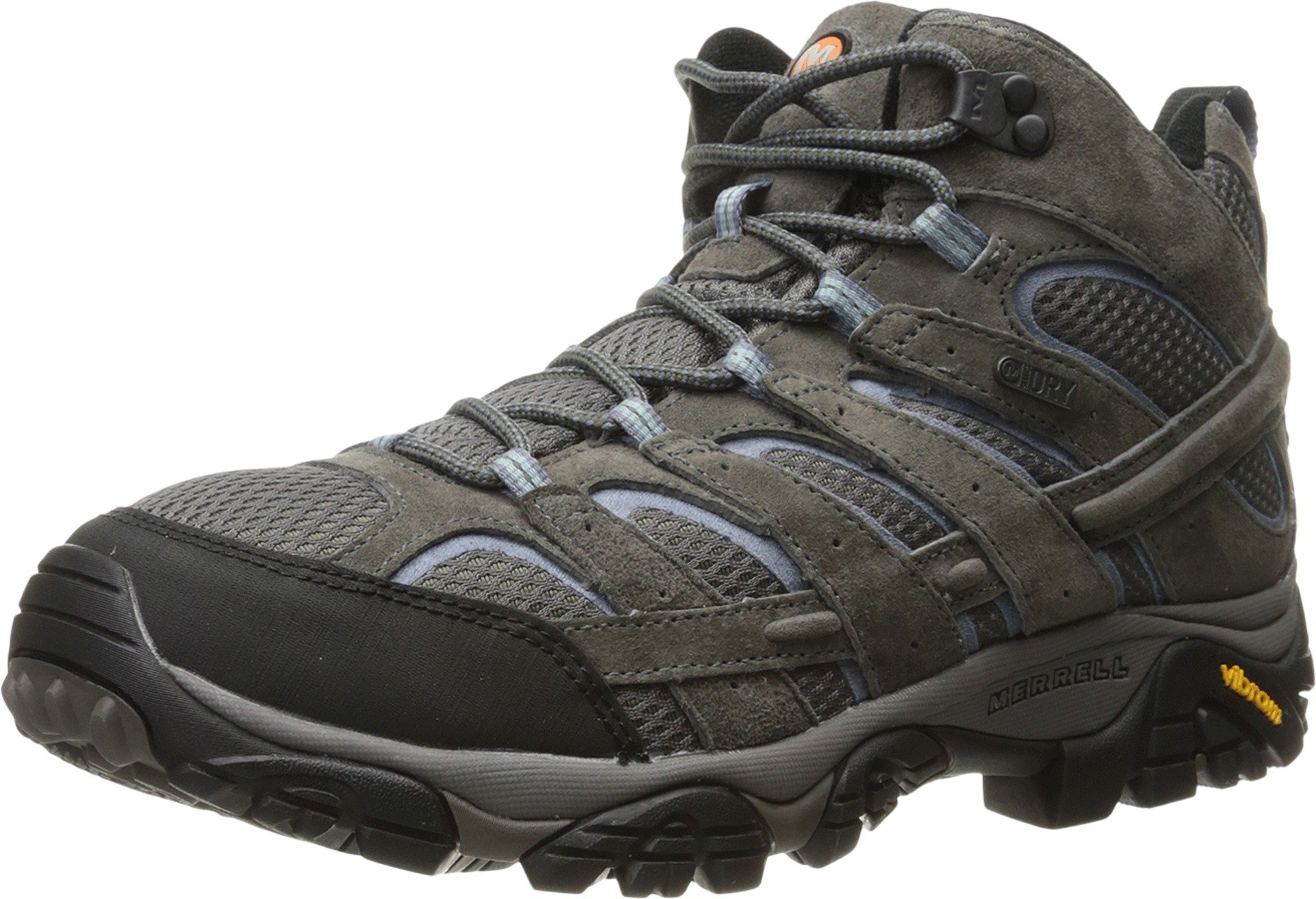
Merrell Moab 2 Women
Key Features
- Waterproof Membrane: M Select DRY
- Weight: ~15.6 oz
- Ankle Support: Mid
- Break-In: Minimal
- Price: Mid-Range
The Moab 2 offers immediate comfort and a spacious toe box that suits wide feet. As a previous generation model, it’s available at a discount. Waterproofing can diminish over time and sole separation has been noted. Best for budget-conscious women who prefer the Moab 2 fit and accept the tradeoff versus the newer version.
Pros
- Immediate comfort with soft insoles, no break-in needed.
- Spacious toe box accommodates wide feet comfortably.
Cons
- Waterproof membrane may lose effectiveness with extended use.
A solid value for women who want the Moab 2 fit at a discount and are okay with possible waterproofing decline over time.
Best for Discontinued Sale
Columbia Newton Ridge+ Women

Key Features
- Waterproof Membrane: Omni-Tech
- Ankle Support: Mid
- Break-In: Minimal
- Price: Budget
The Columbia Newton Ridge+ delivers comfortable, waterproof performance with no break-in needed, making it a strong choice for day hikers on a budget. However, the model is discontinued, so stock is limited. Fit can be narrow, so consider sizing up if you have wider feet.
Pros
- Comfort straight out of the box with no break-in required.
- Waterproofing handles puddles and snow effectively.
Cons
- Narrow fit may require sizing up or ordering wide for some foot shapes.
Best for budget-conscious day hikers who can act quickly while stock lasts and don’t need wide sizing out of the box.
Best for Extreme Budget
NORTIV 8 Women’s Basic

Key Features
- Weight: Lightweight
- Ankle Support: Mid
- Break-In: Minimal
- Price: Budget
This NORTIV 8 boot delivers immediate comfort and decent grip on wet rocks at an entry-level price. Durability and waterproofing are limited – seams and soles can separate within months, and water resistance declines quickly, making this a boot for short, dry walks rather than any real hiking.
Pros
- Comfortable for short walks with no break-in period
- Unexpectedly good traction on wet rocks for the price
Cons
- Seams and soles can separate after a few months of use – best for occasional walks only
Best reserved for brief trips around town or as an emergency backup – not a boot for wet or rugged trails.
Best for Casual Wear
SHULOOK Hiking

Key Features
- Weight: Lightweight
- Ankle Support: Mid
- Break-In: Minimal
- Price: Budget
These boots deliver the plush, lightweight feel of sneakers right out of the box at an entry-level price, with breathable mesh uppers that keep feet cool. However, the waterproofing and wet-surface traction are inconsistent for hiking trails — they suit short, dry-weather walks.
Pros
- Comfortable like sneakers with no break-in needed.
- Lightweight and breathable for casual wear.
Cons
- Durability may limit their lifespan under regular use.
Best suited for very light occasional use or as a casual fashion boot, not for hiking.
How to Choose
The most important thing to know: waterproof membranes require annual maintenance to stay effective, and not all boots are built for the same trail conditions.
Waterproof Membrane
Gore-Tex and branded membranes like Merrell M Select DRY or Columbia Omni-Tech use a microporous layer that blocks liquid water while letting vapor escape. Budget boots often rely on a simple coating that wears off after a few wet hikes.
If you hike in rain or cross streams regularly, look for a boot with a named membrane. If you only encounter light dew, a coated boot may suffice but expect shorter waterproof life.
Boot Weight
Heavier boots (over 2.5 lbs) offer more durability and protection but fatigue your legs faster on long climbs. Lightweight boots (under 1.5 lbs) feel agile but often skimp on materials, leading to faster wear.
The sweet spot for day hiking is 1.5–2 lbs per boot. That weight provides enough cushion and outsole rubber to last a couple seasons without making every step feel like a workout.
Ankle Support
Mid-height boots support the ankle by raising the collar above the malleolus. This helps prevent rolling on uneven terrain but also adds weight and reduces flexibility for fast walking.
For rocky trails or packs over 20 lbs, mid-height is the minimum. For well-groomed paths, a low-top shoe might be more comfortable, but you sacrifice stability.
Outsole Traction
Vibram and Michelin outsoles use specific rubber compounds and lug patterns for grip on wet rock, mud, or loose dirt. Cheaper boots often use generic rubber that hardens over time and loses traction.
If your trails include wet roots or slick granite, prioritize an outsole with a recognized name. For dry, packed dirt, any standard tread works fine.
Break-In Period
Some boots (Merrell Moab, Columbia Newton Ridge) are designed with softer midsoles and flexible uppers that require zero break-in. Others (Timberland White Ledge) use stiffer leather that needs a week of wear to conform to your foot.
If you need immediate comfort for a trip, choose a boot known for out-of-box fit. If you have time to break them in, a stiffer boot can offer better long-term support.
FAQ
Why do my hiking boots lose waterproofing after a few months?
Most waterproof membranes are effective only when clean and intact. Dirt clogs the pores, and small punctures or seam wear let water in. Treating boots annually with a spray-on or wax-based waterproofing restores performance. If a boot leaks from day one, the membrane itself may be defective.
Are NORTIV 8 boots actually waterproof for real hiking?
Reviews show mixed results: some users report dry feet in light rain, but many others get wet feet in wet grass or after a few uses. The waterproofing relies on a coating rather than a sealed membrane. For regular hiking in wet conditions, a boot with a named membrane like Omni-Tech or M Select DRY is far more reliable.
How long do Merrell Moab boots last compared to Timberland?
Merrell Moab boots typically last 1–2 seasons of regular day hiking before the outsole wears or the midsole compresses. Timberland White Ledge boots often develop sole separation or eyelet breakage within a year. Moab 3 generally outlasts White Ledge when used for similar terrain, but neither is built for multi-year heavy backpacking.
Should I size up for Columbia Newton Ridge hiking boots?
Many users find the toe box snug, especially in the suede version. Ordering half a size up or selecting the wide option is recommended if you have medium to wide feet. For narrow feet, true-to-size fits well. Always wear the same sock thickness you plan to hike in when trying them on.