This post contains affiliate links. We may earn a small commission when you buy through our links — at no extra cost to you.
Most trail shoes claim waterproofing, but the reality is that only a few hold up in sustained wet conditions. Fit is another gamble: narrow toe boxes are common, and wide-footed hikers often struggle to find a comfortable option. The gap between marketing and actual performance leaves many buyers frustrated after the first real hike.
This guide cuts through the noise by focusing on what actually matters: traction that matches your terrain, a fit that won’t cause blisters, and construction that lasts more than a season. The right choice often comes down to a trade-off between immediate plush comfort and proven long-term durability.
Whether you are crossing streams on a summer canyon hike or grinding up loose dirt trails, the shoes below are selected for specific use cases. No single pair does everything, but each excels in its niche.


Best for All-Around Hiking
Merrell Moab 3
Key Features
- Traction: Standard lug
- Comfort & Break-In: None needed
- Water Resistance: Not waterproof
- Fit Width: Medium
- Durability: High
- Price: Mid-Range
The Moab 3 delivers out-of-box comfort and arch support that day hikers can count on from the first step. Its stable midsole absorbs shock on uneven ground without feeling mushy, and the durable construction handles repeated outings and daily wear. At a mid-range price, it outlasts many competitors that cost significantly more.
This shoe suits first-time hikers and anyone who prioritizes foot comfort over pack weight. It grips confidently on packed trails and loose gravel, but the tread isn’t designed for wet rock scrambling, and trail runners will find the weight noticeable. The supportive fit and roomy toe box accommodate wider feet comfortably, making it a versatile choice for both trail and casual use.
Pros
- Immediate comfort with no break-in required
- Good arch and heel support for all-day hikes
- Strong durability relative to the price
Cons
- In some cases, the sole can separate from the upper after extended use on rocky terrain
For day hikers who want a supportive, comfortable shoe that lasts, the Moab 3 delivers without requiring a premium budget.
Best for Trail Running
Salomon Speedcross
Key Features
- Traction: Aggressive lug
- Comfort & Break-In: None needed
- Water Resistance: Not waterproof
- Fit Width: Narrow
- Durability: Moderate
- Price: Premium
The Speedcross delivers strong mud traction thanks to its deep chevron lugs that bite into loose terrain more aggressively than the Gore-Tex trail shoe alternative. The aggressive tread pattern excels on soft trails but shows wear when pushed onto hardpack or roads.
This shoe fits narrow-footed trail runners who prioritize grip in mud and loose dirt over pavement versatility. Wide-footed athletes will find the fit restrictive, and pavement running accelerates lug wear.
Pros
- Deep chevron lugs provide strong grip on mud and loose terrain.
- High-quality materials and construction hold up well on trails.
- Comfortable for both trail running and all-day hiking on soft terrain.
Cons
- Narrow toe box can be uncomfortable for runners with wider feet.
- Outsole wears quickly when used on pavement or hard surfaces.
A specialized mud weapon for narrow-footed runners — avoid if you need pavement durability or a roomy toe box.
Best for Water Crossings
Merrell All Out Blaze
Key Features
- Traction: Sticky rubber
- Comfort & Break-In: None needed
- Water Resistance: Quick-dry mesh
- Fit Width: Medium
- Durability: Moderate
- Price: Mid-Range
The All Out Blaze is built for wet, slippery conditions: its mesh dries fast and the outsole holds firm on damp rock. Unlike a traditional hiking shoe, it trades heavy protection for breathability and speed, making it a lighter alternative on stream-heavy trails.
Best for day hikers who regularly cross water and want a ventilated, quick-drying shoe. The mesh upper is vulnerable to tearing on sharp, abrasive rock — technical trails are outside its comfort zone.
Pros
- Comfortable with no break-in period and strong ventilation.
- Grips wet rock and riverbeds with confidence.
- Lightweight and dries quickly after water crossings.
Cons
- Upper mesh can tear on sharp, abrasive rock; not suitable for rugged trails.
An effective water-crossing shoe for hot weather and stream hikes, but reach for a tougher boot if your route includes sharp rock.
Best for Wide Feet
KEEN Targhee 3 Low
Key Features
- Traction: Standard lug
- Comfort & Break-In: None needed
- Water Resistance: Waterproof membrane
- Fit Width: Wide
- Durability: Moderate
- Price: Premium
The Targhee 3 offers a spacious toe box and waterproofing that handles puddles and wet grass, making it distinct from the top pick which focuses on rugged all-around durability. This shoe is best for hikers with wide feet or casual walkers who prioritize immediate comfort and water resistance. Sole separation and upper detachment have been noted after months of use, so those needing multi-season toughness should consider the top pick instead.
Pros
- Spacious toe box ideal for wide feet
- Effective waterproofing for puddles and wet grass
- Comfortable all-day walking with good underfoot support
Cons
- Sole separation and upper detachment can occur after months of use
A strong option for wide-footed hikers who need waterproofing and immediate comfort, but those expecting multi-season durability should look at the top pick.
Best for Day Hiking
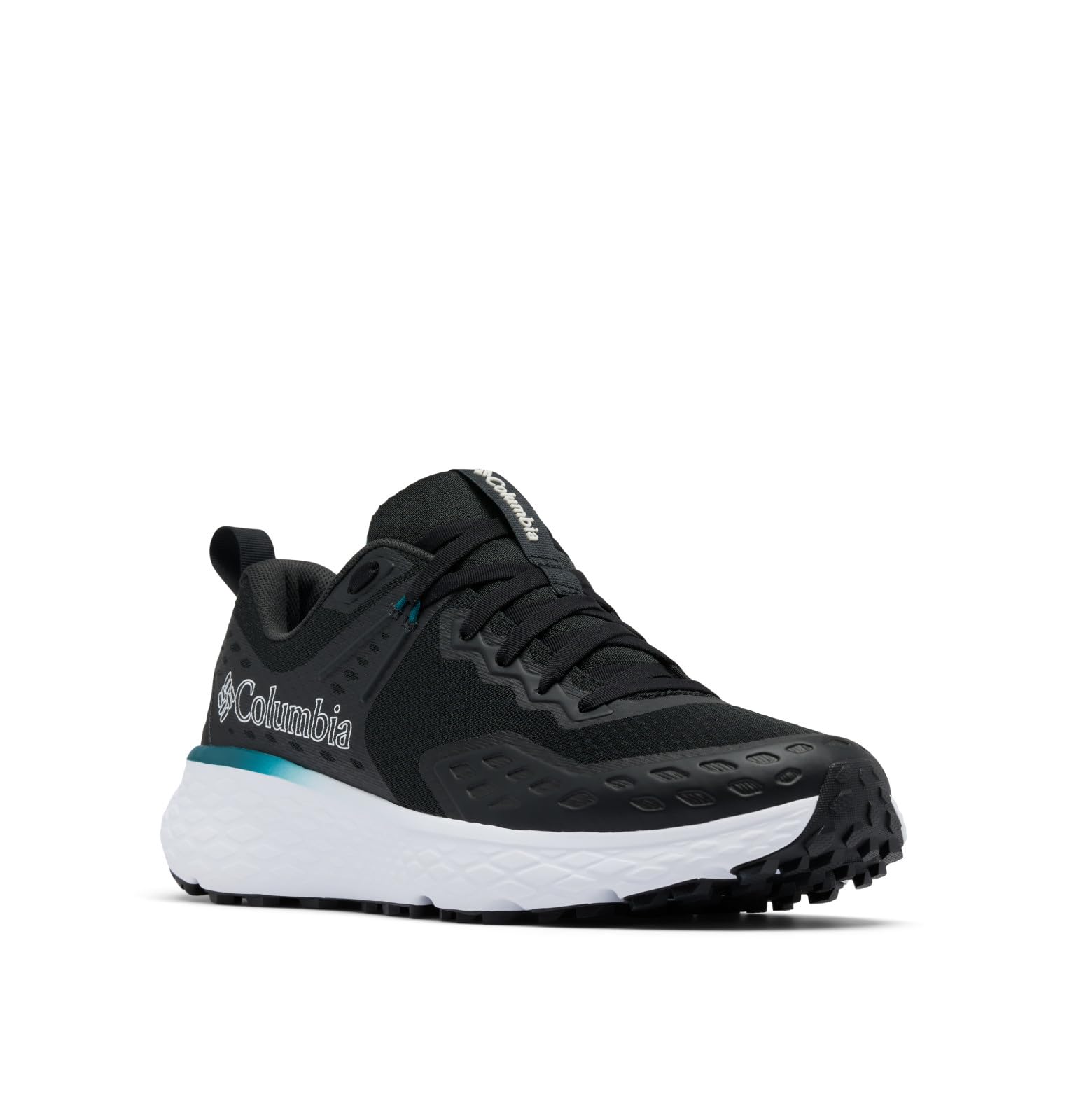
Columbia Konos TRS
Key Features
- Traction: Standard lug
- Comfort & Break-In: None needed
- Water Resistance: Light water-resistant
- Fit Width: Medium
- Durability: Moderate
- Price: Mid-Range
The Konos TRS delivers exceptional out-of-box comfort with supportive cushioning that rivals the top pick’s zero break-in feel, but with a more stylish silhouette. This is best for day hikers who prioritize immediate comfort and want a shoe that looks good on and off the trail. However, long-term durability is less established due to its shorter market history, and water resistance is best limited to light rain rather than downpours.
Pros
- Exceptional out-of-box comfort with supportive cushioning
- Great traction and water resistance for light hiking
- High-quality build and attractive design
Cons
- Water resistance may not hold up in heavy rain; light water resistance only
A strong mid-range choice for comfort-focused day hikers, but those needing heavy rain protection or a longer track record should consider the more established Merrell Moab 3.
Best for Budget Hiking
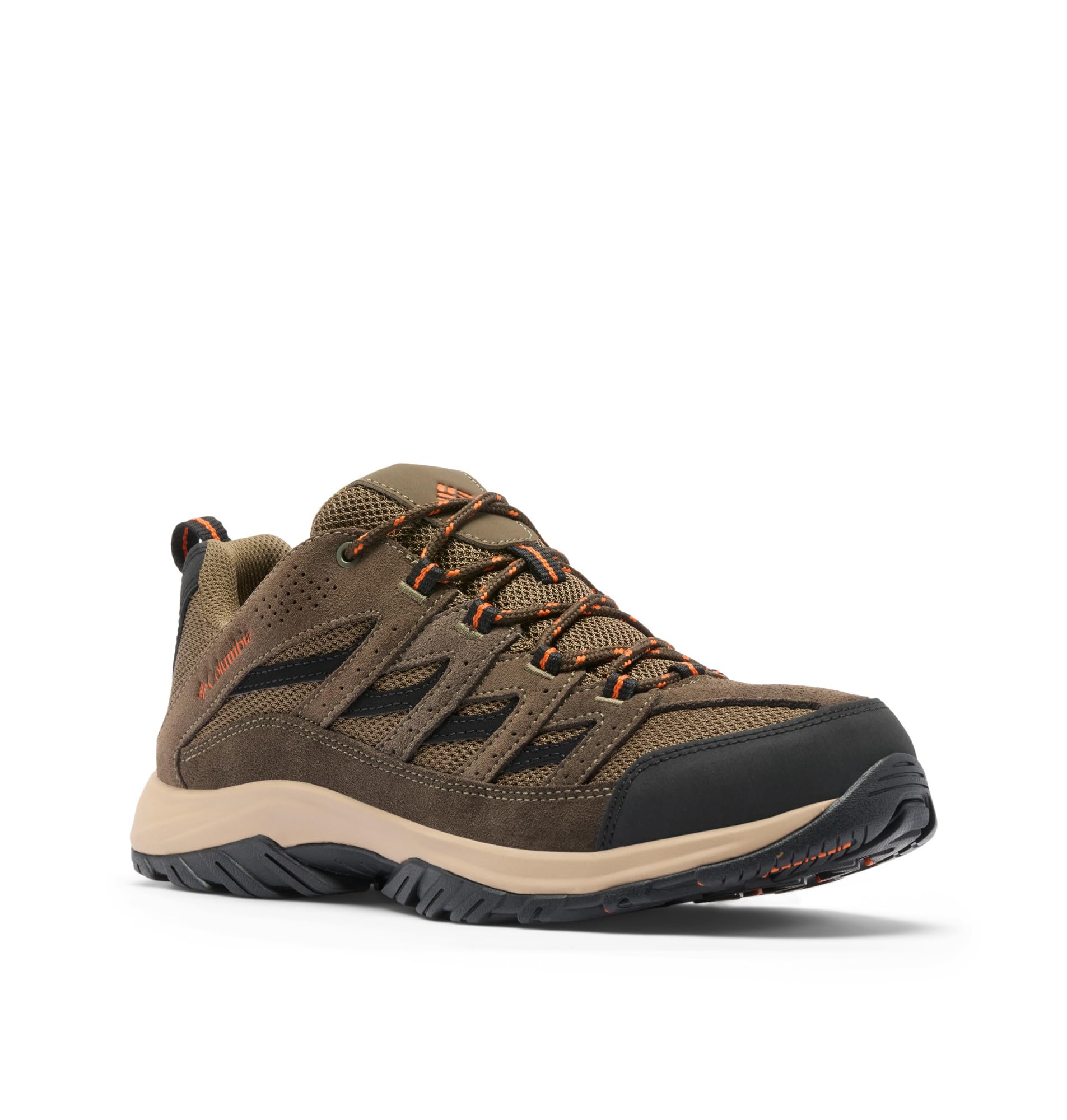
Columbia Crestwood
Key Features
- Traction: Standard lug
- Comfort & Break-In: None needed
- Water Resistance: Unreliable
- Fit Width: Wide
- Durability: Moderate
- Price: Budget
The Crestwood offers immediate comfort for wide feet with no break-in at a budget-friendly price. Water resistance is inconsistent between units, and durability is moderate — this boot suits dry, well-maintained trails and casual walking rather than wet conditions or heavy loads.
Pros
- Very comfortable for wide feet with zero break-in
- Good value with solid construction for the price
Cons
- On damp trails, water resistance can vary between units
Best for budget-conscious hikers on dry, well-groomed trails who prioritize wide-foot comfort.
Best for Ultra-Budget
Saucony Excursion TR15

Key Features
- Traction: Standard lug
- Comfort & Break-In: None needed
- Water Resistance: Not waterproof
- Fit Width: Medium
- Durability: Low
- Price: Budget
This Saucony offers decent cushioning and grip for under $60, making it a practical choice for short, well-maintained trails. However, the upper may separate at the heel and toe, so it is best for runners who expect to replace shoes after a season of light use.
Pros
- Great value for money with solid performance for light trails.
- Comfortable and lightweight with good cushioning for shorter runs.
Cons
- Upper may separate from the shoe body at the heel and toe areas.
Best for budget-conscious runners who need a shoe for occasional short runs on packed dirt trails and plan to replace it each season.
Best for All-Weather Trail
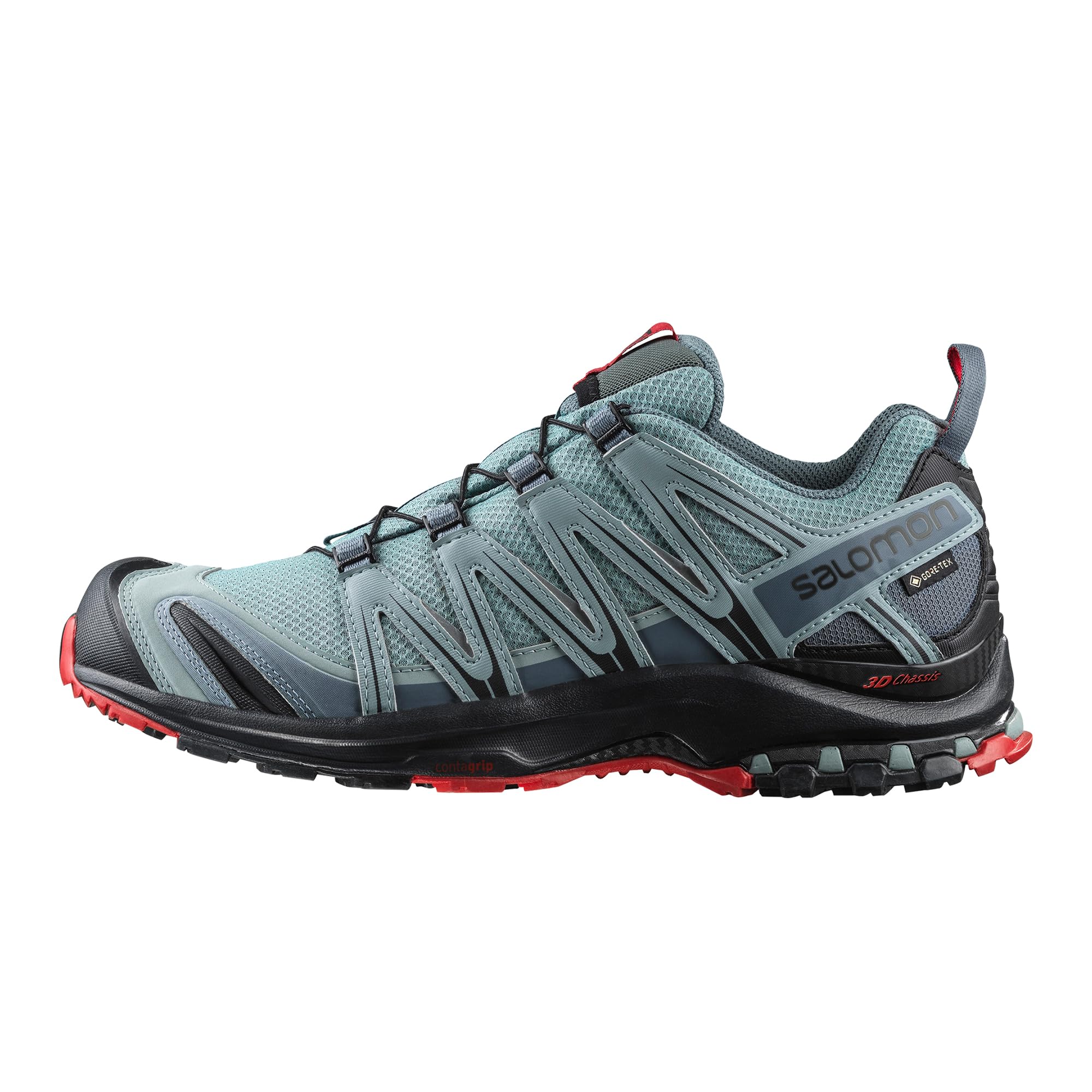
Salomon XA PRO 3D GTX
Key Features
- Traction: Standard lug
- Comfort & Break-In: May need
- Water Resistance: Gore-Tex
- Fit Width: Narrow
- Durability: Moderate
- Price: Premium
The Salomon XA PRO 3D GTX delivers effective Gore-Tex waterproofing and strong arch support for trail runners and hikers on wet, rugged terrain. Stability is a clear strength on uneven ground. However, the narrow toe box can be uncomfortable for wider feet, and occasional sole or upper separation after months of use has been noted — this trade-off makes it a good fit for those with narrow to medium feet who prioritize wet-weather grip and support over longevity.
Pros
- Gore-Tex membrane keeps feet dry in rain and puddles
- Strong arch support and stability for trail running and hiking
Cons
- Narrow toe box can be uncomfortable for wider feet
Best for narrow- to medium-footed trail runners who need dependable waterproofing and stability and are comfortable with a premium price and possible durability compromises.
Best for Firm Cushioning
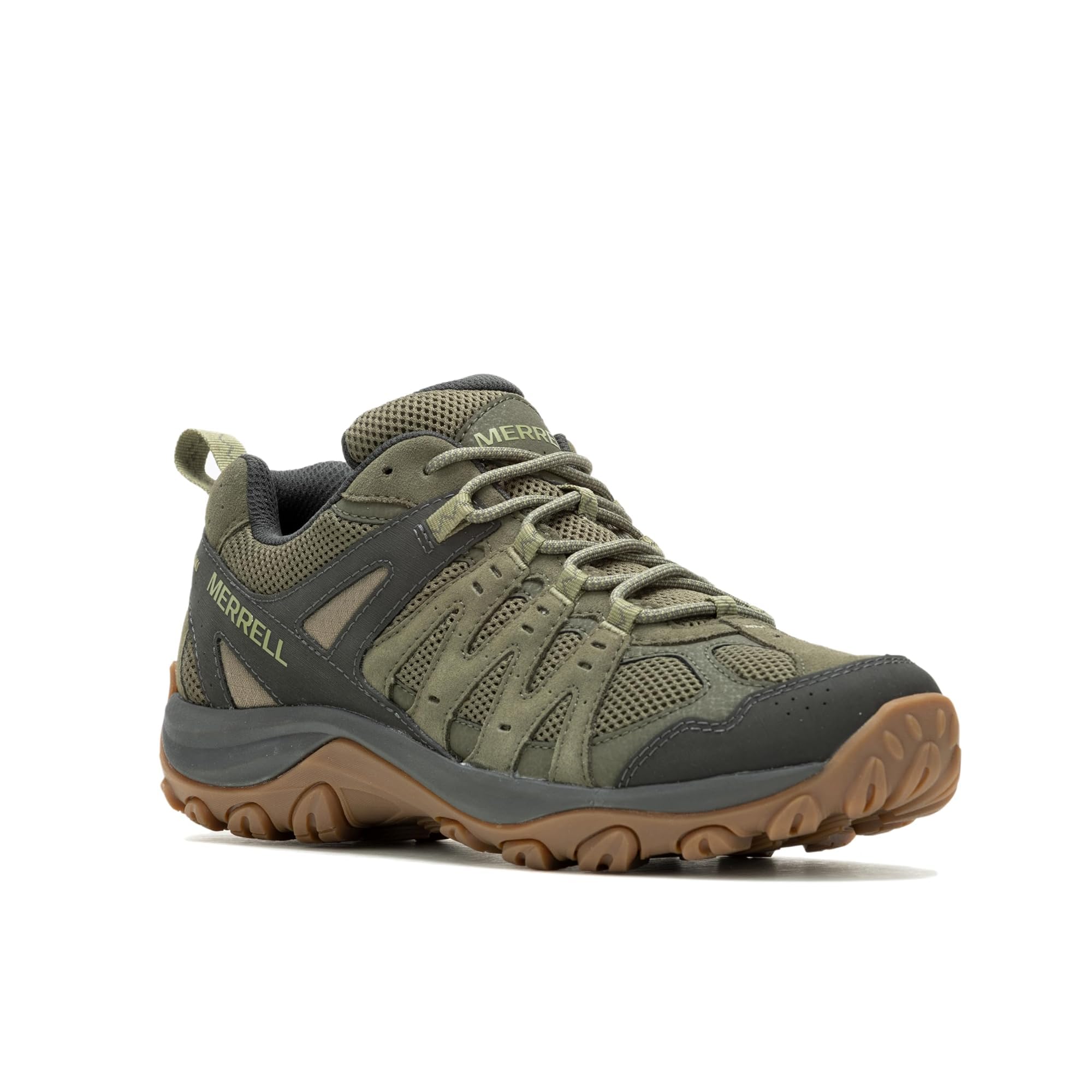
Merrell Accentor 3
Key Features
- Traction: Standard lug
- Comfort & Break-In: None needed
- Water Resistance: Not waterproof
- Fit Width: Medium
- Durability: Moderate
- Price: Mid-Range
The Accentor 3 offers good value for a lighter Merrell alternative with a comfortable, roomy fit. However, its water resistance is inconsistent, and the cushioning is firmer than average, making it a backup choice for day hikers who prioritize value over waterproofing and plushness.
Pros
- Roomy toe box suits wider feet comfortably
- Solid build quality at a mid-range price
Cons
- Water resistance is inconsistent — not suitable for wet trails
Best for budget-conscious hikers who prefer a firm sole and can avoid wet conditions.
Best for Stylish Budget
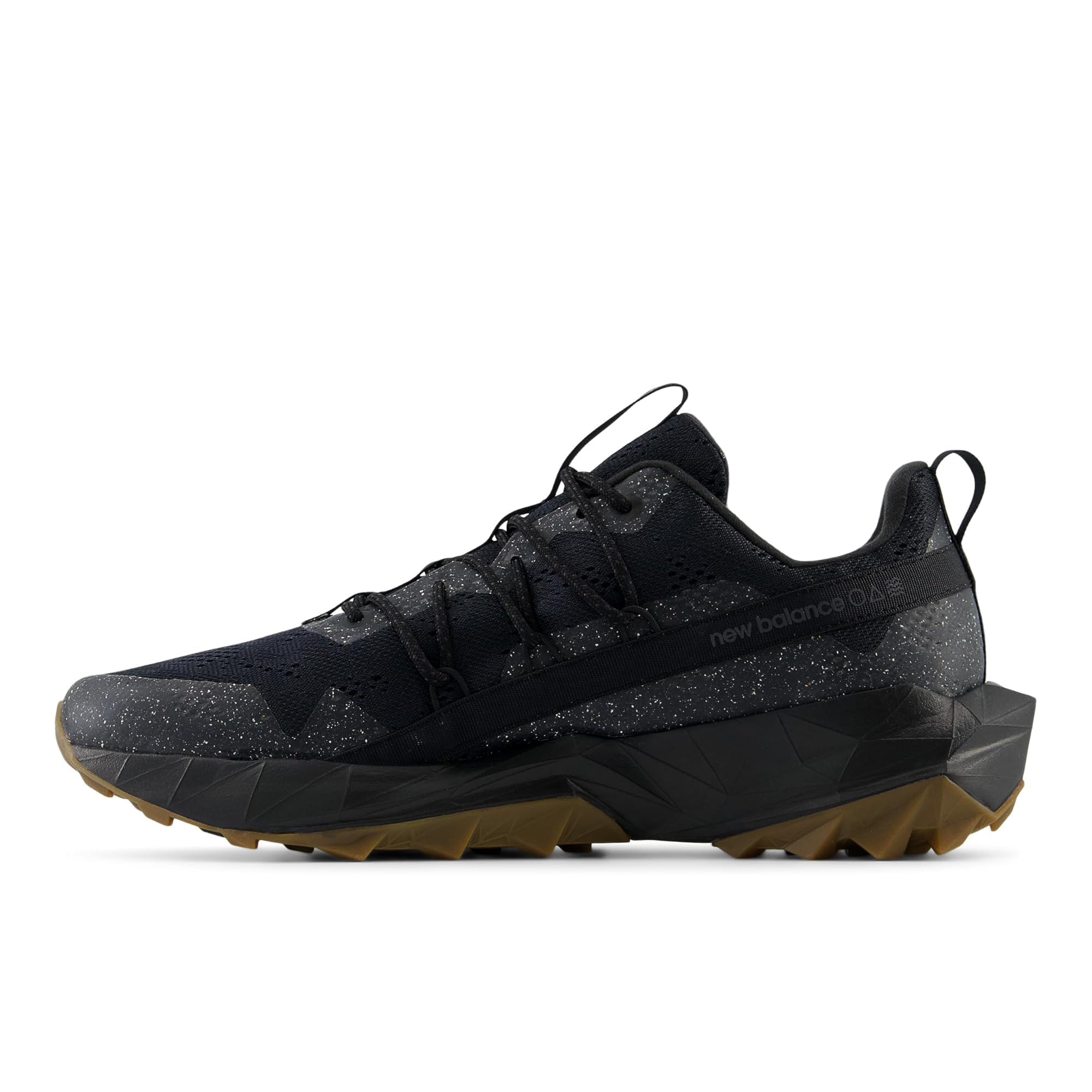
NB Dynasoft Tektrel V1
Key Features
- Traction: Standard lug
- Comfort & Break-In: None needed
- Water Resistance: Not waterproof
- Fit Width: Narrow
- Durability: Moderate
- Price: Budget
The New Balance Dynasoft Tektrel V1 is lightweight and comfortable with suede accents that give it a stylish look. It handles short trail runs and walks well. However, the narrow fit means it’s not suited for wide feet, and the mesh upper and tread show wear with heavier use.
Pros
- Lightweight and comfortable for walking and trail running.
- Attractive suede design with good value for the price.
Cons
- Toe box is narrow – a tight fit for those with wider feet.
Best for runners with narrow to medium feet who want a budget-friendly, stylish shoe for short, light trail outings.
Best for Budget Hiking
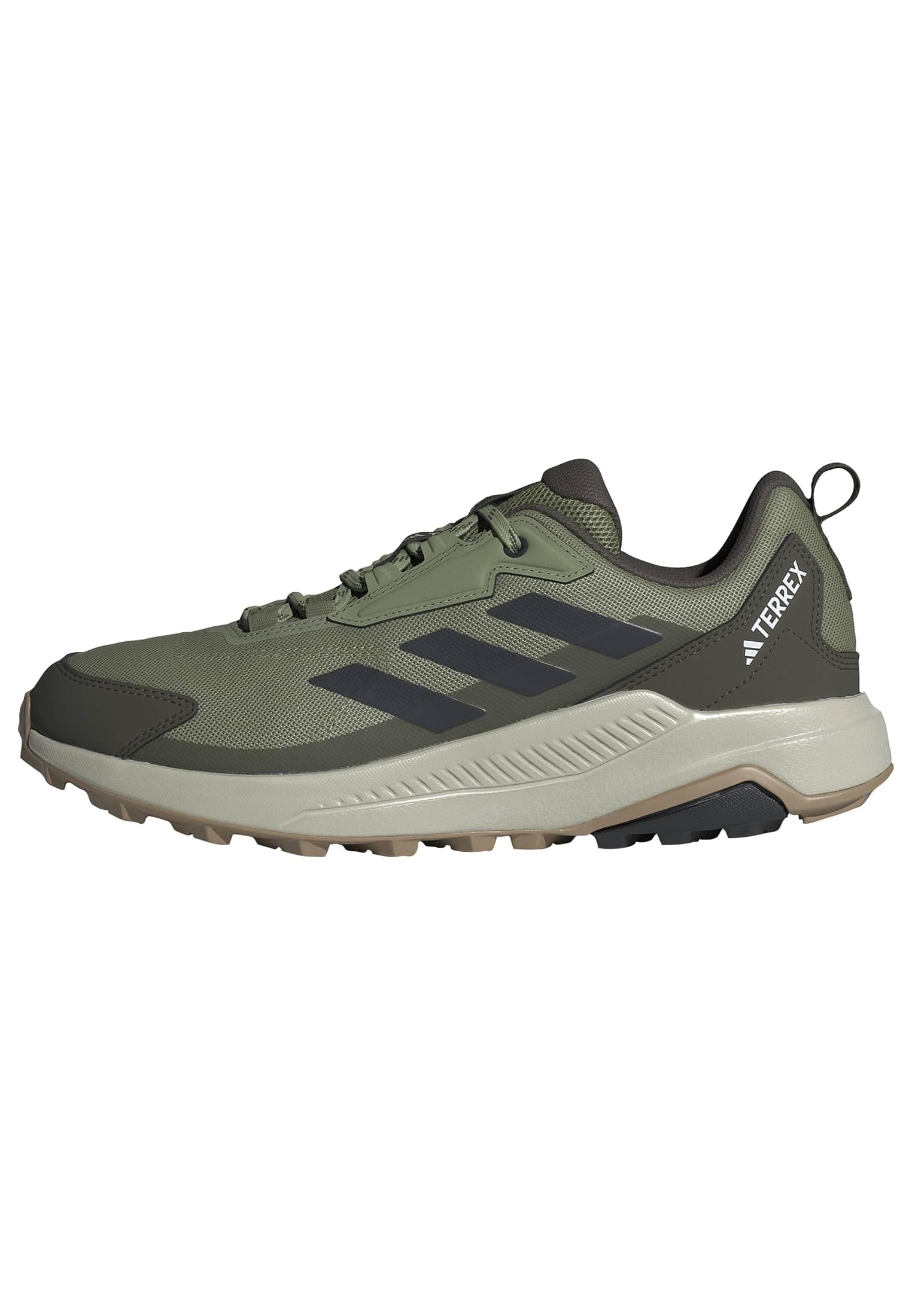
adidas Terrex Anylander
Key Features
- Traction: Standard lug
- Comfort & Break-In: None needed
- Water Resistance: Not waterproof
- Fit Width: Narrow
- Durability: Moderate
- Price: Budget
Offers decent comfort and a stable tread at a budget-friendly price, with a look that works for everyday wear. Fit can be too narrow or tight on the top for some, and durability reports are mixed, making it better suited for occasional easy trails than serious off-road use or long-term abuse.
Pros
- Comfortable with good tread for hiking
- Stylish appearance suitable for casual wear
Cons
- Fit can be too narrow or tight on the top of the foot for some
A decent choice for budget-conscious hikers who prioritize brand and style over precision fit and long-term durability.
How to Choose
The best trail shoe for you depends on where you hike, how your foot is shaped, and whether you value immediate comfort or long-term durability.
Traction and Outsole Lug Depth
Deeper lugs (like the chevron pattern on Salomon Speedcross) excel on loose dirt and mud but wear quickly on pavement and can feel slippery on wet rock. Shorter, multi-directional lugs offer more stability on hardpack and rock slabs. Match lug depth to your primary terrain: aggressive for soft trails, standard for mixed or rocky paths.
Comfort and Break-In Period
Many shoes today have zero break-in thanks to soft foam midsoles and flexible uppers. However, that immediate plushness often comes with a trade-off: the foam compresses faster over time, reducing support after 300-500 miles. Shoes with firmer midsoles may feel stiff initially but hold their shape longer. Choose based on how often you replace footwear.
Water Resistance vs. Breathability
Waterproof membranes (like Gore-Tex or KEEN.DRY) keep feet dry in light rain and puddles but trap heat and moisture, causing sweat buildup on warm days. Non-waterproof shoes breathe better and dry faster after stream crossings. For wet climates, accept the trade-off; for summer hikes, prioritize breathability.
Fit Width
Narrow-footed runners often find Salomon and New Balance ideal, while wide-footed hikers need brands like KEEN or Merrell that offer naturally roomy toe boxes or actual wide sizing. Many shoes run narrow despite standard labeling. If you have wide feet, look for models explicitly marketed for wide or check reviews for fit notes.
Durability of Outsole and Upper
Outsole rubber compounds differ greatly: soft sticky rubber grips wet rock but wears faster, while harder compounds last longer but slide on slick surfaces. Uppers made of mesh are lightweight and breathable but tear on sharp rocks; leather or synthetic overlays add durability at the cost of weight and ventilation. Match durability expectations to trail roughness.
FAQ
Are Merrell Moab 3 true to size for wide feet?
The Moab 3 runs true to size with a medium width. Many wide-footed users find it comfortable because of the roomy toe box, but there is no dedicated wide size option. If you need extra width, consider the KEEN Targhee 3 Low which offers a naturally wider fit.
Do Salomon Speedcross shoes wear out fast on hard surfaces?
Yes. The aggressive chevron lugs are designed for soft, loose terrain and will wear down quickly on pavement or hardpack. For mixed use, the Salomon XA PRO 3D or a shoe with shorter lugs is a better choice.
What is the best budget trail running shoe for men?
For short, light trail runs on a budget, the Saucony Excursion TR15 offers decent comfort and grip for about $60. However, its upper durability is low, so expect to replace it after one season. For a bit more, the adidas Terrex Anylander or New Balance Dynasoft Tektrel provide better style and moderate durability.
Why do my Columbia Crestwood boots squeak?
Squeaking in Columbia Crestwood boots is typically caused by friction between the insole and the boot liner or debris trapped under the footbed. Removing and re-seating the insole or applying a small amount of talcum powder can reduce the noise. Some units have a persistent squeak that is a manufacturing defect; consider exchanging if the problem continues.