This post contains affiliate links. We may earn a small commission when you buy through our links — at no extra cost to you.
Most budget hiking backpacks look solid at first glance, but after a few trips the straps loosen and zippers start to pop. The problem isn’t the price tag — it’s that thin fabric and plastic hardware can’t handle consistent use with any real weight.
This guide focuses on packs that deliver where it counts: reliable load transfer, secure closures, and materials that won’t give out mid-trail. Whether you need a 65L multi-day pack or a 20L daypack, the picks here have been vetted for the trade-offs that actually matter on the trail.
For weekend backpackers, Teton’s internal frame packs offer a suspension system that rivals packs costing three times as much. For day hikers, a well-organized 20L pack with anti-theft zippers and a breathable back keeps essentials secure without adding bulk.
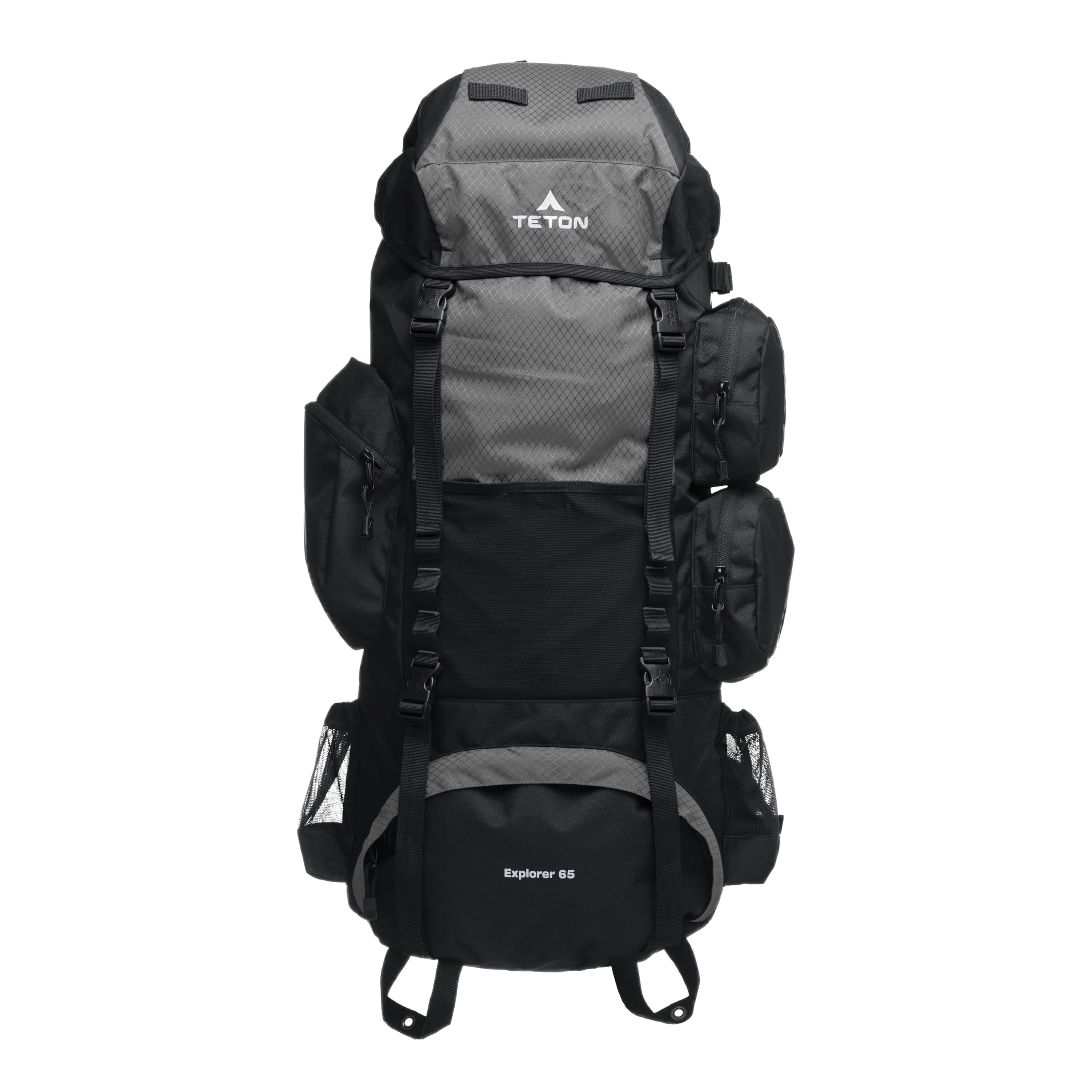


Best for Weekend Backpackers
Teton 65L Explorer
Key Features
- Capacity: 65L
- Weight: 5 lbs
- Frame Type: Internal frame
- Price: $$
The Teton 65L Explorer uses a genuine internal frame with adjustable torso length and a padded hip belt that distributes weight well, offering the kind of load control typically found on packs over $200. The 65L capacity, integrated rain cover, and multiple pockets—including a separate sleeping bag compartment—make it a practical choice for multi-day trips without needing extra accessories.
This pack suits beginner and intermediate backpackers on a budget who want a full-size internal frame for weekend excursions with moderate gear loads. At 5 lbs it is heavier than premium alternatives, and strap or seam wear may develop over extended use. For hikers who prioritize cost savings over ultralight weight and don’t push the pack week after week, the tradeoff is well worth it.
Pros
- Outstanding value for a feature-rich internal frame pack
- Comfortable suspension with good load transfer
- Plenty of organization pockets
Cons
- At 5 lbs, this pack is heavier than premium alternatives—noticeable on long days
- Strap and seam durability may be inconsistent over extended use
The Teton 65L Explorer is the most cost-effective way to get a genuine internal frame pack for multi-day trips—accept the extra weight and monitor the seams.
Best for Day Hikers
SKYSPER 20L Daypack
The SKYSPER 20L packs anti-theft zippers, a whistle buckle, and trekking pole attachments into a budget-friendly daypack. It’s a good fit for day hikers and commuters who want quick access to pockets and security features, though the 20L capacity means bulky gear will feel tight, and the strap stitching can show wear under frequent heavy use.
Pros
- Multiple compartments keep small items organized and easy to reach.
- Lightweight build with breathable back padding for comfort on short outings.
- Seams and zippers hold up well for the price.
Cons
- Main compartment can feel tight for bulky items like jackets or large water bottles.
- Strap stitching may show wear under frequent heavy use.
A well-organized daypack for day hikes and daily commutes, but not a candidate for multi-day loads or heavy-duty abuse.
Best for Budget Weekenders
Loowoko 50L
Key Features
- Capacity: 50L
- Weight: ~3.5 lbs
- Frame Type: Internal frame
- Price: $
The Loowoko 50L packs a full internal frame, rain cover, and shoe compartment into a budget-friendly package. Its 50-liter capacity is ample for weekend gear, and the padding supports moderate loads once adjusted. This pack fits best in occasional use — weekend trips or emergency kits — where the weight savings from a higher price aren’t necessary.
Pros
- Spacious 50L capacity fits gear for weekend trips of several days.
- Good value for the price — includes rain cover and shoe compartment.
- Padding works for moderate loads when the pack is properly adjusted.
Cons
- Seams and straps can separate under regular heavy use, limiting long-term durability.
A sensible buy for budget weekend backpackers who pack light and hike infrequently.
Best for Day Hikers
NEVO RHINO 18L Hydration
The NEVO RHINO 18L offers an insulated bladder compartment, multiple pockets, and adjustable chest/hip straps – a step up in organization compared to ultra-light hydration vests. The 1.5 lb weight and 18L capacity suit day hikes and bike rides where you need water, snacks, and a layer, but not a full overnight load. Those looking for a minimalist vest should look at lighter options; this pack is for hikers who prefer stability and pocket layout over gram counting.
Pros
- Nylon fabric resists tears and abrasion on rocky trails.
- Multiple pockets keep small items organized and accessible.
- Chest and hip straps secure the load for stable movement.
Cons
- Heavier than minimalist hydration vests, which matters for runners or ultralight hikers.
For day hikers and cyclists who want integrated hydration with organized storage and durable build, this pack delivers comfort without the fragility of budget alternatives.
Best for Ultralight Day Hikes
ZOMAKE 20L Ultralight
Weighs half a pound and folds into a pouch the size of a fist, making it easy to stash in luggage or a larger pack for summit bids. The tradeoff comes where load capacity ends – straps and fabric can tear under loads over 10 pounds, and water resistance is limited in sustained rain. Best for day hikers who carry only a water bottle, jacket, and snacks, or travelers needing a backup pack for excursions.
Pros
- Lightweight and packable: folds into built-in pouch for easy storage.
- Adequate capacity for essentials: fits water bottle, jacket, and snacks for day hikes.
Cons
- Water resistance is limited; contents may get wet in steady rain.
- Straps and fabric can tear if regularly loaded beyond 10 lbs.
A smart pick for weight-conscious day hikers who need a pack that disappears when not in use.
Best for Tactical Budget
QT&QY 45L Tactical
The QT&QY 45L delivers a huge capacity with multiple compartments and MOLLE webbing at a price that undercuts most hiking packs. It lacks a frame, so loads heavier than 20 pounds feel heavier than a framed pack. This is best for budget-conscious hikers needing a large pack for short trips or tactical enthusiasts wanting a cheap beater pack. Zipper and seam quality can vary — some units may develop tears or zipper issues under repeated use.
Pros
- Great value for the capacity
- Spacious with good organization
- Solid construction feels durable initially
Cons
- Durability may vary; some units develop tears or zipper issues over time
- Zippers may come open under load or become misaligned
For short trips and budget buyers who accept some variability in build quality, the QT&QY 45L delivers huge capacity at a low price.
Best for Petite Hikers
Teton 55L Scout
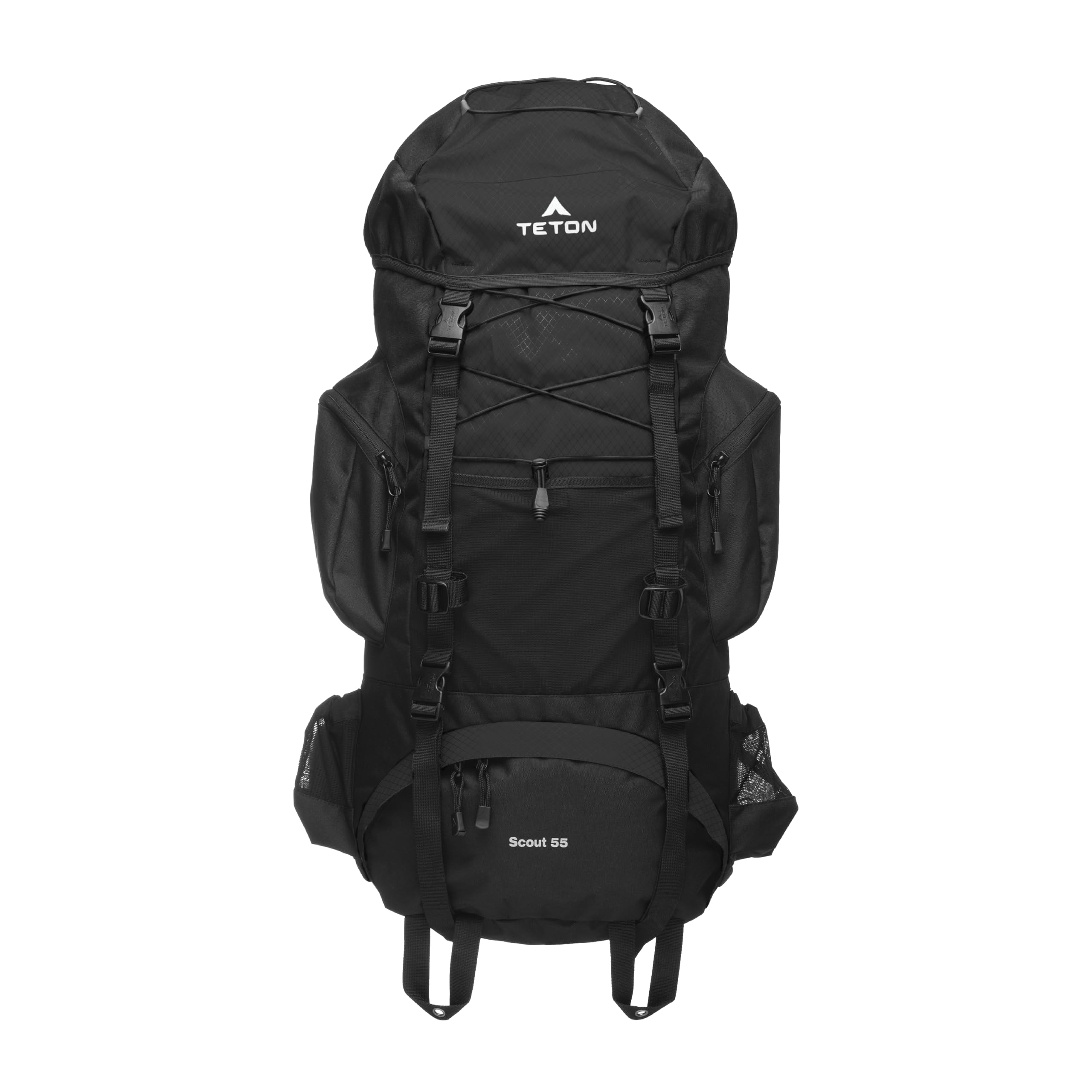
Key Features
- Capacity: 55L
- Weight: ~4.8 lbs
- Frame Type: Internal frame
- Price: $$
The Teton 55L Scout delivers a padded hip belt and adjustable torso that work well for smaller frames, plus multiple pockets for organization. The sleeping bag compartment is cramped for larger bags, and the max torso length limits use for tall individuals. A budget-friendly fit for shorter backpackers who prioritize fit over sleeping bag capacity.
Pros
- Great value for a quality internal frame pack
- Comfortable for smaller frames and women
Cons
- Sleeping bag compartment can be cramped for larger bags
For petite hikers seeking an affordable internal frame pack, this is a good option if you can compromise on sleeping bag space.
Best for Emergency Travel
4Monster 16L Daypack

This 4 oz pack folds into a palm-sized pouch and still fits a towel, water, and snacks — perfect for stashing in luggage as a spare. However, the thin fabric and straps can tear under loads heavier than a few pounds, and the straps dig in when fully packed. Treat it as a disposable backup for theme parks or short walks, not a primary hiking pack.
Pros
- Extremely lightweight and compact — folds into a palm-sized pouch.
- Surprisingly roomy: fits towel, water, and snacks despite 16L capacity.
Cons
- Flimsy straps and seams can tear under moderate loads.
Best suited as a backup daypack for short excursions where weight is the priority and durability doesn’t matter.
Best for Casual Day Hikes
WATERFLY 20L Packable

Folds into a small pouch and offers four compartments including side pockets for water bottles. Durability can vary: straps may fray under regular use, and the missing chest strap reduces stability when loaded. A decent budget option for light day hikes, but not for heavy or technical use.
Pros
- Lightweight and comfortable for casual day trips.
- Packs down small into a pouch for easy storage.
Cons
- Straps can fray or tear with regular use, reducing longevity.
Suits travelers who need a backup daypack for light loads around town or on easy trails.
Best for Minimalist Carry
G4Free 10L Packable

At 0.55 pounds and packable into its own pocket, this 10L backpack disappears into luggage and handles light loads well for short city walks or as an emergency backup. However, the thin straps and limited capacity mean it is not suited for hiking that requires carrying extra layers, lunch, or water; loads over about five pounds become uncomfortable. The G4Free 10L best serves travelers who need a spare bag rather than hikers looking for a primary daypack or multi-day pack.
Pros
- Ultra-light and folds into its own pocket
- Spacious for a 10L pack
Cons
- Too small for hiking that requires extra layers or gear
The G4Free 10L works as a backup daypack for city excursions or short walks, but it will not serve as a primary hiking backpack for day hikes or multi-day trips.
Best for Travel Backup
SKYSPER 15L Foldable

This 0.75-lb pack folds into a 7.9×6.7-inch pouch, making it easy to stash as a backup. Its chest strap and six pockets add organization for short outings. However, the 15L capacity and lightweight build limit it to minimal gear — packing more than 10L or heavy items can cause discomfort.
Pros
- Folds to pocket size for easy storage in luggage or a larger pack.
- Lightweight design with comfortable shoulder straps for light loads.
Cons
- Not built for loads exceeding 10L or heavy gear; comfort drops with heavier use.
Keep this as a backup pack for travel or short day hikes when you carry only water and a jacket.
Best for Short Term Use
kookoomia 50L Tactical

The 50L pack delivers a tactical aesthetic with extensive storage and MOLLE attachment points at a low price. Zippers and strap stitching have been noted to loosen under heavy loads, so this pack works best for short outings or car camping rather than multi-day hiking where dependability matters.
Pros
- Generous 50L capacity with numerous pockets and MOLLE loops for gear organization.
- Very affordable for a tactical pack of this size.
Cons
- Zippers and strap stitching may not hold up under sustained heavy loads, limiting suitability for extended backpacking.
Best for short-term use, range trips, or as a backup pack where weight and frequent packing are not the primary concern.
Best for Runners
NEVO RHINO 12L Hydration

At 0.53 lbs with a 2L bladder, this pack offers hands-free hydration on short runs or day hikes. The storage fits essentials. However, the light-duty construction can be outmatched by heavier loads, and the bladder may have a plastic taste initially. It suits light outings, not multi-day trips.
Pros
- Very lightweight and comfortable
- Good water capacity and storage for essentials
Cons
- Straps and seams may give under heavier loads or rough use
Best suited for short outings where weight and hands-free hydration are priorities, not for multi-day trips or heavy loads.
Best for Swimmers Kayakers
G4Free 40L Packable

The G4Free 40L folds into a small pouch and includes a 100% waterproof wet pocket for wet gear, all at a budget-friendly price. Its performance during extended backpacking trips has not been widely documented, so this pack suits buyers who value the unique feature set and are comfortable with some uncertainty.
Pros
- Packs down to a compact size for easy storage when not in use.
- Waterproof wet pocket isolates damp clothes or gear from dry items.
Cons
- Limited user experience means long-term quality under heavy use is unconfirmed – a calculated risk for frequent hikers.
Best for budget-conscious shoppers who want a large packable with a dedicated waterproof pocket and are willing to accept unverified durability.
How to Choose
The most important factor is matching capacity to trip duration and load weight, not just price.
Capacity
Capacity in liters determines how much gear you can carry. A 10-20L pack works for day hikes with just water and snacks. For weekend trips (2-3 days), 40-50L is typical, while 65L+ allows for extra gear or longer stretches.
Oversizing a pack is tempting but leads to carrying unnecessary weight and poor load distribution. A 20L pack fully loaded sits differently than the same pack half-full — fill the space and the pack rides better on your back.
Weight
Pack weight trades off directly with durability. Ultralight packs (under 1 lb) use thin nylon and no frame — they pack tiny but tear under loads above 10 lbs. Internal frame packs weighing 4-5 lbs can carry 40+ lbs but add heft to every step.
For day hikes, aim under 2 lbs. For multi-day, a 5 lb pack is acceptable if the suspension is good. The extra weight of a proper frame saves your shoulders on the trail.
Frame Type
Internal frames transfer load from shoulders to hips via a metal stay and padded hip belt. Without a frame (softshell or frameless), all weight rests on your shoulders, which becomes uncomfortable above 15-20 lbs.
Frameless packs are fine for ultralight day hikes where you carry less than 10 lbs. For any overnight trip with a tent, stove, and sleeping bag, an internal frame is worth the extra ounces.
Hydration Compatibility
A hydration sleeve and tube port allow you to drink without stopping. Integrated bladders (like the NEVO RHINO) save pocket space but add a cleaning chore. Standard sleeves let you use any brand of bladder.
Without hydration compatibility, you rely on bottles in side pockets — fine for short hikes, but for full-day treks a hands-free tube reduces stops and encourages consistent drinking.
Zipper and Strap Durability
Plastic zippers are the first failure point on budget packs. Under load they can pop open or jam. Metal zippers cost more but survive hundreds of cycles. Look for YKK-brand zippers as a reliability indicator.
Strap adjusters that slip (like on the Amazon Basics 75L) make a pack unusable for hiking. Test the adjustment before buying — if the strap creeps under a light tug, it will fail on the trail.
FAQ
Why do budget hiking backpacks have strap adjustment issues?
Cheap packs use plastic ladder-lock buckles that lack the grip of metal ones. Under load, the webbing slips through the buckle, requiring constant re-tightening. This is a design cost cut — look for packs with metal adjusters or at least reinforced plastic buckles if you plan to carry more than 15 lbs.
Can a packable 20L backpack handle a full day hike with water and snacks?
Yes, if you keep total weight under 10 lbs. A packable 20L (like the ZOMAKE) works for a day hike with a 1L water bottle, jacket, snacks, and a small first-aid kit. But if you need to carry 2L of water plus lunch and layers, the thin straps become uncomfortable — better to step up to a 20L daypack with shoulder padding.
How do I prevent zipper failure on a tactical backpack?
Tactical packs like the QT&QY 45L often use large-gauge zippers that look tough but are still plastic. To extend their life, avoid overstuffing the main compartment (which puts outward pressure on the zipper seam), and always close zippers with two hands to reduce lateral stress. If the zipper starts to separate under load, replace the pack — it’s a sign the track is failing.
Is a hydration pack better than carrying water bottles for day hikes?
For hikes over 5 miles or hands-free drinking, a hydration pack (like the NEVO RHINO 18L) is better — you sip more often without stopping and the weight sits low on your back. For shorter outings, bottles are simpler and easier to clean. The trade-off is bladder cleaning vs. bottle sloshing.