This post contains affiliate links. We may earn a small commission when you buy through our links — at no extra cost to you.
Most backpacking tents under $200 look nearly identical on paper: aluminum poles, polyester fly, sub-5-pound trail weight. The difference shows up after a few rainy nights or rocky campsites. Some tear at the seams, others snap poles, and a few just keep working trip after trip.
That gap between specs and real-world durability is what this guide closes. Whether you are a weekend warrior or a thru-hiker on a budget, the right tent balances weight and cost without leaving you wet or frustrated. The choice often comes down to how much you are willing to trade brand consistency for a lower price tag or a lighter pack.
We have sorted through dozens of models to highlight the ones that actually deliver on their promises for typical 3-season conditions. The result is a shortlist that prioritizes proven build quality, honest weight ratings, and features that matter on the trail.


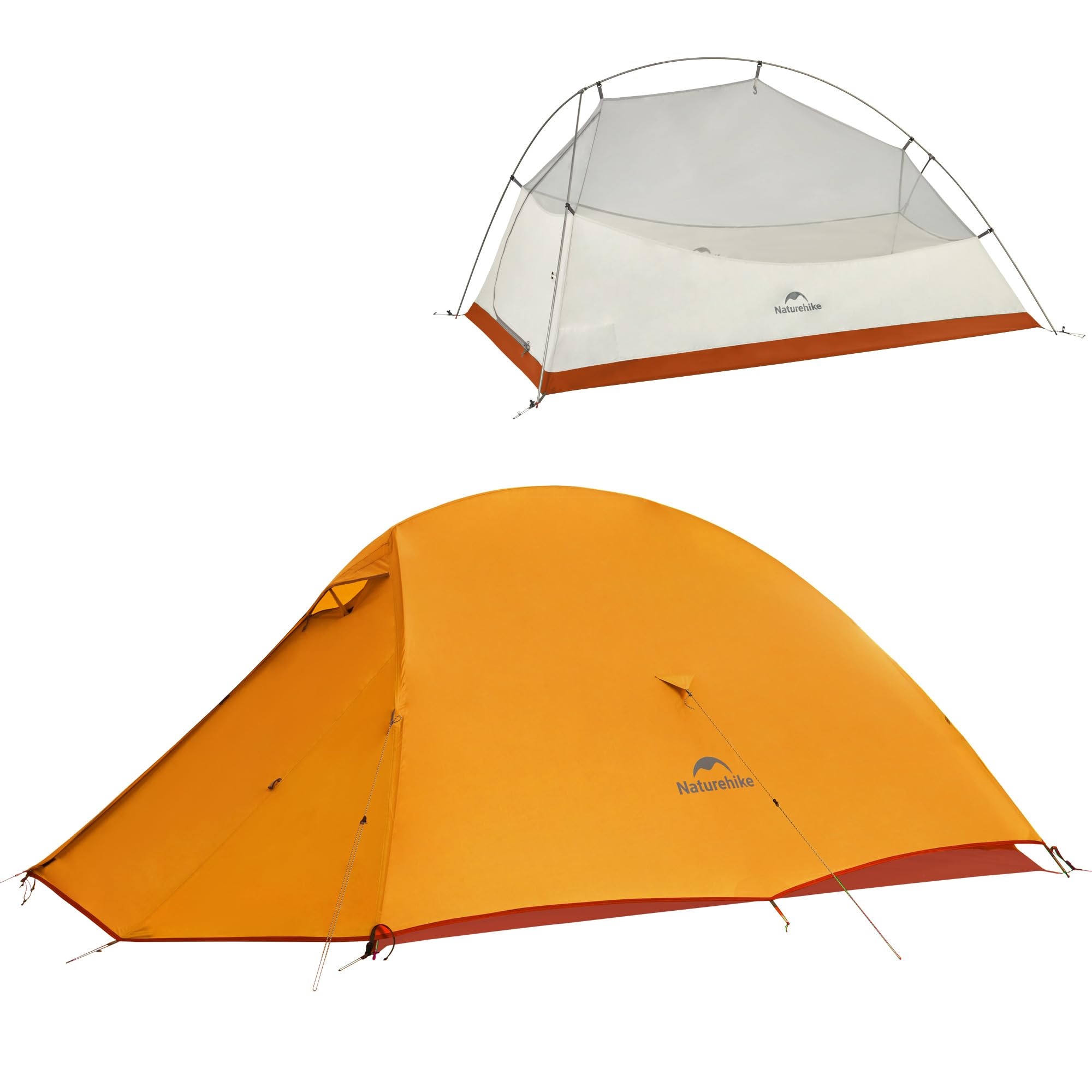

Best for Serious Backpackers
Featherstone UL Granite 2P
Key Features
- Weight: 4 lb (1.81 kg)
- Floor Area: 35 sq ft
- Pole Material: 7002 aluminum
- Water Resistance: 2000mm
- Price: $$
Setup takes under five minutes thanks to a single-pole symmetrical design, and the 4-pound trail weight makes it competitive with tents costing twice as much. Two doors and two vestibules provide easy access and gear storage, while the included footprint and gear loft add practical value without extra cost.
The 35 sq ft floor fits two adults with gear in the vestibules, and the high headroom allows sitting up comfortably. The 2000mm silicone nylon fly handles moderate rain but may need seam sealing for sustained downpours.
This tent suits backpackers who prioritize weight savings and features over long-term durability. The mesh and fabric can tear after moderate use, so careful handling is advised. Thru-hikers on a budget or couples on multi-day trips will appreciate the value, but those expecting multi-season ruggedness should look to heavier, pricier options.
Pros
- Sets up in under five minutes with a single-pole symmetrical design.
- Includes footprint and gear loft, adding value for the price.
- 4-pound trail weight competes with tents at much higher price points.
- Spacious interior with high headroom and two vestibules for gear.
Cons
- Mesh and fabric durability can vary – tears possible after moderate use.
- 2000mm water resistance may need seam sealing for sustained heavy rain.
For backpackers who want near-ultralight weight without the premium price tag, the Featherstone UL Granite 2P is a compelling package – just mind the fabric care.
Best for Weekend Couples
Kelty Grand Mesa 2P
Key Features
- Weight: 4 lb 1 oz (1.84 kg)
- Floor Area: 30 sq ft
- Pole Material: Pressfit aluminum
- Water Resistance: 3300mm
- Price: $$
The Kelty Grand Mesa 2P is built around quick, repeatable assembly: color-coded clips and corner tabs let you pitch it in under five minutes without consulting the instructions. The pressfit aluminum poles lock into place with a satisfying click, and the fabric feels noticeably denser than what you get in the budget tier. This isn’t a tent that shaves grams by using thinner materials — it’s a tent that prioritizes durability and consistency every time you unpack it.
Inside, 30 square feet of floor space and a single door with vestibule handle two average-sized adults with minimal gear. For couples under 5’10” or a solo hiker who wants room for a pack inside, the layout works well. Taller individuals or two larger campers will find the length and width tight — it’s best treated as a generous 1.5-person shelter for those with longer frames. The rainfly provides coverage, but if you expect heavy, prolonged rain, adding seam sealer to the fly’s taped seams is a smart precaution.
Packed weight of 4 lb 7 oz sits squarely in the middle of the backpacking spectrum — light enough for weekend trips but not competitive with sub-4-pound designs that include two doors. The tradeoff pays off in build quality: zippers run smoothly, stake loops are reinforced, and the floor fabric resists punctures from rough ground. For beginner or intermediate backpackers who value a predictable shelter over the lightest possible load, the Grand Mesa delivers a consistent experience trip after trip.
Pros
- Color-coded clips and quick corners make setup fast and intuitive without instructions
- Robust fabric and reliable zippers hold up to repeated use in varied conditions
- Compact packed size fits easily inside a backpack, leaving room for other gear
Cons
- At 4 lb 7 oz packed, it’s heavier than ultralight alternatives — a tradeoff for hikers counting every ounce
- Interior length and width are snug for two larger adults; best for average-sized couples or solo plus gear
- Rainfly may leak in sustained downpours without additional seam sealing
Kelty Grand Mesa 2P is a straightforward, durable tent for backpackers who prioritize ease of setup and build consistency over minimum weight — a reliable shelter that won’t surprise you mid-trip.
Best for Solo Backpackers
ALPS Lynx 1
Key Features
- Weight: 3 lb 5 oz (1.5 kg)
- Floor Area: 20 sq ft
- Pole Material: Aluminum
- Water Resistance: 1500mm floor, 2000mm fly
- Price: $
This freestanding tent clips together in under five minutes and carries a trail weight of 3.3 pounds, making it one of the lightest and quickest options at its price point. The color-coded pole clips and single-hub design remove any guesswork, so even first-time solo campers can have shelter ready quickly.
The 20-square-foot floor and 38-inch peak height suit hikers under 5’10” best. In wind-driven rain the fly vent can let water inside, so this tent works well for trips in dry or moderate conditions rather than sustained downpours. Seam sealing the vent is a practical step for occasional wet weather.
At a budget-friendly price, the Lynx 1 delivers a compact packed size and solid construction that competes with tents costing significantly more. The aluminum poles and 210T polyester handle rocky terrain reasonably well, though a groundsheet adds an extra layer of protection against sharp debris.
Pros
- Freestanding design with simple clip system sets up in minutes
- Good build quality for the price: aluminum poles and sturdy fabrics
- Trail weight under 3.5 pounds is manageable for backpacking trips
Cons
- Rainfly vent can let water in during wind-driven rain
- Limited headroom and floor length for anyone over 5’10"
A lightweight, quick-setup solo tent for dry to moderate weather; not the choice for wet conditions or taller hikers.
Best for Budget Backpackers
Naturehike Cloud-Up 2P
Key Features
- Weight: 4.25 lb (1.93 kg)
- Floor Area: 28.5 sq ft
- Pole Material: 7001 aluminum
- Water Resistance: 3000mm+
- Price: $$
The Naturehike Cloud-Up pairs a single-hub pole design with 3000mm+ fly coating and an included footprint, all at a price that undercuts many competitors. Weighing over 4 pounds on the trail, it’s not the lightest 2-person tent available — the top pick Featherstone UL Granite shaves off nearly half a pound and adds a second door — but the Cloud-Up’s thousands of user miles give it a level of real-world feedback that newer designs lack. For budget-focused backpackers, that track record counts for something.
Setup is straightforward: the single hub clips into the poles, and the tent body attaches with color-coded clips. Packed size is compact enough for a bike pannier. The interior, however, is snug for two average adults — it’s a functional shelter for a solo hiker with gear or a small duo on a short trip. In sustained downpours, water resistance has been inconsistent, with some reports of moisture getting through after hours of rain. The rainfly, while adequate for moderate weather, can develop seam tears if folded repeatedly in the same spot during packing.
This tent suits budget-minded solo backpackers and bikepackers who prioritize weight and packed size over interior space. It’s also a good entry point for first-time lightweight tent buyers who want a proven design without spending over $150. Not recommended for tall sleepers over 6’2” — the 82.7-inch length is tight — or for trips where heavy, sustained rain is expected. The rainfly demands careful packing to extend its lifespan, and the interior is best treated as a 1.5-person space.
Pros
- Lightweight and compact for backpacking or bikepacking
- Easy setup with single-hub pole design
- Solid stitching and materials for the price
- Included footprint adds value at this price tier
Cons
- Water resistance can be inconsistent in sustained heavy rain
- Interior is tight for two adults — better as a solo shelter with gear
- Rainfly seam may tear after repeated folding in the same spot
For solo backpackers on a budget who want a lightweight, easy-pitching tent, the Cloud-Up covers the essentials — just plan for a snug interior and treat the rainfly with care.
Best for Fair-Weather Hiking
BISINNA 2P Tent

Key Features
- Weight: 4.72 lb (2.14 kg)
- Floor Area: 31.64 sq ft
- Pole Material: 7001 aluminum
- Water Resistance: PU2000mm
- Price: $
This tent sets up in under 10 minutes with a two-pole freestanding design, and its 4.72-pound trail weight makes it a natural companion for fair-weather solo trips or bikepacking where every ounce matters. The dual vestibules offer generous space for stashing a pack and boots outside the inner mesh. However, the PU2000mm coating handles moderate showers but may allow moisture through in sustained downpours, and the mesh and zippers can show wear with frequent use. It’s a functional shelter for dry-climate backpackers on a tight budget, not a tent for multi-season reliability or heavy rain.
Pros
- Sets up in under 10 minutes with a freestanding two-pole frame.
- Trail weight under 5 pounds suits lightweight backpacking and bikepacking.
- Two large vestibules provide extra storage for gear outside the sleeping area.
Cons
- Water resistance is limited to moderate showers; sustained heavy rain may lead to wetness inside.
- Mesh and zippers may show signs of wear after a season of light use, best for occasional trips.
A cost-effective option for a few dry-weather trips where low weight and low cost matter more than long-term durability or rain protection.
Best for Car Camping/short Hikes
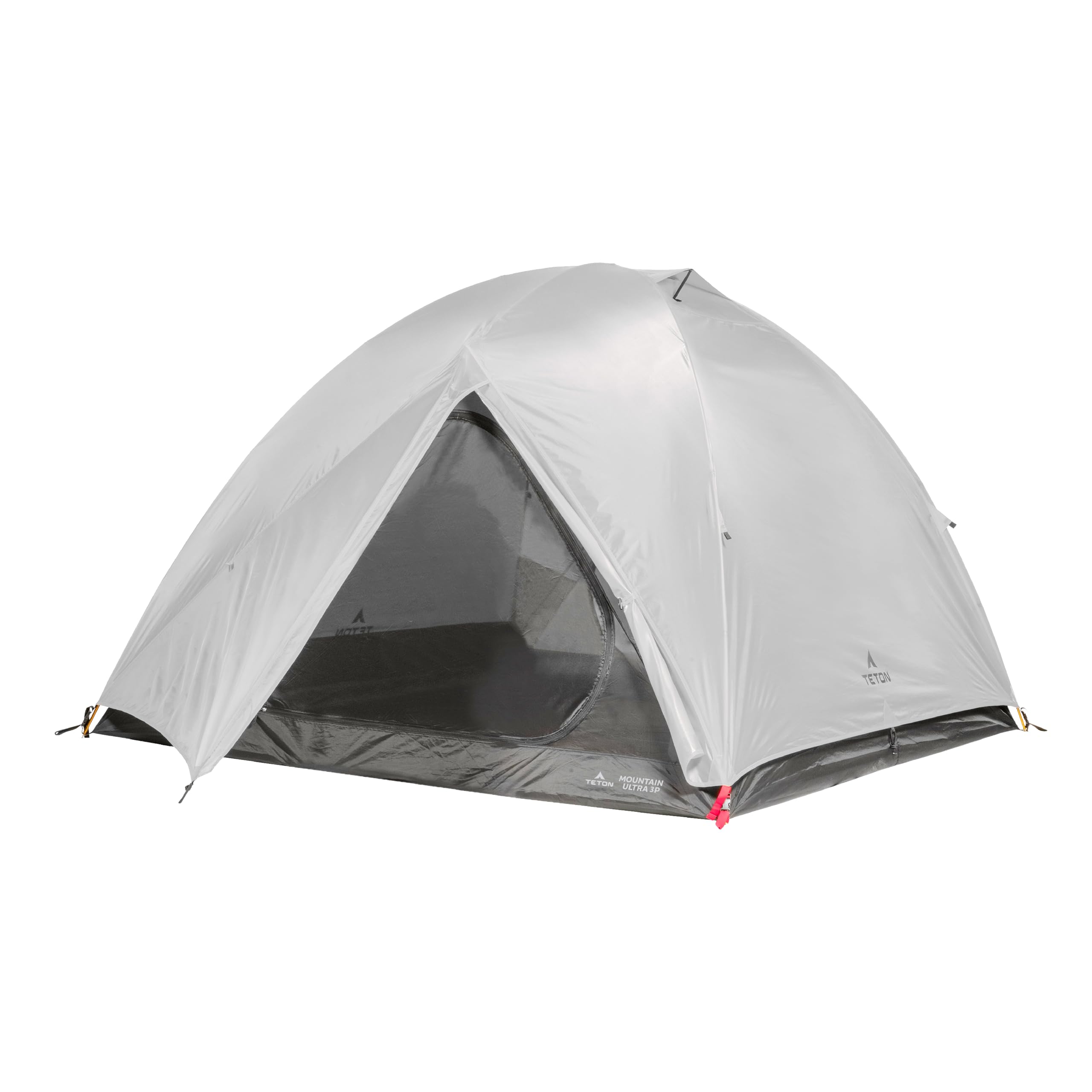
Teton Mountain Ultra 2P
Key Features
- Weight: 4.7 lb (2.13 kg)
- Floor Area: 33.3 sq ft
- Pole Material: Aluminum
- Water Resistance: 1500mm
- Price: $$
The Teton Sports Mountain Ultra 2P delivers generous interior space (80-inch floor length and high headroom) with a thick 150D floor that shrugs off ground debris. Setup is quick thanks to the intuitive clip system, and the two doors make entry easy. However, at 4.7 pounds packed, it is noticeably heavier than dedicated backpacking tents; the 1500mm rainfly provides adequate protection for moderate rain but may need seam sealing for heavy downpours. This tent suits families or tall individuals making short carries to a campsite, not thru-hikers counting every ounce.
Pros
- Easy setup with color-coded clips and intuitive pole system
- Spacious interior with high headroom and two doors for easy access
- Durable construction with thick 150D floor and heavy-duty zippers
Cons
- Packed weight of 4.7 pounds is high for backpacking trips where every pound matters
- Water resistance at 1500mm is adequate for moderate rain but can allow leaks in sustained downpours
For backpackers who prioritize headroom and durability over pack weight, this tent offers a comfortable shelter for short carries or car camping.
Best for Winter Car Camping
GEERTOP 2P 4-Season

Key Features
- Weight: 6.8 lb (3.08 kg)
- Floor Area: 31.5 sq ft
- Pole Material: Aluminum
- Water Resistance: PU3000mm
- Price: $
The GEERTOP 2P provides double-layer construction with PU3000mm coating and aluminum poles for under $110, offering effective insulation and weather protection for winter car camping or base camps. Setup takes under 10 minutes thanks to a freestanding design. However, the 6.8 lb packed weight is too heavy for backpacking beyond a short carry, and fabric or zipper durability may vary between units. This tent fits best where weight is not a concern, such as car camping or short hikes.
Pros
- Good insulation and warmth for cold-weather camping
- Easy setup in under 10 minutes with freestanding design
- Budget-friendly price for a 4-season capable shelter
Cons
- The interior is narrow – comfortable for one person with gear but tight for two adults
- Fabric and zipper durability can vary; some units may show wear after limited use
Best for winter car camping or base camps where weight is not a concern and you need an affordable 4-season shelter.
Best for Winter Base Camping
OneTigris Stella 2P

Key Features
- Weight: 4.8 lb (2.2 kg)
- Floor Area: 28.29 sq ft
- Pole Material: Aluminum
- Water Resistance: 3000mm
- Price: $$$
The OneTigris Stella uses 20D nylon with a silicone coating that handles cold weather well at a budget-friendly price. Setup is straightforward with flexible aluminum poles. However, at 4.8 pounds it’s heavier than typical backpacking tents, and the floor area suits one person with gear rather than two. Condensation can build up in humid conditions due to limited mesh. For winter car camping or base camping where weight isn’t critical, this is a capable 4-season option, but it doesn’t suit lightweight backpacking trips.
Pros
- Durable 20D nylon with silicone coating provides solid weather protection.
- Easy to set up with flexible aluminum poles and intuitive design.
- Great value for a 4-season tent at this price point.
Cons
- Interior is tight for two people — better suited for one adult with gear.
- At 4.8 pounds it’s heavier than most backpacking tents, limiting it to car camping or base camping.
This tent is a good winter shelter for car camping or base camps where weight isn’t a concern, but backpackers should look for lighter options.
Best for Dry-Climate Beginners
Kelty Discovery Trail 2P

Key Features
- Weight: 4 lb 5 oz (1.96 kg)
- Floor Area: 33 sq ft
- Pole Material: Aluminum
- Water Resistance: 1200mm
- Price: $$
This tent delivers a generous floor plan and quick pitching for its weight class. The 1200mm fly coating, however, means sustained rain can lead to moisture getting in, and durability reports note possible pole or mesh issues after repeated use. For occasional fair-weather trips with beginners or scout groups, it is a functional shelter, but backpackers expecting multi-season reliability should look at the Grand Mesa instead.
Pros
- Roomy 33 sq ft floor fits two adults plus gear comfortably
- Sets up in under 10 minutes with color-coded Quick Corners
- Weighs under 5 pounds, light enough for short backpacking trips
Cons
- 1200mm fly coating may let water seep in during prolonged rain
- Frame and mesh can wear with heavy use – best for occasional rather than frequent trips
A fair-weather companion for budget-conscious beginners; avoid for rainy trips or multi-season use.
Best for Early Adopters/solo
Naturehike Mongar Pro 2P

Key Features
- Weight: 4.85 lb (2.2 kg)
- Floor Area: 31.9 sq ft
- Pole Material: 8.5mm aluminum alloy
- Water Resistance: PU3000mm
- Price: $$
The Naturehike Mongar Upgraded 2P tent features an expandable awning that adds useful shade and rain protection, a rare find at this weight (4.85 pounds) and price. Setup is straightforward, especially when using trekking poles to support the awning. However, the design is new enough that long-term durability hasn’t been established. Early users have noted occasional zipper snagging and pole tip fit issues, so this tent suits early adopters who value the awning and are willing to accept some uncertainty over a more proven model like the Cloud-Up.
Pros
- Lightweight 4.85-pound trail weight includes a footprint, keeping pack weight low for a two-person tent.
- Expandable awning extends coverage for shade or rain protection, a distinctive feature at this price point.
- Setup is intuitive even when using trekking poles to prop up the awning.
Cons
- Zipper alignment and pole tip fit can vary between units, making a close inspection on arrival advisable.
Best for early adopters who prioritize the awning feature and are comfortable with a newer design that hasn’t been widely tested over many seasons.
How to Choose
The single most important decision when buying a backpacking tent is not brand or color, but how much weight you are willing to carry for the durability and weather protection you need.
Trail Weight
Trail weight (tent body + fly + poles) is the number that matters for backpacking. Packed weight includes stakes, stuff sack, and footprint, often adding 0.5 to 1 pound. A tent listed at 5 pounds packed may actually be 4 pounds trail, but every extra ounce hurts on a 10-mile day.
Sub-5-pound trail weight is the sweet spot for most 3-season trips. Tents under 3.5 pounds are ultralight territory but often sacrifice floor thickness and pole strength. Heavier tents (5+ pounds) become car camping gear unless you are splitting the load with a partner.
Floor Area and Interior Height
Floor area determines how many people (and gear) fit without kicking each other. A 30-square-foot floor is snug for two average adults; 35 square feet allows comfortable side-by-side sleeping. Interior height matters for sitting up to change clothes or cook in bad weather.
Tall hikers over 6 feet need at least 80 inches of floor length, which many budget tents lack. The trade-off: larger interiors add weight and packed volume. Measure your sleeping pad width and shoulder room before buying.
Number of Doors and Vestibules
A single door forces one person to crawl over the other to exit, especially annoying at 3 AM for bathroom breaks. Two doors add about 4-8 ounces but dramatically improve convenience for couples. Vestibules store gear outside the tent but under the fly, protecting packs from rain.
Larger vestibules also help with condensation management by allowing airflow when partially open. If you are solo, one door and a small vestibule is usually enough. For two people, prioritize dual doors for sanity.
Waterproof Rating
Waterproof ratings (in mm) indicate how much water pressure the fabric can withstand before leaking. A 2000mm rating handles moderate rain; 3000mm+ is better for heavy downpours. However, factory coatings degrade over time, and seam sealing is often needed even on higher-rated tents.
The real-world test is not the number but the design: a full-coverage rainfly that extends close to the ground prevents splash-up. Tents with a 1200mm rating (like some entry-level models) are fair-weather only. If you camp in rainy regions, choose at least 3000mm and plan to re-seal seams annually.
Pole Material
Aluminum poles are lighter and stronger than fiberglass, which can splinter under stress. Most backpacking tents use 7000-series aluminum (7001, 7002, or 7075). DAC poles are a premium option found on $300+ tents, offering excellent strength-to-weight ratios.
The hidden trade-off is that pole thickness (diameter) matters for wind resistance. Thin 8.5mm poles save weight but flex more in gusts. Thicker 10mm poles add ounces but stand up to high winds better. For general 3-season use, 9mm aluminum is a reliable middle ground.
FAQ
Can I use a backpacking tent for car camping?
Yes, but you will sacrifice interior space and durability. Backpacking tents are designed to be light, so floors are thinner and poles are smaller. For car camping, a heavier camping tent offers more headroom and tougher fabric. If you already own a backpacking tent, it works fine for occasional car camping, just be careful with sharp objects on the floor.
Why does my tent get condensation inside every morning?
Condensation happens when warm moist air from your breath and body meets the cold inner wall of the fly. It is worst in humid conditions or when the fly is fully sealed with no ventilation. To reduce it, pitch the tent with the fly vent open, use a mesh inner without the fly on clear nights, and avoid breathing inside the bag. A double-wall tent (mesh inner + separate fly) manages condensation better than single-wall designs.
Are lightweight backpacking tents durable enough for regular use?
Lightweight tents (under 4 pounds) use thinner fabrics and smaller poles, so they are less durable than heavier car-camping tents. For regular weekend trips over several seasons, a mid-range tent with 20D-30D nylon and 9mm aluminum poles holds up well. Ultralight tents (under 3 pounds) require careful site selection and may need repairs after 50-100 nights. If you camp 30+ nights a year, invest in a tent with a stronger floor (150D) and thicker poles.
What does ‘3-season tent’ actually mean?
A 3-season tent is designed for spring, summer, and fall conditions: moderate rain, wind, and occasional light snow. It uses mesh walls for ventilation and a rainfly for weather protection. It cannot handle heavy snow loads (which can collapse the roof) or sustained high winds. If you winter camp in areas with snow accumulation, you need a 4-season tent with stronger poles and a solid inner to block wind.