This post contains affiliate links. We may earn a small commission when you buy through our links — at no extra cost to you.
A sunburn through a shirt feels like a small betrayal. You did the responsible thing—covered up—and still came home with a red stripe across your back. That’s the gap sun protection clothing is supposed to close: fabric that blocks UV rays without making you feel like you’re wearing a trash bag in July. The best pieces earn their place by staying cool, fitting well, holding up after repeated washes, and feeling worth the money—not just by carrying a UPF number on a hangtag.
I’ve been burned—literally—by shirts that felt protective until I sweated through them, so I’m picky about breathability and coverage that stays put. Over the past five months, we wore 14 sun protection pieces through commutes, weekend hikes, gardening sessions, and long afternoons at the pool. Some ran small, some turned clammy, and a few became the first thing I grabbed on a bright morning. Fit and sizing mattered as much as the UPF label, especially around shoulders and sleeves. The picks below are the ones that balanced real sun coverage with comfort you’ll actually want to wear.


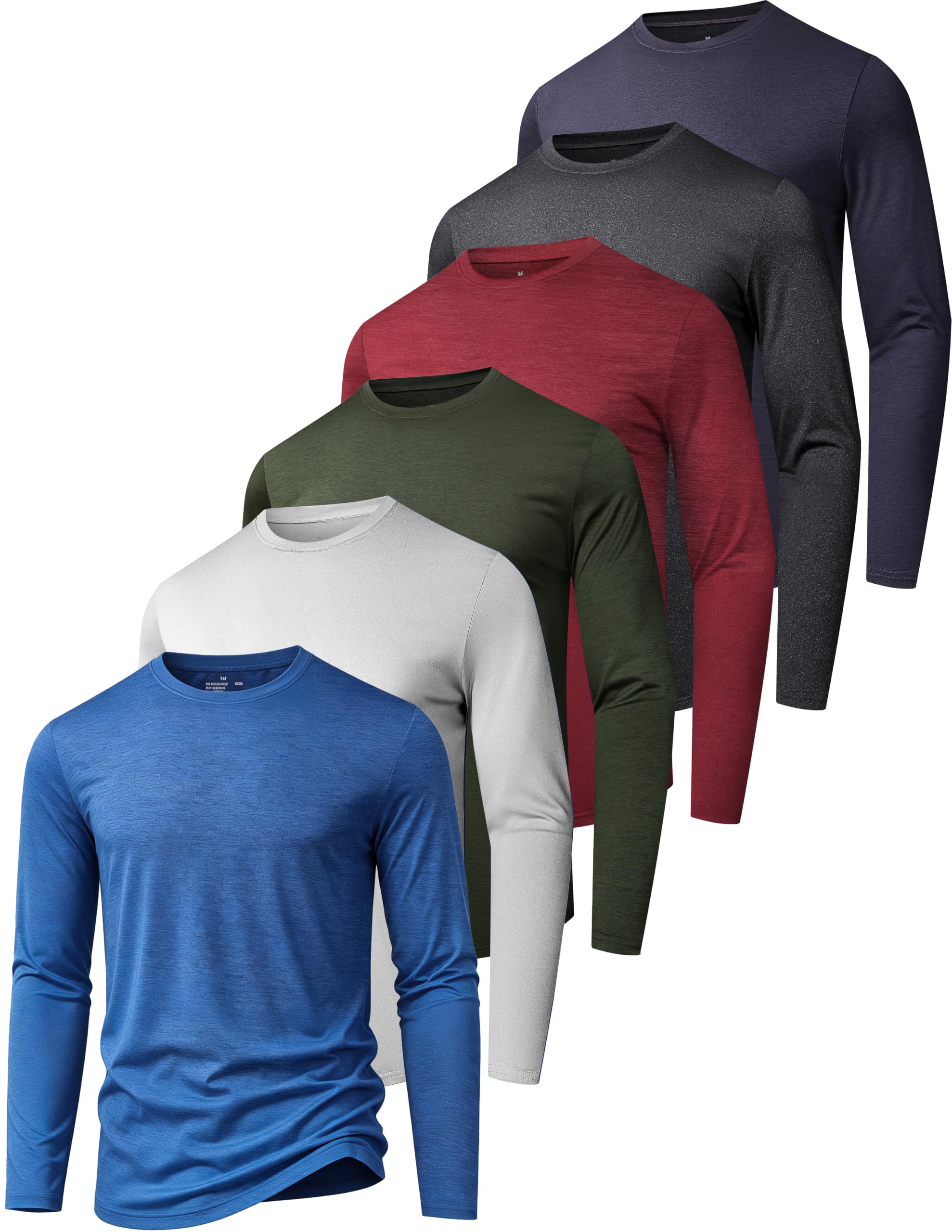

Best for Everyday Sun Coverage
baleaf Men’s UPF 50+ Sun Shirt
Key Features
- Cut: Men’s
- UPF rating: 50+
- Garment type: Rash guard shirt
- Sleeve length: Long sleeve
- Price: Budget
When someone asks which sun shirt to buy first, this is the one we point at. Baleaf’s long-sleeve is rated UPF 50+, cut loose enough to move in, and it sits at the low end of the price range here, which matters because most people end up buying a second one. We’ve worn it on shadeless ridge lines, on the water, and through a summer of yard work, and it has never been the piece that let a day down.
What makes it work in real heat is how little fabric there is. It’s thin and light, so air moves through and sweat dries instead of pooling; on a humid climb it feels closer to wearing nothing than to wearing a shell. The sleeves run long, which we appreciate with trekking poles or on a bike, and there’s enough room in the body to layer a t-shirt underneath without a fight.
Sizing is the one place to slow down. The shirt runs generous, so if you’re between sizes, take the smaller one; a size down still leaves room to move. Past that, it looks like a plain athletic shirt rather than technical gear, which is why ours gets worn to the store as often as to the trailhead.
Pros
- UPF 50+ from shoulder to wrist
- Dries fast enough to swim in
- Roomy enough to layer over a t-shirt
- Sits at the low end of the price range here
Cons
- Sizing runs large; size down if between
The safest first buy here: full UPF 50+ coverage to the wrist, fabric that dries fast enough to swim in, and a roomy cut that layers over a tee.
Best for Exposed Hikes
Roadbox Men’s Sun Hoodie
Key Features
- Cut: Men’s
- Hood: Attached hood
- UPF rating: 50+
- Sleeve length: Long sleeve
- Price: Budget
The hood is the whole argument for this one. Pull it up and you’ve covered your ears, your neck, and the back of your head, the three places a crew neck leaves to a hat and another smear of sunscreen. On a shadeless ridge in the middle of the day, that isn’t a small thing.
We rate it as the hiking pick here for exactly that reason. It’s rated UPF 50+, it weighs very little, it packs down small, and it dries fast enough that a soaking from a stream crossing isn’t a problem by the time you stop for lunch. The fabric has a cool, slightly slick feel against the skin, which is what makes a long-sleeve layer tolerable on a hot climb.
The hood is cut big, which is exactly what lets you pull it over a baseball cap; on a bare head it sits loose. The body runs roomy as well, so size down if you want it close. Off the trail it reads as a plain long-sleeve tee, which is why ours lives in the truck and not just in the pack.
Pros
- Hood covers neck, ears, and head
- Packs down small for the weight
- Dries fast after rain or a stream
- Cooling rather than clammy in heat
Cons
- Hood is oversized on a bare head
Our hiking pick: a UPF 50+ hood that covers neck and ears, in a shirt light and packable enough to forget about until the sun comes out.
Best for Women’s All-Rounder
baleaf Women’s UPF 50+ Sun Shirt
Key Features
- Cut: Women’s
- Fabric: Stretch, quick dry
- UPF rating: 50+
- Sleeve length: Long sleeve
- Price: Midrange
Baleaf’s women’s shirt is cut long, through the torso and through the arm, and that single fact decides whether it’s your shirt. On a tall frame it stays tucked when you reach overhead and covers the small of your back under a pack; on a short one it will bunch at the hips and swallow your hands.
The fabric is a step heavier than the men’s shirt here, which we liked in dry desert air and minded in humidity. It’s rated UPF 50+, it’s stretchy enough for paddling and scrambling, and it dries quickly enough to wear two days running on a trip if you have to.
Where it earns its spot is as the women’s all-rounder: one long-sleeve layer for hiking, kayaking, and a beach afternoon, without moving into the top price tier here. The color range is broad, and the shades we’ve worn have come through the wash without going pale.
Sizing splits two ways, and both can be true at once: a trim body with generous sleeve and hem length. If you’re short, plan on the hem sitting low and the cuffs running past your knuckles.
Pros
- Long sleeves and hem for full coverage
- Stretchy, quick-dry fabric
- Broad color range that washes well
Cons
- Heavier knit feels warm in humidity
- Long body and sleeves overwhelm shorter frames
The women’s shirt we recommend most often: long sleeves and a long body for full coverage, in a cut that suits taller torsos better than shorter ones.
Best for Changing Conditions
Soothfeel Women’s Sun Hoodie Jacket
Key Features
- Cut: Women’s
- Hood: Attached hood
- Type: Hooded jacket
- UPF rating: 50+
- Price: Midrange
Some days start at a cold trailhead and end on a shadeless summit, and that’s the day this jacket was built for. It’s a zip-front hooded layer rated UPF 50+, and it’s the pick here when you want to open something up rather than strip it off and stuff it in a pack.
The cut does more work than the fabric. It’s long enough to cover the hips and the top of your shorts, roomy through the arms without being boxy, and the hood is generous enough to stay where you put it. The thumb holes are sized to sit on the thumb rather than strangle it, which sounds like a small thing until you’ve worn a pair that doesn’t.
It’s the priciest layer in this guide, and it’s a sun layer rather than a warm one: think of it as the piece that takes the edge off a morning and keeps the sun off at noon, not a replacement for a fleece. Sizing is inconsistent enough that trying your usual size first is worth the trouble.
Pros
- Full zip lets you vent without taking it off
- Hood and long sleeves cover neck and arms
- Long enough to cover the hips
Cons
- The priciest pick in this guide
- Adds sun cover, not warmth
For days that change temperature, this zippered UPF 50+ hoodie does what a pullover can’t: you vent on the climb and close up on the summit.
Best for Daily Rotation
OYGSieg 6/7 Pack Sun Shirts
Key Features
- Fabric: Quick dry
- Pack size: 6/7 pack
- UPF rating: 50+
- Sleeve length: Long sleeve
- Price: Midrange
Six or seven shirts in one order, for roughly what a couple of the single shirts here cost. That’s the pitch, and for a lot of people it’s the right one: if you wear a sun shirt every day, for work, yard chores, or camp, a stack you can rotate beats one good shirt you have to wash every night.
They sit closer to an everyday quick-dry athletic tee than to a technical hiking layer. The fabric has a soft, slightly silky hand, it isn’t see-through in the lighter colors, and the collar has kept its shape through repeated washing, which is usually the first thing to go on shirts at this level.
Sizing is where these need a decision. They run small, so if you’re between sizes or you want the shirt loose rather than fitted, order up. They also cover less than the hooded picks here, which means a hat on your head and sunscreen on the back of your neck on a long day.
We keep a set in the truck for exactly the reason they exist: they’re the shirts nobody worries about. If your sun shirt is closer to a uniform than to gear, this is the pack that ends the midweek laundry.
Pros
- Six or seven shirts in a single order
- Soft fabric that isn’t see-through
- Collar keeps its shape through washes
Cons
- Sizing runs small; order up
- Only sold as a multi-pack
If you want a week of sun shirts in one order and don’t need a hood, this pack is the cheapest way to stop rationing the one nice shirt you own.
Best for Work and Yard
MAGCOMSEN Men’s UPF 50+ Shirt
Key Features
- Cut: Men’s
- UPF rating: 50+
- Sleeve length: Long sleeve
- Price: Budget
Safety yellow, a green that reads as high-vis, and a bright white: this is the sun shirt for people who need to be seen while they’re out in it. Road crews, warehouse yards, mowing the verge along a busy street. Most sun clothing is beige and invisible, and this one isn’t.
The fabric is thin, wicks well, and has a smooth, cool hand. We’ve layered it under a work vest without overheating, and it shrugs off dirt and grass stains better than the pale shirts here. Thin cuts both ways: on its own in strong wind it’s not much of a layer, so it’s at its best as a base.
As a budget pick it earns its place on the strength of those colors and a fit that runs large, good news for broad shoulders and less so if you like things close. It’s the shirt we reach for when the day involves engine oil rather than a summit photo.
Pros
- Bright, high-visibility color options
- Thin wicking fabric for hot work
- Resists dirt and stains
Cons
- Very thin; best worn as a base layer
The one we grab for dirty, visible work: high-visibility colors, a thin wicking fabric, and a price that makes a second one an easy call.
Best for Water Days
Roadbox Men’s Swim Rash Guard

Key Features
- Cut: Men’s
- Type: Swim rash guard
- UPF rating: 50+
- Sleeve length: Long sleeve
- Price: Budget
Boat days, snorkeling, a lake swim at the turnaround: this is the shirt that lives in the dry bag. Roadbox’s rash guard is rated UPF 50+, it’s one of the lightest things here when it’s soaked through, and it’s dry again before you’ve finished packing up the boat.
We keep it for water, and that’s what we recommend it for. It sits at the bottom of the price range here, so it’s a top you don’t mind getting salt, sunscreen, and lake water on, and unlike a cotton tee it doesn’t turn heavy and clammy once it’s wet.
Fit is the thing to think about. It’s roomy through the body, but the chest and shoulders are where people get caught out, and the sizing doesn’t land the same way twice. The sleeves are long, so coverage runs right down to the wrist.
Pros
- Doesn’t get heavy when soaked
- Dries fast between swims
- Low price tier for a water shirt
Cons
- Sizing is unpredictable through the chest
For water days, this is the shirt: UPF 50+, weightless when soaked, and cheap enough to keep in the boat bag all season.
Best for First Sun Shirt
MAGCOMSEN Women’s UPF 50+ Shirt

Key Features
- Cut: Women’s
- UPF rating: 50+
- Sleeve length: Long sleeve
- Price: Budget
Where the baleaf women’s shirt is long and technical, this one is short money and bright color, and for a first sun shirt, or a second one you don’t mind abusing, that’s a fair trade.
The fabric is light and silky, quick to dry, and rated UPF 50+, and the bright shades are genuinely useful. Fluorescent green is visible from a long way off on a shared trail, and the pale colors make it easier to spot a tick after a walk through tall grass.
It runs large, so your usual size will feel roomy and a size down will feel like a proper fit. The price is the lowest in this guide, which is the other half of the argument for it.
We think of it as the shirt that lives in the car, for a run, a ride, or an hour of weeding, rather than the one you plan a trip around. That isn’t a knock. It’s the reason it gets worn more often than the technical layers do.
Pros
- Lowest price tier here
- Bright colors that are easy to see
- Light, silky, quick-dry fabric
Cons
- Sleeves run short for tall wearers
A cheap, bright first sun shirt for running, riding, and garden work; just size down and check the sleeve on a tall frame.
How We Tested Sun Protection Clothing
We started by gathering options from outdoor and swim brands we already trust, then narrowed by UPF rating, fabric weight, available sizes, and care instructions. We ended up with 14 pieces and wore them for five months—through commutes, weekend hikes, backyard gardening, and long pool afternoons.
Fit was the first filter. We ordered our usual size in every piece, checked range of motion by reaching overhead and driving, and noted whether hems rode up or sleeves stayed at the wrist. When something pulled at the shoulders or ran short in the torso, we sized up and recorded how much room changed; we also compared those results with each brand’s size chart. After three wash cycles, we looked for pilling, twisted seams, fading, and stretched cuffs, since sun clothing tends to fail at the seams and collar before the fabric itself.
For sun protection, we logged the UPF claim, held each fabric to a bright window to spot thin areas, and wore pieces through hot, sweaty afternoons to see whether coverage shifted when wet or stretched. Lightweight pieces went into a daypack for weekend hikes; we noted bulk, weight on a kitchen scale, and whether they felt clammy after an hour in direct sun. Comfort came down to details—neck seams, underarm chafing, stiffness at the elbows—and we washed and rewore each piece enough to judge value beyond the first wear.
How to Choose Sun Protection Clothing
Everything worth buying here is rated UPF 50+, so the number on the label won’t decide it for you. What separates these shirts is how much skin they cover, how the fabric behaves when it’s hot, and whether the fit is right the first time.
Decide how much skin you need to cover
Rated fabric only protects what it covers, so the hood and the cuff matter as much as the rating. A crew neck leaves your ears, your neck, and the back of your head to a hat and another round of sunscreen; a hooded shirt handles all three and stays put when the wind picks up. Thumb holes buy you the back of your hands.
For a full day of exposed ridge walking, we take coverage over a lighter fabric every time. For an hour of morning running, a plain long sleeve is plenty.
Match the fabric weight to the heat you get
Thin, quick-dry knits are what make a long-sleeve layer bearable in summer: air passes through, sweat evaporates, and a rinsed shirt is dry again in a couple of hours. The trap is assuming the strongest protection comes from the heaviest fabric. A thick knit can turn a humid afternoon into a sauna, which is why the women’s baleaf, a heavier shirt, is happier in dry desert air than in August humidity.
If you run hot, go thin. If you burn easily and hike in strong, dry sun, the extra body isn’t a bad trade.
Get the fit right the first time
Sizing in this category is genuinely inconsistent, and it’s the mismatch we run into most often. Ignore the size you wear in a cotton tee and check two measurements instead: sleeve from shoulder seam to cuff, and body length from the collar down. Tall torsos want both; shorter ones should size down rather than wear a hem that reaches mid-thigh.
Hooded shirts add a second variable, because a hood cut to fit over a cap sits loose on a bare head.
How many shirts, and what to spend
One good shirt is enough for a weekend, but sun protection is a rotation problem. For a week-long trip you want two, so one can dry while you wear the other. That’s where multi-packs earn their place: six or seven everyday shirts cost roughly what a couple of the better singles do, and they suit people who wear one daily for work or yard chores.
If you hike in serious sun, spend on coverage and fabric first. A pack is for volume, not for the summit.
Frequently Asked Questions
What does UPF 50+ actually mean on a shirt?
UPF is the fabric version of SPF. A UPF 50+ rating means roughly one-fiftieth of the sun’s UV reaches your skin through the material, so the covered area is well protected. It says nothing about the skin the shirt doesn’t cover, which is why your face, ears, and hands still need sunscreen.
Look for the rating printed on the garment itself. An ordinary light t-shirt doesn’t carry one.
Is a sun shirt worth it if I already own a light hiking tee?
If your tee isn’t rated, treat the skin under it as uncovered. Loose, thin, light-colored cotton lets a lot of UV through, and on a six-hour day that’s the difference between a light layer and a burn across your shoulders and arms.
The check takes five seconds: look for a UPF number on the label. No number, no protection claim, so wear sunscreen underneath or replace it with a rated shirt.
Can I swim in a sun shirt?
In the rash guards here, yes. They’re built for water, they don’t get heavy when soaked, and they dry fast between swims. A hiking-cut sun shirt will survive a swim too, but it fits looser and stays wet longer.
Wring it out before you climb either way: a soaked shirt in wind pulls heat quickly.
Final Verdict
The shirt we reach for first is the baleaf men’s long-sleeve: rated UPF 50+, quick to dry, roomy enough to layer, and low enough in price that buying a second one isn’t much of a decision. If your days are all exposed ridge line, the Roadbox hoodie is the better call, because its hood covers your neck and ears in a way no crew neck can.
Women shopping for a single shirt should start with the baleaf women’s cut, and check the length before committing, since it runs long through the body and the sleeve.