This post contains affiliate links. We may earn a small commission when you buy through our links — at no extra cost to you.
Waterproof and breathable are, in fabric terms, enemies: the layer that keeps rain out is usually the same one that traps body heat in, which is why so many jackets feel like a plastic bag by mile two — dry from above, drenched from within. A good running rain jacket solves that tradeoff and still fits well enough that you forget you’re wearing it. That’s the difference between finishing a wet run and turning around at the end of the block.
I’ve spent the past six months running in 12 jackets through drizzle, proper downpours, and that sideways 40-degree stuff. What separated the keepers was detail rather than lab ratings: a hood that stays put when you check traffic, shoulder seams that never leaked, a cut that left room for a base layer without ballooning over a tee. And yes, looks count more than runners admit — a jacket you don’t mind being seen in is one you’ll actually grab on a gray morning. The picks below are the ones that earned their hook by the door.



Best for Technical Running
Marmot PreCip Eco
Key Features
- Length: 30 inches
- Weight: 10.8 oz
- Pockets: 3 zippered
- Waterproofing: NanoPro membrane, seam-taped
- Price: Premium
At 305 g, the Marmot PreCip Eco is the shell we reach for when the forecast is genuinely uncertain: it is light enough to carry without thinking and technical enough to trust in sustained rain. The NanoPro membrane is seam-taped, so the waterproofing covers the weak points as well as the fabric. That combination is what makes it our top pick for running rather than just another packable raincoat.
The pit zips are the detail that separates it from the simpler shells here. On a climb or a tempo run, you can dump heat without opening the front to the weather, and the PFC-free DWR keeps the surface beading. We also appreciate the 30-inch length: it covers the top of a pack waistbelt without feeling like a parka.
The regular fit is true to size, with enough room for a light midlayer, and the hood rolls into the collar when the rain stops. Three zippered pockets give you somewhere to put a phone, key, and gel without unzipping the whole jacket. The band collar sits close without choking.
Machine washable care keeps it easy to live with, and the recycled ripstop is a point in its favor if you care about materials. We treat it as a running layer first, not a do-everything winter coat; the premium price is the main hurdle, but it is the most complete running shell in this group.
Pros
- Seam-taped NanoPro waterproof membrane
- Pit zips vent heat on hard efforts
- 305 g and packs small
- Hood rolls into the collar
Cons
- Lining may flake after heavy use
We recommend the Marmot PreCip Eco as the default running shell: its seam-taped NanoPro membrane, pit zips, and 305 g weight handle hard rain without turning a run into a sauna.
Best for Run Commuting
baleaf Rain Jacket
Key Features
- Hood: Oversized
- Visibility: Reflective details
- Packability: Packable
- Waterproofing: Waterproof shell
- Price: Midrange
The reflective detailing is what earns the baleaf a place for road running. On a dark, wet commute, it puts light back at drivers without turning the jacket into a high-visibility vest. The oversized hood is the other practical touch: it drops over a cap and keeps rain off your face instead of pasting itself to your forehead.
We rate it the best run-commute shell in this group because it combines that visibility with a genuinely packable body and a roomy cut. It stuffs into a jersey pocket or a small pack, and the longer back hem covers you when you are bent over the bars or leaning into a run. For cyclists and runners sharing the road, that mix is hard to beat.
Water resistance is solid for light and moderate rain, and the fabric stays comfortable on a steady commute. Without pit zips, it gets clammy when you push the pace, so we see it as a commuter shell rather than an interval jacket. The reflective trim and packable size are worth the trade.
Pros
- Reflective trim for low-light runs
- Oversized hood sheds rain
- Packable enough for a jersey pocket
- Roomy cut layers easily
Cons
- Runs small through the chest
For dawn and evening road runs, the baleaf is our visibility-first pick: reflective trim, an oversized hood, and a genuinely packable body at a midrange price.
Best for Women’s Ventilation
33,000ft Women’s Rain Jacket
Key Features
- Pockets: Zippered, internal zip
- Packability: Storage bag included
- Ventilation: Underarm zips
- Waterproofing: Waterproof
- Price: Midrange
Underarm ventilation is the feature that lifts the 33,000ft above the simpler shells here, and it is why we recommend it first for women who run warm. The zippers run long enough to move real air, and the jacket still looks like a rain shell rather than a piece of technical race kit. That balance is rare at this price.
The cut is designed for layering over a base layer and a light fleece, and the adjustable hood cinches down without swallowing your head. Zippered hand pockets and an internal zip pocket keep a phone and keys secure; the supplied storage bag makes it easy to stash in a pack. The cut covers the hips without feeling long.
It keeps rain out in heavy showers and blocks wind on exposed stretches, which is more than we expect from a packable shell. The fabric is soft rather than slick, so it does not feel like a plastic bag against the skin. It is a wet-weather layer, not a winter jacket; add insulation when the temperature drops.
Pros
- Underarm vents for hard efforts
- Adjustable hood and zippered pockets
- Storage bag for pack or travel
- Soft fabric resists clinging
Cons
- Sizing runs small for some
The 33,000ft is our women’s pick for warm, wet runs: underarm vents, zippered pockets, and a storage bag make it easy to ventilate and carry.
Best for All-Round Value
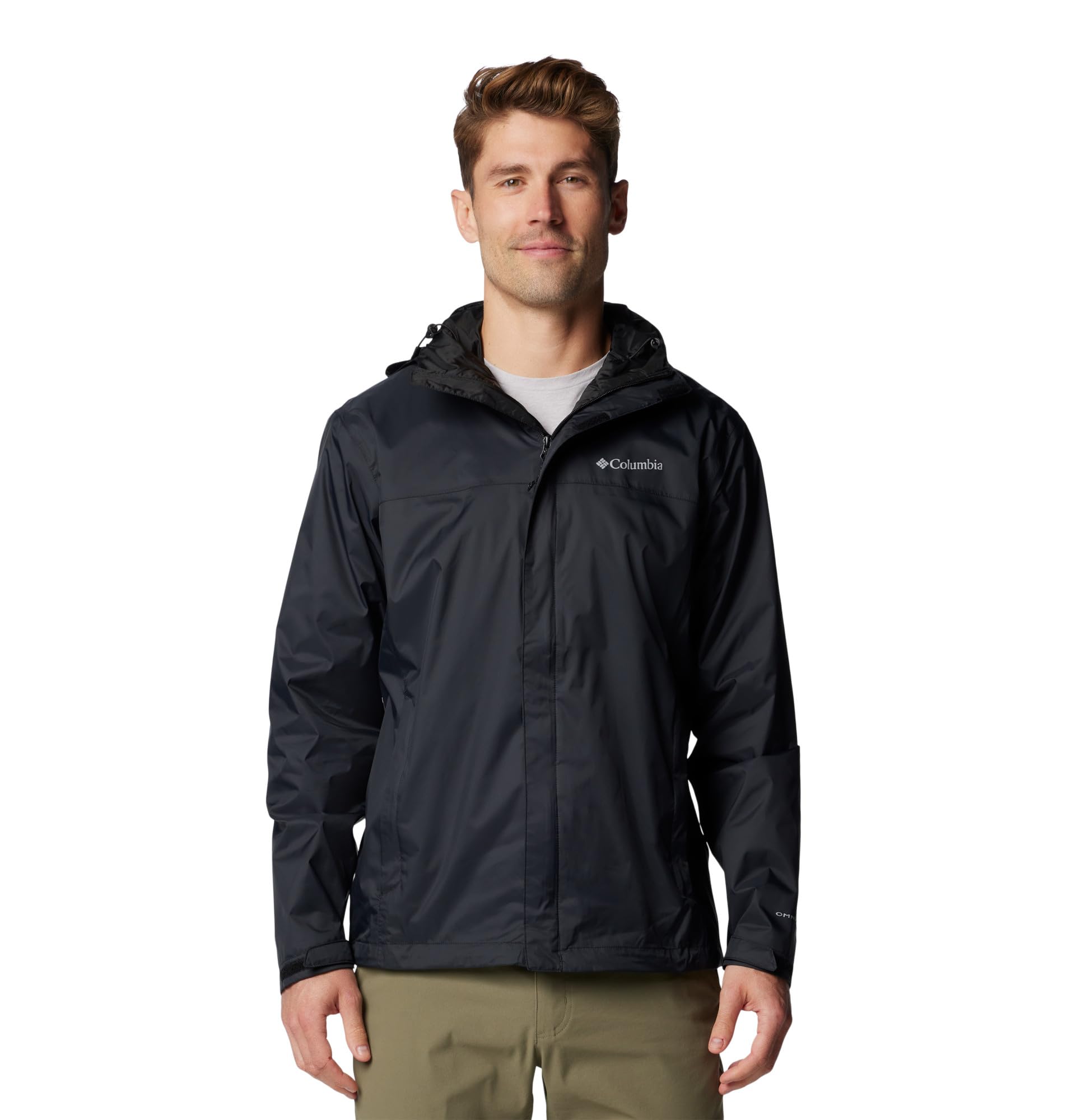
Columbia Watertight II
Key Features
- Hood: Attached
- Pockets: Zip pockets
- Packability: Packs small
- Water resistance: Heavy-rain shell
- Price: Midrange
The Watertight II is a simple shell that does the unglamorous part well: it keeps heavy rain out and rolls up small enough to leave in a pack or car. The hood is attached and adjustable, and the zip pockets are the right size for cold hands and a phone. It is not the most technical jacket here, but it is one of the easiest to live with.
We rate it the best all-round value in this group because it covers the basics without fuss. It blocks wind on a cool run and keeps you comfortable without overheating, which is more than many cheap shells manage. It also layers easily over a fleece, so it works beyond summer showers.
The fabric has a soft, non-plastic feel and washes and dries without drama. The hood fits well and stays put when cinched, and the full zip makes it easy to vent on a climb. The zip pockets are useful, and the jacket packs into a small package when the rain stops.
That packability is the reason it earns a place in a commute bag or a daypack even when the sky looks clear. For a first rain jacket or a backup layer, the reliability is the appeal; it is a shell you stop worrying about.
Pros
- Keeps dry in heavy rain
- Packs small for a pack or car
- Blocks wind without overheating
- Soft fabric washes and dries well
Cons
- Roomy cut and long sleeves
The Watertight II is the value pick we reach for in steady rain: it keeps heavy weather out, packs small, and blocks wind without overheating.
Best for Layering
The North Face Antora
Key Features
- Fit: Generous, layer-friendly
- Pockets: Large
- Waterproofing: Waterproof
- Wind protection: Windproof
- Price: Midrange
The Antora is cut generously, and that is the point: it slides over a fleece or a hoodie without binding across the shoulders. The body leaves room for a base layer and a midlayer, and the hood has enough volume to sit over a cap. For cold, wet days when you want a shell rather than a fitted running top, that room matters.
It handles rain and wind in the kind of steady drizzle that soaks through lesser jackets, and the fabric repels water without feeling stiff. It is a shell, not a winter coat, so warmth comes from what you wear underneath. The large pockets swallow gloves and a phone, and the jacket washed up looking fresh.
We rate it the best layering shell here for wet commutes and easy trails, because it keeps its shape and blocks wind without fighting your layers. The generous cut is forgiving over a puffer, and the big pockets are useful when you are wearing gloves. This is a shell for steady movement and cold rain, not a fitted race layer.
Pros
- Generous fit layers over fleece
- Waterproof and windproof shell
- Large pockets swallow gloves and phone
- Holds shape after washing
Cons
- Can run hot on hard efforts
- Sleeves run long on shorter frames
The Antora is our pick for layering: a roomy, windproof waterproof shell that fits over a fleece and keeps its shape through wet commutes and hikes.
Best for Emergency Packable
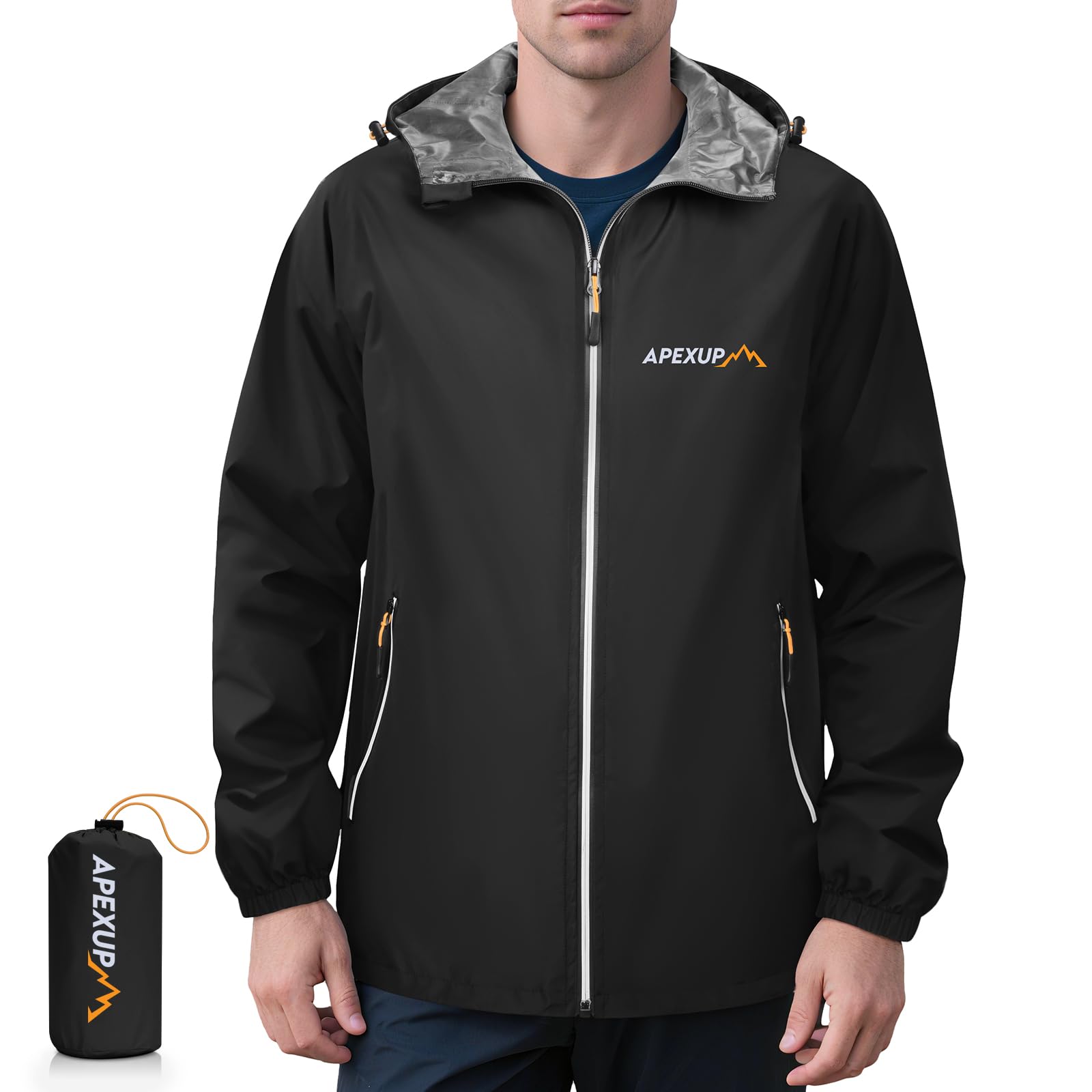
APEXUP Packable Rain Jacket
Key Features
- Fit: Roomy for layers
- Hood: Attached
- Packability: Included bag
- Water resistance: Waterproof
- Price: Budget
The APEXUP packs into its own bag and takes up about as much room as a folded tee, which is exactly what we want from a jacket that lives in a pack for emergencies. The hood and cuffs close down against wind, and the cut leaves room for a midlayer without feeling like a poncho. It is not the shell we reach for when we plan a run in the rain.
It keeps rain out in steady weather, and the zip pockets are useful for a phone and keys. The fabric is thin and light, so it layers easily under a pack strap or over a sweatshirt. It is a simple shell, without the soft hand or trim of the more expensive jackets here.
We rate it the best budget emergency shell here: it is the one to leave in the car or the bottom of a pack for the day the sky opens. It is not breathable enough for a hard run, so treat it as a standby layer rather than a training jacket. At this price, that is a fair trade.
Pros
- Packs into included bag
- Room for a midlayer
- Keeps rain out in steady weather
- Zip pockets for phone and keys
Cons
- Zipper can stick when rushed
The APEXUP is the emergency shell we keep in a pack: it packs into its own bag, shrugs off rain, and takes up very little room.
Best for Pocket-Rich Light Rain
Outdoor Ventures Women’s Rain Jacket

Key Features
- Lining: Mesh
- Pockets: Multiple zippered
- Packability: Packable
- Water resistance: Light rain
- Price: Midrange
The pocket layout is what makes this Outdoor Ventures shell useful: zippered hand pockets, an internal zip pocket, and a front vertical pocket for a phone or glasses. The mesh lining is the other detail we appreciate, because it keeps the shell from clinging when you work up a sweat. It looks more like a regular jacket than a shiny rain slicker.
It handles light rain and short showers well, and the large hood shields your face when the wind picks up. The fabric is soft and quiet rather than crinkly, so it is comfortable for walking and easy to pack. This is not the shell for an all-day soaking; the water resistance is best for showers and damp commutes.
The jacket packs down small enough for a daypack, and the colors are a bright spot on a gray day. It is a good choice for travel and errands where rain is likely but not guaranteed. The mesh lining also keeps it from feeling sticky when the temperature climbs.
We rate it the best everyday shell here for pockets and comfort, and the internal zip pocket is the detail that seals it for us. It is a jacket for short runs, dog walks, and wet commutes rather than a mountain shell. That is a narrow role, but it fills it neatly.
Pros
- Multiple zippered pockets for essentials
- Mesh lining reduces cling
- Soft, quiet fabric is comfortable
- Packable for a daypack
Cons
- Runs small with short sleeves
The Outdoor Ventures women’s shell is our pocket-rich pick: a packable, mesh-lined jacket that handles damp commutes and carries the small stuff.
Best for Travel Pullover
Outdoor Ventures Packable Pullover

Key Features
- Style: Pullover
- Pockets: Two zippered
- Packability: Folds into pouch
- Water resistance: Rain and snow
- Price: Budget
A pullover cuts the full zip and packs into its own pouch, which is the whole appeal here: it disappears into a pack until the weather turns. The hood cinches around the face, and the two separate zippered pockets are easier to use than a single kangaroo pocket. It is a travel shell, not a fitted running jacket.
It keeps rain and wind off in steady weather, and the pullover design means fewer seams for water to find. The fabric is light and packs small, and the roomy cut fits over a midlayer without feeling bulky. The center pocket doubles as the packing sleeve, which is a neat trick when you are repacking in a hurry.
The trade-off is breathability: this is not a shell for a hard run, because heat builds up quickly and there is no full zip to dump it. For travel and standby use, that is the right compromise. It is the jacket that stays in the bottom of a bag until the forecast turns.
We rate it the best minimalist pullover here for travel and emergency use, because it packs smaller than the full-zip shells and keeps the weather off when you are not working hard. The pouch is the detail we keep coming back to: it turns the jacket into a tidy package that lives in a daypack without taking over.
Pros
- Folds into its own pouch
- Two separate zippered pockets
- Keeps rain and wind off
- Roomy cut layers over a midlayer
Cons
- Runs large for some
The Outdoor Ventures pullover is a minimalist travel shell: it folds into its pouch, keeps rain and wind off, and asks for very little space in a pack.
How We Tested the Best Running Rain Jackets
To build the shortlist, I started with the shells that come up again and again in running forums and specialty-store recommendations, then filtered out the ones missing things that matter on a wet run: hood adjustment, some form of venting, a size range that doesn’t stop at a men’s large. That left 12 jackets, which we ran in for six months — pre-dawn road loops, a Saturday trail run in steady rain most weeks, a few windy bridge crossings, and the commute home when the forecast flipped mid-afternoon.
Weather testing was repetitive on purpose. Each jacket got at least one 45-minute run in steady rain, after which I checked the shoulders and hood brim for damp spots and turned the shell inside out to see whether water was still beading or the fabric had gone dark and sodden. To judge breathability and weight, I wore each over the same base layer on the same 50-degree loop and felt the back panel at the end, then weighed them on a kitchen scale and packed each into its own pocket or a running vest.
Fit got tried on as much as run in: over a thin tee, then over a long-sleeve midlayer, with arm swings, a cap under the hood, and cuffs pulled down over a watch. We stuffed each jacket into a pack dozens of times, caught sleeves on branches, and washed the ones we wore most, checking zippers and taped seams afterward. At the end we asked whether each one’s extras — pockets, adjustability, packability — justified the step up in price, and whether we’d wear it anywhere other than a run. Looks factored in too: a couple of shells looked sharp dry and turned shiny or faintly translucent once soaked.
How to Choose a Running Rain Jacket
The right running shell keeps rain out while letting heat escape, and that balance matters more than the waterproof label.
Waterproofing, Breathability, and Vents
A running jacket gets tested from the inside as much as the outside. A seam-taped membrane like the one in the Marmot PreCip Eco is the most reliable choice for sustained rain, while a water-resistant packable shell is better for showers and standby. Neither breathes like a tee, so vents are the practical release valve.
Pit zips or underarm vents let you dump heat without opening the front to rain; that is why the 33,000ft and PreCip Eco earn a place for hard efforts. If you run cold and slow, a simpler shell can be enough. Choose vents if you expect to sweat, not just if you expect rain.
Fit, Sleeve Length, and Layering
A running shell needs room for a base layer and arm swing, not enough fabric to sail. Sleeves should reach the wrist without covering your hands, and the hem should stay put when you lift your arms. A generous cut like the Antora is forgiving over a fleece; a trimmer shell is less noisy in wind.
Check the hood over a cap. A hood that cinches down and moves with your head is more useful than a loose one that fills with rain. If you are between sizes, read the specific model’s fit notes: the baleaf runs small, while the Columbia Watertight II runs roomy with long sleeves.
Packability and the Job You Need It For
A jacket that lives in a pack should disappear until needed; a jacket you wear for a planned run can trade some pack size for better ventilation. Pouches and stuff sacks help, but a tight roll matters less than whether the shell is breathable enough for the pace. The APEXUP and Outdoor Ventures pullover are standby shells; the Marmot and 33,000ft are for the run itself.
If your commute includes a train or a long walk, a packable shell with reflective details covers more of the day. If you are running intervals, prioritize vents and a hood that stays put.
Hood Coverage and Visibility
For road running, visibility is a safety feature, not a style choice. Reflective trim on the baleaf earns attention in low light; a bright color helps but does not replace reflectivity. A hood should cinch around the face and sit over a cap without blocking peripheral vision.
Check the cuff and hem adjusters too. A jacket that flaps or rides up is distracting on a wet run, and no waterproof rating fixes a hood that will not stay put. Choose adjustable closures over a fixed hood if you run in exposed, windy places.
Frequently Asked Questions
Is a pullover or a full-zip jacket better for running?
A full zip is the better running default because you can open it on a climb and strip it without pulling a wet shell over your head. A pullover packs smaller and has fewer seams, but it traps heat and is harder to remove mid-run. Choose a pullover for travel or standby, not for hard intervals.
How do I wash a waterproof running jacket?
Wash it when water stops beading, not after every run. Follow the care label; for the Marmot, that means machine wash. Use a technical cleaner or a mild detergent without fabric softener, and rinse well. Dirt and sweat mask the water-repellent finish, so a clean jacket often starts beading again without reproofing.
What should I do if my jacket wets out mid-run?
Surface wetting means the outer fabric is soaked, not necessarily that water is coming through. Keep the shell on, open the vents, and avoid pressing the wet fabric against your base layer. When you get home, wash and reproof the shell. If water is reaching your base layer through seams, the jacket has stopped doing its job for that run.
Final Verdict
We recommend the Marmot PreCip Eco if you run regularly and want one shell for sustained rain: the seam-taped membrane, pit zips, and 305 g weight make it the most complete running jacket here. If your runs happen after dark, the baleaf’s reflective trim is the reason to choose it instead. For a shell that stays in a pack, the APEXUP is the budget standby.