This post contains affiliate links. We may earn a small commission when you buy through our links — at no extra cost to you.
Hiking clothes have a thankless job: keep you warm on a windy ridge, dump heat on the climb, and still feel soft enough that you don’t dread pulling them on at 6 a.m. The problem is that most gear solves one of those and punts on the others — a fleece that feels great but pills by the third wash, a shell that fits like a box, a base layer that’s warm until you sweat and then stays wet. What you actually want is a small system that works together: layers that fit under and over each other, hold their shape, and earn their price over a season, not a single trip.
I’ve spent the last eight months hiking in 14 pieces from the usual outdoor suspects, from base layers to insulated jackets, on everything from muddy spring day hikes to a windy ridge walk that turned into a cold drizzle. My team and I paid attention to the things you notice only after hours on the trail: whether a size small is actually small, if the sleeves run long enough for a pack strap, whether a fabric feels soft against bare skin or scratchy enough to regret. Warmth is easy to promise; warmth without bulk, and comfort that survives a wash cycle, is the real filter. The picks below are the ones that passed.
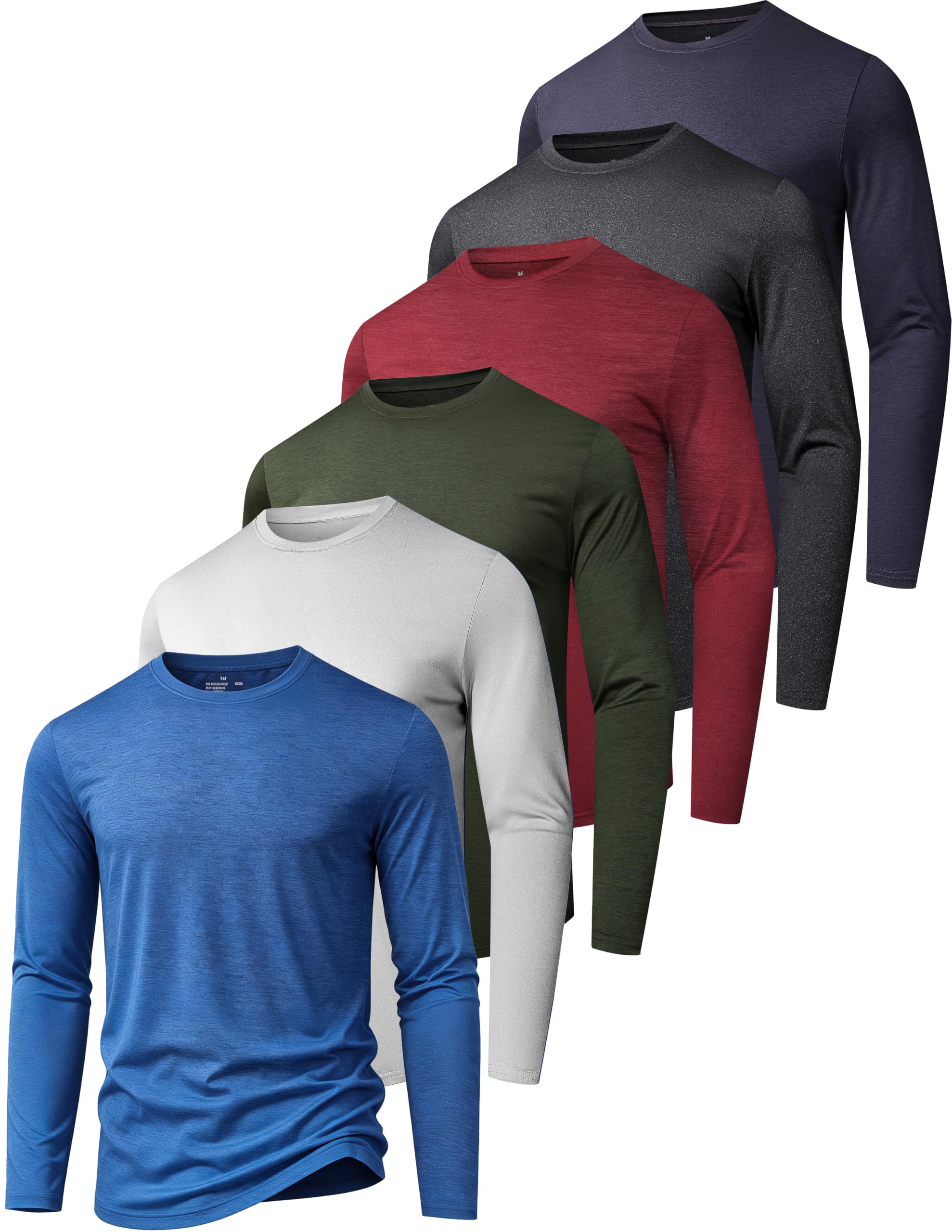


Best for Everyday Sun Coverage
OYGSieg Sun Shirts
Key Features
- Fabric: Quick dry
- Sleeve: Long sleeve
- Pack count: 6/7 pack
- Sun protection: UPF50+
- Price: Budget
The most useful piece of hiking clothing in this guide is also the simplest: a long-sleeve, quick-dry shirt with a UPF50+ rating. The OYGSieg pack is what we hand people first, because it answers the question that decides how a shadeless afternoon feels — whether your arms are covered — without the smothered, sticky feeling of a heavy tee.
The fabric is the reason it works. It’s smooth and light rather than brushed, so it slides under a pack strap instead of grabbing at it, and it gives up sweat fast: a climb that leaves you damp at the top is forgotten by the time you’ve had a drink and a snack. Long sleeves in something this thin protect more skin than a short-sleeve shirt and still feel cooler than one.
Sizing runs true, with enough room through the body that it doesn’t read as underwear when the pack comes off at a viewpoint. Plain colors, flat seams, and a collar that behaves — exactly what you want in a shirt you’ll wear four days running. Six or seven in the pack also means a clean one is always dry, which on a wet trip matters more than any single feature.
It is not a warm layer. Once the sun drops or the wind picks up on an exposed ridge, you’ll want a fleece over it, and in shoulder season you’ll wear both all day, which is what a layering system is for.
Pros
- UPF50+ coverage without extra heat
- Smooth quick-dry fabric layers under a fleece
- True-to-size fit that isn’t skin-tight
- Multipack keeps a dry shirt in reserve
Cons
- Sold in packs only, so you take the color set
Buy this first: a UPF50+ long sleeve that dries fast, layers under a fleece, and comes in a pack big enough to keep a clean one ready.
Best for Warm-Weather Hiking
baleaf Hiking Pants
Key Features
- Waist: Elastic waist
- Fabric: Quick dry
- Pockets: Cargo pockets
- Water resistance: Water resistant
- Price: Midrange
Two details make hiking pants worth wearing: pockets you can actually close and a hem you can tighten. These baleaf pants have both. The cargo pockets zip, so a phone and keys stay put through a scramble, and a toggle at each ankle cinches the cuff down over a boot or pulls it clear of the mud.
The fabric is the thin, faintly slick sort that feels cool the moment you pull it on, and it dries quickly after a stream crossing or a sweaty climb — the reason we reach for these on hot days instead of denim or a heavy short. The wide elastic waist sits flat under a hipbelt rather than digging in, and the cut leaves room to step high without strain.
One caution: water resistant means a splash beads and rolls off. It doesn’t mean these keep you dry through steady rain, and they’re better understood as fast-drying pants than as weather protection. The ankle cinch helps in wet grass, not in a downpour.
Where they earn their place is the combination: light enough for a hot climb, dry again before you finish your snack, and detailed like gear instead of like gym wear. They’re the pants we recommend for warm-weather hiking, and with a base layer underneath they carry into spring and fall.
Pros
- Zippered cargo pockets hold phone and keys
- Cinch hems keep cuffs out of mud
- Quick-dry fabric for hot climbs
- Wide elastic waist sits flat under a hipbelt
Cons
- Sizing is unpredictable; order by measurement
Our pick for warm-weather hiking — zippered pockets, cinch hems, and quick-dry fabric that handles heat better than anything else here.
Best for Three-Season Hiking
Anlisim Merino Socks
Key Features
- Height: Crew
- Material: Merino wool
- Pack count: 5 pairs
- Price: Budget
Merino is the fabric that changes a day on your feet. It stays warm when it’s damp, breathes when the sun comes out, and doesn’t itch the way the wool socks people remember from childhood do. These Anlisim crews are the pair we point new hikers toward first: soft, thin enough to sit inside a boot without crowding your toes, and warm on a cold start without turning your feet into a swamp by afternoon.
The cuff stays up without pinching, which is the difference between a sock you forget about and one you notice at mile four, and the colors are cheerful enough that nobody minds them drying off the back of a pack. The wool is blended rather than pure merino, part of how five pairs land at this end of the price range, and the heel is where any wool sock gives out first — rotate two pairs and they last a good deal longer.
Pros
- Warm without overheating on the climb
- Soft, non-itchy wool blend
- Cuff stays up without pinching
- Five pairs in mixed colors
Cons
- Runs small; size up if you’re between
The sock we hand new hikers first: warm, soft merino that fits inside a boot without crowding your toes.
Best for Cold-Weather Layering
baleaf Fleece Leggings
Key Features
- Style: Thermal tights
- Lining: Fleece
- Season: Cold weather
- Sizing: Women’s
- Price: Midrange
A cold trailhead on a windy morning is where a fleece-lined legging earns its keep: pull a pair on under shell pants and you stop thinking about your legs for the rest of the day. The baleaf pair is the winter layer we recommend when the forecast is genuinely cold rather than merely crisp.
The lining is thinner than the word fleece suggests, which is exactly why these work under other pants instead of turning your legs into a padded suit. The outside is silky enough that shell pants slide over them rather than sticking, and the whole thing feels like a second skin rather than a wrestling match.
What makes them worth packing is the ratio of warmth to bulk: less space in the pack than fleece pants and a lower profile under anything you wear over them. Take the size chart seriously — these run small, and the difference between a snug layer and a pinch is one size.
Pros
- Thin fleece warms without bulk under shell pants
- Silky outside so outer layers slide over it
- Soft second-skin feel with stretch
Cons
- Waistband can creep during long climbs
Our winter base layer of choice — thin fleece warmth that slips under shell pants without adding bulk.
Best for Winter Hikes
Alvada Merino Socks
Key Features
- Height: Crew
- Sizing: Unisex adult
- Material: Merino wool
- Pack count: 3 pairs
- Price: Budget
Cushion is the first thing you feel with the Alvada crews: a firm, dense pad under the whole foot rather than a thin band at the heel. They’re thick socks and they feel it — the kind you pull on for a cold morning rather than a summer one.
Warmth is where they’re strongest. Wool holds heat when it’s damp, so a boot soaked by wet grass doesn’t turn into a refrigeration unit, and the inside stays soft against the skin rather than itching the way cheap wool can. They work as hard in a cold workshop as they do on a trail, which is why a three-pair pack tends to get used up fast.
Care matters more than usual with a sock this thick. Wool blends shrink in a warm wash and a hot dryer, and once they’ve shrunk the cushion never quite comes back — cold water and a line are worth the extra minute.
For cold-weather hiking, these are the socks we reach for when the forecast is ugly: warm, generously cushioned, and sold three to a pack. If you hike in warm weather or wear close-fitting boots, the thinner Anlisim crews will suit you better.
Pros
- Dense cushioning under the whole foot
- Warmth holds up in damp boots
- Unisex sizing suits men and wide feet
Cons
- Heels wear first under heavy use
For cold, wet days on the trail this is the sock we pack: dense cushioning and warmth that survives a damp boot.
Best for Budget Sun Coverage
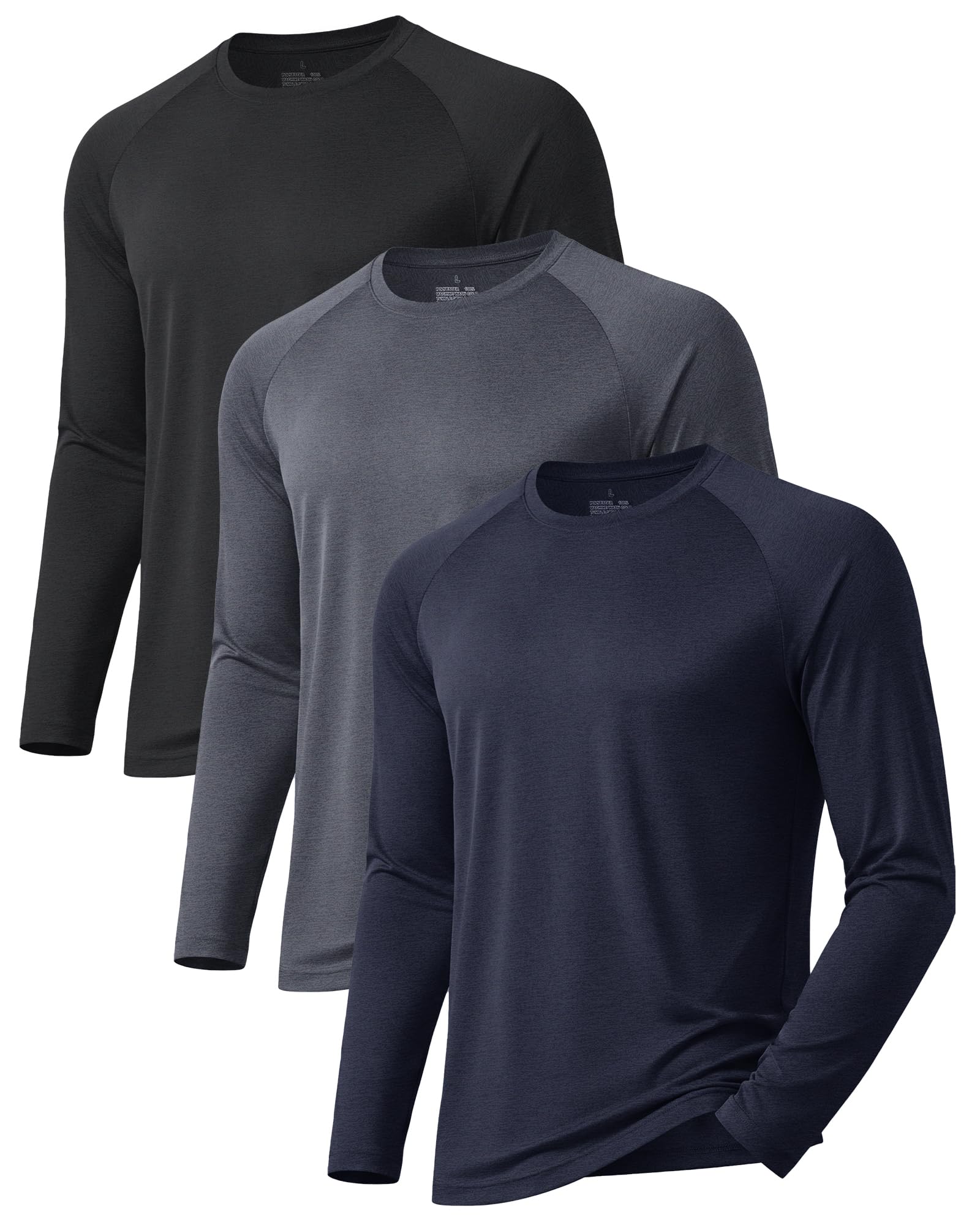
LalaHooK Sun Shirts
Key Features
- Fabric: Quick dry
- Sleeve: Long sleeve
- Pack count: 3 pack
- Price: Budget
If the six-shirt pack at the top of this guide is more than you need, this three-pack does the same job with less commitment and noticeably thinner fabric. Same long sleeve, same quick-dry idea, same plain colors — the difference is weight.
Thin cuts both ways. On a humid day this is the coolest shirt in the guide, and it slides under a fleece without adding a bulge; on a cold morning it’s a base layer and nothing more. We keep a couple for hot, sticky hikes and yard work, where being barely-there is exactly the point.
Pros
- Coolest fabric here on humid days
- Soft, silky fabric that layers easily
- Three shirts for the lowest outlay here
Cons
- Can go sheer in lighter colors
- Seams are the first thing to wear
The budget answer to our top pick — thinner, sheerer, and the coolest shirt here on a humid climb.
Best for Deep Winter Warmth
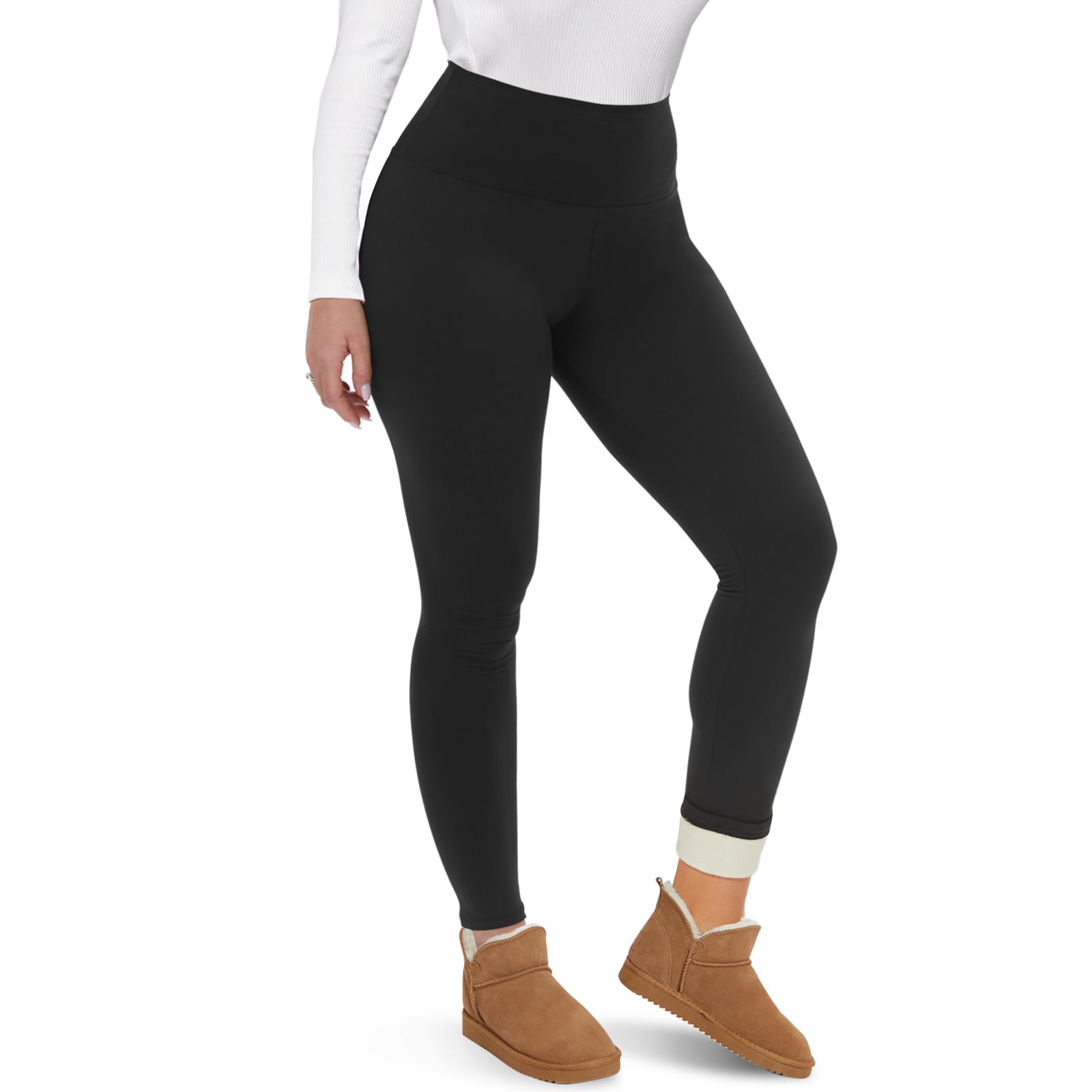
CAMPSNAIL Fleece Leggings
Key Features
- Style: Winter thermal pants
- Lining: Fleece
- Sizing: Women’s
- Thickness: Thick
- Price: Budget
These are the leggings that feel like a blanket going on. The fleece inside is thick and dense rather than a thin brushed fuzz, and the first minute in them is genuinely pleasant in a way most synthetic base layers are not.
Warmth is the whole point, and there’s plenty of it: they hold heat on a cold morning walk and under snow boots, and the stretch means you can still move in them. They’re the pair we suggest when someone wants real winter warmth without spending much, and doesn’t need the thinnest possible layer under shell pants.
Where they make sense is a cold-weather system rather than a single layer: under roomier shell pants on a winter walk, or on their own for a cold morning errand. Thick fleece and a slim cut don’t coexist, so pair them with outer layers that have room.
Pros
- Thick fleece warmth without a padded feel
- Stretchy enough to move and climb in
- Soft blanket-like interior
Cons
- Length runs short for taller wearers
- Sizing is inconsistent; check the chart
The warmest, thickest legging here, and the one we suggest for cold mornings when bulk doesn’t matter.
Best for Hot-Weather Hikes
CRZ YOGA Biker Shorts

Key Features
- Style: Biker shorts
- Fabric: Butterluxe
- Inseam: 4 inches
- Sizing: Women’s
- Price: Midrange
A four-inch inseam tells you most of what you need to know about these shorts. They cover what they need to and not an inch more, which makes them a hot-weather option for smooth, open trail rather than for bushwhacking.
The fabric is the draw: soft, stretchy stuff that stays opaque when you bend and doesn’t ride up or roll down through a long climb, which is the thing we checked first. The high waist holds without cutting in, and they come out of the wash looking like they went in.
We rate them for hot hikes on established trails, gym sessions, and travel where one pair has to do both. They aren’t a replacement for hiking shorts on overgrown ground, where the fabric and the coverage would both take a beating.
Pros
- Soft, stretchy fabric stays opaque
- Waistband stays put on climbs
- Four-inch length avoids bunching
Cons
- No pockets for a phone or key
Hot-weather shorts that stay put: soft, opaque, and short enough for a climb, with no pockets to speak of.
How We Chose and Tested the Best Hiking Clothes
To build the shortlist, we read through hundreds of reviews and spec sheets, then narrowed to 30 pieces based on fabric, claimed weight, size range, and price. We ruled out anything with a confusing size chart, limited length options, or a reputation for seams that fail early. The final 14 went home with testers and into the field for eight months.
We wore them on local day hikes, a wet spring weekend, and a few windy ridge walks where the temperature dropped faster than the forecast promised. Each piece went under a loaded pack, through at least three wash cycles, and into a carry-on for a travel day. We noted whether a size medium fit like a medium, whether sleeves and hems landed where the chart said, and whether the fabric felt soft at the collar or scratchy enough to notice on a climb.
For warmth, we compared how each layer performed on a cold morning start versus a steep ascent, looking for pieces that trapped heat without turning clammy. Comfort came down to small things: flat seams, a tagless neck, stretch that didn’t sag after a day on the trail. We checked durability by inspecting for pilling, loose threads, and thinning fabric after washing, and we judged value by how often we reached for a piece over the eight months rather than by the tag alone. The pieces that made the list are the ones we kept wearing after the official test ended.
How to Choose Hiking Clothes
Hiking clothing is first a fabric decision, then a fit decision, then a details decision — and the first two matter far more than any feature list.
Start With Fabric, Not Features
Sweat is the thing your clothing has to manage, and the fabric decides how well it does. Quick-dry synthetics and wool blends move moisture off your skin and give it up quickly; cotton holds it against you and stops insulating once it’s wet, which is why a cotton tee feels fine for a mile and grim by the third. Read the label before anything else: a top that’s still damp at the ridge is a top that will chill you on the descent.
Match the Layer to the Season
Two thin layers beat one thick one almost everywhere. A quick-dry base layer plus a light fleece covers more conditions than a single heavy piece, and it lets you shed warmth on the climb without stripping to your skin. Fleece-lined leggings slot into that system under shell pants, and a heavyweight merino sock belongs on a cold day rather than a warm one — thick cushioning can crowd a snug boot just as easily as it warms a roomy one.
Sun Coverage Is a Fabric Decision
On an exposed ridge, a long sleeve is more reliable than sunscreen you have to stop and reapply. Look for a stated UPF rating on the garment rather than the word sun in the product name — a shirt with no rating is a shirt, not protection. Thinner fabric is cooler but can go sheer in light colors when it stretches across your shoulders, so check before you commit it to a multi-day trip.
Fit Is Where Hiking Clothes Fail
Fit is the complaint we see most, and it’s usually a sizing-chart problem rather than a design one. Measure your chest and waist and compare them to the chart instead of ordering your street size, because the same brand can run differently between a legging and a pant. Two rules save the most returns: size up on wool socks if you’re between sizes, and judge pants by whether you can step high without strain.
Details That Earn Their Place on Trail
A pocket without a closure is a pocket that empties itself the first time you sit down. Zips, a cinch hem, a wide flat waistband that sits under a hipbelt, and seams that don’t land under a pack strap are the small things that separate gear from sportswear. None of them will show up in a hero photo, and all of them are the reason you stop noticing what you’re wearing halfway up a climb.
Frequently Asked Questions
How many pairs of hiking socks do I need for a week-long trip?
Two pairs in rotation per hiking day is plenty: wear one, air the other off the back of your pack, and swap the next morning. Merino handles a second day of wear far better than cotton, so a five-pair pack covers a week of hiking with a spare for the trip home.
Can I just hike in gym clothes?
On easy, dry trails, often yes. The gaps show up in three places: sun on exposed shoulders, pockets that don’t stay closed, and fabric that holds sweat and cools you once you stop. A long-sleeve quick-dry top, bottoms with a zippered pocket, and wool socks close most of that gap before you spend on anything technical.
How do I keep hiking clothes from smelling on a multi-day trip?
Rotate two tops and air the worn one overnight rather than balling it up wet. Synthetics pick up odor faster than wool, so a merino or wool-blend layer is the better choice when you’ll be out for several days, and drying anything completely between wears does more than any spray.
Final Verdict
If you buy one thing from this guide, make it the sun shirt. The OYGSieg pack covers the arms that take the most abuse on a shadeless trail, dries fast enough to wear again the next morning, and comes in a pack big enough that a spare lives in the car. It’s the least expensive way here to change how a long, exposed day feels.
Build from there. The baleaf hiking pants add real pockets and a cinch hem for warm-weather trips, and the Anlisim merino crews fix the blister problem cotton socks create. When the season turns, the answer changes: start with the fleece-lined leggings and the thicker Alvada socks, and keep the sun shirts for the layers underneath.