This post contains affiliate links. We may earn a small commission when you buy through our links — at no extra cost to you.
The first snowfall of the season is beautiful for about six hours. Then the plow scrapes by, the corner fills with brown slush, and you find out whether your boots were built for the photo or for the puddle. A winter boot has two jobs, holding water out and holding warmth in, and plenty of them only manage one. What you’re actually buying is a dry walk to the car in February without feeling like you’re clomping around in cinder blocks.
I’ve wrecked more pairs than I’d like to admit by trusting a boot that looked rugged and soaked through by the second block. This past winter, our team wore 12 pairs through five months of drop-off lines, dog walks, and shoveling, and the good ones share a few things. Sizing trips people up most: winter boots don’t break in like leather shoes, so buy for the sock you’ll actually wear and leave a thumb’s width at the toe. The picks below are the pairs that earned a second season.


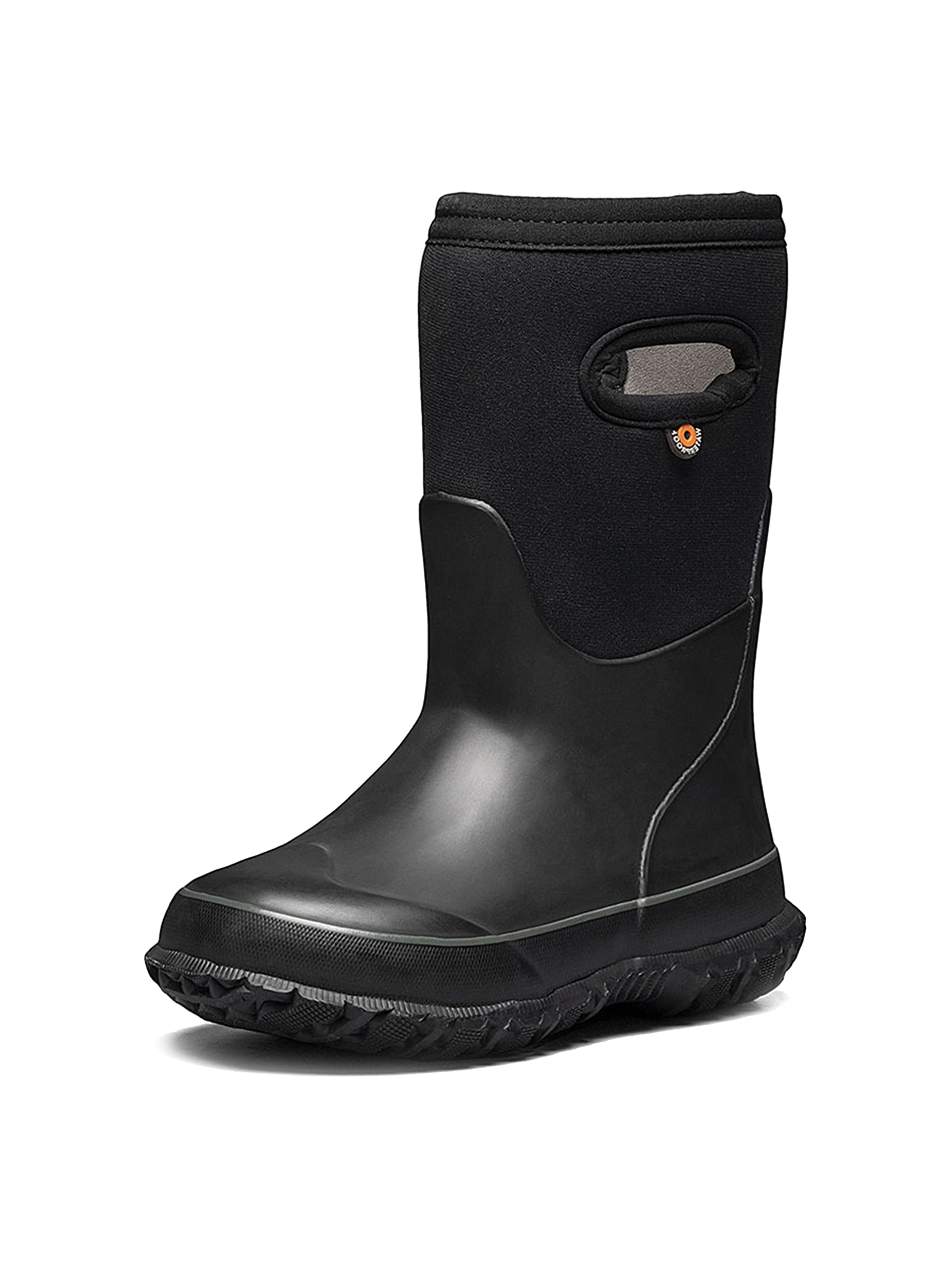
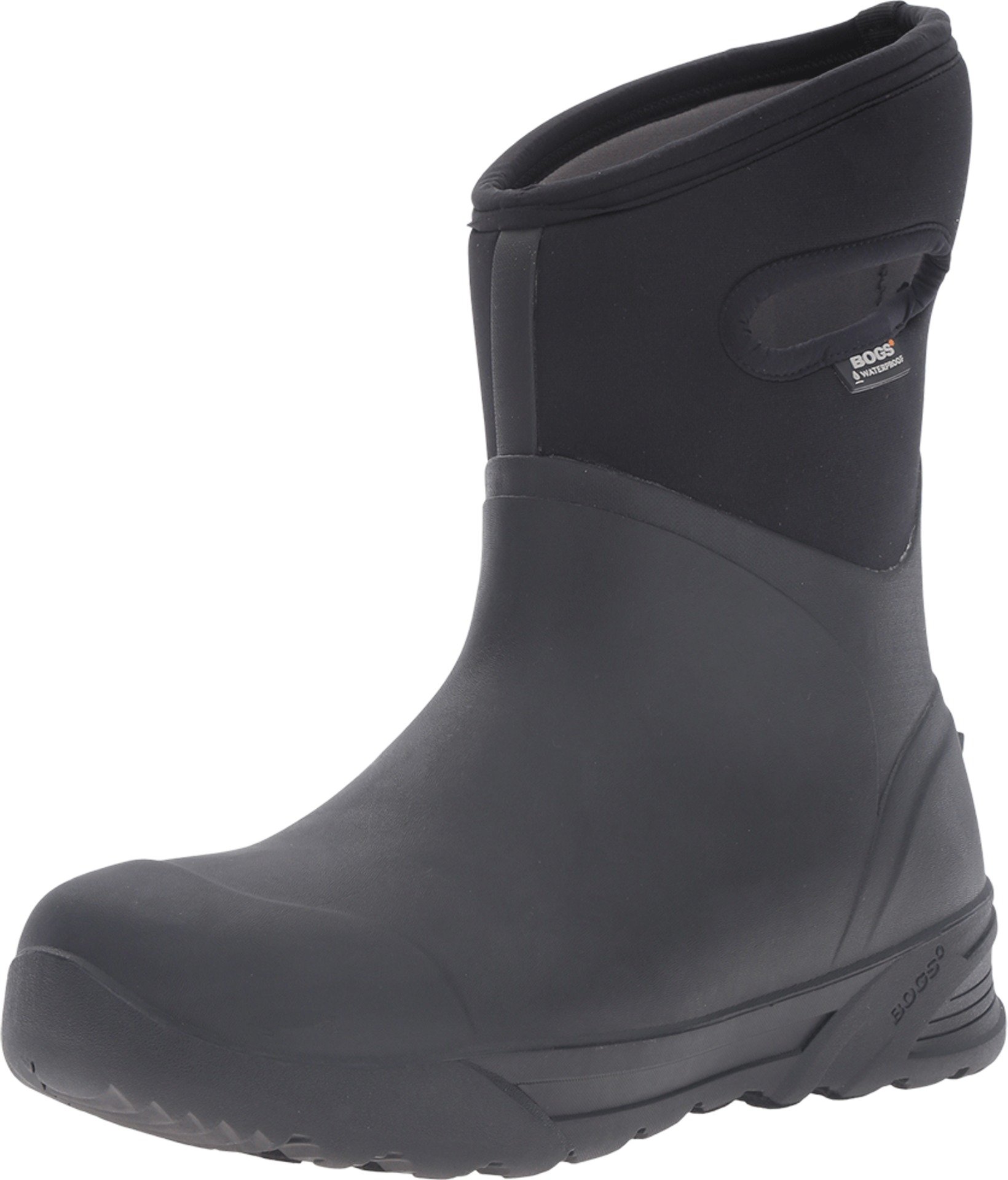


Best for Deep Winter Chores
BOGS Men’s Classic High Boot
Key Features
- Sizing: Men’s
- Boot type: High pull-on
- Listed weight: 4 lb
- Price: Premium
The Classic High comes up most of the shin, and that height is the entire argument. When the plow has left a gray ridge of slush across the end of the driveway, the difference between this boot and a mid-height one is whether you finish the walk in wet socks. There’s a raised wedge at the back of the heel, too, which makes them easy to step out of — a small thing until you’re doing it with muddy hands.
For most people who need one winter boot, this is the pair we recommend. Warmth is what we watched for first, and it holds: feet stay warm and dry through cold, wet, muddy work, the shell hoses off at the end of the day, and snow slides off the sole instead of packing into it. Traction is solid on snow and slop — nothing about it feels sketchy on a frozen driveway.
Sizing is the thing to get right, and it’s where these boots trip people up. The fit runs small and the toe box is snug, so go up at least a half size, and a full size if you wear thick wool socks or have wide feet. Get that right and nothing else about the boot asks for attention: no laces to thaw, no liner to pull out and dry.
What you’re buying is one boot for the unglamorous half of winter — the drive, the barn, the walk to the bus — rather than a boot for a mountain. On a long climb it’s a lot of rubber to carry, and the tall cuff is more boot than a cleared sidewalk needs. Neither matters if the furthest you go is the end of the street and back with a shovel.
Pros
- Keeps feet warm and dry in deep slush
- Heel wedge makes muddy boots easy to kick off
- Snow and mud shed from the tread
- Hoses clean after barn and yard work
Cons
- Outsole wears under daily pavement use
For most people who need one boot for deep slush, chores, and a cold walk to the car, this is the pair we recommend — just go up half a size.
Best for Women’s Everyday Winter
BOGS Neo-Classic Mid Women’s
Key Features
- Sizing: Women’s
- Boot type: Mid pull-on
- Listed category: Snow boots
- Price: Midrange
Cut the Classic High down to mid-calf, shape it for a woman’s foot, and you have the Neo-Classic Mid, which is close to how we think about this boot. It does the same job in a lower, lighter package, and for most women shopping this page it’s the one we put first. Nothing about it is fussy: no laces, no buckles, handles at the cuff, and a pull that takes one hand while the other holds the door.
Feet stay dry through mud, rain, and slush, and warm with it. These are barn boots as much as town boots — they take manure, get hosed off, and come back for more, and the ones that live outside seem to last several winters rather than one. This is the pair we reach for when the yard is a swamp and the dog still needs walking.
The catch is the fit. These run large — noticeably so — so order a half size down from your usual, and if you’re between sizes, take the smaller one. Get that right and it becomes a boot you stop thinking about, which is the highest compliment a winter boot gets. If you want something trimmer for town, the Amanda Plush II Chelsea is the better-looking option, with real trade-offs of its own.
Pros
- Keeps feet warm and dry through mud and slush
- No laces; handles make it a one-pull boot
- Holds up over several muddy winters
Cons
- Bulky, stiff build feels like a men’s boot
The women’s boot we point to first: warm, waterproof, and easy to pull on one-handed, as long as you order a half size down.
Best for Kids’ Snow Days
BOGS Grasp Kids Boot
Key Features
- Sizing: Kids
- Boot type: Kids pull-on
- Insulation: Insulated
- Waterproofing: Waterproof
- Price: Midrange
The test of a kids’ winter boot happens at the front door, thirty seconds before you need to leave: can the child get it on alone? The Grasp passes. The opening is wide, there are no laces to thread, and a kid in a hurry pulls it over a snow sock without a fight. For a child who walks to school and plays outside at recess, that’s the whole job description.
Warmth and dryness are the other half, and they hold up: snow, park mud, puddles, and a rinse at the end of it. The soles grip wet pavement and playground equipment, the prints survive a season without looking wrecked, and the boots are light enough that a small person keeps running instead of clomping — in our experience that’s the difference between boots that get worn and boots that get left by the door.
Sizing is where the boot gets awkward. The published chart isn’t reliable — kids land on both sides of it, some a half size up and some finding them narrow — so trace a foot, measure the insole, and buy the size the foot actually is. Do that, and the front-door argument is over before it starts.
Pros
- Wide opening kids can manage alone
- Warm and dry in snow, mud, and puddles
- Light enough to run in
- Grippy soles on wet ground
Cons
- Lower cuff lets deep snow over the top
Kids get these on by themselves and stay warm and dry once they’re out, which is why we pick them for school-age children.
Best for Icy Sidewalks
BOGS Bozeman Mid Men’s
Key Features
- Sizing: Men’s
- Boot type: Mid pull-on
- Listed weight: 2.2 lb
- Price: Premium
The Bozeman Mid stops around mid-calf, and everything else follows from that. It’s the boot for a shoveled drive, a few inches of slush, and a wet walk to the truck — not for wading a drift. Within that job we rate it highly: handles at the calf and a tab at the heel make it the easiest of the men’s boots here to pull on, and the knobby outsole is the most aggressive in this group, which shows on packed snow and ice.
Warmth has a ceiling. It keeps feet comfortable in ordinary winter cold but is at its best around freezing rather than well below it, so it’s the boot for errands and snow removal rather than an hour standing in a wind. Comfort is good — the footbed has real support and bounces back, and the bumps inside the heel take a day or two to get used to.
Sizing is the fiddly part, with some finding it true to size and others needing a half size up, so try them with the socks you actually wear. For a cleared driveway, farm work, and a mile of errands, it’s the men’s boot we keep by the door; for anything deeper, take the Classic High.
Pros
- Sure footing on packed snow and ice
- Handles and heel tab make it quick to pull on
- Supportive footbed for errands and snow removal
Cons
- Leather upper can crack and lose water resistance
Our choice for icy, shoveled mornings when a tall boot is overkill: sure-footed, easy to pull on, and at its best around freezing.
Best for Hand-Me-Down Winters
BOGS Classic II Kids Boot
Key Features
- Sizing: Toddler to youth
- Boot type: Kids pull-on
- Listed weight: 2.5 lb
- Price: Midrange
Bogs’ kids’ boots get handed down, and the Classic II is the model that earns the second winter: a rubber shell that comes through snow, mud season, and a younger sibling without the seams letting go. That’s worth more than any single feature when a child will wear them for one season and move on.
What you get is a proper winter boot: mid-shin height for puddles and drifts, warm enough for a cold snap, waterproof, and easy to pull on over thick socks. The cuff clears snow that a shorter boot takes in at the top, which is why this is the pair for a kid who walks to school rather than being carried to the car. The camo and solid colorways land well with kids, which matters more than it should at seven in the morning.
Fit splits — most find them true to size, some need to go up — so trace a foot and leave a thumb’s width at the toe for a winter sock. Where it earns our recommendation is the second winter: very few kids’ boots are still structurally sound after one, and this one usually is.
Pros
- Survives snow, mud, and a younger sibling
- Mid-shin height for drifts and puddles
- Easy to pull on over thick socks
Cons
- Heavy for small children
The kids’ boot we hand down, because it survives snow, mud, and a younger sibling.
Best for Toddlers, Wide Feet
BOGS Baby Bogs II Pets
Key Features
- Lining: Fleece
- Sizing: Toddler
- Boot type: Baby pull-on
- Price: Midrange
Toddler boots are usually built for slim feet and narrow calves, which is a problem if yours has neither. The Baby Bogs II opens wide and the shell is soft enough to fold, so a chubby foot slides in over a pair of footie pajamas without a wrestling match.
The rest of the boot is just as practical. It’s warm and dry in snow and slush, there’s a fleece lining and a tab at the back, and cleaning them takes a wipe. They’re light enough that a toddler who has just found their feet walks in them rather than toppling, and the pet prints are genuinely cute, which is not nothing when a two-year-old has opinions.
Sizing runs true for most, and the pair to buy is the size a child is now rather than the size they’ll grow into — a loose toddler boot is a tripping hazard. For the one-to-three stage, this is the boot we put first: it goes on without a fight, and then it keeps small feet warm and dry once it’s there.
Pros
- Wide opening fits chubby feet and legs
- Warm and dry for toddler snow play
- Light and easy to walk in
Cons
The toddler boot we favor for wide feet and chubby legs: soft, warm, and the first pair a small child can put on alone.
Best for Town and Commute
BOGS Amanda Plush II Chelsea

Key Features
- Sizing: Women’s
- Boot type: Chelsea
- Listed weight: 2.5 lb
- Price: Midrange
The Amanda Plush II is the one boot here that doesn’t announce itself as a snow boot. It’s a chelsea with a matte finish and a low profile — the kind of thing that reads as a fall shoe with better lining, which is exactly the point. If you want a winter boot you can wear to dinner without changing, this is it.
Comfort backs it up. The fleece lining is warm without bulk, there’s real arch support underfoot, and these are boots you can walk in for a couple of hours without thinking about your feet. Wet sidewalks, muddy paths, a rainy school run: water stays out and feet stay dry, and the matte upper still looks like something you chose on purpose.
Fit is the first thing to check. The boot is snug across the top of the foot near the ankle, so a high instep or a wide foot turns getting them on into a chore — some pairs slip on in a second, others need a fight. Go up rather than down if you’re between sizes or know you have a high arch.
Our advice is to treat it as a town boot. It handles a wet fall and a mild winter beautifully — the kind where snow turns to slush by noon — and it’s out of its depth in a real cold snap, where a rubber shell keeps you warmer. Buy it because you’ll wear it three times a week, not because you need one boot for everything.
Pros
- Looks like a town boot, not a snow boot
- Fleece lining and arch support for all-day wear
- Keeps water out on wet commutes
Cons
- Seams at the sole and heel loop can fail
We suggest this one for women who want to look like they aren’t wearing winter boots — a town boot, not a deep-winter one.
How We Tested 12 Pairs Through Five Months of Slush
We started by gathering every insulated, waterproof boot we could find from brands we already trusted, then cut the list by construction (sealed seams versus a molded rubber shell), advertised cold rating, shaft height, and price. Twelve pairs made the cut, and we wore them from November through March.
Testing happened where boots actually live: the school drop-off line, the dog walk before work, the driveway after a plow went through, and one slushy crosswalk I stood in for two full minutes to see what crept in. After each soaking we checked socks at the toe and heel, and standing still at a bus stop told us more about warmth than walking did. Each pair went through the same routine with thin socks and thick wool ones so we could see how the fit shifted, then onto a kitchen scale and out for a one-mile walk, because a heavy boot feels fine on the shelf and miserable at the end of a block.
Ease of use got its own test: pulling each boot on and off while wearing gloves, one-handed, in a cold garage. We photographed toe seams and treads in November and again in March, which is also how we settled the value question, since a boot that still looks new after a season of salt beats one you replace in February. Quality showed up in small places, like stitching at the flex point, a liner that stayed where it was put, and a sole that didn’t peel away from the upper.
How to Choose Bogs Winter Boots
With BOGS, the real decision isn’t the brand — it’s how deep the snow gets on your walk, and which size actually fits your foot at the end of it.
Match the cuff to the deepest snow you cross
The rubber shell keeps water out right up to the cuff and no further, which makes height the first thing to settle. A high boot handles the plow ridge at the end of the driveway; a mid boot stops being useful somewhere around the top of your calf. The trade is convenience — a mid pulls on faster and feels less like wearing a bucket.
Walk your usual route after a storm and note where the slush line sits. That’s your minimum cuff height, and it’s a better guide than the word waterproof on the box.
Fit to the sock, not to your shoe size
BOGS runs differently from model to model — the men’s Classic line comes up small, the women’s Neo-Classic runs large — so ordering your usual number is how boots end up unworn in a closet. Decide which socks you’ll actually wear with them and fit to that.
We put sizing above every other spec on this page, because a boot that pinches across the toes is cold no matter how well it’s insulated, and one that’s too roomy rubs on a hill. Try them late in the day, in the sock you’ll wear in January.
Shell or leather: what the upper changes
Most BOGS winter boots are a rubber shell: it wipes clean, takes a soaking without complaint, and costs you breathability and a little weight. A leather-topped mid like the Bozeman is lighter and looks less like a wellington, but leather dries out and cracks, and that’s when water starts getting through.
Choose the shell for standing around in wet, and leather for cold, mostly dry days when you want a lighter boot on your foot.
For kids, buy for independence and next winter
A kids’ boot gets worn in short bursts, so the questions are whether a child can get it on alone, whether it’s light enough to run in, and whether it will still be intact when a younger sibling inherits it. Wide openings and pull tabs help more than any extra feature.
Leave a thumb’s width at the toe for a winter sock, and check the size chart against a traced foot — some of these run well off the published chart.
Frequently Asked Questions
How warm are BOGS winter boots?
None of these carry a published temperature rating, so warmth comes down to how long you’re standing still and what’s underneath. The tall rubber boots and the kids’ pairs hold heat well for shoveling, sledding, and bus-stop waits; the lighter town styles are for milder days.
If you’ll be standing around below freezing, choose the high boot and add wool socks. If you’re walking, a mid is plenty.
How long do BOGS boots last?
Longer than the outsole, usually. Rubber shells outlast the tread, and daily pavement miles wear the sole first, so how you use them matters more than age. Kids tend to outgrow theirs before they wear them out.
Check the tread at the heel after a winter of daily walking. If it’s smooth, the boot is finished before the upper is.
Are BOGS winter boots worth the price?
The men’s boots cost the most here and the kids’ pairs sit in the middle, so the question is use, not label. A pair worn every day from November to March earns its keep; one that comes out twice a season doesn’t.
If you’re buying for a child, count how many siblings will inherit them before you decide.
Final Verdict
For most people, the BOGS Men’s Classic High Boot is the one to buy: tall enough for real slush, warm and dry, and easy to kick off at the door. Go up half a size, and a full size if you wear thick socks or have wide feet.
Shopping for a woman? The Neo-Classic Mid does the same job lower and lighter, ordered a half size down. For kids, the Grasp is the pair that gets worn without a fight.