This post contains affiliate links. We may earn a small commission when you buy through our links — at no extra cost to you.
Buying snowboarding pants on a budget usually means choosing between warmth and waterproofing, or between fit and durability. Many affordable options run small, rip easily, or lose their water resistance after a few days on the mountain.
The key is knowing which trade-offs are worth making. For most riders, a well-insulated bib that fits properly and keeps snow out at the cuffs is more important than a high waterproof rating that only lasts a few washes. The real value lies in pants that perform consistently for a season or two without costing a premium.
Whether you’re a first-time rider or a weekend warrior, the wrong pants can ruin a day on the slopes. This guide cuts through the marketing to highlight the few budget models that actually deliver on warmth, fit, and durability, plus the premium options that justify their price for serious riders.

Best for Budget Snowboarders
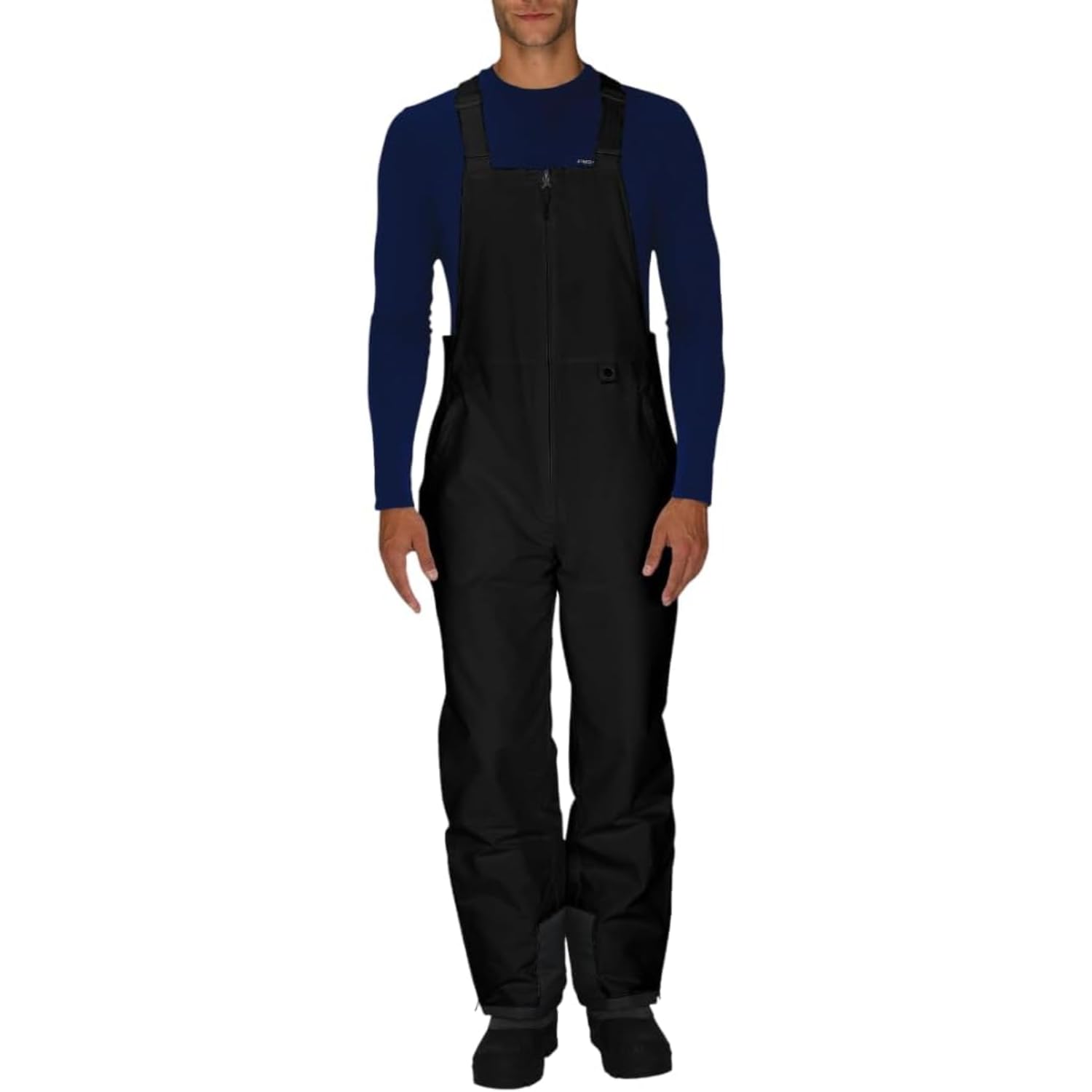
Arctix Men’s Insulated Bib
Key Features
- Waterproofing: Limited water resistance
- Insulation: ThermaTech synthetic
- Fit & Sizing: Runs small, size up
- Boot Features: Elastic snow gaiters
- Durability: Seam rip risk
- Price: Budget
The Arctix bib packs thick polyfill insulation that holds its warmth in single-digit temps, a major reason it’s the top seller in men’s ski bibs. The shell blocks wind and light snow well, and articulated knees let you squat and ride without restriction — mobility that matches many pants at twice the price.
This bib fits budget-conscious snowboarders and skiers who need reliable warmth for a season or two of occasional use. The durability tradeoff — seams or straps may separate after moderate use — makes it less suited to frequent riders or anyone expecting a multi-year investment. Sizing runs small in the waist and length, so planning ahead is essential.
Pros
- Thick insulation keeps you warm well below freezing
- Outstanding warmth-to-price ratio
- Articulated knees and roomy cut for easy movement
Cons
- In some cases seams or straps may separate after moderate use
- Waist and length run small — a size up is often needed
A solid pick for riders who warm up fast and ride a handful of days per season. If you’re on the mountain every weekend, a more durable bib or shell would be worth the extra cost.
Best for Women Budget Riders
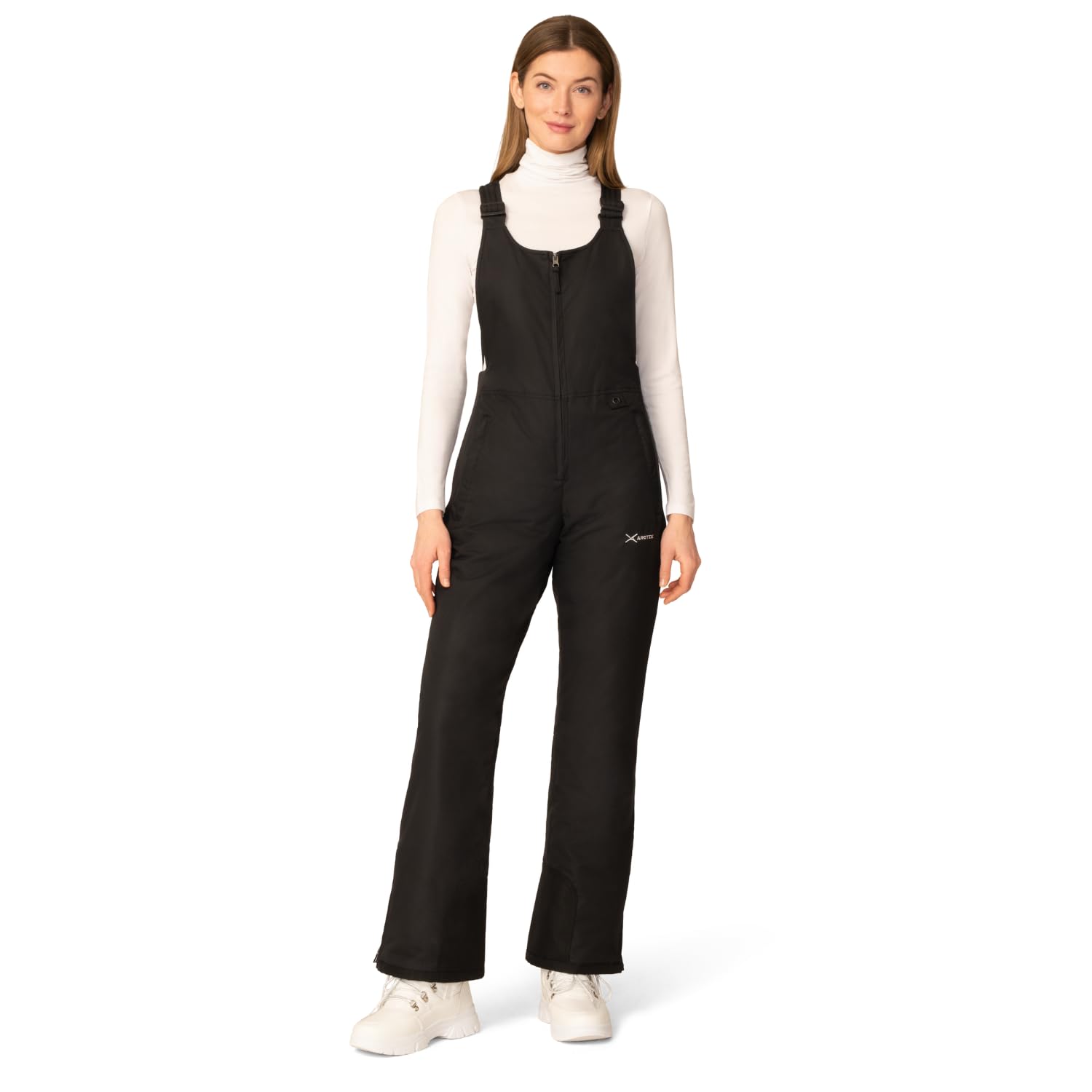
Arctix Women’s Insulated Bib
Key Features
- Waterproofing: Limited water resistance
- Insulation: ThermaTech synthetic
- Fit & Sizing: Runs small, size up
- Boot Features: Elastic snow gaiters
- Durability: Seam rip risk
- Price: Budget
The Arctix Women’s Essential Insulated Ski Bibs deliver the same dependable warmth and comfort as the men’s version, with a cut designed for women. The ThermaTech insulation keeps you warm on cold days, and the fit through the hips and legs is not restrictive. However, the torso length is noticeably shorter — women with longer torsos may find the bib sits high at the waist, and many need to size up for adequate coverage. This bib is a solid match for occasional riders on a budget who prioritize warmth over durability, as strap stitching and seam integrity may show wear with regular use.
Pros
- Keeps you warm in cold conditions with effective insulation.
- Comfortable, non-restrictive fit through the legs and hips.
Cons
- For women with longer torsos, the bib may fit short; sizing up can help but doesn’t fully solve the reach.
- Strap stitching and seam integrity can show signs of wear with frequent use, better suited for occasional riding.
A warm, budget-friendly bib that works well for women who ride a few times a season and don’t mind checking the sizing carefully.
Best for Serious Riders
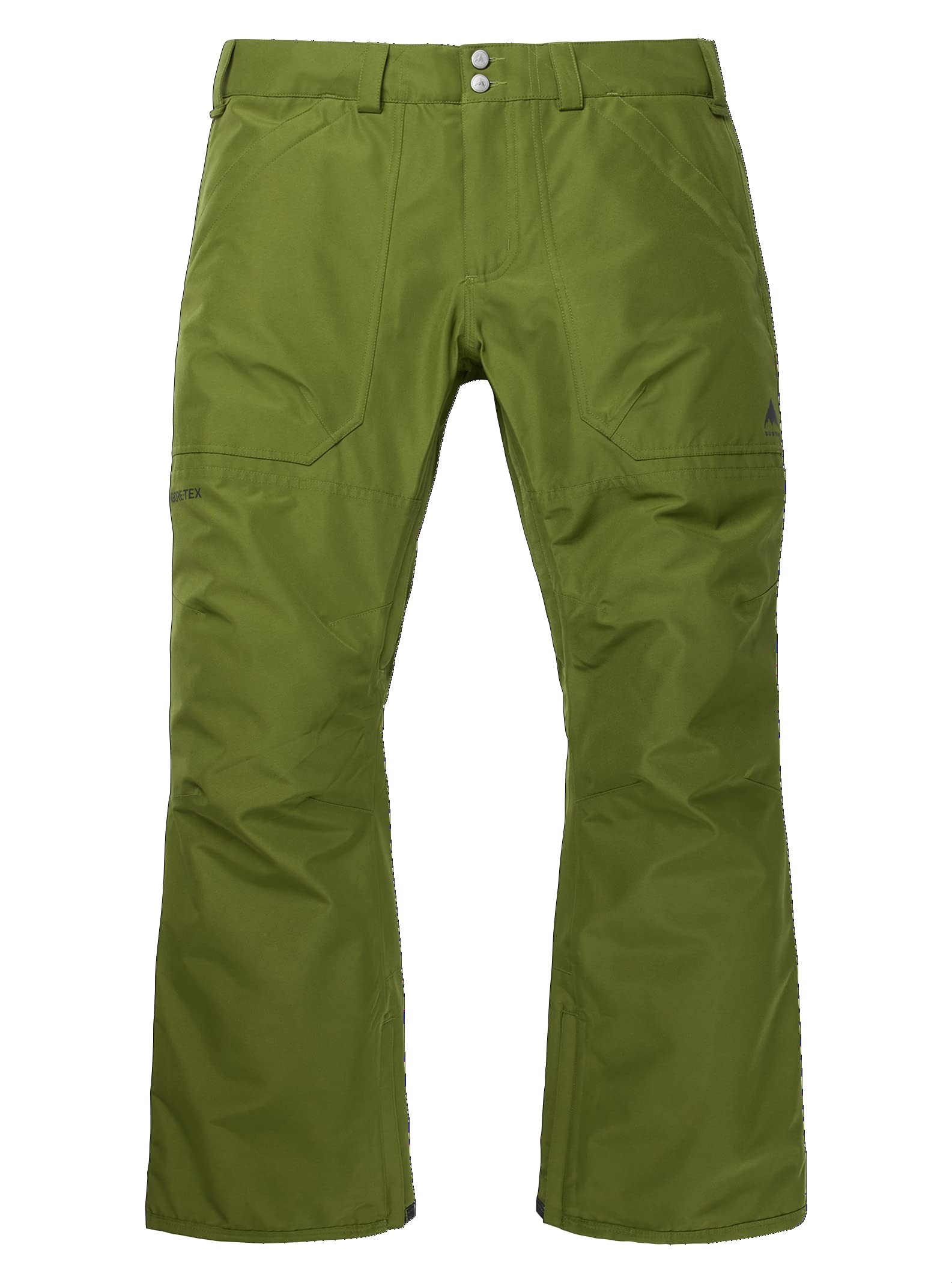
Burton Gore-Tex Ballast
Key Features
- Waterproofing: Gore-Tex membrane
- Insulation: Shell, no insulation
- Fit & Sizing: Fitted, less layering
- Boot Features: Gaiters, ankle zips
- Durability: High-quality seams
- Price: Premium
Gore-Tex waterproofing keeps you dry through heavy wet snow and rain – the only product here that guarantees that level of protection. The Ballast uses quality materials and seams that hold up well, but the fit runs on the fitted side, which limits room for thick base layers. Long-term durability under frequent heavy use has not been widely reported, so this pant is best suited for riders who prioritize waterproofing over proven lifespan and who prefer a trimmer fit.
Pros
- Gore-Tex membrane provides reliable waterproofing in wet snow and rain.
- High-quality build with durable materials and sealed seams.
Cons
- Fit is tailored – less room for layering under the pant.
Choose the Burton Ballast if guaranteed waterproofing is your top priority and you accept a fitted cut and limited long-term track record.
Best for Budget Riders
Stlight Snow Ski Pants
Key Features
- Waterproofing: Water-repellent DWR
- Insulation: Fleece lining
- Fit & Sizing: True to size, check leg
- Boot Features: Narrow leg opening
- Durability: Solid stitching
- Price: Budget
Genuine water repellency at a budget price is rare, and these softshell pants deliver it. They keep you dry in light snow and cold weather, with a cut that looks more like regular trousers than standard ski gear. That slim leg profile, however, means the lower opening may not fit over large ski boots — check compatibility before buying. For snowboarders and skiers on a budget who don’t need bib coverage and want a more casual appearance, these pants offer solid warmth and good construction for the money.
Pros
- Warm and effective in cold weather
- Good water resistance for the price
- Comfortable fit and quality stitching
Cons
- Leg opening may be too narrow for bulky ski boots
These pants suit skiers and riders who prioritize a regular-pant look and budget pricing, and who wear standard-sized boots.
Best for Layering Enthusiasts
Oakley NP Shell Bib
The Oakley NP Shell Bib uses an FN Dry 10K membrane to keep moisture out while zippered vents release heat during active runs. Unlike the Gore-Tex Ballast pant that prioritizes maximum waterproofing, this shell focuses on breathability and temperature flexibility. In cold conditions, the thin shell requires a heavy mid-layer and base layer to stay warm – a tradeoff that suits spring skiing, moderate climates, or riders who already own a solid insulation system.
Pros
- Breathable venting manages heat during active runs
- Quality materials and construction hold up to regular use
- Layering system allows precise temperature control
Cons
- In sub-freezing conditions, the thin build demands a heavy mid-layer – best for riders who already own insulation
If you prefer to dial in your warmth layer by layer and ride in moderate conditions, this shell bib delivers quality construction and breathable performance – just don’t expect it to work in deep cold without additional gear.
Best for Women Riders
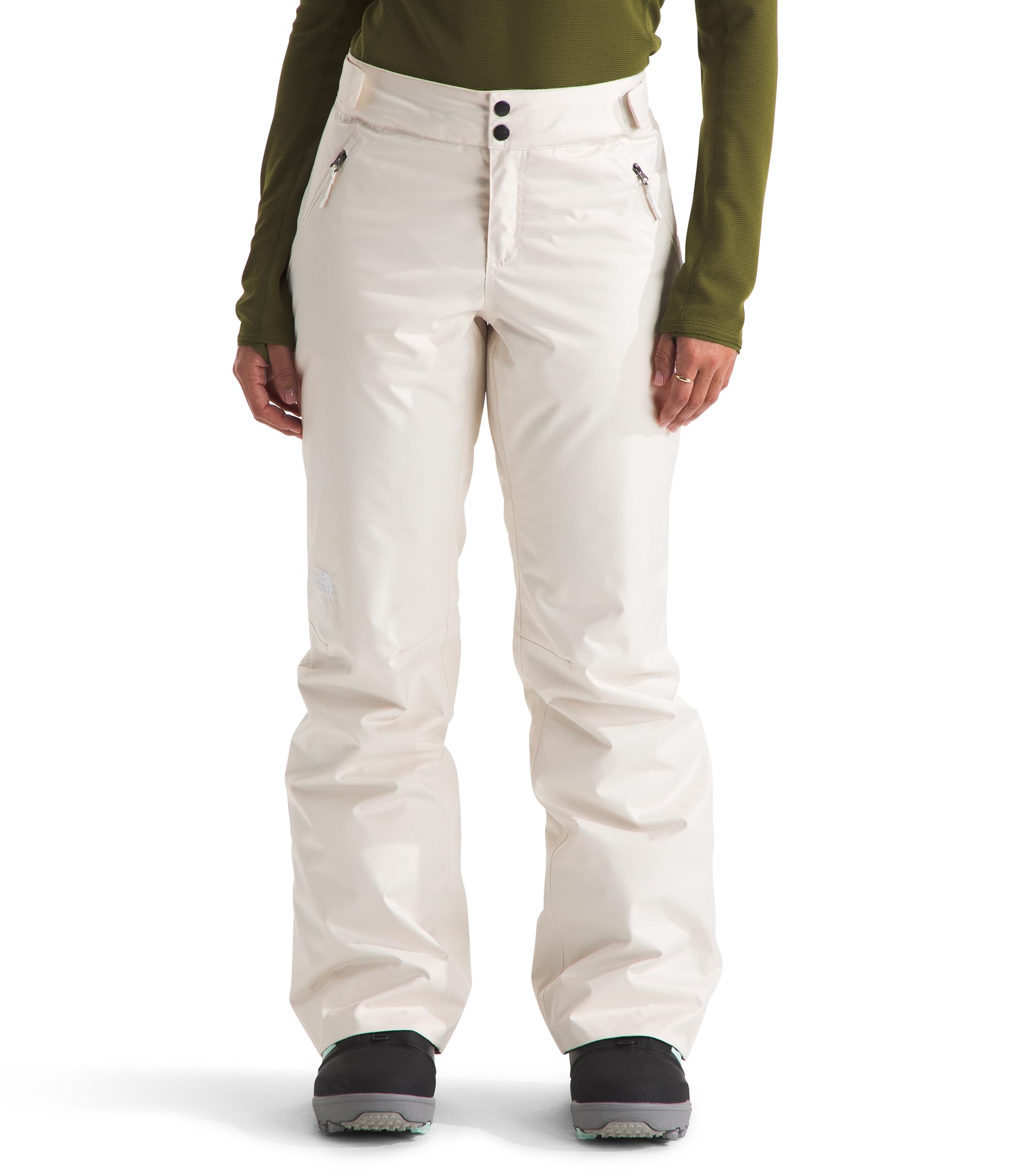
TNF Sally Snow Pant
Key Features
- Waterproofing: Basic DWR
- Insulation: Light synthetic
- Fit & Sizing: Runs large/small
- Boot Features: Wide leg for boots
- Durability: Limited data
- Price: Premium
Lightly insulated and designed with a wide leg bottom, the Sally pant works well with ski boots and keeps you comfortable in moderate cold. The fit can be hit-or-miss – some women find the sizing off, so trying before buying is advisable. Best for women who fit North Face sizing and want a stylish, lightweight option for occasional resort days rather than deep-powder or wet conditions.
Pros
- Light insulation keeps you comfortable in most winter conditions without bulk.
- Comfortable and easy to move in, with a relaxed cut for layering.
Cons
- Sizing can vary between North Face styles – some women find the waist or hips run differently than expected.
Works well for women who already know their North Face size and want a lightweight insulated pant for moderate conditions.
Best for Casual Snow Play
Gash Hao Snow Ski Pants

Key Features
- Waterproofing: Weak, wets out
- Insulation: Fleece lined
- Fit & Sizing: Runs small
- Boot Features: Narrow leg
- Durability: Seam issues
- Price: Budget
These pants provide solid warmth and comfort for dry winter walks, sledding, or casual outdoor play, and the price is hard to beat. But the water-repellent finish gives out in wet snow, making them a poor choice for riding or any activity where you stay out in drizzle or slush.
Pros
- Fleece lining keeps you warm in cold, dry conditions
- Good mobility and comfortable fit for casual movement
Cons
- Wets out quickly in wet snow — not suitable for damp conditions
If you need warm pants for dry winter hikes or building snowmen, these deliver without breaking the bank.
Best for Hiking & Work
FREE SOLDIER Fleece Pants

Key Features
- Waterproofing: Limited water resistance
- Insulation: Fleece lined
- Fit & Sizing: True to size
- Boot Features: No gaiters
- Durability: Good stitching
- Price: Budget
The fleece lining provides warmth for cold-weather hikes, and the softshell fabric feels durable. However, water resistance is limited – wet snow can soak through – and the pocket layout prioritizes cargo over rear storage, so a wallet goes in the thigh pocket. These are fine for dry winter chores but lack the waterproofing and boot gaiters needed for snowboarding.
Pros
- Warm fleece lining for cold-weather comfort
- Durable softshell fabric holds up to outdoor use
Cons
- No rear pockets – wallet must go in cargo pockets
A competent pick for dry winter hikes and outdoor work, but not for snowboarding conditions.
Best for Casual Winter Use
TACVASEN Snow Ski Pants

Key Features
- Waterproofing: DWR, not reliable
- Insulation: Fleece lined
- Fit & Sizing: Runs small
- Boot Features: Narrow leg
- Durability: Seam rip reports
- Price: Budget
These fleece-lined pants deliver noticeable warmth for cold-weather walks and hikes at a budget-friendly price. The fabric allows easy movement, and the quality feels appropriate for the cost. However, sizing runs small (plan to size up) and occasional seam splitting has been noted, making them better suited for light recreational use than repeated snowboarding days.
Pros
- Lined with fleece for warmth in cold weather
- Offers good value for the price with comfortable movement
Cons
- Fit runs small – ordering a size up is advisable
A reasonable choice for budget-minded hikers or casual winter walkers who can manage sizing adjustments, but not built for frequent snowboarding.
Best for Light Snow Use
TACVASEN Waterproof Pants

Key Features
- Waterproofing: Inconsistent waterproof
- Insulation: Fleece lined
- Fit & Sizing: Runs small
- Boot Features: Narrow leg
- Durability: Seam issues
- Price: Budget
Offers waterproof claims at a low price point, with warm fleece lining and solid build quality for the cost. However, the leg opening is too narrow for ski boots and waterproofing can be inconsistent, making it better suited for winter hiking or casual snow play than snowboarding.
Pros
- Good value for the price
- Warm fleece lining for cold weather
Cons
- Leg opening may not fit over ski boots, limiting snowsport use
Fits winter hiking or outdoor work where ski boots aren’t needed, but not for riding.
Best for Style-Conscious
Burton Covert Snow Pant

Key Features
- Waterproofing: Basic DWR
- Insulation: Insulated
- Fit & Sizing: Slim fit
- Boot Features: Gaiters
- Durability: Solid build
- Price: Premium
The Burton Covert Snow Pant offers high build quality and a tailored, stylish fit that stands out from baggier snow pants. However, its water resistance may not hold up in heavy wet snow, making it better suited for dry, cold conditions than the Gore-Tex Ballast at a similar premium price point.
Pros
- High-quality materials and construction for long-lasting wear.
- Sleek, tailored fit that looks sharp on and off the slopes.
Cons
- Waterproofing may weaken in heavy wet snow conditions.
A good pick for style-focused riders in dry climates who don’t need guaranteed wet-weather protection.
How to Choose
The most overlooked factor in snowboarding pants is boot compatibility: a pair that doesn’t fit over your boots leaves you cold and wet regardless of waterproofing claims.
Waterproofing
Waterproof ratings (measured in millimeters) indicate how much water pressure a fabric can handle before leaking. A 10,000mm rating handles moderate snow and sitting on wet lifts, while 5,000mm will wet out quickly in slush or prolonged contact.
Insulation
Insulation type determines warmth and bulk. Synthetic fills like ThermaTech or fleece are warm when dry but lose loft when wet. Shell pants rely on layering, which offers more flexibility for varying temperatures but requires buying separate base and mid layers.
Fit & Sizing
Budget pants frequently run small, especially in the thighs and waist. Reading reviews for sizing advice is essential, and ordering a size up is often the safe move. Bibs provide better torso coverage and snow protection than pants, but can be restrictive if the torso is short.
Boot Features
Boot gaiters (elastic cuffs that seal around your boots) and ankle zippers are critical for keeping snow out and making on/off easy. Narrow leg openings won’t fit over modern snowboard boots, so look for pants explicitly designed for snowsports.
Durability
Seam construction and zipper quality separate seasonal pants from long-term gear. Reinforced seams and YKK zippers are markers of durability, while cheap stitching often splits after a few days of heavy use. This is the first place budget pants cut corners.
FAQ
Do budget snow pants actually keep you dry in wet snow?
Most budget snow pants use a basic DWR coating that repels light snow but saturates quickly in wet conditions or when sitting on the lift. For reliable dryness in slush or rain, you need a minimum 10,000mm waterproof rating and taped seams, which are rare under $60. If you ride in wet snow, budget options like the Stlight pants are a safer bet than unrated fleece-lined pants.
Should I size up when buying Arctix snow pants?
Yes, almost always. Arctix pants and bibs consistently run small, especially in the waist and torso. Most buyers recommend ordering one to two sizes larger than your normal pant size, and checking the inseam length if you are tall. Sizing up still leaves room for base layers without being baggy.
Are ski bibs better than pants for snowboarding?
Bibs are generally better for snowboarding because they prevent snow from creeping in at the waist when you sit or fall. The extra coverage also keeps your lower back warm. The downside is they can feel restrictive if the torso is short, and they are harder to take off for restroom breaks. For resort riding, bibs win for warmth and snow protection.
What does Gore-Tex add to snowboarding pants that cheaper materials don’t?
Gore-Tex uses a membrane that is both waterproof and breathable, meaning it keeps liquid water out while allowing sweat vapor to escape. Cheap DWR coatings block moisture but trap heat, leading to clamminess. Gore-Tex also lasts longer between washes and maintains its performance through more wear cycles. It’s worth the premium for riders who spend full days in wet conditions.