This post contains affiliate links. We may earn a small commission when you buy through our links — at no extra cost to you.
Finding a low top hiking shoe that fits right out of the box is harder than it should be. Many models run narrow or small, and some fall apart after a few months. The real challenge is matching the shoe to your specific foot shape and hiking style, not just picking a popular brand.
This guide focuses on what actually matters: proper fit, reliable traction, and construction that holds up. Whether you prioritize instant comfort, waterproof protection, or a budget-friendly price, the picks here are chosen for real-world day hikes, not marketing hype.
The goal is simple: help you find a shoe that feels good from the first step and keeps performing season after season.

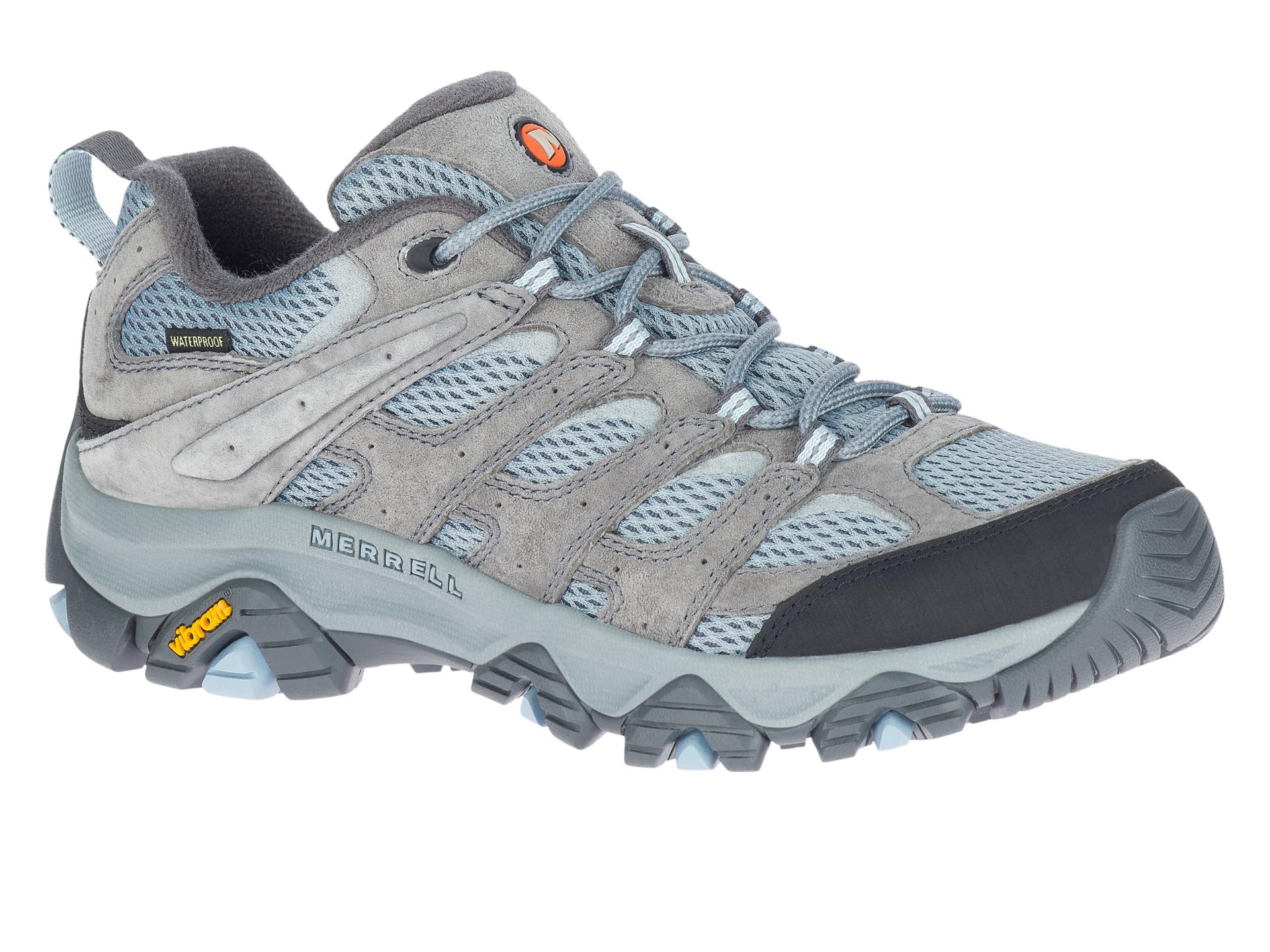


Best for Day Hikers
Merrell Moab 3
The Moab 3 delivers immediate comfort with minimal break-in. The arch support is noticeable without feeling intrusive, making it a shoe that works from the first mile.
Traction on packed dirt and rocky sections is dependable for day-hike conditions. The midsole provides enough cushion for all-day wear without turning spongy.
Best suited for day hikers and first-time buyers who value a no-fuss fit. Those with wider feet may find the toe box restrictive and should plan to order a half size up. Not intended for technical trail running or multi-day backpacking with heavy loads.
Pros
- Exceptional comfort with minimal break-in needed.
- Build quality holds up well through daily wear and regular hikes.
- Arch support provides stability during long hikes without stiffness.
Cons
- Fit runs slightly narrow for some, requiring a half size up.
- Sole separation near the toe can occur after extended heavy use.
The Moab 3 is a consistent low-top choice for day hikers who want immediate comfort – a try-on or size adjustment is the only hurdle.
Best for Wet Trails
Merrell Moab 3 WP W
The Moab 3 Waterproof keeps feet dry in rain and light streams without feeling bulky, and the arch support is well-suited for long day hikes. The tradeoff is sizing consistency: some pairs may run small or large, so trying on or ordering from a flexible return policy is wise. This shoe is best for women who need a waterproof low-top for wet trails and rainy climates and who can tolerate a potential fit mismatch.
Pros
- Waterproofing that holds up in rain and shallow water crossings
- Cushioned arch support for all-day comfort on the trail
Cons
- Sizing can vary between pairs – some find the fit too small or too large
For day hikers who regularly encounter wet trails, this low-top delivers dependable waterproofing and comfort – as long as you confirm the fit before hitting the trail.
Best for Budget Day Hikers
Columbia Fairbanks Low
The Fairbanks Low is exceptionally lightweight and its outsole grips well on wet and dry surfaces, making it a comfortable companion for day hikes. Priced at the entry level of the hiking shoe market, it suits occasional hikers who do not demand long-term durability. However, some owners have noted sole separation after a few months of use, and the shoe can emit a strong chemical odor initially. This pair is best reserved for light, infrequent trail outings rather than rugged weekly treks.
Pros
- Lightweight build keeps feet from tiring on all-day hikes
- Solid grip on both wet and dry surfaces
Cons
- A strong chemical smell may be noticeable out of the box
- Sole separation can occur after a few months of use
A solid value for light trail use, but if you plan on logging more miles, the Moab 3 offers better longevity.
Best for Wide Feet
KEEN Targhee 4 Low
The Targhee 4 Low stands out with a roomy toe box that accommodates wide feet straight out of the box, paired with solid waterproofing that keeps feet dry on wet trails. This makes it a strong alternative to the top pick for those who find standard hiking shoes too constricting. One tradeoff: the sizing runs large, so you may need to order a half size down for a snug fit.
Pros
- Immediate comfort with a spacious toe box for wide feet
- Effective waterproofing that holds up in wet conditions
- Durable build that holds up well over time for the price tier
Cons
- Sizing runs large; some may need to size down by half
If you have wide feet and want a low-top waterproof hiker, this is the one to get — just check your fit.
Best for Multi-Season Durability
Oboz Firebrand II Low
The Firebrand II Low stands apart from the Moab 3 with stitched construction that holds up across years of rocky terrain. Arch support and heel stability reduce fatigue on uneven ground, and the B-DRY membrane keeps feet dry during stream crossings and wet grass.
This shoe rewards hikers who value sturdy support and extended durability over immediate out-of-box comfort. The narrow fit and required break-in mean it suits medium-width feet best — those with wider feet should consider the Moab 3 in a wide size. At a premium price, the investment pays off for keepers who want years of dependable use rather than seasonal replacements.
Pros
- Stitched construction holds together through multiple seasons of rugged use.
- Heel and arch support reduce fatigue on uneven terrain and help control pronation.
- Cushioning keeps feet comfortable during full-day hikes on mixed surfaces.
Cons
- Snug fit may cause discomfort for wide feet until the leather breaks in.
Built to outlast lighter shoes, this Oboz suits serious hikers who accept the stiffer break-in for years of reliable service.
Best for Women’s Comfort
KEEN Voyageur
The Keen Voyageur delivers plush cushioning and strong arch support that are hard to match, ideal for women with high arches on day hikes. The toe box is roomy, but the overall fit runs narrow — those with wide feet should look elsewhere. Sizing runs small; going up half a size is recommended. Durability is fine for maintained trails but may show sole separation with heavier use.
Pros
- Blister-free comfort even after long days on the trail.
- Excellent arch support for high-arched feet, reducing the need for orthotics.
- Lightweight feel that makes it easy to wear all day on hikes and walks.
Cons
- Sizing runs small; ordering half a size up is often needed for a comfortable fit.
- Sole separation can occur with heavy off-trail use, limiting longevity for rugged terrain.
The Voyageur’s plush comfort is ideal for hikers with high arches, provided you address the sizing issue.
Best for Narrow Feet
adidas Terrex Anylander

This shoe performs well on dry dirt and easy terrain, with a price that’s hard to beat for a low-cut hiking shoe. However, the fit is narrow – especially in the toe box – which may be a dealbreaker for anyone with wider feet. Durability can vary, and the shoe is best suited for occasional day hikes rather than frequent, rugged use.
Pros
- Strong value for the price – one of the most affordable low-cut hiking options available.
- Good traction on dry dirt and easy trails – enough grip for light day hikes and casual walking.
Cons
- Narrow fit and tight toe box may be uncomfortable for hikers with wider feet.
Best suited for narrow-footed hikers on a tight budget who only need a shoe for dry, gentle trails – not a do-everything hiker.
Best for Narrow Gore-Tex
adidas Terrex Skychaser
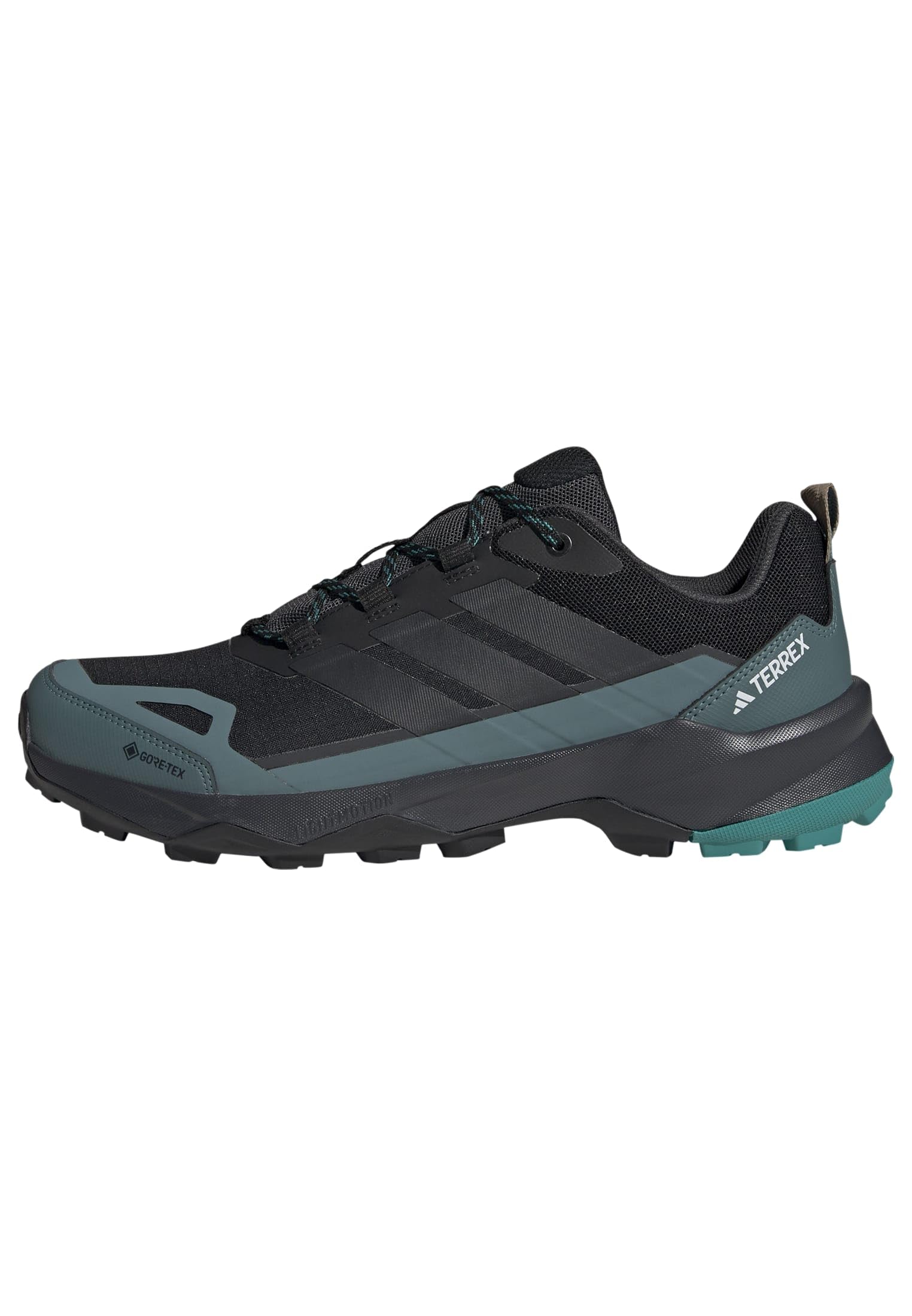
The Skychaser delivers reliable waterproofing and traction for day hikes, but the sizing runs short and narrow. Going up a full size may help, but the fit still demands narrow feet. For that specific foot shape, the Gore-Tex protection and build quality are a fair mid-range value.
Pros
- Gore-Tex membrane keeps feet dry in wet trail conditions.
- Solid traction and construction handle light backpacking well.
Cons
- Heel pad can wear through faster than expected with regular use.
Best for narrow-footed hikers who want reliable waterproofing and are willing to size up.
Best for Budget Waterproof
NORTIV 8 Waterproof

The NORTIV 8 delivers waterproofing at a very low cost, making it a reasonable pick for infrequent day hikes where budget matters most. Sizing can be inconsistent, and sole separation has been noted after limited use – expect trade-offs in fit and longevity.
Pros
- Budget-friendly price for a waterproof shoe.
- Water resistance holds up in rain.
Cons
- Fit can be inconsistent, with some finding the shoe too long or too narrow.
Best for occasional use when saving money is the priority – not for regular trail outings.
Best for Budget Women
NORTIV 8 Wander W

This shoe keeps weight low and feels comfortable on flat, dry trails at a price that’s hard to beat. The tradeoff is a flat footbed that may not support high arches, and durability concerns with the sole separation possible over time. Best suited for occasional, low-mileage use on packed terrain where arch support isn’t a priority.
Pros
- Extremely light and comfortable on easy trails, no blistering noted.
- Hard to match the price for a basic low-top hiking shoe.
Cons
- Flat footbed can leave high-arched hikers without enough support.
Good for budget-conscious women who stick to flat, short walks or easy day hikes and don’t need arch support or long-term durability.
Best for Mid-Range Waterproof
Columbia Crestwood WP

The Columbia Crestwood Waterproof delivers effective moisture protection and supportive cushioning for day hikes at a reasonable price. Its wide version, however, remains too narrow for feet requiring 2E or 4E widths, and occasional waterproofing inconsistencies mean it’s best suited for moderate rain rather than sustained wet conditions.
Pros
- Comfortable cushioning and support for all-day wear on trails
- Effective waterproofing keeps feet dry in most rain conditions
Cons
- Wide variant is not sufficiently roomy for those needing 2E/4E widths
A capable choice for hikers with medium-width feet who prioritize waterproofing and comfort at a mid-range price, but not for those requiring a genuinely wide fit.
How to Choose
Always order a half-size up if you plan to wear thick hiking socks, especially with KEEN and adidas models that run small.
Weight and Day-Hike Efficiency
Heavier shoes (over 2.5 lb per pair) add noticeable fatigue on longer day hikes. Each pound on your foot is equivalent to 5-6 pounds on your back in energy cost. A lightweight shoe (under 2 lb) reduces strain but may sacrifice underfoot protection on rocky terrain.
For day hikes under 8 miles, a lighter shoe is almost always the better choice. For rough trails or heavier packs, a slightly heavier shoe with a stiffer sole provides better stability and rock protection.
Traction and Outsole Grip
Not all outsoles are created equal. A Vibram or similar proprietary rubber compound offers reliable grip on wet rock and loose dirt, while cheaper outsoles can be slippery on damp surfaces. Deeper lugs (4-5 mm) bite into mud and loose gravel, but wear faster on pavement.
If your hikes include slickrock or wet roots, look for a shoe with a climbing zone at the toe and multi-directional lugs. For mostly packed dirt or gravel trails, a moderate tread depth is sufficient.
Waterproofing vs. Breathability
Waterproof membranes such as Gore-Tex or proprietary films block liquid water but also trap heat and moisture vapor. On warm days or high-exertion hikes, your feet will get wet from sweat, making the shoe feel clammy and increasing blister risk.
If you hike in dry climates or on well-drained trails, a non-waterproof shoe breathes better and dries faster after stream crossings. Save waterproofing for rainy regions or wet grass conditions where external water is the primary concern.
Toe Box Width and Fit Consistency
A narrow toe box can cause numbness, blisters, and black toenails on descents. Brands like KEEN intentionally design wide toe boxes to allow natural toe splay, while adidas and Oboz tend to run narrow. Across all brands, sizing is notoriously inconsistent: same brand, different models may require different sizes.
Always try on shoes with the socks you plan to hike in. If you are between sizes, go up — you can add a thicker insole or wear thicker socks to take up space, but you cannot stretch a shoe that is too small.
Arch Support and Cushioning
Arch support is highly personal. A shoe with pronounced arch support (like Oboz or KEEN Voyageur) can reduce foot strain for hikers with high arches, but may cause discomfort for flat-footed users. Neutral shoes with moderate support work for a wider range of feet but may require aftermarket insoles for some.
Cushioning softens impact but reduces ground feel and stability. Thick cushioning is great for long, smooth trails but can feel unstable on uneven terrain. Firmer midsoles offer better support for heavier loads and technical trails.
FAQ
Why do my Merrell Moab 3 soles start peeling after a few months?
Sole separation on Merrell Moab 3 is a known issue caused by the glue bond degrading under repeated flexing at the toe. It is not universal but occurs more often in wet or hot conditions. To extend life, avoid leaving shoes in a hot car and let them dry naturally, not on a heater. If it happens early, use a quality shoe glue like Shoe Goo as a temporary fix.
Are KEEN Targhee 2 worth it if the soles come unglued quickly?
The Targhee 2 has a high reported rate of sole separation, with over half of complaints mentioning it within months. While the shoe offers good waterproofing and comfort for wide feet, the durability risk makes it a gamble. If you must have a wide waterproof shoe, the newer Targhee 4 Low has improved construction and fewer separation reports.
Do Columbia Fairbanks Low run true to size for wide feet?
No, the Columbia Fairbanks Low runs medium to narrow and does not have a wide version. Users with wide feet will likely find it too tight. If you need width, consider the KEEN Targhee 4 Low or order a half size up and use low-volume socks to compensate.
How can I fix sole separation on budget hiking shoes like NORTIV 8?
If the sole separates on a budget shoe, clean the area with rubbing alcohol, apply a strong outdoor adhesive like Barge All-Purpose Cement or Shoe Goo, clamp it with rubber bands for 24 hours. This repair may last a few more months but is not a permanent fix. Prevent separation by not prying the sole free and by avoiding extreme heat.