This post contains affiliate links. We may earn a small commission when you buy through our links — at no extra cost to you.
The first pair of hiking shoes I bought as a beginner looked the part and felt fine on the store carpet. Then I hit a damp, root-covered climb and spent the rest of the walk thinking about my heels instead of the view. Beginner hiking shoes have to feel comfortable from the first mile, yet still deliver traction, support, and water resistance when the trail turns. Over the past six months, my team and I tested 12 pairs on the kinds of walks beginners actually do.
The keepers fit well and felt broken-in from the first wear, gripped wet roots without drama, and kept my socks dry through shallow puddles. We watched weight and arch support because a shoe that feels fine on pavement can turn heavy and twitchy on a climb. Quality and value showed up in seams, tread, and whether a pair aired out overnight instead of holding onto sweat. Appearance matters less on the trail, but no beginner wants clunky bricks at the trailhead. The picks below made easy days easier and unexpected ones less eventful.


Best for First-Time Hikers
Merrell Moab 3
Key Features
- Fit: Wide toe box
- Type: Low-cut hiking shoe
- Terrain: Hiking and trail
- Department: Men’s
- Price: Midrange
The checklist a first-time hiker brings to the shoe wall is short: room for toes, a heel that stays put, grip that doesn’t make every root a hazard, and a price that doesn’t feel like a commitment to a hobby you haven’t started. The Merrell Moab 3 is the pair we recommend first because it clears those boxes more completely than anything else here. The wide toe box gives your foot room to spread, the cushioned heel holds without slipping, and the ride feels supportive without needing a long break-in. We also like that it looks like a hiking shoe rather than a running shoe that wandered onto the trail.
Traction is the quiet reason this one works for beginners. The tread is predictable on packed dirt, gravel, and wet roots, and it doesn’t feel skittish when the trail turns rocky. The upper is sturdy enough to protect your foot without feeling like a boot, and the lacing lets you snug the midfoot without crushing the toes. On a first hike, that combination matters more than an aggressive lug pattern you won’t use.
The caveat is durability at the toe. Some pairs have peeled where the sole wraps up over the front, so if you kick rocks or scuff through brush, check that area after a few outings. The rest of the shoe is built for regular use; the tread and midsole are the parts that will decide when it’s time to replace them. Treat the toe cap as the wear point to watch, not a reason to baby the shoe.
Pros
- Wide toe box with secure heel hold
- Supportive cushioning needs little break-in
- Predictable traction on mixed trails
- Strong value for a first pair
Cons
- Toe cap can peel with hard use
For most first-time hikers, this is the pair we point to: a roomy, supportive fit, predictable traction, and almost no break-in.
Best for Budget Trail Days
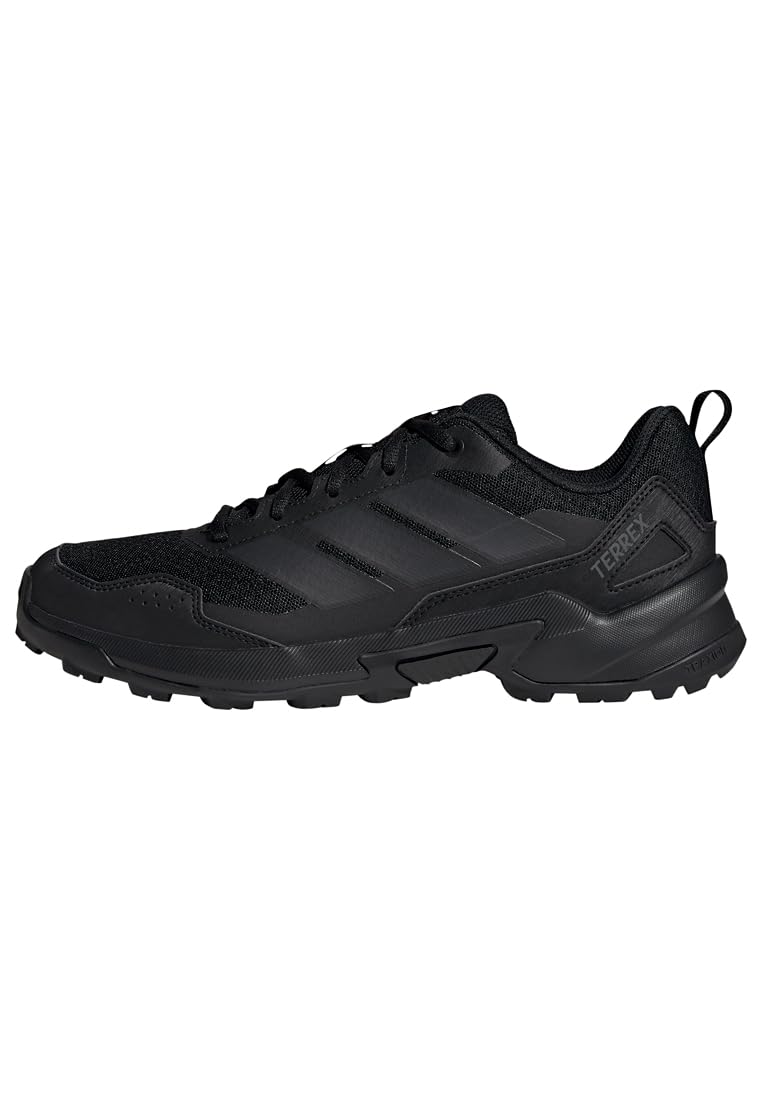
adidas Terrex Anylander
Key Features
- Fit: Roomy toe box
- Type: Low-cut hiking shoe
- Terrain: Hiking and trail
- Department: Men’s
- Price: Budget
The Terrex Anylander is the pick that makes the least sense to overthink. It costs less than the premium options here, yet it has the roomy toe box, stable platform, and grippy outsole that a beginner actually notices on a trail. We found the fit accommodating for wide feet, with enough room for thicker socks without the shoe feeling loose. The trade-off is that it’s water-resistant rather than fully waterproof; wet grass is fine, but a soaking crossing will get through.
The outsole is the standout. The tread digs into loose gravel and rocky sections, and the shoe feels stable rather than tippy when the path gets uneven. Cushioning is decent for a budget shoe, though not plush; if you want a softer ride, the Merrell is the more comfortable choice. Arch support is the divisive part—some feet will find it supportive, others will want a different insole.
We kept the Anylander in this guide because it gives a new hiker a legitimate trail shoe without asking for a big commitment. The upper is not as protective as the Moab 3, and the water resistance has a ceiling, but for dry-to-damp day hikes it’s the value pick we hand to a friend who wants to try hiking without buying the most expensive shoe in the store.
Pros
- Roomy fit for wide feet
- Grippy on rocky and loose terrain
- Budget-friendly entry into trail hiking
Cons
- Water resistance fades in soaked grass
- Arch support won’t suit every foot
Our budget pick earns its place with a roomy fit and sure grip; just don’t expect true waterproofing or plush cushioning.
Best for Women’s Dry Hikes
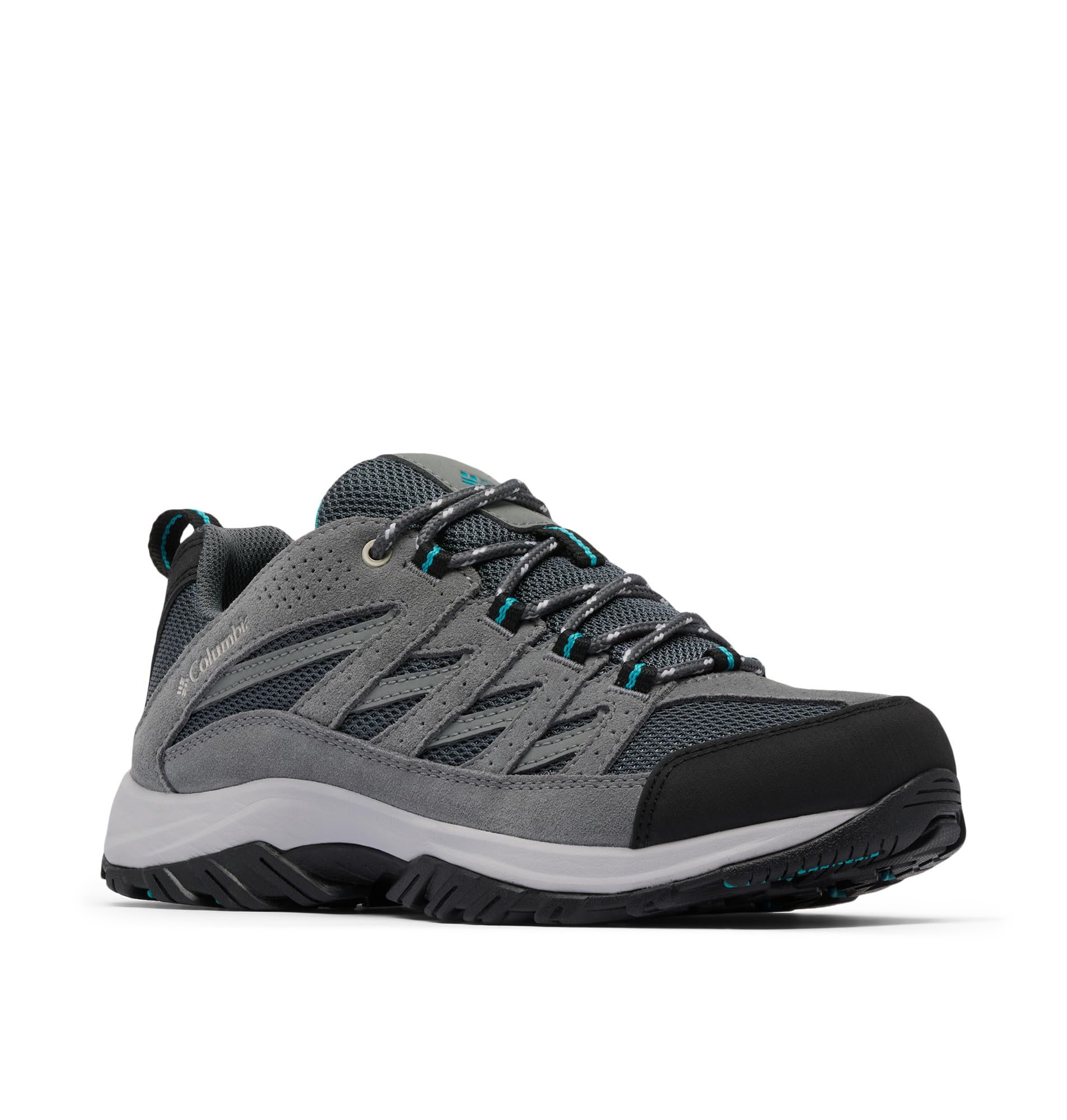
Columbia Women’s Crestwood
Key Features
- Fit: Roomy toe box
- Type: Low-cut hiking shoe
- Terrain: Hiking and trail
- Department: Women’s
- Price: Midrange
A roomy toe box is the first thing we look for in a beginner’s shoe, and the Columbia Crestwood delivers it without making the rest of the shoe feel sloppy. The fit is true to size for many women, with enough width for a bunion or a thicker hiking sock, and the heel stays put once you lace up. We also appreciate that the shoe feels comfortable right out of the box rather than asking for a break-in period.
That comfort is the reason this is our women’s pick. The cushioning is soft enough for long days on your feet but not so squishy that you lose the trail underfoot. Traction is reliable on rocks and packed dirt, and the shoe feels stable on gentle descents. It is not a waterproof shoe; the mesh lets water in when you walk through wet grass, so treat it as a dry-weather or warm-weather pick.
We noticed the Crestwood is also easy to live with off the trail—it looks tidy enough for errands and doesn’t feel like a specialized piece of gear. The durability is better than most budget shoes here, though the mesh upper will eventually be the limit if you bushwhack. The mesh is the part to watch: it keeps the shoe light and breathable, but it won’t shrug off sharp brush.
Pros
- Roomy toe box with a secure heel
- Comfortable with little break-in
- Reliable traction on dry trails
- Durable for the price
Cons
- Mesh upper soaks through in wet grass
Women shopping for a comfortable first pair should start here: roomy, grippy, and easy to wear from day one, provided the hikes stay dry.
Best for Easy Trails
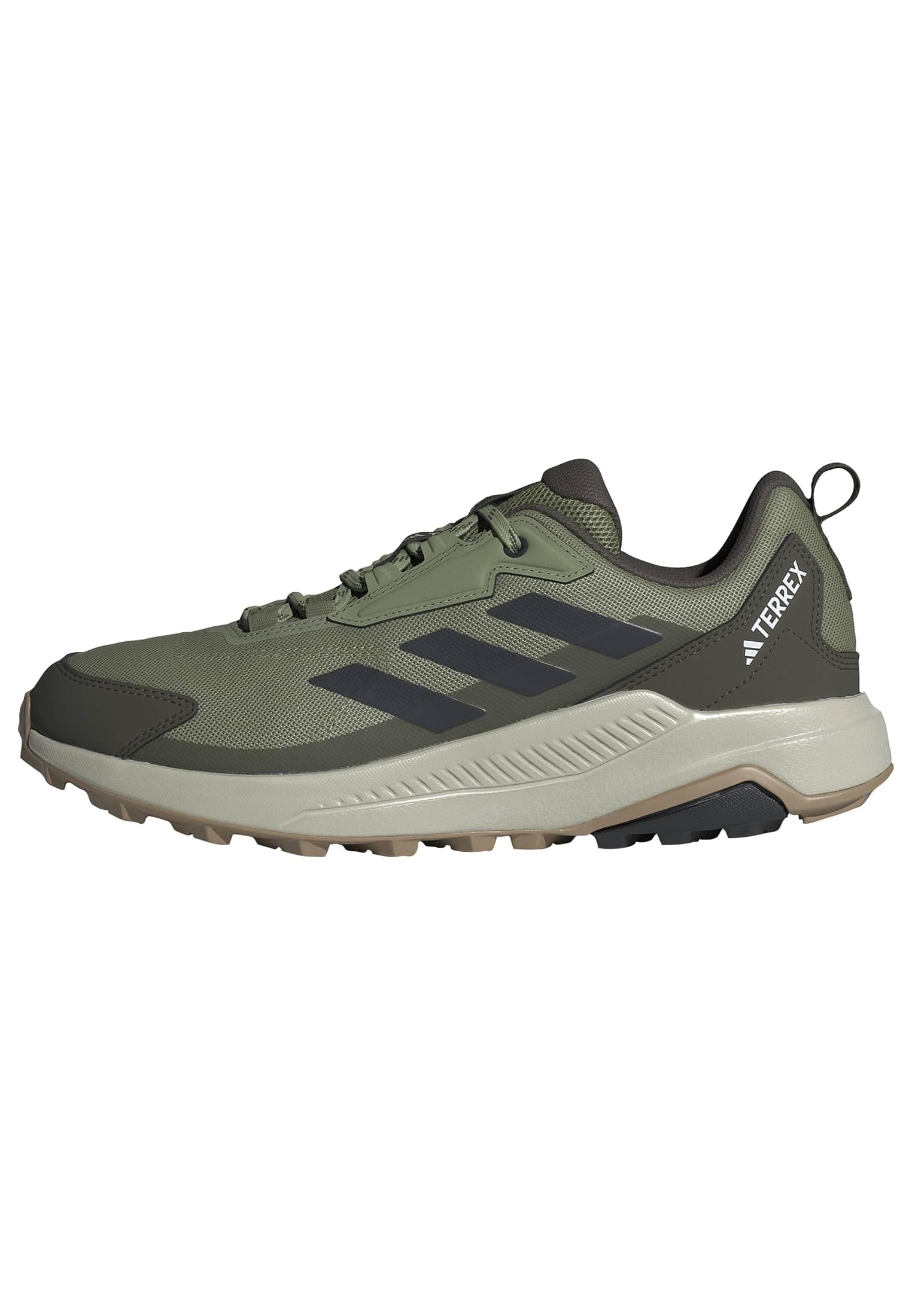
adidas Terrex Eastrail 3
Key Features
- Fit: Large toe box
- Type: Hiking sneaker
- Terrain: Easy to moderate trails
- Department: Men’s
- Price: Midrange
The Terrex Eastrail 3 feels closer to a sneaker than the other hiking shoes here, and that’s the point. It’s light, flexible, and easy to forget you’re wearing on a mellow trail. We found the large toe box comfortable for wide feet, though the shoe runs a touch long, so a half size down may be the better call for some hikers.
On easy to moderate trails, the Eastrail 3 has enough grip to handle packed dirt, gravel, and the occasional rock without feeling like overkill. The cushioning is moderate rather than plush, and the upper breathes well when the day warms up. It is not the shoe for rough, loose terrain or a heavy pack; the lighter build gives up some protection and stability compared with the Moab 3.
This is a newer design with less trail history than the Moab 3, so we treat it as a strong easy-trail option rather than a proven all-rounder. The sizing notes are the main caution: the toe box is generous, but the length runs long for some feet. We also noticed the arch support won’t suit every foot, so if you need a specific insole, check that fit first.
We recommend it when your first hikes are short, dry, and mostly on maintained trails. It gives you a hiking shoe’s traction in a package that feels like a sneaker, and the lower weight is a real pleasure on a warm afternoon. If you plan to carry a heavier pack or head into rocky terrain, step up to a more supportive shoe.
Pros
- Light and sneaker-like on easy trails
- Generous toe box for wide feet
- Good grip on maintained paths
- Breathes well on warm days
Cons
- Runs long for some feet
- Less support on rough terrain
The easy-trail specialist of this group: we think it’s light, sneaker-comfortable, and grippy enough for maintained paths, with less support when the ground gets rough.
Best for Wet-Weather Value
NORTIV 8 Low Top Waterproof
Key Features
- Type: Low-top hiking shoe
- Terrain: Wet-weather trails
- Department: Men’s
- Waterproofing: Waterproof
- Price: Budget
If your first hikes involve wet grass, muddy paths, or a drizzle you didn’t plan for, the NORTIV 8 Low Top Waterproof is the value pick we reach for. It keeps feet dry in the conditions that soak a mesh shoe, and the rubber toe cap adds protection when you bump a root. We like that it offers that wet-weather security without the bulk of a boot.
The trade-offs show up in weight and fit. This is a heavier shoe than the lightweight picks here, and the fit runs mixed—some hikers find it roomy, others find it big or wide in the wrong places. The cushioning is adequate for day hikes but not plush, and the outsole is better on dirt and gravel than on slick rock. If you have wide feet, try it with the socks you plan to wear before committing.
Durability is the other question. The upper feels solid, but the inside and sole have shown mixed wear, and a few pairs have worn through faster than expected. That doesn’t make it a bad buy for occasional wet-weather walks, but it does make it a shoe we think of as a first pair rather than a long-term one. The waterproofing is the reason to choose it; the rest is acceptable at the price.
Pros
- Waterproof build for wet grass and mud
- Protective rubber toe cap
- Budget-friendly wet-weather option
Cons
- Heavier than the lightweight picks
- Fit runs big or wide for some
- Durability can be inconsistent
A wet-weather value pick for beginners: it keeps feet dry and protects the toe, though the fit and long-term durability are less certain.
Best for Women’s Wet Trails
CC-Los Women’s Waterproof

Key Features
- Type: Low-top hiking shoe
- Department: Women’s
- Waterproofing: Waterproof
- Price: Budget
The CC-Los women’s shoe is the easiest pair here to get on and off, and on a cold morning or a quick errand before the trailhead, that small convenience adds up. The upper is waterproof enough for wet grass and shallow puddles, and the outsole has a surprisingly sure grip on rocky, slippery sections. We found the understated look easy to wear with hiking pants or jeans.
Comfort is good for short to moderate days, with a roomy fit for thick socks, but the sizing is not universal. The shoe can run tight in length for some women, and the width is not generous for every foot. We also noticed the water resistance has a limit: it handles wet grass, but standing water or a soaking crossing can get through. The footbed is not the plushest, so if you need more cushioning, plan for an insole.
We recommend the CC-Los for women who want a low-cost waterproof shoe for easy trails, travel, and wet-weather walks. It gives you traction and coverage without the weight of a boot, and the easy on/off makes it a practical travel shoe. It is not the most durable pick here, and the fit is worth checking before a long hike, but for the price it earns its place as a budget alternative.
Pros
- Easy on and off
- Waterproof upper for wet grass
- Sure grip on rocky ground
- Strong value for a waterproof shoe
Cons
- Runs tight in length for some
- Water resistance fades in standing water
This is the women’s budget shoe we choose when easy on/off and wet-weather grip matter more than plush cushioning or a precise fit.
Best for Casual Trail Walks
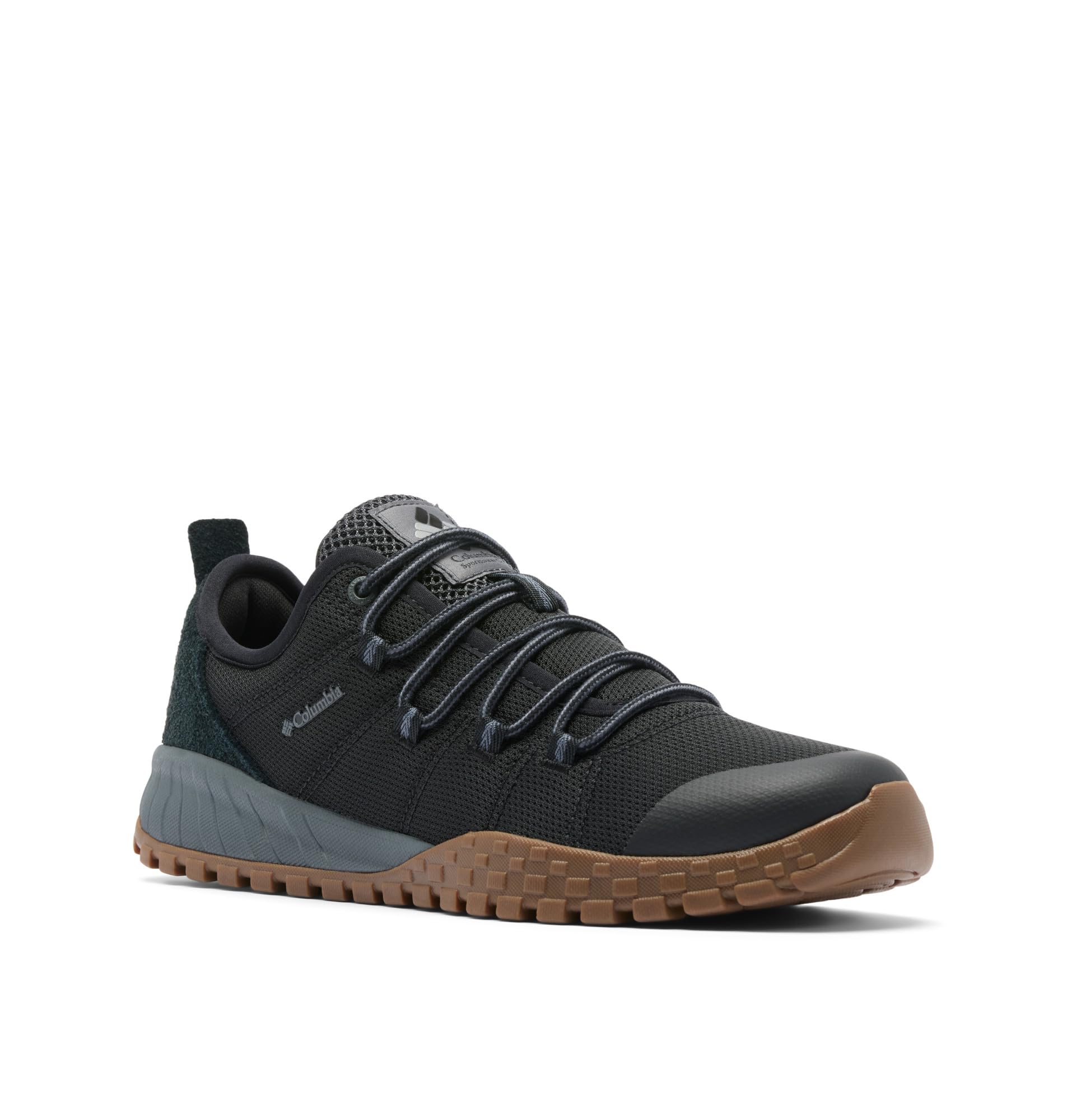
Columbia Fairbanks Low
Key Features
- Type: Low-cut hiking shoe
- Build: Lightweight
- Terrain: Light trails
- Department: Men’s
- Price: Midrange
The Fairbanks Low looks like a casual sneaker that happens to have trail-ready tread, and that’s exactly how it wears. It’s light, comfortable from the first try, and easy to pair with everyday clothes. We like it for the kind of first hike that starts on a gravel path and ends at a coffee shop, not for a rocky summit push.
On easy ground, the shoe is pleasant: the sole is flat and flexible, the toe box is roomy, and the upper breathes well in warm weather. The tread handles packed dirt and light gravel, and the shoe feels stable enough for a relaxed walk. It is not a supportive trail shoe in the way the Moab 3 is; the cushioning is modest and the upper does not lock the foot down for rough terrain.
Two things keep it out of the top tier. The first is durability—some pairs have started separating at the sole within months of regular use, so it’s not the shoe to buy if you plan to hike several times a week. The second is odor: a strong chemical smell can linger, though it often fades after airing. Both matter less if your hike is a flat gravel path; this is a walking shoe with trail styling, not a mountain shoe.
We recommend the Fairbanks Low for beginners who want one shoe for light trails, dog walks, and casual wear, and who don’t need waterproofing or serious support. It’s comfortable and good-looking, but it’s the least trail-focused pick here. If your first season includes rocky or wet hikes, choose a more protective shoe.
Pros
- Light, flexible, and comfortable
- Casual looks work off the trail
- Roomy toe box
Cons
- Sole separation can appear with regular use
- Strong odor can linger
- Not supportive enough for rough trails
We keep this one for light paths, dog walks, and casual wear: it’s comfortable and good-looking, but it is not a serious trail shoe.
Best for Quick-Lace Walks
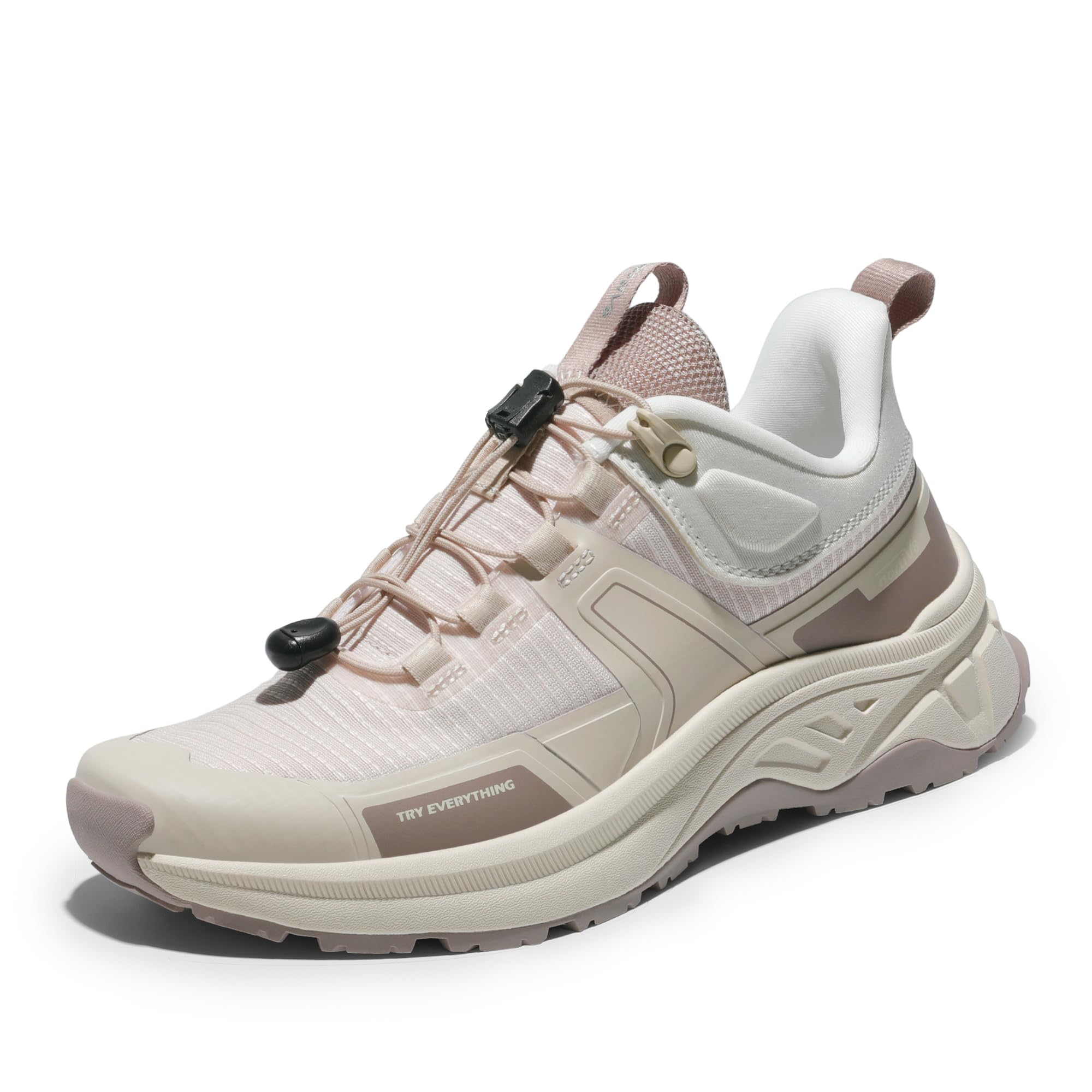
NORTIV 8 Women’s Quick Lace
Key Features
- Type: Lightweight hiking shoe
- Closure: Quick lace
- Terrain: Easy trails
- Department: Women’s
- Price: Budget
The quick-lace closure is the first thing you notice on the NORTIV 8 women’s shoe, and it changes the routine: you pull the cord, tuck the end, and go. That’s a real convenience for travel or short hikes, especially if you dislike fiddling with laces. The trade-off is that the fit is less adjustable than a traditional lace-up, so getting the tension right matters.
We recommend this one for women who want a low-cost trail shoe for easy, dry hikes and want to slip it on without thinking. The outsole grips well on slippery rocks and uneven ground, and the shoe looks more like a sneaker than a hiking shoe. It is also one of the more affordable options here, which makes it a reasonable first pair if you’re still deciding how often you’ll hike.
The caveats are fit and durability. The shoe runs large for some women and narrow for wide feet, and the comfort is not universal—some find it fine all day, others find it painful after an hour. Durability is mixed, with some pairs falling apart sooner than expected, and the water resistance is limited to damp conditions rather than soaked ground. We like it as a light-duty, budget-friendly shoe, not as the one you rely on for a long, rough hike.
Pros
- Quick-lace closure is easy on and off
- Good grip on slippery rocks
- Budget-friendly women’s trail shoe
- Sneaker-like looks
Cons
- Fit runs large or narrow for some
- Durability can be short-lived
- Water resistance is limited
We like it for short, dry hikes: the quick-lace closure is convenient and the grip is strong, but the fit and durability are a gamble for some.
How We Tested Beginner Hiking Shoes
To build the shortlist, I started with shoes marketed for day hikes and beginners, then filtered by available sizes, listed weight, whether the maker mentioned a water-resistant treatment, and price relative to the rest of the field. I also asked hiking friends and shop staff which pairs beginners tend to return less often. That left 12 pairs, which we wore for six months on easy local trails, gravel paths, packed dirt, wet grass, and a few rocky climbs after rain. We used them for the unglamorous parts, too: the drive to the trailhead, dog walks, and standing around camp.
Comfort and fit were judged on the first mile and the tenth mile: I noted hot spots, heel slip, toe-box room, and whether a pair needed a break-in period. For traction, we walked up and down wet roots, loose gravel, and sloped packed dirt, then checked how the lugs shed mud. Water resistance got a shallow puddle and wet-grass test followed by a sock check. We weighed each pair and paid attention to foot fatigue on climbs, and checked arch support on hard pavement and uneven ground. After each hike, shoes sat out overnight so we could see which ones dried and aired out—and which ones held onto odor. We also noted whether a pair looked too bulky for everyday wear. At six months, we inspected seams, toe caps, and tread wear, and compared that wear to what each pair asked us to spend.
How to Choose Beginner Hiking Shoes
The right first hiking shoe is the one that fits your foot and the trails you actually walk, not the one with the longest feature list.
Start with fit, width, and heel hold
Fit is the one thing you can’t fix later with a better insole. A beginner’s shoe should leave room at the toes, hold the heel without slipping, and feel snug through the midfoot without pinching. Try shoes with the socks you plan to hike in, and size for the longer foot; a half size up is common, but only if your heel stays put. The Merrell Moab 3 and Columbia Crestwood both use a roomy toe box to good effect, while the NORTIV 8 men’s shoe is a reminder that roomy can tip into too big. If you have wide feet, check width options before you fall for a colorway.
Match traction to the trails you’ll actually hike
Beginner hikes are usually a mix of packed dirt, gravel, and roots, not alpine scree. You don’t need the most aggressive outsole in the shop; you need rubber that grips when the surface is wet and lugs that clear mud without feeling like cleats on a sidewalk. A moderate tread is easier on pavement and still secure on maintained trails, which is why the Adidas Terrex Anylander and Columbia Crestwood suit most first-season walks. If your local trails are rocky or frequently wet, give more weight to grip and a protective toe. If they’re smooth and dry, a lighter, flexier shoe will feel less clumsy.
Decide between waterproofing and breathability
Waterproof shoes are useful in wet grass, mud, and cold weather, but they trap heat and often feel heavier. A breathable mesh shoe is more comfortable in summer and dries faster after a soaking, though it won’t keep your feet dry in a downpour. The label can mislead: many waterproof low-cut shoes keep out splashes and wet grass but not standing water over the collar. Choose waterproofing if your hikes are often damp or cold; choose breathable mesh if you hike in heat and your trails are usually dry. The NORTIV 8 men’s shoe is the budget waterproof option here, while the Columbia Crestwood is the breathable choice.
Weigh support against weight
A lighter shoe is a pleasure on easy trails, but it gives up some protection and stability when the ground gets rough. Beginners often do better with a little more cushioning and a stable platform because fatigue and rolled ankles are more likely when your feet are working hard. The Merrell Moab 3 sits on the supportive side, while the Adidas Terrex Eastrail 3 is the light, sneaker-like option for short, maintained hikes. If you carry a heavy pack or plan long days, lean toward support; if your hikes are short and mostly smooth, save your energy for the view.
Spend for durability, not features
The first pair doesn’t need every feature; it needs a sole that won’t wear through in a season and a toe cap that can take a scuff. Budget shoes often save money on rubber and upper materials, and that’s where the wear shows first. Check the toe bumper and the outsole edges after a few hikes, and replace the shoe when the lugs are smooth or the midsole feels packed out. The Columbia Crestwood is the safer bet for long-term wear here, while the NORTIV 8 men’s shoe is the value trade-off.
Frequently Asked Questions
Can I wear running shoes instead of hiking shoes?
On a paved path or a smooth, dry trail, yes—running shoes are lighter and familiar. Once roots, loose gravel, or wet rock show up, a hiking shoe’s tread and toe protection earn their keep. If your first hike has any of those, choose a low-cut hiking shoe rather than a road shoe.
Do I need to break in new hiking shoes?
Usually not much. Many modern low-cut hiking shoes feel ready out of the box, but fit is personal. Wear new shoes indoors for an hour, then take a short walk with the socks you’ll hike in. If you feel a hot spot at the heel or toe, fix the fit before a long day; a blister on your first hike is a preventable problem.
What socks should I wear with hiking shoes?
Choose socks that fit without bunching and match the conditions: thin, breathable socks for hot days; wool or synthetic cushioning for cooler, wetter hikes. Avoid cotton, which holds moisture and makes blisters more likely. Bring a spare pair for a long day, and try new shoes with the socks you’ll actually wear.
Final Verdict
For most beginners, the Merrell Moab 3 is the easy recommendation: it has the roomy fit, dependable traction, and supportive cushioning that make a first hike feel less like a gamble. If the budget is tight, the Adidas Terrex Anylander gives up some protection and waterproofing but keeps the grip and comfort.
Women who want a dry-weather shoe can start with the Columbia Crestwood; if wet trails are the norm, the CC-Los is the cheaper waterproof alternative.