This post contains affiliate links. We may earn a small commission when you buy through our links — at no extra cost to you.
On paper, most waterproof jackets promise to keep you dry. But on a steep climb under a steady drizzle, many fail the real test: they trap sweat, leaving you soaked from the inside out. The gap between marketing and actual performance is wide, especially in the budget category.
This guide cuts through the noise by focusing on the one feature that makes a measurable difference: pit zips. Combined with a breathable membrane and proper seam sealing, they let you regulate temperature without compromising waterproofing. The result is a shell that works as hard as you do on the trail.


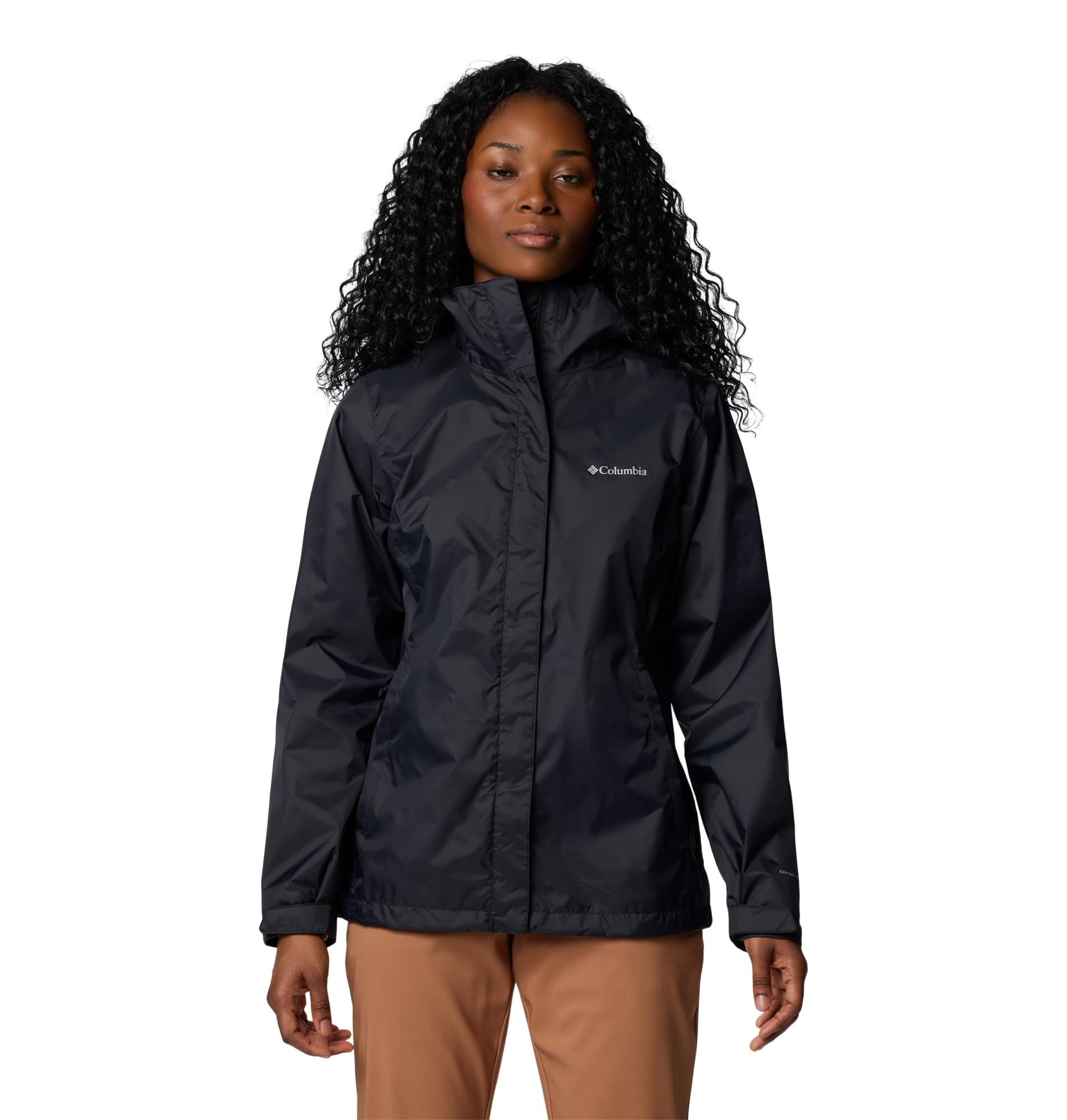
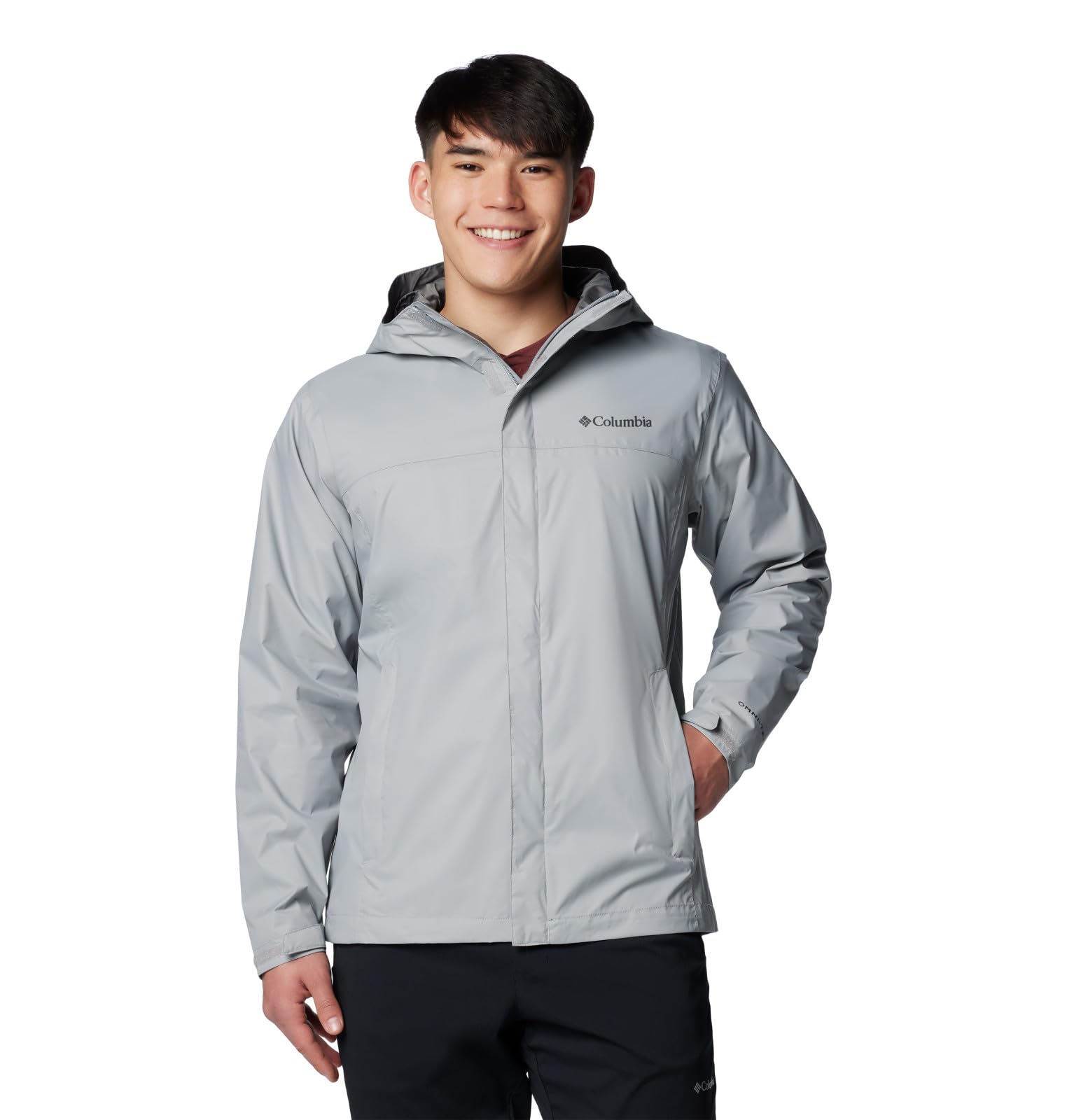


Best for Breathable Hiking
Marmot Precip Eco
Pit zips let you dump heat mid-hike without stopping, and the NanoPro membrane keeps wind-driven rain at bay while staying light enough to ball up in a pack. At just over 300 grams, this jacket disappears into a daypack without adding noticeable weight, and the 100% recycled fabric means you’re not leaving a plastic footprint.
For hikers who run warm or work hard on trail, the combination of pit zips and a breathable shell makes the difference between finishing dry from sweat or drenched from condensation. The hood is generously cut to fit over a helmet or thick beanie, though in gusty wind without a hat underneath it can flop — a trade-off that disappears once you layer up.
Ideal for hikers who prioritize breathability on active days and want an eco-conscious shell without paying premium. If you need a fitted hood for uncovered biking or running, consider a trimmer cut. A small number of units may show reduced water repellency out of the box, but the sealed seams and overall build quality are consistent with Marmot’s reputation.
Pros
- Pit zips provide on-demand ventilation for high-exertion hikes
- Light enough to pack into a daypack without adding bulk
- Fully taped seams and durable fabric hold up to repeated use
Cons
- In windy conditions without a hat, the oversized hood can lose shape
- Some units may arrive with less effective water repellency, requiring re-treatment
If you hike hard and want a jacket that breathes without breaking the bank, the Precip Eco is the smart pick — just be ready to cinch the hood or re-spray the DWR if needed.
Best for Moderate to Heavy Rain
HH Seven J
The Helly Hansen Seven J delivers outstanding rain and snow protection thanks to its robust construction and effective waterproofing. At a mid-range price, it holds up well against the elements on windy trails and moderate to heavy downpours. The jacket also manages to look sharp while staying light enough for day hikes.
This jacket suits hikers who prioritize durability and weather coverage over breathability during high exertion. The lack of pit zips means it can get clammy on steep climbs, so it works best for moderate-paced outings or cooler conditions. Note that the fit runs small—ordering one size up is wise if you plan to layer a fleece underneath.
Pros
- Keeps you dry in sustained rain and snow without soaking through.
- Construction feels solid and holds up to regular trail use.
- Light enough to pack for day trips without adding bulk.
Cons
- Sizing can be tight across the shoulders; going up a size helps for layering.
A reliable, good-looking rain jacket that handles real weather — just budget for a size up and skip it if you need ventilation for high-output hikes.
Best for Budget Women Hikers
Columbia Arcadia II
The Columbia Women’s Arcadia II Jacket delivers dependable water resistance in a lightweight, packable shell that fits well on women with average proportions. The cut is noticeably more tailored than most budget options, which helps it work for casual wear and travel without looking bulky. Over 8000 customer reviews back up its ability to keep you dry in light to moderate rain.
This jacket suits women who prioritize a feminine fit and low price over breathability features like pit zips. The hood may be undersized for wearing over a helmet or thick hat, and the cut runs small enough that ordering up is recommended if you plan to layer underneath. It handles drizzle and short hikes well, but sustained heavy downpour or high-output activity will overwhelm its lack of ventilation.
Pros
- Flattering, tailored cut works well for casual wear and travel
- Lightweight fabric packs down small for easy storage
- Reliable water resistance keeps you dry in light to moderate rain
Cons
- In a high-output hike, lack of pit zips means sweat buildup can soak you from inside
- The hood may be too small for layering over a helmet or thick beanie
A solid choice for women who want a cost-effective shell for daily commutes and light trailtime, provided you accept the hood size limitations and skip heavy exertion.
Best for Everyday Hiking
Columbia Watertight II
Columbia’s Watertight II delivers dependable water resistance and wind protection at a lower price point, but skips breathability features like pit zips — a tradeoff for hikers who don’t push hard enough to overheat.
Best suited for hikers who prefer layering a fleece underneath and value lightweight packability over ventilation. Note: the cut runs large; sizing down is recommended for a closer fit.
Pros
- Keeps dry in moderate rain without adding weight
- Packs into a small pouch for easy storage in a daypack
- Stitching and zippers hold up through regular use
Cons
- Sizing runs large; the loose cut may feel bulky for those wanting a slim silhouette
This jacket delivers on rain protection and packability at a budget price, as long as you’re okay with its generous cut and lack of venting.
Best for Day Hikes
33K ft Women Packable
The 33,000ft jacket delivers useful features for active hikers: side vents for ventilation and multiple pockets for storage. It packs into its own pouch for easy travel. Water resistance handles moderate rain, but prolonged downpours can cause seepage – so it’s best for day hikes and travel in typical showers. Sizing may run small for some body types, so ordering up is wise if you plan to layer.
Pros
- Generous pocket layout for stashing hiking essentials
- Lightweight design that packs into its own pouch
- Side vents improve airflow during active use
Cons
- The jacket may run small for some builds – worth checking fit with layering in mind
- In sustained heavy rain, water can seep through – this jacket suits light to moderate rain best
A budget-friendly option for women hikers who need ventilation and storage on day trips, as long as rain stays moderate and sizing is checked.
Best for Casual Hikes
MOERDENG Women
Selling for less than most budget rain jackets, the MOERDENG adds a soft fleece-like lining that provides noticeable warmth on chilly trails — something the top budget pick lacks. Its water-resistant finish handles passing showers and morning dew without issue, though the fabric wets through during prolonged downpours.
This jacket suits hikers who stay mostly above the tree line in light drizzle or who need a lightweight layer for cool-weather day trips. The cut runs slightly large, so sizing down may improve fit for those between sizes. For anything more than a steady shower, look to a fully sealed alternative.
Pros
- Soft-lined interior adds warmth without bulk for cool-weather hikes
- Water-resistant finish shrugs off light rain and mist
- Lightweight and packs small for easy stowing in a daypack
Cons
- In heavy or prolonged rain, the fabric saturates and lets moisture through
- Fit can run roomy; check recent reviews for sizing guidance before ordering
For budget-focused hikers who value warmth and low cost over heavy rain protection, this jacket delivers remarkable value.
Best for Casual to Moderate
North Face Antora
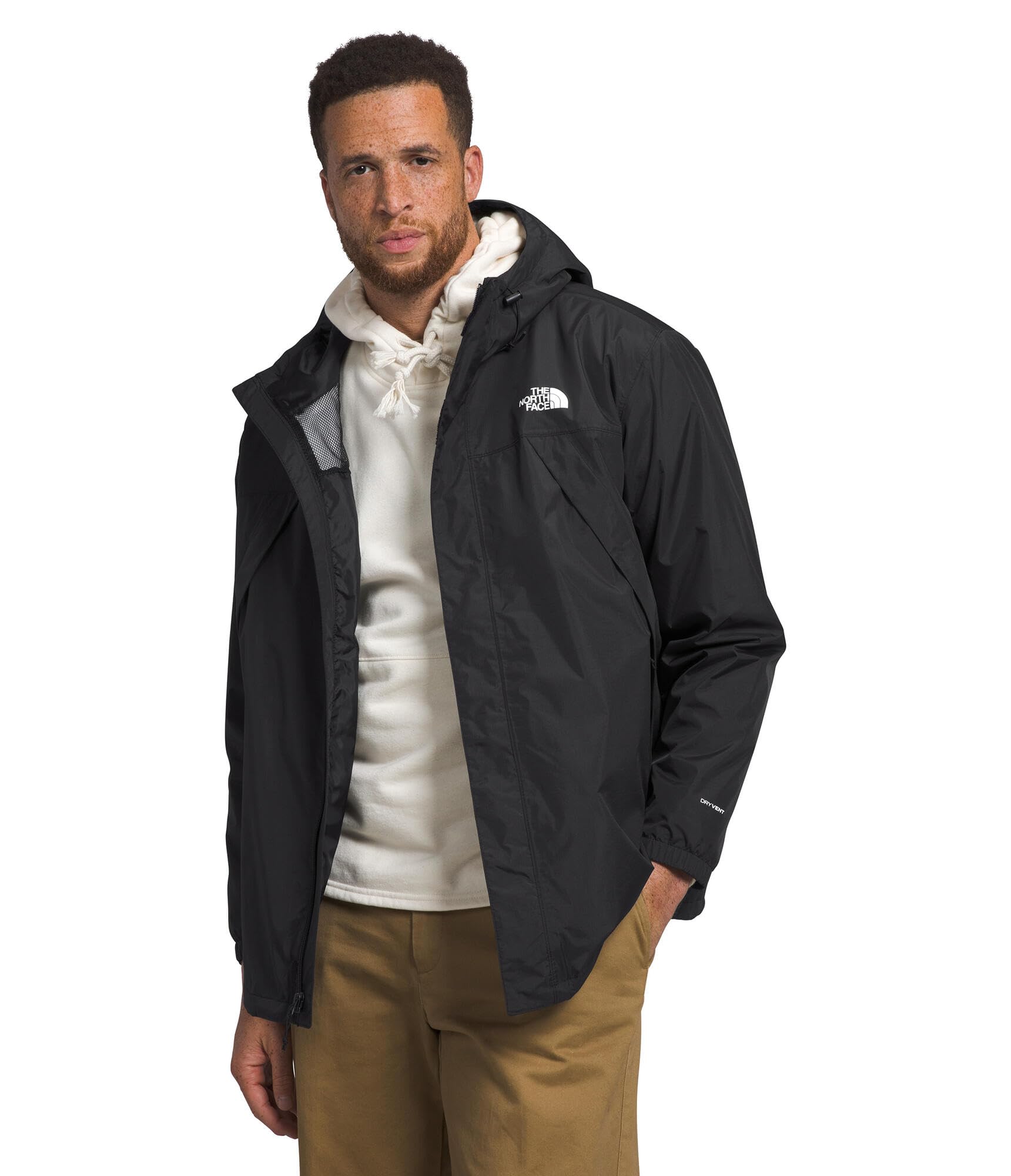
The North Face Antora delivers dependable waterproofing in a lightweight package that packs easily. But it’s a shell only—no insulation—and sleeves may run long. For active hiking, the absence of pit zips limits breathability, and its price sits above the Marmot Precip which offers better ventilation.
Pros
- Water resistance holds up in sustained rain
- Lightweight build makes it easy to pack
Cons
- Sleeves may be long; fit runs small for some
Best for casual use or brand loyalists who prioritize style over breathability during active hiking.
Best for Cool-Weather Hiking
baleaf Men’s Rain

This budget-friendly jacket delivers reliable water resistance for running or cycling in cooler rain, with reflective elements adding safety in low light. The packable build carries easily, but breathability stalls during high exertion, leaving you clammy — not ideal for extended hikes or warm weather. Sizing runs small, so ordering up is a safe bet for layering.
Pros
- Holds up well in rain without wetting through.
- Lightweight and packable — stows easily in a bag.
Cons
- Limited breathability can leave you clammy during high-output activity.
Best suited for runners and cyclists in cooler rain, not for warm-weather hikes or high-exertion use.
Best for Light Showers
Diamond Candy Rain Jacket

This jacket offers impressive value with a lined interior adding slight warmth. Water resistance holds up in light rain but will seep through in sustained downpours – better suited for commuting or errands than hiking in wet conditions. Sizing runs small so consider ordering up.
Pros
- Great quality for the price
- Lightweight design
Cons
- In heavy rain, water may seep through the fabric – best for light drizzle only
A solid pick for occasional light rain and daily errands, but not for hiking trips where heavy rain is likely.
Best for Light to Moderate Rain
Outdoor Ventures Women

Lightweight, packable, and loaded with pockets, this jacket earns positive feedback for build and water resistance. It runs small on some body types, so ordering up helps fit. Its higher price and fewer features compared to alternatives make it a secondary option when ventilation matters most.
Pros
- Pockets sized for phone and map storage
- Lightweight fabric packs into its own pocket
Cons
- Sizing runs small for some builds; check the size chart before ordering
Best for travelers who value pocket organization over advanced breathability.
Best for Travel and Golf
33K ft Golf Travel

This jacket packs down to palm-size, making it a no-brainer for travel bags or golf rounds. The price is budget-friendly and the weight is negligible. However, the water resistance is too marginal for hiking or heavy rain — expect wet-out in a sustained downpour. Sizing can be hit-or-miss, so try on before cutting tags.
Pros
- Packs down smaller than a water bottle — ideal for carry-on bags.
- Budget-friendly price that undercuts most travel shells.
Cons
- In steady rain, the fabric wets out after about 20 minutes — fine for a light drizzle but not for a downpour.
Best for travelers who need a lightweight backup shell for fair weather — not for hiking in wet climates.
Best for Emergency Backup
APEXUP Packable
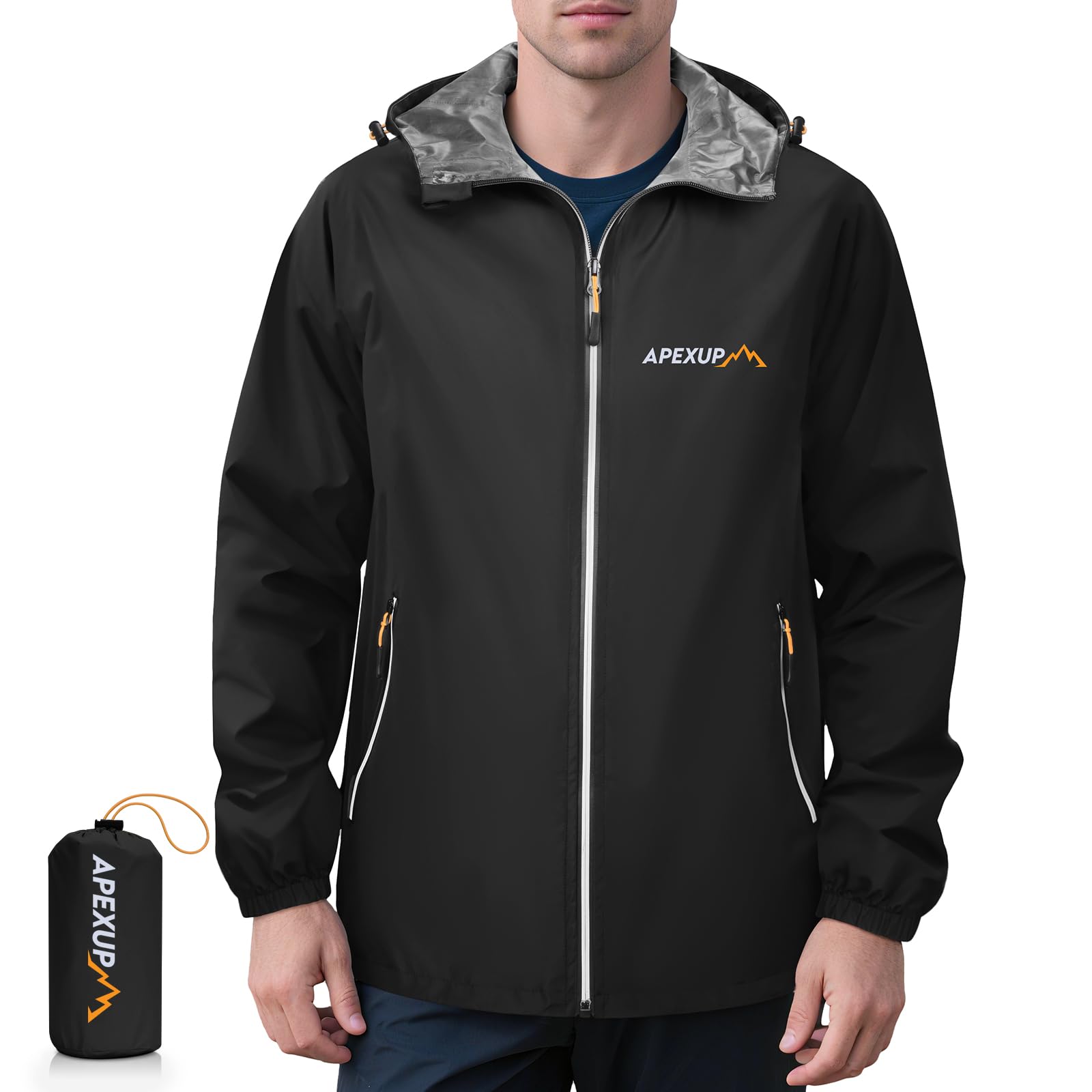
It’s the lowest-cost rain jacket here and packs into a small pouch for emergency stashing. Works for very light drizzle, but lacks breathability and wets out in sustained rain. Best as a backup for everyday commute or festivals — not for active hiking.
Pros
- Budget-friendly price for an emergency shell
- Lightweight and packs down tiny
Cons
- Virtually no breathability; feels like a sauna during any activity
Best for those who need an ultra-cheap emergency shell for occasional light rain, not for hiking or active use.
Best for Urban Use
HH Dubliner

Helly Hansen’s Dubliner boasts high-quality construction and reliable wind/water resistance for city commutes. However, the cut runs very small—ordering two sizes up is essential—and the thin lining offers little warmth. This is not a jacket for outdoor activities where layering or movement is needed.
Pros
- Excellent wind and water protection for urban downpours
- Solid build quality with durable zippers and seams
Cons
- Runs very small; must order at least two sizes up
A premium choice for style-conscious city dwellers who can try it on before buying; not suited for hiking or cold weather.
How to Choose
The most important factor in a hiking rain jacket is not how much it costs or what membrane it uses, but how well it manages the moisture your body produces during exertion.
Waterproofing and Seam Sealing
Look for fully taped seams and a durable water repellent (DWR) finish that can be reactivated with heat. Without these, even a high hydrostatic head rating won’t keep you dry after a few hours in the rain. Seam tape prevents water from seeping through stitching, which is the most common leak path in budget jackets.
Breathability and Ventilation
A breathable membrane like Gore-Tex or NanoPro helps, but for active hiking, pit zips are far more effective. They let you dump heat instantly without unzipping the front of the jacket and exposing your core to rain. Jackets without pit zips rely solely on the membrane, which can’t keep up with high sweat rates on climbs.
Weight and Packability
A hiking jacket should pack down small enough to fit in your pack without taking up valuable space. Look for a weight under 400 grams and the ability to stuff it into its own pocket. Polyester shells tend to be lighter but less durable than nylon; pick based on how often you expect bushwhacking.
Hood Design
An adjustable hood that cinches down to your face prevents rain from dripping onto your glasses. Some hoods are designed to fit over a helmet; these tend to be oversized for bare head use and can flap in the wind. Try the hood on if possible, or check for a rear drawcord that tightens the volume.
Fit for Layering
A hiking rain jacket must accommodate a mid-layer underneath without restricting movement. A relaxed fit works best, but avoid excess fabric that flaps in the wind. Pay attention to sleeve length, as many jackets run short when arms are raised. Ordering one size up is common for layering, but check specific brand sizing.
FAQ
Why does my rain jacket not keep me dry during a hike?
There are two common reasons. First, the DWR coating has worn off, so the outer fabric wets out rather than beading. Second, the jacket may lack sealed seams, allowing water to seep through stitching. Reproofing the jacket and checking for seam taping often solves the issue.
Can I use a waterproof jacket as a shell for layering in winter?
Yes, a waterproof shell works well as the outer layer in a three-layer system: base, insulation, shell. Just make sure the shell is roomy enough to fit a fleece or down jacket underneath without restricting movement. Many hiking shells are designed for this purpose.
How do I restore the water repellency of my hiking rain jacket?
Wash the jacket with a technical cleaner to remove dirt and oils, then apply a DWR spray or wash-in treatment. Heat-activate the new coating with a tumble dryer on low or an iron on a low setting. Reapply every season or when water stops beading.
What are pit zips and why do they matter for hiking jackets?
Pit zips are zippered vents under the arms that allow you to release heat and moisture without removing the jacket. They are critical for high-output hiking because they provide instant ventilation that a breathable membrane alone cannot match. Jackets without pit zips will leave you clammy on climbs.