This post contains affiliate links. We may earn a small commission when you buy through our links — at no extra cost to you.
A pair of hiking boots that claim ‘waterproof’ but soak through on the first puddle, or feel great in the store but cause blisters after two miles – that’s the reality many women face. The problem isn’t a lack of options; it’s that marketing and real-world performance often don’t align.
The key is matching the boot to your foot shape and the terrain you actually hike. A narrow boot with great waterproofing will still hurt; a budget boot with thick padding may fall apart after a season. This guide focuses on boots that deliver on their promises, with honest trade-offs clearly laid out.
No single boot works for everyone, but understanding membrane type, fit, and durability will help you avoid the common pitfalls. You’ll know exactly which boot fits your foot and your next hike.




Best for Day Hikes
Merrell Moab 3 Mid
The Merrell Moab 3 Mid delivers immediate comfort with minimal break-in needed, making it ready for the trail on day one. The roomy toe box accommodates wider feet and thick socks, while the ankle and arch support keep you stable on uneven terrain. Its waterproof membrane handles rain, mud, and puddles — exactly what most day hikers encounter.
This boot suits hikers with medium to wide feet who prioritize comfort over weight on moderate day hikes and weekend trips. The waterproofing is effective for wet grass and light streams but does not hold up to deep crossings where the boot is fully submerged. Fit varies between production batches, so some buyers may need to go up half a size — a quick try-on resolves that.
Pros
- Comfortable with minimal break-in required
- Generous toe box fits wide feet and thick socks
- Stable ankle and arch support for long walks
Cons
- In deep stream crossings, waterproofing may be compromised above the ankle
- Sizing can vary; some may need to go up half a size
A solid choice for day hikers who want comfort and weather protection without the premium price — just don’t plan on fording rivers.
Best for Light Trails
NORTIV 8 Seeker
The NORTIV 8 Seeker offers solid comfort and decent water resistance for under $60, a rare value in waterproof hiking boots. The padding supports short-distance walks on light trails and through puddles without issue.
Where the Seeker falls short is weight and fit: it is noticeably heavier than many alternatives, which can cause fatigue on longer hikes, and sizing varies between colorways, so most buyers will need to try a half-size up or down. This boot suits budget-conscious hikers who stick to easy, short routes and are willing to experiment with sizing for a proper fit.
Pros
- Exceptional value for money with solid comfort and support
- Decent water resistance for light rain and shallow puddles
- Padding works well for all-day wear on short walks
Cons
- Sizing varies between colorways, requiring trial to find the right fit
- Heavier than many boots, leading to fatigue on longer hikes
A smart buy for short, dry-weather hikes if you are prepared to test sizes, but not the pick for heavy mileage or consistent fit.
Best for Wet Climates
Columbia Konos TRS Outdry
With Outdry technology built directly into the shell, this boot keeps water out without the weight of a separate liner. It is comfortable right out of the box and light enough for fast-paced day hikes. Sizing runs large; it may be necessary to order half a size down. On smooth indoor surfaces, the soles can produce a squeaky noise – a minor annoyance that does not affect trail performance. This boot suits hikers who prioritize waterproofing and lightness over traditional leather styling or a wide fit.
Pros
- Exceptional waterproofing keeps feet dry in wet conditions
- Comfortable with no break-in period required
- Lightweight design suits both hiking and trail running
Cons
- Sizing runs large; may need to order half a size down
- Squeaky noise on hard surfaces can be annoying
For hikers who need genuine waterproofing without the bulk, this boot delivers. Just account for the sizing quirk.
Best for Long-Distance
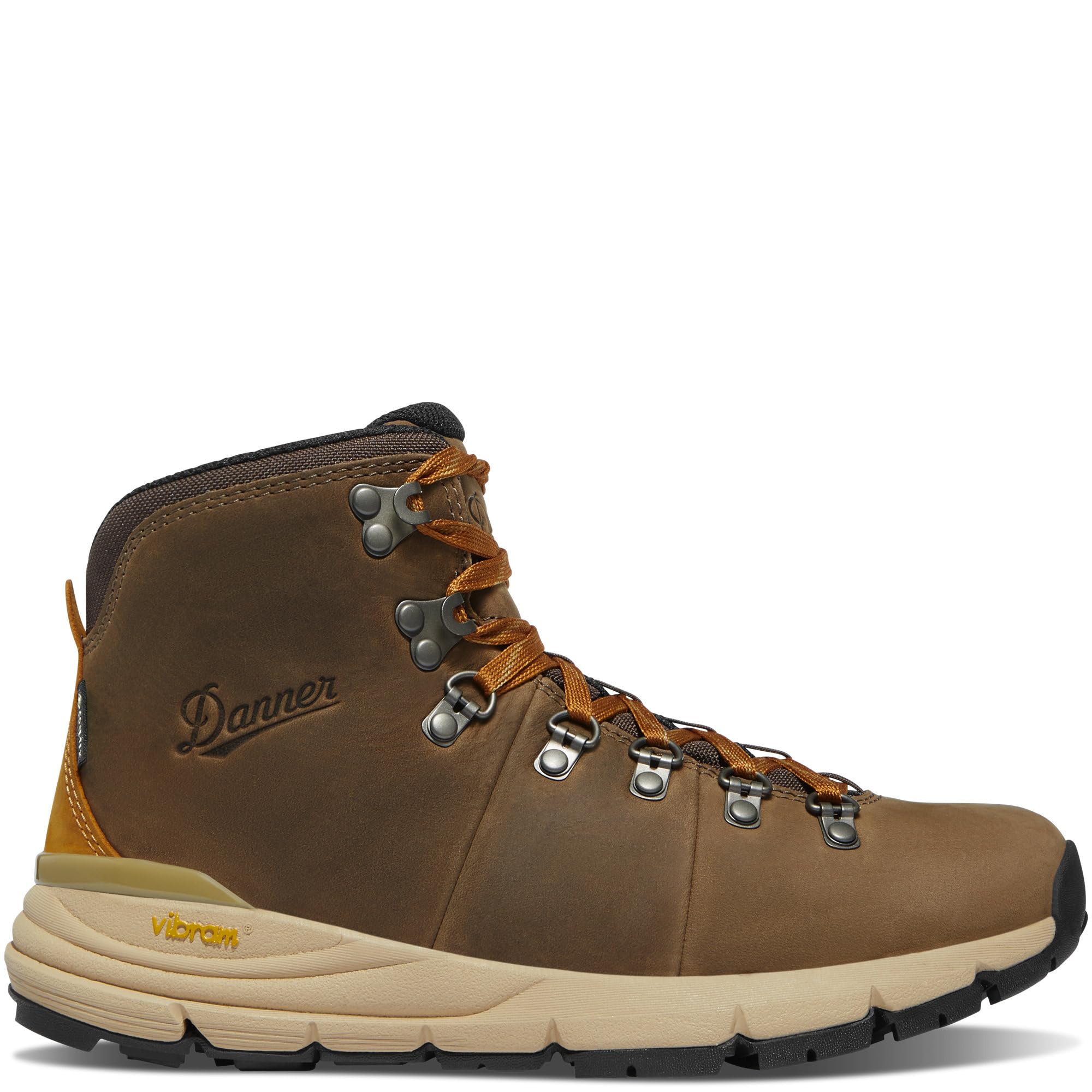
Danner Mountain 600
The Danner Mountain 600 delivers immediate comfort with zero break-in, paired with a Vibram outsole that grips technical terrain — an advantage over the more accessible all-rounder in this category. Its premium build targets backpackers and long-distance hikers who need lasting support, and ankle support on rocky trails is solid. However, the higher price and occasional waterproofing QC issues mean this boot suits those willing to invest for comfort, while tighter toe boxes may require sizing up for medium-width feet.
Pros
- Immediate comfort with zero break-in required
- Vibram outsole provides dependable traction on technical terrain
- Solid ankle support for rocky trails
Cons
- Toe box runs slightly tight for medium-width feet, may require sizing up
- Waterproofing can vary between units, which is disappointing at this price
A premium investment for serious hikers who prioritize comfort and build, but waterproofing consistency is worth checking before long treks.
Best for Wide Feet
Ariat Terrain Pro
The Ariat Terrain Pro stands out by offering genuine wide widths that fit bunions and orthotics without pinching. Cushioning delivers all-day comfort right out of the box. Its waterproof membrane keeps feet dry in wet grass and puddles, though the boot is heavier than most mid-range hiking boots. Sizing can vary between production batches, so trying on pairs from the same size is advisable. This boot suits hikers with wide feet who need a sturdy, waterproof option for mixed trail and farm use.
Pros
- All-day comfort straight out of the box, even on long workdays.
- Waterproof membrane keeps feet dry in wet grass and puddles.
- Wide sizes available for feet that need extra room.
Cons
- In rocky terrain over multiple seasons, the sole tread may wear faster than some hikers expect.
A practical choice for hikers with wide feet who value waterproofing and don’t mind the extra weight.
Best for Day Hikes
Foxelli Suede Leather
The Foxelli boots offer immediate comfort and a sneaker-like feel thanks to lightweight suede and supportive arch design, with virtually no break-in required. The narrow toe box can pinch wider foot shapes, and the waterproofing is less proven than dedicated Gore-Tex membranes like those in the Columbia Konos – best for dry conditions, light drizzle, or travel where style matters more than wet-weather reliability.
Pros
- Very comfortable with little to no break-in needed
- Lightweight design feels like sneakers during hikes
- Good arch and ankle support for moderate day hikes
Cons
- Toe box can be tight for wider feet, causing discomfort on long walks
- Waterproofing may not hold up in heavy rain or prolonged wet conditions
For day hikers and travelers who prioritize lightweight comfort and style over waterproof certainty, these boots deliver. Narrow feet will fit best; consider sizing up for medium width.
Best for Day Hikes
Columbia Newton Ridge Plus

The Columbia Newton Ridge Plus offers immediate comfort straight out of the box, holds up well on rocky terrain, and keeps feet dry through puddles and light streams. However, it is discontinued, so stock is unreliable, and the fit may be too snug for narrow feet.
Pros
- Exceptional comfort with zero break-in period
- Durable build handles rocky terrain well
Cons
- Fit may be too narrow for some foot shapes, requiring sizing up
A worthwhile buy if you have medium-width feet and can find a discounted pair still in stock.
Best for Comfort over Waterproof
Merrell Moab 2 Mid
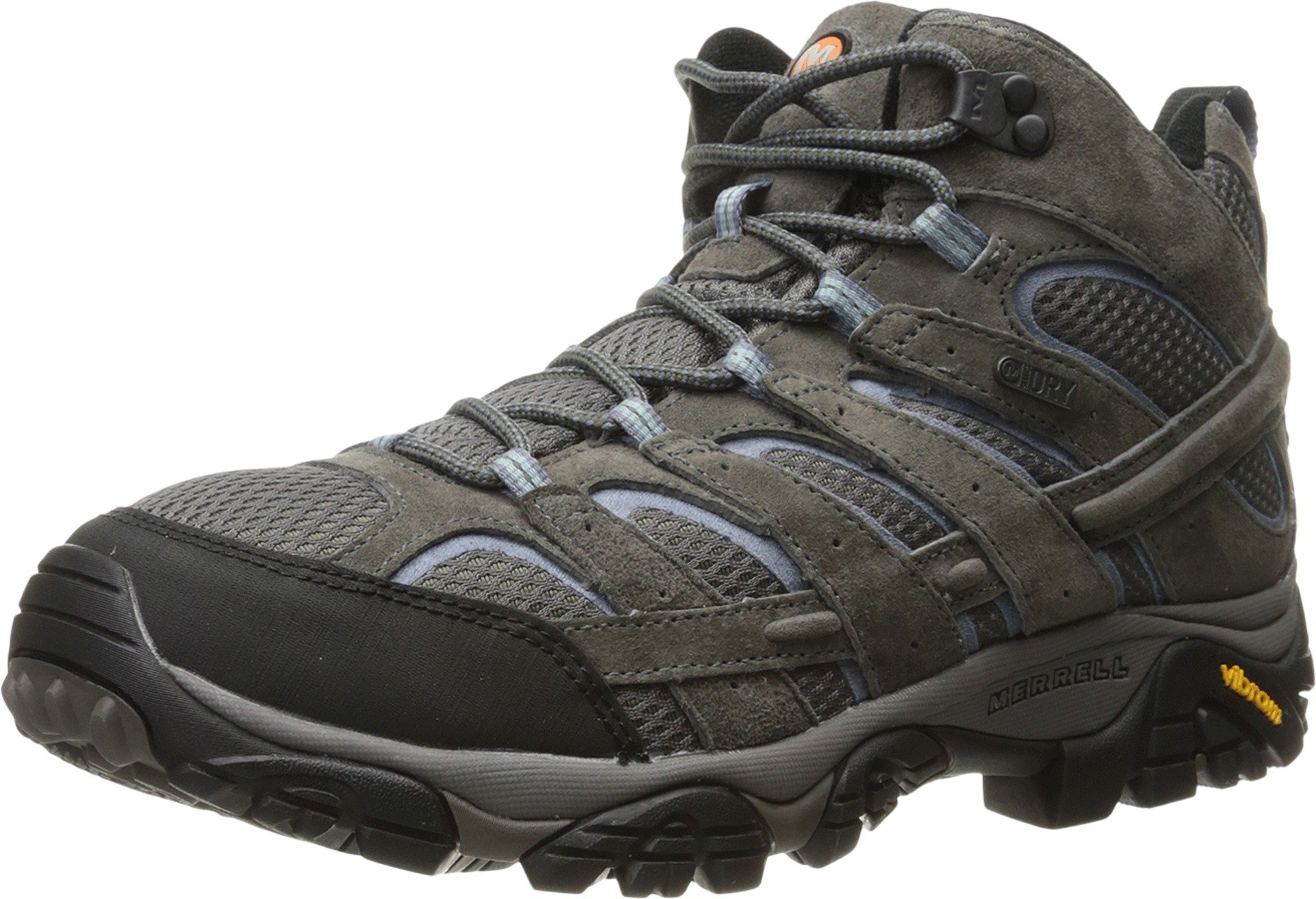
The Moab 2 Mid offers the same immediate comfort and lightweight feel as the newer Moab 3, at a lower cost. Its waterproofing is less reliable in sustained rain, and sole separation can occur after heavy use. A good fit for dry-trail hikers who value instant comfort over rain protection.
Pros
- Immediate comfort straight out of the box
- Lightweight construction that doesn’t weigh down the hiker
Cons
- Waterproofing may be inconsistent in wet conditions
Best for budget-conscious day hikers on dry trails who prioritize immediate comfort and don’t need guaranteed waterproofing.
Best for Narrow Feet
Timberland Norwood Mid

The Timberland Norwood Mid balances style and substance with a waterproof leather upper that handles puddles and light rain. Its lightweight build makes it comfortable for daily wear. However, the narrow fit can pinch wider feet, and durability over heavy use may show sole wear sooner than expected. This is a good option if you have narrow feet and prioritize urban style over rugged trail performance.
Pros
- Lightweight and comfortable for a mid-cut boot, easy to wear all day.
- Waterproof leather upper handles rain and puddles effectively.
Cons
- Narrow fit can be restrictive for wider feet or those with bunions.
Best for narrow-footed walkers who want a stylish, waterproof boot for casual use, not for technical hikes or backpacking.
Best for Dry Trails
NORTIV 8 Ankle Trek

The NORTIV 8 Ankle Trek is very affordable and lightweight, with comfortable cushioning for short day hikes. The waterproofing may not hold up in moderate rain, making it a better choice for dry trails and short walks. For wet conditions or multi-day hikes, look for a different boot.
Pros
- Affordable price for a lightweight hiking boot
- Comfortable cushioning for short day hikes
Cons
- Toe box may be too short for some, requiring a size up
A decent lightweight budget option for dry day hikes, but not for wet conditions or extended trips.
Best for Dry Rocky Terrain
XPETI Dimo Mid

The XPETI Dimo Mid provides good traction on rocky surfaces and feels lightweight for the price. However, the narrow fit excludes wider feet, and water resistance is limited to light moisture — not puddles or wet trails. Durability can vary, so this boot suits occasional dry-weather hikes.
Pros
- Solid traction on wet grass and loose rock
- Lightweight build reduces fatigue on day hikes
Cons
- Water resistance is limited to light moisture; puddles or sustained rain may soak through
A budget option for narrow-footed hikers on dry, rocky trails where traction matters more than weather protection.
How to Choose
The most important factor in waterproof hiking boots is finding the right fit: a boot too narrow will cause blisters regardless of its waterproofing claims.
Waterproof Membrane Type & Height
The membrane is what keeps water out while letting sweat escape. Gore-Tex is the most common, but it requires careful maintenance to stay effective. Outdry (Columbia) bonds the membrane directly to the outer fabric, making it more durable in wet conditions but slightly less breathable.
Height matters too: a mid-cut boot keeps water out up to the ankle collar, while a high-cut offers more protection in deep puddles but restricts ankle mobility. If you frequently cross streams, look for a boot with a sealed membrane and a gusseted tongue.
Ankle Support Level
Mid-cut boots provide enough support for most day hikes and backpacking without feeling restrictive. High-cut boots add stability on uneven terrain but can limit ankle flexion, making them less comfortable for fast walking or running.
The trade-off: more support reduces the risk of twists but increases weight and stiffness. Choose based on the terrain you hike most – technical trails demand higher support, while smooth paths allow for a lower cut.
Weight & Flexibility
Lightweight boots (under 14 oz per boot) feel like sneakers and are great for fast day hikes, but they often sacrifice sole durability and long-term support. Heavier boots (over 16 oz) use thicker materials and more robust soles, which translates to longer life but more fatigue on flat sections.
For a balance, aim for a boot in the 14–16 oz range – it will carry you through full-day hikes without weighing you down or wearing out quickly.
Outsole Traction Pattern
The outsole rubber compound and lug pattern determine grip on wet rock, mud, and loose dirt. Vibram outsoles are the gold standard for durability and traction, but they can be stiff. Softer compounds offer better grip on smooth surfaces but wear faster.
A medium-depth lug pattern with multi-directional chevrons works best for mixed terrain. If you hike mostly on packed trails, a flatter pattern is fine; for loose scree or wet roots, deeper lugs are essential.
Available Width Options
Few brands offer true wide widths – Merrell, Ariat, and New Balance are exceptions. Most boots come only in medium width, forcing hikers with wider feet to size up, which can cause heel slip and blisters.
If you have wide feet or bunions, prioritize boots that explicitly offer wide sizing. Trying boots with thick hiking socks in store is the best way to check fit before buying.
FAQ
Why do my new waterproof hiking boots make my feet wet after a few weeks?
This usually happens because the waterproof membrane or coating has developed a small puncture or the ankle collar is too low, allowing water to seep in. Check for visible damage, and if the boots are otherwise intact, a waterproofing spray can restore some protection. For many budget boots, the membrane simply isn’t durable enough to hold up beyond a few outings.
Should I size up in Merrell Moab 3 if I have wide feet?
If you have wide feet, consider the wide size option first. Sizing up in medium width can cause heel slip and blisters. The Moab 3 runs true to size for most, but if you need a wider toe box, order a half-size up only if you plan to wear thick socks – otherwise, the extra length may create friction.
How long should waterproof hiking boots stay waterproof before needing reproofing?
With a high-quality membrane like Gore-Tex or Outdry, you can expect 6–12 months of regular use before needing a reproofing spray. For budget boots with a basic coating, the waterproofing often wears off after 2–3 months. Signs you need reproofing: water begins to soak into the fabric rather than beading on the surface.
Are budget hiking boots under $60 waterproof enough for day hikes in wet conditions?
No, budget boots under $60 typically use a thin water-resistant coating that fails quickly in anything beyond light rain. For day hikes in wet conditions, invest in a mid-range boot ($90–$130) with a sealed membrane like Merrell or Columbia – they will keep your feet dry and last longer.