This post contains affiliate links. We may earn a small commission when you buy through our links — at no extra cost to you.
Arch support in walking shoes is rarely a simple ‘more is better’ equation. Many women buy a stability shoe for flat feet when they have neutral arches, or grab a plush neutral shoe that leaves overpronators aching by midday. The result: wasted money and sore feet.
The right approach starts with understanding your arch type and how your foot moves when you walk. A shoe that guides your gait firmly feels like a lifesaver to some, while others find the same shoe too stiff for daily errands.
This guide cuts through the marketing to match you with the shoe that fits your actual needs — whether that’s maximum stability for long trail walks or a budget-friendly slip-on for neighborhood strolls.

Best for Overpronation Support
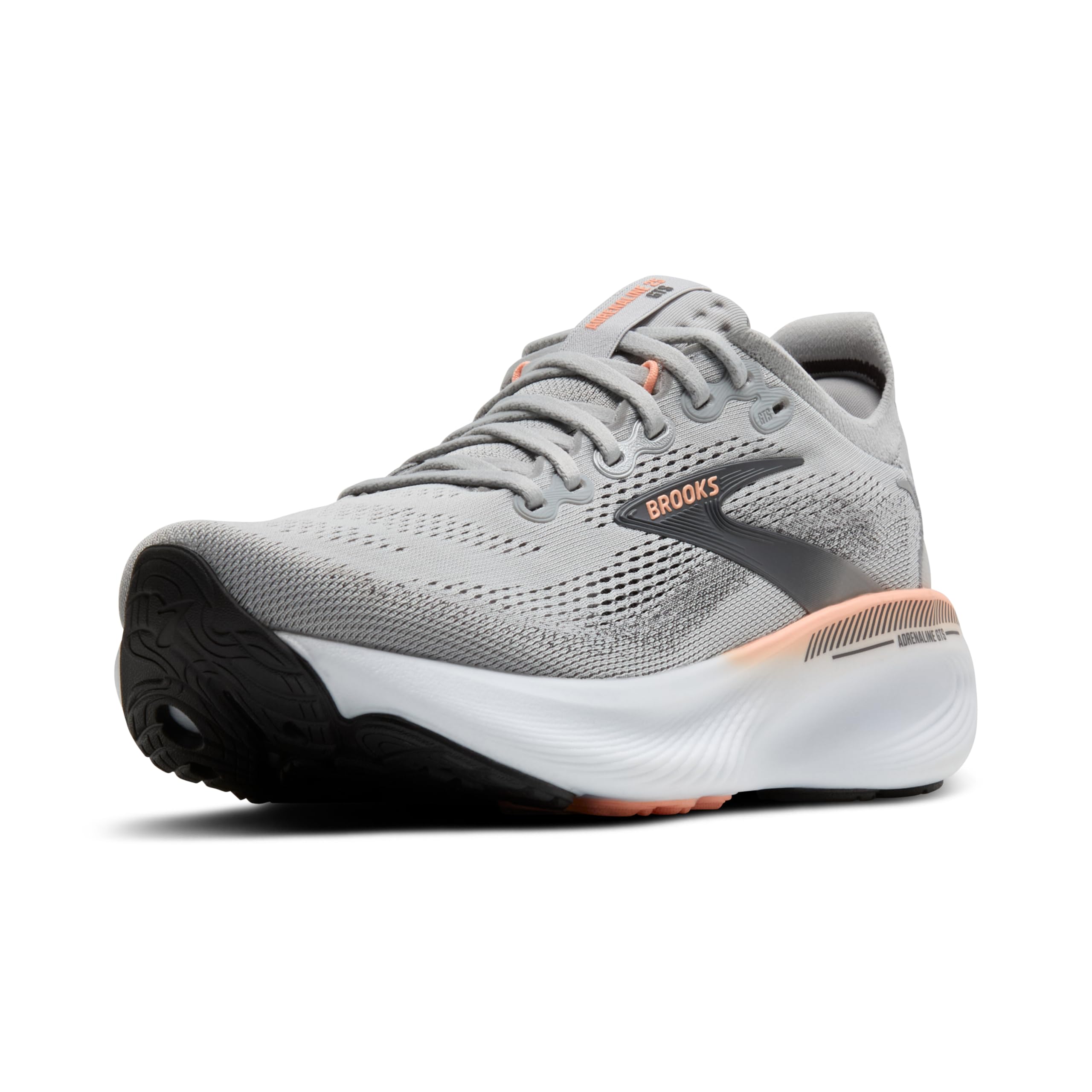
Brooks Adrenaline GTS 25
Key Features
- Arch Support Quality: GuideRails holistic support
- Cushioning Type: DNA LOFT v2, firm
- Fit Consistency: Wide toe box, true-to-size
- Closure Type: Lace-up
- Stability Features: GuideRails pronation control
- Price: Premium
The GuideRails system keeps your stride aligned from heel strike to toe-off, which shows in the strong satisfaction among users with flat feet or plantar fasciitis. The shoe also offers a wide toe box and consistent cushioning that holds up on hard surfaces.
This shoe suits walkers who spend long hours on pavement and need maximum stability. The cushioning is firm — closer to a structured support shoe than the plush Ghost line — so it may not appeal to those wanting a soft, cloud-like feel. The premium price also means it’s best for buyers who genuinely need motion control, not casual walkers.
Pros
- GuideRails system provides targeted arch and pronation support for overpronators.
- Comfortable fit with a wide toe box and generous cushioning for all-day wear.
- Durable construction using quality materials that hold up over time.
Cons
- Premium pricing may be overkill for those who walk occasionally or don’t need stability features.
- Cushioning feels firmer than plush alternatives; best for those who prefer a responsive, supportive ride.
For walkers with overpronation or flat feet who want reliable support on long pavement walks, this is the stability shoe to choose.
Best for Everyday Walking
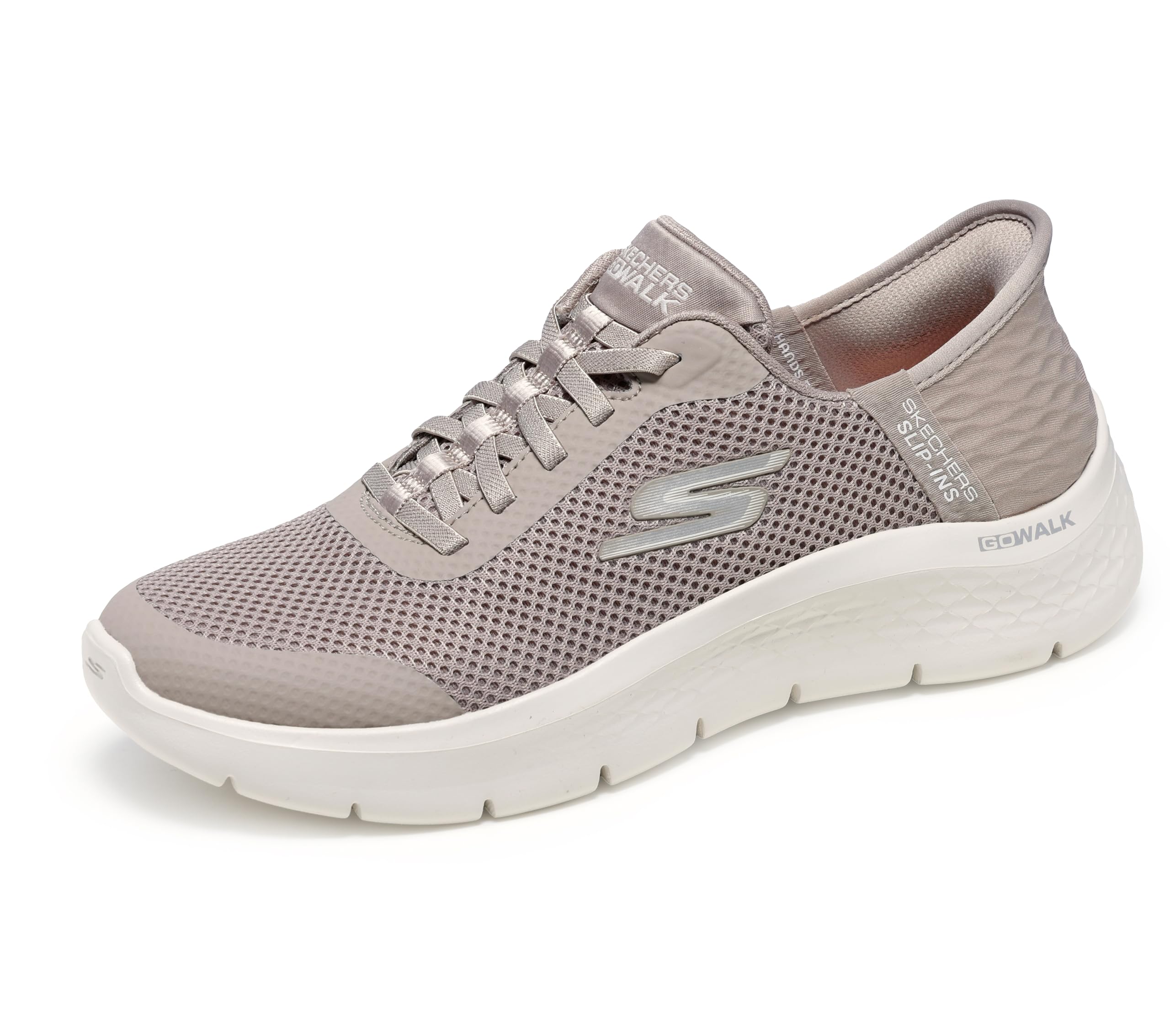
Skechers Go Walk 5
Key Features
- Arch Support Quality: Moderate arch support
- Cushioning Type: Ultra Go foam, medium
- Fit Consistency: Standard width, slip-on
- Closure Type: Slip-on
- Price: Budget
Skechers Go Walk 5 delivers consistent Ultra Go foam cushioning and moderate arch support at a budget-friendly price — a clear alternative to pricier stability-focused options. Best for everyday walking and casual wear, it slips on easily and feels lightweight. However, sizing can vary between widths, and the soft cushioning may not suit those who prefer firmer support or need precise foot alignment. The inconsistent fit and plush feel mean this shoe works best for neutral walkers who prioritize comfort over motion control.
Pros
- Ultra Go foam provides responsive cushioning for daily walks
- Lightweight slip-on design makes it effortless to wear
- Moderate arch support appreciated for casual use
Cons
- Sizing can be inconsistent, requiring size adjustments between widths
- Soft cushioning may feel too plush for those wanting firmer support
Ideal for walkers who prioritize cushioning and price over precise stability — check fit before buying.
Best for Hands-Free Convenience
Skechers Go Walk Flex
Key Features
- Arch Support Quality: Arch Fit insole
- Cushioning Type: Cushioned insole
- Fit Consistency: Narrow fit
- Closure Type: Hands-free slip-in
- Price: Mid-Range
The Skechers Go Walk Flex stands apart by combining a slip-in design with an Arch Fit insole that supports the midfoot during walks. It suits walkers with medium to narrow feet who prioritize easy entry and moderate arch support — those with broader feet should order the wide version, and some users find the heel can irritate after extended wear. The cushioning keeps things comfortable for all-day use without feeling too soft.
Pros
- Hands-free slip-in design eliminates bending — ideal for those with limited mobility.
- Arch Fit insole delivers moderate support that many walkers find comfortable for all-day wear.
- Cushioning provides a soft yet responsive feel underfoot for long walks.
Cons
- Fit runs narrow; may require ordering wide for comfortable wear on broader feet.
- Heel area can rub for some wearers after extended walking sessions.
Best for walkers who need a no-bend slip-on with genuine arch support and have medium to narrow feet — the wide option solves the fit issue for others.
Best for Maximum Cushioning
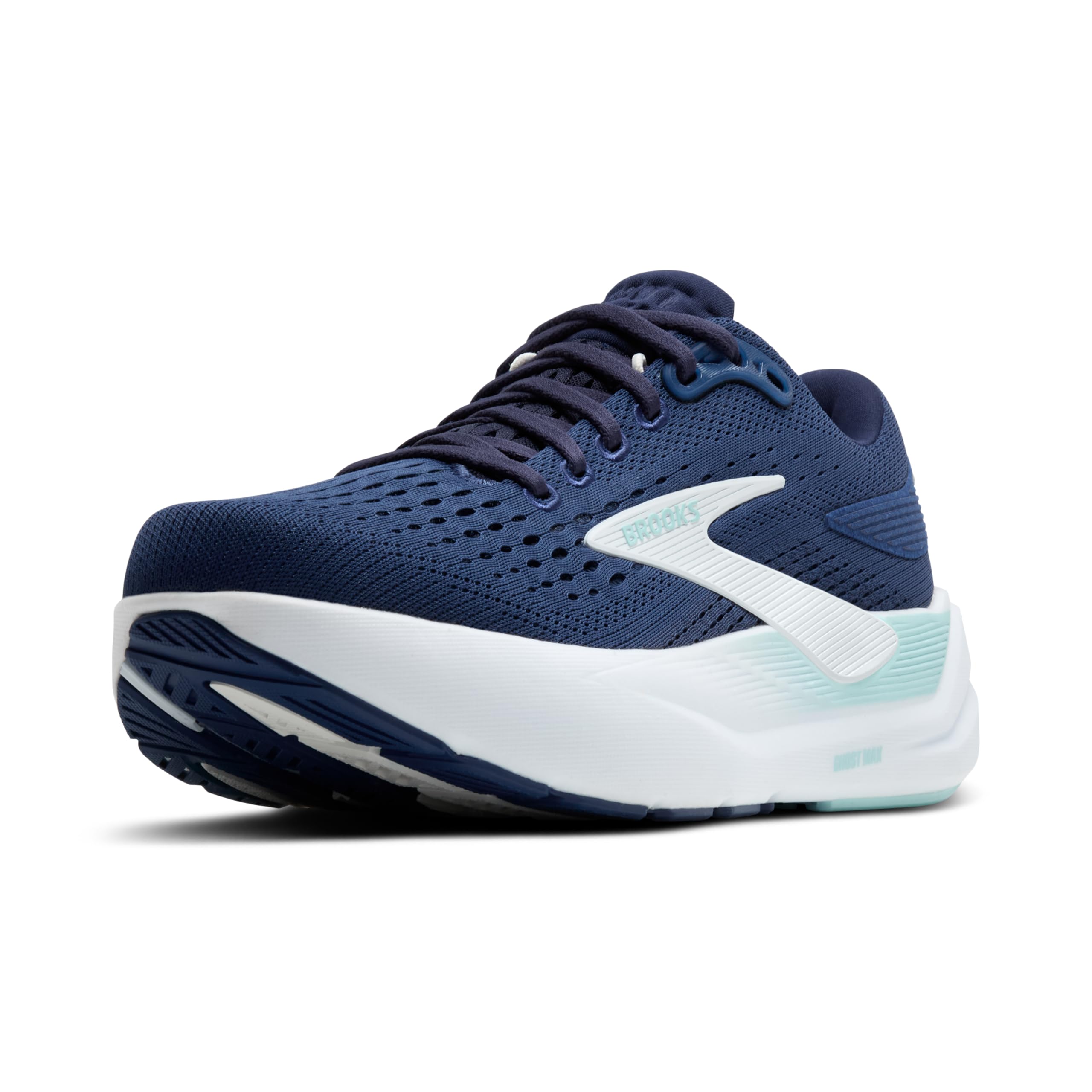
Brooks Ghost Max 3
Key Features
- Arch Support Quality: Moderate arch support
- Cushioning Type: Plush DNA LOFT v3
- Fit Consistency: Wide toe box, runs large
- Closure Type: Lace-up
- Stability Features: Neutral, no pronation control
- Price: Mid-Range
DNA LOFT v3 cushioning and GlideRoll rocker deliver a plush, smooth stride ideal for neutral walkers. This is a different comfort from the firm stability of the Adrenaline — not suited for overpronation.
Best for neutral walkers on pavement who prioritize soft cushioning and arch support. The mesh upper is prone to showing dirt and may wear faster than competitors — a tradeoff for the plush comfort.
Pros
- Plush DNA LOFT v3 cushioning for cloud-like comfort on pavement.
- Arch support that suits neutral feet during long walks.
- Durable outsole and quality construction for daily wear.
Cons
- Sizing may require half-size down for a snug fit — less an issue if you prefer roomier toe box.
For neutral walkers who want the softest cushioning with reliable arch support, the Ghost Max 3 delivers.
Best for Stable Wide Fit
Saucony Integrity Walker 3

Key Features
- Arch Support Quality: Good arch support
- Cushioning Type: Heel Grid technology, firm
- Fit Consistency: Wide toe box, true-to-size
- Closure Type: Lace-up
- Stability Features: Stability shoe
- Price: Premium
The Saucony Integrity Walker 3 delivers a roomy toe box and firm arch support ideal for stability needs. However, its traction on wet surfaces is poor, and some find the shoe stiff initially. Occasional durability concerns also surface, making it a better fit for dry-weather walking on even terrain.
Pros
- Roomy toe box and true-to-size fit for comfortable walking.
- Firm arch support helps with heel and arch discomfort.
Cons
- Grip can slip on wet or smooth surfaces.
If you walk primarily on dry, even surfaces and value a wide, stable fit over all-weather traction, this shoe offers solid arch support at a premium price.
How to Choose
The most common mistake is buying arch support based on price or brand instead of your foot’s actual pronation type and walking surface.
Arch Support Quality
Arch support is not one-size-fits-all. Stability shoes use rigid medial posts or guide rails to control overpronation, while neutral shoes rely on contoured footbeds that cradle the arch without forcing a correction.
If you have flat feet, a neutral shoe with a high arch can actually cause pain because the support pushes into the wrong spot. Conversely, a stability shoe on a neutral foot feels like walking on a wooden block.
Cushioning Type and Firmness
Cushioning trades off with stability. Plush foams like DNA LOFT v3 absorb shock but compress under load, which can make a shoe less stable for overpronators. Firmer foams or Heel Grid systems provide better energy return and support for longer walks.
For all-day standing or walking on hard pavement, a medium-soft cushioning is often the sweet spot. Too soft and your foot sinks, causing fatigue; too firm and you feel every pebble.
Fit Consistency
Sizing varies dramatically between brands. Brooks typically runs true-to-size with a generous toe box, while Skechers slip-ons can run narrow or loose depending on the model. Even within the same brand, the Go Walk 5 and Go Walk Flex fit differently.
Order two sizes if possible and wear your walking socks during testing. A shoe that fits well in the store may feel different after two miles on asphalt.
Closure Type
Slip-on shoes offer convenience but sacrifice adjustability. If you have high-volume feet or need a snug heel lock, lace-ups allow you to customize tension. Hands-free slip-ins like the Go Walk Flex trade lace adjustment for easy entry.
For hiking or uneven terrain, a secure lace-up closure prevents heel slip and blisters. For errands and flat surfaces, slip-ons are faster and comfortable.
Stability Features
Stability features are not optional for overpronators. GuideRails, medial posts, or firm heel counters reduce excessive inward rolling of the foot. Without them, walkers with flat feet can develop shin splints or knee pain.
Neutral walkers should avoid stability shoes — the extra structure adds weight and reduces cushioning comfort. Match stability to your gait, not your budget.
FAQ
Do Skechers Go Walk Joy have good arch support for plantar fasciitis?
The Go Walk Joy’s Goga Mat insole offers cushioning but lacks the firm, structured arch support needed for plantar fasciitis. Most users with that condition report better results from the Brooks Adrenaline GTS 25 or a dedicated orthotic insert.
Why do my Brooks Ghost Max 3 get dirty so fast?
The Ghost Max 3 uses a knit mesh upper that attracts and holds dust and mud more than woven or synthetic leather uppers. Spot cleaning with a damp cloth works, but avoid machine washing — the adhesive layers can separate.
Are hands-free slip-in walking shoes secure enough for hiking trails?
For maintained, flat trails they work, but on uneven or steep terrain, the lack of a lace lock means your foot can slide forward inside the shoe. The Skechers Go Walk Flex is best for paved paths and light gravel, not rocky descents.
How do Saucony Integrity Walker 3 shoes fit compared to Brooks Adrenaline?
Both have a wide, roomy toe box, but the Saucony runs slightly narrower in the heel and can feel stiff out of the box. The Adrenaline offers a softer heel collar and true-to-size fit that requires less break-in time.