This post contains affiliate links. We may earn a small commission when you buy through our links — at no extra cost to you.
Winter gloves often come with flashy temperature claims like -30°F, but real-world warmth depends on insulation type, fit, and activity level. Many buyers find their fingers still cold in 20°F despite the label.
This guide cuts through the exaggeration by focusing on what actually keeps hands warm: proven insulation materials, proper sizing, and realistic use-case boundaries. The best gloves for hiking aren’t the same as those for snow shoveling—and that’s okay.
The hidden trade-off is that most gloves under $20 exaggerate waterproofing and warmth. The ones that deliver use 3M Thinsulate or thick leather, but they often run small. Knowing how to size up and what to expect from each type turns a frustrating search into a confident purchase.




Best for Shoveling, Driving
Carhartt Insulated Glove
Key Features
- Insulation Type: Fleece lining
- Water Resistance: Water-resistant coating
- Touchscreen: No
- Fit: Runs small
- Durability: Polyester shell
- Price: Mid-Range
The Carhartt insulated knit cuff glove provides steady warmth for most winter conditions. The polyester shell and fleece lining trap heat effectively during snow shoveling or cold commutes. The knit cuff seals around the wrist to keep snow and cold air out. Build quality feels solid enough to handle repeated use without premature wear. In repeated shoveling sessions, the fleece lining prevents that numb feeling that thinner gloves allow.
This glove suits someone looking for a durable everyday option for moderate cold (20–32°F). However, the sizing runs small—plan to order a size up. Water resistance also fades after prolonged snow contact, so it’s best for dry snow or light precipitation rather than heavy rain. For the price, it offers a good balance of warmth and build compared to cheaper alternatives that lose insulation quickly. If you need a glove for occasional driving, walking, or light hiking, this fits the bill without overspending. Not intended for prolonged wet conditions or heavy rain.
Pros
- Warmth for moderate cold without needing additional liners.
- Solid construction that holds up to regular shoveling and yard work.
- Cost-effective compared to similar insulated gloves.
Cons
- Sizing runs small – ordering one size up is advisable for a comfortable fit.
- Water resistance can diminish after extended snow exposure, leading to damp hands.
For moderate winter tasks like shoveling, driving, and daily commutes, this glove delivers steady warmth and durability—just order a size up and keep it to dry snow.
Best for Skiing, Cycling
TRENDOUX 3M Thinsulate Gloves
Key Features
- Insulation Type: 3M Thinsulate
- Water Resistance: Yes (coating)
- Touchscreen: Yes
- Fit: Runs small
- Durability: PU leather palm
- Price: Mid-Range
With genuine 3M Thinsulate insulation and a windproof shell, these gloves deliver warmth that rivals pricier options. Their slim fit and grippy palm make them well-suited for skiing, snowboarding, cycling, and running in cold weather.
They work for shoveling and daily walks too, but buyers should note the fit runs small — ordering up is advised. Water resistance is adequate for light snow but can wet out in wetter conditions, so they are best for dry cold or moderate snow.
Pros
- Warmth from 3M Thinsulate without excessive bulk
- Solid build quality and stitching at a budget-friendly price
Cons
- Runs small — consider ordering a size up for a comfortable fit
- Water resistance is inconsistent; gloves can wet out in prolonged wet snow
For active winter use like skiing or cycling, these gloves offer exceptional Thinsulate warmth at a low price — just size up and avoid heavy wet snow.
Best for Running, Hiking
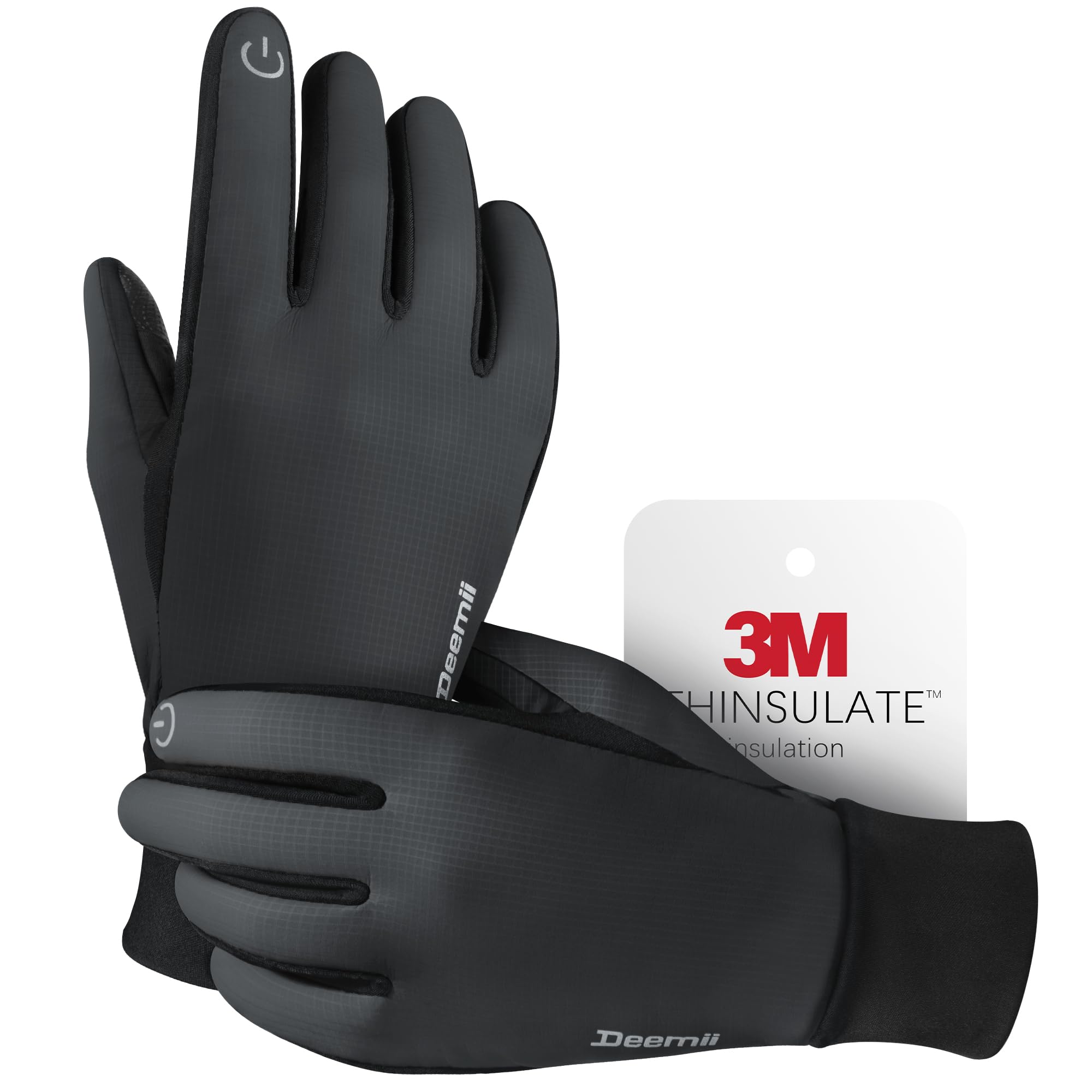
Deemii 3M Thinsulate Gloves
Key Features
- Insulation Type: 3M Thinsulate C40
- Water Resistance: Yes (coating)
- Touchscreen: Yes (thumb+index)
- Price: Budget
These Deemii gloves deliver genuine 3M Thinsulate warmth at a budget price, making them a solid alternative to the TRENDOUX for everyday cold-weather use. They keep hands comfortable down to about 23°F without the bulk of heavier gloves, and the silicone palm grip helps with driving and light hiking. However, the water-resistant coating handles only light snow, not prolonged wet conditions, and the touchscreen responsiveness can vary between devices. Best suited for daily commutes, running, and casual walks where lightweight warmth matters more than waterproofing or extreme cold.
Pros
- Very warm for the price with 3M Thinsulate
- Excellent value – high quality at low cost
- Comfortable and non-bulky
Cons
- Water resistance is limited to light snow; not suitable for prolonged rain or wet snow
For buyers seeking genuine Thinsulate warmth at a low cost, these gloves deliver consistent performance for daily cold-weather commutes and light outdoor use as long as conditions stay dry.
Best for Work, Shoveling
toolant Leather Work Gloves
Key Features
- Insulation Type: 3M Thinsulate
- Water Resistance: No
- Touchscreen: No
- Fit: Runs small
- Durability: Full-grain leather
- Price: Mid-Range
The toolant Winter Leather Work Gloves deliver genuine warmth from full-grain cowhide and 3M Thinsulate, making them a durable choice for cold-weather chores. Unlike the Carhartt top pick, these prioritize heavy leather protection over everyday comfort.
These gloves suit construction workers, hunters, and anyone spending hours outdoors in freezing temperatures. They are bulky for casual driving or walking, and the leather absorbs water quickly – not ideal for wet snow. Sizing runs small, so order at least one size up.
Pros
- Keeps hands cozy even in 16°F with Thinsulate lining
- Full-grain cowhide leather holds up to heavy use
- Great value for a Thinsulate leather glove compared to alternatives
Cons
- Sizing runs small – order at least one size larger
- Not waterproof – leather soaks through quickly in wet conditions
These gloves are a strong choice for heavy outdoor labor in cold, dry conditions – just be prepared to size up and keep them out of wet snow.
Best for Driving, Dress
Alepo Sheepskin Leather Gloves
Key Features
- Insulation Type: Cashmere lining
- Water Resistance: No
- Touchscreen: Yes
- Fit: Inconsistent
- Durability: Sheepskin leather
- Price: Premium
Genuine sheepskin leather with cashmere lining makes these gloves warm and elegant for city winter wear, a clear alternative to the top pick’s heavy-duty focus. The soft leather and tailored fit suit commuters, drivers, and anyone needing a dress glove for mild days above freezing. Sizing can be inconsistent, so expect to exchange if the fit is off. The delicate leather absorbs moisture and may tear under heavy use, so this pair stays in the car or office rather than on a shovel.
Pros
- Soft cashmere lining adds comfort and warmth on cool days.
- Stylish leather appearance suits professional and dress occasions.
- Good value for genuine sheepskin and cashmere at this price tier.
Cons
- Sizing may require exchanges – check fit carefully before wearing.
- Delicate leather is not suitable for wet weather or heavy use.
A dress glove for mild winter driving and commuting, best for those who prioritize style over durability.
Best for Skiing, Shoveling
Tough Outdoors Ski Gloves
Key Features
- Insulation Type: Summitloft
- Water Resistance: Yes (membrane)
- Touchscreen: No
- Fit: Runs small
- Durability: Nylon + synthetic leather
- Price: Budget
Nylon shell, TPU membrane, and Summitloft insulation keep hands dry and warm during snowball fights and ski trips under $15. The warmth punches above the price, making it a solid option for winter commutes and shoveling.
Best for occasional snow play and daily commutes where you need reliable warmth without breaking the bank. Note that sizing runs small – order up if between sizes. Durability is limited: stitching may come undone after a season of regular use. Not ideal for heavy wet snow or extreme cold below -10°F.
Pros
- Keeps hands warm during snow play and winter commutes
- Good build quality for the price
- Effective water resistance for snow conditions
Cons
- Stitching may come undone after a season of frequent use
- Water resistance has limits – prolonged heavy wet snow can wet out
A cost-effective glove for casual winter use, but treat durability as a tradeoff for the low price.
Best for Skiing, Walking
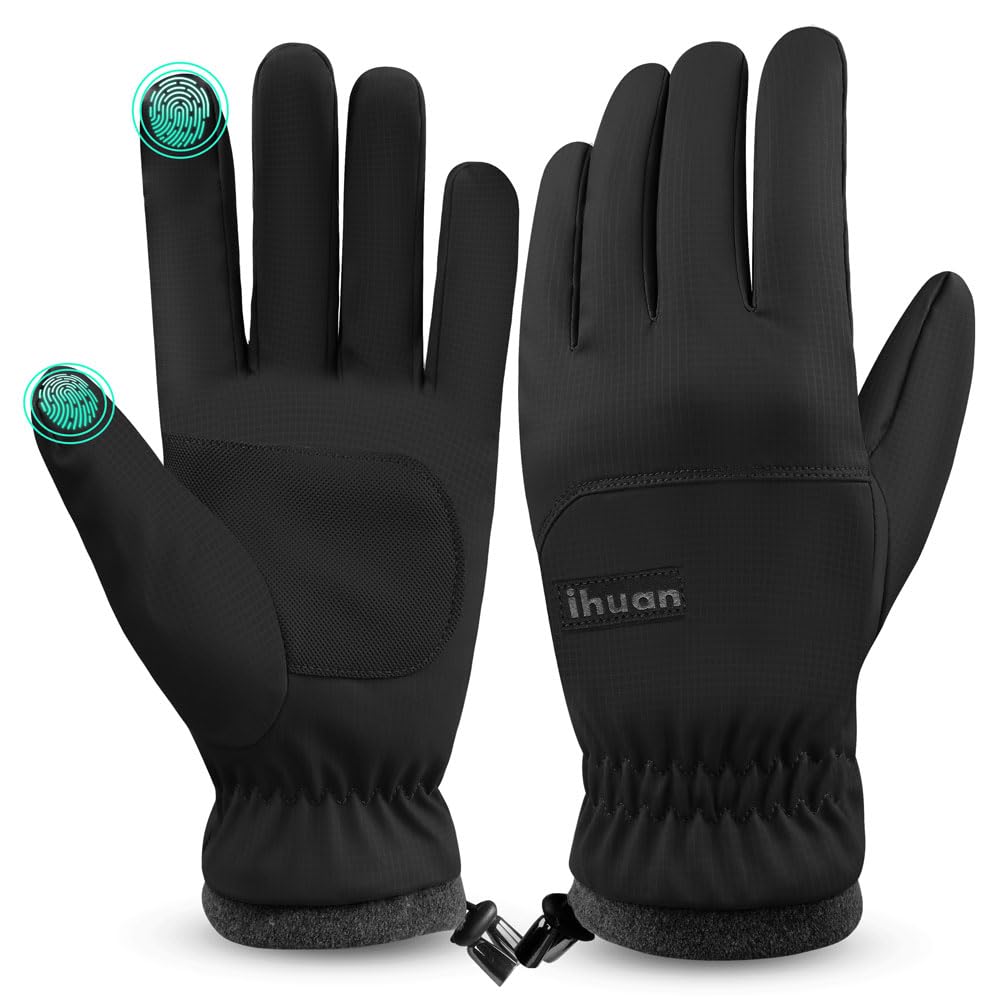
ihuan Waterproof Ski Gloves
Key Features
- Insulation Type: Fleece lining
- Water Resistance: Yes (wrist not waterproof)
- Touchscreen: Yes
- Fit: Runs small
- Price: Budget
Waterproof shell keeps hands dry during snow play and daytime skiing. Fleece lining provides comfort and warmth for 20–32°F conditions. At a budget price, it suits casual snow activities, but warmth drops below 20°F and sizing runs small — order one size up.
Pros
- Good waterproof performance for snow play
- Comfortable and soft interior
Cons
- Warmth may drop below 20°F, limiting use in deeper cold.
A fine pick for light snow play and daytime walks in temperatures above 20°F.
Best for Skiing, Commuting
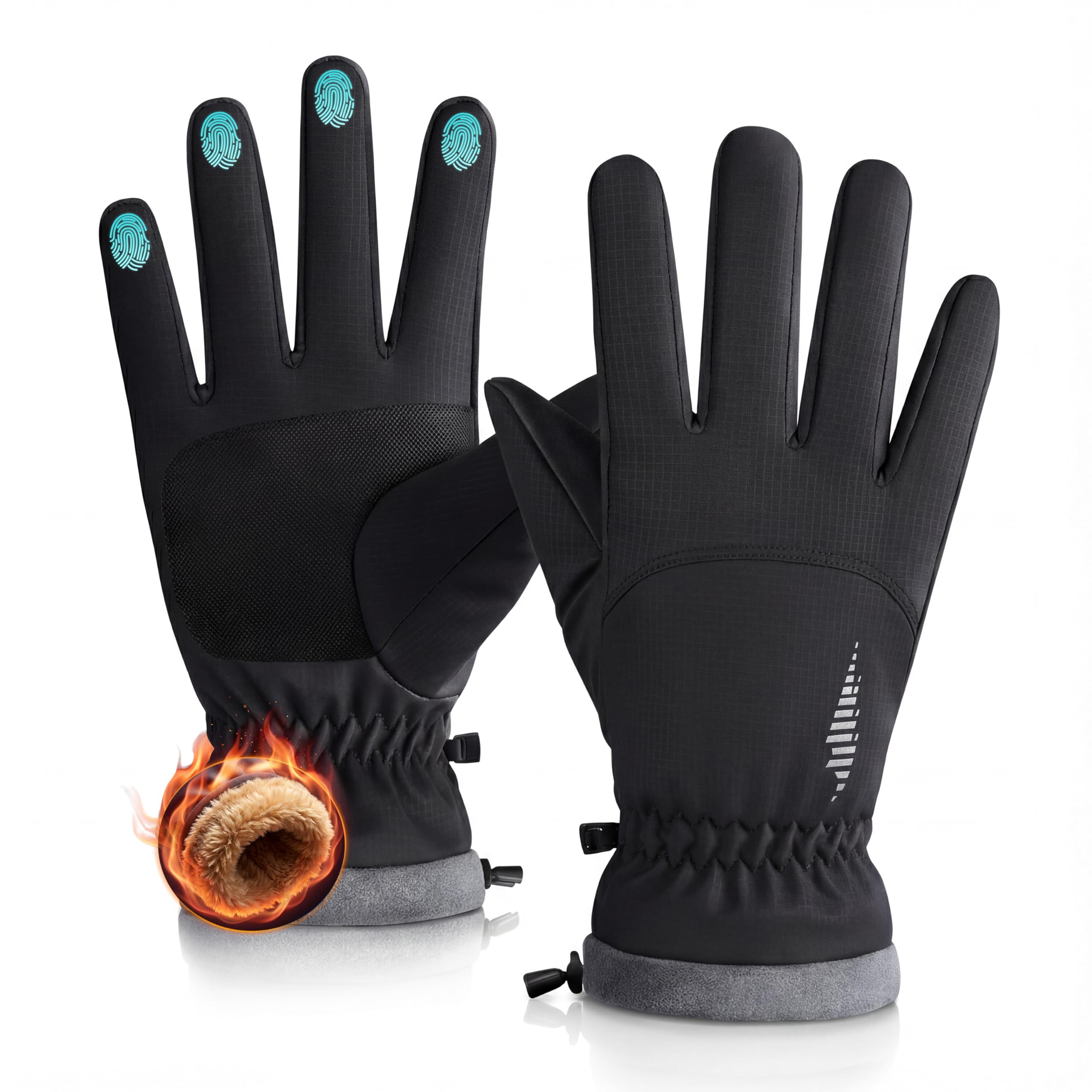
rivmount Waterproof Ski Gloves
Key Features
- Insulation Type: Fleece lining
- Water Resistance: Yes (TPU)
- Touchscreen: Yes (all)
- Fit: Runs small
- Durability: PU leather palm
- Price: Budget
The all-finger touchscreen is a genuine convenience for quick phone checks during cold commutes or walks. Warm fleece lining handles dry cold days well. However, water resistance varies between units, and some users have noted seam separation after moderate use. This glove suits dry-weather commuting and occasional snow play, but not heavy wet conditions or long-term outdoor work.
Pros
- Warm and soft fleece interior keeps hands comfortable in cold, dry weather.
- Touchscreen works on all fingers, making phone use easy without removing gloves.
Cons
- Water resistance can be inconsistent; seam durability may be suspect over time.
Best for dry cold commutes and occasional snow play, but not for heavy wet conditions or extended use.
Best for Driving, Hiking
Bruvoalon Thermal Gloves

Key Features
- Insulation Type: 3M thermal
- Water Resistance: No
- Touchscreen: Yes
- Fit: Inconsistent
- Durability: Lycra
- Price: Mid-Range
Lightweight and comfortable, these gloves offer enough warmth for driving and light hiking in dry, 25–40°F weather. The touchscreen feature can be inconsistent, and the fabric is not waterproof, so they’re best for cool, dry conditions rather than snow or heavy phone use.
Pros
- Lightweight and comfortable
- Good warmth for mild cold above 25°F
Cons
- Touchscreen function may not respond reliably
A decent pick for dry, cool commutes and walks above 25°F, but not suitable for wet snow or frequent phone use.
Best for Driving, Hiking
TRENDOUX Merino Wool Gloves

Key Features
- Insulation Type: Merino wool
- Water Resistance: No
- Touchscreen: Yes
- Durability: Silicone palm
- Price: Budget
The TRENDOUX Merino Wool Gloves combine a soft, non-itchy merino wool blend with good stretch and decent touchscreen responsiveness at a budget-friendly price – suitable for driving and light hikes in fall or spring. However, the thin fabric provides little warmth below 40°F and can show wear under regular use, making them a fair-weather choice rather than a true winter glove.
Pros
- Soft merino wool feels cozy and non-itchy against skin
- Good stretch and fit accommodate larger hands comfortably
Cons
- Thin knit provides minimal warmth when temperatures drop below freezing – better suited for cool fall days
For driving and short walks in mild weather above 40°F, these gloves offer comfort and touchscreen convenience without breaking the bank.
Best for Cycling, Commuting
MOREOK Thinsulate -30F Gloves

Key Features
- Insulation Type: 3M Thinsulate 200g
- Water Resistance: Yes (TPU)
- Touchscreen: Yes (thumb)
- Fit: Runs large
- Price: Mid-Range
Thinsulate 200g keeps hands comfortable in 25-40°F conditions, making them suitable for commuting and light activities. But the -30°F claim is unrealistic; warmth drops below 20°F. Water resistance fails in wet snow and touchscreen is thumb-only and unreliable. Best for mild winter use, not extreme cold.
Pros
- Sturdy construction with quality materials.
- Comfortable warmth for moderate cold down to 25°F.
Cons
- Temperature rating overstates real-world performance; not effective below 20°F.
A reasonable option for mild winter commutes and light outdoor activities, but skip these if you need genuine sub-20°F warmth or wet snow protection.
Best for Casual, Driving
TRENDOUX Touch Screen Gloves

Key Features
- Insulation Type: Thermal knit
- Water Resistance: No
- Touchscreen: Yes
- Durability: Silicone palm
- Price: Budget
For casual use above freezing, the TRENDOUX glove provides basic warmth and comfort at a very low price. The knit material and silicone grip work fine for short walks or driving. But the warmth drops off below 32°F, and the touchscreen coating can be unresponsive — making it a backup pair rather than a primary winter glove.
Pros
- Very affordable — costs less than a coffee and a bagel.
- Comfortable fit for smaller hands, with soft knit that doesn’t itch.
Cons
- Not warm enough for temperatures below freezing.
Best as a spare glove for above-freezing outings, but look elsewhere if you need reliable warmth or touchscreen function.
Best for Jogging, Mild
Achiou Winter Gloves

Key Features
- Insulation Type: Thermal soft knit
- Water Resistance: No
- Touchscreen: Yes
- Durability: Rubber palm
- Price: Budget
This glove combines a soft fleece lining with rubberized palms for decent grip during commutes and jogs. However, it lacks the insulation needed for temperatures below 40°F, and the touchscreen fingertips can be unresponsive. It performs similarly to other entry-level gloves but with the same warmth and touchscreen compromises.
Pros
- Soft fleece interior feels comfortable against skin
- Rubber palm texture improves grip on steering wheels and dog leashes
Cons
- Warmth is insufficient for temperatures below 40°F
Best for mild spring/fall days and cool-weather runs, not for freezing winter conditions.
How to Choose
The single most important factor in winter glove warmth is the insulation material—3M Thinsulate or thick fleece—not the advertised temperature rating.
Insulation Type
3M Thinsulate traps heat without adding bulk, making it ideal for active use where dexterity matters. Generic fleece is cheaper and cozy but loses insulation value when wet. For snow sports or below-freezing hikes, Thinsulate is the reliable choice; for casual walking above freezing, fleece suffices.
Water Resistance
A TPU membrane or DWR coating keeps hands dry in light snow but not in heavy rain or prolonged wet snow. Over time, coatings wear off and membranes can fail at seams. If you frequently handle wet snow, look for a glove with a sealed waterproof layer; for driving or dry cold, a water-resistant shell is enough.
Touchscreen
Conductive threads in fingertips require direct skin contact and often fail with thick linings. Many gloves advertise touchscreen capability but only work on the thumb or index finger, and performance varies by phone. For reliable phone use, prioritize gloves with dedicated touchscreen fingers and be prepared for some warmth loss at the fingertips.
Fit
Almost every budget glove runs small because brands use Asian sizing. A size up ensures proper blood circulation and trapped air for warmth. Too tight restricts flow and causes cold fingers; too loose lets heat escape. Always check reviews for sizing guidance before ordering.
Durability
Leather palms outlast synthetic materials by years under heavy use, but they are not waterproof. Nylon and PU leather are lighter and dry faster but wear out at seams faster. For construction or shoveling, choose full-grain leather with reinforced stitching; for occasional winter sports, synthetic leather is adequate.
FAQ
Why do winter gloves run small?
Many budget brands are sized for smaller Asian hands. Order at least one size up from your normal glove size, especially with brands like Carhartt and TRENDOUX. If between sizes, go with the larger for better warmth.
Do touchscreen gloves actually work?
They work inconsistently. Conductive threads require direct skin contact and often fail with thick linings. For reliable phone use, look for gloves with dedicated touchscreen fingers on thumb and index, but expect reduced warmth at the fingertips.
What temperature rating should I look for in winter gloves?
Ignore marketing claims like ‘-30°F’. Focus on insulation type: 3M Thinsulate C40 is effective down to about 20°F; generic fleece is only good above freezing. Real-world warmth depends on activity level and fit, not the number on the tag.
Are cheap winter gloves worth it for hiking?
For mild hiking above 30°F, budget gloves like Deemii Thinsulate are fine. For cold hikes below 20°F, invest in gloves with reliable insulation and waterproofing; cheap fleece won’t cut it.