This post contains affiliate links. We may earn a small commission when you buy through our links — at no extra cost to you.
Snowshoe shopping often comes down to a single question: can the bindings hold up after a few miles? Many budget models deliver impressive specs on paper but develop loose straps or broken buckles within a season. The real cost of a bargain isn’t the price tag — it’s the frustration of re-tightening on the trail or scrambling for a replacement mid-hike.
This guide focuses on snowshoes that solve that problem. Each pick balances weight, traction, and binding durability so you can spend less time adjusting gear and more time moving. Whether you need maximum grip for steep ice or an affordable set for groomed paths, the options here all pass the same test: they stay secure mile after mile.


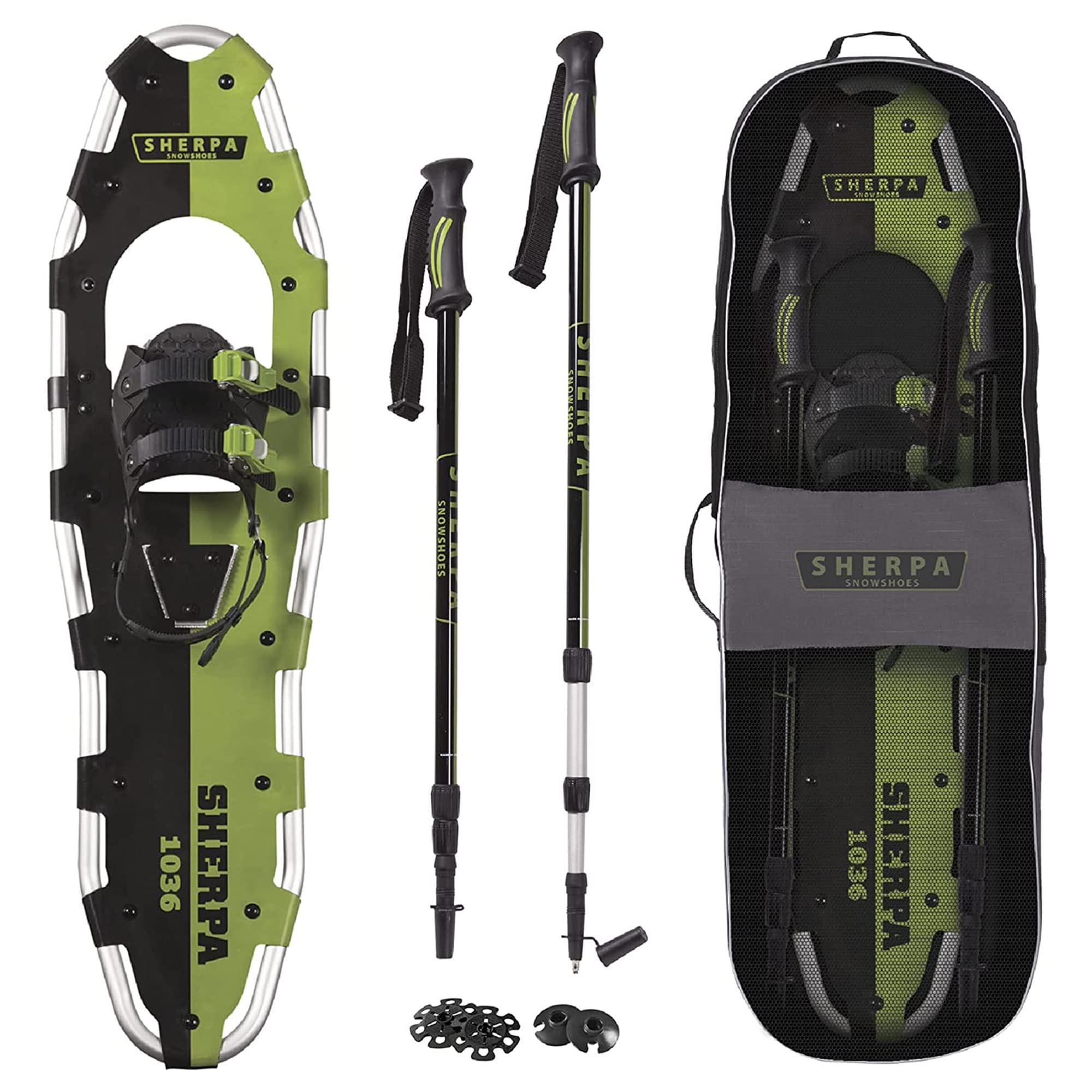

Best for Winter Hiking
Tubbs Mountaineer
Key Features
- Max Weight: 200 lbs
- Weight: ~4 lbs
- Binding: ActiveFit 2.0
- Traction: Aluminum crampons
- Deck Material: Aluminum
- Price: Premium
The Mountaineer’s aluminum frame and crampons deliver consistent grip on steep inclines and packed snow. The ActiveFit 2.0 binding system holds boots firmly without loosening over distance, and the overall weight keeps fatigue low during day-long outings.
This snowshoe is built for dedicated winter hikers who prioritize craftsmanship and plan frequent trips. The premium price reflects that focus, and the 200 lb weight capacity means heavier users will need to consider alternatives. For those who fit the profile, the performance justifies the investment.
Pros
- Sturdy aluminum frame and bindings hold up through seasons of use.
- Bindings stay secure without slipping or undoing on irregular terrain.
- Crampons provide strong bite on ice and packed snow for steep climbs.
Cons
- Premium price limits appeal for casual or occasional hikers.
- 200 lb weight capacity may not accommodate heavier hikers without tails.
The Tubbs Mountaineer is a targeted buy for serious hikers who want durable traction and secure bindings, but only if they fall within the weight limit and budget.
Best for Steep Terrain
MSR Lightning Ascent
Key Features
- Max Weight: 220 lbs
- Weight: 4.33 lbs
- Binding: Paragon
- Traction: Steel DTX crampons
- Deck Material: Alloy steel/plastic
- Price: Luxury
Steel DTX crampons and the Televator heel lift provide aggressive grip on ice and steep slopes, setting this snowshoe apart from all-purpose models like the Tubbs Mountaineer. At 4.33 lbs per pair, it’s impressively light for a technical snowshoe. This is designed for mountaineers and backcountry enthusiasts tackling serious terrain. General winter hikers on packed trails won’t need this level of traction, and the painted crampons show cosmetic wear quickly, though function is unaffected. No gaiters are included at this price.
Pros
- Steel DTX crampons bite aggressively into ice and hardpack for secure footing.
- Lightweight design reduces fatigue on long ascents.
- Bindings hold the foot securely and are comfortable to adjust.
Cons
- Crampon paint wears off quickly, but the effect is only cosmetic.
- Gaiters are not included, an oversight given the premium price.
Best left to those who frequently face ice and steep slopes; for general winter hiking, the Tubbs Mountaineer offers better value and a lower price.
Best for Recreational Hiking
G2 Go2Gether Snowshoes
Key Features
- Max Weight: 250 lbs
- Weight: 6.5 lbs
- Binding: Ratchet with EVA pad
- Traction: Aluminum crampons
- Deck Material: HDPE
- Price: Mid-Range
This G2 package stands out for its low weight and included trekking poles, reducing the upfront investment for new snowshoers. The ratchet bindings are easy to adjust with gloves, and the EVA padding adds comfort on moderate terrain. For first-time buyers on a budget who stick to recreational trails, it delivers solid flotation and a painless starting point. However, individual units may show wear on the rear strap or crampon rivets under frequent use — occasional weekend hikers are less likely to encounter this variance.
Pros
- Lightweight frame reduces fatigue on longer hikes.
- Complete kit with poles and tote bag saves time and money for first-time buyers.
- Ratchet binding system is simple to operate even with heavy gloves.
Cons
- On longer outings, the ratchet straps may loosen and require re-tightening on the trail.
- Heavy or frequent use may reveal premature wear on the rear strap or crampon rivets — a scenario less relevant for occasional recreational hikers.
A cost-effective entry point for weekend hikers, though individual units vary in long-term durability.
Best for Beginners / Families
Odoland Snowshoe Kit
Key Features
- Max Weight: 250 lbs
- Binding: Ratchet with toe/instep/heel straps
- Deck Material: Aluminum
- Price: Mid-Range
The Odoland kit delivers everything a first-time buyer needs in one box: snowshoes, trekking poles, gaiters, and a carrying bag. The ratchet bindings are straightforward to adjust, and the aluminum frame keeps weight manageable. However, the heel strap can slip during use, and the pole baskets may detach in deep powder — a tradeoff for the all-in-one convenience.
This setup suits beginners or families who want one purchase for occasional flat-trail outings. More experienced hikers or those covering uneven terrain will want sturdier bindings and better pole retention found in dedicated accessories.
Pros
- Complete kit includes poles, gaiters, and a bag — no extra purchases needed
- Ratchet bindings are easy to put on and remove without fiddling
- Solid flotation for the price on packed snow and moderate depth
Cons
- Heel strap can loosen during hikes, requiring periodic re-tightening
- Pole baskets may detach in deep snow, limiting usefulness on powder days
The Odoland kit is a convenient starter package for casual winter walks or family outings, but if you plan to hike regularly or in variable snow, invest in separate poles and a sturdier snowshoe.
Best for Heavy Hikers
Yukon Charlie’s Sherpa
Key Features
- Max Weight: 300 lbs
- Weight: 5.0 lbs
- Binding: Quick Click II ratchet
- Traction: Alloy steel
- Deck Material: HDPE
- Price: Mid-Range
The Yukon Charlie’s Sherpa is the go-to option for heavier hikers who need solid flotation on moderate terrain. With a 300-lb weight capacity and quick ratchet bindings, it handles recreational day trips without the premium price. The tradeoff: the bindings can be too small for boots size 13 and up, and occasional quality issues (paint marks, missing accessories) mean it pays to inspect your pair upon arrival. This shoe suits larger individuals sticking to gentle trails rather than technical climbs.
Pros
- Supports up to 300 lbs with good flotation on soft snow.
- Ratchet bindings make entry and exit quick, even with gloves on.
- Delivers solid performance for the cost in the heavy-duty class.
Cons
- Paint marks or missing accessories have been noted on some units.
- Bindings may not secure well on boots size 13 or larger.
Best for heavier recreational hikers who don’t need extreme traction and can confirm their boot size fits the bindings.
Best for Budget Hikers
Retrospec Drifter
Key Features
- Max Weight: 210 lbs
- Weight: 6.7 lbs
- Binding: Double ratchet
- Deck Material: Aluminum
- Price: Budget
The Retrospec Drifter uses double ratchet bindings that fasten quickly, and its lightweight aluminum frame keeps the pair under 7 pounds — a good fit for first-time snowshoers exploring groomed paths. Durability has been a point of variance: some owners see strap wear or rivet breakage after a season of use, and the flat deck can let snow accumulate underfoot on icy terrain, reducing traction. This setup works best for occasional recreational hikes where cost is the primary concern, not frequent backcountry outings.
Pros
- One of the most affordable adult snowshoes available
- Bindings are straightforward to adjust even with gloves on
Cons
- Some units show broken rivets or strap breakage after limited use
- Grip on packed snow and ice can be inconsistent due to snow building up under the deck
A cost-effective starting point for flat-trail outings, but not built for regular or icy terrain.
Best for Day Hikes
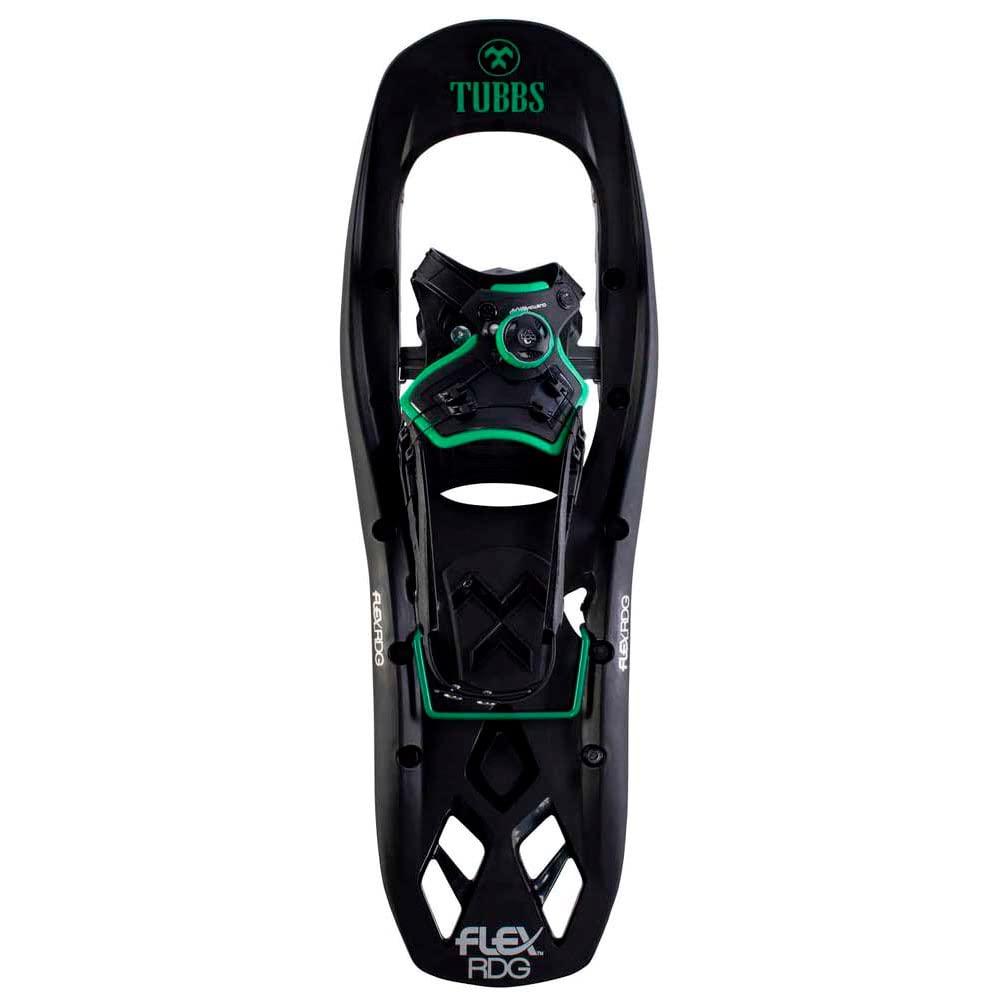
Tubbs Flex RDG
Key Features
- Max Weight: 198 lbs
- Weight: ~3.5 lbs
- Binding: BOA + heel strap
- Deck Material: Aluminum
- Price: Mid-Range
The Tubbs Flex RDG is a lightweight snowshoe (~3.5 lbs) with a BOA binding system that allows precise fit changes on the trail. It handles steep, icy hills well due to solid traction. However, the rear strap can be difficult to adjust with gloves on, and its 198-lb weight capacity means it suits hikers under 200 lbs who value speed over maximum flotation.
Pros
- Lightweight design reduces fatigue on day hikes
- BOA binding enables fast, glove-friendly adjustments
Cons
- Rear strap can be tricky to adjust while wearing gloves
Best for fast-paced day hikers under 200 lbs who want a light shoe with easy binding adjustments and are okay with a tighter weight limit.
Best for Trail Hiking
MSR Evo Trail

Key Features
- Max Weight: 180 lbs
- Weight: 3.6 lbs
- Binding: Paraglide stretch mesh + straps
- Traction: Steel
- Deck Material: Plastic/steel
- Price: Mid-Range
The MSR Evo Trail offers a durable plastic deck and steel traction at a mid-range price, making it a light and easy-to-use option for groomed trails. Its 180-lb weight capacity limits use with heavy gear, and straps may loosen on uneven terrain, so it’s best suited for light hikers sticking to packed snow.
Pros
- High quality plastic deck holds up well on packed trails.
- Lightweight design with simple strap adjustments for quick entry and exit.
Cons
- Straps may loosen on uneven or rocky terrain, requiring occasional re-tightening.
Best for lightweight hikers who stay on groomed trails and don’t need backcountry capability.
Best for Technical Terrain
TSL Symbioz Elite

Key Features
- Max Weight: 300 lbs
- Weight: 4.5 lbs
- Binding: Memory toe + ratchet
- Deck Material: Carbon fiber/aluminum
- Price: Premium
The TSL Symbioz Elite’s carbon fiber frame flexes with the terrain, providing noticeable comfort on rocky, uneven ground. However, the binding strap can rub against the heel and cause blisters in some cases, and the premium cost makes it a niche pick for hikers who prioritize flexibility over budget.
Pros
- Flexible carbon frame reduces fatigue by conforming to uneven terrain
- Bindings with quick toe adjustment and secure ratchet instep
Cons
- Binding strap can rub against the heel, causing blisters on long hikes
Best for experienced hikers who tackle uneven terrain and are willing to fine-tune the binding fit to avoid heel irritation.
Best for Budget Occasional
XtremPro Snowshoes

Key Features
- Max Weight: 300 lbs
- Weight: ~4.7 lbs
- Binding: Ratchet + heel strap
- Traction: 13-point crampons
- Deck Material: Aluminum
- Price: Budget
Affordable snowshoe with functional 13-point crampons and ratchet binding works for occasional packed-snow use. But frame length is disproportionate to weight capacity, creating awkward strides for some. Bindings may require very tight cinching for certain boot sizes. These limitations make it a last-resort for regular hiking.
Pros
- Budget-friendly price undercuts most adult snowshoes.
- Surprisingly solid build quality for the price.
Cons
- Frame length may cause an awkward stride for users with shorter legs or on steeper terrain.
If you need snowshoes for a single winter walk on flat, packed trails and want the lowest price, the XtremPro fits the bill — just verify your boot size and stride length first.
Best for Budget Beginners
AMBIO Snowshoes

Key Features
- Max Weight: 250 lbs
- Weight: ~4.5 lbs
- Binding: Double ratchet
- Deck Material: Aluminum
- Price: Budget
These are the most affordable aluminum snowshoes we’ve seen. They’re lightweight and the double ratchet bindings go on simply. However, accessory kits may arrive incomplete (gaiters reported missing), and long-term durability under regular use is uncertain. Best suited for light, occasional snowshoeing on flat terrain — not for general winter hiking or demanding trails.
Pros
- Very affordable entry point for snowshoeing
- Lightweight aluminum frame with easy-to-use double ratchet bindings
Cons
- Gaiters advertised as included may be missing in some shipments
Works as a low-cost starter pair for kids or adults who only plan to walk on packed snow a few times a season.
How to Choose
Weight capacity ratings assume you are carrying a winter pack — add 20 to 30 pounds to your body weight when choosing a size.
Maximum Weight Capacity
A snowshoe’s max weight rating includes your body weight plus gear. If you weigh 200 pounds and carry a 25-pound pack, you need a rating of at least 225 pounds. Going over that limit causes the shoe to sink, making each step twice as tiring.
Manufacturers often base ratings on ideal conditions. A shoe rated for 250 pounds may struggle in deep powder if the user is at the upper limit. Always round up if you fall between sizes.
Snowshoe Weight
Lighter snowshoes reduce leg fatigue over long days, but lighter materials often cost more. A pair under 5 pounds is ideal for day hikes; heavier 6+ pound models can feel like lead after five miles. The trade-off is durability: heavier frames like HDPE are less prone to cracking than ultralight plastic decks.
For recreational use, a 5-6 pound pair strikes a good balance. Everyone going above 6 pounds should expect extra effort on every step.
Binding Type
Ratchet bindings are common on budget and mid-range snowshoes. They are easy to adjust with gloves but can freeze up or loosen as ice builds in the buckle mechanism. BOA systems use a dial and cable that perform more consistently in cold, wet conditions, though they cost more.
Traditional strap bindings (like on MSR Evo models) rely on friction and can slip if not cinched tightly. The most secure designs use a heel locator or cup that keeps your boot from sliding forward, which reduces the need to re-tighten.
Traction System
Crampons are the teeth that bite into snow and ice. Larger, more numerous crampons (12 or more points) provide better hold on steep terrain but can catch on twigs or rocks. Smaller 8-point sets are fine for packed trails but may leave you slipping on hard ice.
Steel crampons last longer and grip better than aluminum, but they add weight. Some premium models use modular traction frames that you can flip down for extra bite on climbs. For recreational hiking on moderate slopes, aluminum crampons are adequate.
Deck Material
The deck provides flotation. HDPE (high-density polyethylene) is cheap and durable but heavier and less rigid than aluminum. Aluminum decks are lightweight and allow for a more responsive feel, but they dent more easily on rocks. Carbon fiber is the lightest and strongest but comes at a premium price.
For most hikers, a solid aluminum frame with a synthetic deck offers the best mix of weight, cost, and durability. Avoid pure plastic decks on budget models if you plan to hike on rocky or icy terrain — they can crack under stress.
FAQ
What size snowshoes do I need for a 200-pound man with gear?
For a 200-pound person carrying a 25-pound pack, you need a snowshoe rated for at least 225 pounds. A 30-inch model with a 250-pound capacity is a safe choice for general winter hiking. If you expect deep powder, size up to a longer shoe for better flotation.
How do I keep snowshoe bindings from coming loose?
Ensure the heel strap sits snugly against your boot heel, not on the sole. Tighten ratchets firmly at the trailhead and check after the first 100 yards. In wet snow, warm the buckle mechanism with your hands to prevent ice build-up. For problematic straps, consider swapping to a BOA system or adding a strap lock.
Are cheap snowshoes from Amazon worth buying?
For occasional use on packed snow, budget models under $70 can work fine, but expect shorter lifespan and potential strap or buckle failures. If you hike more than a few times a season, spending $100–$200 on known brands like Tubbs or MSR avoids early breakdowns and keeps you on the trail longer.
Do I need heel lifters on snowshoes for flat trails?
No. Heel lifters (Televators) reduce calf strain only on steep, sustained ascents. On flat or rolling terrain, they just add weight and complexity. Only models designed for backcountry mountaineering (like the MSR Lightning Ascent) include them; they are unnecessary for recreational hiking.