This post contains affiliate links. We may earn a small commission when you buy through our links — at no extra cost to you.
Ski gear sizing is a gamble: one brand’s medium fits like a large, another cuts short. Zippers fail after a season, seams rip at stress points. The real question isn’t which brand has the highest rating — it’s which jacket or pant matches your build and use pattern.
This guide focuses on the core trade-off: premium insulation for extreme cold versus lightweight versatility for mixed conditions. It helps you match your ski style to the right balance of waterproofing, insulation, and fit, so you don’t end up with a coat that’s either too heavy or too cold.
Established brands like Helly Hansen, Spyder, and The North Face dominate the mid-to-premium tiers, but budget challengers often sacrifice long-term durability and precise sizing. Knowing where to spend and where to save keeps you dry and comfortable on the slopes.



Best for Extreme Cold Touring
HH Alpha LIFALOFT
Key Features
- Waterproofing: DWR treated
- Insulation: LIFALOFT synthetic
- Fit Accuracy: May run short
- Pockets: Battery saver pocket
- Price: $$$$
LIFALOFT synthetic insulation delivers warmth comparable to down without the bulk, keeping you comfortable during high-output skiing. The battery saver pocket and zippered pockets are thoughtfully placed for ski essentials. Build quality holds up well across demanding conditions.
This jacket suits serious skiers and backcountry tourers who prioritize mobility and breathable warmth over a longer parka cut. Those who prefer extended lower-back coverage should look elsewhere. Zipper mechanism may feel stiff initially or show wear over time — most units remain functional, but variance exists.
Pros
- Exceptional warmth-to-weight ratio keeps you warm without added bulk.
- Build quality is consistent and holds up to heavy use.
- Pockets are comfortable and well-placed for ski gear.
Cons
- Jacket length suits active use but may not cover the lower back for some skiers.
- Zipper can feel stiff initially or experience wear over time – a known variance.
For dedicated cold-weather skiers who value warmth and mobility over coat length, this jacket excels — provided you inspect the zipper early on.
Best for Mild Conditions Layering
HH Crew Hooded Midlayer
Key Features
- Waterproofing: HELLY TECH waterproof
- Insulation: None (shell only)
- Fit Accuracy: Slightly small
- Pockets: Zippered hand pockets
- Price: $$
Helly Hansen‘s Crew Hooded Midlayer 2.0 brings consistent water resistance and breathability to conditions where heavy insulation isn‘t needed. Its polyester shell handles light rain and wet snow, while the hooded design adds coverage under a ski jacket. Compared to the Alpha LIFALOFT’s focused cold-weather insulation, this midlayer prioritizes flexibility across mild mountain days and daily errands.
This midlayer fits skiers who want a do-it-all layer for moderate temperatures above 20°F and urban wear. The tradeoff is clear: in deep winter you‘ll need an insulating base or shell to stay warm. Also, the cut runs slightly small, so ordering up a size can improve layering comfort.
Pros
- Build quality holds up through repeated use.
- Shell sheds light rain and wet snow effectively.
- Lightweight design moves easily under a shell without restricting motion.
Cons
- Not warm enough for sub-20°F days without extra layers.
- Fit runs slim; larger builds may need to size up for layering.
For skiers who split time between resort laps and city streets in mild winters, this midlayer delivers the right balance of weather protection and comfort.
Best for Layering under Shell
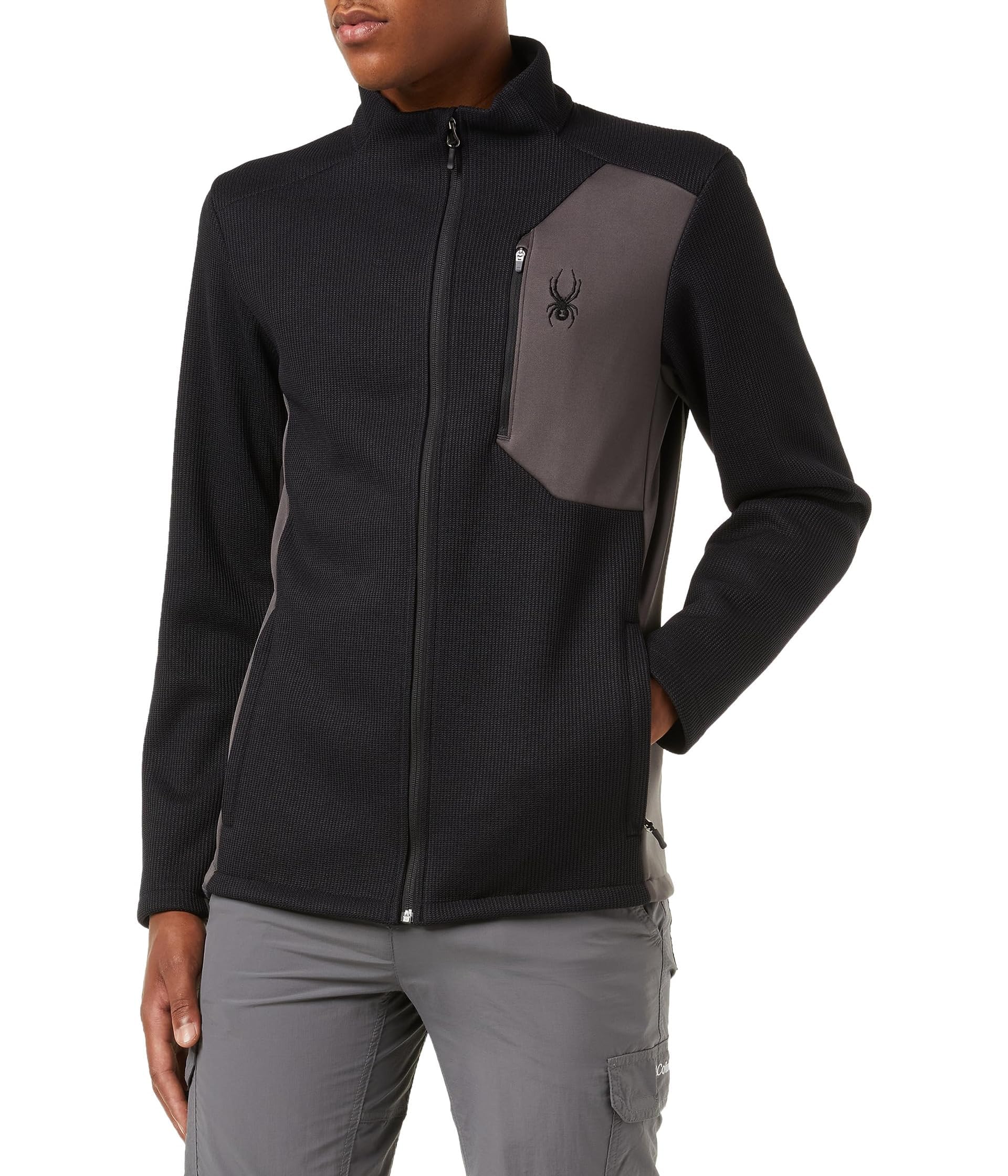
Spyder Bandit Midlayer
Key Features
- Insulation: Fleece lining
- Fit Accuracy: Slim, long sleeves
- Pockets: Full zip
- Price: $$
Spyder’s Bandit Midlayer combines high-quality construction with a trim, athletic fit that works well under a shell. Unlike the top pick’s stand-alone insulation for deep cold, this midlayer is best paired with a shell for warmth. The slim cut and longer sleeves suit layering but buyers with a broader build may find the fit restrictive.
Pros
- High-quality construction from Spyder
- Warmth without bulk for layering
Cons
- Slim cut and long sleeves may not accommodate all body shapes
A well-constructed midlayer that suits style-conscious skiers willing to layer — the trim fit is its defining feature and limitation.
Best for Cold Climates Women
HH Alphelia Lifaloft
Key Features
- Waterproofing: HELLY TECH
- Insulation: LIFALOFT
- Fit Accuracy: Runs small
- Pockets: Pockets for small phones
- Price: $$$$
The Alphelia Lifaloft delivers LIFALOFT synthetic insulation’s warmth without the weight of traditional ski jackets, paired with Helly Tech waterproofing that keeps wet snow at bay. This women’s cut runs trim — sizing up ensures proper layering — and the streamlined design works equally well on the slopes and around the lodge. Best for women who want a lightweight, warm jacket for cold resort days and are comfortable with a size adjustment.
Pros
- LIFALOFT insulation delivers high warmth-to-weight ratio, keeping you warm without heavy bulk.
- Streamlined and stylish design transitions from slopes to après without looking bulky.
Cons
- Pockets too small for large smartphones; better suited for lift pass and small items.
A lightweight, warm jacket for women who prioritize fit and style — just plan to size up and keep your phone in a pant pocket.
Best for Tall Men Skiers
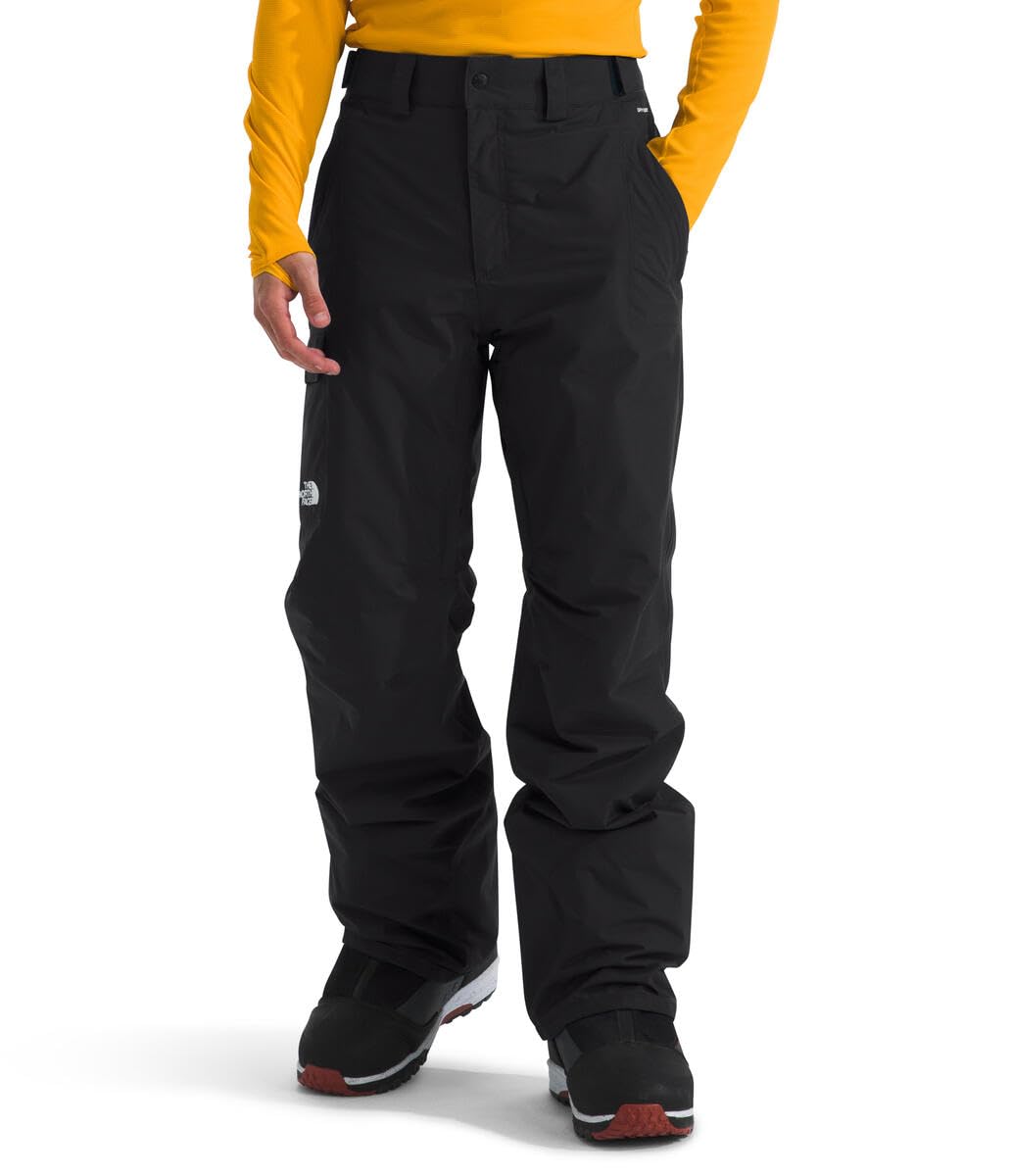
TNF Freedom Pant
Key Features
- Waterproofing: Yes (not specified)
- Insulation: Yes
- Fit Accuracy: Very long inseam
- Price: $$
The Freedom Pant stands apart from bib options by offering a classic pant silhouette with a generous inseam that tall skiers will appreciate. It provides solid warmth and protection on the slopes, and the regular fit works well for those who don’t want a slim cut. However, the extra length means shorter skiers will need alterations – this is a pant built for taller frames, not a one-size-fits-all solution.
Pros
- Solid build quality that holds up through multiple ski seasons.
- Keeps you warm and dry on the slopes even in wet snow.
- True to size waist and hip measurements for most builds.
Cons
- Waistband can feel loose on some body types, requiring a belt or adjustment.
Tall skiers who need extra inseam length will find these pants a solid choice – just factor in a trip to the tailor if you’re not on the taller side.
Best for Snowboarders & Skiers
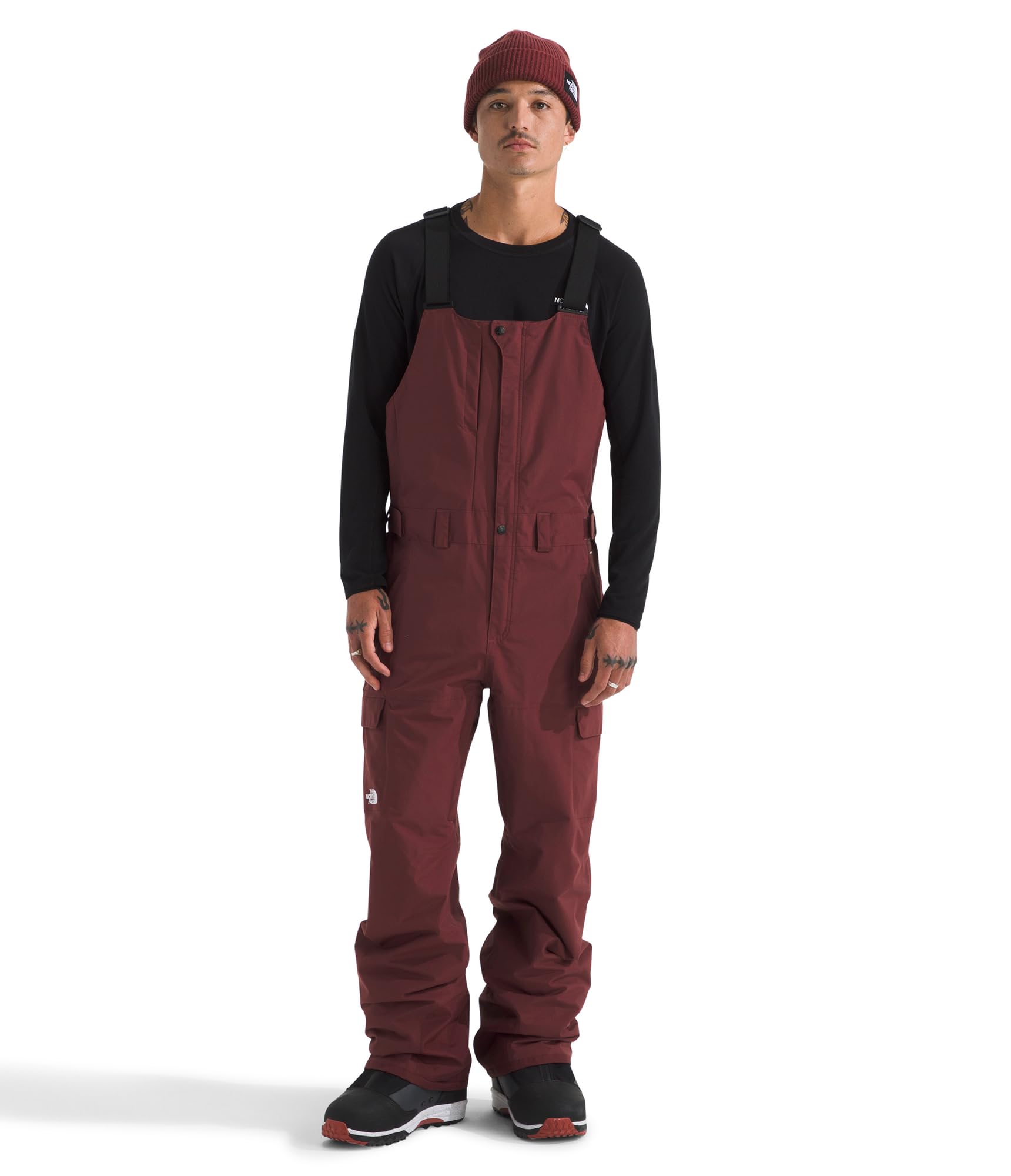
TNF Freedom Bib
Key Features
- Waterproofing: Yes
- Insulation: Yes
- Fit Accuracy: Excellent for many
- Pockets: Built-in gaiter
- Ventilation: Mesh lined
- Price: $$$
The Freedom Bib offers a precise fit and full snow protection thanks to its built-in gaiter and bib design that eliminates snow entry at the waist. Compared to standard ski pants, this style is better suited for skiers and snowboarders who want coverage without belts shifting. The limited long-term feedback means durability over multiple seasons is not yet confirmed, but initial reports show high satisfaction with fit and warmth.
Pros
- Secure fit that accommodates a range of body types without restriction.
- Full snow protection with built-in gaiter keeps powder out effectively.
- Sturdy construction with durable materials for long-lasting use.
Cons
- Long-term durability under heavy use remains unverified due to limited field reports.
For skiers who value fit and snow protection, this bib from a established brand is a strong choice, though those planning multiple seasons of hard use may want more long-term data.
Best for Budget Occasional Use
FREE SOLDIER Ski Jacket

Key Features
- Waterproofing: Fully taped seams
- Insulation: Fleece lined
- Fit Accuracy: Inconsistent fit
- Price: $
The FREE SOLDIER jacket delivers impressive warmth and water resistance for its budget-friendly price point. However, seam tearing has been noted after some use, and the fit may not suit all body types — sleeves can be short for taller skiers.
Pros
- Provides substantial warmth for cold days without a high price tag.
- Offers solid water resistance with fully taped seams.
Cons
- Seam tearing possible with frequent use; sleeve length may be short for some builds.
Best suited for budget-conscious skiers making occasional resort trips who prioritize immediate warmth over long-term consistency.
Best for Women Style Warmth
Obermeyer Ski Jacket

Warm, lightweight, and flattering — this jacket suits casual skiing and layering. But velcro attachments may loosen over time, and the slim cut runs small; sizing up is recommended. These durability concerns keep it from competing with higher-tier options.
Pros
- Very warm for winter activities
- Flattering fit and stylish design
Cons
- Velcro closure may detach after extended use
A mid-range choice for women who value warmth and style over long-term durability.
Best for Obermeyer Trust Buyers
Obermeyer Foundation Jacket
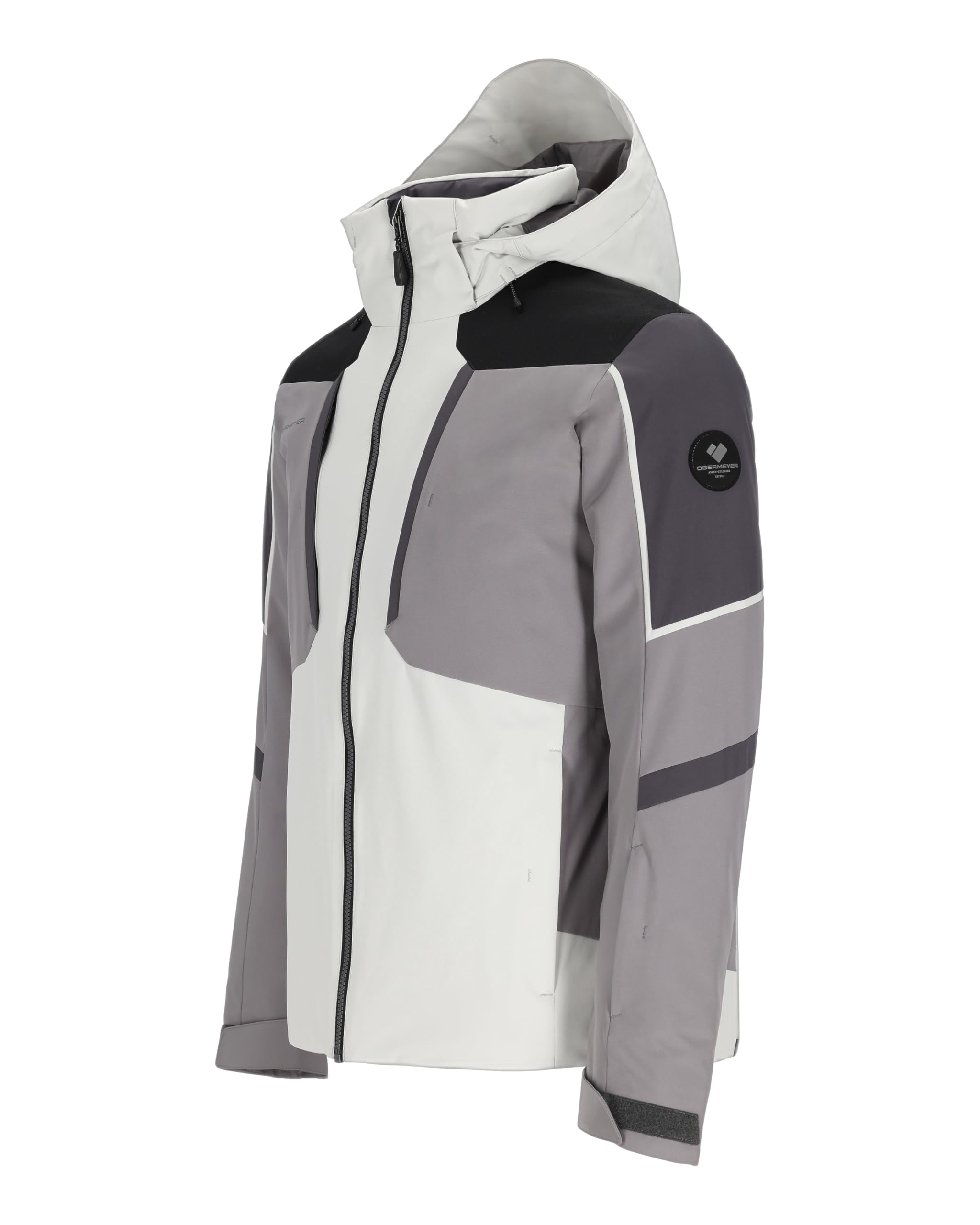
Solid construction from a trusted brand with no major flaws. This Obermeyer jacket offers the quality you’d expect from a ski-household name: clean stitching, a comfortable fit, and well-placed pockets that keep essentials accessible. The warmth suits typical resort days without unnecessary bulk.
The catch is that there’s no publicly listed price, making it harder to size up value next to competitors like Helly Hansen or The North Face. If you’re already sold on Obermeyer and don’t need to comparison-shop by price, this jacket delivers dependable performance.
Pros
- Top-quality construction with strong stitching and durable materials.
- Warm and comfortable for resort skiing without feeling heavy.
Cons
- Price information missing, which complicates direct value comparisons with similar jackets.
Best for shoppers who already trust Obermeyer and want a well-made jacket without needing to cross-shop by price.
Best for Kids Snow Play
HH Rider 2 Kids Bib

Key Features
- Waterproofing: HELLY TECH Performance
- Insulation: Yes
- Fit Accuracy: Good for kids
- Price: $$
The Helly Hansen Rider 2 bibs offer effective warmth and water resistance for day-long snow play, with a fit well-suited to active kids. The boot straps can break under tension – a frustration parents should factor in. This bib works best for families who can handle occasional strap repairs.
Pros
- Keeps kids warm and dry through a full day on the slopes.
- Quality construction and fit that accommodates growing children.
Cons
- Boot straps can detach under stress, requiring repair or replacement.
This bib suits parents who prioritize warmth and fit and are willing to address the occasional strap issue. It works for families with a sewing kit or warranty patience.
Best for Tall Women Warmth
HH Legendary Ski Pants
These pants deliver reliable warmth, breathable thigh venting, and a stylish design for active skiing. The cut runs long and the waist fits loosely, which suits taller women but limits appeal for average heights or curvier builds.
Pros
- Warm and well-ventilated for active use
- Comfortable high-quality build
Cons
- Fit runs long and waist is loose, best suited for taller women
Best for tall women who prioritize warmth and ventilation over a tailored fit.
Best for Maximum Hand Warmth
Hestra Leather Mitt

Key Features
- Waterproofing: Leather
- Insulation: Yes
- Fit Accuracy: Narrow short fit
- Price: $$
These mittens deliver serious warmth from a thick leather shell and dense insulation, exactly what cold-handed skiers want. The narrow cut and short fingers mean buyers with average-to-wide hands or anyone needing pole adjustments will likely struggle; this mitt works best when hand warmth is the only priority and fine motor tasks can be minimized.
Pros
- Exceptional warmth for bitter-cold chairlift rides and deep snow days.
- Sturdy leather construction that holds up to regular ski use.
Cons
- Sizing runs narrow and short, which can create pressure on wider hands or long fingers.
If your hands are slender and you prioritize warmth over dexterity, these mittens deliver. Skip them if you need roomy fit or easy pole handling.
Best for Beginners Occasional
Retrospec Comstock Helmet

Key Features
- Insulation: EPS foam
- Fit Accuracy: Variable fit
- Ventilation: 10 adjustable vents
- Price: $
The Comstock delivers good warmth and a comfortable fit for most head shapes at a budget-friendly price. It suits beginners and casual skiers, but durability limitations (scratches and ear pads that can detach) and fit variability keep it from matching premium brands for aggressive or frequent use.
Pros
- Exceptional warmth and protection for the price.
- Adjustable ErgoKnob dial and 10 vents for comfort across conditions.
Cons
- Outer shell scratches easily; ear pads may break under heavy use.
A sensible budget buy for occasional resort trips or first-time skiers who prioritize cost over long-term ruggedness.
How to Choose
The single most important insight: a jacket’s warmth-to-weight ratio matters more than brand prestige for active skiing.
Waterproofing
Waterproofing is measured by a membrane or coating that blocks liquid water while allowing vapor to escape. A jacket with taped seams and a DWR finish will hold up in wet snow, but under sustained pressure from a backpack or sitting on the chairlift, even high-end membranes can wet out without proper maintenance. For resort skiing, a fully taped shell with a durable water repellent is sufficient. For backcountry or heavy precipitation, look for a breathable membrane like Helly Tech that balances moisture management.
Insulation
Insulation comes in two forms: down and synthetic. Down offers the best warmth-to-weight ratio but loses all insulating power when wet. Synthetic fills like LIFALOFT retain warmth when damp and dry faster, making them ideal for sweaty uphill climbs or wet conditions. The trade-off is bulk: a heavily insulated jacket can restrict movement and pack larger. For a one-jacket quiver, a midweight synthetic with a shell layer gives you the flexibility to add or remove layers as conditions change.
Fit and Sizing Accuracy
Fit is the most personal spec and the most common complaint. A jacket that is too short allows snow to sneak in when you bend; pants that are too long create a tripping hazard. Sizing varies dramatically even within the same brand: some cuts are designed for athletic builds, others for layering over bulky base layers. Always check recent reviews for your specific body type before buying, and expect to size up if you intend to wear thick midlayers underneath.
Pockets
Pockets are not all equal. A battery-saver pocket keeps your phone warm and accessible, but many ski jackets have pockets too small for modern smartphones. Chest pockets are ideal for goggles or lift tickets, while hand-warmer pockets should be positioned above the hip belt. For backcountry skiers, a dedicated avalanche transceiver pocket with a clip is a safety feature worth seeking. Prioritize pocket count and placement based on what you carry: phone, wallet, snacks, or a radio.
Ventilation
Ventilation zippers under the arms (pit zips) or along the thighs allow you to dump heat without removing layers. They are essential for high-effort activities like skinning uphill or hiking in boots. The trade-off is a potential entry point for snow and moisture if the zippers aren’t backed by a mesh or flap. Look for two-way zippers that let you open from the bottom to vent while wearing a hip belt or pack.
FAQ
Why does my Helly Hansen jacket fit differently than the size chart suggests?
Helly Hansen designs many of its jackets with a Scandinavian athletic cut, which runs trimmer than American brands. For an insulated jacket like the Alphelia, sizing up ensures room for a midlayer. Always cross-check the specific product’s recent reviews for fit guidance rather than relying solely on the size chart.
Are budget ski jackets like FREE SOLDIER actually waterproof for a full day on the slopes?
Budget jackets with fully taped seams and a fleece lining can handle light snow and occasional wetness, but they lack the breathable membrane needed for sustained moisture management. After a few hours of active skiing, condensation builds up inside, leading to dampness. They work best for short resort days or as an emergency layer, not for backcountry or heavy precipitation.
What should I look for in ski bibs to avoid wet snow getting in?
A bib with a built-in gaiter or powder skirt that wraps around your torso, combined with elastic suspenders that keep the bib snug, prevents snow from entering at the waist. Look for leg zippers that allow easy on/off over boots without compromising the seal. Thigh zippers also help with ventilation without breaking the perimeter.
How long should a premium ski jacket last before needing replacement?
A well-maintained premium jacket from brands like Helly Hansen or The North Face typically lasts 5–8 seasons with regular DWR reapplication and proper washing. Zippers and seams are the first to fail; leather or high-wear patches can extend life. If you ski fewer than 20 days per year, expect closer to 10 years before the insulation compresses or the outer membrane delaminates.