This post contains affiliate links. We may earn a small commission when you buy through our links — at no extra cost to you.
Every backpacker knows the feeling: you’re hiking uphill, the rain starts, and within minutes you’re soaked from the inside out. Most rain jackets either trap sweat or let water in, leaving you choosing between wet and wetter.
The problem isn’t that waterproof jackets don’t work – it’s that breathability often gets sacrificed. A jacket that seals out rain but locks in moisture is only useful at a standstill. On the move, you need ventilation, especially during climbs.
This guide focuses on the trade-off between waterproofing and breathability. The right jacket balances a sealed membrane with features like pit zips to dump heat, so you stay dry from both sides.
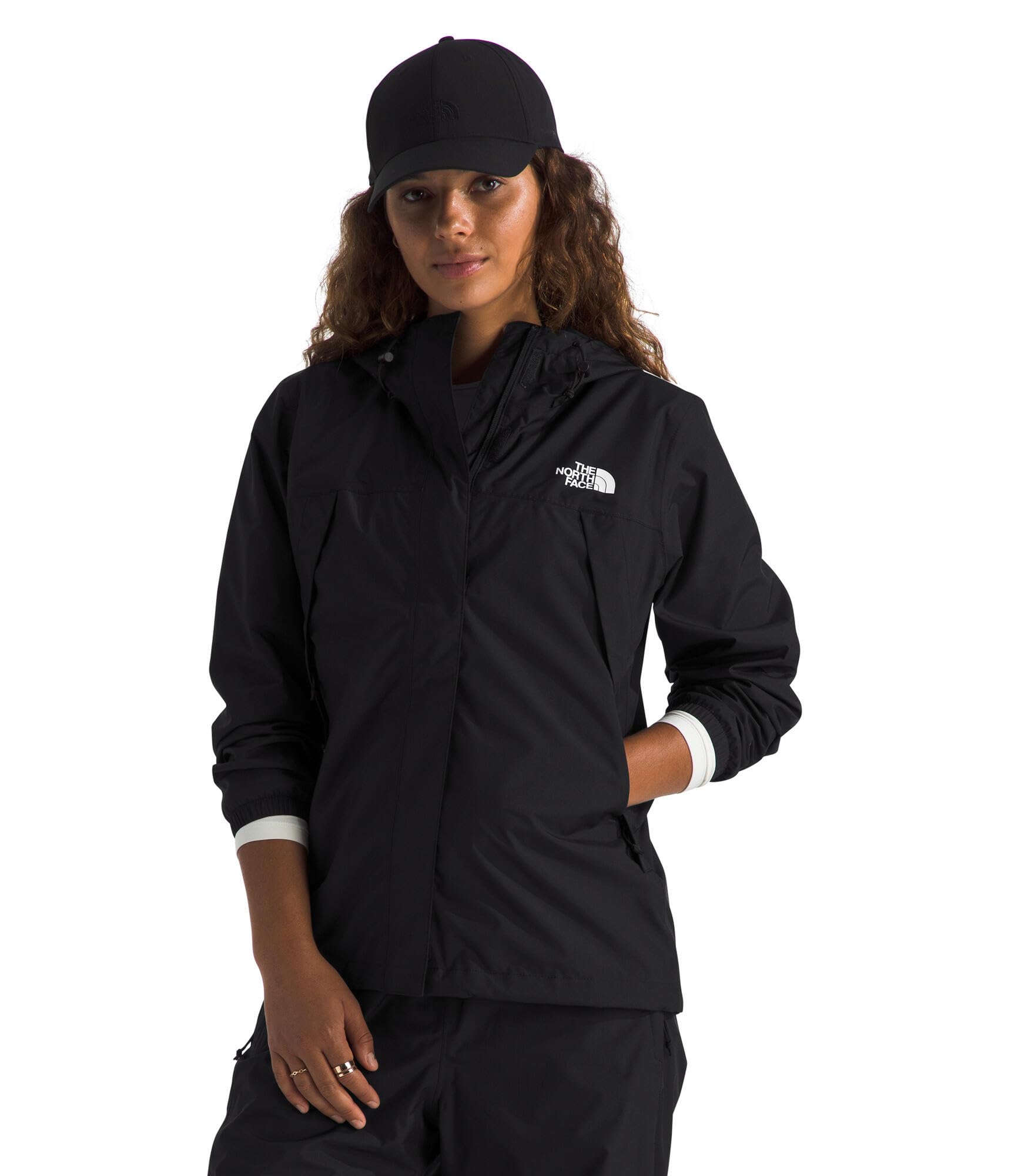

Best for Breathable Eco Shell
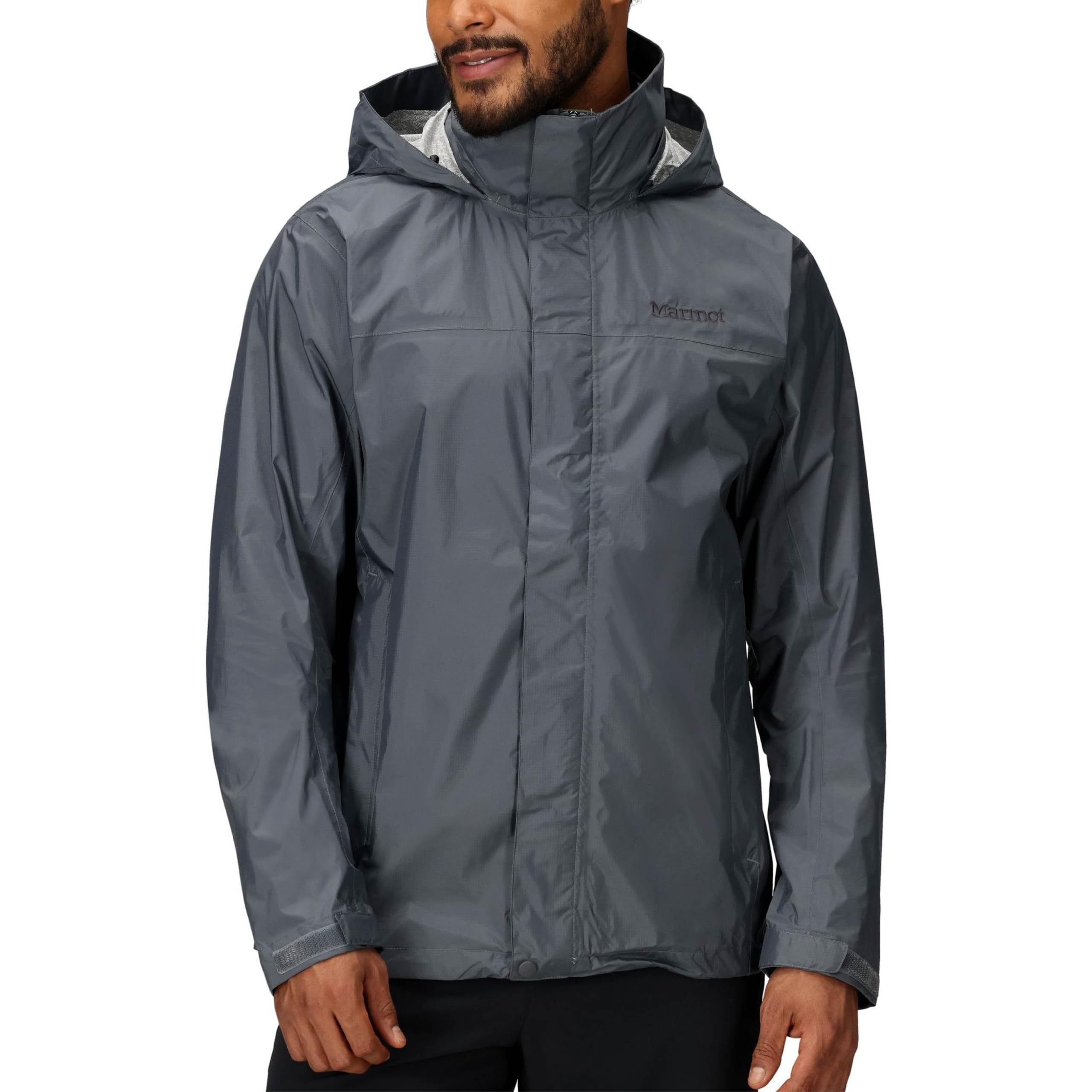
Marmot Precip Eco
The Marmot Precip Eco weighs under 11 ounces and packs into its own pocket, but its defining feature is the pair of pit zips that let heat escape during steep climbs. The NanoPro membrane handles moderate rain without feeling as clammy as typical budget rain jackets, making it a comfortable choice for day hikes and multi-day trips alike.
The hood is generously sized and adjustable, though the drawcords can be fiddly to tighten evenly on a windy ridge – a minor annoyance that doesn’t affect overall protection. The fit runs slightly roomy, which accommodates a light mid-layer but may feel loose for those accustomed to athletic cuts.
This shell suits backpackers who prioritize breathability and want to minimize pack weight without spending over $100. Eco-conscious hikers will appreciate the recycled materials. The DWR coating will need periodic reapplication to stay fully waterproof in prolonged heavy rain – a maintenance step that fits the light-and-fast backpacker who carries a small bottle of Nikwax. If you hike in wet climates and push a high pace, the pit zips make this worth the extra cost over cheaper jackets that lack ventilation.
Pros
- Pit zips and NanoPro membrane keep air moving during strenuous climbs – noticeably cooler than sealed shells.
- Weighs just 10.9 oz and stows into its own pocket – easy to carry on multi-day trips.
- Made from 100% recycled materials without sacrificing waterproof performance – a practical eco option.
- Offers pit zips and packability at a mid-range price – a compelling package for cost-conscious backpackers.
Cons
- Hood adjusters can be fiddly to cinch evenly in windy conditions, especially with a helmet underneath.
- Fit is slightly roomy – fine for layering but may feel loose if you prefer a trim athletic cut.
For backpackers who want breathability without stepping up to a premium Gore-Tex shell, the Precip Eco’s pit zips and light weight make it a clear frontrunner.
Best for Budget Day-Hike Shell
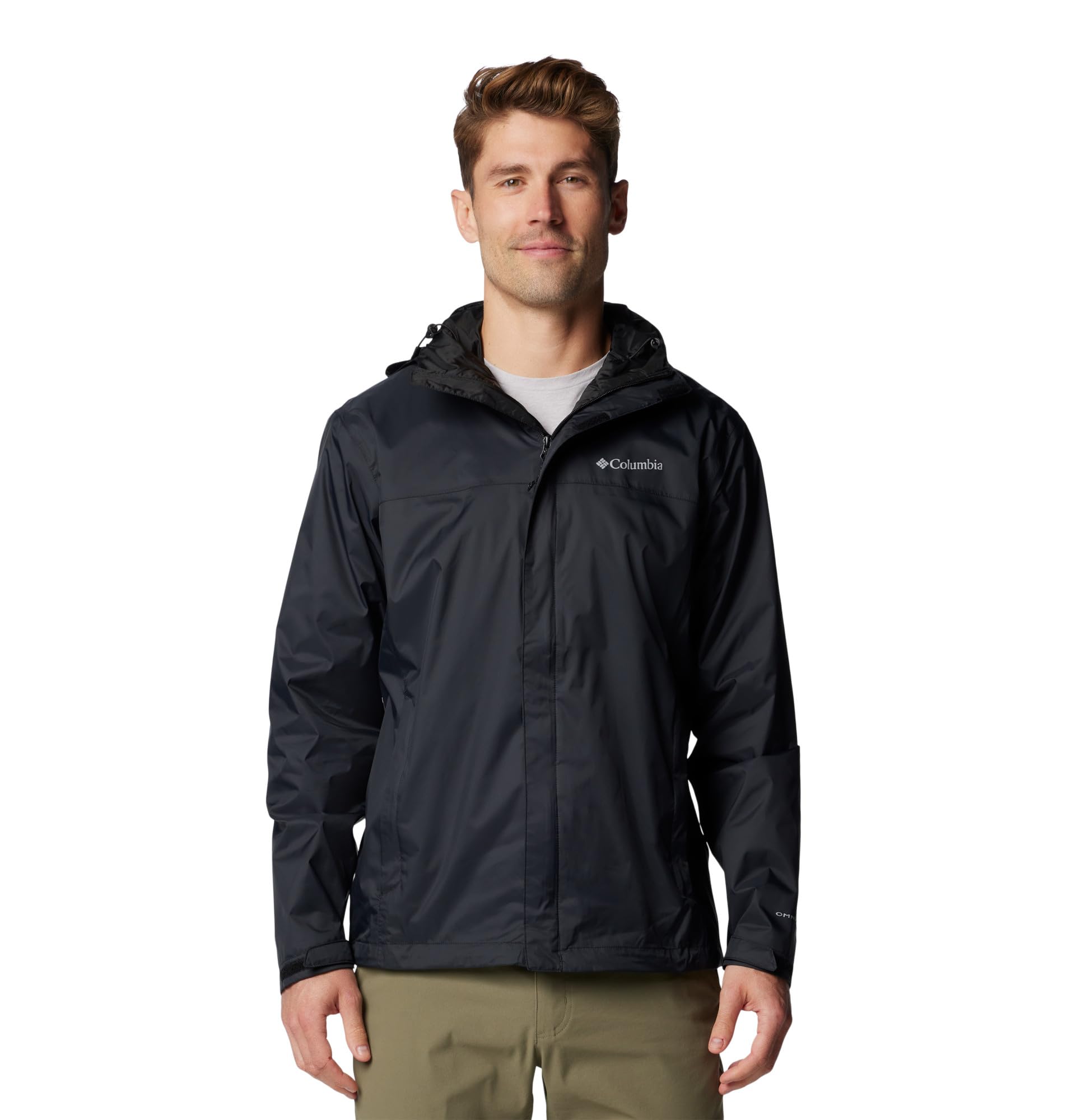
Columbia Watertight II
The Columbia Watertight II delivers strong water resistance that holds up in steady rain and wind, matching jackets costing twice as much. It packs down small and weighs little, so it disappears into a daypack without complaint. Where the top pick adds pit zips for breathability, the Columbia skips them to keep the price down – a clear compromise for budget-focused buyers.
This jacket fits day hikers and occasional backpackers who want a straightforward shell for light rain. For high-output activity or sustained exertion, the lack of pit zips makes it feel clammy – that is when the Precip Eco becomes the better pick. Sizing runs generous, so those with a slim build may find the cut bulky.
Pros
- Strong water resistance for the price
- Lightweight and packs small
- High value – performs like pricier alternatives
Cons
- For slim builds, the roomy cut may feel bulky
- Without pit zips, breathability is limited during strenuous hikes
A solid budget shell for day hikes and casual use – but if you hike hard or in wet climates, spend the extra on the Precip Eco.
Best for Women’s Budget Shell
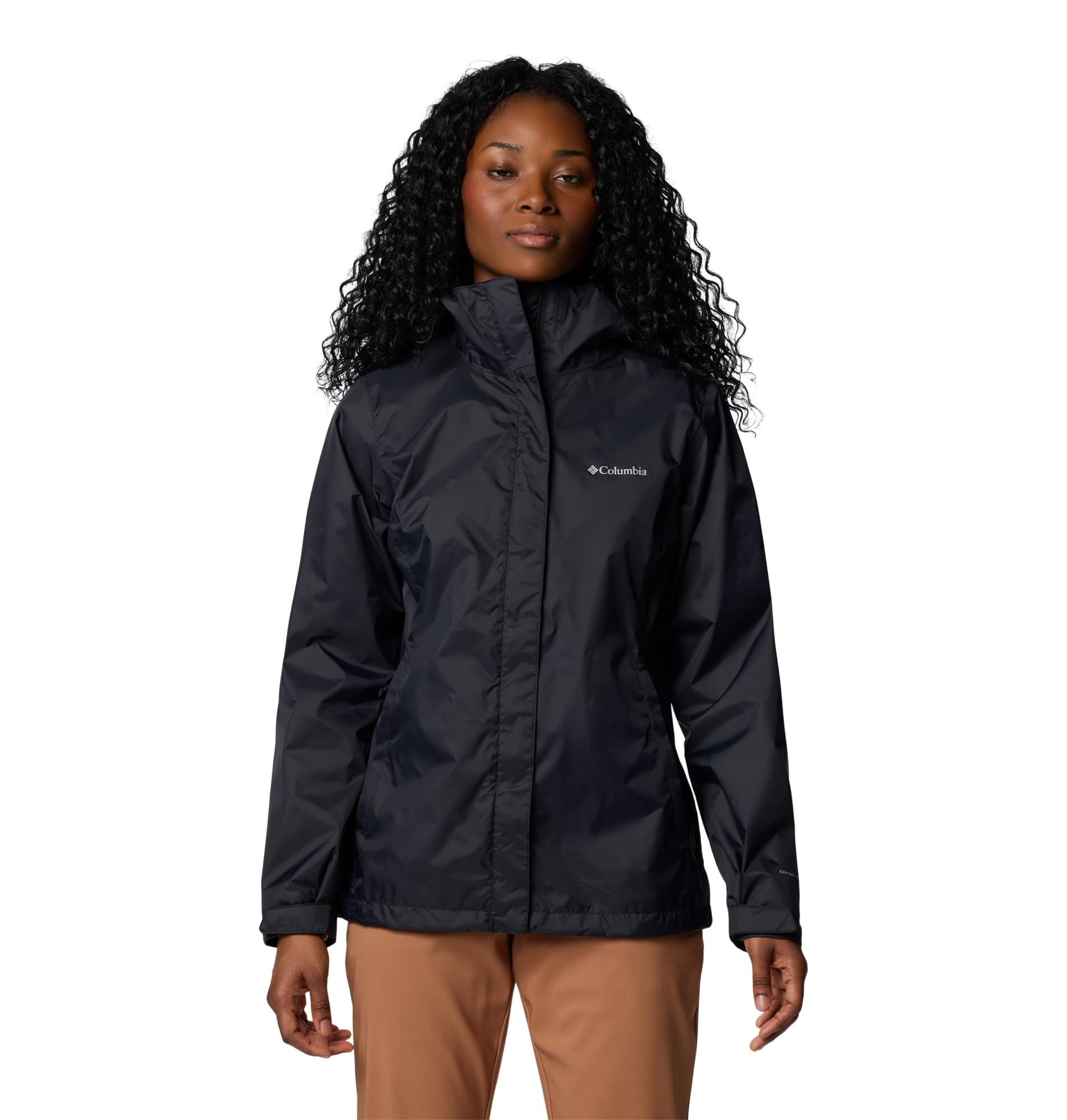
Columbia Arcadia II
The Columbia Arcadia II stands out in the budget category for its broad color selection and flattering cut, backed by strong feedback on water resistance in rain and snow. Unlike the top-pick Marmot Precip Eco, it omits pit zips for ventilation, making it better suited for low-exertion activities like short hikes or urban commuting than for high-output backpacking.
This jacket works well for women seeking a lightweight, packable rain layer for travel or daily wear. Its compact size stows easily in a daypack. However, the jacket runs small – ordering one size up is recommended for layering. The hood may also be too snug for use over a helmet or in heavy downpours.
Pros
- Water resistance that holds up in rain and snow
- Lightweight and packs down small for travel
- Flattering fit with many color options
Cons
- May run small – consider sizing up for layering
- Hood may be too small for helmet use or heavy rain coverage
For women who prioritize a tailored fit and color variety over ventilation features, the Arcadia II provides dependable rain protection at a budget price. It’s a solid choice for light hiking and everyday use, but active backpackers should look to the top pick for better breathability.
Best for Brand-Loyal Men’s Shell
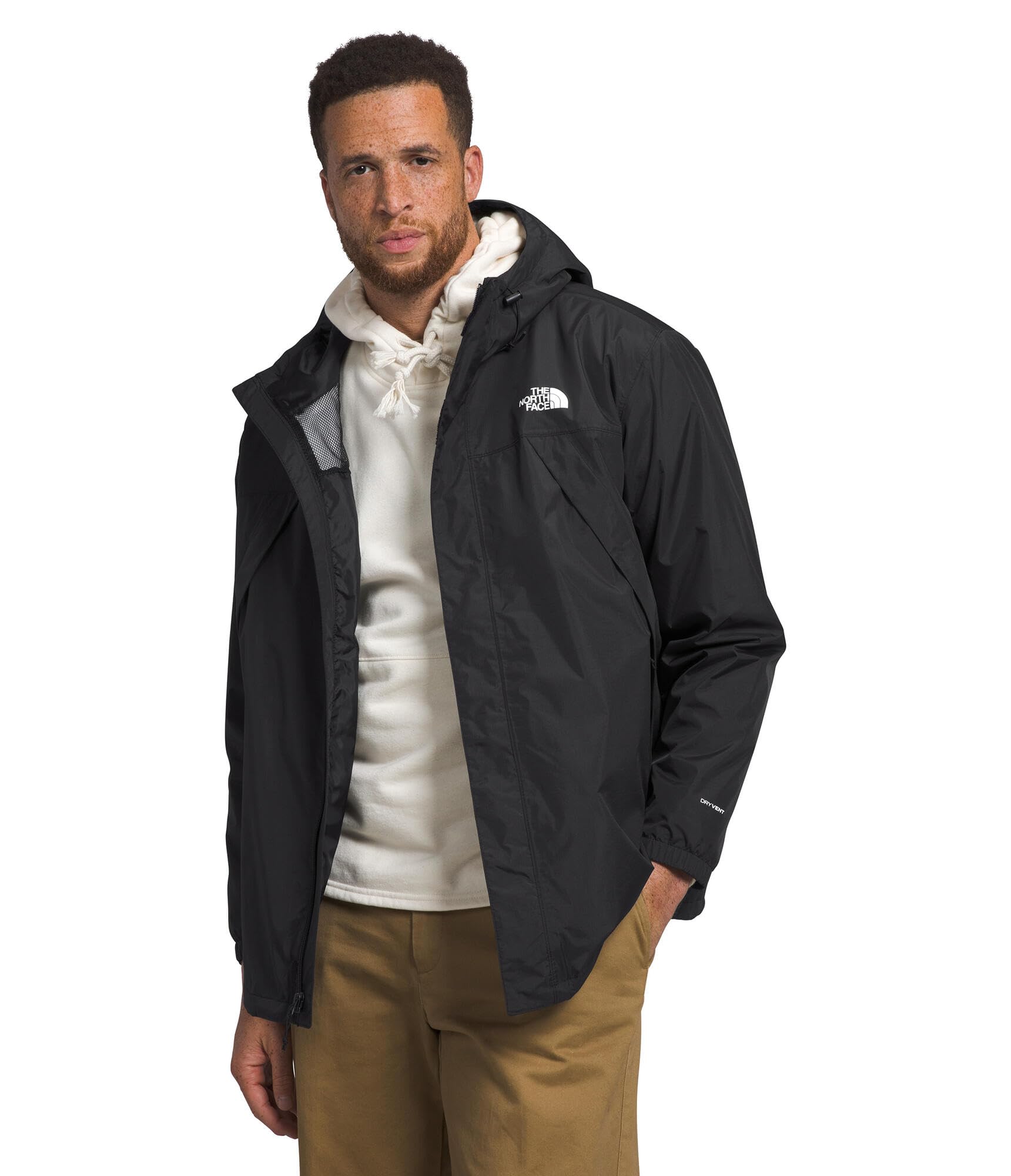
North Face Antora Men
The North Face Antora holds up through steady rain with consistent waterproof performance, making it a dependable choice for day hikes and casual backpacking. Its lightweight build and clean profile appeal to those who prioritize style and packability over technical ventilation features.
This jacket suits hikers who keep a moderate pace and value a classic rain shell from a well-known brand. The lack of pit zips means it traps heat and moisture during exertion, so it’s less suited for fast-paced trekking or warm conditions. Sizing varies between units, so checking the size chart before ordering is advisable.
Pros
- Waterproof performance holds up in sustained rain
- Lightweight design suits day hikes and easy packing
- Style and fit options appeal to a wide range of body types
Cons
- Sizing can vary; some buyers may need to size up or down
- No pit zips; during exertion the jacket feels clammy
For hikers who stick to moderate trails and want a clean-looking waterproof shell, the Antora delivers. Those needing ventilation for sustained effort will find better value in the Marmot Precip Eco.
Best for Brand-Loyal Women’s Shell
NF Antora Women
The Antora is a lightweight, packable rain coat that keeps you dry in heavy showers — ideal for stashing in a daypack. At a premium price, it delivers solid waterproofing but omits pit zips for ventilation, making it better suited for casual use than sustained exertion.
This jacket fits women who prioritize brand and color options over performance features. The cut runs snug in the chest and hips, so plan to size up if layering. Without pit zips, breathability takes a hit during active hiking — it’s a good option for short, low-exertion trips or commuting where rain protection matters more than airflow.
Pros
- Weighs little and packs small for easy travel storage
- Stays dry in heavy rain without soaking through
- Available in a range of attractive color options
Cons
- Sizing runs small in the chest and hips — may need to size up for layering
- Premium price for a shell that lacks pit zips or other ventilation features
Worth considering only if you find it discounted and value the North Face name over pit zips or a lower price tag — otherwise, jackets with better breathability cost less.
Best for Budget Roomy Shell
Eddie Bauer Rainfoil
The Rainfoil delivers dependable waterproofing at a price that undercuts many competitors, and it stuffs into its own pocket for quick storage. Build quality is solid for the price, with taped seams and a stowable hood. Unlike shells that include pit zips for breathability, this jacket relies on its front zipper for airflow – you will need to unzip to cool down during exertion.
This jacket suits backpackers who prioritize cost and packability over ventilation. The roomy cut accommodates a mid-layer, but the long sleeves may require rolling for shorter hikers. It works well as an emergency shell or for low-intensity day hikes. If you hike at a moderate pace or in cool conditions, the lack of pit zips is less noticeable.
Pros
- Delivers dependable waterproofing in rain and wind at a budget price.
- Packs into its own pocket – ideal for stashing in a pack as a backup.
- Sturdy construction with a comfortable, roomy fit for layering.
Cons
- Sleeve length can be excessive for shorter arms, requiring rolling or sizing down.
- No pit zips limits ventilation during high-output hiking – front zipper is the only airflow option.
For budget-conscious backpackers who can accept the sleeve length and limited breathability, this shell offers effective rain protection at a low price.
Best for Travel Emergency Shell
33,000ft Rain Jacket

Ultra-lightweight and packs into its own pouch smaller than a water bottle, making it an easy addition to any daypack or carry-on. It handles light showers well and works as an emergency shell for golfers, commuters, and travelers, but it’s not a replacement for a dedicated hiking rain jacket.
Pros
- Ultra-lightweight and packs down very small for easy storage.
- Good water resistance for light to moderate rain showers.
Cons
- In sustained heavy rain, the jacket can wet through – best reserved for light showers or as a backup.
Best as an emergency backup for travel and day trips where light rain is expected, not as a primary rain jacket for backpacking.
Best for Emergency Backup Shell
UIQUR Rain Jacket
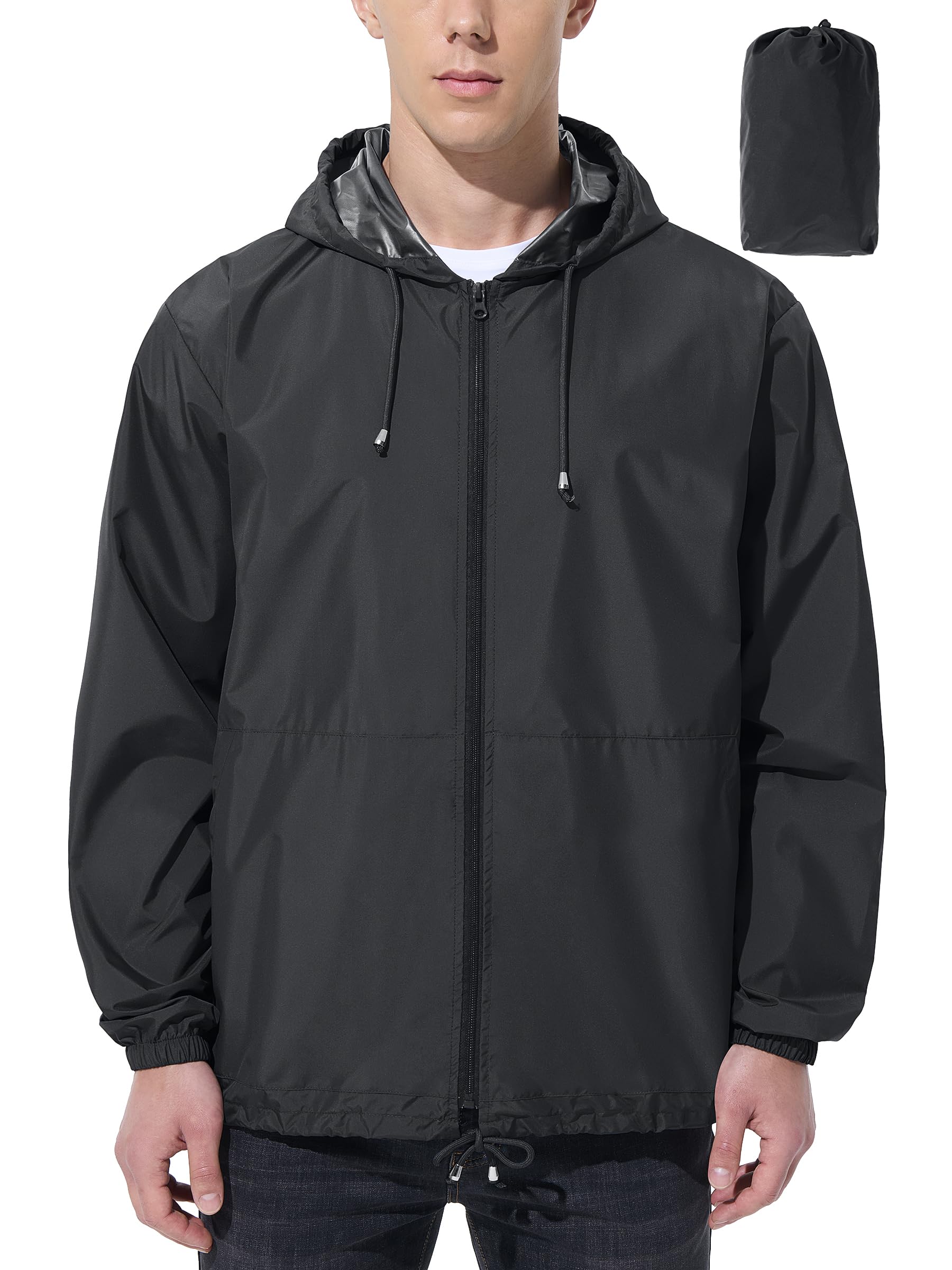
This jacket packs down smaller than a water bottle and costs little, making it a reasonable stash for unexpected light drizzle or wind on a day hike. But water soaks through in steady rain, and the hood tends to shift with movement. The thin fabric and loose fit mean it suits only occasional use as an insurance layer, not a primary shell for backpacking in wet climates.
Pros
- Packs down tiny — stows in its own pouch without adding bulk
- Budget-friendly price for a just-in-case layer
Cons
- Hood fit can be loose and sizing runs small — ordering up helps
- Water resistance is minimal; steady rain soaks through the fabric
Keep this in a daypack for unexpected mist or as a wind barrier on short walks — not for trips where rain is likely.
Best for Pit-Zip Women’s Shell
NF Venture 2 Women

Pit zips and lightweight packability make this shell appealing for backpackers who need ventilation during active hiking. Water resistance holds up well in rain, and the jacket stows easily. However, the thin fabric can show lining peeling after limited use, and sizing tends to run small — ordering up helps. These factors make it better suited as a backup or for moderate day hikes than as a primary backpacking shell.
Pros
- Pit zips provide good airflow during high-output hiking.
- Lightweight and packs down small for easy storage in a pack.
Cons
- Sizing can run small across shoulders; ordering one size up may be needed.
- Thin material may show lining detachment after several uses.
Best for backpackers who prioritize pit zips and packability over long-term durability, or as a backup for occasional trips.
How to Choose
The most important factor in a backpacking rain jacket is how well it balances keeping rain out and letting sweat escape – pit zips are the single best indicator of that balance.
Weight and Packability
A jacket that weighs more than 12 ounces will feel heavy in your pack. Every ounce counts on a multi-day trip, especially when you carry the jacket most of the time and only wear it during rain.
Packability matters just as much. Jackets that stow into their own pocket save space and stay organized. Look for a jacket that compresses to the size of a water bottle or smaller.
Waterproof Membrane
The membrane is the layer that blocks water from passing through. Budget jackets often use a polyurethane coating that loses effectiveness after a few washes. More durable membranes like Marmot’s NanoPro or The North Face’s DryVent maintain waterproofing longer.
All waterproof membranes rely on a DWR coating on the outer fabric to bead water. That coating wears off over time, so you need to reapply it with a spray-on treatment every season to keep the jacket from wetting out.
Pit Zips
Pit zips are zippered vents under the arms that let heat and moisture escape. Without them, even the most breathable membrane will struggle during uphill hiking. Jackets with pit zips are noticeably more comfortable on the trail.
The trade-off is that pit zips add a small amount of weight and potential failure point, but for active backpackers, the ventilation benefit far outweighs the downsides.
Seam Taping
Seam taping seals the needle holes where fabric panels are stitched together. Without it, water seeps through those tiny gaps. Fully taped seams are a must for any jacket you trust in sustained rain.
Partial seam taping is cheaper but leaves critical areas vulnerable. Look for ‘fully seam-taped’ or ‘critically taped’ in the spec sheet. Jackets without taping are only suitable for light drizzle.
FAQ
Are pit zips worth it on a backpacking rain jacket?
Yes, especially if you hike faster than a stroll. Pit zips release trapped heat and moisture, preventing the clammy feeling that plagues non-vented shells during climbs. They add a few bucks to the price but are the most effective breathability feature you can get.
How much should a rain jacket weigh for backpacking?
Aim for under 12 ounces if you’re carrying it in your pack. Jackets over 14 ounces are better suited for day hikes where weight matters less. Ultralight options under 8 ounces exist but often sacrifice durability and waterproofing.
Can you restore waterproofing on a rain jacket?
Yes. Use a DWR spray or wash-in treatment once a season, or whenever water stops beading on the outer fabric. This restores the jacket’s ability to shed rain and keeps the membrane working. Ignoring this is the most common cause of a jacket that ‘wets out’.
Why does my rain jacket feel wet inside after hiking?
That’s usually sweat, not rain. If the jacket’s breathability can’t keep up with your exertion, moisture builds up inside. Pit zips fix this, as does reducing your insulation layer. If the wetness is outside-in, your DWR coating needs reapplication.