This post contains affiliate links. We may earn a small commission when you buy through our links — at no extra cost to you.
Many winter hiking boots promise waterproof protection, but after a season of use, that claim often falls short. The real story is that traction and insulation are far more consistent across the category. If you focus on those two factors and pay close attention to sizing, you will avoid the most common frustrations.
Winter boots also tend to run small or narrow, forcing hikers to play a guessing game with size. The boots that get it right offer room for thick socks without being sloppy. This guide highlights boots that balance warmth, grip, and a fit that actually works for real feet.
Insulation weight matters more than brand reputation when temps drop. Look for models with at least 200g insulation or a temperature rating that matches your typical hikes.


Best for Extreme Cold
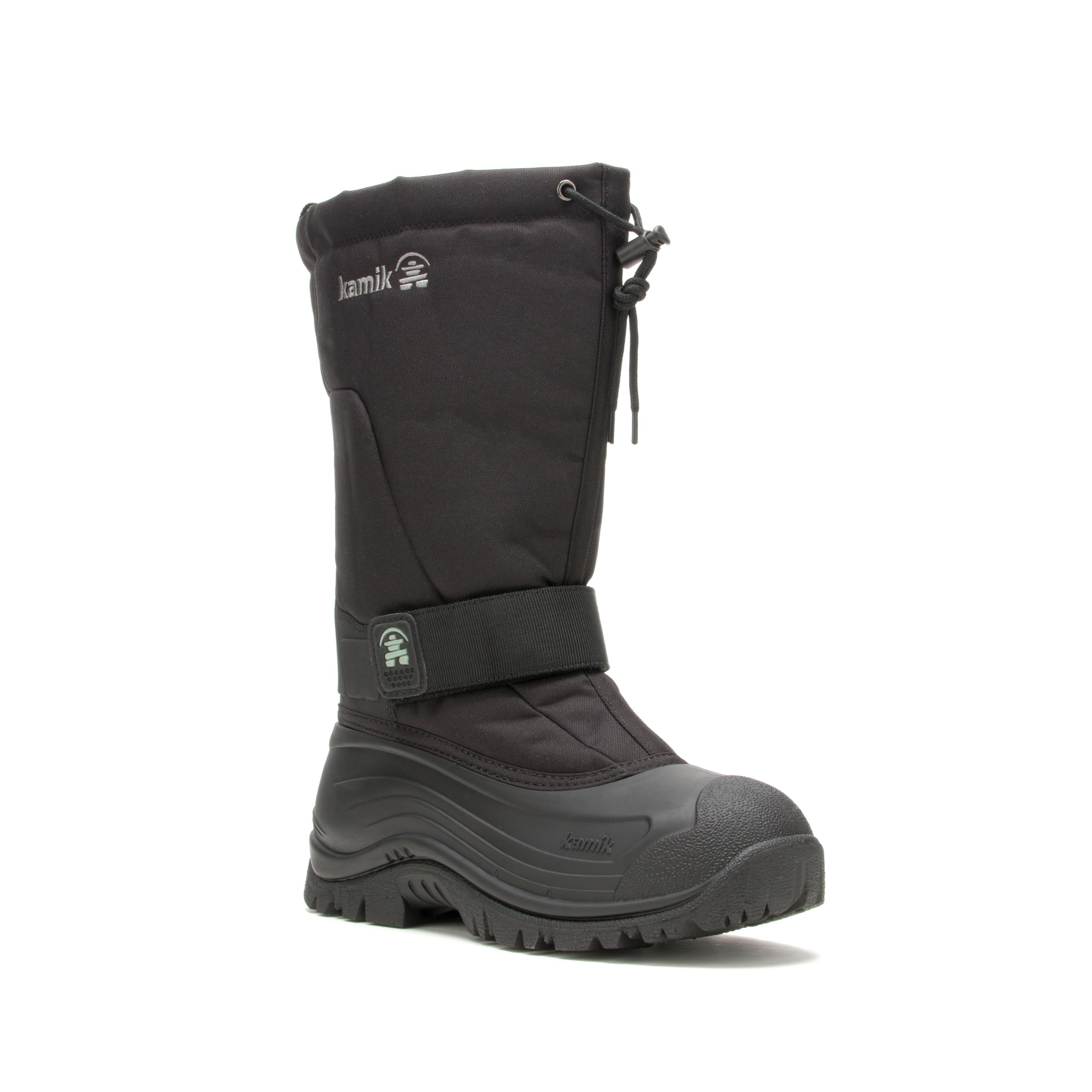
Kamik Greenbay 4
Key Features
- Insulation: -40°C rating
- Waterproof: Yes
- Fit: Runs small & narrow
- Durability: Liner/strap failures
- Price: Mid-Range
The Kamik Greenbay 4 is rated to -40°C, making it one of the warmest winter hiking boots available without jumping to extreme-price models. The waterproof construction and Thermal Guard liner handle deep snow and slush well, and the outsole provides reliable traction on packed snow and ice. For cold-weather hikers who prioritize warmth and value, this boot delivers performance that rivals pricier options.
Where this boot stumbles is fit: it runs small and narrow, so buyers with average or wide feet should order a half to full size up, especially with thick wool socks. Once sized correctly, the padding and support work for full-day hikes, though the boot is not light enough for fast-paced trail running. Some units have shown liner peeling or strap wear after a season of heavy use, so it’s worth checking early for defects.
Pros
- Extreme cold protection down to -40°C for serious winter conditions.
- Solid construction with quality materials for the price.
- Strong value proposition – delivers premium-level warmth at a mid-range price.
Cons
- Fit runs narrow and small; sizing up is necessary for most foot shapes, especially with thick socks.
- Occasional durability issues: liner can separate or straps may break after a season of heavy use.
For hikers who need reliable warmth on snow and ice without overspending, the Kamik Greenbay 4 is a practical choice – just plan to size up.
Best for Winter Hiking
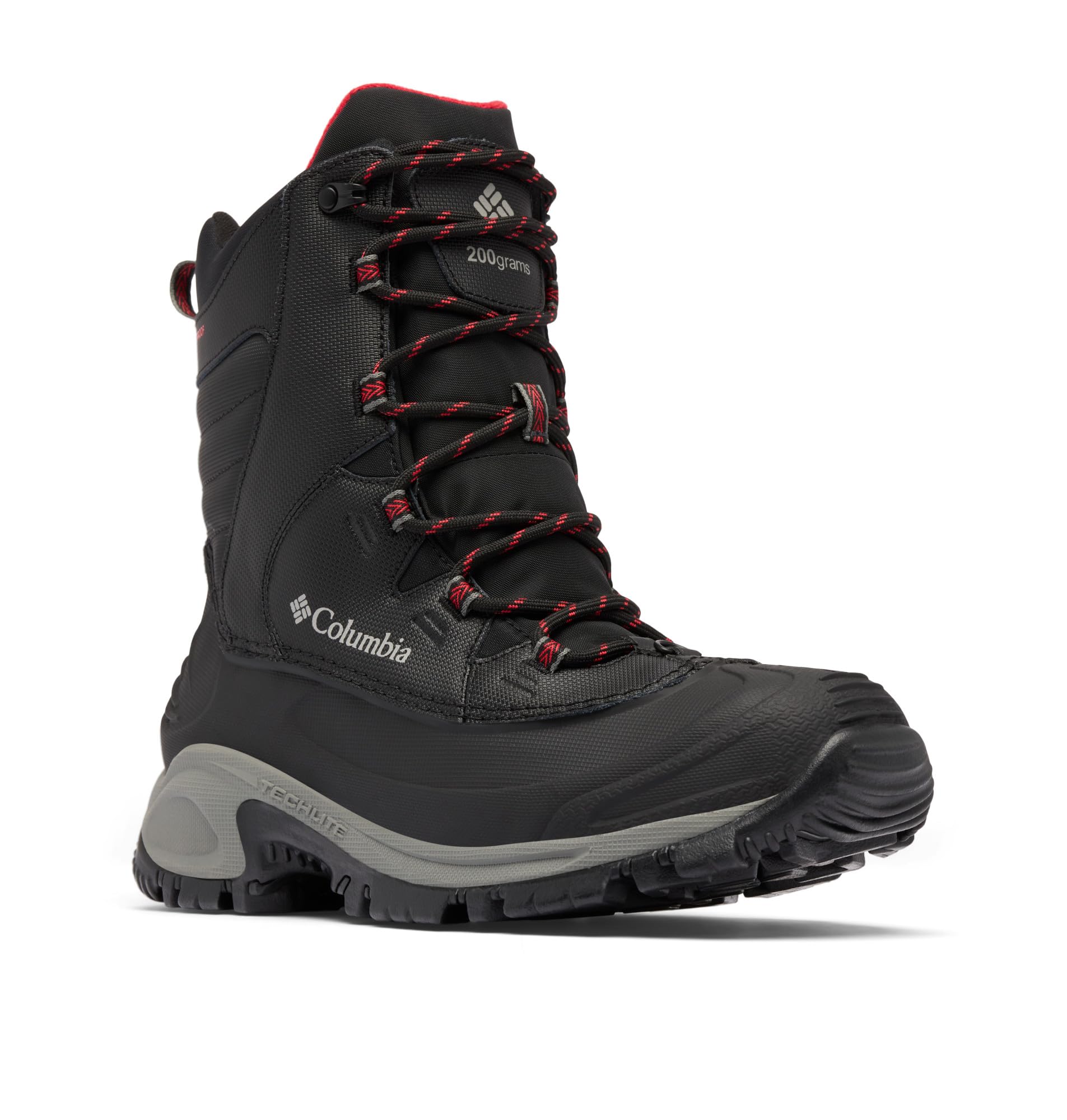
Columbia Bugaboot III
Key Features
- Insulation: 200g insulation
- Waterproof: Yes
- Fit: Runs 1-2 sizes small
- Durability: Durable
- Price: Mid-Range
The Bugaboot III delivers reliable warmth and traction for winter hiking in moderate to heavy snow. The construction feels solid and the outsole bites well on icy trails. The catch is sizing – the boot runs small and narrow, so anyone considering it needs to order 1-2 sizes up. This works best for buyers who don’t mind the extra hassle of returning if the first size doesn’t fit, and who can try on in store or have experience with Columbia’s sizing quirks.
Pros
- Warmth and weather protection for cold snow conditions
- High-quality construction with durable materials
- Aggressive tread provides reliable traction on snow and ice
Cons
- Sizing runs small and narrow – expect to order 1-2 sizes up for a proper fit
- Narrow toe box may be uncomfortable for those with wider feet even after sizing up
A capable winter hiking boot that requires careful sizing – order up significantly and try on if possible.
Best for Arctic Extreme
Baffin Snow Monster
Key Features
- Insulation: -94°C claimed
- Waterproof: Yes
- Fit: Runs small
- Durability: Occasional QC issues
- Price: Premium
Where the top pick balances warmth and durability for most winter hikers, the Snow Monster pushes into true arctic territory with a claimed -94°C rating and a soft, insulated interior that feels more like house slippers than a stiff winter boot. That warmth comes with tradeoffs: the fit runs small, so plan to size up, and a small number of boots have reached buyers with broken lace eyelets or tongue seams that let in moisture — inspecting the pair on arrival is wise.
Pros
- Exceptional warmth for sub-zero environments
- Comfortable, slipper-like interior
- Lightweight for an extreme-cold boot
Cons
- Fit runs small — size up for thick socks
- Lace eyelet breakage or tongue seam leaks possible — inspect each pair before use
The Snow Monster is the right choice when warmth takes priority over everything else — just budget time to check the build and size up.
Best for Fast Day Hikes
adidas Terrex AX4 Mid
Key Features
- Insulation: Cold.rdy (light)
- Waterproof: Water-resistant
- Fit: Runs half size small
- Durability: Sole/eyelets wear
- Price: Mid-Range
The Continental rubber outsole provides confident traction on mud, rock, and packed snow, while the Cold.rdy lining offers enough warmth for moderate active use. This boot feels more like a sneaker than a traditional winter boot, shedding weight without sacrificing ankle support.
Best suited for day hikers who move at a steady pace and want breathability and comfort over max insulation. Stand around in deep cold and you will feel the chill — this boot rewards motion. The fit runs narrow and short, so sizing up half a size (or a full size with thick socks) is necessary for most feet.
Pros
- Comfortable with supportive ankle collar for all-day wear.
- Confident grip on mixed terrain thanks to Continental rubber.
- Lightweight build reduces fatigue on longer hikes.
Cons
- Fit runs narrow and short; sizing up half to full size is often needed.
- Sole lug wear and eyelet strain may appear sooner under frequent heavy loads.
A nimble winter boot for hikers who cover ground quickly and don’t need arctic-level warmth — just be prepared to size up.
Best for Commuting Style
SOREL Buxton Lace
Key Features
- Waterproof: Yes
- Fit: Runs small
- Durability: Tread peeling
- Price: Mid-Range
The SOREL Buxton Lace delivers classic winter boot styling with cushioned comfort and effective warmth that suits daily commutes and light snow. It’s a strong choice for urban cold-weather wear, but not intended for backcountry hiking or heavy snow conditions. Buyers should size up to account for a narrow fit, and it is worth inspecting the toe tread after a season since some cases of peeling have been noted.
Pros
- Warm and comfortable for cold weather use
- Stylish design that draws positive feedback
- High-quality build and materials
Cons
- Fit runs narrow and short – size up for proper comfort
- Toe tread peeling has been reported in some cases – inspect after a season
A comfortable, stylish winter boot for everyday urban commutes and light snow, but not a hiking boot. Sizing up is essential and sole wear should be monitored.
Best for Budget Winter
XPETI Thermator Mid
Key Features
- Insulation: 200g Thinsulate
- Waterproof: Mixed
- Durability: Sole separation/stitching
- Price: Budget
The XPETI Thermator Mid delivers immediate comfort and strong traction on snow and ice out of the box, making it a compelling budget option for lighter winter hikes. It’s best for hikers who want a warm, lightweight boot for dry, moderate snow conditions and plan to replace it after a season or two — sole separation and stitching damage can appear over time, and the water resistance isn’t consistent enough for wet slush or deep snow.
Pros
- Comfortable from the first wear with no break-in needed.
- Good grip on snow and ice, adding confidence on packed trails.
- Thinsulate insulation keeps feet warm in moderate cold.
Cons
- Water resistance can be inconsistent in wet snow or slush conditions.
- Sole separation or stitching damage may occur within a few months of use.
A budget-friendly choice for moderate winter hikes, best suited to those who prioritize immediate comfort and traction over multi-season durability.
Best for Snow Work
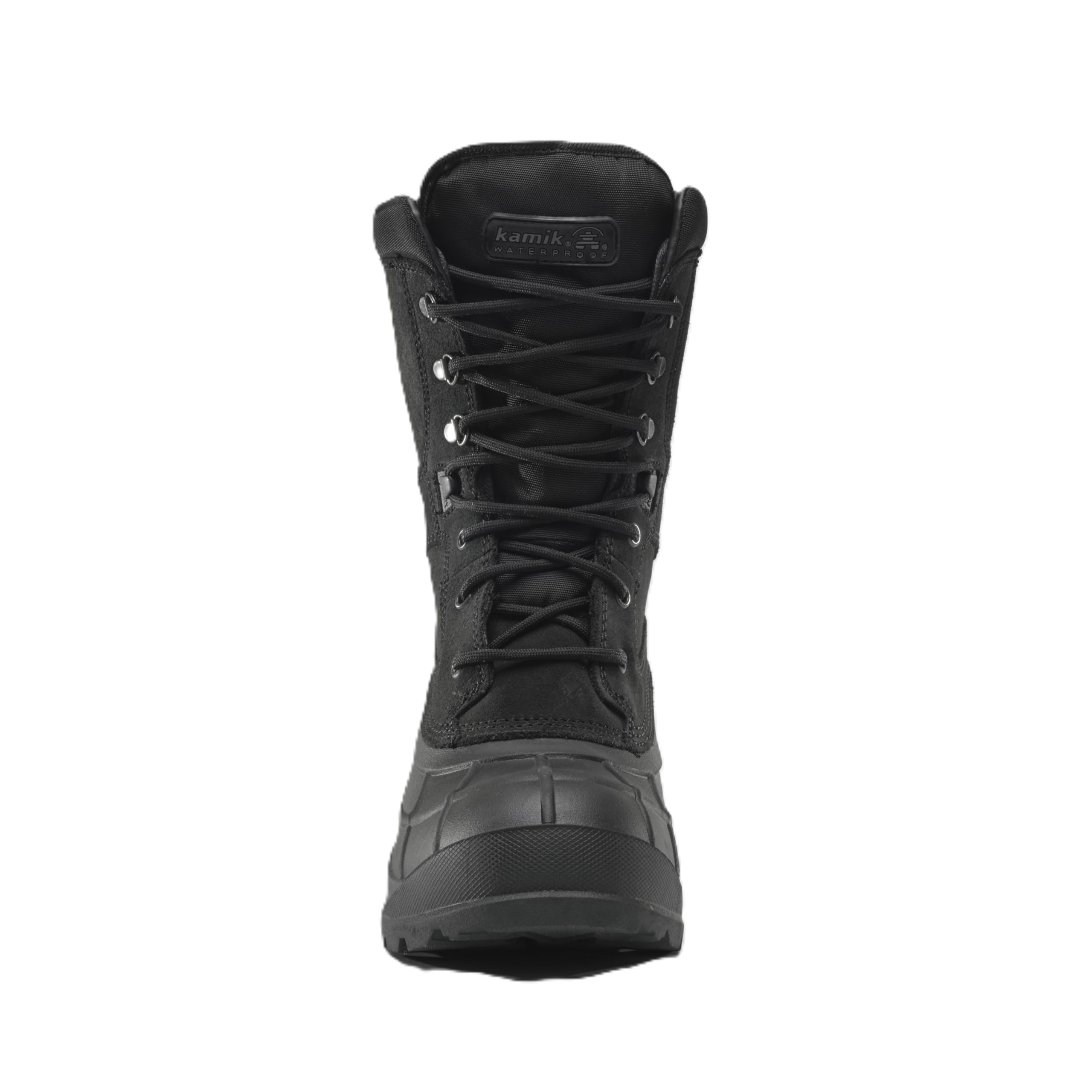
Kamik Nation Plus
Key Features
- Waterproof: Yes
- Fit: Runs small
- Durability: Some breakage
- Price: Mid-Range
The Kamik Nation Plus delivers solid warmth and comfort for winter chores and snow play, with a robust design that includes a midfoot hook-and-strap closure and high-traction grip. Its narrow fit means sizing up significantly is often necessary, and durability is acceptable but not premium. This boot fits best for shorter, activity-focused winter use rather than extended hikes or extreme cold.
Pros
- Delivers solid warmth for winter work and snow play.
- Comfortable and good value for the price.
Cons
- Fit runs small and narrow, requiring significant sizing up for a comfortable fit.
Best for moderate winter yard work and snow play if you can accommodate the sizing quirk and don’t need long-distance hiking performance.
Best for Ultra-Budget
NORTIV 8 Insulated Snow Boot

Key Features
- Insulation: Fur lining
- Waterproof: Claimed
- Fit: Runs narrow
- Durability: Sole separation
- Price: Budget
This budget-friendly boot delivers solid warmth and water protection for casual winter use, making it a practical choice for light snow and yard work. However, durability can be inconsistent – sole separation or tearing may occur within months, so treat it as a seasonal boot for occasional wear.
Pros
- Keeps feet comfortably warm in cold conditions at a budget-friendly price.
- Resists snow and shallow water effectively for light winter activities.
Cons
- Sole separation or back tearing may occur within months, making this a short-term option for occasional use.
Best for budget-conscious buyers needing a warm, dry boot for light snow shoveling or short walks, not for regular hiking trips.
Best for Urban Style
HH Garibaldi V3

Key Features
- Insulation: 400g
- Waterproof: Claimed (poor)
- Fit: Runs slightly small
- Price: Premium
The Garibaldi V3 delivers strong comfort and warmth for cold city commutes, with a shoe-like feel and quality materials that make it a stylish winter boot. However, water resistance is inconsistent — moisture can seep through in slush or rain, making this a poor choice for wet hiking or snowmelt trails. It fits best as a dry-weather urban boot for users who value appearance and ease of walking over waterproof dependability.
Pros
- Comfortable, shoe-like feel for all-day wear
- Solid warmth for cold winter temperatures
Cons
- Water resistance can be inconsistent, allowing moisture in wet snow or slush
Best for casual cold-weather outings where waterproofing is secondary, not for wet hiking or slushy trails.
Best for Bottom-Dollar
SHULOOK Snow Boot

Key Features
- Insulation: Fur lining
- Waterproof: Claimed
- Fit: Runs 1-2 sizes small
- Durability: Tearing risk
- Price: Budget
Packs serious warmth at an unbeatable price, with decent water resistance for shallow snow. However, the fit can run two sizes small and some boots may develop tears within months — this is a season-only boot for light duty and must be ordered generously large.
Pros
- Very warm for the price
- Good water resistance for light snow
Cons
- Fit runs small; order 1-2 sizes up for a wearable fit
Best for occasional snow use on a tight budget, but only if you can order two sizes up and accept limited lifespan.
How to Choose
The most reliable winter hiking boots deliver consistent traction and insulation; waterproofing and fit are where many models fall short.
Insulation Rating
Insulation determines how long your feet stay warm when you are standing still or moving slowly. Ratings are given in grams of synthetic insulation (like Thinsulate) or a temperature rating (e.g., -40°C). For most winter hiking in 20°F to 0°F, 200g is the minimum; for extreme cold, look for 400g or a -40°C rating.
Higher insulation adds bulk and reduces breathability during high-output hikes. Fast hikers may prefer a lighter boot with moderate insulation and rely on wool socks for variable conditions.
Waterproof Membrane
Waterproof membranes like Gore-Tex or proprietary coatings keep snow and slush out, but they need proper construction and sealing. Many budget boots claim waterproofing without a full membrane, leading to wet feet after repeated exposure. Check if reviews mention wetness after extended snow contact, not just light splashes.
Traction on Snow and Ice
Outsole rubber compound and tread pattern matter more than marketing. Boots with deep lugs and a soft rubber compound grip snow and ice better. Look for outsoles labeled for winter or with temperature-optimized rubber that stays flexible in the cold. Avoid hard, flat soles that slip on packed snow.
Fit Consistency
Winter boots almost always run smaller than your regular shoe size because they account for thick socks. The hidden trade-off: sizing up to fit socks can create heel slip if the boot is not designed for it. Buy from a retailer with free returns and try boots with your hiking socks. A too-tight boot restricts circulation and makes feet colder.
Durability of Sole and Lining
Sole separation, lace eyelets breaking, and lining disintegration are the most common failures after a single season. These issues are more frequent in budget boots that use glued construction instead of cemented or stitched. Inspect the sole attachment and lining material before buying; a boot with a good warranty often signals better build quality.
FAQ
Why do winter hiking boots often run small?
Manufacturers expect you to wear thick socks, so they build in less overall volume. Many also use a narrower last for cold-weather boots to improve heat retention. The practical fix is to order at least a half size up from your normal shoe size and try them with your intended hiking socks.
Can I trust the waterproof claim on budget winter boots?
Usually not for prolonged wet use. Budget boots often coat the outer fabric with a water-repellent finish rather than using a sealed membrane. That finish wears off after a few outings. For reliable waterproofing in slush or wet snow, look for boots with a taped-seam membrane and multiple seasons of positive waterproof reviews.
How much insulation do I need for hiking in 20°F weather?
For active hiking in 20°F, 200 grams of synthetic insulation (e.g., Thinsulate) is sufficient. You generate body heat while walking, so heavy insulation can cause sweaty feet, which then get cold. If you stop often or hike in 0°F or below, step up to 400g or a rated boot like the Kamik Greenbay 4.
Are lightweight winter boots durable enough for rocky trails?
Lightweight winter boots sacrifice material thickness and supportive structure, so they are less durable on sharp rocks and heavy abuse. They work well on packed snow and well-groomed trails, but if your hikes involve scrambling or loose talus, a sturdier mid- or heavyweight boot will last longer and protect your feet better.