This post contains affiliate links. We may earn a small commission when you buy through our links — at no extra cost to you.
Every winter, hikers and commuters reach for a ‘down jacket’ expecting arctic-grade warmth. But the term ‘down’ alone says nothing about real-world performance — many models lack a fill power rating, use thin shells, or hide unreliable zippers that fail after a few months.
This guide separates jackets that can handle sub-zero trail days from those that are fine for the parking lot but not the backcountry. We focus on concrete specs — fill power, waterproofing, length, and zipper build — because marketing claims and $50 price tags don’t keep you warm when the wind picks up.
The right jacket for extreme cold is not the cheapest or the most advertised. It is the one with a verified warmth ceiling, a shell that blocks moisture, and hardware that works with gloves on.

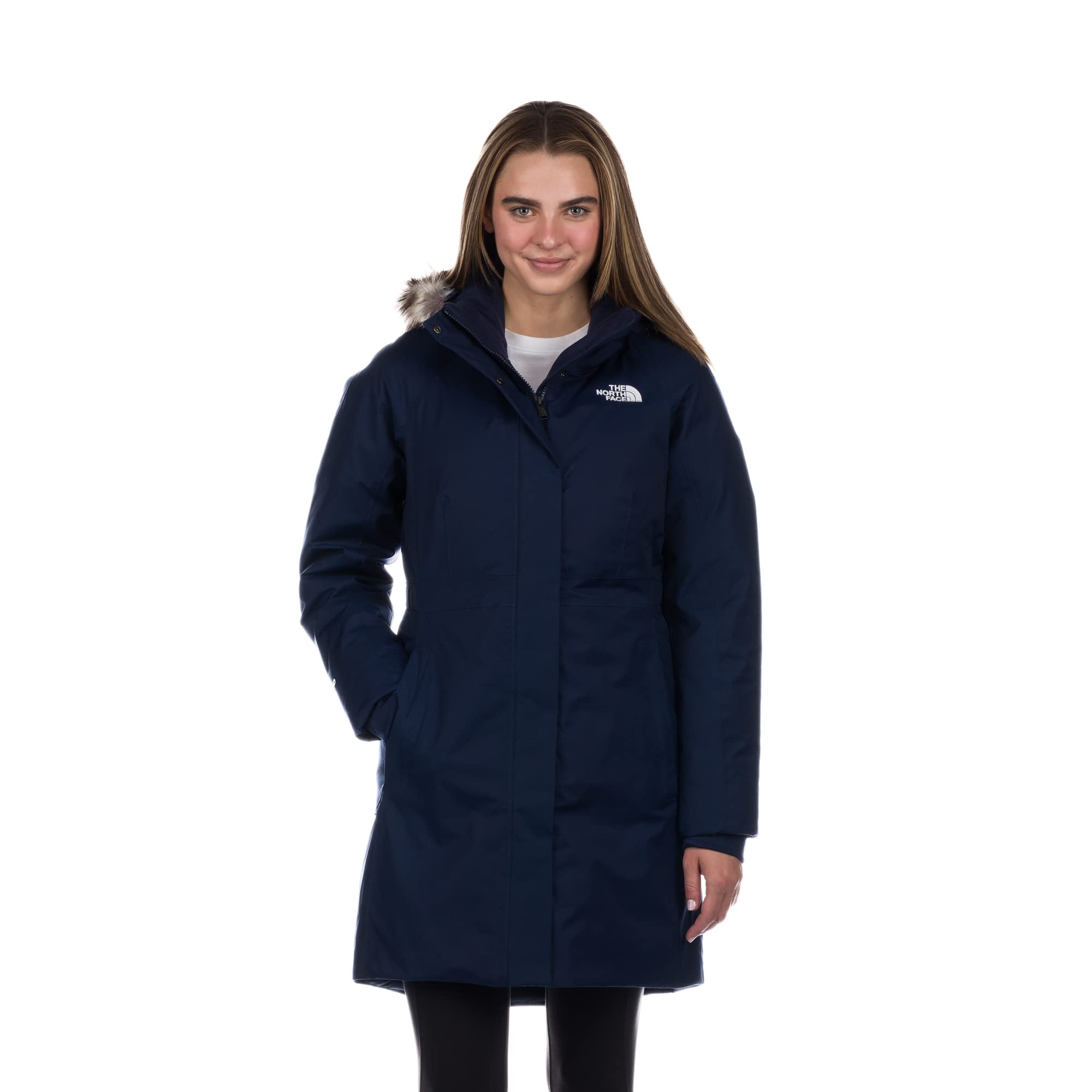
Best for Extreme Cold Use
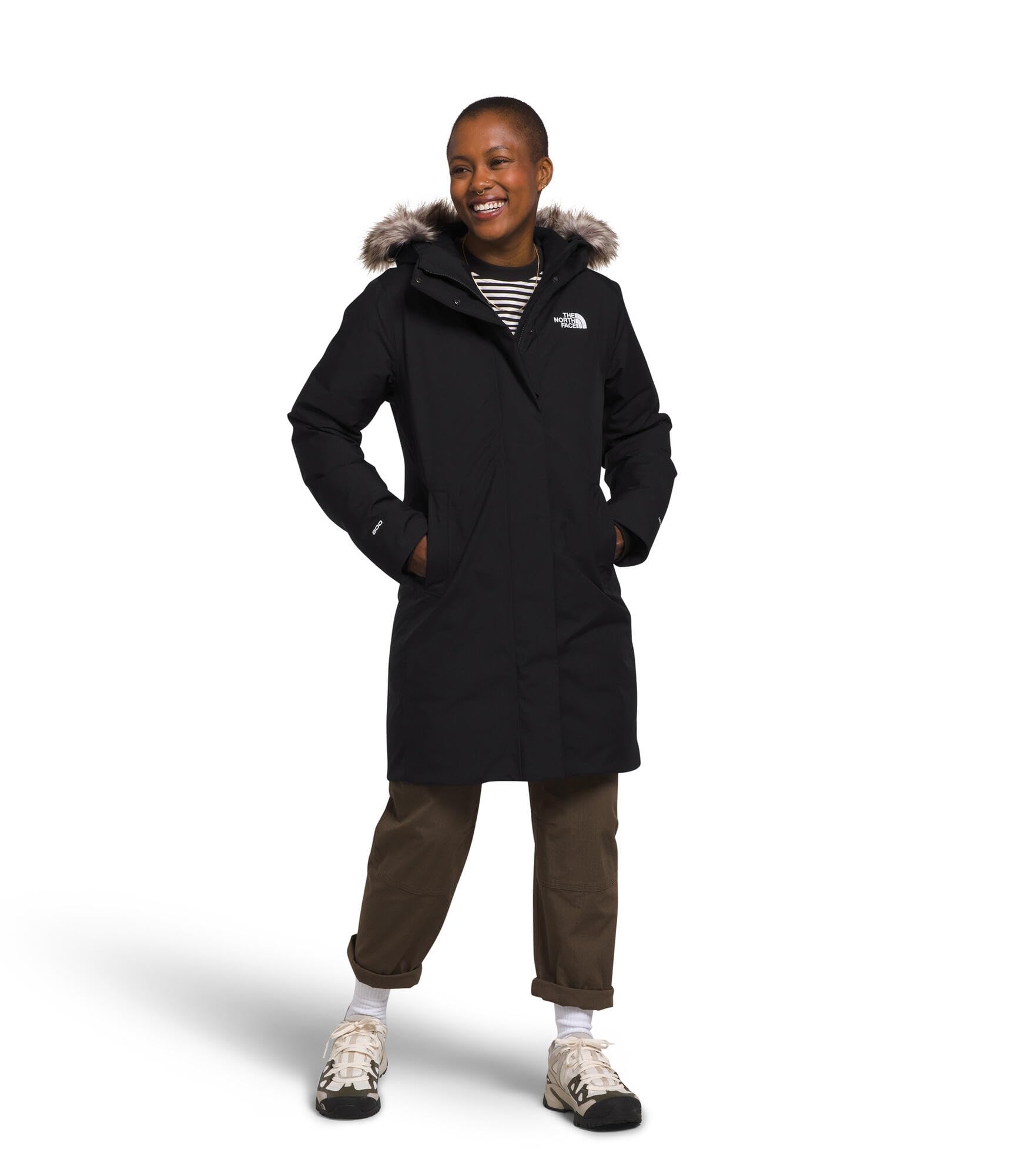
North Face Arctic Parka
This parka’s extreme cold performance is backed by customer reports from Antarctic conditions, confirming it handles well below -20°F. The recycled down insulation and fully waterproof shell work together to keep you dry and warm, while the knee-length cut seals out drafts. Color options hold up well over time, and the adjustable hood with faux fur provides customizable coverage.
The zipper can be stiff and occasionally tricky to operate, especially with gloved hands. Sizing runs a full size large; ordering one size down is advised for a proper fit. For women who need a reliable parka for the coldest winters and are willing to accept the slight learning curve, this is a top pick.
Pros
- Withstands temperatures below -20°F — verified by real-world use in Antarctica.
- Wide selection of colors that stay vibrant after repeated wear.
- Solid construction with a comfortable fit and adjustable hood.
Cons
- The zipper can be stiff and may require extra effort, particularly with gloved hands.
- Sizing runs large; ordering one size down gives a better fit for most buyers.
A premium-priced parka that delivers on its sub-zero promise — suited for those who prioritize warmth over convenience features.
Best for Cold Winter Wear
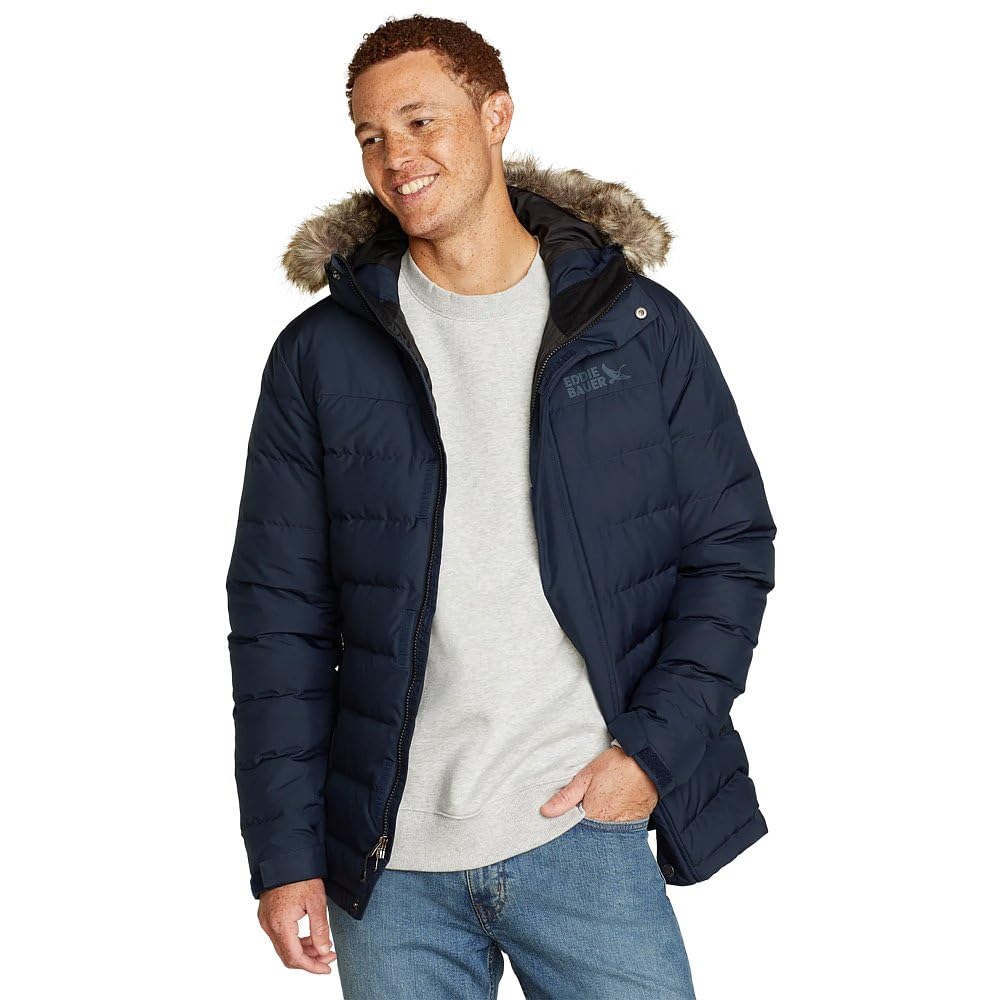
Eddie Bauer Boundary Down Parka
The Boundary Pass Parka leverages Eddie Bauer’s outdoor heritage with a lightweight down fill that keeps you comfortable from the teens into the 20s – ideal for city commutes and casual wear. Tall sizes accommodate longer torsos without excess bulk. The dual zipper system requires patience to align, and isolated zipper issues have been noted, so this parka suits those who don’t need quick entry and exit.
Pros
- Lightweight down insulation provides warmth without bulk – ideal for active commuters.
- Tall sizes offer a proper fit for taller frames, reducing cold spots.
- Classic design pairs well with office or casual wear.
Cons
- Dual zipper alignment can be fussy and isolated zipper issues have been noted.
A dependable mid-range parka for cold winters that won’t break the bank – just budget a little patience for the zipper.
Best for Cold Winter Mid-Thigh
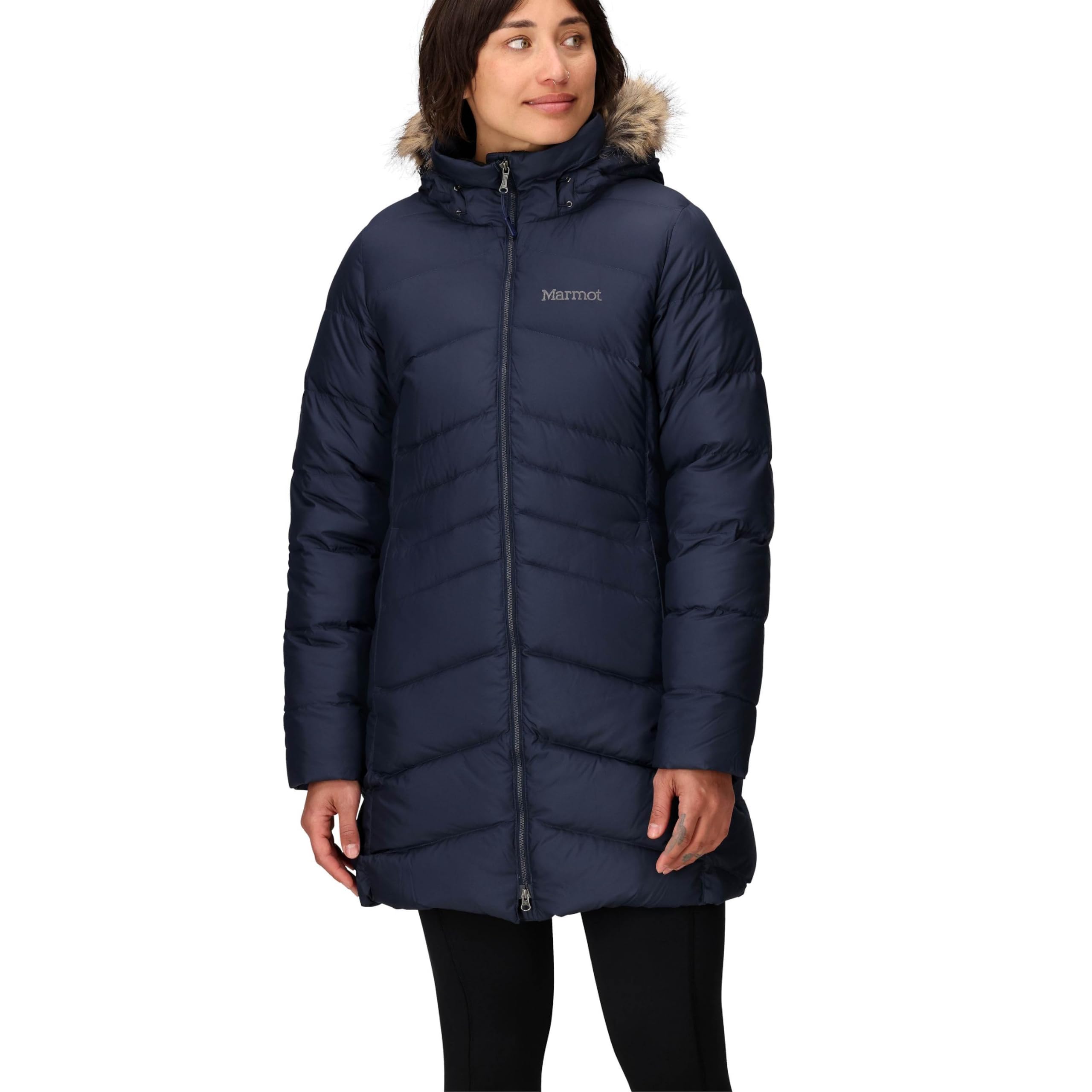
Marmot Montreal Down Jacket
The Marmot Montreal brings the brand’s known build quality and consistent warmth in a mid-thigh cut that works well for cold winter days. Unlike the top-rated Arctic Parka, this jacket lacks verified sub-zero performance, but it delivers solid heat retention for most winter conditions. The fit runs small in the shoulders and bust, so sizing up is necessary for layering. Some buyers have noted down seeping through seams, though this appears occasionally. This jacket suits women who want durable construction from an established outdoor brand and don’t need extreme cold protection.
Pros
- Consistent warmth holds up through cold winter days
- Lightweight and comfortable for extended wear
- Marmot’s construction quality shows in stitching and materials
Cons
- Down may leak through seams over time
- Sizing runs small in shoulders and bust; order up for layering
For women who value Marmot’s build quality and consistent warmth, this jacket works well when sized up — but if you need verified sub-zero protection, the Arctic Parka is the better choice.
Best for Cold Winter Puffer
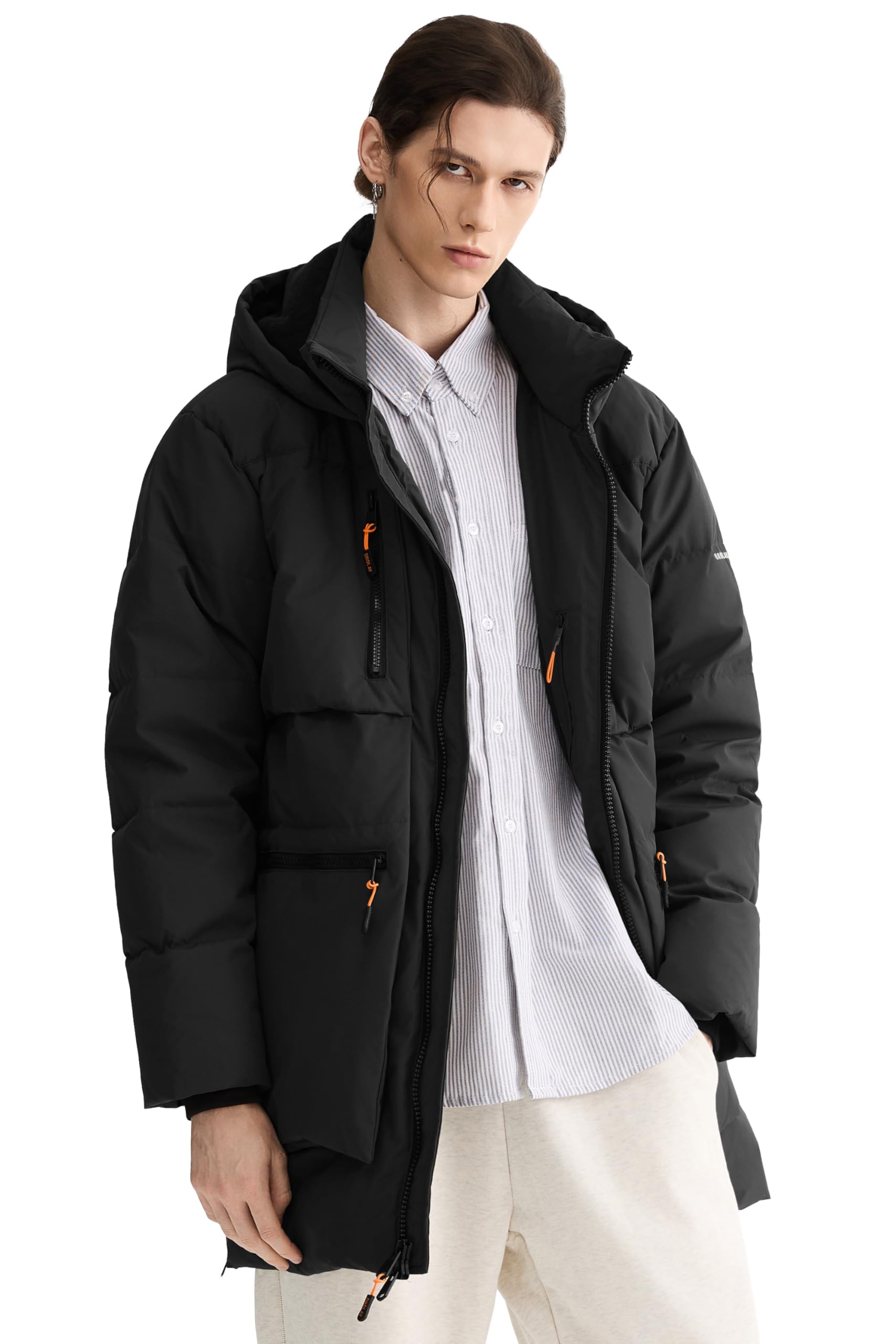
Orolay Men’s Down Jacket
This jacket delivers solid warmth for daily winter commutes down to about 10°F, with plenty of pockets for gloves, phone, and wallet. The reversed zipper (left-side orientation) can feel unusual for men used to standard jackets, but it doesn’t affect the jacket’s core insulation or durability. For everyday urban wear and value seekers who can adapt to the zipper quirk, this is a dependable mid-range option that outperforms its price suggests.
Pros
- Keeps you warm in freezing temperatures down to roughly 10°F.
- Good build quality for the price, with ample pockets for daily carry.
- Six pockets provide convenient storage without adding bulk.
Cons
- Zipper is installed on the left side (women’s orientation), which can feel awkward for men accustomed to standard placement.
A capable winter jacket for urban use and moderate cold, best for buyers who can overlook the reversed zipper.
Best for Long Cold Winter
Orolay Women’s Long Down Coat
Side zippers set this long coat apart for drivers — they make getting in and out of a car seat noticeably easier. The knee-length cut provides coverage that shorter jackets miss, and the down fill holds up well on cold winter days.
This jacket suits women who want a stylish long down coat for commuting and daily errands in cold but not extreme conditions. Sizing can run large, so checking measurements is wise. It doesn’t match the sub-zero insulation of premium parkas, so buyers needing verified deep-cold warmth should consider the top pick.
Pros
- Side zippers allow easy entry and movement while driving
- Deep pockets keep essentials secure and accessible
- Down fill provides consistent warmth in cold winter conditions
Cons
- Sizing runs large for some body types; ordering down may improve fit
- Insulation may fall short for sub-zero temperatures compared to specialized parkas
A practical long coat for daily winter use with a smart driving feature, but buyers needing extreme cold performance should look elsewhere.
Best for Cold Wet Urban
North Face Jump Down Parka
The Jump Down Parka pairs 550-fill goose down with a fully waterproof DryVent shell — a combination rarely seen at this price point. For women who need a warm, weatherproof coat for urban winters, this delivers reliable protection against rain and wind. Sizing can be inconsistent, so trying on or ordering two sizes is wise; sleeve length may run long for shorter frames. Some units also show down leakage after short use, a quality-control variance to consider before committing.
Pros
- Warm, waterproof, and windproof for wet winter conditions.
- High-quality outer fabric and down insulation with solid construction.
Cons
- Fit can be inconsistent — some find it too small or too large; sleeve length may be long for petites.
- Down leakage can appear after short use in some units.
Best for women seeking a stylish, weatherproof parka for everyday cold urban commutes — not for sub-zero conditions or buyers who need consistent sizing.
Best for Everyday Winter
MOERDENG Windproof Down Jacket

This jacket provides effective wind and water resistance for everyday winter wear. The down fill keeps you warm through typical cold days, though it is not built for sub-zero temperatures. Some units have shown zipper issues, a consideration at this price.
Pros
- Warmth and wind resistance for daily winter wear
- Sturdy build for its cost
Cons
- Zipper can be difficult to operate or may unzip unexpectedly – a tradeoff at this price point
For everyday winter wear in moderate climates, this jacket delivers good wind and water protection if you can tolerate occasional zipper quirks.
Best for Winter Commutes
MOERDENG Women’s Down Coat

This coat provides solid everyday warmth and a flattering fit at a budget-friendly price, but lacks the technical specs (no fill power data, no waterproofing) needed for sub-zero conditions. The zipper can be difficult to operate and occasional breakage has been noted, but for budget-conscious shoppers in moderate climates this is a compelling value.
Pros
- Solid warmth for everyday winter use
- Good build quality at a budget-friendly price
Cons
- Zipper can be difficult to operate; occasional breakage has been noted in some cases
Best suited for casual commuters in moderate winter climates who prioritize low cost over extreme cold performance.
Best for Mild Cold Wet
LDA Men’s Waterproof Puffer

This jacket offers effective water and wind resistance at a budget-friendly price, keeping you warm in wet cold down to around freezing. Sizing runs large, so check measurements before ordering, and the pocket zippers can fail on some units.
Pros
- Warm and well-insulated for cold wet conditions
- Lightweight and comfortable for active use
Cons
- Pocket zippers can break with regular use
For casual use in mild wet weather on a tight budget, this jacket works — just double-check sizing and handle zippers with care.
Best for Budget Cold Winter
Pioneer Camp Men’s Down Coat

The Pioneer Camp Men’s Down Coat delivers impressive warmth and solid build quality at a budget-friendly price. It handles everyday winter wear and light outdoor activities in moderate cold well. However, it lacks technical specifications for extreme cold and is not designed for sub-zero temperatures. This makes it a good value for casual use but unsuited for those needing Arctic-level protection.
Pros
- Warmth that rivals pricier jackets for everyday winter wear.
- Outstanding warmth-to-price ratio for budget-conscious buyers.
Cons
- May not provide sufficient insulation in sub-zero conditions — best suited for moderate cold.
Best for men who need an affordable everyday winter coat for typical cold days, not for polar or extreme cold exposure.
How to Choose
The single most important spec for extreme cold is fill power: a jacket with 700+ fill down traps more air per ounce than lower fills, meaning you get more warmth for less weight.
Fill Power: The Real Warmth Metric
Fill power measures how much loft (and thus insulating air) one ounce of down creates. A 700-fill jacket will feel warmer than a 550-fill at the same thickness. Many budget jackets omit this number entirely — a red flag that the down may be low quality or mixed with feathers.
For sub-zero hiking, aim for 700 or higher. Jackets with unreported fill power are a gamble: they may be warm enough for 20°F but fail when the mercury drops below zero.
Water Resistance of the Shell
Down loses nearly all insulating ability when wet. A waterproof or at least DWR-treated shell is critical for extreme cold, because snow, sleet, and condensation can soak through a non-treated fabric. A fully waterproof membrane (like DryVent or Gore-Tex) adds weight and cost but removes the need for a separate rain shell.
If you plan to wear the jacket as an outer layer in wet conditions, prioritize a model with sealed seams and a waterproof rating. For dry-cold climates, a DWR coating is sufficient as long as you keep the down dry.
Length and Coverage
A longer jacket (mid-thigh or knee-length) traps more heat around your core and thighs, which is vital when standing still or hiking in extreme cold. Short puffers let cold air rush up from below. However, longer jackets restrict hip movement and can be cumbersome on steep trails.
For active hiking in sub-zero temps, a mid-thigh length balances mobility and warmth. For stationary use like ice fishing or waiting at a trailhead, knee-length is superior.
Zipper Quality
Zippers are the most common failure point across all down jackets in this analysis. Plastic zippers degrade faster than metal ones, and dual-zipper systems add another point of failure. A jacket with a heavy-duty YKK zipper and a storm flap will outlast one with a generic zipper.
Operate the zipper with gloves on during a test: if it snags or requires precise alignment, expect frustration in the field. A broken zipper in sub-zero weather is not just inconvenient — it can be dangerous.
Weight and Packability
For backpacking, weight and packability matter as much as warmth. High-fill-power down packs smaller per unit of warmth than synthetic insulation. A 700+ fill jacket can compress to the size of a football. But for extreme cold, you may want a heavier parka that stays put and doesn’t require constant readjustment.
Decide your primary use: if you carry the jacket in your pack, prioritize compressibility. If it stays on your body all day, weight is less important than wind resistance and length.
FAQ
Why does my down jacket lose feathers after a few weeks?
Down leakage is usually caused by low-quality shell fabric with loose weaves or poor seam taping. Budget jackets often use thin nylon that can’t hold the down barbs. To minimize leakage, look for a jacket with a high thread count shell or a lining that traps down. If you already own a leaker, a down-proof repair patch can slow the loss, but replacement is the lasting fix.
How can I tell if a down jacket is actually warm enough for sub-zero temperatures?
Look for three things: a fill power rating of 700 or higher, a waterproof or DWR-treated shell, and a length at least mid-thigh. Customer reviews mentioning specific temperatures (e.g., ‘wore it in -10°F while hiking’) are more reliable than marketing claims. If a jacket does not list fill power, assume it is not designed for extreme cold.
Is a 550-fill down jacket warm enough for extreme cold?
No. 550-fill down is adequate for moderate winter temperatures (20°F to 30°F) but lacks the loft needed for sub-zero conditions. It will require heavy layering underneath. For true extreme cold, 700-fill or higher is the baseline. Jackets with 550-fill are better suited for urban commuting or dry, cold winter days, not backcountry hiking in single digits.
Why do some down jackets have zippers that break easily?
Zipper failures stem from two causes: low-quality materials (plastic teeth instead of metal) and poor installation (cheap sewing or misaligned tracks). Budget jackets often cut costs on zippers because it’s a hidden component. To avoid this, choose jackets with YKK or similar reputable zipper brands, and test the zipper fully before buying. If reviews consistently mention zipper breakage after a few months, that is a reliable predictor.