This post contains affiliate links. We may earn a small commission when you buy through our links — at no extra cost to you.
Most backpacking lunch kits fall into two camps: lightweight tuna or chicken salad pouches that crush in your pack, and freeze-dried meals that need hot water and patience. The first camp often leaves you hungry after a few miles; the second can turn a quick lunch into a 20-minute ordeal.
The real gap is calorie density versus convenience. A 4-ounce tuna kit with 8 grams of protein won’t fuel a 10-mile day, but a 5-ounce granola pouch with 600 calories and no stove can. This guide cuts through the marketing to find the lunches that actually work when you’re sweaty, tired, and miles from a resupply.
We focused on portability, prep simplicity, and whether the serving size matches an active hiker’s appetite. The picks range from no-cook bars to hot meals that rehydrate reliably, so you can match the tool to the trip.


Best for Quick Trail Lunch
Bumble Bee Tuna Kit 3-pack
Key Features
- Prep: No refrigeration, ready to eat
- Protein: 8g per kit
- Price: $
The Bumble Bee tuna kit offers a mild, palatable tuna salad that avoids the strong fishy notes common in similar products. The texture is creamy but not mushy, and the included crackers add a pleasant crunch. The compact 3-pack fits easily into a daypack or lunchbox, and the per-unit cost is low enough to stock up without breaking the budget. Everything you need – a spoon, crackers, and a sealed tuna salad – is included, so you can eat directly out of the pouch without dishes.
Some kits come with a heavier hand of pickle relish, which can make the flavor more tangy than some expect – worth noting for those sensitive to relish. This kit works best as a quick lunch for day hikes, school lunches, or an emergency pantry staple where shelf stability and zero prep are priorities. It is not designed for multi-day trips where higher calorie density is needed (8g protein per kit is modest), nor for anyone who dislikes tuna entirely.
Pros
- Mild tuna flavor that is not overpowering
- Portable all-in-one kit with spoon and crackers
- Budget-friendly per serving for a ready-to-eat snack
Cons
- Some kits have more pickle relish than preferred, affecting flavor balance
For a no-fuss, budget-friendly lunch that you can eat without any prep, the Bumble Bee tuna kit is a solid fit for day hikes and packed lunches.
Best for Customizable Protein
StarKist Mix-Your-Own 12pk
Key Features
- Prep: Mix your own – includes mayo & relish
- Protein: 19g per kit
- Price: $
The mix-your-own format keeps tuna crisp and lets you adjust mayo and relish to your liking, avoiding the soggy texture of pre-mixed kits. This makes it a strong match for backpackers who want control over moisture and flavor, especially on multi-day trips where appetite changes. At 19g of protein per kit, it’s a solid meal, though some find the tuna less flavorful than the Bumble Bee alternative, and the packets require careful mixing to avoid dry bites.
Pros
- High protein (19g) with adjustable mayo/relish ratio
- Compact and easy to pack for day hikes or backpacking
- Budget-friendly per serving when bought as a 12-pack
Cons
- Tuna flavor can be less bold than the top pick; needs thorough mixing to avoid dry pockets
For backpackers who value protein and control over a ready-to-eat packet, this 12-pack delivers customization at a budget-friendly price.
Best for Cold-Soak Granola
MH Granola Blueberry
With real blueberries and creamy milk, this freeze-dried granola delivers delicious taste and rehydrates in minutes with cold water — no stove needed. A lightweight, compact pouch with a 30-year shelf life, it stands out as the cold-soak option for stoveless treks.
It best suits solo hikers who want a quick breakfast or lunch without cooking. The pouch is labeled two servings but realistically satisfies one hungry backpacker, so plan accordingly if sharing or needing higher calorie density.
Pros
- Delicious taste with real blueberries and creamy milk
- Prepares with cold water, no stove needed
- Compact and lightweight for backpacking
Cons
- Labeled two servings, but portion size is more appropriate for one hungry hiker — treat as a single serving.
Ideal for solo stoveless hikers wanting a quick, no-cook breakfast or lunch with real fruit. For sharing or higher calorie needs, pack extra snacks.
Best for Hot Hearty Lunch
Peak Beef Stroganoff
Key Features
- Prep: Add hot water, ready in 10 min
- Protein: 28g per serving (claimed)
- Price: $$$
This freeze-dried stroganoff delivers a rich steakhouse flavor with real beef chunks, a step up from typical textured vegetable protein meals. Prep requires hot water and 10 minutes, but getting the rehydration right often means adding extra water and soaking longer than the package suggests — the meat and mushrooms can stay crunchy otherwise. For backpackers willing to experiment for a hot, hearty lunch, the taste payoff is notable.
Pros
- Distinct steakhouse flavor that beats most freeze-dried entrees
- Lightweight and packable for backcountry use
- Uses real beef instead of textured vegetable protein
Cons
- Meat and mushrooms can remain crunchy if not given extra water and soak time beyond instructions
Premium-priced freeze-dried meal with standout flavor, but rehydration requires attention — best for those willing to adjust prep for a hot lunch.
Best for Ultralight No-Cook
Greenbelly 5-Bar Variety
Greenbelly’s two-bar pouch replaces an entire meal without any prep: 650 calories, solid macros, and a 5.5 oz weight that disappears in a pack. No stove, no cleanup, no waiting. The tradeoff comes in texture – some flavors lean dry or flaky, and this is not a sit-down eating experience. Best suited for hikers who prioritize calorie density and speed over mealtime comfort, and who don’t mind chewing through a dense bar when they need fuel on the move.
Pros
- 650 calories per pouch with zero preparation required
- Ultralight and stoveless – ideal for long days without a cook kit
- Nutrient-dense with good protein and fat balance for sustained energy
Cons
- Texture varies by flavor; some pouches can be dry or flaky, not a satisfying meal experience
A targeted solution for stoveless thru-hikers who value calorie density above all else. If you prefer a hot lunch or a more traditional eating experience, the top pick offers better texture and variety.
Best for Chicken Alternative
Bumble Bee Chicken Kit
Key Features
- Prep: No refrigeration, ready to eat
- Protein: 10g per kit
- Price: $
Bumble Bee’s chicken salad kit provides a ready-to-eat, shelf-stable lunch option with a creamy chicken salad that offers a break from the usual tuna kits. The included crackers and spoon make it a convenient no-prep meal for a trail break. However, the sweet relish gives the chicken salad a distinct sweetness that can be polarizing — some will enjoy the change, others will find it too sugary. This kit is best suited for hikers who prefer chicken over fish and are okay with a sweeter profile, but it may not satisfy those needing higher protein or those who dislike sweet relish.
Pros
- Creates a creamy chicken salad flavor that provides a welcome alternative to tuna
- Requires no refrigeration, stove, or water — just open and eat on the trail
- Comes with crackers and a spoon, so no additional gear is needed
Cons
- The sweet relish flavor can be off-putting to those who prefer savory or neutral lunch options
A viable chicken option for day hikes, but the sweet taste limits its audience — the tuna kit is a safer choice for most.
Best for Spice Lovers
StarKist Spicy Bowl 12pk

This pouch delivers a solid spicy kick with rice, beans, and tuna, and requires no refrigeration — ideal for tossing in a pack. The oiliness that can occur in some pouches may be a turnoff for those sensitive to texture, but if you enjoy a hot-sauce-forward lunch and don’t mind a bit of oil, this is a convenient, flavor-rich option for a no-cook trail meal.
Pros
- Bold spicy flavor that stands out from typical tuna salad kits
- Portable, no refrigeration needed — ready to eat anywhere
Cons
- Some pouches have an oily texture that can be off-putting
Works well for hikers who want a spicy, no-fuss lunch and can overlook occasional oiliness; not the pick for anyone bothered by oily textures.
Best for Gluten-Free Comfort
MH Chicken Mashed
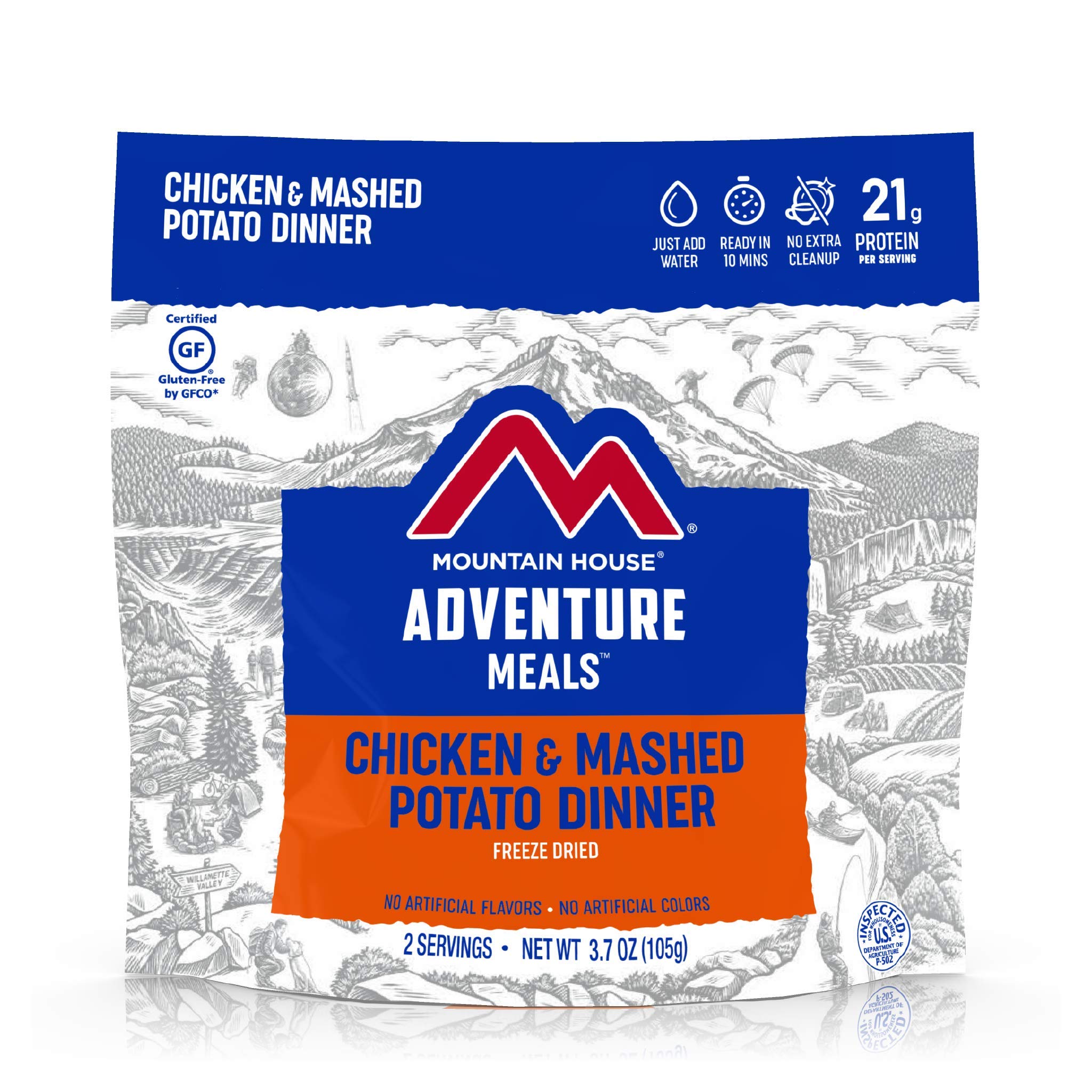
This freeze-dried dinner delivers big pieces of chicken and smooth mashed potatoes that taste closer to home-cooked than typical backpacking fare. The gluten-free certification and high-quality ingredients appeal to hikers with dietary restrictions. However, the premium price and need for extra seasoning to brighten the flavor mean it suits those who prioritize comfort over value and are willing to pack herbs. Best for a hot dinner at camp rather than a quick lunch — the weight and prep time (hot water, 10 minutes) make it a hearty end-of-day meal.
Pros
- Tastes surprisingly close to homemade with real chicken chunks
- High-quality ingredients with gluten-free certification
Cons
- Flavor leans mild; adding herbs or spices helps if you prefer bolder seasoning
Works well as a hot dinner for gluten-sensitive hikers who value home-style taste and are fine with a premium price and a little extra seasoning.
Best for Breakfast Lovers
Peak Strawberry Granola
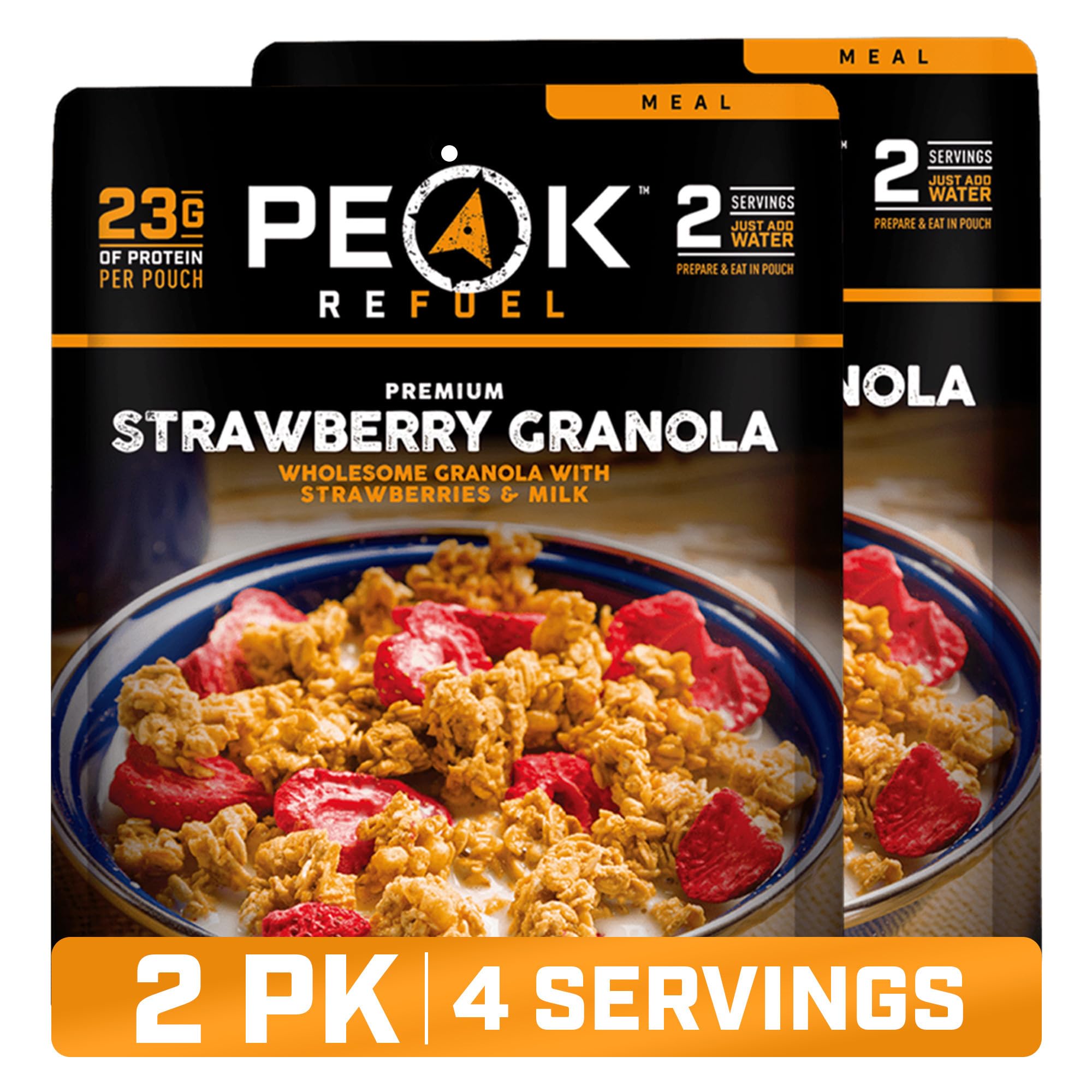
Peak Refuel’s Strawberry Granola delivers real fruit pieces and rich, creamy flavor that stands out among cold-soak options. It requires only cold water, making it ideal for stoveless hikers wanting a quick breakfast or lunch. However, the per-serving cost runs higher than similar granola meals, limiting its appeal to those willing to pay a premium for superior taste and convenience.
Pros
- Real strawberries and creamy milk produce a flavor that outpaces most cold-soak granolas.
- Filling enough to satisfy as a trail breakfast or light lunch.
Cons
- Expensive per serving compared to similar granola options.
For backpackers who prioritize flavor and don’t mind spending extra for a cold, sweet lunch, this granola is a standout option — but budget-conscious hikers should look elsewhere.
Best for Vegetarian Hearty
BP Lasagna

Key Features
- Prep: Add hot water, ready in 10 min
- Protein: 28g per pouch
- Price: $$
This freeze-dried lasagna delivers a familiar pasta meal with 28g protein in a lightweight pouch that only needs hot water and 10 minutes. Perfect for a vegetarian lunch on the trail, though the tomato flavor can be mild — adding salt, pepper, or red pepper flakes improves it without much effort.
Pros
- Familiar comfort meal: lasagna tastes like a real pasta dinner on the trail.
- High protein: 28g per pouch supports energy for multi-day hikes.
Cons
- Tomato depth can be lacking; some find the flavor bland without extra seasoning.
Works well for vegetarian hikers who want a hot, familiar lunch and don’t mind carrying a few extra spices to boost flavor.
Best for Health-Conscious
Wild Planet Tuna Salad

This ready-to-eat salad combines wild tuna, beans, and corn for 8g fiber and 16g protein without mayo. The clean ingredient list suits health-conscious eaters, but the pronounced oil content and small tuna portion make it a poor fit for backpacking — the oil can leak in a pack and the protein-to-weight ratio is low for hungry hikers. It is a better choice for a quick, no-cook lunch at home or office.
Pros
- No mayo with 8g fiber for a lighter lunch option
- Filling enough for a moderate appetite as a standalone meal
Cons
- Oil content can be messy for portable use and may feel greasy straight from the can
Pick this if your lunch stays on a desk or picnic table, not in a pack — the oil and small tuna portion limit its trail worthiness.
Best for Protein Booster
Swanson Chicken Pouch

This 2.6 oz pouch delivers 11g of protein with no prep needed, making it a handy booster for instant rice or crackers on the trail. However, the review data aggregates across multiple Swanson products and cannot be trusted for this specific pouch, and the portion is too small to work as a standalone backpacking lunch.
Pros
- Adds 11g protein to any lightweight meal without cooking or refrigeration.
- Gluten-free and 97% fat-free, fitting dietary preferences easily.
Cons
- At 2.6 oz, this pouch is too small to serve as a backpacking lunch on its own.
Keep a few pouches in your pack for adding quick protein to instant rice or ramen, but plan a larger main dish to pair with it.
How to Choose
Choosing a backpacking lunch comes down to how much weight you’re willing to carry versus how much time and water you want to spend on prep.
Weight and Packability
Every ounce counts when you’re covering miles. Lighter meals often come in pouches that are easy to crush, while rigid cans or plastic tubs resist damage but add bulk. A tuna kit with a cardboard sleeve may be compact, but the sleeves can collapse under a heavy pack.
The trade-off: lightweight freeze-dried pouches like granola have a high calorie-to-weight ratio (over 100 calories per ounce), but they require water to rehydrate. For day hikes where water is abundant, this works. For dry stretches, a dense bar or a ready-to-eat pouch may be smarter.
Calories per Serving
Active hikers burn 300–500 calories per hour. A lunch kit with 200 calories won’t keep you going. Look for at least 500 calories if it’s your main midday meal. Many ‘serves 2’ freeze-dried pouches are realistically one serving for a hungry adult.
The hidden problem is calorie density: a 4-ounce tuna kit with 150 calories per ounce sounds decent, but if the total is only 300 calories, you’ll need two kits. Compare the calorie count per ounce rather than the label’s serving size.
Preparation Method
No-cook options (tuna kits, bars, cold-soak granola) save time and fuel. They’re ideal for warm-weather trips where you don’t want to boil water. The downside: they often have lower calorie density and can leave you craving a hot meal after days on the trail.
Hot-meal pouches (add boiling water, wait 10 minutes) provide comfort and higher calorie counts, but they require a stove, fuel, and cleanup. If you’re going stoveless, stick with cold-soak or ready-to-eat kits.
Protein Content
Protein helps with muscle recovery after a day of hiking, but too much can slow digestion. A lunch with 15–25 grams of protein is a good target. Tuna and chicken kits typically offer 8–19 grams; freeze-dried meals with real beef can hit 28 grams.
The catch: protein-rich meals often weigh more per calorie. A pouch with 28 grams of protein may weigh 5 ounces, while a granola pouch with 600 calories and no protein may weigh 4 ounces. Match your need to your trip length and workload.
Shelf Stability and Storage
All backpacking lunches must be shelf-stable without refrigeration. Tuna and chicken kits have a typical shelf life of 2–3 years. Freeze-dried meals from brands like Mountain House boast 30-year guarantees if stored properly.
The practical limit: once opened, any pouch should be eaten within a day. Crushed crackers or leaked fruit cups are common complaints. Repack delicate items into zip-top bags to avoid disappointment.
FAQ
Can I eat backpacking lunch kits cold without heating water?
Yes, many kits are designed for no-cold eating: tuna and chicken salad kits, bars, and cold-soak granola (add cold water, wait 10 minutes). Check the package — if it says ‘just add water’ without specifying hot, it usually works cold. For freeze-dried meals, hot water is required to fully rehydrate meat and starches.
Why do my freeze-dried meals always come out crunchy even after adding extra water?
Crunchy rehydration is usually a timing issue. Most freeze-dried meals need a full 10–12 minutes of soak time, not just the 8 minutes on the package. Stirring halfway helps. For meals with dense meat like Peak Refuel’s stroganoff, use a few extra tablespoons of water and seal the pouch tightly to trap steam. If it’s still crunchy, the meal may have been stored too long or in high humidity.
How many calories do I actually need for a backpacking lunch?
Moderate-hiking adults burn 300–500 calories per hour. A lunch should provide at least 500–700 calories to sustain you through the afternoon push. Many tuna kits hover around 200–300 calories and are better as snacks. For multi-day trips, plan on 2,500–4,000 total daily calories; a 600-calorie lunch fits well into that range.
What is the lightest no-cook lunch option for a multi-day backpacking trip?
The lightest option is a high-calorie bar like the Greenbelly meal bars, which pack 650 calories in a 5.5-ounce pouch — no water, no stove, no dishes. Cold-soak granola comes close at about 4 ounces per serving but requires water. For a balanced approach, combine a bar with a tuna kit (adds 4 ounces and 200 calories) for variety.