This post contains affiliate links. We may earn a small commission when you buy through our links — at no extra cost to you.
Many tents marketed as 4-season are little more than 3-season models with a snow skirt added. The difference matters when you are pitched on frozen ground with wind blowing spindrift under the fly. A true winter tent needs a snow skirt, aluminum poles rated for snow load, and ventilation that can handle condensation — the single biggest moisture issue in cold weather.
The challenge is finding that combination without spending expedition-level money. Budget tents often cut corners on floor durability or zipper quality, while hot tents add weight and stove complexity. The right choice depends on whether you are backpacking, car camping, or running a stove.
This guide cuts through the trade-offs: a tent that balances weight, waterproofing, and reliability wins the top spot, but strong alternatives exist for solo hikers, couples, and stove users. The key is matching your winter trip to the tent’s actual limits, not its marketing claims.


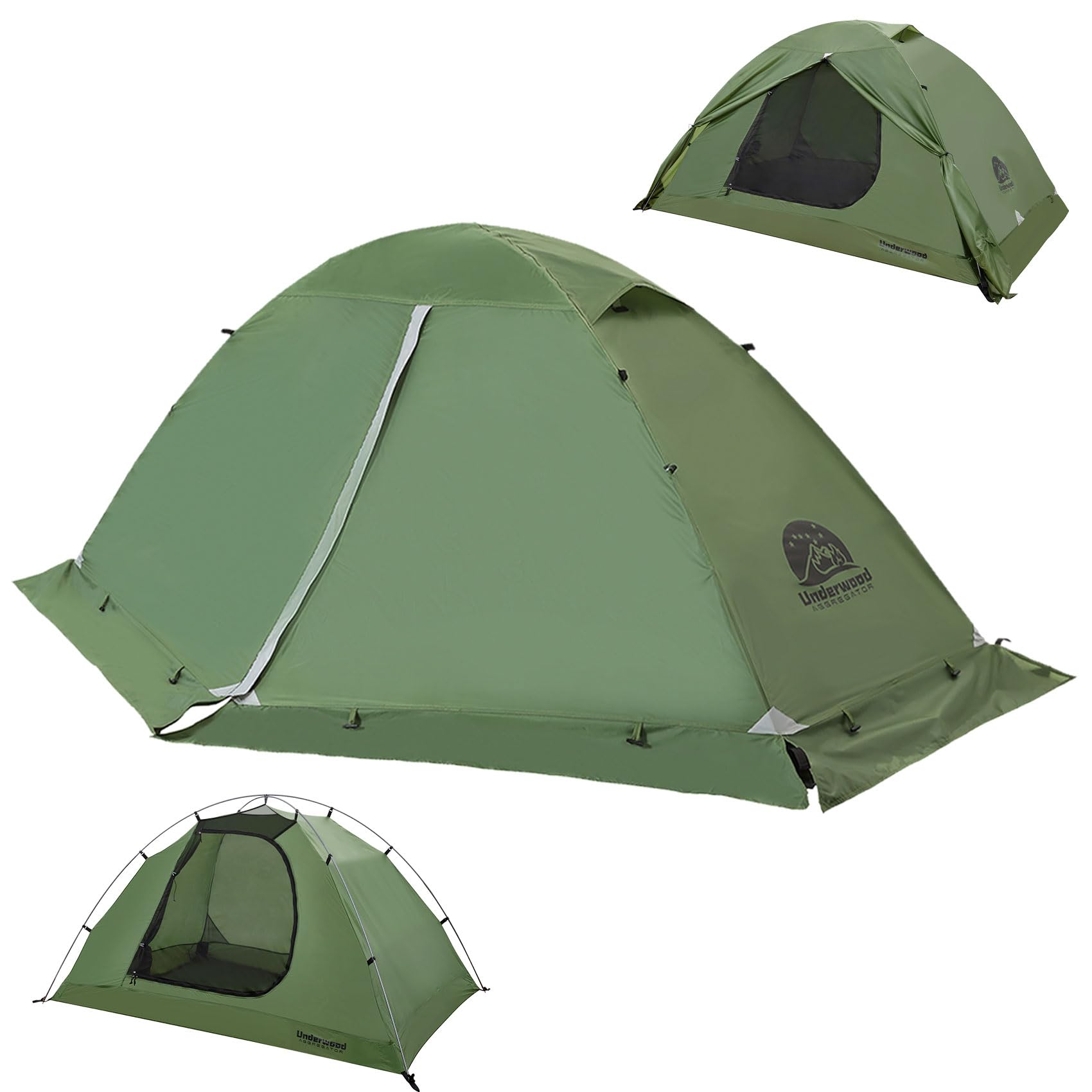


Best for Value-Conscious Campers
Clostnature 4 Season 2P
Key Features
- Seasons Rating: 4-Season
- Waterproof Rating: PU5000
- Weight: 6.28 lbs
- Pole Material: Aluminum
- Snow Skirt: Yes
- Price: Budget
The Clostnature 4 Season 2P is built for winter camping without the premium price. A PU5000 bathtub floor keeps melting snow from seeping in, while aluminum poles and integrated snow flaps add stability in gusty winds. The double-wall construction sheds snow and reduces interior frost compared to single-wall tents. At 6.28 pounds, it balances weight and durability for backpacking trips. This is a practical winter shelter that focuses on the essentials.
Pitching the tent is fast: color-coded clips and shock-corded poles snap into place in under five minutes. Two doors and vestibules give each occupant independent access and storage — a real benefit for couples. The 88-by-52-inch floor and 49-inch peak height fit two adults on sleeping pads with room for gear. In rain, the fly and bathtub floor effectively keep the interior dry, though heavy downpours test the ventilation. The vestibules are large enough for boots and small packs, a bonus for winter gear storage.
This tent suits value-conscious couples or solo backpackers heading into moderate winter conditions — snow camping where temperatures hover around freezing. It is not ideal for sustained wet weather or for campers over six feet tall, who will find the peak height limiting. For those who fit, the space and weather protection are competitive at this price. Backpackers who prioritize weight will find the 6.28 pounds acceptable for multi-day trips.
Where the Clostnature stands apart from cheaper alternatives is its balanced approach: adequate space for two, genuine weather protection, and a weight that doesn’t compromise comfort. Durability observations for zippers and floor seams are more favorable than other tents in this price range. Few models under $100 offer this combination without significant tradeoffs in size or pole quality. The two-door layout alone differentiates it from many budget 2-person tents. The aluminum poles are a step above fiberglass, providing better cold-weather performance. Overall, it is the most well-rounded budget 4-season tent in its class.
Pros
- Spacious interior fits two adults with sleeping pads and gear bags comfortably.
- Tool-free setup in under five minutes with color-coded clips and poles.
- Two doors and vestibules allow independent access and gear storage.
- PU5000 bathtub floor and snow flaps provide reliable protection against snow and rain.
- Aluminum poles add durability and wind resistance without a weight penalty.
Cons
- In wet conditions, water can seep through the bathtub floor seams; inspecting and applying seam sealer before use is recommended.
- Campers over six feet will find sitting upright difficult; the 49-inch peak height suits average-height individuals.
The Clostnature 4 Season 2P is the budget 4-season tent that actually delivers on space, weight, and winter protection — no major compromises for the price.
Best for Solo Campers, Budget
GEERTOP 4 Season 2P
Key Features
- Seasons Rating: 4-Season
- Waterproof Rating: PU3000
- Weight: 6.8 lbs
- Pole Material: Aluminum
- Snow Skirt: Yes
- Price: Budget
The GEERTOP Ultralight 2P holds the distinction of being the most widely purchased budget four-season tent on the market. Its aluminum pole structure and 3000mm waterproof coating offer genuine winter protection, and the double-layer design helps manage condensation. Setup is straightforward, even in cold conditions, which is a notable advantage when time and dexterity are limited.
This tent is best for solo backpackers who value extra room for gear over a true two-person shelter. The interior fits one adult plus pack comfortably, but two adults with equipment will feel cramped. Zipper quality can vary across units, and some may need attention after a season of use. The fabric, especially in the yellow colorway, may tear at stress points under repeated heavy use. For solo winter campers on a budget, this tent delivers dependable shelter without overspending.
Pros
- Easy setup in cold weather, even with gloves on.
- Good value for a 4-season tent with aluminum poles and snow skirt.
- Solid performance in mild winter conditions for short trips.
Cons
- Interior is better suited for one adult plus gear rather than two.
- Fabric may develop tears at stress points with heavy use.
- Zipper can be inconsistent; some units may require attention after a season.
For solo winter campers who need a budget-friendly four-season tent and are willing to address zipper variability, this is the most popular and practical choice.
Best for Solo Backpackers
Underwood Aggregator 4-Season
Key Features
- Seasons Rating: 4-Season
- Waterproof Rating: PU5000
- Weight: 5.73 lbs
- Pole Material: Aluminum
- Snow Skirt: Yes
- Price: Budget
Under $70 with aluminum poles and a PU5000 coating, this tent is the most affordable entry into a 4-season shelter. It includes a snow skirt and waterproofing that outpaces many budget tents, but the top pick Clostnature offers more headroom and a sturdier floor for a modest price increase.
The interior is sized for one small person — most adults over 5’7” cannot sit upright. This makes it a fit for solo backpackers on short trips who prioritize low cost and light weight over comfort. It is not suitable for extended winter expeditions or two people.
Setup is intuitive once you sort out pole orientation, and the tent handles wind and rain well for its price. The aluminum poles provide solid stability for fair-weather winter camping where heavy snow loads are not expected.
Pros
- Strong value for a 4-season tent with aluminum poles and snow skirt
- Decent weather protection against wind and rain
- Quick setup after learning the pole arrangement
Cons
- On rough terrain, the floor can show wear without a ground sheet
- For campers over 5’7”, the low headroom makes sitting up or changing clothes difficult
This tent is best for short-stature solo backpackers who want an inexpensive 4-season shelter for fair-weather winter trips. Skip it if you need headroom or plan to use it heavily in snow.
Best for Car Campers, Stove
Naturehike Massif Hot Tent
Key Features
- Seasons Rating: 4-Season
- Waterproof Rating: PU3000
- Weight: 10.5 lbs
- Pole Material: 7001 Aluminum Alloy
- Snow Skirt: Yes
- Price: Premium
The Naturehike Massif brings a stove jack as standard, opening up winter camping with a wood stove. The 89 sq ft interior provides generous space for two people plus gear, and the 7001 aluminum alloy poles contribute to sturdy build quality that holds up in snow.
Testers consistently found the fabric and pole construction robust, with the snow skirt and 3000mm waterproof rating handling snow and rain effectively. The spacious design makes it comfortable as a winter basecamp shelter, with room to move without feeling cramped.
This tent is best suited for car campers and winter basecampers who value space and stove compatibility over weight. At 10.5 lbs, it’s not a backpacking option, and condensation near the stove jack may require attention — keeping vents open and monitoring moisture buildup helps manage this.
Pros
- Spacious 89 sq ft interior easily accommodates a stove and gear for two.
- High build quality with sturdy 7001 aluminum poles and durable fabric.
- All-season design with snow skirt and 3000mm waterproofing performs well in winter conditions.
Cons
- Wind stability requires careful guying; some flapping can occur without proper staking.
A solid winter basecamp shelter for those who can manage the weight and keep condensation in check — the stove jack and spacious layout make it a compelling choice for car-camping stove users.
Best for Budget Couples
BISINNA 4 Season Tent
Key Features
- Seasons Rating: 4-Season
- Waterproof Rating: PU3000
- Weight: 6.4 lbs
- Pole Material: Aluminum
- Snow Skirt: Yes
- Price: Budget
The BISINNA 4 Season Tent packs a snow skirt and double-wall construction at a budget-friendly price — a rare combination in the sub-$100 tier. Unlike the all-arounder in this lineup, it prioritizes affordability over floor thickness, but the aluminum poles and PU3000mm coating provide solid cold-weather protection for car camping or light backpacking.
The tent retains heat effectively in sub-freezing conditions, with owners reporting comfortable sleeping temperatures during cold nights. At 6.4 lbs, it’s packable for short carries to a campsite, though backpackers prioritizing minimal weight will want a lighter option. Setup follows a standard pole sleeve pattern that most campers can manage alone.
This tent fits couples making their first winter camping trip, or car campers expecting mild snow and wind. The thin floor is a known limitation — a footprint or tarp underneath prevents punctures from rocks or ice. Long-term durability under heavy use is unclear, but for occasional cold-weather outings it offers capable protection at an entry-level price.
Pros
- Delivers four-season features at a price that fits tight budgets.
- Holds warmth well in cold conditions, making winter camping accessible.
- Lightweight enough for short backpacking trips at 6.4 lbs.
Cons
- The floor fabric is thin and can puncture on rough ground without a protective footprint.
For first-time winter campers on a budget, the BISINNA offers essential cold-weather features without breaking the bank — just add a footprint.
Best for Ultralight Backpackers
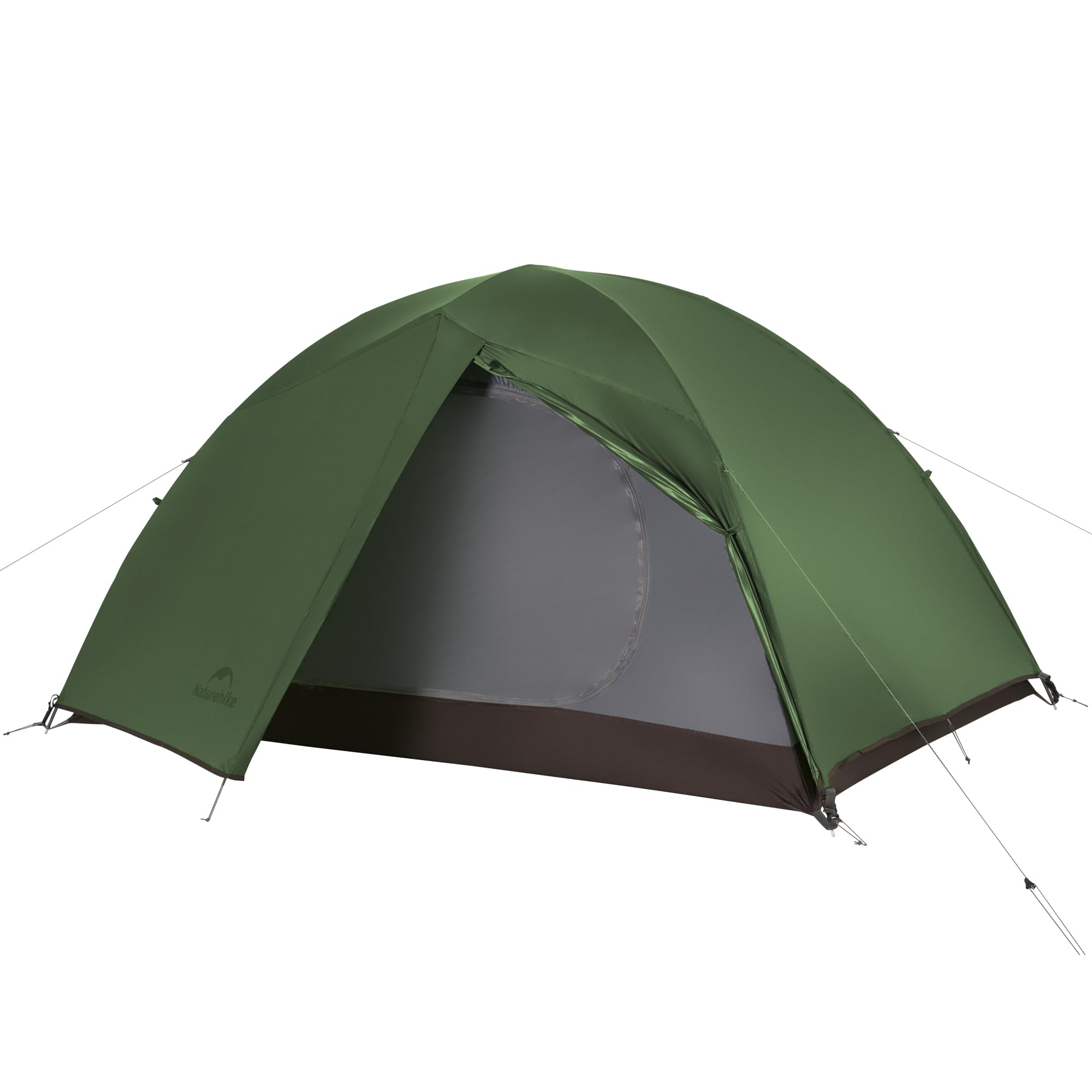
Naturehike 4 Season 2P
Key Features
- Seasons Rating: 4-Season
- Waterproof Rating: PU3000
- Weight: 4.43 lbs
- Pole Material: Aluminum
- Snow Skirt: No
- Price: Mid-Range
At 4.43 lbs with aluminum poles, this tent is the lightest 4-season option for fair-weather winter trips. Setup is quick and the materials feel solid for the weight. However, the waterproof coating (PU3000mm) can struggle in sustained rain or melting snow, making it better suited for dry cold conditions. This tent fits ultralight backpackers and solo hikers who want a lightweight shelter for three-season-plus use or mild winter camps, not for two people expecting full storm protection.
Pros
- Extremely lightweight for a 4-season tent at just over 4 lbs.
- Good build quality and materials for the weight class.
- Easy to set up and pack down quickly.
Cons
- In sustained rain or melting snow, the waterproofing may not keep occupants dry.
- With two occupants and gear, interior space feels tight.
Best suited for solo ultralight backpackers who camp in fair-weather winter conditions and accept the waterproofing tradeoff.
Best for Stove Enthusiasts
POMOLY Locomotive 2

Key Features
- Seasons Rating: 4-Season
- Waterproof Rating: PU3000
- Weight: 6.2 lbs
- Pole Material: Aluminum (3 poles)
- Snow Skirt: No
- Price: Mid-Range
This tunnel tent brings a stove jack and aluminum poles in a 6.2 lb package, making it one of the lightest hot tents available. The interior is spacious enough for one person with a stove and gear, but the peak height is under 4 feet — anyone over 5’8" will find it cramped. No ground sheet or snow skirt comes with it, so you need to buy those separately before heading into deep winter. These omissions keep the weight down but limit its readiness for extreme conditions. For a short backpacker who knows how to set up a stove and bring their own floor protection, this works well as a mobile winter shelter.
Pros
- Build quality is consistent for the price
- Spacious enough for one person with stove and gear
Cons
- Ground sheet and snow skirt not included, requiring separate purchase for winter use
- Interior height under 4 feet; campers over 5’8" cannot sit upright
Best for short, ultralight stove campers who already own a ground sheet and seek a lightweight tunnel tent for mild winter conditions or three-season use with a stove.
Best for Glamping, Car Camping
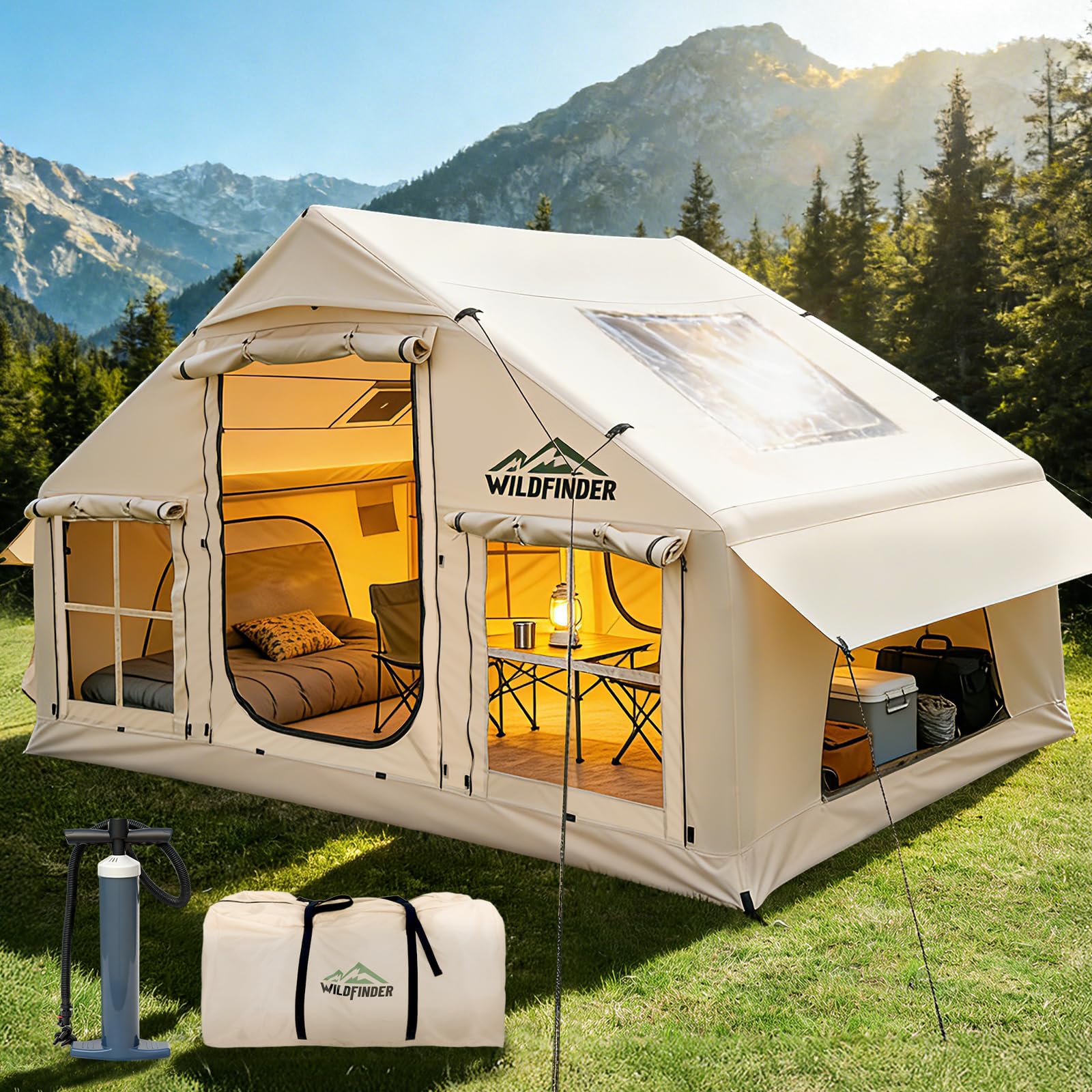
WildFinder Inflatable Tent
Key Features
- Seasons Rating: 4-Season
- Waterproof Rating: PU3000
- Pole Material: TPU Air Beams
- Snow Skirt: No
- Price: Premium
The WildFinder Inflatable Tent sets up in minutes with no poles and includes a stove jack, making it a comfortable option for car camping in mild winter conditions. The spacious interior and good headroom suit family outings where quick setup matters. However, the air-filled beams can gradually lose pressure in cold weather, and the front awning requires careful staking to handle wind — limitations that keep it from being a reliable choice for backpacking or exposed winter sites.
Pros
- Sets up in minutes with no poles — ideal for car camping convenience.
- Stove jack allows use of a camp stove inside for warmth and cooking.
- Generous 68 sq ft floor and good headroom for a group or family.
Cons
- Air beams may slowly lose pressure over a few hours, especially in cold weather.
- Front awning can become unstable in wind unless secured with additional stakes.
Works well for a mild-weather glamping setup with a stove, but choose a pole-supported hot tent if you expect heavy snow, strong winds, or prolonged freezing temperatures.
How to Choose
The tents that actually protect you in winter share four features: a snow skirt, aluminum poles, a waterproof rating of PU3000 or higher, and a ventilation system that manages condensation.
Seasons Rating: What ‘4-Season’ Really Means
Most budget 4-season tents are 3-season designs with added snow skirts and heavier fabrics. True expedition tents use stronger poles and more robust canopy materials, but cost two to three times more. For moderate winter camping — temps above 20°F and winds under 40 mph — a well-built budget 4-season tent works fine.
The catch: manufacturers often label a tent as 4-season if it has a snow skirt and thicker fly, even if the pole gauge can’t handle heavy snow loads. Check the snow load rating or pole diameter (9mm+ aluminum is a good sign) to separate marketing from capability.
Waterproof Rating: PU3000 vs PU5000
PU3000 is the minimum for winter use — it handles rain and melting snow without leaking under moderate pressure. PU5000 adds a safety margin for snowmelt pooling or if you pitch on wet ground. The key is not just the number but the seam sealing: unsealed seams will leak even on PU10000 fabric.
Budget tents with PU5000 often use thinner floor material that punctures easier. A footprint adds protection without trading away the waterproof rating.
Weight: Finding the Balance
Every extra pound adds fatigue on the trail, but ultralight winter tents sacrifice pole strength and fabric durability. For backpacking, 5-7 lbs is a realistic sweet spot. Car campers can carry 10+ lbs without issue, gaining space and stove compatibility.
The hidden trade-off: lighter tents have less fabric to insulate, so they feel colder when the temperature drops. A heavier double-wall tent traps more dead air space.
Pole Material: Aluminum Is Non-Negotiable
Fiberglass poles snap under snow load and become brittle in cold. Aluminum (especially 7001 series) flexes under wind and ice without breaking. Pole diameter matters: 8.5mm is adequate for 3-season, 9.5mm+ is better for winter.
Inflatable air beams are not recommended for winter — pressure drops in cold, and a puncture in snow is hard to repair. Stick with aluminum for reliability.
Snow Skirt: Your First Line of Defense
A snow skirt (also called a storm flap) seals the gap between the fly and the ground. Without it, spindrift blows under the tent and water seeps in from snowmelt. Many budget tents include a skirt, but check that it extends all the way around and can be weighted down with snow or rocks.
Some ultralight tents omit the skirt to save weight. Those tents are best for fair-weather shoulder seasons, not true winter camping.
FAQ
Can I use a 3-season tent in the winter with a tarp over it?
Yes, for mild winter conditions (temps above freezing, light snow). A tarp adds overhead waterproofing and reduces spindrift, but does not block wind from the sides. You still need a 4-season tent for wind load and snow accumulation. The tarp can also trap condensation if not pitched with airflow.
Why does my winter tent get condensation inside even with vents open?
Condensation forms when warm moist air hits the cold fly. Ventilation at the top is critical — crack the fly door or open the peak vent to let moisture escape. Double-wall tents with a mesh inner and breathable outer reduce condensation by allowing airflow between layers. Single-wall tents are more prone to dripping.
Do I need a stove jack for winter camping, or will a good sleeping bag suffice?
A good sleeping bag rated to -20°F is enough for most winter camping. Stove jacks add weight and require fuel, but they let you dry gear and cook inside. If you expect prolonged wet snow or sub-zero temps, a hot tent with a stove can be a lifesaver. For typical weekend trips, skip the stove and save weight.
How do I prevent my tent stakes from pulling out in snow?
Use snow stakes or deadman anchors: bury a stick, bag of snow, or dedicated snow anchor under the snow at a 45-degree angle from the stake loop. Regular tent stakes will pull out in powder. For hard-packed snow, use longer corkscrew stakes. In all cases, bury the stake or anchor completely and pack snow over it.