This post contains affiliate links. We may earn a small commission when you buy through our links — at no extra cost to you.
Finding a hiking boot that genuinely fits a wide foot is harder than it should be. Many brands label a boot ‘wide’ but only add a few millimeters in the toe box, leaving a narrow heel or insufficient arch space. The result is blisters and discomfort on the trail.
Beyond fit, the boots that accommodate wide feet vary in how they handle water, how long they last, and how much they weigh. A boot that’s perfect for a day hike on dry trails may feel swampy on a wet weekend trip. Knowing which features matter for your terrain makes the difference between a purchase you love and one you regret.
This guide focuses on boots that offer genuine wide sizing (2E/4E or W) from brands with thousands of positive reviews from wide-foot hikers. They come with trade-offs – no boot does everything – but each pick excels in its specific use case.


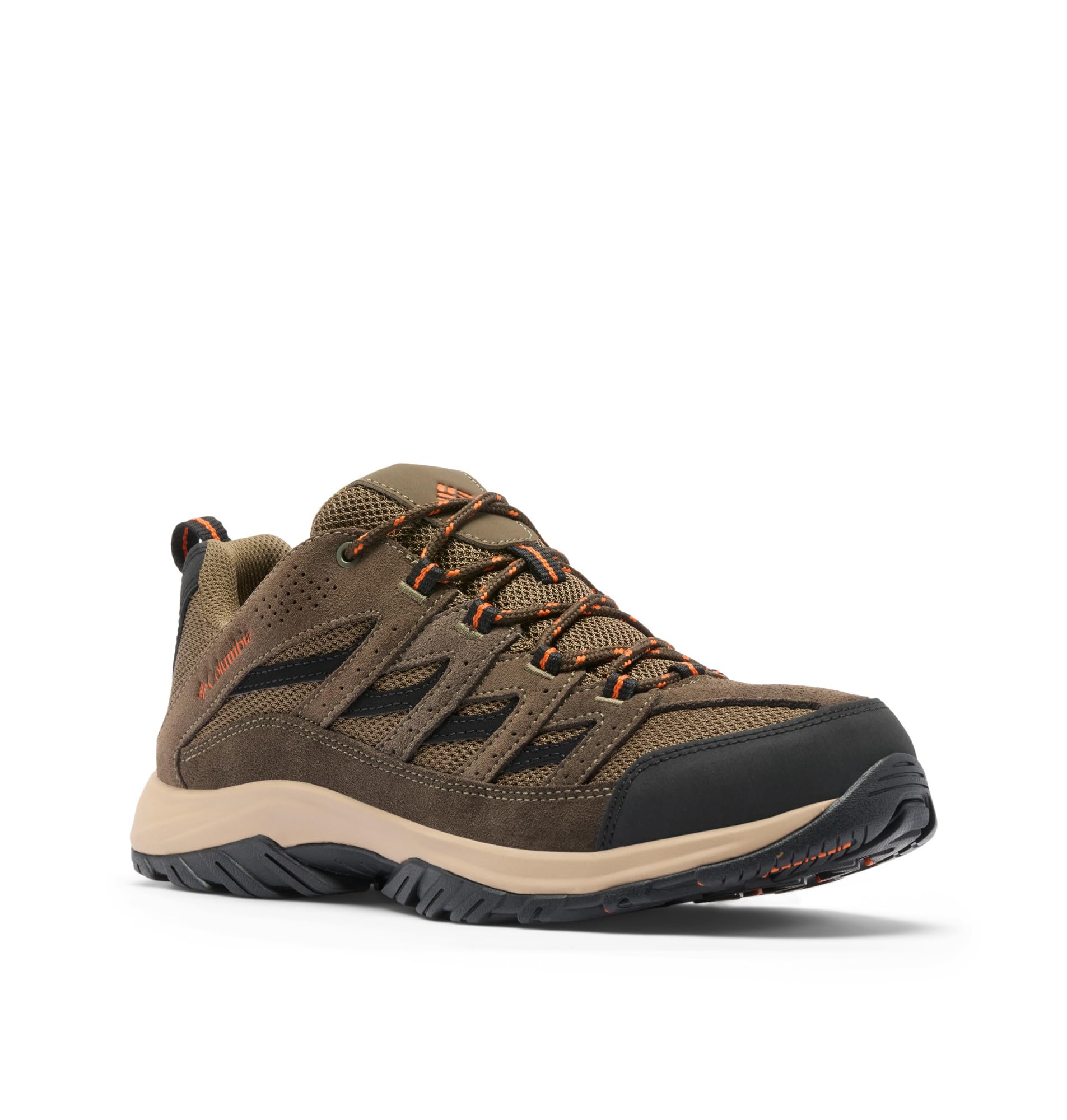


Best for Wide-Foot Day Hikers
Merrell Moab 2 WP Men
The Moab 2 Mid’s wide sizing and supportive footbed make it a go-to for hikers who struggle to find boots that don’t pinch or collapse. At 1.2 lbs per boot, it’s lighter than traditional leather options, and the combination of leather and mesh upper breathes better than full-grain alternatives.
This boot suits men who need a spacious toe box and stable arch support for day hikes on moderate terrain. It’s not a budget pick, and those who demand consistent waterproofing across all weather may want to inspect individual fit and seam quality before committing.
Pros
- Wide (2E) and extra wide (4E) options accommodate most foot shapes comfortably.
- Built-in arch support reduces fatigue for flat feet and overpronation.
- Weighs notably less than all-leather boots, making all-day wear easier.
Cons
- Sole separation can occur in some units after moderate use, especially if exposed to heat or constant flexing.
- Waterproof membrane performance varies between batches; wet feet possible in sustained rain.
For men with wide feet who prioritize fit and arch support over ultimate durability or sealed waterproofing, the Moab 2 Mid delivers where it matters most.
Best for Wide-Foot Day Hikes
Merrell Moab 3 WP Women
The Merrell Moab 3 Mid Waterproof for women delivers immediate comfort and a generous toe box that accommodates wide feet without any break-in. Ankle support is solid for uneven terrain, and the waterproof membrane handles wet trails effectively. While the Men’s Moab 2 has a longer track record for wide sizing, this women-specific version offers a lighter build and a fit tuned to female foot shapes.
Best suited for women with wide feet who need a reliable day hiker that feels comfortable from the first wear. Those with very narrow heels may experience some heel slip, so trying a heel lock lacing or a thicker insole can help dial in the fit.
Pros
- Wearable out of the box with no blister issues.
- Roomy toe box works well for wide feet.
- Good ankle support on uneven ground.
Cons
- Heel slip can occur for those with narrow heels.
- Boots feel warm in hot weather due to the waterproof membrane.
A wide-foot-friendly boot that delivers on comfort from day one for day hikes and light backpacking.
Best for Wide-Foot Budget Women
Columbia Newton Ridge Amped
The Columbia Newton Ridge Amped delivers immediate comfort and reliable waterproofing at a budget price, making it a strong option for women with wide feet. This model is discontinued, so sizes and colors are limited while stock lasts. Those with narrow heels may experience some heel slip.
Pros
- Comfortable immediately with no break-in period
- Roomier fit accommodates wide feet well
- Keeps feet dry in snow and puddles
Cons
- Discontinued model may limit future availability of replacements
- Heel may feel loose for those with narrow heels
Strong value for wide-foot hikers who can find their size — performance holds up against pricier competitors.
Best for Wide-Foot Budget Men
Columbia Crestwood Men
While not the lightest boot on the trail, the Crestwood balances a sturdy build with immediate comfort and a genuine 2E width that wide-foot hikers appreciate. Waterproofing can vary between units, and the tread may show wear after a year of regular use—limitations that matter most to those who demand guaranteed dryness or expect years of rugged service. For day hikers on a budget who prioritize fit and price over waterproof consistency and extreme durability, this Columbia boot delivers consistent value.
Pros
- True 2E width for a comfortable fit on wide feet.
- Lightweight and comfortable with no break-in needed.
- Good value for the price—solid construction for day hikes.
Cons
- In wet conditions, waterproofing can be inconsistent—some units may allow moisture through.
- Sole tread may wear noticeably after a year of regular hiking on rocky terrain.
A sensible choice for wide-foot hikers seeking an affordable boot for day trips, provided expectations around waterproofing and long-term durability are set appropriately.
Best for Budget Lightweight Wide
Columbia Newton Ridge II
The Columbia Newton Ridge II stands out for its lightweight build and no-break-in softness, making it an immediate comfort for wide feet. While it doesn’t match the top pick’s long-term durability, its Omni-Tech waterproofing handles light to moderate rain effectively. This boot suits men who prioritize weight and budget over heavy-duty ruggedness, with the understanding that the lace hooks require gentle handling and the tongue mesh may let water through in sustained downpours.
Pros
- Lightweight and comfortable with a soft interior that needs no break-in.
- Wide 2E sizing fits most men with wide feet well.
- Good value for money with effective waterproofing at a budget price.
Cons
- Top lace hooks may pop off if over-tightened; careful lacing helps.
- Mesh tongue can allow water ingress in prolonged wet conditions.
A smart choice for budget-conscious day hikers with wide feet who value lightweight comfort and are willing to handle the lace hooks and tongue waterproofing limits.
Best for Wide-Foot Value Hikes
Timberland White Ledge Mid
The Timberland White Ledge Mid delivers immediate comfort for wide-foot hikers who want a leather boot that doesn’t feel like a lead weight. At 1.1 pounds per boot, it’s noticeably lighter than the burlier Mt. Maddsen, making it a practical choice for day hikes on maintained trails. The seam-sealed construction handles rain and puddles well, and the wide sizing genuinely accommodates broader feet without pinching.
This boot suits casual to moderate hikers who prioritize comfort and value over long-term durability. The leather upper requires some break-in for the ankle area, but the sole can separate after 6-12 months of regular use. If you plan to retire these after a season of weekend hikes, the tradeoff is worth the weight savings and immediate fit.
Pros
- Lightweight leather boot with roomy fit for wide feet
- Effective water resistance keeps feet dry in wet conditions
- Strong value for the price given the comfort and features
Cons
- Sole separation can occur after 6-12 months of routine hiking
A reliable option for wide-foot day hikers who value comfort and light weight over multi-year durability.
Best for Wide-Foot Women Current
Columbia Newton Ridge Plus
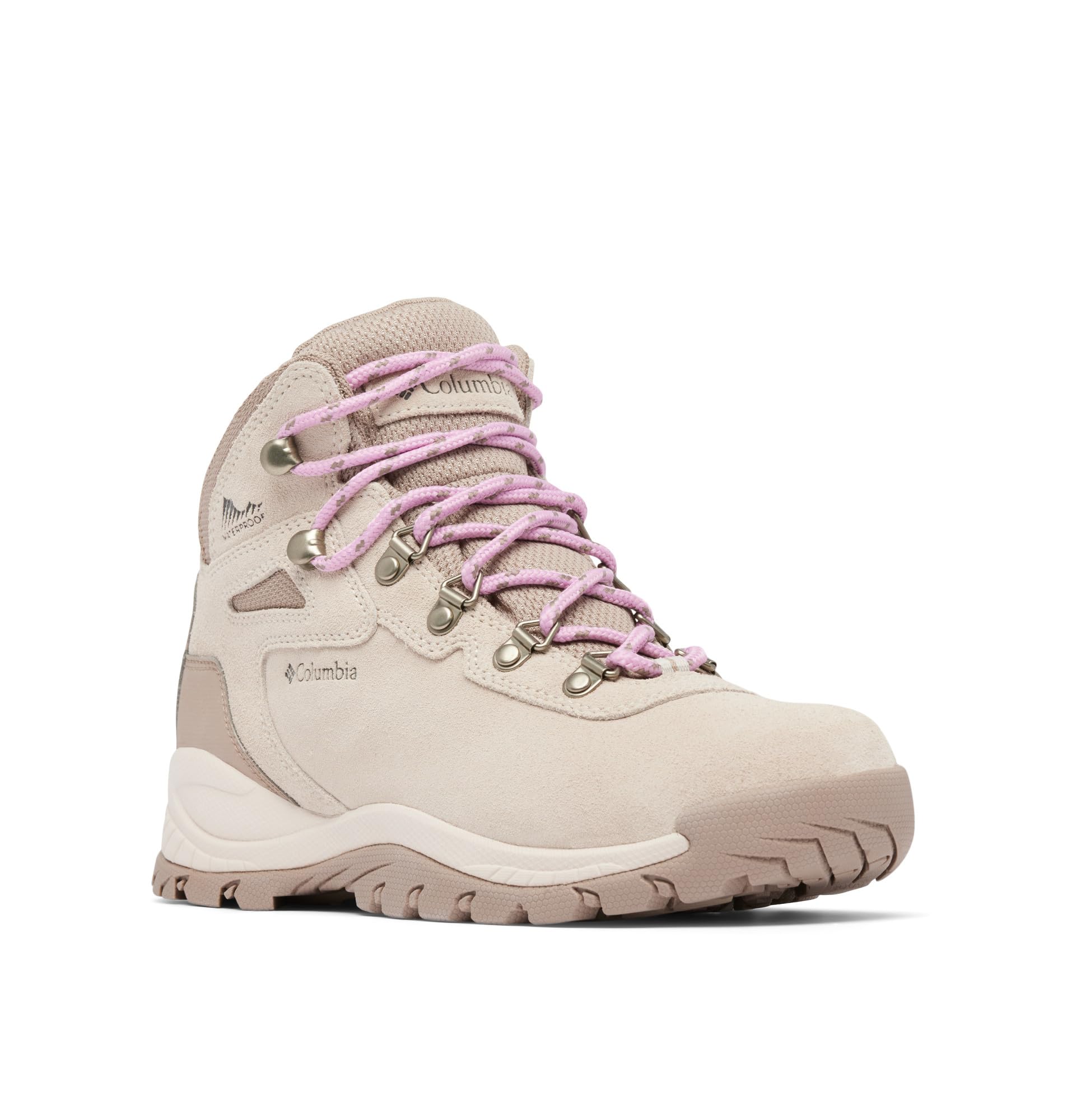
The Columbia Newton Ridge Plus offers a roomy toe box that suits wide feet and provides good ankle support for day hikes. The lace hooks can be fiddly and the tongue mesh absorbs water, which slows drying. This current version costs a bit more than the discontinued Amped model, but it’s widely available in wide sizing.
Pros
- Very comfortable for long hikes
- Roomy toe box accommodates wide feet and thick socks
Cons
- Lace hooks can be fiddly; tongue mesh absorbs water and dries slowly
Best for wide-foot women who want a comfortable boot with good toe room and don’t mind the fiddly lace hooks or slow-drying tongue.
Best for Wide-Foot Heavy Duty
Timberland Mt. Maddsen

Heavy-duty construction with anti-fatigue comfort and effective waterproofing makes this a good option for wide-footed men needing a durable boot for work or cold-weather day hikes. However, its weight (3 lbs per pair) makes it unsuitable for long-distance backpacking, and some users note sole wear over time.
Pros
- Anti-fatigue footbed reduces strain during long work shifts or hikes.
- Seam-sealed waterproof leather keeps feet dry in wet conditions.
Cons
- At 3 lbs per pair, these boots add noticeable weight on longer trails.
Best suited for wide-footed men who need a durable waterproof boot for work or short cold-weather hikes, not for long-distance treks.
Best for Wide-Foot Moderate Hikes
Timberland Flume Mid

The Flume Mid is comfortable from first wear with a wide-friendly fit and effective waterproofing for wet conditions. Its 3-pound weight and possible sole separation or eyelet breakage make it a better fit for short hikes or work use than long treks, where the Merrell Moab 2 offers better overall value.
Pros
- Comfortable from first wear with no break-in period needed.
- Roomier fit for wide feet with good toe space.
Cons
- Heavy weight and occasional sole separation or eyelet breakage may occur.
Best for short to moderate hikes or work use if you need a wide boot and can accept its weight and durability tradeoffs.
Best for Wide-Foot Casual Walks
Skechers Relment-pelmo

This Skechers boot delivers slipper-like comfort with a roomy toe box that accommodates wider feet from the first step. However, lace eyelets may detach under normal tension and the non-removable insoles can flatten within months, making this better suited for short, flat walks than rugged hiking.
Pros
- Slipper-like comfort with cushioned insole right out of the box.
- Roomy toe box fits wide feet without pinching.
Cons
- Lace eyelets may detach under normal tension, and insoles can flatten within months.
If your hikes are short, flat, and prioritize immediate comfort over long-term durability, this is a budget-friendly option.
Best for Wide-Foot Unverified
Merrell Moab 3 Mid

The Moab 3 Mid carries forward Merrell’s reputation for accommodating wide feet, offered in 2E width per brand specs. However, without any customer reviews available, the fit and durability remain unverified. Until feedback emerges, the Moab 2 (with thousands of positive reviews) is the safer bet for wide-foot hikers.
Pros
- Available in wide (2E) sizing directly from Merrell.
- Leather and mesh upper offers breathability and support.
Cons
- Customer feedback not yet available – actual fit and longevity are unconfirmed for this model.
Consider the Moab 3 if you are familiar with Merrell Moab sizing and want the latest style, but only after verifying fit in-store or once independent reviews appear.
How to Choose
A boot labeled ‘wide’ may not be wide enough; dedicated 2E or 4E sizing from a few trusted brands is the only way to ensure a true fit for most wide-foot hikers.
Wide Sizes (2E/4E)
Look for explicit wide sizing like 2E, 4E, or W in the product specifications. Many boots labeled ‘wide’ are only slightly roomier than standard D width, which may not accommodate a true wide foot. Brands like Merrell (offering 2E and 4E) and Columbia (W) use dedicated lasts that increase volume in the toe box and midfoot, not just the forefoot.
Extra-wide (4E) options are rare but critical for severe wide feet. If you need more space, prioritize Merrell’s 4E models over other brands that only offer a single wide width.
Toe Box Room
The toe box shape affects comfort on descents and long days. A wide toe box allows your toes to splay naturally, reducing blister formation on steep terrain. However, a very wide toe box can cause the foot to slide forward if the heel pocket isn’t snug. Look for boots with a distinct heel cup and a tapered arch that locks the foot in place while leaving toe room.
If you wear thick hiking socks, size up in length rather than width, as a wider boot may still have insufficient toe splay. Try boots with the socks you plan to wear.
Waterproofing
Waterproof membranes (e.g., Omni-Tech, M Select DRY, seam-sealed) keep water out but also trap moisture inside. In hot climates or during high exertion, this can lead to sweaty, uncomfortable feet. For wet conditions, a boot with a gusseted tongue and high collar provides better protection than the membrane alone.
If waterproofing fails, it’s often at the tongue due to mesh absorption or a low gusset. Consider boots with synthetic or leather uppers over mesh for better long-term water resistance. For dry terrain, a non-waterproof boot with a wide fit is lighter and breathes better.
Cushioning & Arch Support
Cushioning levels range from firm (max stability) to plush (max comfort). For day hikers, a balanced midsole with EVA foam offers sufficient shock absorption without making the boot feel unstable. Arch support is crucial for wide feet because a flat footbed can cause the foot to roll inward (overpronation).
Many wide-specific boots have a wider heel and arch bed. If you need extra arch support, look for removable insoles that can be swapped with orthotics. Merrell’s Moab line is known for excellent arch support, while Columbia’s Newton Ridge has a flatter profile.
Outsole Traction
Outsole rubber compound and lug pattern determine grip on wet rock, mud, and loose gravel. Vibram and proprietary rubber (e.g., Omni-Grip) offer reliable traction. Wider boots often have a wider base for stability, which can reduce rock nosing but may feel less agile on technical terrain.
Consider the terrain you hike most: deep lugs for mud, shallow siped lugs for packed trails. The trade-off is that aggressive lugs wear faster on pavement. For mixed use, a medium-depth lug with a large contact patch works well.
FAQ
Do I need wide hiking boots if I have normal width feet but wear thick socks?
If your feet are normal width, thick socks reduce internal volume by about half a size. You may need a half-size up in length rather than a wide width. A wide boot with a normal foot can cause heel slip and blisters. Try your usual size with hiking socks first; if toes feel cramped, go up half a size before trying wide.
Which hiking boot brands offer true wide sizes (2E/4E) and not just a roomier D width?
Merrell offers true 2E and 4E widths with dedicated lasts. Columbia’s ‘W’ width is equivalent to 2E and consistently fits wide feet. Timberland provides 2E in many models. Avoid brands that only claim wide without explicit sizing; NORTIV 8 and Skechers often have inconsistent width that doesn’t accommodate truly wide feet.
How do Merrell Moab wide sizes compare to Columbia Newton Ridge wide?
Merrell Moab wide (2E/4E) offers a more generous toe box and better arch support, making it ideal for flat feet or wide forefeet. Columbia Newton Ridge wide (W) is slightly narrower in the heel and midfoot but lighter and more flexible. If you need extra volume, go with Merrell; if you want a lighter boot for moderate trails, Columbia works well.
Why do some waterproof hiking boots leak at the tongue even when the boot is rated waterproof?
The tongue gusset (the fabric connecting tongue to upper) is often made of mesh that absorbs water over time. If the gusset is not high enough, water can seep through at the flex point. Look for boots with a fully gusseted tongue and synthetic or leather uppers to reduce this risk. Tight lacing can also create gaps that bypass the waterproof membrane.