This post contains affiliate links. We may earn a small commission when you buy through our links — at no extra cost to you.
Many day hikers find that boots feeling great in the store start leaking after a few wet trails. The gap between initial comfort and long-term waterproof performance is where most disappointment lives.
The challenge is that plush cushioning often comes with less robust membranes, while heavy-duty waterproof boots can feel stiff for miles. This guide focuses on boots that balance both: immediate comfort and dependable moisture protection for day hikes.
Understanding that waterproof membranes need regular DWR treatment extends their life. The right pair will keep you dry through puddles and moderate streams without sacrificing the walk-in feel you want from a lightweight boot.



Best for Day Hikers
Merrell Moab 3 Mid
The Moab 3 Mid updates the classic with a more cushioned footbed and a wider toe box that accommodates wider feet without lacing pressure. The lace-up closure and mid-height collar provide solid ankle support on uneven trails, while the M Select DRY membrane blocks moisture during light rain and shallow puddles.
On moderate terrain, the Vibram outsole offers reliable grip on wet rock and mud. Hikers with wide feet will appreciate the spacious toe box and zero break-in time. However, the waterproof membrane may let water in after prolonged exposure to deep puddles or stream crossings — periodic DWR spray maintenance helps. This boot suits day hikers who face occasional wet conditions, not those who need deep-stream reliability.
Pros
- Zero break-in comfort; wear them directly out of the box.
- Roomy toe box with a wide-width option for broader feet.
- Good ankle support on uneven terrain – stable for day hikes.
Cons
- In deep puddles or stream crossings, the waterproofing may eventually let water in — periodic DWR spray helps maintain performance.
For day hikers who want a comfortable, roomy boot that works from the first step, the Moab 3 Mid is a solid choice — just keep the DWR spray handy if you encounter deeper water.
Best for First-Time Hikers
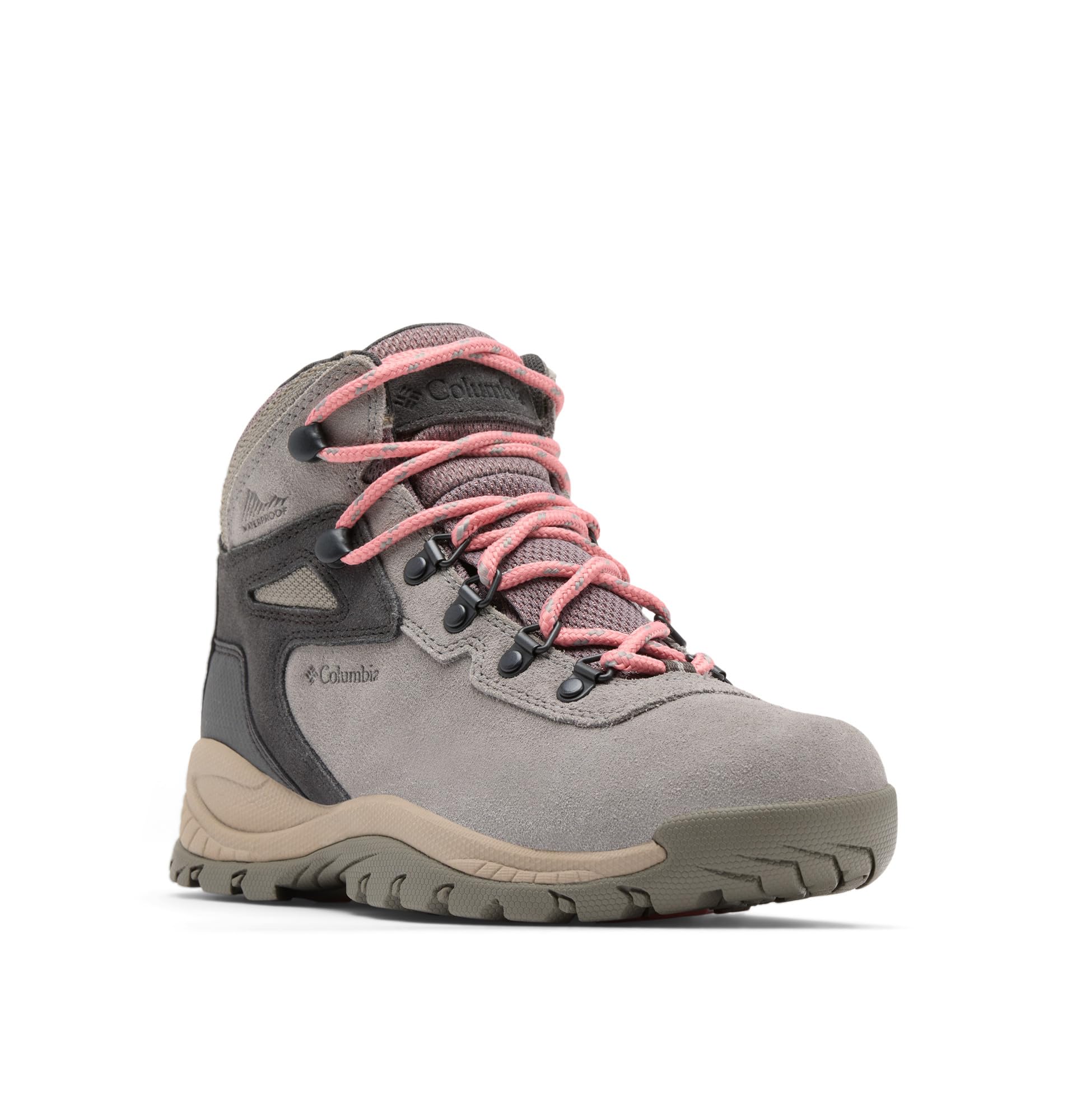
Columbia Newton Ridge
This boot stands out for its waterproofing and out-of-box comfort. The Omni-Tech membrane keeps feet dry on wet trails, while the ankle support offers stability without stiffness. It runs slightly lighter than the Moab 3, a bonus for day hikes.
Best suited for first-time hikers with narrow to medium feet who want a dependable mid boot at a reasonable price. Those with wider feet may find the toe box restrictive — consider sizing up or choosing the wide version if available.
Pros
- Very comfortable right out of the box, no break-in needed.
- Waterproofing holds up well in rain and mud.
- Ankle support is firm without feeling stiff.
Cons
- Fit may feel narrow for medium-to-wide feet; sizing up or choosing wide is wise.
For hikers who don’t need a roomy toe box, this boot delivers consistent waterproofing and solid support at a fair price.
Best for Arch Support
Ariat Terrain
With full-grain leather that holds up over years and exceptional arch support that relieves foot fatigue, the Ariat Terrain is a long-lasting choice for day hikers who don’t mind a little extra preparation. It’s also at home on horseback, making it a multi-activity option for riders. The tradeoff: it arrives without factory waterproofing — you’ll need to treat the leather — and the generous fit may require sizing down for average-width feet. Ideal for hikers with flat feet who want premium leather and are comfortable managing their own waterproofing.
Pros
- Full-grain leather construction holds up for years on both trail and stable.
- Superior arch and heel support minimizes foot strain on all-day hikes.
- Attractive feminine design details without sacrificing ruggedness.
Cons
A durable leather boot with superior arch support for flat-footed hikers, best for those who will treat the leather and adjust sizing.
Best for Day Hikers
Foxelli Hiking Boot
The Foxelli Women’s Hiking Boots are remarkably light — feeling like sneakers. They come with bonus socks and extra laces and require no break-in. The narrow fit suits only narrow to average-width feet; wider feet may develop blisters on longer hikes. The suede upper shows wear more quickly than leather. These boots are best for day hikers and travel hikers who prioritize minimal weight and instant comfort.
Pros
- Extremely lightweight – feels like wearing sneakers
- Comfortable from the start with no break-in needed
- Includes bonus socks and extra laces
Cons
- Suede upper can show wear sooner than leather alternatives
A lightweight, packable boot with zero break-in — ideal for narrow-footed day hikers who want sneaker-like comfort on the trail.
Best for Serious Hikers
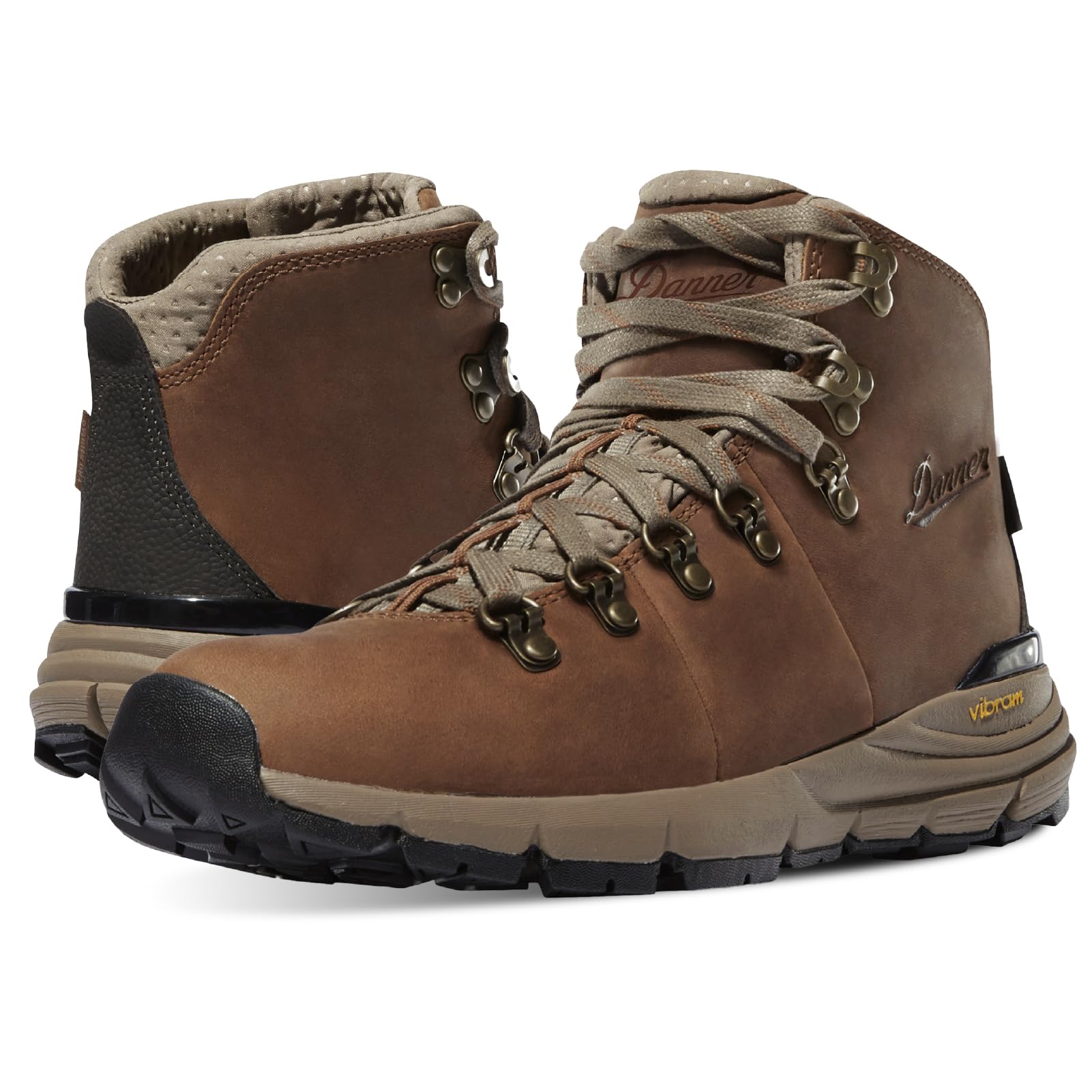
Danner Mountain 600
The Danner Mountain 600 delivers sneaker-like comfort straight out of the box, with a lightweight leather build that doesn’t require the usual boot break-in period. The Vibram outsole and stable mid-height collar provide solid ankle support on rocky day trails, and the Danner Dry membrane keeps feet dry through puddles and light rain.
This boot suits hikers who prioritize durability and intend to keep their footwear for years — the construction allows resoling, extending its life well beyond typical hiking boots. The tradeoff comes at checkout: the premium price is the highest in this comparison, and the fit runs narrow through the toe box, so ordering half a size up is a common workaround for those with medium-to-wide feet.
Pros
- No break-in period required — feels like hiking in athletic sneakers from the first step.
- Resoleable construction supports long-term use and reduces waste over time.
- Lightweight for a full-grain leather boot, reducing fatigue on longer day hikes.
Cons
- Premium price tag puts it well above the average day-hiking boot budget.
- Toe box may feel tight for wider feet; a half-size up is often needed.
If you’re willing to invest upfront for a boot that can be resoled and feels broken-in from day one, the Danner Mountain 600 is the standout choice for committed day hikers who value longevity over a lower initial price.
Best for Multi-Day Hiking
Merrell Moab 2 Mid

The Moab 2 delivers plush comfort and dependable ankle support for established trails, backed by years of positive feedback from day hikers. Waterproofing can be inconsistent between pairs — some units may leak from the start. Sizing may require a half-size up for thick socks. The newer Moab 3 offers more consistent waterproofing and a modernized fit, making this a better choice for those who find it on sale or prioritize a spacious toe box over the latest updates.
Pros
- Extremely comfortable with a plush insole that suits long days on the trail
- Good ankle and arch support, particularly helpful for weak ankles
Cons
- Waterproofing can be inconsistent; a small number of boots may leak from the start
A good pick for budget-conscious day hikers who can accept possible waterproofing variance and find the Moab 2 at a discount.
Best for Narrow Feet Style
Columbia Transverse

Good waterproofing for puddles and a lightweight, stylish suede upper. The narrow fit can be tight for medium-to-wide feet, and the suede upper may show wear or peeling sooner than leather alternatives. Best for day hikers with narrow feet who value looks and low weight over ruggedness.
Pros
- Lightweight build that requires little break-in for day hikes.
- Effective waterproofing keeps feet dry in puddles and light rain.
Cons
- Narrow toe box that can feel tight for hikers with medium-to-wide feet.
A suitable pick for day hikers with narrow feet who prioritize style and light weight, and can accept that the suede upper may not match the longevity of leather alternatives.
Best for Occasional Hikers
NORTIV 8 Seeker

At a budget-friendly price, the NORTIV 8 Seeker provides decent out-of-box comfort for light, dry trails. However, sizing can run small, requiring a half size up, and the waterproof membrane may let in moisture after moderate use. Sole durability also raises concerns. This makes it a gamble for any wet or frequent hiking, limiting it to very light dry-day walks.
Pros
- Budget-friendly price with an attractive look
- Comfortable enough for a first hike without blisters
Cons
- Sizing can run small; ordering a half size up is often necessary for a secure fit
Best suited as a backup boot for dry, well-maintained trails where occasional use won’t test its limits.
Best for Urban Hiking
Timberland Mt. Maddsen

This boot delivers classic Timberland styling and reliable waterproofing for wet conditions, making it a solid choice for urban commutes and light trails. The narrow fit and 3-pound weight, however, make it less suitable for longer day hikes or wider feet.
Pros
- Classic Timberland leather styling that transitions from trails to city wear
- Waterproofing holds up well in rain and snow
Cons
- Fit runs narrow; those with average-width feet may need to size up or select wide
Best suited for short, casual hikes and daily wear where style and waterproofing matter more than light weight or a roomy fit.
Best for Cold-Weather Walking
XPETI Thermator
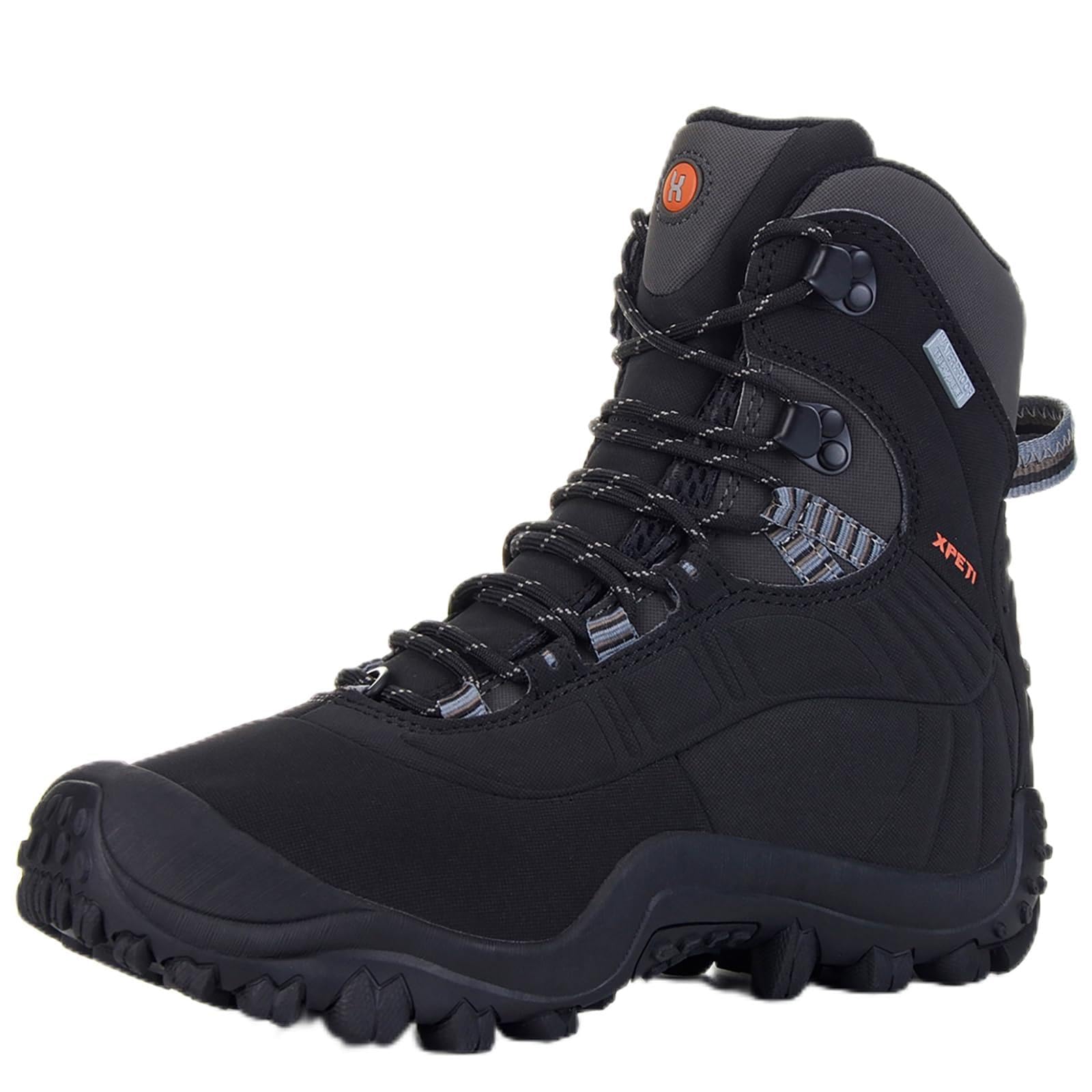
Excellent warmth and support for cold-weather hikes on packed snow, backed by a low price. However, the fit runs narrow and short — a full size up is often needed — and some units have shown durability issues like lining bunching or sole detachment.
Pros
- Excellent warmth for cold-weather hiking
- Good arch support for long walks
Cons
- Fit runs narrow and short; a full size up is often needed
Suitable for winter hikers with narrow feet who can test fit in person and are prepared for possible durability compromises.
How to Choose
The key buying insight: standard waterproof claims often fail in standing water; look for boots with a proven membrane like Outdry or Danner Dry.
Waterproof Membrane Effectiveness
Most hiking boots rely on a thin membrane (Gore-Tex, Outdry, or proprietary) to block water while letting moisture escape. The effectiveness depends on the membrane’s integrity and the boot’s overall sealing.
Budget boots often use coated fabrics that lose repellency after a few washes. For day hikers who encounter puddles or light rain, a branded membrane provides consistent protection. Boots without a dedicated membrane require periodic DWR treatment to stay effective.
Out-of-Box Comfort and Break-In Time
A boot that hurts on the first hike rarely becomes comfortable later. The key is the midsole foam density and insole shape: softer foams mold faster but may compress over time. A well-designed boot like the Moab 3 uses a balanced density that offers immediate cushioning without excessive sink.
Hikers with sensitive feet should prioritize boots that report zero break-in, as stiff materials can cause blisters. Conversely, ultra-plush boots may feel great initially but can lead to foot fatigue on longer trails due to lack of support.
Ankle Support Height and Rigidity
Mid-height boots protect ankles from twists on uneven ground. The rigidity of the collar matters: a padded, flexible collar supports without restricting movement, while a stiff collar can cause pressure points. Most day-hiking mid boots use a semi-rigid collar that balances support and comfort.
Hikers with weak ankles should look for boots with a higher cut and reinforced heel counter. However, too much rigidity can hinder natural gait on flat terrain. The best options provide stable lateral support without excessive stiffness.
Tread Pattern and Traction on Wet/Loose Terrain
Outsole rubber compound and lug depth determine grip on wet rock, mud, and loose gravel. Vibram and similar high-quality compounds offer better wet traction than generic rubber. Deep, widely spaced lugs shed mud effectively, while shallow lugs perform better on hard surfaces.
Day hikers on mixed terrain should prioritize a self-cleaning tread with chevron-shaped lugs. Boots with shallow tread may feel secure on dry trails but become slick on damp roots. A boot like the Danner Mountain 600 with Vibram outsole excels in varied conditions.
Weight: Lightweight Under 1.5 lbs
Every ounce matters on a long day hike. Boots under 1.5 pounds per boot reduce fatigue and feel more like sneakers. The trade-off is that lightweight materials often sacrifice durability or waterproofing robustness.
A boot weighing around 1.5 pounds (e.g., Moab 3) hits the sweet spot: light enough for all-day comfort but sturdy enough for rocky trails. Boots over 2 pounds (like Timberland Mt. Maddsen) are better suited for short hikes or urban wear.
FAQ
Why do my hiking boots leak after a few months?
The waterproof membrane can degrade from dirt, oils, and abrasion over time. Regular cleaning with a gentle soap and reapplication of DWR spray restores water repellency. If leaking persists at the seams, the membrane may be damaged and the boots likely need replacement.
Should I size up or buy wide for Merrell Moab boots?
Many users find Moab boots run slightly short, so ordering a half size up accommodates thick hiking socks and prevents toe jamming. For wide feet, the wide width option provides a roomier toe box without excess heel slip.
Are budget hiking boots like NORTIV 8 worth it for day hikes?
NORTIV 8 boots offer good initial comfort for casual walks but often lose waterproofing and sole integrity within months. For regular day hikes, spending more on a mid-range boot like the Moab 3 saves money over time due to better durability.
How long should women’s hiking boots last before needing replacement?
A well-made boot with a quality outsole and upper can last 3-5 years of regular day hiking. Signs of replacement include worn tread, leaking membranes, or loss of ankle support. Budget boots may need replacement annually.