This post contains affiliate links. We may earn a small commission when you buy through our links — at no extra cost to you.
Many ‘waterproof’ winter boots let water in through the seams after a few weeks in slush, leaving cold feet and regret. The problem isn’t warmth—most boots handle dry snow fine—it’s that marketing claims outpace real construction.
This guide cuts through that gap by focusing on boots with sealed seams, rubber lowers, or proven track records in wet conditions. The trade-off often comes down to weight: lighter boots sacrifice robust waterproofing, while heavy-duty options limit hiking agility.
Whether you need a daily commuter or a deep-snow workhorse, the right boot balances moisture protection, insulation, and traction for your actual winter routine.


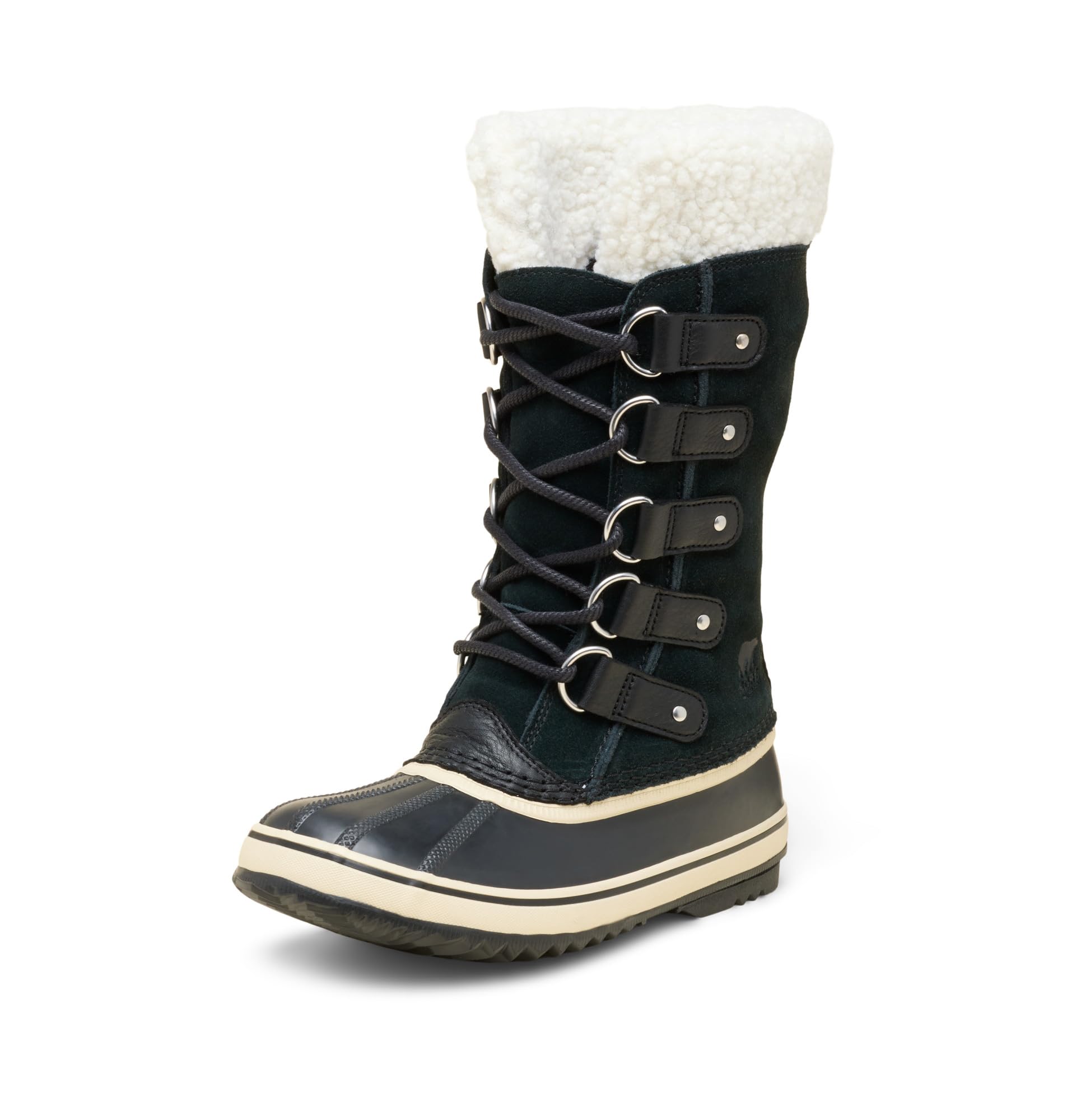


Best for Moderate Snow Hiking
Columbia Ice Maiden II
Key Features
- Waterproof: Yes
- Insulation: Yes
- Boot Height: Mid-calf
- Price: Budget
The Ice Maiden II uses sealed-seam construction to keep snow and slush out, paired with insulation that holds warmth during cold commutes and moderate hikes. The slip-resistant rubber sole handles packed snow and wet surfaces with dependable grip. This combination — waterproof, warm, and traction-ready — comes at a price point that is hard to beat, making it the best value in the category.
This boot is built for women with narrow to average width feet who need a versatile winter boot for everyday wear and light snow activity. The mid-calf height blocks drifting snow, and the interior remains comfortable for hours of walking. Two caveats: those with wider feet should order a half size up, and on pure ice the sole grip may need supplementary cleats for full confidence.
Pros
- Consistent warmth and dryness in snow and slush
- Comfortable for all-day walking without breaking in
- Exceptional value for a boot that performs like higher-priced models
Cons
- On pure ice, the slip-resistant sole may still require aftermarket cleats
- Fit runs narrow; those with wider feet should size up for comfort
For women who want dependable winter performance without overspending, the Columbia Ice Maiden II is the clear pick — just mind the fit if your feet run wide.
Best for Daily Winter Commuting
COOJOY Waterproof Snow Boot
Key Features
- Waterproof: Yes (claimed)
- Insulation: Faux fur
- Boot Height: Mid-calf
- Price: Budget
The COOJOY snow boot prioritizes comfort and warmth for daily commutes in dry snow. Water resistance is limited to light snow; slush or puddles may seep through, so this boot is best kept for dry conditions. Ideal for budget-conscious users who want a warm, lightweight boot for short walks and errands in cold weather.
Pros
- Warmth in cold weather
- High comfort for long walks
Cons
- Fit runs large – some buyers may need to size down for a secure fit.
For dry snow days and budget commutes, this boot delivers warmth and comfort without the premium price tag.
Best for Deep Snow Extreme Cold
MUCK Arctic Sport II Tall
Key Features
- Waterproof: Yes (rubber)
- Insulation: Yes
- Boot Height: Tall (knee-high)
- Price: Mid-Range
The MUCK Arctic Sport II Tall delivers the most robust waterproofing and insulation in this group, with a full rubber build that blocks snow and mud completely. Its 4.5 lb weight and occasional seam separation after heavy use are real considerations — this boot is for farmers, outdoor workers, and anyone spending extended time in wet, freezing conditions, not for casual commuters or lightweight hikers.
Pros
- Keeps feet warm in sub-zero temperatures.
- Full rubber construction blocks moisture and mud effectively.
- Lugged outsole provides grip on snow and ice.
Cons
- At 4.5 lbs, the boot can cause leg fatigue during extended walking.
- Seam separation can occur after a season of heavy use – regular inspection is advised.
A purpose-built boot for extreme wet and cold, best left to those who need heavy-duty protection and can manage the heft.
Best for Severe Winter Storms
Sorel Joan of Arctic
Key Features
- Waterproof: Yes (seam-sealed)
- Insulation: Yes
- Boot Height: Mid-calf to knee
- Price: Mid-Range
The Sorel Joan of Arctic pairs a fashion-forward silhouette with genuine cold-weather protection: sealed seams keep snow and slush out, and the insulation holds up in deep cold. It’s noticeably heavier than the top pick, which limits its appeal for long walks — the 3.48-pound weight can fatigue legs on extended commutes.
This boot suits buyers who prioritize style and warmth over weight and plan to wear it for short outdoor exposures, like errands or car-to-office walks. Most users need to order half to a full size up to get a comfortable fit, and the narrow shape may still pinch wide feet even after sizing up.
Pros
- Seam-sealed waterproofing and insulation handle extreme cold and deep snow without issue.
- High-quality materials and construction feel substantial and well-finished.
- Stylish design transitions easily from snowbank to casual settings.
Cons
- Heavy and bulky; the 3.48-pound weight can cause fatigue on longer walks.
- Runs narrow and small — most buyers need to size up half to a full size.
A dependable choice for severe winter conditions if you value style and don’t mind the heft, but check your fit carefully — sizing up is often necessary.
Best for Budget Waterproof Hiking
HOBIBEAR Snow Boot
Key Features
- Waterproof: Yes
- Insulation: Faux fur
- Boot Height: Mid-calf
- Price: Budget
HOBIBEAR’s snow boot stands out in the budget tier with its effective waterproof construction — most wearers consistently report dry feet in slush and rain. The mid-calf height and faux fur lining deliver reliable warmth for daily winter commutes and moderate snow hiking, while the outsole provides solid traction on icy or packed snow. Comfort is a strong point with a well-cushioned interior that suits extended wear.
Pros
- Effective waterproofing keeps feet dry in wet snow and slush.
- Very comfortable for all-day wear with plush faux fur lining.
- Good traction sole provides stability on icy or packed snow.
Cons
- Sizing can be generous for those with narrow feet.
- Arch support is minimal, making it less suitable for long walks without additional insoles.
For buyers who prioritize waterproof reliability over arch support, this boot offers solid winter performance at a budget-friendly price.
Best for Active Winter Hiking
Columbia Minx Shorty III
Key Features
- Waterproof: Yes
- Insulation: Yes
- Boot Height: Mid-calf
- Price: Mid-Range
Weighing only 14 ounces, the Minx Shorty III feels more like a sneaker than a winter boot – a clear advantage for hiking or long walks in moderate snow. Its warmth and water resistance handle dry snow and cold temperatures well, keeping feet comfortable during active movement.
This boot suits anyone who values low weight and is willing to size up at least one full size to accommodate its narrow fit. The water resistance may lose effectiveness over time in wet slush, so it’s best reserved for dry snow conditions rather than heavy rain or deep slush.
Pros
- Lightweight construction (14 oz) makes it feel like a sneaker for active winter outings.
- Comfortable for walking in snow – adequate cushioning and warmth.
- Stylish design that doesn’t look like a bulky snow boot.
Cons
- Must size up at least one full size – even then the fit stays narrow, limiting options for wider feet.
- Water resistance can lose effectiveness over time, particularly in wet slush conditions.
If you need a featherlight boot for active winter wear and are comfortable sizing up, the Minx Shorty III delivers – but it’s not a heavy-duty waterproof boot for slush.
Best for Casual Winter Fashion
Project Cloud Ankle Boot

Key Features
- Waterproof: Water resistant
- Insulation: Memory foam
- Boot Height: Ankle
- Price: Budget
This ankle boot offers genuine leather, a memory foam insole, and looks that rival UGGs at half the cost. It handles dry cold and quick outdoor trips well, but the water-resistant finish won’t keep feet dry in slush or wet snow — make this a fashion-forward choice for indoor-outdoor casual wear, not a snow boot.
Pros
- Plush memory foam and soft lining make all-day wear easy.
- Costs a fraction of UGGs while offering similar style and genuine leather.
Cons
- In slush or wet snow, the water-resistant coating can allow moisture through — best reserved for dry conditions.
If you need a comfortable, stylish boot for dry winter days and indoor wear, this is a budget-friendly UGG alternative — but look elsewhere for wet weather.
Best for Dry Snow Commuting
EARLDE Snow Boot

Key Features
- Waterproof: Coating
- Insulation: Faux fur
- Boot Height: Mid-calf
- Price: Budget
This boot delivers comfort and traction for daily winter commutes in dry conditions. The faux fur lining keeps feet warm, and the non-slip sole grips snow well. However, waterproofing is hit-or-miss — in wet snow, moisture can seep through. For reliable wet-weather protection, consider alternatives like COOJOY or HOBIBEAR.
Pros
- Cozy faux fur lining keeps feet warm in cold weather.
- Non-slip sole provides reliable grip on snow.
Cons
- Waterproofing can be inconsistent; wet snow may lead to damp feet.
Best for dry snow commutes on a budget; for wet conditions, consider boot options with consistent waterproofing.
Best for Winter Commuting Snow
GLOBALWIN Snow Boot

Key Features
- Waterproof: Yes
- Insulation: Thermal fleece
- Boot Height: Mid-calf
- Price: Mid-Range
The GLOBALWIN Snow Boot delivers confirmed waterproofing and thermal fleece warmth, making it a strong choice for snowy commutes. It runs true to size and offers good warmth retention for budget-conscious buyers. Minimal arch support may require an insert, and color options are limited. Pricing information is unavailable, making direct value comparison difficult.
Pros
- Warmth and waterproofing perform well in wet snow.
- True-to-size fit with minimal break-in needed.
Cons
- Limited arch support may require additional insoles for all-day comfort.
Best for commuters who prioritize waterproofing and warmth over arch support and can accept limited color options.
Best for Dry Cold Errands
Hsyooes Fur Lined Boot

Key Features
- Waterproof: Coating
- Insulation: Faux fur
- Boot Height: Ankle
- Price: Budget
This boot delivers serious warmth and comfort for the price, with a faux fur lining and side zipper that makes slipping them on quick. The tradeoff: waterproofing is unreliable in slush or wet snow, and sizing can run large – they’re a strong match for dry cold days and light outdoor tasks, not for wet conditions.
Pros
- Warm and comfortable for dry snow at a budget price.
- Side zipper makes them easy to put on and take off.
Cons
- In wet slush, water may seep in – limit use to dry snow.
A warm, affordable option for dry cold errands – skip if you regularly face slush or wet snow.
Best for Occasional Dry Snow
DREAM PAIRS Snow Boot

Key Features
- Waterproof: Coating
- Insulation: Faux fur
- Boot Height: Mid-calf
- Price: Budget
The DREAM PAIRS boot brings warmth and style at a low price, with a faux fur lining and mid-calf height. However, waterproofing can be inconsistent in wet conditions, and sole separation has been noted after a few months of use. This boot suits light, dry snow days rather than slush or daily winter wear.
Pros
- Good warmth for the price
- Cute appearance with many color options
Cons
- Waterproofing can be inconsistent in wet conditions
Best for someone who needs an inexpensive, stylish backup boot for light dry snow and doesn’t require long-term durability.
Best for Dry Cold Casual
SHIBEVER Ankle Boot
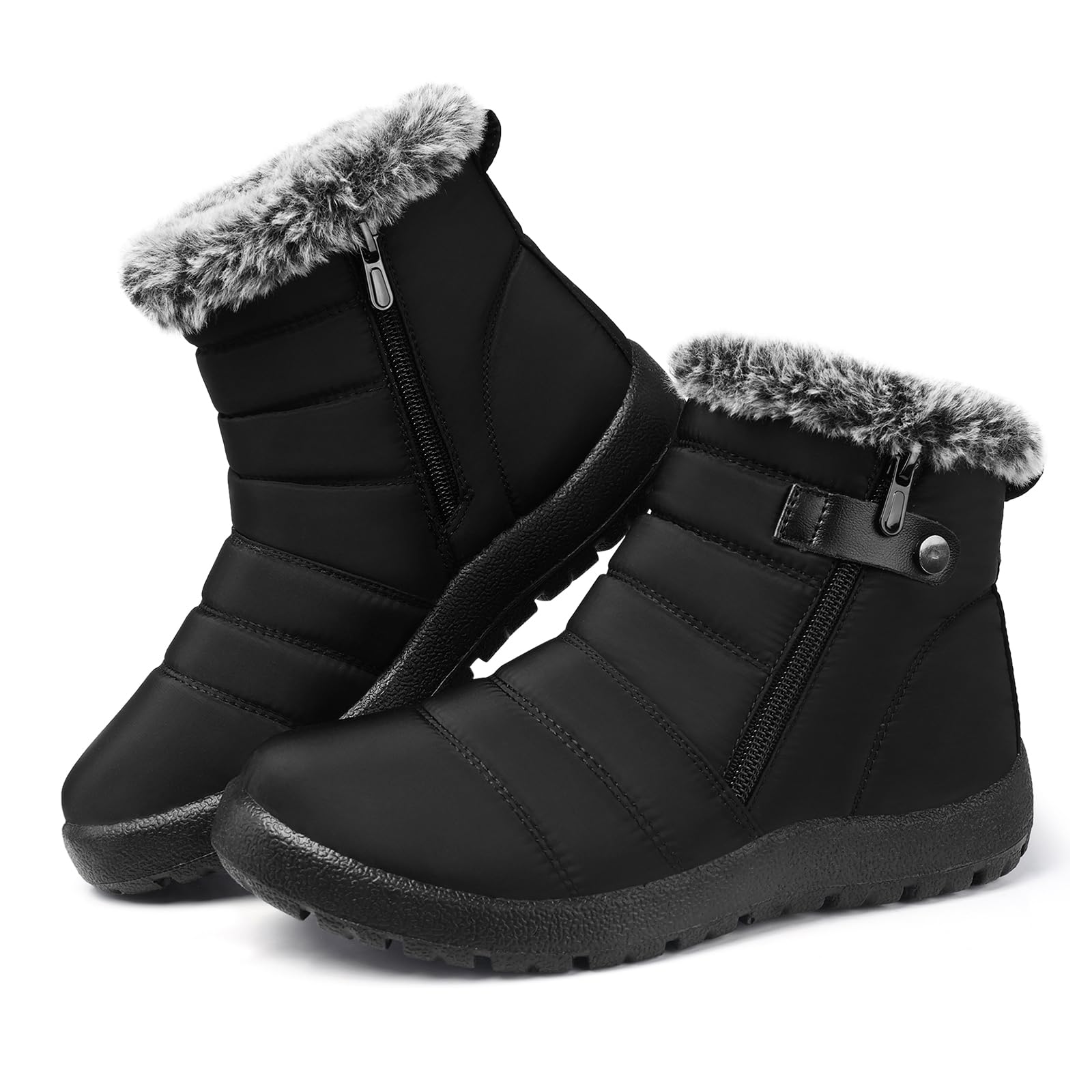
Key Features
- Waterproof: Coating
- Insulation: Fur
- Boot Height: Ankle
- Price: Budget
Warm and affordable for casual dry cold wear, with a stylish silhouette and double zippers that make getting in and out easy. The faux fur lining delivers comfort, and the sole provides decent grip on packed snow. But when snow turns wet or you step in slush, water can seep through the inside zipper. This boot is best left for light, dry winter use.
Pros
- Double zippers provide quick, hassle-free on-and-off access.
- Faux fur lining offers reliable warmth for dry cold conditions.
Cons
- In wet snow or slush, water can leak through the inside zipper.
A reasonable choice for quick errands in dry winter weather, but not for rain or slush.
Best for Indoor Winter Wear
Skechers Bundle Up Boot

Key Features
- Waterproof: No
- Insulation: Yes (lining)
- Boot Height: Ankle
- Price: Mid-Range
The Skechers Bundle Up Boot is built for comfort: memory foam insoles and a warm lining create a cloud-like feel for indoor wear or short car commutes. However, it lacks any waterproofing, so snow, slush, and rain will soak through quickly. This boot suits those who prioritize comfort over weather protection, but not for winter conditions.
Pros
- Extremely comfortable, like walking on clouds
- Warm enough for mild winter days
Cons
- Not waterproof – unsuitable for snow or rain
Ideal for fashion and comfort indoors or dry weather, but a poor choice for actual winter conditions.
Best for Dry Cold Only
Aomigoct Slip-On Boot

Key Features
- Waterproof: Coating
- Insulation: Fur
- Boot Height: Ankle
- Price: Budget
The Aomigoct boot provides strong warmth at a budget price and easy slip-on with velcro. The fur lining adds comfort for short outings. However, waterproofing is inconsistent — slush can soak through — and the narrow fit excludes wide feet. This is a dry-cold-only boot for buyers on a tight budget.
Pros
- Very warm for the price
- Comfortable and easy to slip on/off
Cons
- Waterproofing can let moisture through in slush; narrow fit limits toe room for wider feet
Best for budget-conscious buyers who only encounter dry snow and have narrow feet.
Best for Casual Winter Fashion
UGG Ultra Mini Boot

Key Features
- Waterproof: No
- Insulation: Sheepskin
- Boot Height: Ankle
- Price: Premium
Sheepskin lining delivers cozy warmth and plush comfort for short outings on dry, cold days, while the iconic silhouette makes it a fashion staple for errands or coffee runs. However, suede construction can allow water seepage in wet snow or slush, and the back tab may tear with frequent use – this boot suits mild, dry winter use rather than outdoor activities in precipitation.
Pros
- Genuine sheepskin lining provides cozy warmth for cold, dry days.
- Plush comfort for all-day casual wear.
Cons
- Suede upper can allow water seepage in wet snow or slush.
Best for fashion-forward users who prioritize style and comfort on dry, mild winter days, but not the right choice for wet snow or slushy conditions.
How to Choose
The most important spec for winter boots is not insulation but how the boot keeps moisture out.
Waterproof Construction
Sealed seams and rubber lowers block slush far better than spray-on coatings. Boots labeled ‘waterproof’ often rely on a thin membrane that abrades over time, letting snowmelt through flex points.
If you walk in slush daily, look for boots with a rubber toe cap and mudguard. For light snow, a coated fabric may suffice but expect to reapply waterproofing spray each season.
Insulation Type and Temperature Rating
Sheepskin, faux fur, and synthetic fills like 200g Thinsulate trap heat differently. Sheepskin breathes but absorbs moisture; synthetic dries faster and retains loft when wet.
For stationary use in sub-zero temps, prioritize thick insulation even if it adds bulk. For active hikes, moderate insulation with a moisture-wicking lining prevents sweat buildup that leads to cold feet.
Outsole Traction Pattern
Deep, multi-directional lugs grip loose snow but can slide on hard-packed ice. Boots with a rubber compound rated for cold (like Vibram Arctic Grip) outperform standard treads on ice.
If you regularly encounter ice, budget for clip-on cleats regardless of tread pattern. No sole alone replaces the bite of metal spikes on glare ice.
Boot Height
Ankle boots are fine for pavement and shallow snow. Mid-calf height prevents snow from entering the shaft when stepping through drifts. Tall knee-high boots keep mud and deep slush out entirely.
The taller the boot, the more striding flexibility you sacrifice. Tall boots also rub taller individuals’ calves or knees; measure your calf circumference before buying.
Weight and Flexibility
Heavy boots (4+ lbs per pair) cause leg fatigue on walks over a mile. Lightweight boots (under 2 lbs) feel like sneakers but often skimp on insulation and waterproof layers.
If you hike regularly, prioritize weight first. For short commutes or standing in snow, weight matters less than warmth and protection.
FAQ
Why do my ‘waterproof’ snow boots let water in through the zipper after a few weeks?
Zippers are a common leak point because the fabric flap behind them rarely stays waterproof after repeated flexing. Boots with a design that places the zipper behind a rubber layer or uses a gusseted tongue avoid this failure. If your boots have an exposed zipper, treat it with a seam sealant before the first wet use.
Can I hike in Sorel Joan of Arctic boots or are they too heavy?
At 3.5 lbs per pair, the Sorel Joan of Arctic is too heavy for long hikes. It works for short snowshoe treks or standing in deep snow, but if you plan to walk more than a mile, choose a lighter boot like the Columbia Minx Shorty III (14 oz) that still offers adequate insulation.
How do Columbia Ice Maiden II boots fit for wide feet?
They run narrow. Women with wide feet should order half to a full size up. Even then, some find the toe box tight. Consider the HOBIBEAR snow boot instead, which offers a slightly roomier fit without sacrificing waterproofing.
Are cheap winter boots like Aomigoct or Hsyooes worth buying for hiking in snow?
No. These boots lack reliable waterproofing and structural support for uneven terrain. They work for quick errands on dry pavement, but for hiking in snow, invest at least in the Columbia Ice Maiden II or HOBIBEAR, which have sealed construction and better traction.