This post contains affiliate links. We may earn a small commission when you buy through our links — at no extra cost to you.
A waterproof label does not guarantee a dry foot six months later. Many boots use membranes that degrade from dirt, drying methods, or simple wear. This guide highlights boots that hold up to repeated wet conditions, cutting through marketing claims.
The trade-off between comfort and weight is central. A boot with extra cushioning and a wide toe box often weighs more but reduces fatigue on long days. A lighter boot sacrifices some padding for agility. The choice between a cushioned, supportive boot and a lightweight one ultimately depends on whether you prioritize all-day comfort or nimble movement.
Fit, ankle support, and durability are equally critical – a boot that fits poorly or wears out quickly is not waterproof for long. The recommendations below are categorized by use case, so you can pick the right pair without overpaying for features you will not use.




Best for Day Hiker Comfort
Merrell Moab 3 Mid
The Moab 3 Mid’s immediate comfort is its standout feature — many boots require a break-in period, but this one feels broken in from the first wear. The cushioned midsole and supportive ankle collar provide stability on uneven trails without stiffness. A roomy toe box accommodates wide feet and orthotics comfortably, while the outsole grips well on loose dirt and rock.
Water resistance holds up reliably in rain, mud, and wet grass — conditions most day hikers encounter. For stream crossings above the ankle or prolonged submersion, the membrane can let water in. That boundary is clear: this boot handles surface wetness well, but deep water is outside its intended use. A minority of hikers may find the toe box short when pairing with thick winter socks, so checking fit with intended sock thickness is worthwhile.
This boot fits the day hiker who prioritizes comfort and a no-fuss fit over the lightest possible boot. It suits wide feet, orthotic users, and anyone wanting a single boot for walking paths, light trails, and wet-weather commutes. Those needing a lightweight boot for fast-paced hikes or deep-stream crossings will find better options elsewhere — the Moab 3 Mid’s strength is its broad, comfortable fit for everyday use.
Pros
- Glove-like comfort from first wear with no break-in required
- True-to-size fit with a roomy toe box that accommodates wide feet and orthotics
- Strong ankle and arch support for stability on uneven trails
Cons
- Waterproofing may not hold up in deep stream crossings or prolonged submersion
- Some hikers may find the toe box too short when wearing thick winter socks
The Moab 3 Mid delivers on comfort and support for day hikers who stay on trails and wet ground — if your walks rarely go above the ankle in standing water, this boot handles them well.
Best for Light Day Hikes
Columbia Transverse Hike
Weighing significantly less than the top pick, the Transverse Hike provides a nimble feel on the trail without sacrificing ankle stability or waterproofing. Its mid-height collar gives solid support on uneven ground, and the waterproof membrane handles rain and mud well — all for a budget-friendly price. The out-of-box comfort is notable; many find they can wear it on long hikes immediately without blistering.
This boot is best suited for day hikers with narrow to average-width feet who prioritize a lightweight, comfortable boot that requires no break-in. The narrow fit through the toe box and midfoot is a deliberate design choice that provides a snug feel for those who prefer it, but hikers with wider feet should consider alternatives. Ankle support is good without the bulk of heavier boots, making it a strong choice for lighter loads and well-maintained trails. The boot’s lightweight design also makes it especially good for warmer-weather day hikes where heavier boots would be tiring.
Pros
- Lightweight build reduces fatigue over long day hikes.
- No break-in period — comfortable from the first wear.
- Waterproofing keeps feet dry in wet trail conditions.
Cons
- Narrow toe box and midfoot may feel restrictive for hikers with wider feet.
For day hikers with narrow to average feet, the Transverse Hike offers an impressive combination of lightness, comfort, and waterproofing at a budget price.
Best for Cold-Weather Budget
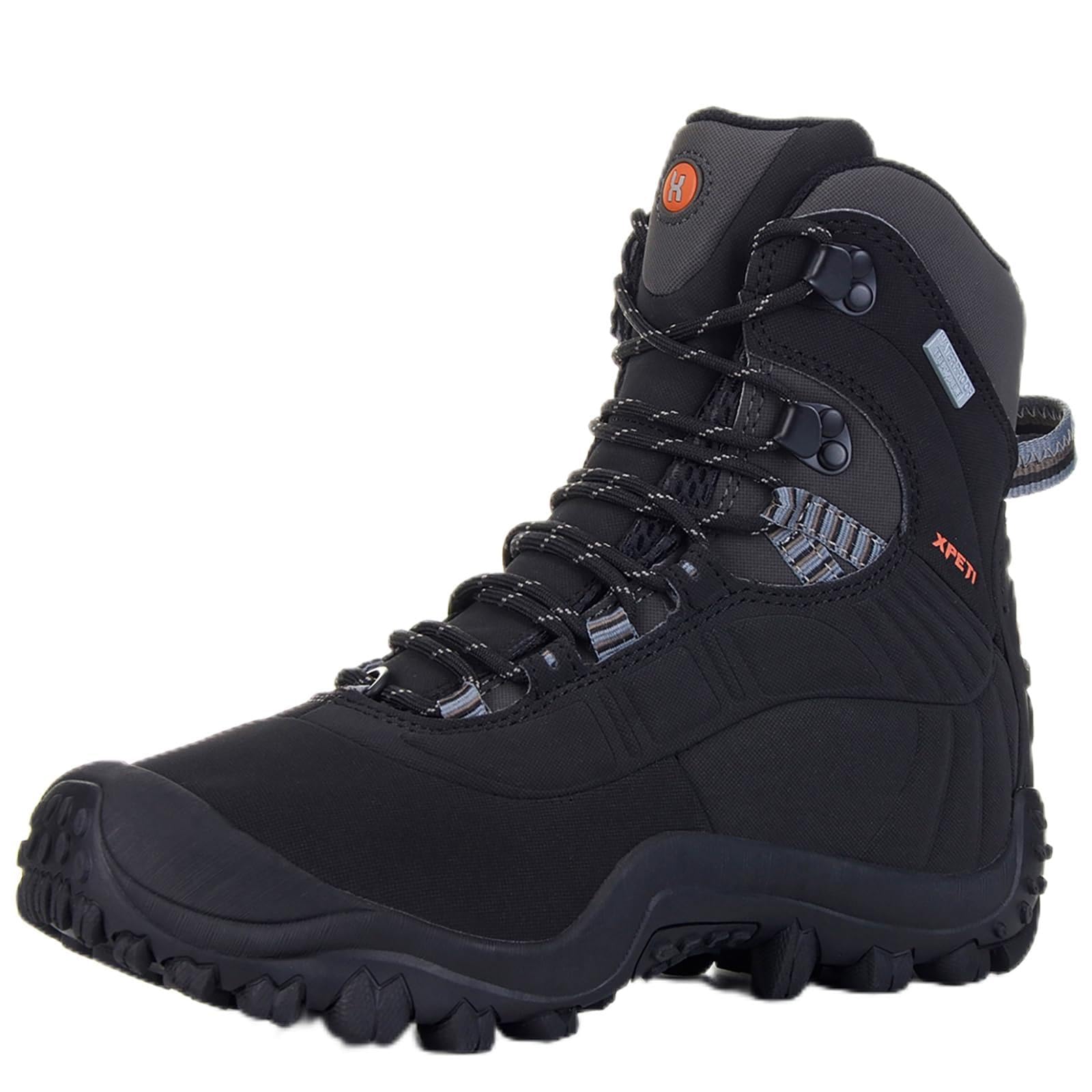
XPETI Thermator
With strong warmth and solid arch/ankle support, the XPETI Thermator is a budget-friendly choice for winter hiking. Its water-resistant membrane handles snow and rain effectively, and the high-top design adds stability on uneven terrain. Compared to the top pick’s roomier fit and established comfort, this boot prioritizes insulation and traction for cold conditions. For hikers who value warmth and support over long-term durability, this is a practical budget option.
Given its low price, the Thermator offers good cold-weather performance. It works best for hikers with narrow, smaller feet who can size up and are willing to accept a shorter lifespan. The fit runs small and narrow — ordering up is advisable — and some units have shown lining bunching or sole separation after a season of use. Those with wide feet or needing a boot that lasts multiple seasons should look elsewhere.
Pros
- Keeps feet warm in subzero conditions
- Provides solid arch and ankle support for long walks
- Handles snow and rain without leaking
Cons
- In a standard shoe size, the boot’s tight fit and short length require going up a size to avoid discomfort
- With regular heavy use, the lining may bunch or the sole may separate earlier than expected
A warm, supportive budget boot best suited for cold-weather hikers with narrow feet who don’t expect it to last multiple seasons.
Best for Lightweight Easy Trails
Timberland Ledge Mid
The Timberland Ledge Mid feels more like a sneaker than a hiking boot — an unexpectedly light and nimble companion for easy trails. Its waterproof membrane handles typical rain and puddles without issue, and the clean silhouette looks good enough for everyday wear. The lightweight build reduces fatigue on short hikes, making it comfortable for casual use.
Compared to the Merrell Moab 3 Mid, which prioritizes comfort and fit for diverse foot shapes, the Timberland trades durability for a lighter, more style-conscious package. This boot suits hikers with narrow feet who value aesthetics and low weight on well-groomed paths. Durability issues like sole separation and eyelet breakage have been reported, so it’s not a boot for regular rugged use. The narrow toe box is a catch for anyone with wider feet — even the wide sizing may not accommodate them.
Pros
- Weighs significantly less than typical mid boots, reducing leg fatigue on shorter walks.
- Waterproof membrane keeps feet dry in rain and puddles, with solid performance in typical wet conditions.
- Modern design that looks good on and off the trail, appealing to style-conscious hikers.
Cons
- Sole separation and eyelet breakage have been reported in some cases, affecting long-term reliability.
- Narrow toe box can be uncomfortably tight for wider feet, even when labeled as wide.
For hikers with narrow feet who want a lightweight, stylish boot for easy trails, the Timberland Ledge Mid delivers good water resistance and comfort — but the durability track record means it’s a calculated risk at this price.
Best for Budget All-Rounder
R CORD Backpacker
These boots deliver immediate comfort with no break-in required, paired with dependable water resistance that keeps socks dry in rain and snow. The outsole grips well on slick rocks and uneven trails, giving it an edge over some competitors in the same price tier. At a budget-friendly cost, they handle day hikes and light backpacking without sacrificing traction.
This boot suits hikers who want a budget-friendly all-rounder without sacrificing traction or out-of-box comfort. The main hardware concern is that lace hooks can detach under regular tension – a minor but worth-checking limitation. If you need a boot to handle multiple seasons of heavy backpacking, a boot with more robust hardware would be a better fit.
Pros
- Very comfortable with no break-in period needed
- Dependable water resistance in rain and snow
- Great traction on slippery rocks and trails
Cons
- Lace hooks can detach under regular tension – worth checking periodically
For day hikers on a budget who value immediate comfort and traction over long-term hardware longevity, this boot delivers strong performance.
Best for Cold City Commutes
SOREL Out N About

The SOREL Out N About IV delivers strong waterproofing for rain and slush, keeping feet dry during wet winter commutes and light walks. It is warm enough for cold days and has a timeless design. However, the boot runs narrow and the insoles feel stiff, so those with wider feet or seeking all-day cushioning may need to size up or swap insoles. It is heavier and stiffer than typical hiking boots, making it more suitable for urban use and short walks than multi-mile trails.
Pros
- Strong waterproofing for rain and slush
- Warm and comfortable for cold weather
Cons
- Firm insoles can feel hard underfoot during longer walks
- Fit runs narrow; sizing up may be necessary for a comfortable toe box
A capable urban winter boot for narrow-footed commuters who prioritize waterproofing over trail performance.
Best for Casual Style Walkers
ANJOUFEMME Winter

This boot looks great and keeps feet warm right out of the box, making it a solid option for light snow and city strolls. However, the water resistance is limited to light dew – wet grass can soak through – and the sole can separate with heavier use, so it is best reserved for occasional casual wear rather than trail hiking.
Pros
- Attractive style that works well with casual outfits outside of hiking
- Good warmth and comfort for light walking with no break-in period
Cons
- Water resistance is limited – wet grass or puddles can soak through
- Sole separation can occur with regular walking over weeks or months
Best suited for style-conscious travelers who need a warm boot for casual winter outings, not for those expecting reliable waterproofing or long-term hiking durability.
Best for Entry-Level Starter
CC-Los Light

These boots deliver immediate comfort and decent water resistance for light trails and daily errands, at a budget-friendly price. The lightweight build makes them easy to pack for travel. However, long-term durability and waterproofing performance under regular use have yet to be established, so they suit short-term or occasional use best.
Pros
- Comfortable and protective for daily walks without blisters.
- Lightweight design ideal for travel and casual hiking.
Cons
- Sizing may run slightly large for some foot shapes.
- Durability over extended use and repeated wet conditions has not been confirmed.
A good starting point for casual walkers who prioritize comfort and light rain protection over long-term ruggedness.
Best for Urban Winter Boots
SOREL Explorer Joan
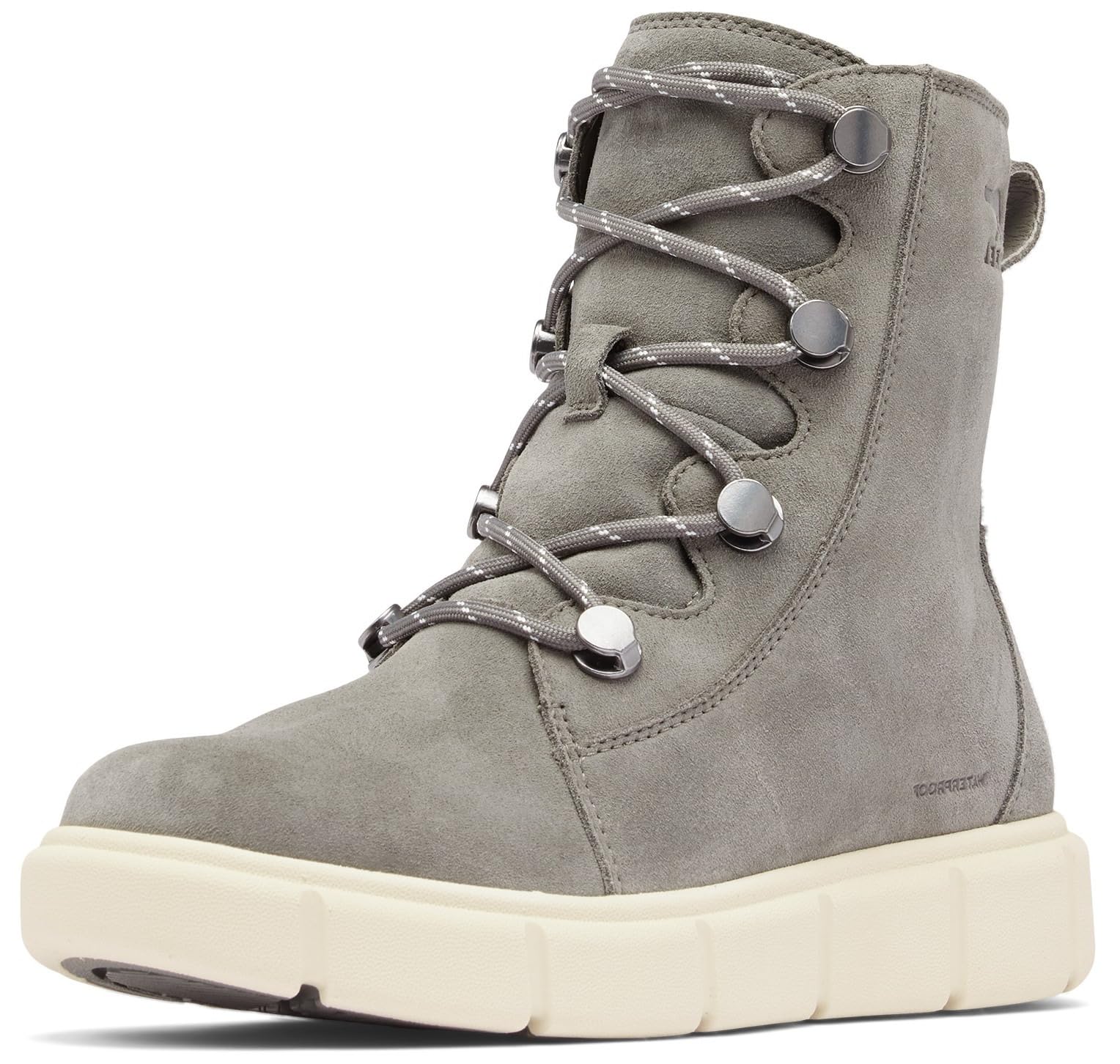
The SOREL Explorer Joan delivers immediate comfort and solid waterproofing for cold, snowy city streets, with a stylish design that pairs well with casual outfits and keeps feet warm. For daily urban wear, it’s a comfortable option. However, its traction and ankle support fall short on uneven trails, and the hardware (grommets and buckles) can break over time. The fit runs small, so sizing up is recommended for thicker socks.
Pros
- Immediate comfort with no break-in needed
- Solid warmth and waterproofing for snowy conditions
Cons
- On boots worn daily, the metal grommets and buckles may fail over time
- The boot runs small, so sizing up is recommended for thicker socks
A good fit for urban commuters who prioritize immediate comfort and style for snowy sidewalks, but not for trail hiking.
How to Choose
The most overlooked factor in waterproof walking boots is that the membrane’s effectiveness depends on regular cleaning and re-treatment, not just the initial quality.
Waterproof Membrane & Coverage
Boots labeled waterproof typically use a membrane (like Gore-Tex or a proprietary layer). That membrane can clog with dirt or degrade from improper drying, reducing its ability to repel water.
Coverage height matters: lower-cut boots risk water entry if you step in a deep puddle, but higher collars add weight and restrict ankle mobility. Match the height to the terrain you walk most often.
Ankle Support Height
Higher ankle cuffs provide more stability on uneven ground, but they also increase break-in time and can feel restrictive on flat walks. Stiffer support helps prevent rolls but may cause pressure points if the fit is not precise.
Weight
Lightweight boots (around 1.5 pounds per boot) reduce fatigue on long days but often use thinner soles that offer less underfoot protection. Heavier boots with thicker outsoles last longer but can tire your legs sooner.
For day hikes under 10 miles, weight is less critical than comfort and fit. For multi-hour treks, a half-pound difference per boot adds up significantly.
Outsole Traction
Rubber compound hardness affects grip and wear. Softer compounds grip wet rock but wear out faster; harder compounds last longer but can slip on slick surfaces. Deeper lugs are great for mud but less stable on hardpack trails.
Width & Toe Box
Most boots are built for medium-width feet. Women with wide feet often need to size up or seek models with a roomy toe box. A toe box that is too narrow causes blisters, while one too loose can lead to heel slip and instability.
FAQ
Why do my waterproof hiking boots let water in after a few months?
Dirt and body oils clog the membrane pores, reducing breathability and water repellency. The waterproof coating on the outer fabric also wears off. Clean the boots with a membrane-safe cleaner and re-apply a DWR spray to restore performance. If the membrane itself is damaged, it may need replacement.
Should I size up in waterproof hiking boots for thick socks?
Yes, many hikers go up a half size to accommodate thick wool socks without compressing the toe box. A boot that fits snugly with thin socks will be too tight with thick ones, causing cold feet and blisters. Ensure you have a thumb’s width of space between your longest toe and the boot end.
Are cheap waterproof hiking boots any good for light hiking?
Boots under $60 can work well for occasional day hikes on dry or lightly wet trails. They often use basic membranes that lose effectiveness faster, so expect shorter waterproof life. If you hike regularly in rain, a mid-range boot with a proven membrane is a better investment.
How to tell if a hiking boot is actually waterproof or just water resistant?
Check the product details for a sealed membrane (e.g., Gore-Tex, Omni-Tech) and taped seams. Water-resistant boots rely on a DWR coating that beads water but will soak through in persistent rain. A simple test: sprinkle water on the surface – if it beads up, it has a coating; if it soaks in, the membrane is either absent or compromised.