This post contains affiliate links. We may earn a small commission when you buy through our links — at no extra cost to you.
Budget ski gear often sacrifices fit and durability to hit a low price. A beanie that won’t stay put, a balaclava that’s either too tight or too loose, goggles that fog mid-run, socks with holes after three days. These frustrations are all too common, but they don’t have to be your experience.
The accessories featured here prioritize consistent sizing, effective anti-fog, and construction that survives a full season. They balance warmth with breathability, ensuring you stay comfortable whether charging down a groomer or waiting for the chairlift. No trade-offs that leave you cold or frustrated.
The result is gear that works as hard as you do, without the guesswork. You get what you pay for: warmth that lasts, fit that stays, and gear you can depend on trip after trip on the mountain.




Best for Ski Beanie
Carhartt Watch Cap Beanie
Key Features
- Warmth: Acrylic knit
- Helmet/Glasses: Fits under helmet
- Price: $
The double-layer acrylic knit traps heat without adding bulk, making it comfortable for cold ski days. The hat holds its shape and warmth through repeated washes, and the fold-over design provides extra ear coverage without interfering with helmet fit.
This beanie suits skiers who prefer a classic fit without ear flaps or windproof lining. Sizing may run small or tall depending on head shape, so trying it on before a trip is wise. Those with average-to-large heads will likely find a comfortable fit, while those needing a precise under-helmet layer should consider a tighter balaclava.
Pros
- Warmth that holds up without extra bulk
- Durable construction that withstands years of wear
- Classic design that pairs with any ski outfit
Cons
- Sizing can run small or tall depending on head shape – may not fit all head shapes equally
A warm, durable beanie under $20 that excels as a no-fuss headlayer for skiers who don’t need windproofing or a tight performance fit.
Best for Budget Balaclava
Tough Headwear Balaclava
Mesh mouth ventilation prevents goggle fogging on cold days, and the full-coverage design traps heat effectively. The cut runs roomy, so smaller faces may experience slipping – this suits skiers who prefer a looser under-helmet layer and prioritize warmth over a snug fit.
Pros
- Very warm in cold weather
- Great value for money
- Breathable mesh mouth area reduces fogging
Cons
- Fit may be loose for smaller faces, causing slipping under a helmet
- Breathability can feel restricted during high-exertion activity
For skiers on a budget who value warmth and fog-free breathing, this balaclava is a sound investment – just be mindful of the looser fit.
Best for Women Ski Bibs
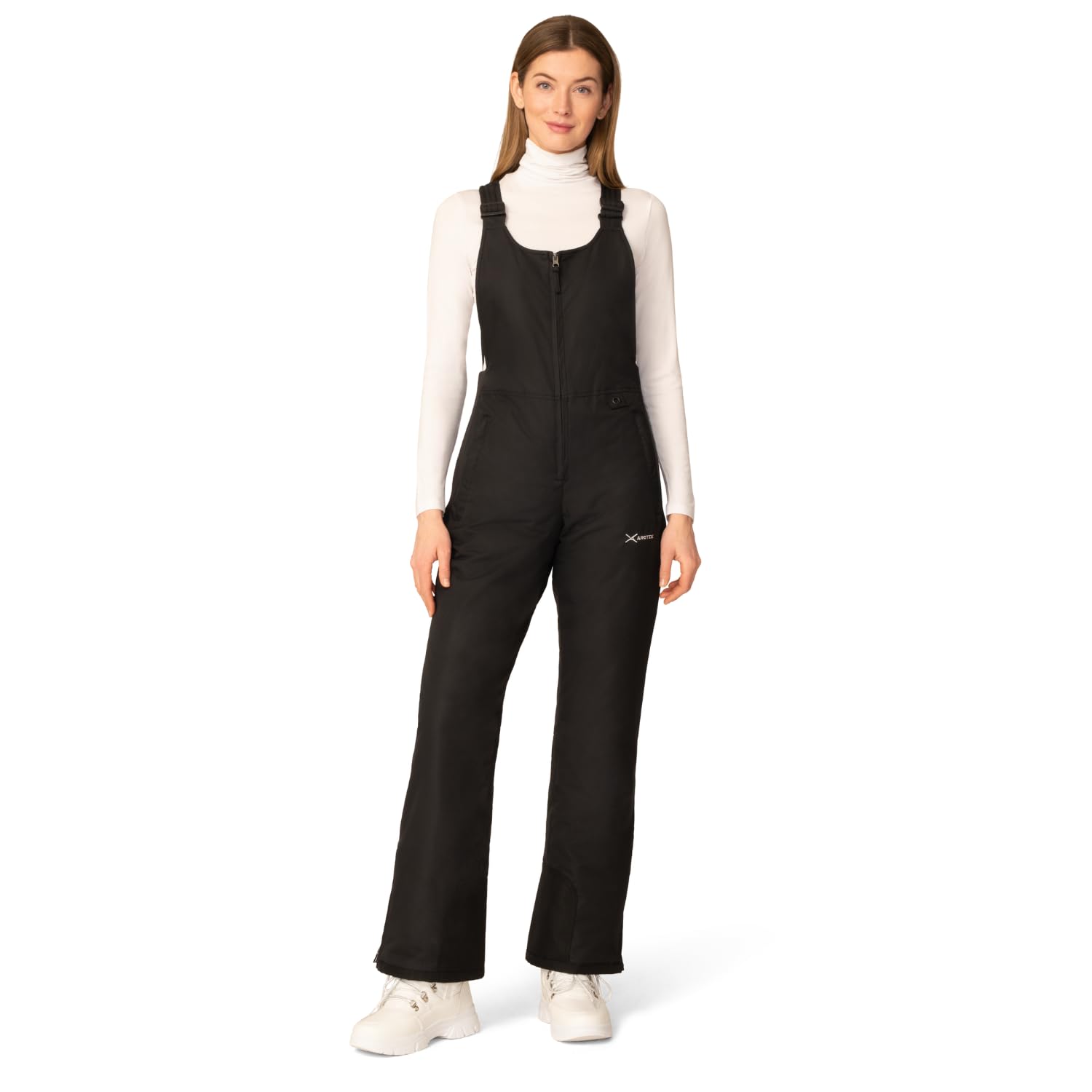
Arctix Women’s Ski Bibs
The Arctix Women’s Ski Bibs offer substantial insulation and water resistance at a cost that makes them a practical choice for skiers hitting the slopes a few times a season. The fit runs small and short in the torso, so sizing up is recommended, especially for those with longer legs or torsos. The shoulder straps have shown signs of wear over extended use, but for occasional outings this is less of a concern.
Pros
- Keeps you warm and comfortable on cold days without adding bulk.
- Excellent value for the price – reliable insulation at a low cost.
- Flattering cut that allows good range of motion on the slopes.
Cons
- Sizing runs small, especially in torso length – taller frames may need to size up.
- Shoulder straps can detach after extended use, which could be hazardous if it happens while skiing.
This bib suits casual skiers who prioritize warmth and price over long-term durability and need a short-torso fit. Size up and keep an eye on strap condition over time.
Best for Ski Goggles
OutdoorMaster Ski Goggles
The frameless design and magnetic lens system make swapping lenses quick and easy, even with gloves on. This goggle brings interchangeable lenses and full UV400 protection to a mid-range price.
It suits skiers and snowboarders who value style and convenience over absolute fog-free performance. The fit works well with average face sizes and most helmets, but the anti-fog coating can be inconsistent in high humidity. Those wearing larger prescription glasses may find the OTG compatibility limited.
Pros
- Magnetic lens changes take seconds and work well with gloves on
- Solid build quality and clean appearance that holds up on the mountain
- Comfortable fit with helmets and good peripheral vision
Cons
- Anti-fog performance can be inconsistent, especially in humid conditions
- May not fit securely over larger prescription glasses despite the frameless design
A strong choice for skiers who want interchangeable lenses at a reasonable price, as long as they accept occasional fogging in wet conditions.
Best for Base Layer
DEVOPS Thermal 2-Pack
The DEVOPS thermal 2-pack uses fleece-lined compression to trap warmth effectively under ski layers. The soft interior feels comfortable against the skin. Fit runs small and the torso length is short, so taller skiers or those who prefer a looser cut should size up. This base layer suits budget-conscious skiers who want a snug, compression fit for layering under a shell.
Pros
- Provides good warmth for cold-weather skiing and outdoor work
- Soft fleece interior adds comfort during extended wear
- Cost-effective two-pack for budget-minded buyers
Cons
- Sizing runs small – ordering a larger size may be needed
- Torso length is short – may come untucked during active movement
For skiers on a budget who want a compression base layer, this two-pack delivers good warmth and comfort – just plan to order a larger size.
Best for Ski Socks
WEIERYA Ski Socks
The WEIERYA Ski Socks deliver over-the-calf merino wool cushioning that keeps feet warm inside ski boots without the premium price. Initial comfort and padding are good for snowboarding and skiing. However, durability is a tradeoff: seams can separate after limited use, and sizing may run large for some. Hand washing helps preserve the socks. This set suits skiers with smaller to average calves who hit the slopes occasionally and want affordable merino warmth. Two pairs per pack add to the value.
Pros
- Effective warmth for ski and snowboard boots
- Comfortable, well-padded fit inside ski boots
- Great value for two pairs
Cons
- Seams may separate after limited use
- Sizing can run large for some
A capable budget sock for occasional skiers who prioritize warmth and price over long-term durability.
Best for Athletic Balaclava
Nike Balaclava

Key Features
- Warmth: Thermal polyester
- Helmet/Glasses: Fits under helmet
- Price: $$
This Nike balaclava offers a sleek, lightweight face cover that breathes well during exertion and fits neatly under a helmet. It works for multiple sports, from football to skiing, and accommodates ponytails. However, the thin material lacks the insulation needed for very cold ski days or prolonged exposure; it is best suited for moderate temperatures or high-output activities where staying dry matters more than maximum warmth.
Pros
- Fits under helmets and accommodates ponytails without bunching.
- Breathable fabric keeps you comfortable during high-exertion activities.
Cons
- Thin material may not provide enough warmth for very cold conditions or low-exertion skiing.
Pick this Nike balaclava for high-intensity winter sports like running, cycling, or cross-training where breathability and a low-bulk under-helmet fit are priorities over insulation.
Best for Cycling Balaclava
ROCKBROS Balaclava

This balaclava offers good warmth and a secure fit under helmets, making it a practical choice for skiing or cycling in moderate cold. The available neon shades boost visibility in low light. However, during high-exertion activities, moisture buildup can be an issue due to limited breathability – a tradeoff worth considering if you plan to push hard.
Pros
- Keeps you warm in cold weather with full coverage.
- Fits securely under helmets without slipping.
Cons
- Breathability can be poor during high exertion, leading to moisture buildup.
The ROCKBROS balaclava suits skiers and cyclists on a budget who prioritize visibility and warmth over high-output breathability.
Best for Windproof Balaclava
Sireck Fleece Balaclava

The Sireck Balaclava delivers effective wind resistance and fleece comfort for budget-minded skiers and motorcyclists in moderate cold. The snug fit works well for average or smaller heads but can feel tight on larger ones, and the nose area may ride up. Breathability is limited, making it less suitable for high-exertion runs. A decent value, but fit issues and fogging potential mean it suits casual use better than all-day performance.
Pros
- Windproof design keeps cold air out during rides and ski descents.
- Soft fleece lining feels comfortable against the skin.
Cons
- Fit is tight on larger heads and the nose section may slide up during wear.
A solid buy for budget shoppers with average or smaller heads who need wind protection in mild cold, but skip it if you wear glasses or plan high-exertion skiing.
Best for Fleece Balaclava
Tough Headwear Fleece

The Tough Headwear Fleece provides cozy thermal retention with a soft, comfortable fleece suited for low-exertion activities like hunting. However, initial chemical odor may bother sensitive noses, and fit can be inconsistent across head shapes, limiting its appeal for active skiing or high-sweat use.
Pros
- Soft, warm fleece retains heat effectively
- Comfortable fit for many head shapes
Cons
- Initial chemical odor may be present and can persist
Best for budget-conscious hunters or snowmobilers who prioritize softness and warmth and can tolerate the initial smell or size up if needed.
Best for Otg Goggles
findway OTG Goggles

These goggles provide clear optics and comfort at a budget price, with an over-glasses design that accommodates small-to-medium prescription frames. Larger frames may not fit, and the lack of consistent anti-fog makes them better suited for casual, low-exertion runs.
Pros
- Affordable over-glasses design that fits a range of prescription frames.
- Clear optics with good value for the price.
Cons
- Fogging can occur in humid or high-exertion conditions, especially when wearing glasses.
Best for budget-conscious glasses wearers with smaller frames who don’t ski aggressively and can accept occasional fog.
Best for Merino Ski Socks
Hylaea Merino Ski Socks

This sock delivers soft merino warmth and effective moisture wicking with cushioned shin and heel padding for immediate comfort. Its construction prioritizes softness over longevity, making it a good fit for moderate use rather than frequent skiing.
Pros
- Warm merino blend wicks moisture effectively.
- Cushioned shin and heel padding adds comfort during skiing.
Cons
- Holes may develop in heels and toes after limited use.
A comfortable entry-level merino sock for occasional skiers who don’t mind replacing them each season.
Best for Base Layer
PISIQI Thermal Set Women

This set delivers impressive softness and effective warmth for its price, making it a solid budget choice for light to moderate cold on the slopes. However, sizing can be inconsistent between units, and the fabric is thinner than some expect for freezing temperatures, so plan to layer or size accordingly.
Pros
- Ultra-soft fabric feels comfortable against skin during active skiing.
- Provides warmth without adding bulk under ski pants and jacket.
Cons
- Fit varies between units – some women may need to size up or down for a proper base layer fit.
For women who want a soft, affordable base layer for moderate-cold skiing and are okay adjusting size or layering when temps drop, this set fits the bill.
How to Choose
The biggest challenge in buying ski gear is finding accessories that combine reliable warmth with consistent sizing and durability.
Warmth and Fabric Thickness
Thicker fabrics like fleece and acrylic trap more heat but can restrict movement and cause overheating during high exertion. Skiers need to match fabric weight to the activity level and temperature. For example, a heavy fleece balaclava works well for chairlift rides but may be too warm for aggressive downhill runs.
Fit Consistency and Sizing
Most balaclavas and beanies are one-size-fits-most, leading to either slippage or uncomfortable pressure. A loose fit loses heat and shifts under a helmet, while a tight fit restricts blood flow and creates cold spots. Measuring head circumference and checking reviews for sizing notes is essential before buying.
Breathability for High-Exertion
During active skiing, trapped sweat leads to chilling. Fabrics that wick moisture away, like merino wool or synthetic blends, prevent this. Mesh panels in balaclavas help ventilation but may reduce wind protection. Choose based on your typical exertion level: high-output skiers need breathability over maximum insulation.
Durability and Construction
Weak seams and thin straps are the first to fail under the repetitive movement and moisture exposure of skiing. Look for double-stitched seams, reinforced stress points, and zippers that resist ice and dirt. Cheaper bibs and socks may not survive a full season of weekly use, so consider your frequency before saving a few dollars.
Helmet and Glasses Compatibility
Not all beanies and balaclavas fit under a helmet without bunching, which can reduce helmet safety clearance or cause pressure points. Goggles need to seal around the face without pressing into glasses frames. Over-glasses (OTG) designs create extra space but may reduce peripheral vision. Always test fit with your helmet and glasses before hitting the slopes.
FAQ
Why do my ski socks keep getting holes after just a few uses?
Many merino wool socks are less durable than synthetics. Machine washing and drying weaken the fibers, especially in high-friction areas like heels and toes. Hand washing in cold water and air drying can significantly extend their lifespan. If holes appear quickly, consider socks with reinforced heel and toe sections.
How do I stop my ski goggles from fogging up?
Fogging occurs when warm moisture from your face hits a cold lens. Ensuring proper ventilation by opening the goggles’ vents helps. Avoid wiping the inside lens, as that removes the anti-fog coating. If fogging persists, look for goggles with dual-pane lenses or a battery-powered fan system.
Is a balaclava necessary under a ski helmet, or is a beanie enough?
A beanie provides head warmth but leaves the face and neck exposed. A balaclava covers the neck and lower face, which is essential in cold or windy conditions, especially on chairlifts. For mild days, a beanie under a helmet works fine. For temperatures below freezing or strong wind, a balaclava is the better choice for full coverage.
What size balaclava should I buy if I have a large head?
Most balaclavas are one-size-fits-most and can be tight on larger heads. Look for balaclavas with stretchy fabric blends like polyester-spandex and check reviews for mention of roominess. Avoid thick fleece models as they are less stretchy. The Tough Headwear standard balaclava is known to run large and may work well for larger heads.