This post contains affiliate links. We may earn a small commission when you buy through our links — at no extra cost to you.
Running jackets face a fundamental split: the ones that keep rain out trap heat in, and the ones that breathe let moisture through. Marketing often blurs this line, but experienced runners know that a jacket that claims to do both equally usually does neither well. The key is to decide which side of the trade-off matters more for your typical run.
That decision depends on how you run. If you run hot and fast, breathability should come first – a water-repellent shell with vents will keep you more comfortable than a sealed rain jacket. If you spend hours in steady drizzle, you will trade some airflow for reliable water resistance. This guide maps each jacket’s real strengths so you can match one to your pace and conditions.


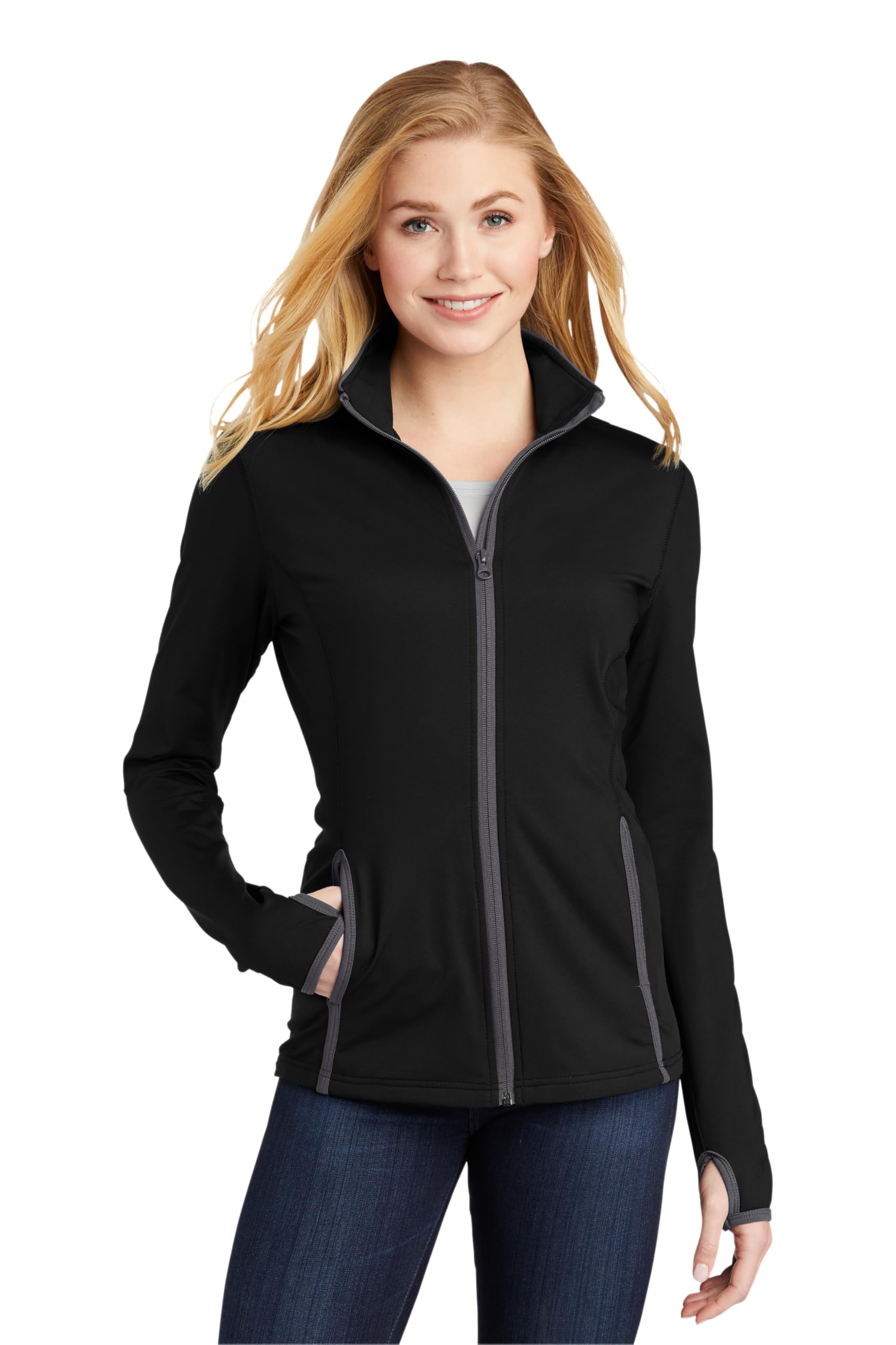

Best for Light Rain Runs
baleaf Women’s Rain Jacket
Key Features
- Weather Resistance: Water resistant
- Breathability: Low
- Fit: Room for layering
- Reflectivity: Reflective accents
- Weight & Packability: Packable, lightweight
- Price: Mid-Range
The baleaf Women’s Rain Jacket keeps you dry during light to moderate showers, with a lightweight, packable design that stows easily in a backpack. The build quality holds up well at a mid-range price, and reflective accents add visibility for early morning or evening runs.
This jacket suits runners, cyclists, and hikers who need dependable weather protection for shorter outings or cooler conditions. It includes a hood and multiple pockets, but its limited breathability makes it better suited to steady efforts than high-intensity sprints.
Pros
- Effective water resistance keeps you dry in light to moderate rain.
- Lightweight and packable design fits easily into a backpack.
- Solid build quality at a mid-range price.
Cons
- Moisture buildup can occur during high-intensity running; better for lighter efforts.
- Fit may vary – some find it snug in the shoulders while others have extra room.
This jacket handles light rain and low-light visibility well for the price — keep your pace moderate and it delivers.
Best for Rainy Runs, Cycling
baleaf Men’s Rain Jacket
Key Features
- Weather Resistance: Water resistant
- Breathability: Low
- Fit: Room for layering
- Reflectivity: Reflective accents
- Weight & Packability: Packable, lightweight
- Price: Budget
The baleaf Men’s Rain Jacket is the top pick’s men’s counterpart, sharing the same effective water resistance, wind blocking, and packable design. It’s the best-selling men’s running jacket for good reason. However, like the women’s version, breathability is limited; this jacket performs best in cool, wet conditions for running or biking, not for high-intensity sweat sessions in warm rain.
Pros
- Effective water and wind resistance for outdoor activities
- Lightweight and packable for travel and daily carry
- Strong value for the feature set at a budget price
Cons
- Sizing may run small; consider ordering a size up
For men who need a water-resistant jacket for cool-weather runs and outdoor activities, this is a solid pick at a budget price.
Best for Dry Fair-Weather
90 Degree Slim Fit Track Jacket
Key Features
- Breathability: High
- Fit: Slim athletic
- Weight & Packability: Lightweight
- Price: Budget
The 90 Degree track jacket delivers a flattering slim fit and breathable mesh lining that rivals premium athleisure brands at a fraction of the price. But it lacks weather resistance, and the zipper can be inconsistent, making it best for fair-weather runners who prioritize style and comfort over all-weather protection.
Pros
- Flattering slim fit that contours without restricting movement
- Breathable mesh lining keeps you comfortable across a range of temperatures
Cons
- Zipper may become unreliable after limited use
- Seams and lining can show wear over time with regular washing
Right for runners who want a slim, stylish jacket for dry conditions and casual wear, but not for those expecting weather resistance or long-term durability.
Best for Cold Weather Runs
baleaf Fleece Running Jacket
Key Features
- Weather Resistance: Water resistant
- Breathability: Medium
- Fit: Fitted
- Weight & Packability: Lightweight
- Price: Budget
The baleaf Fleece Running Jacket delivers steady warmth for cold, dry runs thanks to its soft fleece lining and slim, fitted cut that traps heat without excess bulk. Thumbholes and zippered pockets add practical touches for winter workouts. The fabric offers light mist resistance but will soak through in any real rain, and the slim fit means layering requires sizing up.
This jacket suits runners who prioritize warmth over breathability during low- to moderate-intensity cold-weather sessions. It works best as a standalone layer for temperatures between 40-60°F, not for wet conditions or high-output efforts where moisture management matters more.
Pros
- Soft fleece lining feels cozy and comfortable against skin
- Well-constructed with a flattering athletic fit for cold-weather running
- Budget-friendly price for a warm winter running jacket
Cons
- Water-resistant finish handles light mist but fails in steady rain
- Slim cut can feel tight when layering; sizing up recommended for thicker base layers
A solid winter jacket for dry, cold runs under 60°F – skip it if rain or high-intensity sweat are part of your routine.
Best for Dry Layering Runs
SPORT-TEK Stretch Jacket
Key Features
- Breathability: High
- Fit: Slim, stretchy
- Weight & Packability: Lightweight
- Price: Mid-Range
The SPORT-TEK Stretch Jacket uses Sport-Wick fabric that stretches freely, making it exceptionally comfortable for dry-condition runs and gym workouts. Unlike the slim-fit track jacket that focuses on style and thumbholes, this jacket prioritizes unrestricted movement and soft feel. It works as a mid-layer under a rain shell but offers no wind or water resistance — strictly for dry days. The unzippered hand pockets mean phone and keys may not stay secure, so this jacket suits runners who carry minimal gear or use a belt.
Pros
- Soft, stretchy Sport-Wick fabric moves with every movement without restriction.
- Holds up well after repeated washing with no visible wear.
- Lightweight enough for layering under a rain shell or wearing alone in cool weather.
Cons
- Hand pockets lack zippers, so phone and keys may shift or fall out during activity.
- Offers no wind or water resistance — not suitable for wet or breezy conditions.
A comfortable, durable stretch jacket for dry-weather runs and layering, but runners needing weather protection should look to the top pick.
Best for Gym Athleisure
GYM RAINBOW Cropped Jacket
Key Features
- Breathability: Medium
- Fit: Cropped slim
- Weight & Packability: Lightweight
- Price: Budget
The GYM RAINBOW Cropped Jacket delivers a buttery-soft feel and slim cropped silhouette that rivals premium brands at a fraction of the price. Unlike the top pick’s weather-resistant design, this jacket focuses on style and comfort for indoor gym sessions or dry-weather layering. It suits budget-conscious buyers who want a trendy athletic jacket without spending over $60, but requires separate washing to prevent pilling and has an unproven track record for long-term durability.
Pros
- Buttery-soft fabric comparable to premium brands at a budget-friendly price.
- Flattering slim cropped fit with thumb holes for a streamlined look.
- Very affordable price for a stylish full-zip jacket.
Cons
- Fabric may pill if not washed separately — a consideration for low-maintenance laundry routines.
A stylish budget option for gym-goers who prioritize look and feel over weather protection — best for indoor or dry-weather wear.
Best for Gym Layering
AVGO Cropped Workout Jacket

Key Features
- Breathability: Medium
- Fit: Cropped slim
- Weight & Packability: Lightweight
- Price: Budget
This jacket delivers a slim, shaping fit with soft compression fabric that enhances the waist, making it a solid Lululemon dupe for gym sessions and casual wear. The thumbholes and full zip add convenience for layering. However, it offers no weather resistance and runs very small, so size up carefully. The cropped length may be too short for some torsos, and the compression feel divides opinion — ideal for those who want a snug, flattering layer rather than an outdoor running jacket.
Pros
- Flattering slim fit with compressive fabric that shapes the waist
- Soft, durable material at a budget price compared to premium brands
Cons
- Runs small; sizing up is necessary for a comfortable fit
A capable gym-and-layering piece for budget shoppers who want a Lululemon-like fit and don’t need weather protection or full-length coverage.
Best for Tall Women Runs
Queenie Ke Workout Jacket

Key Features
- Breathability: High
- Fit: Cropped slim
- Weight & Packability: Lightweight
- Price: Budget
This jacket delivers a sleek, body-skimming silhouette with color-block mesh panels that keep airflow moving during gym sessions. The sleeves are deliberately long, with thumb holes that actually cover wrists — a rare find for taller frames. However, the body runs small and the sleeve length may overwhelm petite or short-armed women, making size selection critical.
Pros
- Flattering slim fit with mesh panels for breathability
- Quality stitching and color options comparable to premium athleisure brands
Cons
- Sizing runs small in the torso and sleeves are very long, requiring careful size selection
Works well as a budget-friendly gym layer or Lululemon dupe for tall women, but skip it for outdoor running or if you need a standard sleeve length.
Best for Yoga, Low-Impact
CRZ YOGA Butterluxe Jacket

Key Features
- Breathability: Medium
- Fit: Slim, waist-length
- Weight & Packability: Lightweight
- Price: Mid-Range
The CRZ YOGA Butterluxe Jacket offers incredibly soft, Lululemon-like fabric with a flattering slim fit and thumbholes, perfect for yoga or pilates. However, its zipper can be fragile after limited use, and the sizing runs small, making it a better choice for low-impact activities rather than high-intensity running or outdoor wear.
Pros
- Buttery-soft fabric comparable to Lululemon Align
- Flattering slim fit with waist-snatching compression
Cons
- Zipper can be fragile after repeated use
Best for yoga or athleisure wear where low zipper use is expected, but not for runners needing dependable zippers.
Best for Emergency Rain
APEXUP Packable Rain Jacket

Key Features
- Weather Resistance: Waterproof (claimed)
- Fit: Standard
- Reflectivity: Reflective zipper
- Weight & Packability: Packable, lightweight
- Price: Budget
The APEXUP Packable Rain Jacket offers exceptional value as a lightweight emergency shell that packs into its own pocket. It fits true to size and handles light showers well. Breathability, however, is a clear limitation — during any activity that raises your heart rate, the jacket traps heat and moisture, making it unsuitable for running or hiking. Its water resistance also weakens in prolonged or heavy rain. This jacket is best kept as a budget backup for commuters or casual walkers who prioritize packability over performance.
Pros
- Incredible value for a lightweight, packable rain jacket
- Good fit and true to size for most body types
Cons
- During any exertion, the jacket becomes a sweatbox due to very poor breathability
For emergency rain protection where you won’t be working up a sweat, this packable shell delivers solid value — just don’t expect it to perform during exercise.
Best for Emergency Packable
COOFANDY Packable Rain Jacket

Key Features
- Weather Resistance: Water repellent (claimed)
- Breathability: Low
- Fit: Standard
- Weight & Packability: Packable, lightweight
- Price: Budget
This jacket is remarkably lightweight and stows away in a small pouch, making it a convenient backup for travel or golf. The fit allows light layering and the price is low. However, water resistance is inconsistent—it handles light drizzle but soaks through in steady rain—and breathability is minimal, so it becomes clammy during any activity. That mismatch with high-output running or hiking keeps it in the emergency shell category.
Pros
- Very lightweight and packs into its own pouch for easy storage on the go.
- Good quality for the price; holds up as a budget travel jacket.
Cons
- Water resistance is limited; may wet through in sustained rain.
Works as a packable backup for light showers or as an extra layer in a daypack, but not for running or active outdoor use where reliable weather protection is needed.
Best for Cold Winter Runs
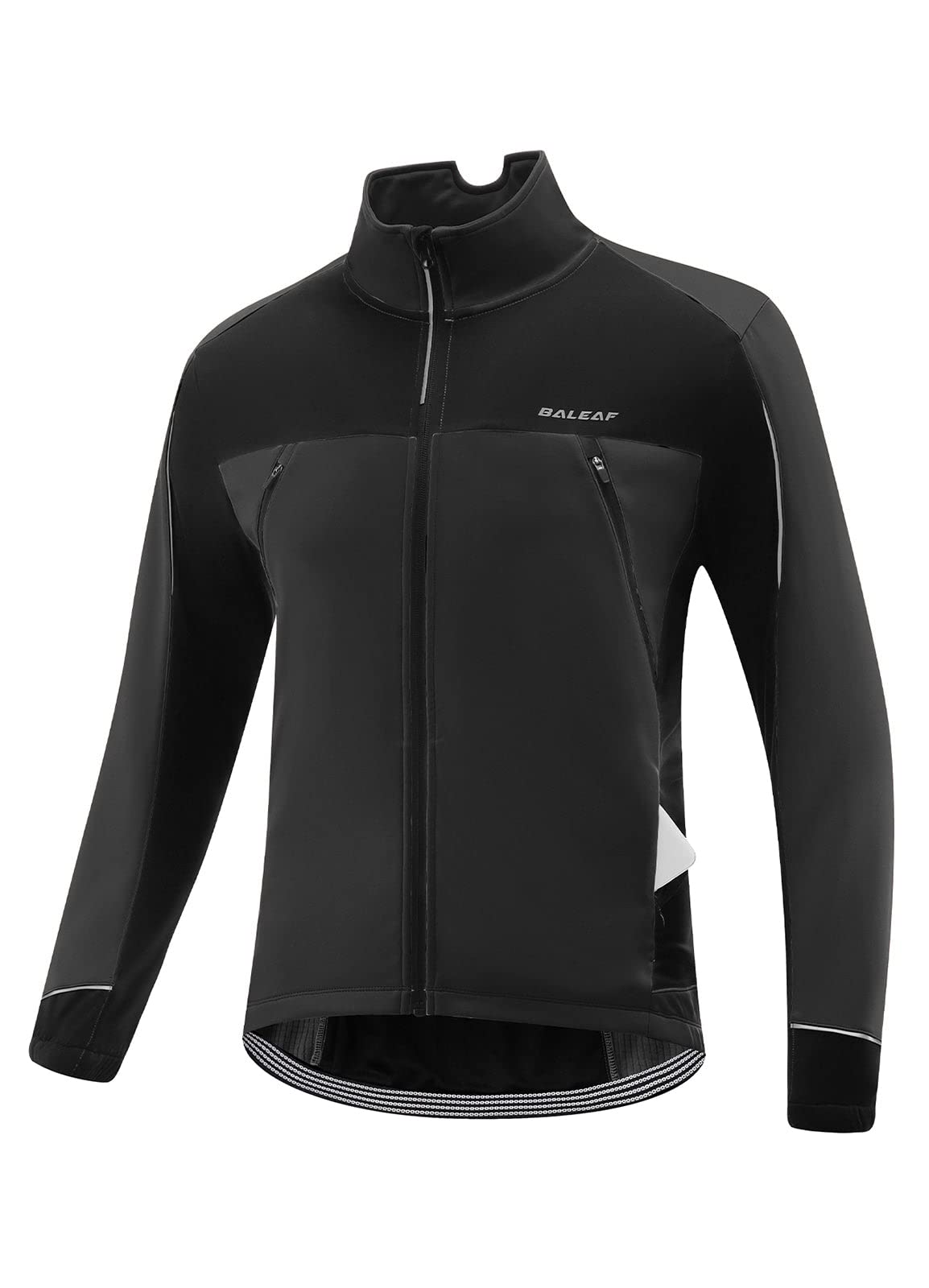
baleaf Winter Softshell
Key Features
- Weather Resistance: Water resistant
- Breathability: Medium
- Fit: Athletic, fitted
- Reflectivity: Reflective
- Weight & Packability: Lightweight
- Price: Mid-Range
The baleaf Winter Softshell delivers reliable warmth for runs in 30-50°F conditions, with a thermal fleece lining and high-visibility reflective accents that improve safety in low light. Its athletic cut runs snug, which suits layering with thin base layers but not bulky mid-layers. Wind resistance holds up in light breezes but can be overpowered in strong gusts, making it best for calm, cold days rather than exposed or windy routes. The jacket also lacks breathability for high-intensity efforts, so it works better for steady-paced runs or biking.
Pros
- Thermal fleece lining keeps you warm during cold-weather runs and rides.
- Reflective details improve visibility in low-light conditions.
Cons
- Wind resistance may not hold up in strong gusts during exposed runs.
A solid choice for dry, cold runs where wind is light and you prefer a fitted jacket without heavy layering.
How to Choose
Running jackets force a tradeoff between keeping rain out and letting sweat out: knowing which side to prioritize makes the difference between a jacket you wear and one you carry.
Weather Resistance
Weather resistance is a spectrum from fully waterproof to none. Waterproof jackets use a sealed membrane that blocks liquid water but also traps moisture vapor. Water-repellent finishes (DWR) bead water off the face fabric but eventually wet out under sustained rain. For running, a fully waterproof jacket is overkill unless you run in steady downpours; most runners fare better with a water-repellent shell that lets some vapor escape.
The catch is that DWR treatments wear off over time and require reapplication. A jacket that starts as water-repellent may leak after a dozen washes. If you plan to use it for years, look for a jacket with a durable water repellent (DWR) that can be refreshed, and factor in the cost of treatment sprays.
Breathability
Breathability measures how quickly moisture vapor passes through the fabric. In running, your body produces far more moisture than in casual use, so a jacket with low breathability turns into a sauna. Mesh panels, pit zips, and lightweight fabrics all help dump heat. The trade-off is that ventilation openings let water in when it rains, so jackets with high breathability are usually not waterproof.
For high-intensity runs, prioritize breathability over full waterproofing. A water-repellent shell with mesh vents or pit zips will keep you more comfortable than a sealed rain jacket. For slower efforts in steady rain, you can accept lower breathability in exchange for reliable water resistance.
Fit
Fit determines how the jacket behaves while moving. A slim athletic fit reduces flapping and wind resistance, which is ideal for speed work. A roomier fit allows layering underneath for cold weather but can catch wind and feel bulky. Running-specific jackets tend toward a trim cut that stays close to the body during arm swings and forward leans.
Sizing inconsistencies are common across brands – a medium in one jacket may fit like a small in another. Always check recent reviews for fit comments and use the size chart, especially if you plan to layer a fleece underneath. A jacket that is too tight restricts movement and traps heat; one that is too loose will flap and chafe.
Reflectivity
Reflectivity is a safety feature for low-light runs. Reflective elements are typically small logos, piping, or zipper pulls. The more surface area covered, the more visible you are to drivers. However, reflectivity is often an afterthought on budget jackets, with minimal patches that only catch direct light at close range.
For early morning or evening runs, look for jackets with reflective strips on the front, back, and sleeves. Jackets with large reflective panels or integrated LED loops offer better visibility than tiny logos. But reflectivity alone doesn’t replace a headlamp or bright clothing; treat it as an extra layer of safety.
Weight and Packability
Weight and packability affect how easy the jacket is to carry when not in use. A jacket that stuffs into its own pocket or a small pouch is ideal for runners who start warm and shed layers mid-run. Heavier jackets with insulation or thick linings are less packable but offer warmth. For most runners, a packable shell that weighs under 10 ounces is the sweet spot.
The hidden trade-off is that packable jackets often sacrifice durability and breathability. The thin fabric that makes them compact also makes them prone to tearing and less effective at venting moisture. If you plan to run in brush or wear a backpack, a slightly heavier jacket with reinforced seams may last longer.
FAQ
Can I run in a waterproof rain jacket without overheating?
Yes, but only if the jacket has ventilation features like pit zips or mesh-lined pockets. A fully sealed waterproof jacket will trap moisture and cause you to overheat within a mile of hard running. For most runners, a water-repellent shell that breathes is a better choice than a fully waterproof one.
What running jacket features do I actually need for light rain?
For light rain, a water-repellent shell with reflective accents and a slim fit is enough. You do not need a fully waterproof membrane. Look for a jacket that packs into its own pocket and has a hood that stays put when you turn your head. Thumbholes are optional but keep sleeves from riding up.
Do thumbholes on a running jacket affect sleeve fit for tall runners?
Thumbholes can help keep sleeves from riding up, but they also fix the sleeve length. If you have long arms, thumbholes may pull the jacket body down and restrict movement. Tall runners should check sleeve length in reviews before buying a jacket with thumbholes, especially from budget brands.
How much should I spend on a running jacket that works for hiking too?
A mid-range jacket between $40 and $55 offers the best balance of weather protection, packability, and running-specific features. Budget jackets under $30 sacrifice breathability or durability, while premium jackets over $60 often add features you may not need for occasional hiking use.